
The NCP blog
Diamond Grinding vs Mechanical Grinding: Which Method is Best for Your Floor?
Polished concrete9 min read
Concrete grinding methods play a crucial role in determining the quality and longevity of your floor finish in Pompano Beach.
Concrete grinding methods play a crucial role in determining the quality and longevity of your floor finish in Pompano Beach. Diamond grinding and mechanical grinding represent two distinct approaches to concrete surface preparation, each offering unique advantages for residential and commercial projects. National Concrete Polishing helps property owners understand which concrete grinding method delivers optimal results based on floor condition, project scope, and intended coating application.
Overview
This comprehensive guide examines the key differences between diamond grinding and mechanical grinding for concrete floors. You’ll discover how each method works, their respective advantages and limitations, ideal applications, and cost considerations. We’ll also explore how these preparation techniques affect coating adhesion, surface profile quality, and long-term floor performance in South Florida’s unique climate.
What is Diamond Grinding?
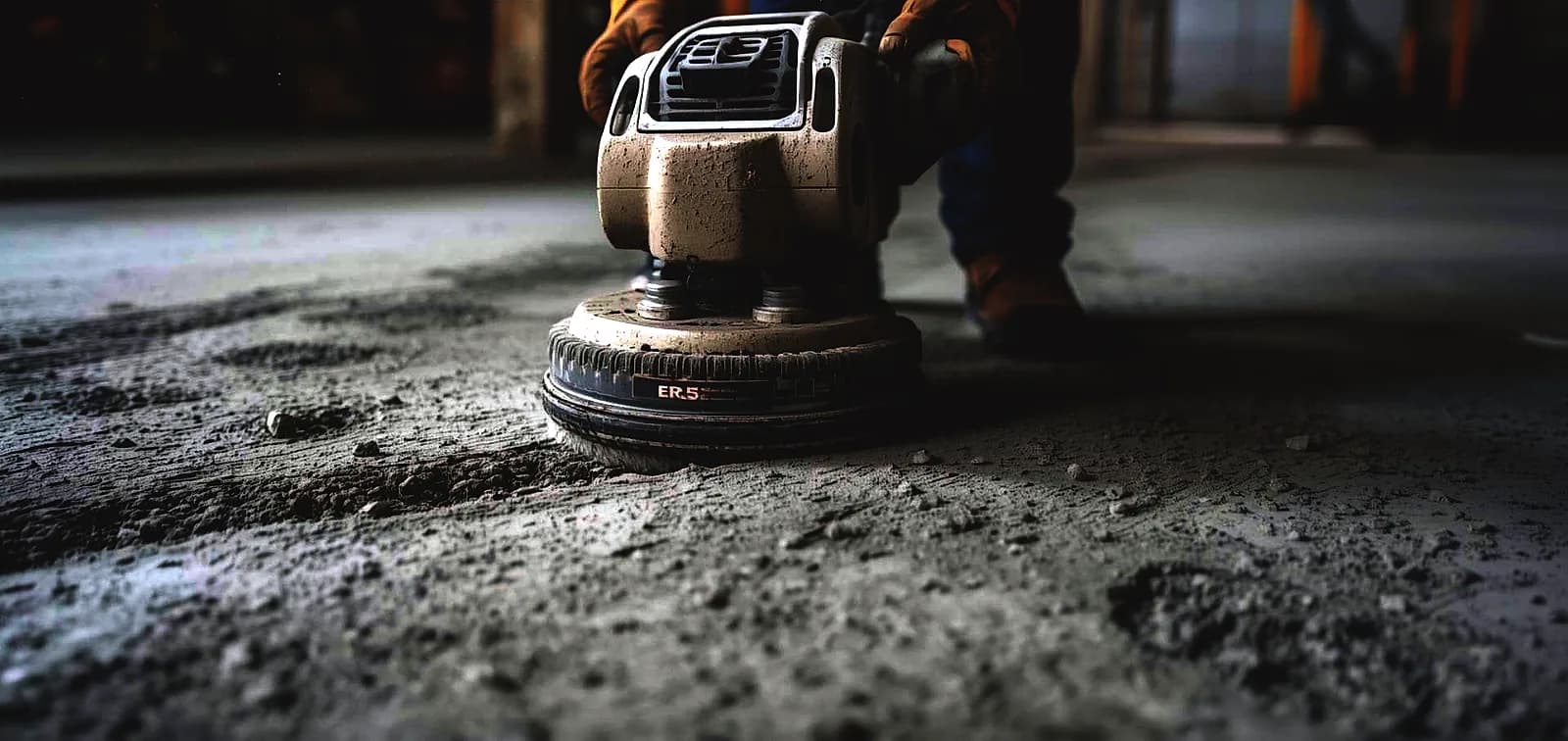
Diamond grinding utilizes industrial-grade diamonds embedded in rotating discs to remove surface layers of concrete with exceptional precision. The process involves specialized grinding equipment that moves across the floor at controlled speeds, creating a smooth, level surface. Multiple counter-rotating blades equipped with diamond segments of various grit sizes systematically abrade the concrete to achieve the desired finish.
A vacuum system connects directly to the grinder, capturing dust particles during operation to maintain a clean work environment. This method removes old coatings, adhesives, surface contaminants, and minor imperfections while preserving the structural integrity of the underlying concrete. Diamond grinding can be customized for different applications by adjusting grit progression—from coarse removal to fine polishing.
What is Mechanical Grinding?
Mechanical grinding encompasses several aggressive surface preparation techniques including shot blasting, scarifying, and milling that physically impact or cut into concrete. Shot blasting propels high-speed steel beads against the surface to remove coatings and create texture through forceful impact. Scarifying uses rotating cutting wheels or blades to aggressively remove thick coatings, overlays, or damaged concrete layers.
These mechanical methods work quickly to profile large surface areas, making them cost-effective for heavy-duty preparation needs. However, the aggressive nature of mechanical grinding can create uneven textures, blast lines, pits, and valleys in the concrete surface. The process requires careful overlapping techniques to minimize inconsistencies, though complete uniformity remains challenging to achieve.
Diamond Grinding Advantages
Diamond grinding delivers superior surface quality with consistent, controllable results that mechanical methods cannot match. The precision cutting action creates uniform surface profiles that enhance coating adhesion without introducing weak spots or structural damage. This smooth, even finish proves essential for thin-film epoxy applications where surface imperfections would telegraph through the coating.
The method generates minimal dust when paired with proper vacuum systems, protecting indoor air quality and reducing cleanup time. Diamond grinding produces no sparks or heat, making it safer for enclosed spaces and occupied buildings. Low vibration levels prevent damage to surrounding structures and reduce operator fatigue during extended projects. The technique effectively removes laitance—fine particles that weaken coating bonds—ensuring durable floor performance.
Mechanical Grinding Advantages
Mechanical grinding excels at rapid material removal across large surface areas, significantly reducing labor time on industrial projects. Shot blasting effectively strips heavy coatings, thick overlays, and severely contaminated surfaces that would quickly wear down diamond segments. The aggressive texture created by mechanical methods provides excellent mechanical anchor for thick overlay applications of 1/16 inch or greater.
This approach proves cost-effective for warehouse floors, parking structures, and outdoor concrete where perfect smoothness isn’t required. Mechanical equipment typically costs less to purchase and maintain than diamond grinding systems, making it accessible for contractors with budget constraints. The rough profile enhances slip resistance in certain applications where traction outweighs aesthetic concerns.
Surface Profile Comparison
Surface profile quality determines how well coatings bond to concrete and how long they perform under use. Diamond grinding produces CSP (Concrete Surface Profile) ratings from 1-3, creating smooth to medium textures ideal for most coating systems. The consistent profile across the entire floor ensures uniform coating penetration and adhesion without weak spots.
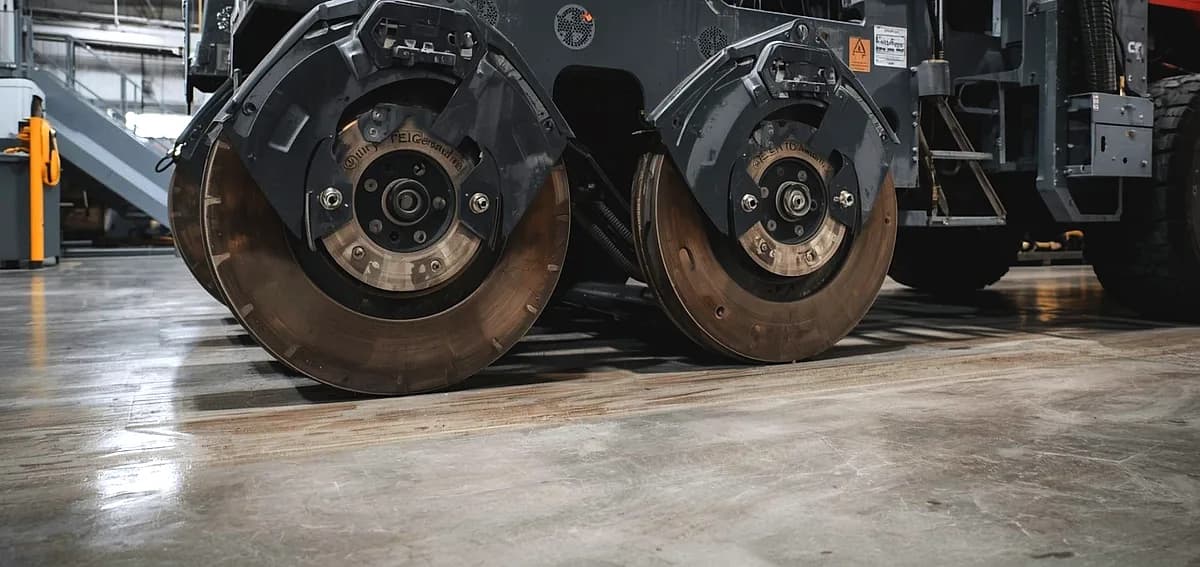
Mechanical grinding typically generates CSP ratings of 3-5, producing rougher textures with more pronounced peaks and valleys. While this aggressive profile works well for thick systems, the inconsistencies can compromise thin coating performance. Shot blasting often leaves blast lines from overlapping passes that remain visible through certain finishes, especially reflective epoxy systems.
The ability to control and verify surface profile before coating application directly impacts project success and long-term durability. Diamond grinding’s precision eliminates the guesswork, while mechanical methods require more experience to achieve acceptable consistency.
Best Applications for Diamond Grinding
Diamond grinding represents the optimal choice for residential garage floors where smooth finishes and aesthetic appeal matter. Commercial epoxy installations in retail spaces, showrooms, and offices benefit from the flawless surface that highlights decorative elements. Polished concrete projects require diamond grinding’s precision to achieve the desired gloss levels and aggregate exposure.
Healthcare facilities, food processing plants, and laboratories need the sanitary, smooth surfaces that only diamond grinding delivers. Metallic epoxy floors and other thin decorative coatings depend on perfectly level substrates to showcase their visual effects without distortion. Interior concrete spaces where dust control and low vibration are priorities benefit significantly from diamond grinding’s clean operation.
Best Applications for Mechanical Grinding
Mechanical grinding suits warehouse floors and industrial facilities where aggressive preparation is needed for heavy-duty coatings. Parking garages, loading docks, and outdoor concrete benefit from the rapid coverage and cost-effectiveness of shot blasting. Thick overlay applications exceeding 1/16 inch thickness require the pronounced texture that mechanical methods create.
Severely contaminated surfaces with oil penetration, heavy paint buildup, or multiple coating layers may necessitate mechanical grinding’s aggressive action. Road resurfacing and large-scale infrastructure projects favor mechanical methods due to equipment mobility and processing speed. Projects where surface aesthetics are secondary to functionality and cost efficiency often choose mechanical preparation approaches.
Cost & Time Considerations
Diamond grinding typically costs more per square foot due to equipment investment, diamond tooling expenses, and slower processing speeds. However, the superior surface quality often eliminates callbacks and coating failures that plague mechanically prepared floors. Proper surface preparation proves less expensive than premature coating replacement caused by inadequate prep work.
Mechanical grinding offers lower upfront costs and faster coverage rates, making it attractive for budget-conscious projects. Yet the potential for surface inconsistencies, dust generation, and structural micro-damage can increase long-term maintenance costs. Time savings from mechanical methods may be offset by additional surface correction work required before coating application.
National Concrete Polishing evaluates project-specific factors to recommend the most cost-effective preparation method that balances initial investment with long-term performance expectations.
Diamond Grinding vs Acid Etching
Acid etching offers a chemical alternative to mechanical preparation but delivers inferior and inconsistent results compared to diamond grinding. The acid solution cannot remove existing sealers or coatings, fails to eliminate laitance reliably, and leaves behind potentially harmful chemical residues. Etching produces uncontrollable surface profiles that vary based on concrete age, porosity, and acid concentration.
Diamond grinding removes all surface contaminants mechanically, ensuring clean, uniform preparation regardless of concrete composition. The process works on sealed, coated, or contaminated surfaces where acid etching would fail completely. Environmental and safety concerns make acid etching increasingly unacceptable for indoor applications, while diamond grinding maintains safe air quality throughout the project.
Modern contractors recognize that acid etching represents outdated technology that compromises coating performance and project timelines. Diamond grinding’s consistent results justify the modest cost difference for property owners seeking lasting floor solutions.
Impact on Coating Durability
Preparation method directly influences coating lifespan and performance under real-world conditions. Diamond grinding’s smooth, consistent profile allows complete coating penetration and strong mechanical bonds that resist delamination. The elimination of surface defects prevents epoxy bubbling and peeling issues common with inadequately prepared floors.
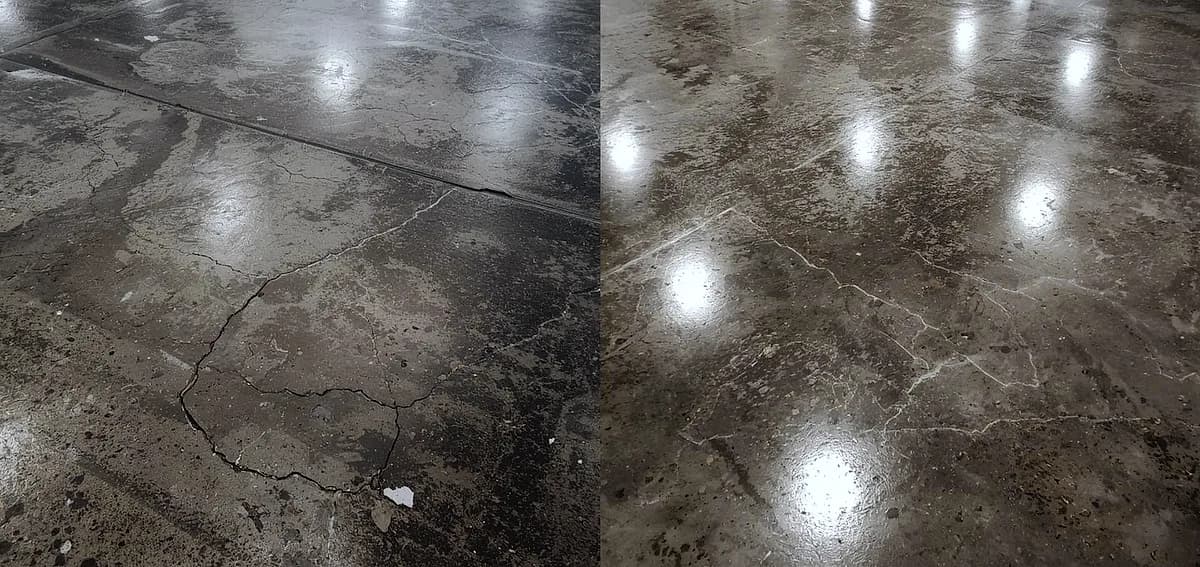
Mechanical grinding’s irregular texture can trap air pockets beneath thin coatings, creating weak points where failure initiates. The micro-fractures from aggressive blasting may compromise concrete integrity, allowing moisture migration that undermines coating adhesion over time. Blast lines and surface inconsistencies become more pronounced as coatings wear, requiring premature refinishing.
Investing in proper diamond grinding preparation extends coating lifespan expectancy from 5-7 years to 15-20+ years in many applications. The reduced maintenance requirements and improved appearance justify the initial preparation investment for most residential and commercial properties.
Environmental & Safety Factors
Diamond grinding’s integrated dust collection systems minimize airborne particles, protecting respiratory health and reducing environmental impact. The absence of chemical treatments eliminates hazardous waste disposal concerns associated with acid etching. Low vibration operation prevents structural stress on adjacent buildings and reduces noise pollution in occupied spaces.
Mechanical methods generate significant dust clouds without proper containment, potentially spreading contaminants throughout buildings. Shot blasting’s aggressive nature can damage embedded utilities, crack weak concrete, and create projectile hazards if not properly controlled. The loud operation disrupts building occupants and may violate noise ordinances in residential areas.
National Concrete Polishing prioritizes worker safety and environmental responsibility through proper equipment selection and operational protocols that protect both people and property during all preparation projects.
Choosing the Right Method
Selecting between diamond grinding and mechanical grinding depends on multiple project-specific factors that experienced contractors evaluate. Coating thickness represents the primary consideration—thin systems under 1/16 inch demand diamond grinding, while thicker applications tolerate mechanical methods. Floor condition assessment reveals whether aggressive mechanical action or precise diamond cutting better addresses existing damage.
Budget constraints must balance initial costs against long-term performance expectations and potential callback expenses. Project timeline requirements may favor mechanical grinding’s speed for large areas with flexible quality standards. Building occupancy and environmental sensitivity often necessitate diamond grinding’s clean, quiet operation regardless of cost differences.
Aesthetic goals for decorative concrete or reflective finishes require diamond grinding’s precision and smooth results. Industrial applications prioritizing function over appearance may accept mechanical grinding’s efficiency trade-offs. Consulting with experienced professionals ensures the preparation method aligns with project success criteria and owner expectations.
Frequently Asked Questions
What is the main difference between diamond grinding and mechanical grinding?
Diamond grinding uses precision diamond segments to create smooth, uniform surfaces, while mechanical grinding employs aggressive impact or cutting methods like shot blasting that produce rougher, less consistent textures.
Which grinding method is best for epoxy floor installations?
Diamond grinding is recommended for epoxy installations because it creates the smooth, consistent surface profile that thin-film coatings require for proper adhesion and appearance.
Is diamond grinding more expensive than mechanical grinding?
Yes, diamond grinding typically costs more upfront due to equipment and tooling expenses, but the superior surface quality often prevents coating failures that would require expensive repairs.
Can mechanical grinding damage concrete floors?
Mechanical methods like shot blasting can create micro-fractures, pits, and inconsistent surfaces that may compromise concrete integrity and coating performance.
How does diamond grinding control dust?
Diamond grinders connect to industrial vacuum systems that capture dust particles during operation, maintaining clean air quality throughout the project.
Which method works better for polished concrete?
Diamond grinding is essential for polished concrete projects as it provides the precise grit progression needed to achieve desired gloss levels and aggregate exposure.
Does mechanical grinding work for all concrete types?
Mechanical grinding effectively prepares most concrete but can damage weak or deteriorated surfaces, while diamond grinding adapts to various concrete conditions with controlled pressure.
How long does diamond grinding take compared to shot blasting?
Diamond grinding operates slower than shot blasting but produces superior results, with time differences varying based on project size and surface conditions.
Can diamond grinding remove thick coatings?
Diamond grinding removes most coatings effectively, though extremely thick industrial coatings may require initial mechanical removal before diamond finishing.
Which grinding method is better for garage floors?
Diamond grinding is superior for garage floors because it creates smooth surfaces ideal for epoxy coatings without the harsh chemicals or inconsistent results of other methods.
Conclusion
The choice between diamond grinding and mechanical grinding fundamentally impacts your floor’s appearance, coating performance, and long-term durability. While mechanical methods offer speed and lower initial costs, diamond grinding delivers the precision, consistency, and surface quality that modern coating systems require for optimal adhesion and longevity. Proper concrete surface preparation represents the single most important factor in floor coating success, making method selection a critical decision that affects your investment for years to come.
National Concrete Polishing combines advanced diamond grinding technology with expert surface assessment to ensure your Pompano Beach property receives preparation perfectly matched to your coating system and performance expectations. Contact us today for a free consultation and discover how professional diamond grinding creates the flawless foundation your floor deserves for lasting beauty and exceptional durability.
Written by

Founder and CEO
Chris Lavin is an esteemed leader in concrete polishing and epoxy coatings with a distinguished 20-year career. As founder and CEO of National Concrete Polishing and owner of Xtreme Polishing Systems, he's renowned for polishing and epoxy coating more floors than anyone globally. Chris is recognized for his innovative approach and commitment to enhancing floor durability and aesthetics. His hands-on experience and technical proficiency make him a respected authority and a valuable resource in the field of floor polishing and coatings.
Same topic
Related articles
All stories
Polished concrete11 min read
Polished Concrete vs Epoxy Coatings: Which Floor Is Right for Your Space?
Two systems, two price curves, one slab. What each one costs to install and to keep, and which spaces each one actually suits.
Read it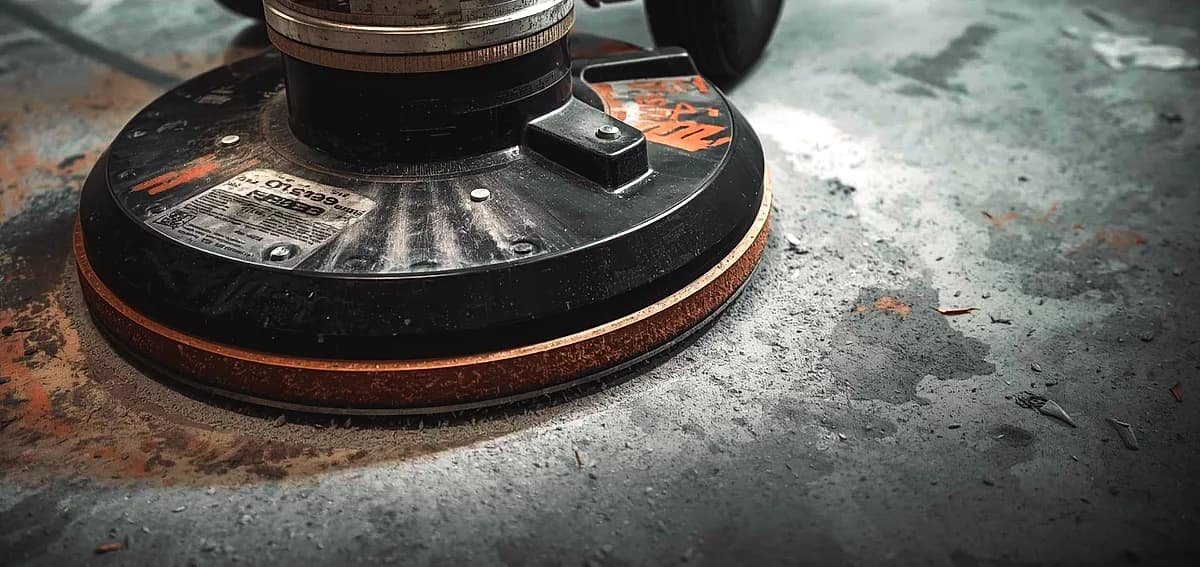
Polished concrete8 min read
What to Know Before Polishing Your Existing Concrete Slab
Before any mechanical refinement can begin, a thorough evaluation of the current foundation is required.
Read it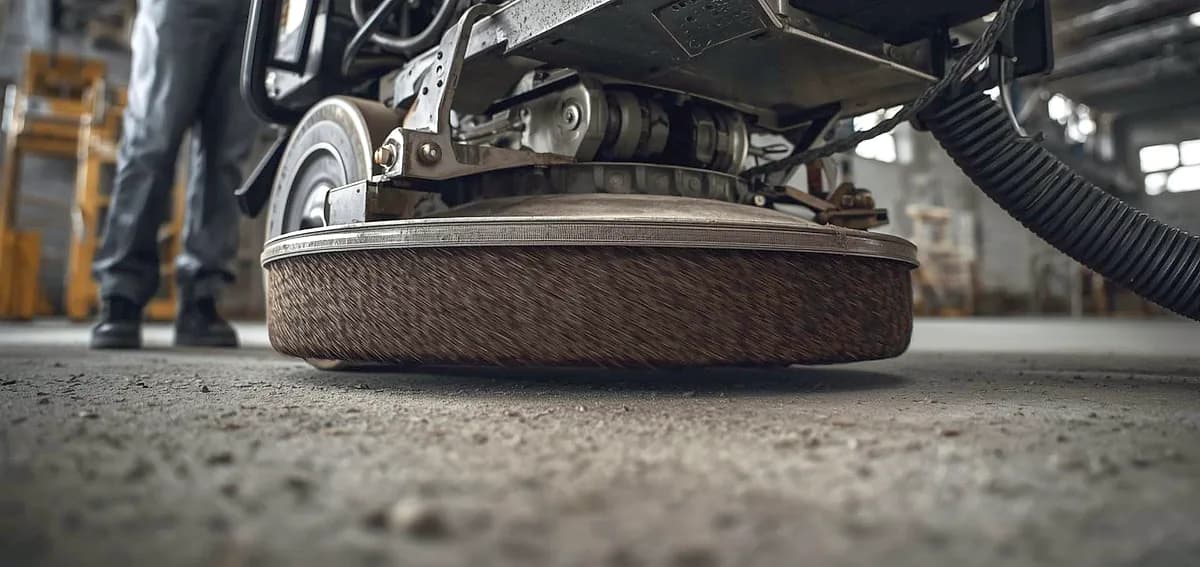
Polished concrete8 min read
Is Polished Concrete Worth the Investment for Miami Properties?
It is essential to distinguish between a simple topical seal and mechanically refined concrete.
Read it
Tell us about the floor
Tell us the space and roughly how big it is.We come back with what it would cost and when we could start.
Prefer to talk? Call +1 844-876-5474
- Leads@
nationalconcretepolishing.net - 2200 NW 32nd St #600,
Pompano Beach, FL 33069 Mon to Fri, 9:00 to 5:30