
The NCP blog
Shot Blasting vs Grinding for Floor Preparation
Polished concrete14 min read
Shot blasting and grinding are two of the most widely used ways to prepare concrete floors for polishing, coating, or repair.
When it comes to preparing concrete floors for polishing, coating, or repair, choosing the right surface preparation method can make or break your project. Two of the most widely used techniques in the flooring industry are shot blasting and grinding, each offering distinct advantages depending on your specific requirements. Understanding the differences between these floor preparation methods is crucial for contractors, facility managers, and property owners who want to achieve optimal results while managing costs and timelines effectively.
Shot blasting preparation has emerged as a preferred choice for many large-scale commercial and industrial projects due to its efficiency and ability to create consistent surface profiles. This mechanical process uses high-velocity steel shot to remove surface contaminants, coatings, and laitance while simultaneously creating the ideal surface texture for subsequent treatments. Unlike chemical stripping or manual preparation methods, shot blasting provides a clean, environmentally friendly approach that generates minimal dust and can be completed relatively quickly.
On the other hand, grinding remains a versatile and widely accessible option that offers precise control over surface removal and profiling. This method utilizes rotating diamond or abrasive discs to mechanically remove surface material, making it particularly effective for smaller areas, detailed work, or situations requiring specific surface textures. The choice between shot blasting and grinding often depends on factors such as project size, existing surface conditions, desired finish quality, budget constraints, and timeline requirements.
The decision between these two preparation methods significantly impacts not only the immediate project outcomes but also the long-term performance of floor systems. Proper surface preparation accounts for up to 80% of coating system success, making this choice one of the most critical decisions in any flooring project. Factors such as substrate condition, contamination levels, required surface profile depth, and the intended final floor system all play crucial roles in determining the most appropriate preparation method.
Both shot blasting and grinding have evolved significantly with technological advances, offering improved efficiency, better dust control, and enhanced safety features. Modern equipment in both categories provides contractors with sophisticated options for achieving precise results while maintaining productivity and worker safety standards. Understanding these capabilities and limitations helps ensure that flooring professionals select the most appropriate method for each unique situation.
Key Takeaways
Shot blasting preparation excels in large-scale applications, offering rapid coverage rates and consistent surface profiling across extensive areas, making it ideal for warehouses, manufacturing facilities, and commercial spaces requiring uniform preparation.
Grinding provides superior precision and control, making it the preferred choice for smaller areas, detailed work, repair patches, and situations requiring specific surface textures or profiles that demand careful manipulation.
Environmental considerations favor shot blasting due to its enclosed system design that captures debris and minimizes dust generation, while grinding typically requires more extensive dust control measures and ventilation systems.
Cost analysis reveals that shot blasting often provides better value for large projects due to higher productivity rates, while grinding may be more cost-effective for smaller areas or projects requiring specialized surface preparation.
Surface profile consistency tends to be superior with shot blasting, as the process creates uniform anchor patterns essential for coating adhesion, whereas grinding results can vary based on operator technique and equipment condition.
Equipment investment differs significantly between methods, with shot blasting requiring higher initial capital but offering greater long-term productivity, while grinding equipment presents lower entry costs with more flexible application options.
Project timeline considerations show shot blasting typically completing preparation faster on large surfaces, while grinding may extend project duration but offers greater scheduling flexibility for phased work or occupied facilities.
Substrate compatibility varies between methods, with shot blasting being more effective on sound concrete surfaces, while grinding can accommodate a wider range of substrate conditions including damaged or uneven surfaces requiring leveling.
Understanding Floor Preparation
Floor preparation serves as the foundation for all successful flooring installations, repairs, and coating applications. The quality of surface preparation directly correlates with the longevity, performance, and appearance of the final floor system. Whether preparing concrete for polishing, applying protective coatings, or installing overlay systems, the preparation method chosen determines the mechanical bond strength, chemical adhesion, and overall system integrity.
Modern floor preparation methods have evolved from basic mechanical techniques to sophisticated systems that can precisely control surface profile, contamination removal, and substrate conditioning. These advances allow contractors to tailor preparation methods to specific project requirements, substrate conditions, and performance expectations. The two primary mechanical preparation methods, shot blasting and grinding, represent different approaches to achieving similar goals but with distinct operational characteristics and optimal applications.
The science behind effective floor preparation involves creating the appropriate surface energy, mechanical anchor pattern, and cleanliness level for the intended floor system. Surface energy relates to the concrete’s ability to wet out with applied materials, while the anchor pattern provides mechanical interlocking between the substrate and new materials. Cleanliness encompasses the removal of contaminants, weak surface layers, and foreign materials that could compromise adhesion or performance.
Understanding substrate evaluation is crucial for selecting appropriate preparation methods. Factors such as concrete strength, existing coatings, contamination types, surface irregularities, and structural soundness all influence the choice between shot blasting and grinding. Professional assessment typically includes pull-off adhesion testing, surface hardness evaluation, contamination analysis, and structural integrity inspection to ensure the selected preparation method will achieve desired results.
Shot Blasting: Process and Advantages
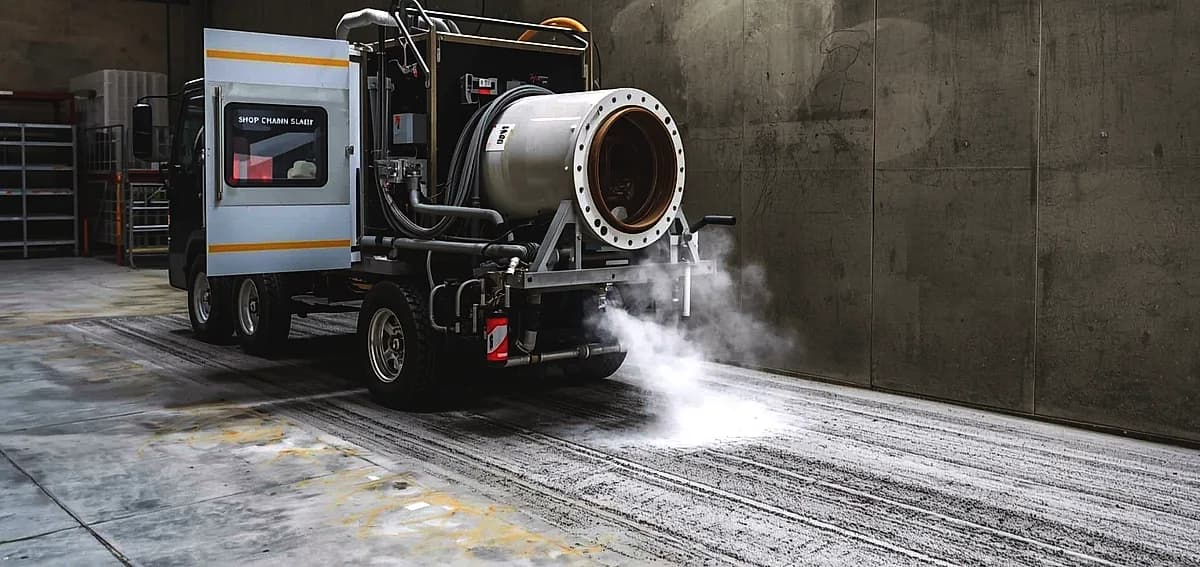
Shot blasting preparation utilizes a closed-loop system where steel shot media is propelled at high velocity against the concrete surface through a rotating blast wheel. The impact energy removes surface contaminants, weak laitance, and existing coatings while creating a uniform anchor pattern. The spent shot and debris are immediately vacuumed back into the machine, separated, and the reusable shot is recycled for continued operation. This process creates minimal dust and provides excellent containment of debris and contaminants.
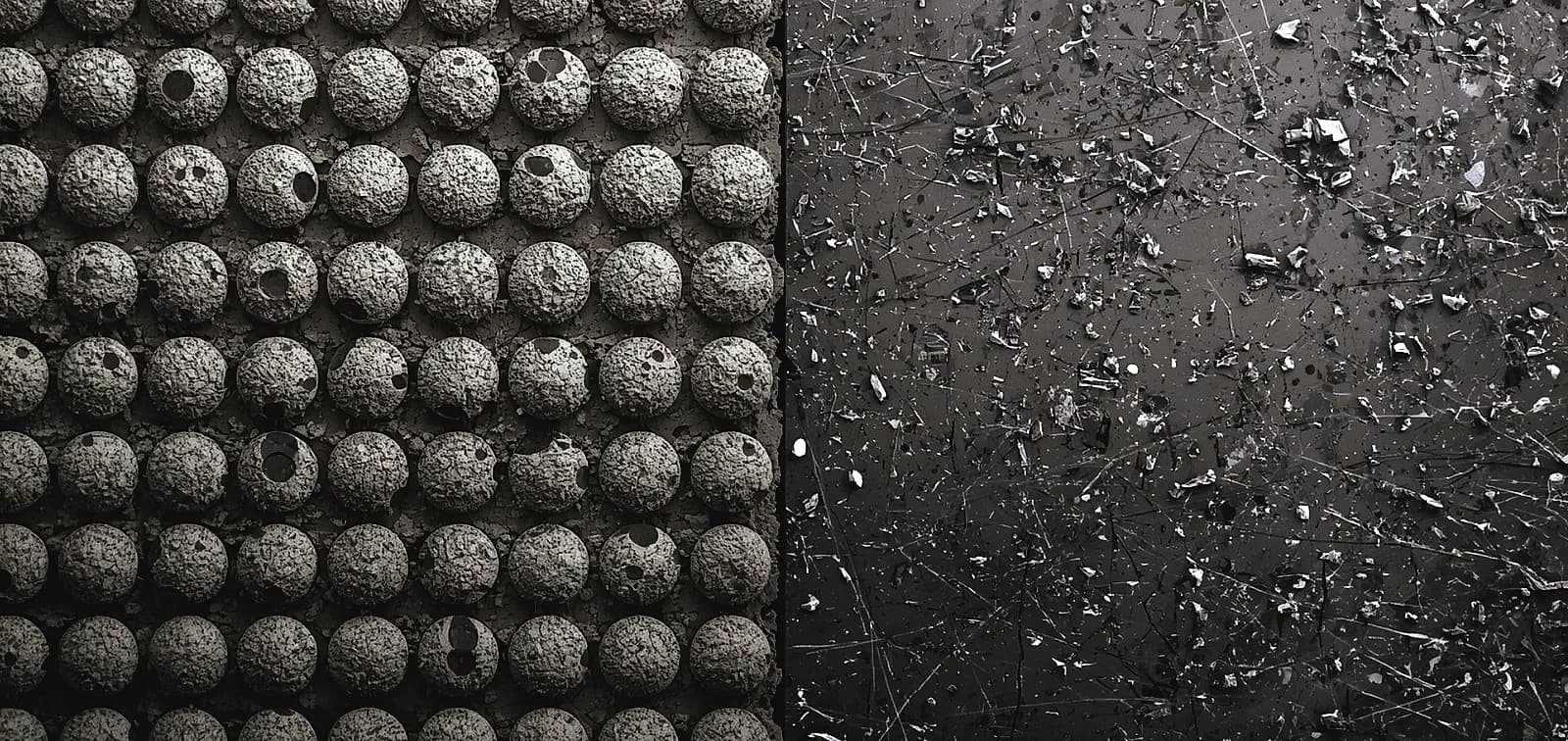
The mechanical action of shot blasting creates a distinctive surface profile characterized by uniform depth and consistent anchor pattern density. The steel shot impacts create small craters and peaks that provide excellent mechanical bonding surfaces for subsequent coatings or treatments. The process can achieve various surface profiles by adjusting shot size, blast wheel speed, machine travel speed, and the number of passes over the surface. This flexibility allows contractors to customize the preparation to match specific coating manufacturer requirements.
One of the primary advantages of shot blasting is its exceptional productivity on large surfaces. Modern shot blasting equipment can prepare thousands of square feet per day, significantly reducing project timelines compared to alternative methods. The consistent travel speed and uniform blast pattern ensure repeatable results across the entire project area, eliminating the variations that can occur with operator-dependent methods. This consistency is particularly valuable for large commercial projects where uniform coating performance is critical.
The enclosed nature of shot blasting systems provides superior environmental control compared to open preparation methods. The integrated vacuum system captures virtually all debris, spent shot, and removed materials, preventing contamination of surrounding areas and minimizing cleanup requirements. This containment capability makes shot blasting particularly suitable for occupied facilities, sensitive environments, or projects with strict environmental compliance requirements.
Shot blasting also excels at removing stubborn contaminants and coatings that might challenge other preparation methods. The high-impact energy effectively removes heavy-duty industrial coatings, thick paint systems, adhesive residues, and deeply embedded contaminants. The process can simultaneously remove multiple coating layers while preparing the substrate for new applications, streamlining the overall project workflow and reducing the need for multiple preparation steps.
Grinding: Techniques and Applications
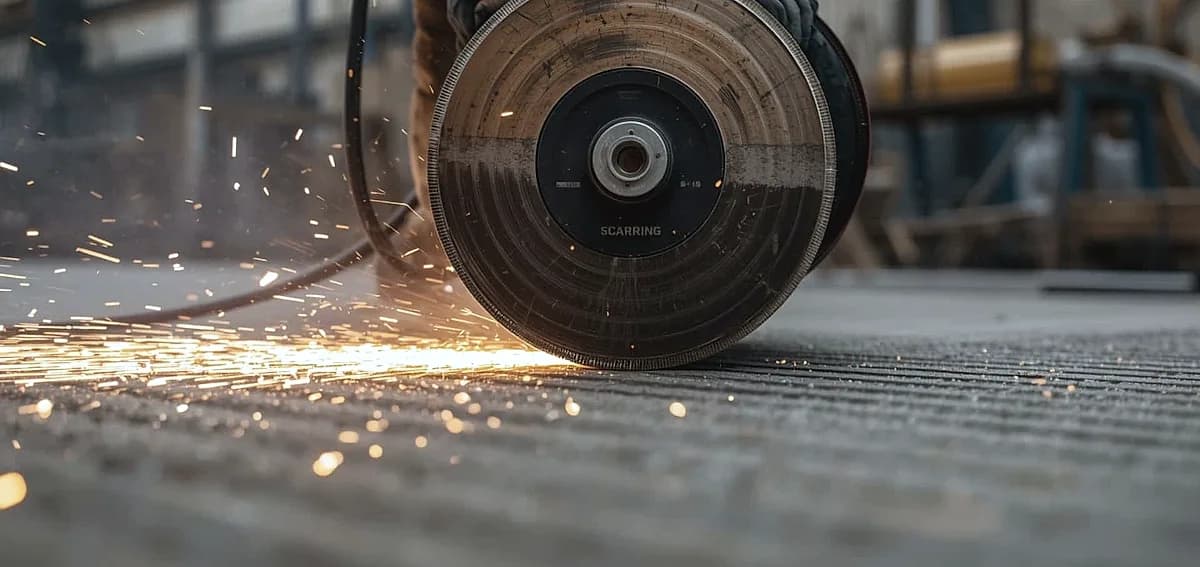
Concrete grinding employs rotating diamond or abrasive discs to mechanically remove surface material through cutting and abrading action. The process can be performed with various equipment types, from small handheld grinders for detail work to large planetary grinders capable of covering substantial areas. The grinding action creates a surface profile through controlled material removal, allowing operators to precisely manage the depth and texture of the prepared surface.
The versatility of grinding equipment makes it adaptable to numerous project requirements and site conditions. Walk-behind grinders offer excellent maneuverability for medium-sized areas and complex layouts, while ride-on planetary grinders provide efficient coverage for larger spaces. Handheld grinders enable precise work around obstacles, edges, and detailed areas that larger equipment cannot access. This equipment diversity allows contractors to select the optimal tool for specific project requirements and site constraints.
Grinding excels in situations requiring precise control over material removal depth and surface texture. The process allows operators to gradually remove material in controlled increments, making it ideal for leveling uneven surfaces, removing specific coating layers, or achieving exact surface profile specifications. This precision control is particularly valuable when working with expensive substrates, historical structures, or situations where material removal must be minimized.
The grinding process generates different surface textures depending on the abrasive type, grit sequence, and operational parameters. Diamond grinding typically produces smoother finishes suitable for polished concrete applications, while aggressive abrasives create deeper anchor patterns for coating systems. The ability to progress through multiple grit sequences allows contractors to achieve virtually any desired surface texture or smoothness level, from rough preparation profiles to mirror-like polished finishes.
One significant advantage of grinding is its effectiveness on compromised or irregular substrates. The process can accommodate uneven surfaces, remove high spots, fill low areas with appropriate materials, and create level surfaces from damaged or deteriorated concrete. This adaptability makes grinding particularly valuable for renovation projects, repair work, or situations where the existing substrate presents challenges that other preparation methods cannot address effectively.
Comparative Analysis: Efficiency and Cost
Productivity analysis reveals significant differences between shot blasting and grinding in terms of coverage rates and project completion times. Shot blasting typically achieves coverage rates of 1,000 to 3,000 square feet per hour, depending on equipment size and surface conditions, while grinding rates vary widely from 200 to 1,500 square feet per hour based on equipment type, surface hardness, and required profile depth. These productivity differences become increasingly significant on larger projects where time savings translate directly into cost reductions and earlier project completion.
Labor requirements differ substantially between the two methods, with shot blasting generally requiring fewer operators due to its automated nature and higher productivity rates. A single operator can typically manage shot blasting operations, while grinding may require multiple operators for comparable coverage, especially when using smaller equipment or working in complex layouts. However, grinding operations often require less specialized training, making it easier to find qualified operators in many markets.
Equipment costs present another important consideration in method selection. Shot blasting machines represent significant capital investments, often ranging from $100,000 to $500,000 for commercial-grade equipment, while grinding equipment can be acquired for $5,000 to $100,000 depending on size and capabilities. This cost difference affects project economics, particularly for smaller contractors or occasional users who may find grinding equipment more accessible from a capital investment perspective.
Consumable costs vary between methods, with shot blasting using steel shot media that can be recycled multiple times before replacement, while grinding consumes diamond or abrasive discs that require regular replacement. Shot media costs are relatively low per square foot due to recyclability, while grinding disc costs can be substantial, particularly when working with hard concrete or aggressive profiles. These ongoing operational costs significantly impact project profitability and should be carefully calculated during method selection.
Maintenance requirements and equipment downtime also influence overall project costs and scheduling. Shot blasting equipment requires regular maintenance of blast wheels, vacuum systems, and shot separation components, but this maintenance is typically scheduled and predictable. Grinding equipment maintenance varies with usage intensity and working conditions, with diamond disc replacement being the primary ongoing requirement. Understanding these maintenance patterns helps contractors plan for equipment availability and budget for operational costs.
Surface Profile and Quality
Surface profile quality represents one of the most critical factors in floor preparation success, as it directly affects coating adhesion, system performance, and long-term durability. Shot blasting preparation creates a distinctive anchor pattern characterized by uniform circular impact craters with consistent depth and spacing. This pattern provides excellent mechanical bonding surfaces with predictable performance characteristics that coating manufacturers can rely on for adhesion specifications and warranty requirements.
The uniformity achieved through shot blasting results from the consistent impact energy and pattern created by the rotating blast wheel. Each steel shot particle impacts the surface with similar energy levels, creating repeatable crater formations across the entire prepared area. This consistency eliminates the variations that can occur with operator-dependent methods, ensuring that coating systems receive uniform bonding surfaces throughout the project area. Such uniformity is particularly critical for high-performance coating systems where adhesion variations could lead to premature failure.
Grinding produces different surface characteristics, typically creating linear scratch patterns with varying depths and orientations depending on the grinding sequence and equipment used. While these patterns can provide excellent mechanical bonding, achieving consistency requires skilled operators and careful attention to grinding parameters. The ability to control scratch depth and orientation through grit selection and operational techniques allows grinding to create customized surface profiles for specific applications.
Surface cleanliness represents another crucial quality factor where the two methods differ significantly. Shot blasting’s enclosed system and high-impact energy effectively remove all surface contaminants, including oils, salts, and embedded materials that might compromise adhesion. The process simultaneously cleans and profiles the surface, eliminating the need for separate cleaning operations. Grinding may require additional cleaning steps, particularly when dealing with contaminated surfaces or oil-saturated concrete.
Quality control and verification procedures differ between methods, with shot blasting typically producing more predictable and measurable results. Surface profile depth can be accurately controlled through equipment settings and verified using standard measurement techniques. Grinding results may vary more significantly and require more frequent monitoring and adjustment to maintain consistent quality standards. Understanding these quality control requirements helps contractors establish appropriate inspection and verification protocols for each method.
Environmental Impact and Safety
Environmental impact assessment reveals significant differences between shot blasting and grinding in terms of dust generation, noise levels, and waste production. Shot blasting’s enclosed system design minimizes dust emissions by capturing debris and particles within the machine’s vacuum system. This containment capability reduces airborne particulates and eliminates most dust-related environmental concerns, making shot blasting suitable for sensitive environments or occupied facilities where dust control is critical.
Grinding operations typically generate substantial amounts of dust that require extensive control measures to protect workers and surrounding areas. Even with dust collection systems, grinding can produce airborne silica particles that pose serious health risks and require compliance with strict safety regulations. The open nature of grinding operations makes complete dust containment challenging, particularly in windy conditions or when working near ventilation systems that could spread contamination.
Noise considerations also favor shot blasting in many applications, as the enclosed system design helps contain operational noise levels. While shot blasting equipment does generate significant noise, it is typically lower and more consistent than grinding operations. Grinding noise levels can vary widely depending on surface hardness and grinding parameters, often requiring hearing protection and potentially limiting working hours in noise-sensitive environments.
Waste generation and disposal requirements differ substantially between methods. Shot blasting produces contained debris that can be easily collected and disposed of according to environmental regulations. The steel shot media is recyclable and reusable, minimizing waste generation and disposal costs. Grinding produces larger volumes of concrete dust and debris that may require special handling, particularly if the concrete contains hazardous materials or if the debris is contaminated with removed coatings.
Worker safety protocols for both methods require comprehensive training and protective equipment, but the specific risks and mitigation strategies differ. Shot blasting operators must understand equipment operation, maintenance safety, and proper handling of steel shot media. Grinding operators face risks from dust exposure, equipment vibration, and potential disc failure, requiring different safety training and protective measures. Companies like National Concrete Polishing prioritize comprehensive safety training and proper equipment maintenance to ensure worker protection regardless of the preparation method selected.
Frequently Asked Questions
What factors determine whether shot blasting or grinding is more appropriate for a specific project?
Project size, substrate condition, required surface profile, timeline constraints, and budget considerations all influence method selection. Shot blasting typically suits large areas requiring uniform preparation, while grinding works better for smaller areas, detailed work, or situations requiring precise control over material removal.
How do coverage rates compare between shot blasting and grinding methods?
Shot blasting generally achieves 1,000-3,000 square feet per hour coverage rates, while grinding varies from 200-1,500 square feet per hour depending on equipment size and surface conditions. These differences significantly impact project timelines and labor costs on larger installations.
Which method provides better surface profile consistency for coating applications?
Shot blasting preparation typically delivers superior consistency due to its automated operation and uniform impact patterns. Grinding can achieve excellent results but requires skilled operators and careful parameter control to maintain consistent surface profiles across large areas.
What are the environmental advantages and disadvantages of each method?
Shot blasting offers superior dust control through enclosed systems and generates less waste due to recyclable shot media. Grinding produces more dust requiring extensive control measures and generates larger volumes of disposal waste, but offers greater equipment accessibility and lower initial investment requirements.
How do equipment costs and maintenance requirements compare between methods?
Shot blasting equipment requires higher initial investment ($100,000-$500,000) but offers greater productivity and lower per-square-foot costs on large projects. Grinding equipment costs less initially ($5,000-$100,000) but may have higher consumable costs and require more frequent maintenance on intensive applications.
Which method works better for removing existing coatings and contaminants?
Shot blasting excels at removing heavy-duty coatings and embedded contaminants through high-impact energy and simultaneous cleaning action. Grinding can remove coatings effectively but may require multiple passes or additional cleaning steps for heavily contaminated surfaces.
What safety considerations are most important for each preparation method?
Both methods require comprehensive safety training, but grinding poses greater silica dust exposure risks requiring strict respiratory protection. Shot blasting safety focuses on equipment operation, confined space procedures, and proper handling of steel shot media. Professional contractors like National Concrete Polishing maintain rigorous safety protocols for both methods.
How do these methods affect the performance of subsequent floor systems?
Both methods can provide excellent preparation when properly executed, but shot blasting typically creates more uniform anchor patterns that ensure consistent coating performance. Grinding allows for customized surface textures but requires careful quality control to achieve uniform results across large areas.
Conclusion
The choice between shot blasting preparation and grinding for floor preparation ultimately depends on a careful evaluation of project-specific requirements, site conditions, and performance objectives. Both methods offer distinct advantages and can deliver excellent results when properly applied by experienced professionals. Shot blasting excels in large-scale applications where productivity, consistency, and environmental control are priorities, while grinding provides superior flexibility and precision for complex or smaller projects.
Understanding the capabilities and limitations of each method enables informed decision-making that optimizes project outcomes while managing costs and timelines effectively. The investment in proper preparation, regardless of method selected, pays dividends in improved floor system performance, reduced maintenance requirements, and extended service life. As flooring technologies continue to evolve, both shot blasting and grinding methods will likely see continued improvements in efficiency, safety, and environmental performance.
Professional contractors like National Concrete Polishing bring expertise in both preparation methods, allowing them to recommend and execute the most appropriate approach for each unique project. This experience-based guidance ensures that clients receive optimal value from their floor preparation investment while achieving the performance and aesthetic goals that drive project success. The future of floor preparation will likely see continued technological advances in both methods, further improving their capabilities and expanding their applications in the growing commercial and industrial flooring markets.
Written by

Founder and CEO
Chris Lavin is an esteemed leader in concrete polishing and epoxy coatings with a distinguished 20-year career. As founder and CEO of National Concrete Polishing and owner of Xtreme Polishing Systems, he's renowned for polishing and epoxy coating more floors than anyone globally. Chris is recognized for his innovative approach and commitment to enhancing floor durability and aesthetics. His hands-on experience and technical proficiency make him a respected authority and a valuable resource in the field of floor polishing and coatings.
Same topic
Related articles
All stories
Polished concrete11 min read
Polished Concrete vs Epoxy Coatings: Which Floor Is Right for Your Space?
Two systems, two price curves, one slab. What each one costs to install and to keep, and which spaces each one actually suits.
Read it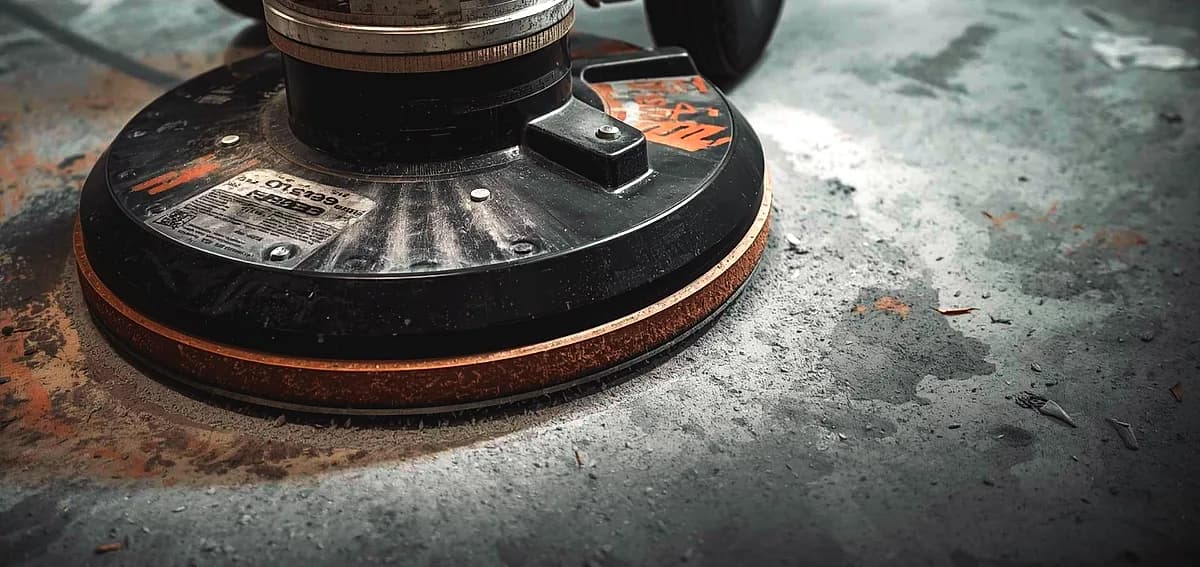
Polished concrete8 min read
What to Know Before Polishing Your Existing Concrete Slab
Before any mechanical refinement can begin, a thorough evaluation of the current foundation is required.
Read it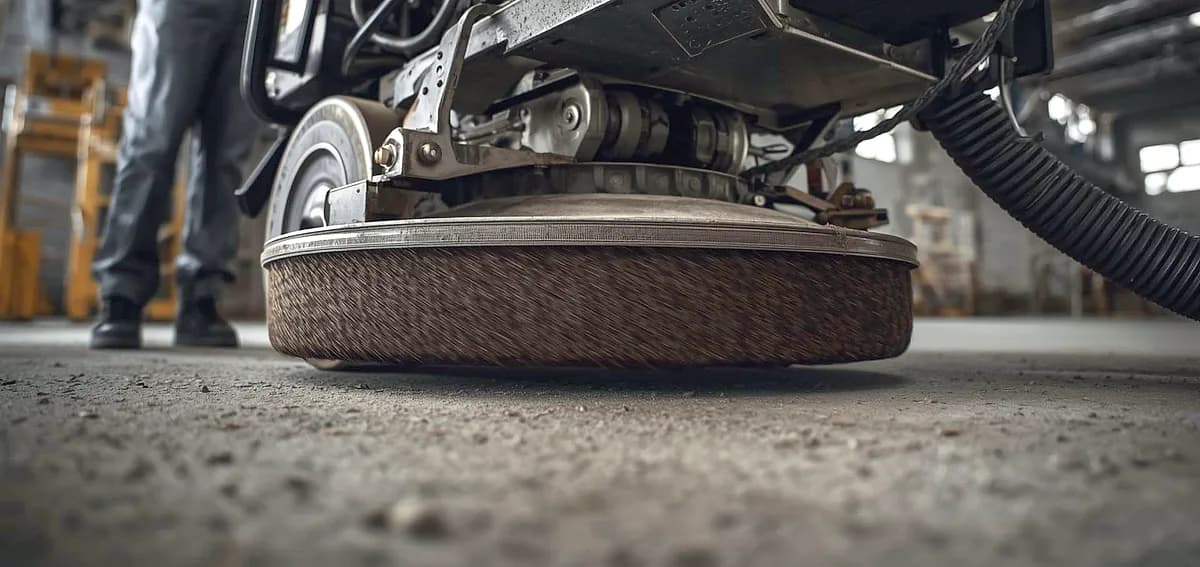
Polished concrete8 min read
Is Polished Concrete Worth the Investment for Miami Properties?
It is essential to distinguish between a simple topical seal and mechanically refined concrete.
Read it
Tell us about the floor
Tell us the space and roughly how big it is.We come back with what it would cost and when we could start.
Prefer to talk? Call +1 844-876-5474
- Leads@
nationalconcretepolishing.net - 2200 NW 32nd St #600,
Pompano Beach, FL 33069 Mon to Fri, 9:00 to 5:30