
The NCP blog
Do You Need a Permit for Epoxy Flooring in Miami?
Epoxy & coatings10 min read
Understanding epoxy flooring permit requirements Miami regulations is essential before starting your flooring project.
Understanding epoxy flooring permit requirements Miami regulations is essential before starting your flooring project. Generally, epoxy flooring installations over existing concrete surfaces in residential properties do not require building permits in Miami-Dade County, as they’re considered floor surfacing rather than structural work. However, epoxy flooring permit requirements Miami commercial properties and installations involving structural modifications follow different rules. National Concrete Polishing helps homeowners and business owners navigate these regulations to ensure compliant, professional installations throughout South Florida.
Overview
This comprehensive guide clarifies permit requirements for epoxy flooring projects across Miami, Fort Lauderdale, and Pompano Beach. You’ll learn when permits are necessary, which projects qualify for exemptions, contractor licensing requirements, and how building codes affect commercial versus residential installations. We’ll also cover inspection processes, penalties for unpermitted work, and best practices for staying compliant with local regulations.
What is Considered Epoxy Flooring Under Miami Building Codes
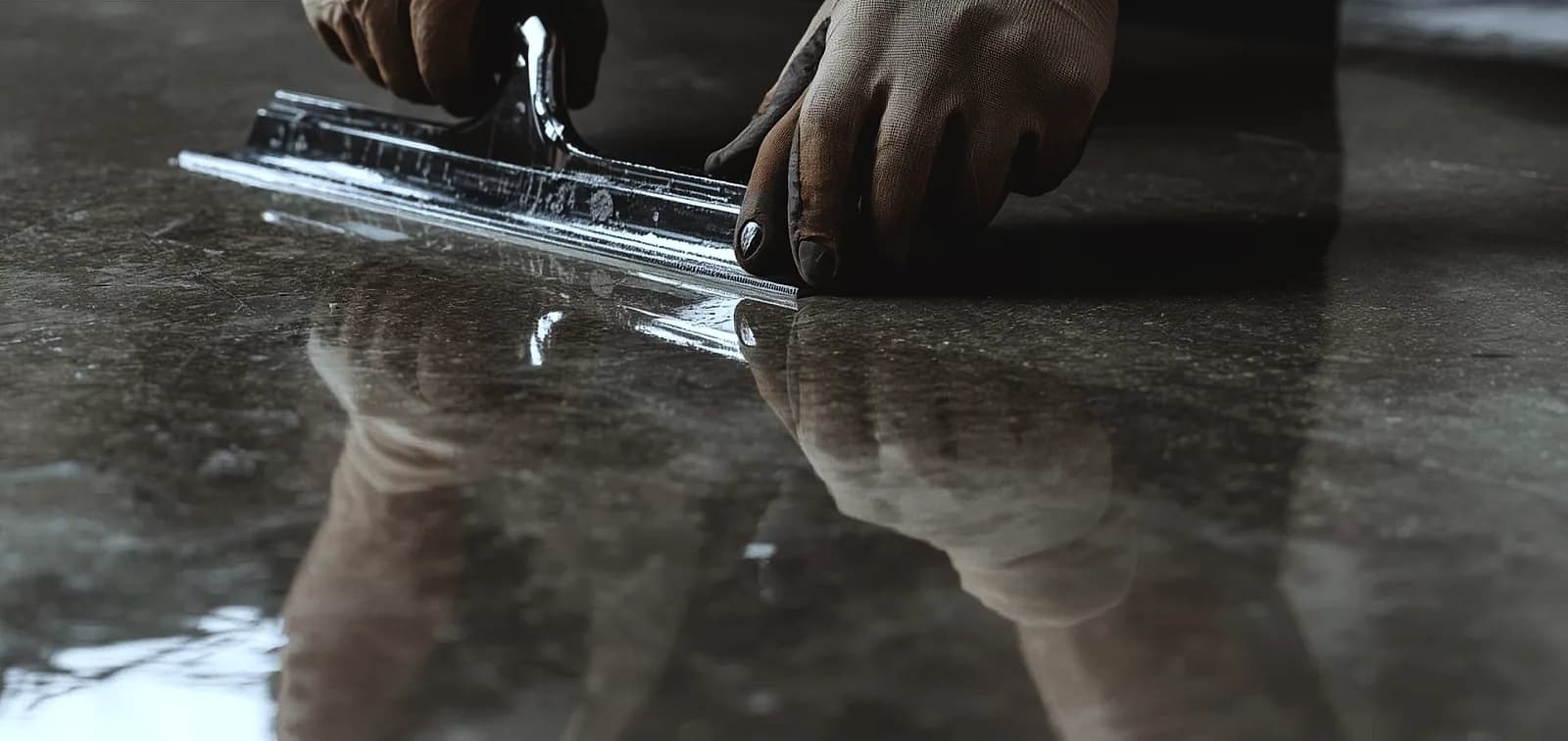
Miami-Dade County building codes classify epoxy flooring as surface treatment or floor covering when applied over existing concrete slabs. This category includes epoxy garage floor coatings, metallic epoxy floors, decorative flake systems, and clear epoxy sealers. The installation process involves surface preparation, primer application, base coat, and protective topcoat without altering the structural concrete beneath.
Building officials distinguish epoxy coating from structural concrete work based on whether the project affects load-bearing capacity or building integrity. Simple resurfacing with epoxy typically falls outside permit requirements for single-family homes and residential properties up to four dwelling units. However, any work involving concrete repair, replacement, or structural alterations requires proper permitting regardless of the final flooring finish.
Residential Epoxy Flooring Permit Requirements
Single-family homes and residential properties with up to four units generally receive permit exemptions for floor surfacing projects including epoxy coatings. Miami-Dade County regulations explicitly exempt “surfacing of floors or slabs with carpet, tile, brick, wood or Chattahoochee in single family up to 4 dwelling units only”. Most building departments interpret this exemption to include epoxy floor coatings since they function as surface treatments rather than structural modifications.
Homeowners installing epoxy in garages, basements, or interior spaces can typically proceed without permits when working over existing concrete. The exemption applies to standard residential applications where no plumbing, electrical, or structural work accompanies the flooring installation. Property owners should verify with their specific municipality since Miami Beach, Coral Gables, and other cities maintain independent building departments with potentially different interpretations.
When Residential Projects Do Require Permits
Several scenarios trigger mandatory permit requirements even for residential epoxy flooring projects. If your installation links to a master building permit for remodeling or new construction, permits become necessary even for basic flooring work. Homeowners undertaking whole-house renovations must include flooring in their permit applications when other trades are involved.
Projects requiring concrete substrate repairs, removal of existing flooring materials, or modifications to drainage systems need separate permits before epoxy application. Installing epoxy in conjunction with new electrical work, plumbing alterations, or HVAC modifications requires coordination with those permit applications. Any structural changes like removing walls, adding floor drains, or altering the concrete slab itself mandate full building permits regardless of the final epoxy finish.
Commercial Epoxy Flooring Permit Requirements
Commercial epoxy flooring projects operate under stricter permitting requirements than residential work in Miami-Dade County. Building permits are typically required for retail spaces, warehouses, manufacturing facilities, and other commercial properties undergoing flooring installations. The permit process ensures compliance with occupancy codes, fire safety standards, and accessibility requirements that differ from residential applications.
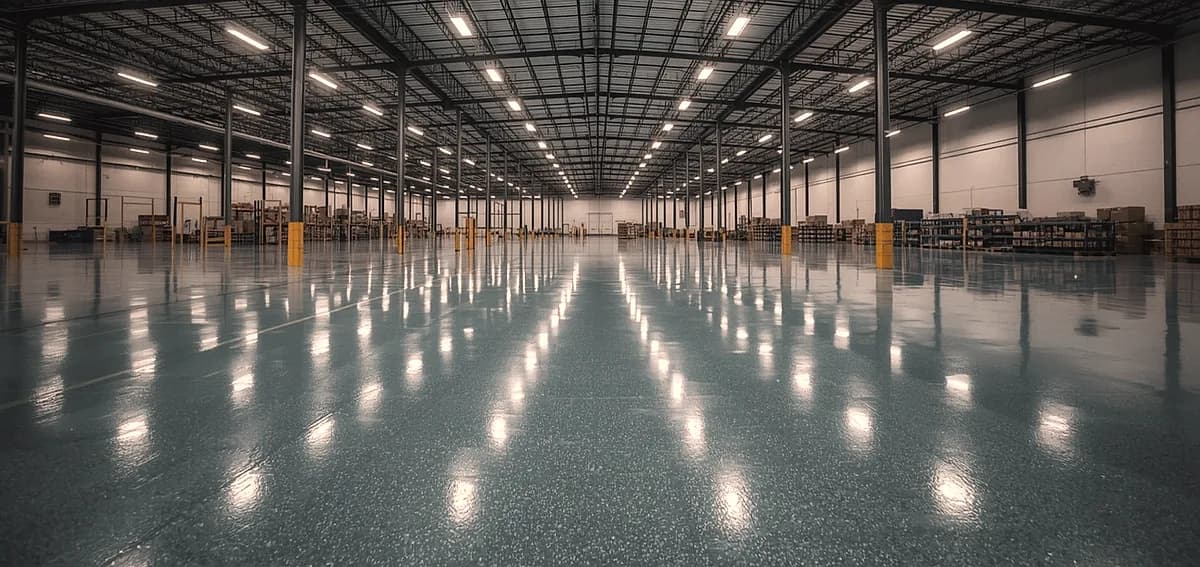
Commercial property owners must work with licensed contractors registered in their municipality to obtain proper permits. The application process typically requires architectural plans, contractor licensing verification, and proof of insurance coverage. Industrial epoxy installations for warehouses and manufacturing plants often need additional review for chemical resistance, load capacity, and safety standards. Food service facilities require health code compliant epoxy floors that meet specific sanitation requirements beyond standard building permits.
Contractor Licensing Requirements in Miami-Dade
Florida law mandates proper contractor licensing for most commercial flooring work and many residential projects. While Florida doesn’t require specific certifications for epoxy flooring contractors statewide, individual municipalities like Miami may impose local licensing requirements. Contractors must demonstrate field experience ranging from one to five years depending on the license type they pursue.
Licensed contractors in Miami-Dade County must register with local building departments before pulling permits. This registration process verifies insurance coverage, bonding requirements, and compliance with local regulations. Property owners considering DIY epoxy installations should note that owner-builder exemptions only apply to single-family residences where the owner performs all work personally. Commercial properties cannot use owner-builder provisions and must hire licensed professionals for all permitted work.
Municipal Variations Across South Florida
Individual cities within Miami-Dade County maintain separate building departments with potentially different permit requirements and interpretations. Miami Beach specifies that flooring installations including “Hardwood, Marble or Ceramic Tile” don’t require permits unless linked to master building permits. This interpretation generally extends to epoxy flooring installations over existing surfaces.
The Town of Miami Lakes requires permits for driveways, patios, and approach modifications with specific material documentation. While this primarily affects exterior concrete work, it demonstrates how local jurisdictions impose unique requirements beyond county regulations. Plantation requires permits for any construction, enlargement, alteration, or repair work with limited exemptions. Property owners in Pompano Beach, Fort Lauderdale, Coral Gables, and other municipalities should verify local requirements before starting epoxy projects.
Permits for Concrete Preparation Work
The surface preparation phase of epoxy installation may trigger permit requirements even when the coating itself doesn’t. Shot blasting, diamond grinding, and mechanical surface profiling typically don’t require permits for residential properties. However, extensive concrete removal, replacement, or structural modifications always mandate building permits.
Projects involving old floor removal before epoxy installation may need permits depending on the removal method and material type. Removing tile, VCT, or other bonded flooring products generally stays exempt, but disposing of materials containing asbestos or hazardous substances requires environmental compliance beyond building permits. Installing moisture mitigation systems beneath epoxy coatings might need permits if they involve membrane installation or substrate modifications affecting the building envelope.
Electrical & Plumbing Considerations
Epoxy flooring projects occasionally intersect with electrical or plumbing work that definitely requires permits in Miami-Dade County. Installing floor drains, modifying existing drainage systems, or adding plumbing fixtures as part of a flooring project mandates separate plumbing permits. Electrical work including new outlets, lighting, or equipment connections requires electrical permits regardless of whether they’re part of a larger flooring renovation.
Commercial kitchen epoxy floors often involve coordinated plumbing and electrical work that requires multiple trade permits. The epoxy installation itself may not need a permit, but the associated mechanical, electrical, and plumbing modifications certainly do. Contractors must coordinate these permits to ensure inspections occur in the proper sequence before applying the final epoxy coating.
Health Code & Safety Compliance
Certain commercial applications require health department approval beyond standard building permits. Food processing facilities, restaurants, healthcare facilities, and other regulated spaces must meet specific sanitation and safety standards. The epoxy flooring system must comply with health codes addressing seamless surfaces, chemical resistance, and cleanability requirements.
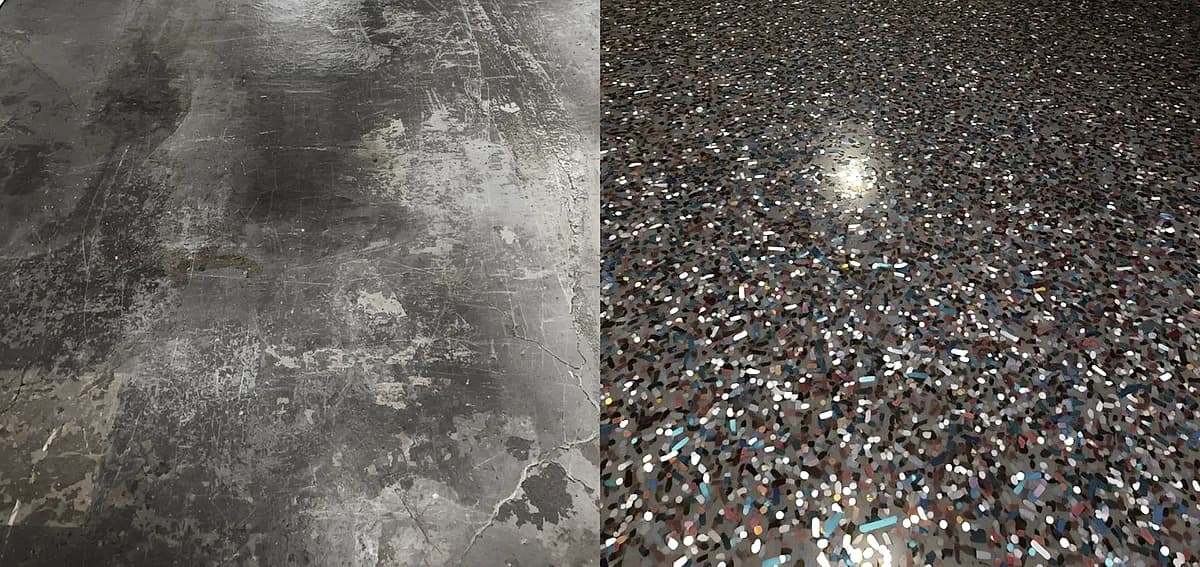
Medical facility floors need antimicrobial properties and infection control features that require health department review. Laboratory epoxy flooring must meet safety standards for chemical spill containment and emergency response protocols. While these requirements don’t always involve traditional building permits, they constitute mandatory compliance steps before occupancy approval.
Inspection Requirements & Process
When permits are required for epoxy flooring projects, inspection procedures follow standard Miami-Dade County protocols. Contractors must schedule inspections at designated project milestones before proceeding to subsequent phases. For projects involving substrate work, inspections typically occur after concrete repairs but before epoxy application begins.
Commercial installations may require multiple inspections throughout the process including substrate preparation verification, primer application review, and final coating inspection. Inspectors verify compliance with approved plans, proper installation techniques, and adherence to manufacturer specifications. Failed inspections can delay project timelines significantly, emphasizing the importance of using experienced contractors familiar with local inspection requirements. National Concrete Polishing coordinates inspection scheduling to keep projects on track.
Penalties for Unpermitted Work
Proceeding with work that requires permits without proper authorization carries serious consequences in Miami-Dade County. Building departments can issue stop-work orders that halt projects until permit compliance is achieved. Property owners face fines and penalties that may exceed the original permit costs significantly.
Unpermitted work creates complications for property sales, insurance claims, and future renovation projects. Title companies and buyers often discover unpermitted modifications during due diligence, potentially derailing real estate transactions. Insurance companies may deny claims for damage related to unpermitted work, leaving property owners personally liable. Correcting unpermitted work typically requires expensive inspections, potential removal or modification of completed work, and retroactive permitting at premium costs.
Working With HOAs & Condo Associations
Residential properties governed by homeowner associations or condominium boards may face additional approval requirements beyond government permits. HOAs typically require written approval for any modifications including garage floor coatings visible from common areas or affecting shared structures. Condo associations often mandate advance notice and board approval before contractors can access the property.
Some HOAs impose restrictions on flooring materials, colors, or finishes regardless of whether building permits are required. Reviewing your governing documents and obtaining HOA approval before starting epoxy projects prevents conflicts and potential fines. Many permit applications in Miami Lakes and other municipalities require HOA affidavits confirming association approval for the proposed work.
Best Practices for Permit Compliance
Following proper procedures protects property owners from legal and financial complications while ensuring quality installations. Always verify current permit requirements with your specific municipality before starting any flooring project. Building department websites provide application forms, fee schedules, and exemption criteria that vary between jurisdictions.
Hiring licensed, insured contractors registered in your municipality simplifies the permit process and ensures compliance. Professional contractors understand local requirements and maintain relationships with building departments that facilitate smooth inspections. National Concrete Polishing handles all permitting requirements for projects that need them, coordinating with building officials throughout South Florida. For projects that don’t require permits, we still follow all manufacturer installation specifications and industry best practices to ensure lasting epoxy floor performance.
Frequently Asked Questions
Do I need a permit for epoxy garage flooring in Miami?
Residential garage epoxy coatings over existing concrete typically don’t require permits in Miami-Dade County for single-family homes, though regulations vary by municipality.
Are commercial epoxy floor installations permitted work?
Yes, most commercial epoxy flooring projects require building permits in Miami-Dade County, especially for retail, warehouse, and industrial applications.
What happens if I install epoxy without a required permit?
Unpermitted work can result in stop-work orders, fines, complications with property sales, insurance claim denials, and expensive retroactive permitting.
Do I need a licensed contractor for epoxy flooring?
Florida doesn’t mandate specific epoxy certifications statewide, but commercial work typically requires licensed contractors, and some municipalities have local licensing requirements.
Does Miami Beach have different permit requirements than Miami?
Yes, Miami Beach and other municipalities maintain separate building departments with unique interpretations of permit requirements.
Are there permit exemptions for floor resurfacing?
Miami-Dade exempts floor surfacing in single-family homes up to four units when no structural work is involved.
Do I need permits for concrete prep before epoxy?
Surface preparation typically doesn’t require separate permits, but extensive concrete removal or structural modifications always need building permits.
What about HOA approval for epoxy flooring?
Many homeowner associations require written approval before flooring modifications regardless of government permit requirements.
Are health department permits needed for restaurant epoxy floors?
Food service facilities need health code compliance beyond building permits, especially for sanitation and safety standards.
How long does the permit process take in Miami?
Processing times vary by project type from 2-3 days for simple work to 5-7 days for commercial permits requiring plan review.
Conclusion
Navigating epoxy flooring permit requirements Miami regulations protects your investment and ensures compliant installations throughout South Florida. While most residential epoxy projects over existing concrete don’t require permits, understanding when permits are mandatory prevents costly complications and project delays. Commercial installations, work linked to master building permits, and projects involving structural modifications always need proper permitting and licensed contractor oversight. National Concrete Polishing handles permit coordination when required while ensuring every installation meets manufacturer specifications and industry standards. Contact us today for a free consultation about your epoxy flooring project and let our experienced team guide you through compliance requirements specific to your property and location.
Written by

Founder and CEO
Chris Lavin is an esteemed leader in concrete polishing and epoxy coatings with a distinguished 20-year career. As founder and CEO of National Concrete Polishing and owner of Xtreme Polishing Systems, he's renowned for polishing and epoxy coating more floors than anyone globally. Chris is recognized for his innovative approach and commitment to enhancing floor durability and aesthetics. His hands-on experience and technical proficiency make him a respected authority and a valuable resource in the field of floor polishing and coatings.
Same topic
Related articles
All stories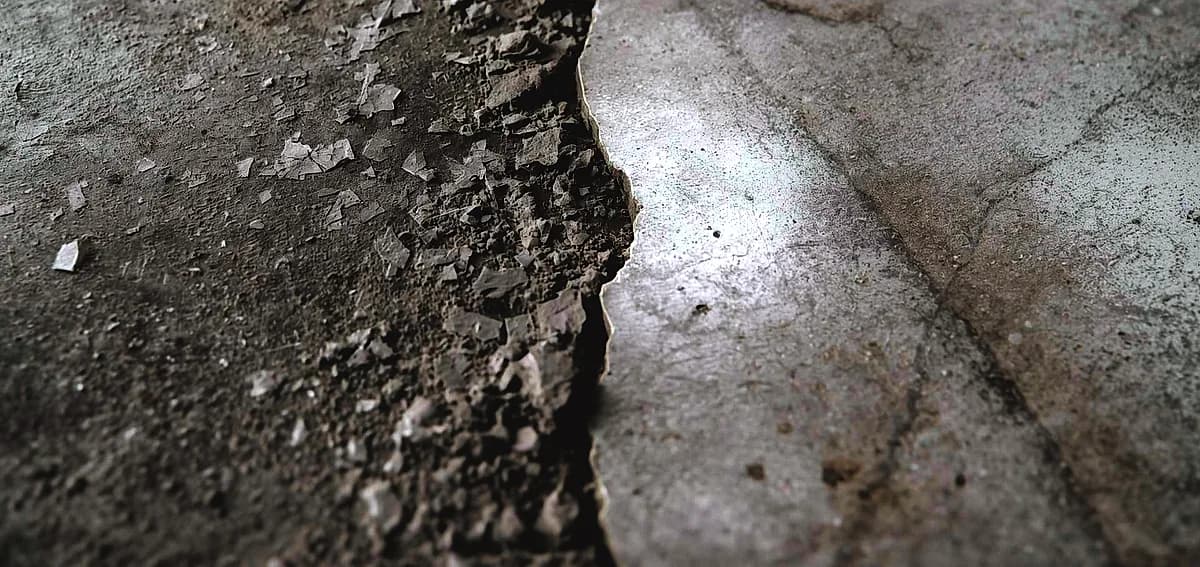
Epoxy & coatings8 min read
DIY vs Professional Epoxy Flooring in Fort Lauderdale
Hardware stores heavily market all-in-one boxes that promise a showroom finish with minimal effort.
Read it
Epoxy & coatings8 min read
Can You DIY Epoxy Flooring in Miami? Pros, Cons, and Tips
Applying a durable floor finish in a tropical or highly humid climate presents unique environmental challenges.
Read it
Epoxy & coatings7 min read
DIY Epoxy Flooring in South Florida: Is It Worth the Risk?
However, these products generally contain high levels of water or solvents to extend their pot life.
Read it
Tell us about the floor
Tell us the space and roughly how big it is.We come back with what it would cost and when we could start.
Prefer to talk? Call +1 844-876-5474
- Leads@
nationalconcretepolishing.net - 2200 NW 32nd St #600,
Pompano Beach, FL 33069 Mon to Fri, 9:00 to 5:30