
The NCP blog
How to Level Concrete Floors Before Epoxy Installation in Miami
Polished concrete12 min read
We’ll also explore cost factors, common mistakes, and when professional intervention is necessary for optimal results.
Concrete floor leveling Miami is a critical step that determines the success of epoxy installations, ensuring smooth, professional results that last for decades. Uneven concrete surfaces create pooling, uneven epoxy thickness, and aesthetic imperfections that compromise both appearance and durability. National Concrete Polishing specializes in comprehensive floor leveling services that address South Florida’s unique challenges, from settling foundations to moisture-related concrete degradation. Proper leveling not only enhances visual appeal but also prevents premature coating failure and extends your epoxy floor’s lifespan.
Overview
This complete guide covers everything Miami property owners need to know about leveling concrete floors before epoxy application. You’ll learn assessment techniques to identify uneven areas, multiple leveling methods including self-leveling compounds and grinding, moisture considerations specific to South Florida, and step-by-step installation processes. We’ll also explore cost factors, common mistakes, and when professional intervention is necessary for optimal results.
Why Level Concrete Matters for Epoxy
Epoxy coatings require level substrates to achieve uniform thickness and proper curing across the entire surface. Uneven floors create thin spots where epoxy wears through prematurely and thick areas where excess material wastes money. Low spots collect liquid epoxy, creating unsightly pooling and inconsistent color, while high points receive insufficient coverage that leads to delamination.
Beyond aesthetics, unlevel floors compromise epoxy’s protective qualities. Surface profile consistency affects adhesion strength—uneven areas don’t bond properly and fail under traffic. Water drainage becomes problematic in spaces requiring slope, and furniture or equipment placed on uneven epoxy floors experiences instability. Professional floor preparation addresses these issues before coating application.
Assessing Floor Levelness
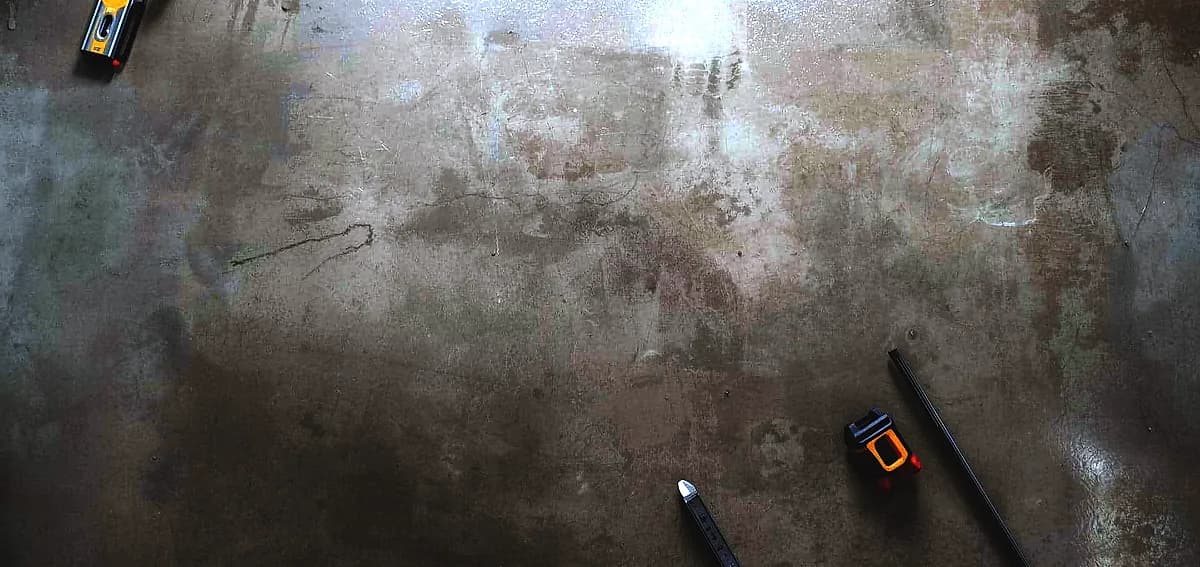
Accurate assessment identifies problem areas before leveling work begins, preventing surprise issues during epoxy installation. A 6-foot level placed in multiple directions reveals high and low spots across the floor surface. Mark deviations greater than 1/8 inch, as these require correction for optimal epoxy performance.
Laser levels provide precise measurements for larger spaces, projecting reference lines that expose subtle variations invisible to the naked eye. String lines stretched across the floor help identify dips and humps in open areas. Professional testing includes checking floor flatness specifications, particularly important for commercial installations with heavy equipment or strict aesthetic requirements.
Common Causes of Uneven Concrete in Miami
Miami’s environmental conditions create specific challenges that cause concrete to become uneven over time. Soil settlement beneath slabs occurs as South Florida’s porous limestone bedrock shifts, creating voids that allow concrete to sink. Hydrostatic pressure from high water tables pushes moisture through concrete, causing surface degradation and uneven wear patterns.
Concrete cracking from foundation movement creates height differences between sections. Poor initial installation including inadequate compaction or improper curing leads to permanent surface irregularities. Salt air exposure accelerates concrete spalling that creates pitted, uneven surfaces requiring extensive preparation before epoxy can be applied.
Self-Leveling Compound Method
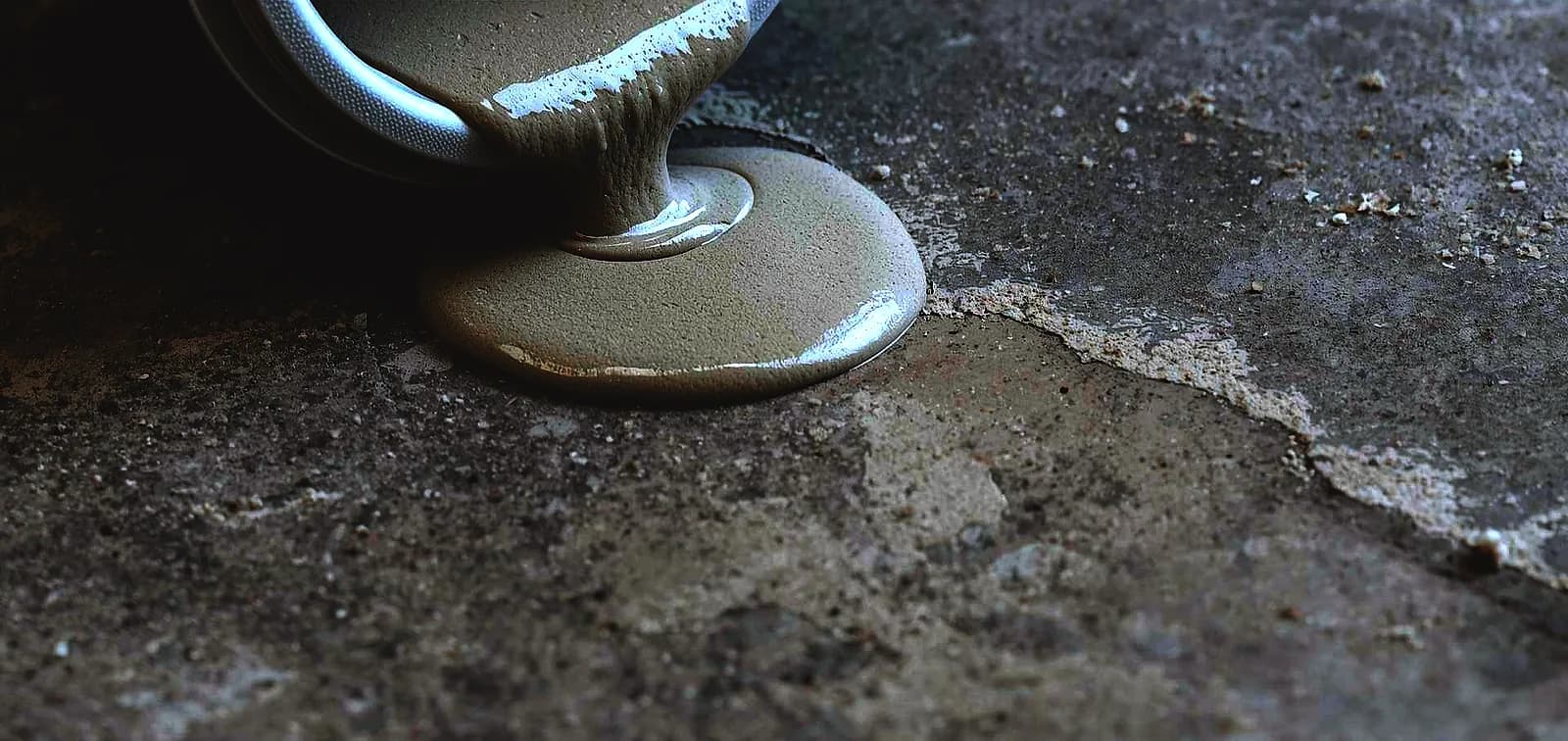
Self-leveling compounds provide efficient solutions for filling depressions and creating smooth surfaces in Miami installations. These cementitious materials flow like thick pancake batter, finding their own level and filling low spots without extensive troweling. Modern formulations cure within 24 hours, allowing rapid progression to epoxy application.
The process begins with thorough cleaning to remove all dirt, oil, and loose material that interferes with bonding. Crack repair must be completed first, as compounds will drain through openings rather than filling depressions. Primer application creates adhesive bonds between existing concrete and leveling material. Guide boards or rails establish proper height references for larger areas.
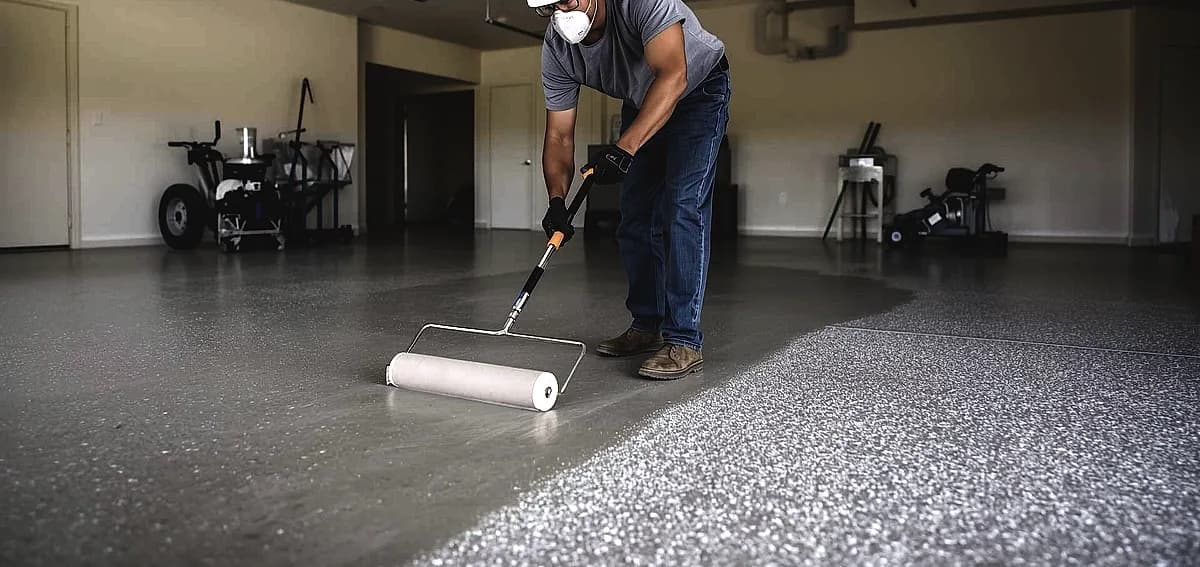
Mix self-leveling compound according to manufacturer specifications—incorrect ratios produce material that doesn’t flow properly or cures too quickly. Pour in strips working from the farthest corner toward the exit, allowing material to spread naturally. Spiked rollers remove trapped air bubbles that create surface defects. Full curing typically requires 24-72 hours depending on thickness and ambient conditions before epoxy installation can proceed.
Grinding High Spots
Grinding removes elevated areas and creates uniform floor surfaces when high spots prevent levelness. Diamond grinding wheels attached to angle grinders or walk-behind machines abrade concrete until height differences disappear. This subtractive method works faster than adding self-leveling compound across entire floors when only small areas need attention.
Professional diamond grinding equipment provides controlled material removal without damaging surrounding concrete. Progressive grit sequences starting with coarse diamonds and finishing with finer grades create smooth transitions between ground and original surfaces. Dust control systems are essential—concrete dust contains silica that poses health hazards without proper containment.
After grinding, surface profile testing confirms adequate texture for epoxy adhesion. Grinding creates mechanical bonds that enhance coating performance, making this method ideal when addressing high spots before epoxy application. The combination of grinding high areas and filling low spots with self-leveling epoxy underlayment produces optimally flat surfaces.
Moisture Testing Before Leveling
Moisture testing is critical before any leveling work in Miami’s humid environment, as trapped moisture causes both leveling materials and epoxy to fail. Calcium chloride tests measure moisture vapor emission rates from concrete slabs. Relative humidity probes provide internal moisture readings that predict long-term conditions affecting coating performance.
Florida’s high humidity creates unique challenges—even properly cured concrete absorbs atmospheric moisture that interferes with leveling compounds. Moisture vapor emission testing identifies whether specialized moisture-mitigating primers are needed before self-leveling compound application. Ignoring moisture testing leads to bubbling, delamination, and complete system failure that requires expensive removal and reinstallation.
Surface Preparation Steps
Thorough surface preparation creates the foundation for successful leveling and subsequent epoxy installation. Begin by removing all existing coatings, adhesives, oils, and contaminants through grinding, shot blasting, or chemical stripping. Vacuum thoroughly to eliminate dust particles that prevent proper bonding.
Repair all cracks and structural damage using appropriate fillers before leveling. Large voids or spalled areas require patching with polymer-modified repair mortars that bond permanently to surrounding concrete. Joint treatment addresses expansion joints and control joints that affect leveling compound behavior.
Degrease areas exposed to oils or automotive fluids using specialized concrete cleaners. Allow complete drying—rushing this step traps moisture beneath leveling compounds. Prime the prepared surface according to manufacturer specifications, as primers enhance adhesion between old concrete and new leveling materials. Different primers suit different conditions, making professional assessment valuable for optimal product selection.
Primer Selection & Application
Primers create critical bonds between concrete substrates and leveling compounds while sealing porous surfaces. Epoxy primers work well for most applications, penetrating concrete pores and creating strong mechanical bonds. Complete Guide to moisture mitigation primers are essential for South Florida installations where ground moisture threatens system integrity.
Apply primers using rollers or squeegees in thin, even coats that fully wet the surface without pooling. Work in sections small enough to complete before primer begins to cure—typically 15-30 minutes in Miami’s warmth. Some primers require back-rolling to ensure complete penetration and uniform coverage.
Drying time varies from 4-24 hours depending on product formulation and environmental conditions. Temperature and humidity dramatically affect curing—cooler temperatures slow drying while high humidity extends cure times. Never apply self-leveling compound over tacky primer, as incomplete curing prevents proper bonding and causes failure.
Mixing & Pouring Self-Leveling Compound
Precise mixing ratios ensure self-leveling compounds flow properly and cure with adequate strength. Measure components accurately using graduated containers—guessing leads to material that’s too thick to self-level or too thin to develop strength. Use clean buckets free from contaminants that interfere with curing reactions.
Mix with low-speed drill paddles for 3-5 minutes until completely homogeneous without lumps or streaks. High-speed mixing introduces air bubbles that create surface defects. Avoid over-mixing, which accelerates setup and reduces working time—particularly problematic in warm Miami conditions where chemical reactions proceed rapidly.
Pour mixed compound in long strips starting from the room’s far corner, working toward the exit. The material spreads naturally, seeking its own level across the surface. Use notched squeegees or trowels only for initial distribution—excessive manipulation disrupts self-leveling properties. Spiked rollers gently coax material into corners while releasing trapped air. Wear spiked shoes when walking on wet compound to avoid leaving footprints.
Curing Time Requirements
Self-leveling compounds require complete curing before epoxy installation can proceed, with timelines varying by product formulation and environmental conditions. Standard compounds become foot-traffic ready in 2-4 hours but need 24 hours minimum before epoxy application. Thick applications require extended curing—add 24 hours for each additional 1/4 inch of thickness.
Miami’s temperature and humidity significantly impact curing rates. High humidity slows moisture evaporation necessary for compound hardening, while excessive heat can cause rapid surface drying that traps moisture beneath. Ideal conditions maintain 60-80°F temperatures with humidity below 60% for predictable curing.
Moisture meters verify leveling compound dryness before epoxy application—readings above manufacturer specifications cause bubbling and delamination. Rushing this phase to meet deadlines creates problems that cost far more than the time saved. Patient curing produces stable substrates that support long-lasting epoxy floors.
Finishing & Smoothing Techniques
After self-leveling compound sets but before complete hardening, finishing techniques improve surface quality. Lightly trowel any imperfections or lines left by pouring equipment, working quickly while material remains malleable. Avoid aggressive troweling that damages the level surface you’ve just created.
Check levelness using straightedges placed in multiple directions across the floor. Small ridges or high spots can be carefully ground down after full curing using fine-grit diamonds. Low spots may require additional compound application after the first layer cures—build up in thin lifts rather than attempting thick single pours that crack or cure unevenly.
For commercial applications requiring ultra-flat floors, laser-guided screeds establish precise elevations across large areas. These specialized techniques ensure flooring meets stringent flatness specifications for warehouses, showrooms, or facilities with tight tolerance requirements. Professional contractors maintain equipment and expertise necessary for high-specification installations.
Combining Methods for Best Results
Complex floors with both high spots and depressions benefit from combined leveling approaches. Grind elevated areas first, removing excess concrete until high points align with surrounding surfaces. This creates uniform starting elevations that reduce the self-leveling compound volume needed.
After grinding and thorough cleaning, apply self-leveling compound over the entire surface. This approach produces the flattest possible floors while minimizing material costs compared to filling everything to the height of the tallest spot. The combination also creates optimal surface profiles for epoxy adhesion—grinding provides mechanical texture while compound creates smoothness.
Large commercial projects may require professional concrete lifting techniques like polyurethane foam injection or mudjacking to raise sunken slabs before traditional leveling methods can succeed. These structural repairs address underlying settlement issues that surface treatments cannot correct, providing stable foundations for long-term flooring success.
Cost Factors for Concrete Leveling
Concrete floor leveling Miami costs vary significantly based on multiple factors affecting both materials and labor. Basic self-leveling compound for minor imperfections costs $2-4 per square foot including materials and installation. Extensive leveling requiring thick applications or large areas increases costs to $5-8 per square foot.
Diamond grinding services range from $1-3 per square foot depending on concrete hardness and material removal depth. Combined approaches using both grinding and self-leveling fall in the $4-6 per square foot range for moderate conditions. Structural repairs including crack injection or slab lifting add $500-3,000+ depending on severity.
Large projects benefit from economies of scale—per-square-foot costs decrease as project size increases. Professional installation costs more initially but prevents expensive failures from improper preparation. Concrete Moisture Testing requirements unique to Miami installations add 10-30% to baseline leveling costs depending on severity.
Common Leveling Mistakes to Avoid
DIY leveling attempts often fail due to inadequate surface preparation—skipping cleaning, degreasing, or primer application. Contaminated surfaces prevent proper bonding regardless of leveling compound quality. Insufficient moisture testing leads to failures weeks or months after installation when trapped moisture causes delamination.
Incorrect mixing ratios produce self-leveling compound that doesn’t flow properly or develops insufficient strength. Adding excess water to improve flow compromises curing and creates weak surfaces that fail under traffic. Pouring too quickly without allowing proper spreading time creates uneven thickness and surface defects.
Rushing curing times to meet deadlines traps moisture that causes epoxy bubbling and failure. Applying epoxy over incompletely cured leveling compound guarantees problems. Neglecting temperature and humidity control during curing produces inconsistent results, particularly in Miami’s challenging climate.
Professional vs DIY Leveling
Professional concrete leveling offers significant advantages for Miami installations where moisture and climate challenges demand expertise. Experienced contractors perform comprehensive testing before beginning work, identifying hidden problems that derail DIY attempts. They maintain specialized equipment including laser levels, industrial grinders, and moisture meters that ensure precision results.
Professionals understand Florida-specific requirements including humidity management, moisture mitigation, and proper primer selection for challenging conditions. They work efficiently, completing projects in days rather than weeks and minimizing disruption to your property. Warranty protection provides peace of mind—if leveling fails, professionals correct issues at no additional cost.
DIY leveling works for small, simple projects where moisture isn’t problematic and stakes are low. Large areas over 500 square feet, commercial spaces, or floors with significant unevenness require professional intervention for optimal results. When your epoxy flooring investment exceeds several thousand dollars, professional leveling protects that investment through proper preparation.
When to Call Professionals
Certain conditions absolutely require professional assessment and intervention for successful outcomes. Active structural issues including foundation settlement, slab heaving, or severe cracking demand engineering evaluation before cosmetic leveling proceeds. Why Epoxy Floors Fail due to high moisture conditions common in Miami basements and ground-level slabs need specialized moisture mitigation that exceeds DIY capabilities.
Large commercial or industrial spaces benefit from professional equipment that maintains consistent results across thousands of square feet. Facilities with specific flatness requirements for equipment operation or aesthetic standards need laser-guided leveling beyond typical DIY precision. How Long Does Epoxy Floor Installation Take for time-sensitive projects requiring rapid completion benefit from professional crews working efficiently.
When existing flooring must be removed before leveling can begin, professionals handle tile removal, adhesive stripping, or old coating removal safely and completely. These preparatory steps require specialized equipment and expertise that justify professional involvement.
Frequently Asked Questions
Why is floor leveling important before epoxy installation?
Level floors ensure uniform epoxy thickness, proper curing, consistent appearance, and maximum durability—uneven surfaces cause premature wear and aesthetic defects.
How much does concrete floor leveling cost in Miami?
Costs range from $2-8 per square foot depending on severity, methods used, and area size, with combined grinding and self-leveling averaging $4-6 per square foot.
Can I apply epoxy directly over uneven concrete?
Not recommended—unlevel concrete creates thick and thin epoxy spots that cure inconsistently, pool unsightly, and fail prematurely under traffic.
How long does self-leveling compound take to cure?
Standard formulations allow foot traffic in 2-4 hours but require 24-72 hours before epoxy application, with thicker applications needing extended curing time.
What’s the best method for leveling concrete floors?
Combined approaches work best—grind high spots first, then apply self-leveling compound to fill low areas and create uniformly smooth surfaces.
Do I need moisture testing before leveling?
Yes, especially in Miami—trapped moisture causes both leveling compounds and epoxy to fail through bubbling and delamination.
Can I level a floor myself or should I hire professionals?
Small, simple projects suit DIY, but large areas, severe unevenness, moisture issues, or commercial spaces require professional expertise and equipment.
How do you check if a concrete floor is level?
Use 6-foot levels placed in multiple directions, laser levels for precision, or string lines to identify deviations exceeding 1/8 inch that require correction.
What causes concrete floors to become uneven?
Soil settlement, hydrostatic pressure, foundation movement, poor initial installation, and Miami’s salt air exposure causing concrete degradation.
Can leveling compound be used under all epoxy types?
Most epoxy systems work over properly cured leveling compound, though specialty coatings may require specific primers or surface preparation.
Conclusion
Concrete floor leveling Miami is the essential foundation for successful epoxy installations that deliver lasting beauty and performance. Whether using self-leveling compounds to fill depressions, grinding to remove high spots, or combining both methods for optimal results, proper leveling creates uniform surfaces where epoxy adheres correctly and cures consistently. Miami’s unique challenges including high humidity, salt air exposure, and ground moisture demand professional attention to testing before beginning work and specialized preparation techniques that protect your investment. National Concrete Polishing combines advanced equipment, proven techniques, and Florida-specific expertise to deliver perfectly level substrates ready for commercial or residential epoxy systems that exceed expectations.Contact us today for comprehensive floor assessment and professional leveling services that ensure your epoxy installation succeeds from the ground up.
Written by

Founder and CEO
Chris Lavin is an esteemed leader in concrete polishing and epoxy coatings with a distinguished 20-year career. As founder and CEO of National Concrete Polishing and owner of Xtreme Polishing Systems, he's renowned for polishing and epoxy coating more floors than anyone globally. Chris is recognized for his innovative approach and commitment to enhancing floor durability and aesthetics. His hands-on experience and technical proficiency make him a respected authority and a valuable resource in the field of floor polishing and coatings.
Same topic
Related articles
All stories
Polished concrete11 min read
Polished Concrete vs Epoxy Coatings: Which Floor Is Right for Your Space?
Two systems, two price curves, one slab. What each one costs to install and to keep, and which spaces each one actually suits.
Read it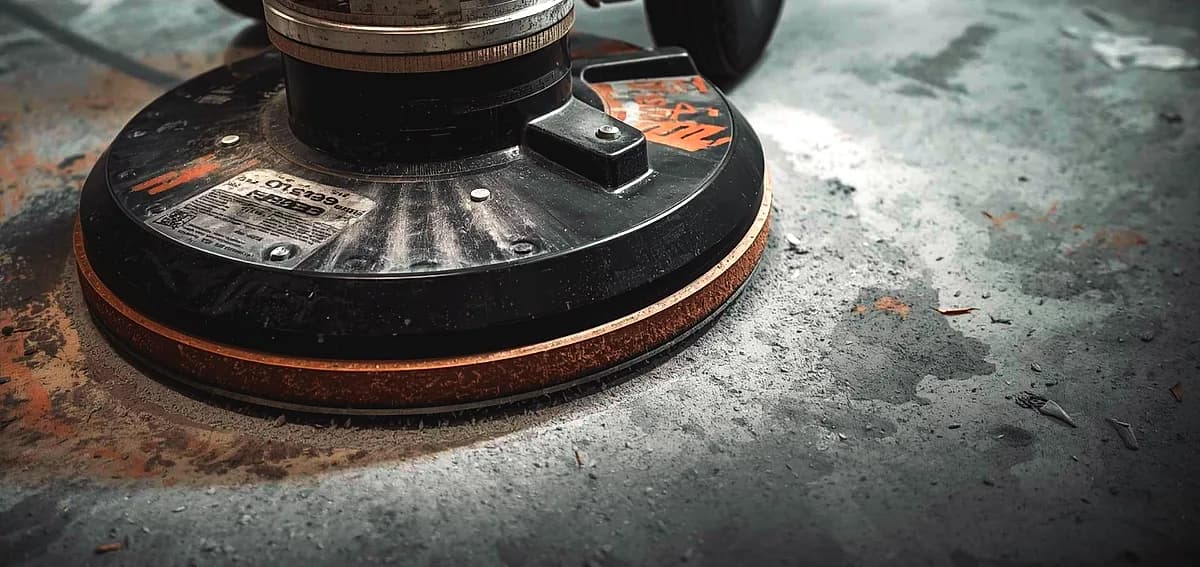
Polished concrete8 min read
What to Know Before Polishing Your Existing Concrete Slab
Before any mechanical refinement can begin, a thorough evaluation of the current foundation is required.
Read it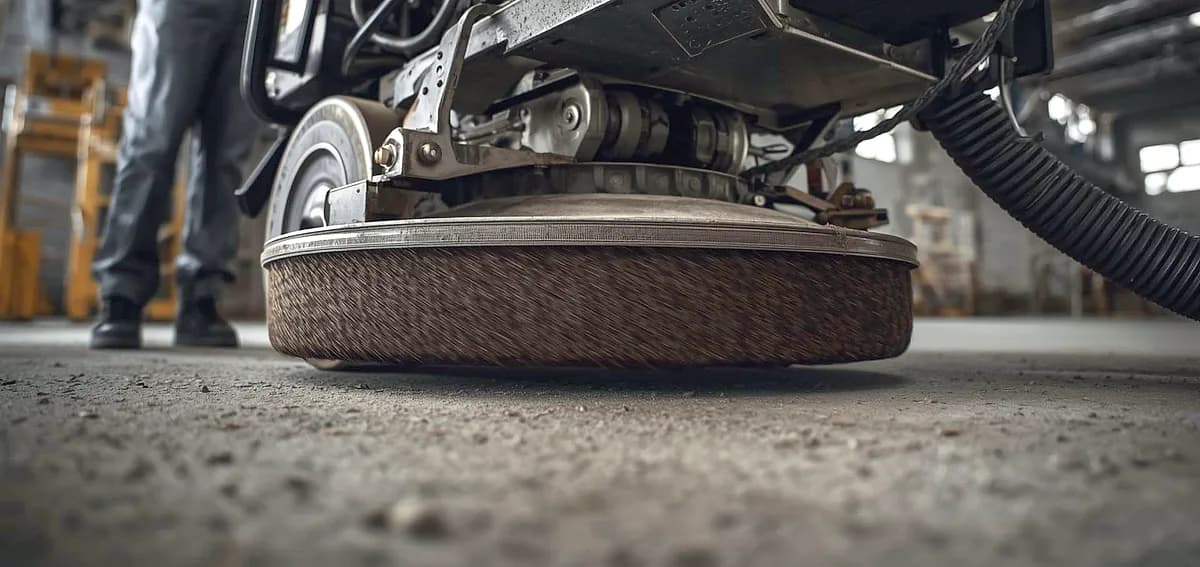
Polished concrete8 min read
Is Polished Concrete Worth the Investment for Miami Properties?
It is essential to distinguish between a simple topical seal and mechanically refined concrete.
Read it
Tell us about the floor
Tell us the space and roughly how big it is.We come back with what it would cost and when we could start.
Prefer to talk? Call +1 844-876-5474
- Leads@
nationalconcretepolishing.net - 2200 NW 32nd St #600,
Pompano Beach, FL 33069 Mon to Fri, 9:00 to 5:30