
The NCP blog
Your Concrete Might Be Too Soft and Here’s How to Test It
Polished concrete9 min read
Before applying any coating or polish to your concrete floor, you need to verify one critical factor: surface hardness.
Before applying any coating or polish to your concrete floor, you need to verify one critical factor: surface hardness. Understanding concrete hardness testing requirements protects your investment and prevents costly failures. According to the International Concrete Repair Institute (ICRI), approximately 68% of coating failures in South Florida trace back to inadequate substrate evaluation, with soft or weak concrete being a primary culprit.
Soft concrete cannot support polishing operations or bond effectively with epoxy coatings. Testing takes just minutes but saves thousands in potential repairs. This guide covers the exact testing methods, acceptable hardness ranges, and what to do when your concrete falls below specification.
Why Concrete Hardness Matters for Floor Coatings
Concrete hardness directly determines coating adhesion strength and long-term durability. The Portland Cement Association confirms that surface hardness correlates with compressive strength at a ratio of approximately 1:10. A concrete slab measuring 3,000 PSI compressive strength should achieve a minimum surface hardness of 300 on the Mohs scratch test equivalent.
South Florida conditions create unique challenges for concrete hardness. High humidity during curing, elevated water-cement ratios to improve workability in heat, and rapid moisture evaporation all contribute to softer surface layers. The American Concrete Institute (ACI) reports that improperly cured concrete in subtropical climates can exhibit surface hardness 30-40% below design specifications.
When concrete is too soft, several problems emerge. Polishing operations tear aggregate from the matrix instead of cutting cleanly. Epoxy primers penetrate too deeply, creating weak boundary layers. Densifiers cannot achieve proper chemical reaction with insufficient calcium hydroxide present in weak concrete.
Standard Testing Methods for Concrete Hardness
Four primary methods exist for evaluating concrete surface hardness, each serving different purposes and accuracy levels. Professional flooring contractors in South Florida typically employ multiple methods to develop complete substrate profiles before recommending coating systems.
Rebound Hammer Test (ASTM C805)
The Schmidt rebound hammer remains the most widely used field test for concrete hardness. This non-destructive method measures surface hardness by recording the rebound distance of a spring-loaded mass after impact. ASTM C805 governs the testing procedure, requiring a minimum of 10 readings per test area with the highest and lowest values discarded.
Acceptable rebound values for coating application range from 25-40 on the Schmidt scale. Values below 20 indicate concrete too soft for most coating systems. The Concrete Polishing Association of America (CPAA) recommends minimum rebound numbers of 30 for polished concrete applications and 25 for epoxy systems.
Mohs Scratch Test
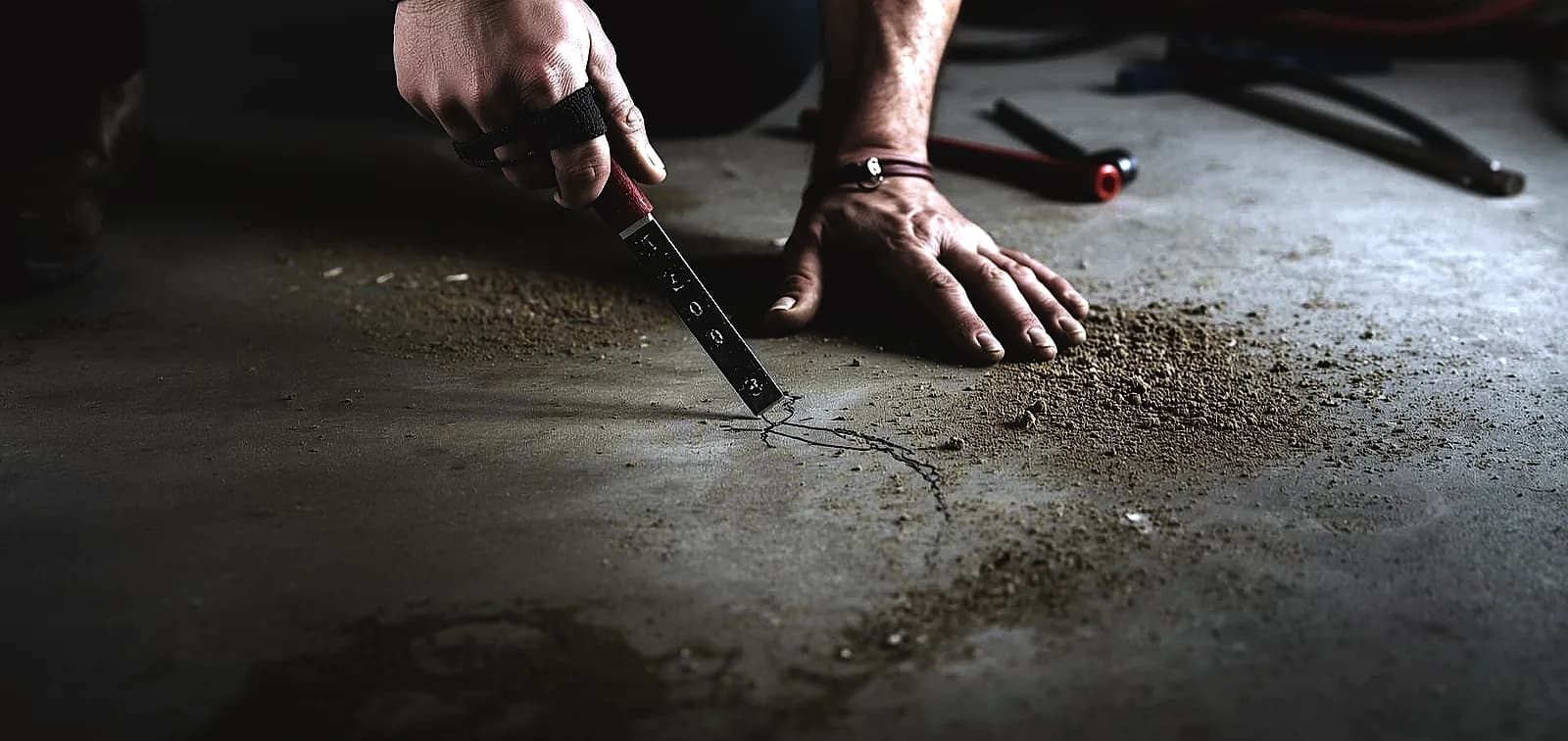
The Mohs hardness scale provides a quick field assessment using calibrated picks of known hardness. Properly cured concrete should resist scratching from picks rated 3-4 on the Mohs scale (equivalent to copper penny to iron nail). Concrete that scratches easily with a copper pick (Mohs 3) typically lacks sufficient hardness for coating adhesion.
This method proves particularly useful for identifying surface laitance and carbonation layers that differ in hardness from the concrete body. Testing should occur at multiple depths after grinding preparation to verify uniform hardness throughout the profile.
Windsor Probe Test (ASTM C803)
For more precise measurements, the Windsor probe system fires a hardened steel probe into the concrete surface using a standardized powder charge. Penetration depth correlates directly to compressive strength and surface hardness. ASTM C803 specifies probe specifications and testing procedures.
This semi-destructive test creates small holes requiring repair before coating. However, it provides the most accurate correlation to actual compressive strength when calibrated against core samples. Probe penetration depths of 1.5-2.0 inches typically indicate concrete suitable for commercial floor coatings.
Pull-Off Adhesion Test (ASTM D4541)
While technically measuring adhesion rather than hardness, pull-off testing reveals whether concrete possesses sufficient cohesive strength to support coatings. The test bonds a metal dolly to the surface, then measures the force required for removal. Failure modes indicate whether the concrete or coating system is the weak link.
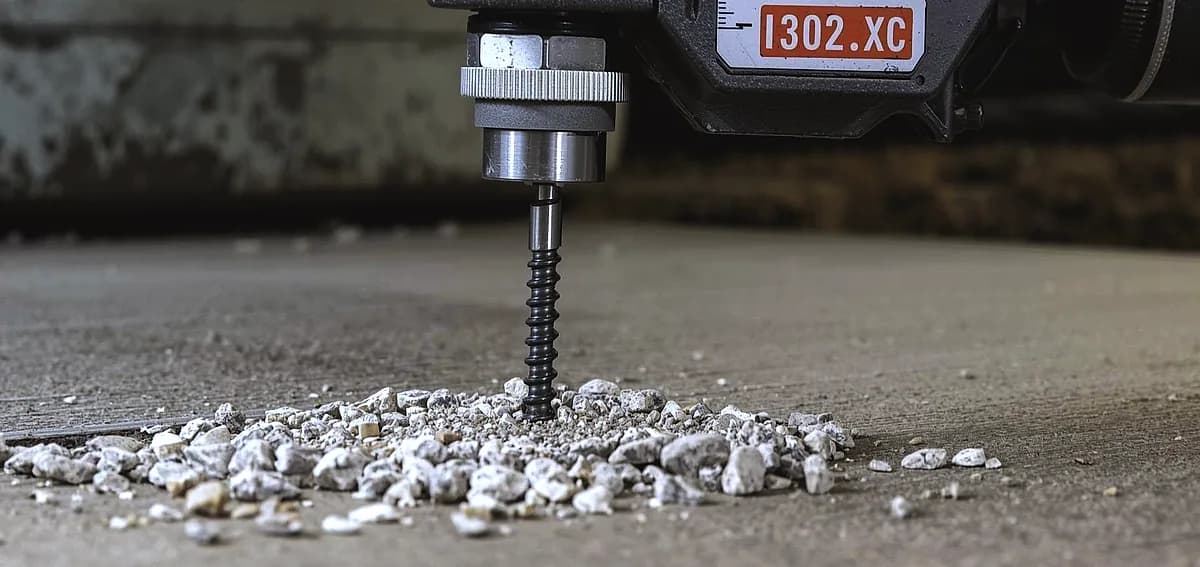
Minimum acceptable values for floor coatings range from 200-300 PSI per ASTM D4541. Concrete failing below 200 PSI in the substrate mode (failure within the concrete rather than at the bond line) requires remediation before coating application. This test proves essential for evaluating moisture-damaged slabs common in South Florida.
Testing Methods Comparison
| Test Method | ASTM Standard | Accuracy | Acceptable Range | Best For |
|---|---|---|---|---|
| Rebound Hammer | ASTM C805 | Good | 25-40 Schmidt | Quick field screening |
| Mohs Scratch | N/A | Moderate | Mohs 3-4 minimum | Surface laitance detection |
| Windsor Probe | ASTM C803 | High | 1.5-2.0″ depth | Compressive correlation |
| Pull-Off Adhesion | ASTM D4541 | Excellent | 200-300 PSI minimum | Coating system selection |
What Causes Soft Concrete in South Florida
Several factors contribute to inadequate concrete hardness in South Florida construction. Identifying the root cause helps determine appropriate remediation strategies and coating system selection.
Improper Curing Practices
Concrete achieves approximately 70% of its final strength within the first 7 days, but only when moisture remains available for hydration. South Florida’s intense sun and low humidity can dry surface moisture before adequate curing occurs. The American Concrete Institute (ACI 308) recommends maintaining moisture for a minimum of 7 days, yet many residential and commercial projects receive inadequate curing attention.
Surface dusting and scaling problems often indicate insufficient curing. These surfaces typically test 20-30% below expected hardness values and require densifier treatment or overlay systems rather than direct coating application.
Excessive Water-Cement Ratio
Contractors often add water to concrete mixes for easier placement and finishing in hot weather. Each additional gallon of water per cubic yard reduces compressive strength by approximately 200-300 PSI. The Portland Cement Association notes that water-cement ratios above 0.50 dramatically reduce surface hardness and durability.
Concrete with excessive water content exhibits characteristic efflorescence and increased porosity. Moisture testing typically reveals elevated moisture vapor emission rates that compound hardness deficiencies.
Surface Carbonation
Atmospheric carbon dioxide reacts with calcium hydroxide in concrete to form calcium carbite, a softer compound. This carbonation process affects the outer 1-3mm of exposed concrete surfaces. While carbonation improves some properties, it creates a softer surface layer that interferes with coating adhesion and polishing operations.
Phenolphthalein indicator testing identifies carbonation depth. Pink coloration indicates non-carbonated concrete with available calcium hydroxide for densifier reaction. Clear results indicate carbonated zones requiring mechanical removal through shot blasting or diamond grinding.
Remediation Options for Soft Concrete
When testing reveals inadequate hardness, several remediation strategies can restore substrate suitability for coating or polishing applications.
Lithium Silicate Densifiers
Lithium silicate densifiers penetrate porous concrete and react with free calcium hydroxide to form calcium silicate hydrate (CSH), the same compound responsible for concrete strength. According to the Concrete Polishing Council, proper densifier application increases surface hardness by 30-40% and reduces dusting by up to 90%.
Densifiers work best on concrete with rebound hammer values between 20-30. Severely soft concrete (below 20) lacks sufficient calcium hydroxide for adequate reaction. Application typically requires 2-3 coats with 24-hour cure time between applications. Densifier selection depends on concrete age and existing contamination levels.
Cementitious Overlay Systems
When densification cannot achieve adequate hardness, concrete resurfacing with polymer-modified overlays provides a new bonding surface. These systems range from 1/8″ to 1/2″ thickness depending on substrate condition and intended use.
Self-leveling underlayment systems achieve compressive strengths of 5,000-7,000 PSI within 24 hours. These products tolerate softer substrates than direct-applied coatings because they create mechanical bond through surface preparation rather than relying solely on adhesive penetration into the existing concrete.
Mechanical Surface Removal
In cases where soft concrete exists only in surface layers (common with carbonation and improper finishing), mechanical removal exposes harder concrete below. Diamond grinding typically removes 1-3mm of material while creating the surface profile required for coating adhesion.
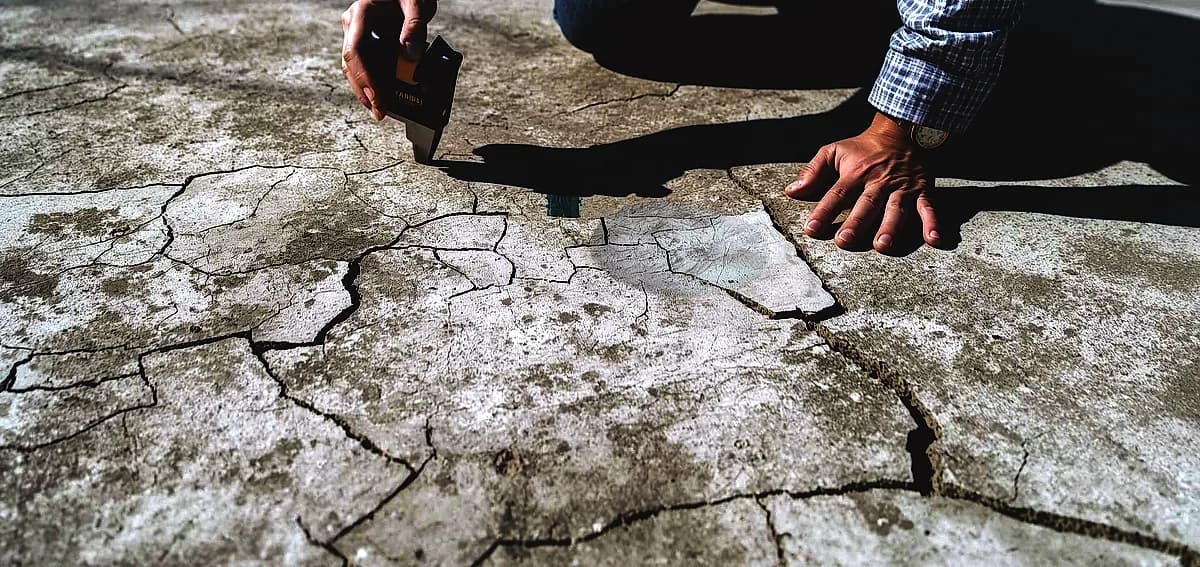
ICRI recommends testing hardness at multiple depths during preparation to verify that removal has reached sound concrete. Continuing removal into uniformly soft concrete wastes material and labor. When hardness remains inadequate after removing 3-5mm, overlay systems or slab replacement become more economical solutions.
Professional Testing Protocol for South Florida Floors
National Concrete Polishing follows a comprehensive testing protocol that ensures accurate substrate evaluation before recommending any floor system. This systematic approach prevents coating failures and identifies the most cost-effective treatment for each project.
Step 1: Visual Assessment. Initial inspection identifies obvious deficiencies including dusting, scaling, cracking, and surface contamination. Areas with visible problems receive priority testing locations. This assessment also evaluates existing coatings that may require removal.
Step 2: Moisture Testing. Calcium chloride testing or relative humidity probes establish moisture vapor emission rates. High moisture often correlates with soft concrete and affects coating system selection. ASTM F1869 and F2170 govern these test methods.
Step 3: Hardness Mapping. Rebound hammer testing at 10-foot grid intervals creates a hardness map of the entire floor area. This mapping identifies zones requiring different preparation or treatment levels rather than assuming uniform conditions throughout.
Step 4: Adhesion Verification. Pull-off testing in representative areas confirms that concrete can support the intended coating system. Areas failing adhesion testing receive additional preparation or alternative system recommendations.
Step 5: Documentation. All test results are documented with photographs and measurements. This documentation supports warranty claims and provides baseline data for comparing future maintenance needs.
Frequently Asked Questions
What is the minimum concrete hardness for epoxy coating?
Epoxy coatings require minimum rebound hammer values of 25 on the Schmidt scale, equivalent to approximately 2,500 PSI compressive strength. Pull-off adhesion testing should achieve minimum 200 PSI with failure occurring within the concrete substrate rather than at the bond line. Lower values indicate concrete requires densification or overlay treatment before coating application.
Can you polish soft concrete?
Soft concrete cannot be polished to high-gloss specifications. Diamond tooling tears aggregate from the matrix rather than cutting cleanly, creating pitting and inconsistent reflection. The CPAA recommends minimum rebound values of 30 for polished concrete. Densifier treatment can improve marginal concrete, but severely soft slabs require overlay or replacement before polishing becomes feasible.
How much does concrete hardness testing cost?
Professional hardness testing typically ranges from $200-$500 for residential projects and $500-$1,500 for commercial spaces depending on area size and testing requirements. This investment prevents far greater losses from coating failures, which average $3-$8 per square foot for removal and reapplication. National Concrete Polishing includes comprehensive substrate testing in all project evaluations.
How long does it take for concrete to reach full hardness?
Concrete achieves approximately 70% of design strength at 7 days and 99% at 28 days under proper curing conditions. However, surface hardness continues developing over months and years through ongoing hydration. The ACI recommends waiting minimum 28 days before coating application, though moisture testing often extends this timeline in South Florida conditions.
What causes concrete to become soft over time?
Existing concrete softens through chemical attack, freeze-thaw damage (rare in South Florida), and alkali-silica reaction. More commonly, surfaces deteriorate from abrasion, chemical exposure, or salt air degradation. Regular maintenance and protective coatings prevent hardness loss in existing floors.
Do I need to test concrete hardness for garage floor coating?
Yes, garage floors frequently exhibit hardness deficiencies due to construction shortcuts and vehicle chemical exposure. The ICRI reports that garage floor coatings fail at higher rates than commercial applications specifically because homeowners and some contractors skip substrate testing. Basic scratch testing takes minutes and identifies obvious problems before costly coating installation.
Get Professional Concrete Testing in South Florida
Don’t risk coating failure on untested concrete. National Concrete Polishing provides comprehensive substrate evaluation including hardness testing, moisture analysis, and adhesion verification for residential and commercial projects throughout South Florida.
Our testing protocols identify the most cost-effective treatment for your specific conditions. Whether your project requires simple densification, overlay systems, or specialized coating selection, accurate testing ensures long-term performance.
Serving Miami, Fort Lauderdale, Pompano Beach, Port St. Lucie, and all of South Florida. Contact us today for a professional substrate evaluation and coating system recommendation.
Written by

Founder and CEO
Chris Lavin is an esteemed leader in concrete polishing and epoxy coatings with a distinguished 20-year career. As founder and CEO of National Concrete Polishing and owner of Xtreme Polishing Systems, he's renowned for polishing and epoxy coating more floors than anyone globally. Chris is recognized for his innovative approach and commitment to enhancing floor durability and aesthetics. His hands-on experience and technical proficiency make him a respected authority and a valuable resource in the field of floor polishing and coatings.
Same topic
Related articles
All stories
Polished concrete11 min read
Polished Concrete vs Epoxy Coatings: Which Floor Is Right for Your Space?
Two systems, two price curves, one slab. What each one costs to install and to keep, and which spaces each one actually suits.
Read it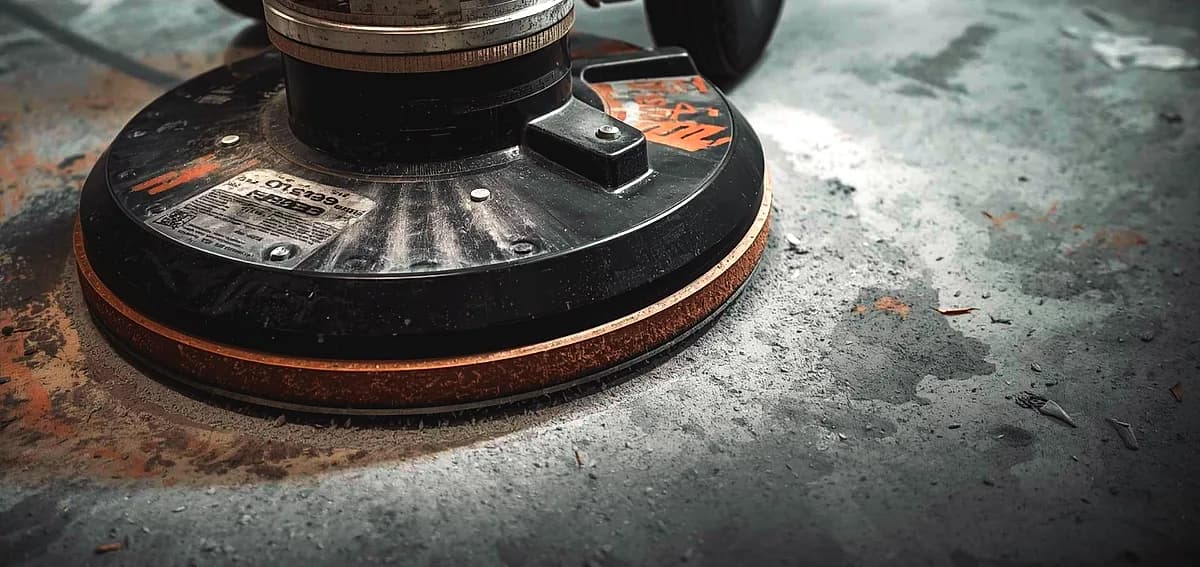
Polished concrete8 min read
What to Know Before Polishing Your Existing Concrete Slab
Before any mechanical refinement can begin, a thorough evaluation of the current foundation is required.
Read it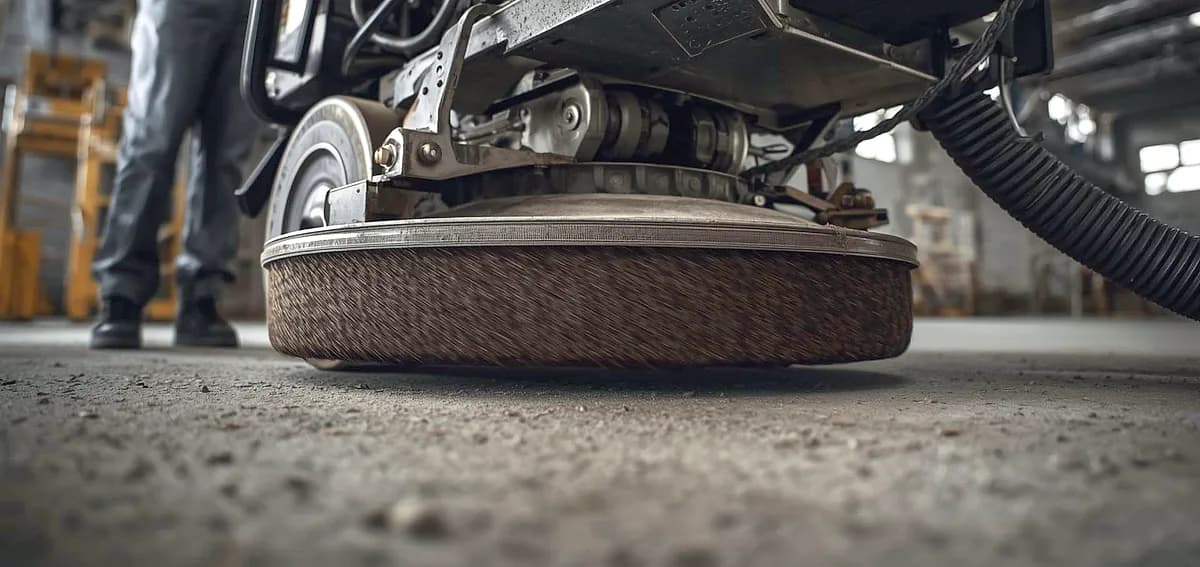
Polished concrete8 min read
Is Polished Concrete Worth the Investment for Miami Properties?
It is essential to distinguish between a simple topical seal and mechanically refined concrete.
Read it
Tell us about the floor
Tell us the space and roughly how big it is.We come back with what it would cost and when we could start.
Prefer to talk? Call +1 844-876-5474
- Leads@
nationalconcretepolishing.net - 2200 NW 32nd St #600,
Pompano Beach, FL 33069 Mon to Fri, 9:00 to 5:30