
The NCP blog
How Ambient Humidity Levels Impact Epoxy Curing
Epoxy & coatings12 min read
This environmental factor plays a critical role in how epoxy resins react, cure, and ultimately perform.
Understanding how ambient humidity levels impact epoxy curing characteristics is crucial for flooring contractors who want to achieve optimal results in their projects. Epoxy flooring systems have become increasingly popular due to their durability, chemical resistance, and aesthetic appeal, but their performance heavily depends on proper curing conditions. The relationship between moisture in the air and epoxy chemistry is complex, affecting everything from cure time to final surface quality.
Ambient humidity refers to the amount of water vapor present in the surrounding air, typically measured as relative humidity (RH). This environmental factor plays a critical role in how epoxy resins react, cure, and ultimately perform. When humidity levels are too high or too low, the chemical reactions that transform liquid epoxy into a solid, durable surface can be significantly altered, leading to defects such as blushing, poor adhesion, extended cure times, or compromised mechanical properties.
For professional flooring contractors like National Concrete Polishing, mastering the relationship between ambient humidity and epoxy curing is essential for delivering consistent, high-quality results. The curing process involves complex chemical reactions between epoxy resins and hardeners, and these reactions are sensitive to environmental conditions. Water molecules in humid air can interfere with these reactions, sometimes acting as a catalyst that accelerates curing, while in other cases creating unwanted side reactions that compromise the final product.
The impact of humidity on epoxy curing extends beyond just the chemical reactions themselves. It affects the working time available to contractors, the appearance of the finished surface, and the long-term performance characteristics of the flooring system. Understanding these effects allows contractors to make informed decisions about when to apply epoxy coatings, what environmental controls to implement, and how to adjust their application techniques based on prevailing conditions.
Temperature and humidity work together to create the overall environmental conditions that govern epoxy curing. While temperature primarily affects the rate of chemical reactions, humidity influences the nature of these reactions and can introduce additional variables that must be carefully managed. This interplay makes environmental monitoring and control a critical aspect of professional epoxy flooring installation.
Understanding the Science Behind Humidity and Epoxy Reactions
The relationship between ambient humidity and epoxy curing characteristics is rooted in fundamental chemistry. Epoxy resins cure through a process called polymerization, where individual molecules link together to form long chains that create the hard, durable surface we associate with cured epoxy. This process typically involves the reaction between epoxy resins and amine-based hardeners, creating cross-linked polymer networks that give the material its strength and chemical resistance.
Water molecules present in humid air can participate in these chemical reactions in several ways. In some cases, moisture acts as a catalyst, accelerating the curing process by providing additional reactive sites. However, this acceleration isn’t always beneficial, as it can lead to uneven curing, reduced working time, and potential defects in the final surface. The presence of water can also lead to competing reactions that consume some of the reactive components, potentially leaving the cured epoxy with reduced cross-link density and compromised properties.
One of the most visible effects of high humidity on epoxy curing is a phenomenon called blushing or blooming. This occurs when water vapor in the air reacts with amine hardeners to form carbamate compounds that appear as a white, chalky film on the surface. This not only affects the appearance of the coating but can also interfere with adhesion of subsequent layers and compromise the overall performance of the flooring system.
The temperature-humidity relationship is particularly important to understand. Warm air can hold more moisture than cold air, so relative humidity levels can change dramatically with temperature fluctuations. This means that contractors must monitor both parameters simultaneously and understand how changes in one affect the other. The dew point, which represents the temperature at which water vapor begins to condense, becomes a critical consideration when planning epoxy applications, particularly in regions with variable climate conditions like Florida humidity environments.
Effects of High Humidity on Epoxy Performance
When ambient humidity levels exceed the optimal range for epoxy application, several problematic effects can occur that significantly impact the quality and performance of the finished flooring system. High humidity conditions, typically defined as relative humidity above 70-80%, create an environment where excess water vapor interferes with normal curing chemistry and can lead to both immediate and long-term performance issues.
The most immediately noticeable effect of high humidity is the development of surface defects. Blushing or blooming creates a milky, white appearance on the surface that not only looks unprofessional but also indicates underlying chemical issues. This phenomenon occurs when atmospheric moisture reacts with amine hardeners to form carbamic acid and its derivatives, which precipitate out as visible deposits on the surface. These deposits can be difficult or impossible to remove once formed, often requiring complete removal and reapplication of the affected areas.
Extended cure times represent another significant challenge in high humidity conditions. While it might seem counterintuitive, excessive moisture can actually slow down the primary curing reactions by diluting the reactive components and creating competing chemical pathways. This extended cure time not only delays project completion but also increases the risk of contamination from dust, debris, or foot traffic during the vulnerable curing period.
Adhesion problems frequently occur when epoxy is applied in high humidity conditions. The presence of excess moisture can interfere with the bond between the epoxy and the substrate, particularly on concrete surfaces that may already contain elevated moisture levels. Poor adhesion can manifest as epoxy floor delamination, bubbling, or complete coating failure, often requiring expensive remediation work. National Concrete Polishing has observed that adhesion issues are among the most costly problems that can occur in epoxy flooring projects, making humidity control a critical investment in project success.
The mechanical properties of epoxy cured in high humidity conditions are often compromised compared to material cured under optimal conditions. Reduced hardness, lower chemical resistance, and decreased durability can result from the altered curing chemistry. These property changes may not be immediately apparent but can lead to premature wear, staining, or failure of the flooring system over time.
Low Humidity Challenges and Considerations
While high humidity presents obvious challenges for epoxy application, extremely low humidity conditions can create their own set of problems that contractors must understand and address. Low humidity environments, typically characterized by relative humidity below 30-40%, can significantly alter the behavior of epoxy systems during application and curing, often in ways that are less immediately obvious but equally problematic.
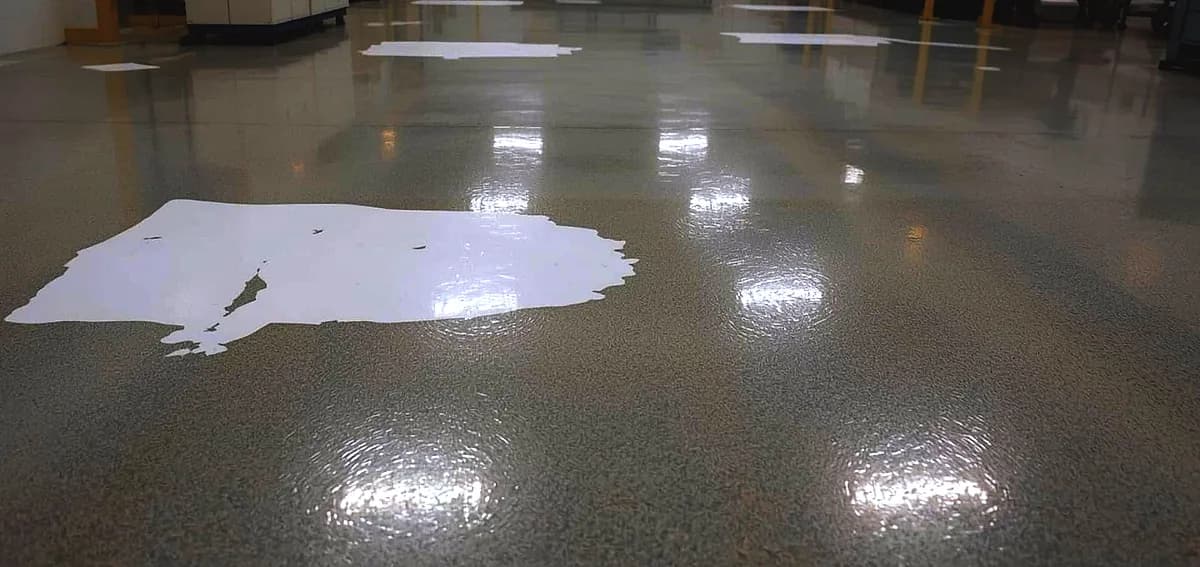
One of the primary challenges in low humidity conditions is the rapid evaporation of solvents and other volatile components in epoxy formulations. This accelerated evaporation can dramatically reduce pot life, the working time available after mixing the epoxy components. Contractors may find that material becomes difficult to apply or begins to thicken before they can achieve proper coverage and smoothness. This shortened working time can lead to application defects such as brush marks, roller marks, or incomplete coverage in areas where the material became too viscous to flow properly.
The rapid loss of volatile components in dry conditions can also lead to surface defects such as orange peel texture or poor flow and leveling characteristics. Epoxy systems rely on controlled evaporation rates to achieve smooth, level surfaces. When solvents evaporate too quickly, the coating may not have sufficient time to flow and self-level, resulting in a textured surface that appears unprofessional and may be difficult to clean or maintain.
Static electricity buildup becomes a significant concern in very dry environments, particularly when working with solvent-based epoxy systems. The combination of low humidity and solvent vapors can create conditions where static discharge poses both safety and quality risks. Static charges can attract dust and debris to the wet coating surface, creating contamination that affects both appearance and performance.
Substrate considerations become particularly important in low humidity conditions. Concrete substrates may be extremely dry, which can lead to rapid absorption of the epoxy primer or base coat, potentially starving the surface and leading to poor coverage or adhesion issues. The dry substrate may also be more prone to dusting, which can contaminate the epoxy and create adhesion problems. Proper surface preparation and priming become even more critical in these conditions to ensure adequate substrate sealing and proper epoxy adhesion.
Environmental Monitoring and Control Strategies
Effective management of ambient humidity during epoxy application requires comprehensive environmental monitoring and proactive control strategies. Professional contractors understand that successful epoxy flooring projects depend not just on material quality and application technique, but also on maintaining optimal environmental conditions throughout the application and curing process.
The foundation of environmental control is accurate, continuous monitoring using calibrated instruments. Digital hygrometers and data loggers provide real-time humidity readings and can track environmental conditions over extended periods. These instruments should be calibrated regularly according to NIST standards and positioned strategically throughout the work area to account for microclimatic variations that can occur in large spaces. Temperature monitoring is equally important, as the relationship between temperature and relative humidity directly affects epoxy curing characteristics.
Dehumidification systems represent the primary tool for controlling high humidity conditions. Industrial dehumidifiers can effectively remove excess moisture from the air, but they must be properly sized for the space and operated continuously during the application and initial curing period. The placement of dehumidifiers is critical, as they should create uniform conditions throughout the work area without creating excessive air movement that could affect epoxy application. Contractors should plan for adequate electrical capacity and drainage for dehumidification equipment.
In low humidity situations, humidification may be necessary to bring conditions into the optimal range. This can be accomplished through steam humidifiers, evaporative systems, or even simple water evaporation techniques, depending on the scale of the project and the degree of control required. However, humidification must be carefully managed to avoid creating localized high humidity zones that could cause the problems associated with excessive moisture.
Air circulation and ventilation play crucial roles in maintaining uniform environmental conditions. Proper air movement helps prevent the formation of microclimates and ensures that environmental control systems work effectively throughout the space. However, excessive air movement can accelerate solvent evaporation and should be balanced against the need for environmental uniformity. HVAC systems should be evaluated and potentially modified to support optimal epoxy application conditions, particularly in commercial and industrial settings where building codes affect flooring requirements.
Timing strategies can help contractors work within natural environmental cycles to minimize the need for extensive environmental control. Understanding daily and seasonal humidity patterns allows for scheduling applications during naturally optimal conditions. Early morning applications may take advantage of lower humidity levels, while avoiding late afternoon periods when humidity typically rises. Seasonal planning can help avoid periods of extreme humidity that would require extensive environmental control measures.
Product Selection and Formulation Considerations
The selection of appropriate epoxy formulations based on expected environmental conditions is a critical factor in achieving successful outcomes. Different epoxy systems exhibit varying degrees of sensitivity to ambient humidity, and understanding these differences allows contractors to choose products that will perform optimally under specific conditions.
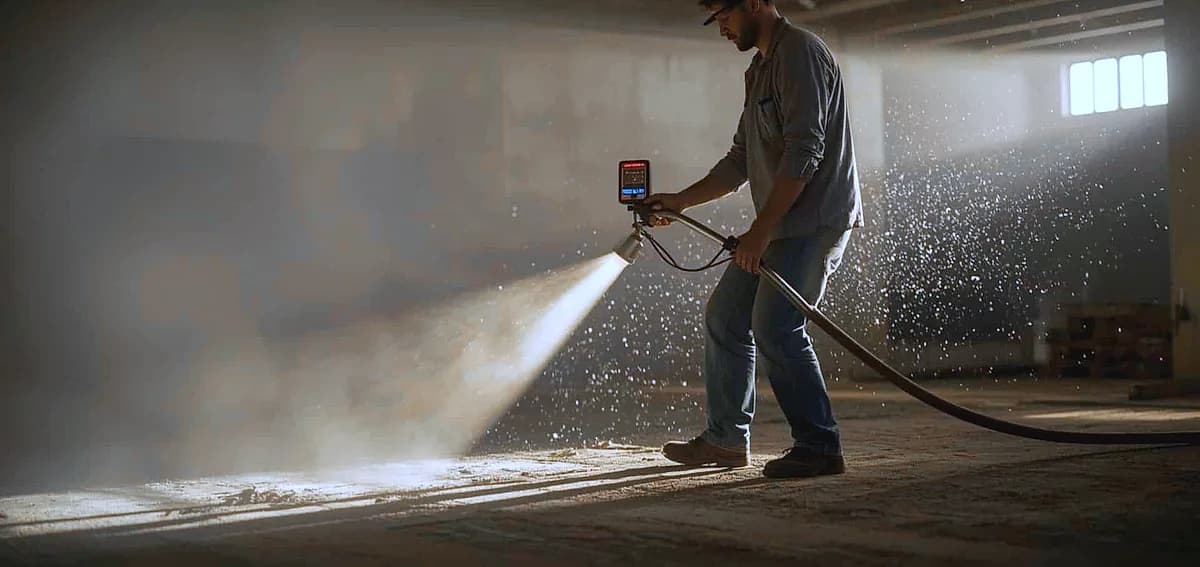
Moisture-tolerant epoxy formulations have been developed specifically for use in challenging humidity conditions. These products typically incorporate modified hardener chemistry that is less susceptible to moisture interference and may include additives that help manage the effects of water vapor during curing. While these formulations may cost more than standard epoxy systems, they can provide significant value when working in consistently high humidity environments or when environmental control is not feasible.
Solvent-free or high-solids epoxy systems often perform better in variable humidity conditions compared to solvent-based formulations. The absence of solvents eliminates one variable in the curing equation and reduces the potential for rapid evaporation in low humidity conditions. These systems also tend to be less sensitive to minor humidity fluctuations, providing more consistent results across a range of environmental conditions.
Fast-cure and slow-cure formulations offer different advantages depending on humidity conditions. Fast-cure systems may be beneficial in high humidity environments where extended cure times could lead to contamination or other problems. Conversely, slow-cure formulations may be preferred in low humidity conditions where rapid curing could lead to application difficulties or surface defects.
Primer and surface preparation products must also be selected with humidity considerations in mind. Moisture-blocking primers become essential when working over substrates with elevated moisture content, while penetrating sealers may be more appropriate for very dry substrates that could rapidly absorb the base coat. The compatibility between primer and topcoat systems under various humidity conditions should be verified through testing or manufacturer recommendations.
National Concrete Polishing emphasizes the importance of working closely with epoxy manufacturers to understand the specific environmental requirements and limitations of each product. Manufacturer technical support can provide valuable guidance on product selection, application modifications, and environmental control requirements for specific project conditions. This collaboration ensures that the chosen system will perform optimally under the expected environmental conditions.
Frequently Asked Questions
What is the ideal humidity range for epoxy application?
Most epoxy systems perform best when applied in relative humidity conditions between 40-60%. This range provides optimal curing chemistry while minimizing the risk of moisture-related defects.
Can epoxy be applied in high humidity conditions?
Epoxy can be applied in high humidity, but it requires careful environmental control and potentially modified application techniques. Dehumidification and moisture-tolerant formulations may be necessary.
How quickly does humidity affect epoxy curing?
Humidity effects on epoxy curing begin immediately upon application. Surface defects like blushing can appear within minutes in high humidity conditions, while cure time effects develop over hours.
What equipment is needed to monitor humidity during epoxy application?
Calibrated digital hygrometers, data loggers, and temperature monitoring equipment are essential. Professional-grade instruments provide the accuracy needed for quality control.
How does seasonal variation affect epoxy flooring projects?
Seasonal humidity changes can significantly impact project planning and execution. Spring and fall often provide more stable conditions, while summer and winter may require additional environmental control measures.
Can humidity problems be fixed after epoxy application?
Some humidity-related defects can be addressed through surface preparation and recoating, but severe problems like poor adhesion may require complete removal and reapplication.
What are the long-term effects of improper humidity during curing?
Epoxy cured under improper humidity conditions may exhibit reduced durability, poor chemical resistance, adhesion problems, and premature wear or failure.
How do different epoxy formulations respond to humidity variations?
Formulation sensitivity varies significantly. Moisture-tolerant systems are designed for challenging conditions, while standard formulations require more stringent environmental control for optimal results.
Conclusion
Understanding how ambient humidity levels impact epoxy curing characteristics is fundamental to achieving professional-quality flooring installations. The complex relationship between moisture in the air and epoxy chemistry affects every aspect of the curing process, from initial application through final performance characteristics. Contractors who master environmental control and product selection based on humidity conditions consistently deliver superior results while avoiding costly problems and callbacks.
The investment in proper environmental monitoring and control equipment pays dividends through improved project outcomes, reduced risk of defects, and enhanced customer satisfaction. Whether dealing with high humidity conditions that require dehumidification or low humidity environments that present their own challenges, professional contractors must be prepared to adapt their techniques and procedures to maintain optimal application conditions.
Success in epoxy flooring requires a comprehensive approach that considers environmental factors alongside traditional concerns like surface preparation and application technique. National Concrete Polishing and other professional contractors recognize that environmental control is not an optional consideration but an essential element of quality workmanship. By understanding and managing the effects of ambient humidity on epoxy curing characteristics, contractors can ensure consistent, high-quality results that meet or exceed customer expectations while building a reputation for reliability and expertise in the competitive flooring industry.
Written by

Founder and CEO
Chris Lavin is an esteemed leader in concrete polishing and epoxy coatings with a distinguished 20-year career. As founder and CEO of National Concrete Polishing and owner of Xtreme Polishing Systems, he's renowned for polishing and epoxy coating more floors than anyone globally. Chris is recognized for his innovative approach and commitment to enhancing floor durability and aesthetics. His hands-on experience and technical proficiency make him a respected authority and a valuable resource in the field of floor polishing and coatings.
Same topic
Related articles
All stories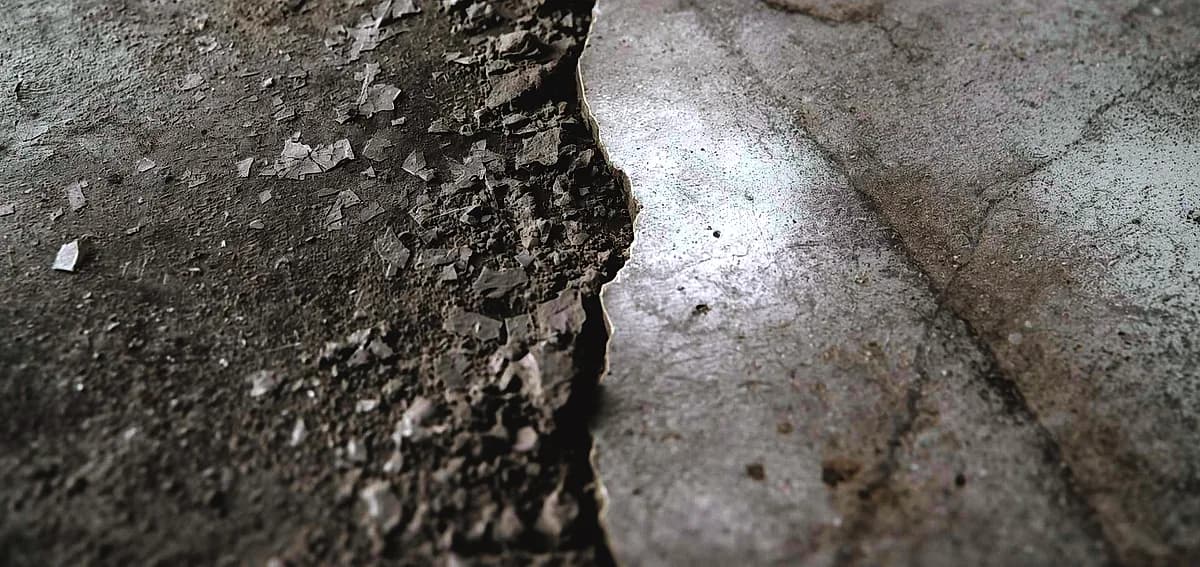
Epoxy & coatings8 min read
DIY vs Professional Epoxy Flooring in Fort Lauderdale
Hardware stores heavily market all-in-one boxes that promise a showroom finish with minimal effort.
Read it
Epoxy & coatings8 min read
Can You DIY Epoxy Flooring in Miami? Pros, Cons, and Tips
Applying a durable floor finish in a tropical or highly humid climate presents unique environmental challenges.
Read it
Epoxy & coatings7 min read
DIY Epoxy Flooring in South Florida: Is It Worth the Risk?
However, these products generally contain high levels of water or solvents to extend their pot life.
Read it
Tell us about the floor
Tell us the space and roughly how big it is.We come back with what it would cost and when we could start.
Prefer to talk? Call +1 844-876-5474
- Leads@
nationalconcretepolishing.net - 2200 NW 32nd St #600,
Pompano Beach, FL 33069 Mon to Fri, 9:00 to 5:30