The NCP blog
Concrete Surface Profile (CSP) and Its Impact on Coating Adhesion
Polished concrete9 min read
What concrete surface profile (CSP) means on the ICRI scale and how grinding, shot blasting or etching achieve it.
A coating is only as good as its grip on the slab. For coatings, surface preparation is intended to maximize adhesion, according to the International Concrete Repair Institute (ICRI), and improper preparation leads to bond failure, delamination or cracking. The roughness you leave behind is called the concrete surface profile. It matters for repair budgets too, because peeling or delaminated floors cost up to $12 per square foot to replace.
Texture plays a starring role in flooring performance. Roughness creates mechanical bonds that lock coatings in place. Without proper preparation, coatings are prone to bond failure and delamination.
Thicker coating systems generally need a rougher profile to grip, so the profile is matched to the coating.
Understanding Concrete Surface Profiles
Flooring longevity starts with texture. The microscopic peaks and valleys on prepared substrates determine how well protective layers grip during thermal shifts or heavy loads. This texture measurement system helps contractors select preparation techniques that maximize bond strength.
Definition and Importance
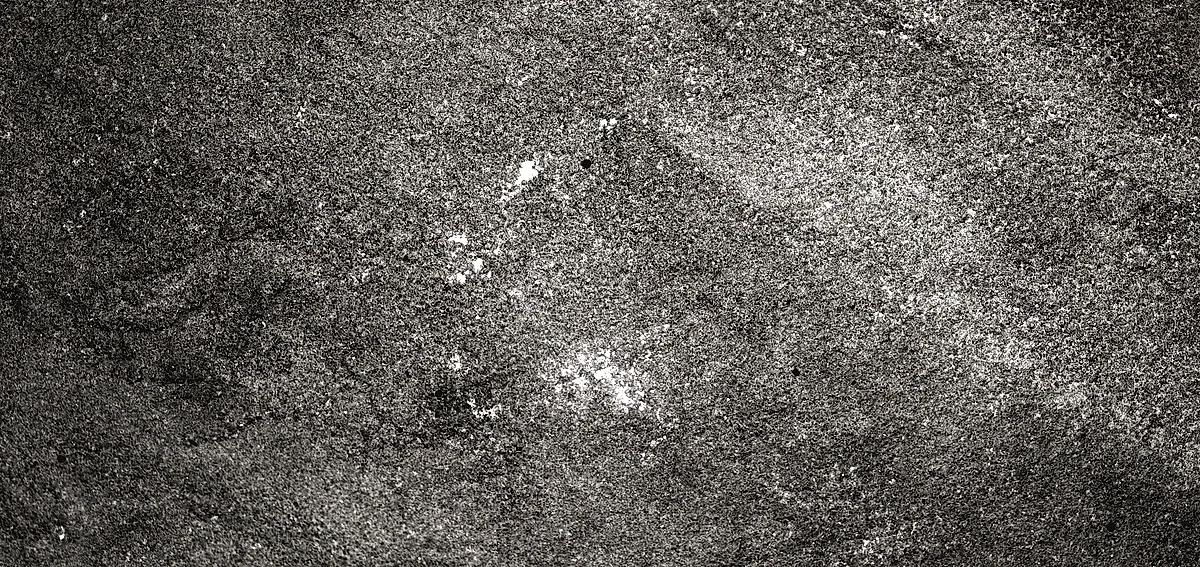
Surface profiles describe the roughness created during cleaning or grinding. Like Velcro® hooks catching fabric loops, these textures let coatings anchor securely. Proper depth allows materials to penetrate pores rather than sit atop smooth planes prone to separation.
The ICRI CSP Scale Overview
The International Concrete Repair Institute’s 10-point system (Guideline 310.2R) standardizes texture measurements. Lower numbers indicate smoother finishes, while higher values represent deeper grooves. ICRI also lists the profile each preparation method can reach, for example:
| Method | CSP range |
|---|---|
| Scarifying | CSP 4-7, with multiple passes for deeper removal |
| Rotomilling | CSP 6-9 |
| Scabbling | CSP 7-9 |
What a system needs depends on its thickness and its manufacturer: the data sheet for one epoxy floor system, Sikafloor-219 UTE, asks for a profile equivalent to ICRI CSP 3-4. Matching the profile to the material avoids rework.
Why Concrete Surface Profile Matters for Adhesion
Proper substrate texture determines whether protective layers stay bonded or fail early. Mechanical interlocking occurs when materials fill microscopic valleys, creating anchors that resist environmental and operational stresses.
Risks of Suboptimal Texture Preparation
ICRI lists two results of improper surface preparation: bond failure and delamination, or cracking. Either can mean the coating has to be applied again.
Techniques for Achieving an Ideal Surface Profile
Selecting the right preparation method determines whether coatings bond properly or peel prematurely. Different tools create specific texture depths measured on the CSP scale. Thinner materials need subtle textures, while heavy-duty applications require aggressive profiles.
Shot Blasting vs. Grinding
Shot blasting propels steel shot at the floor at high speed. The shot size and the rate of travel set the depth of the profile it leaves. It cleans the surface while adding the uniform roughness coatings bond to.
Grinding uses rotating discs. It smooths surface irregularities and can remove thin-film and high-build rigid coatings, and it is gentler than blasting, which suits decorative work.
| Method | What it does |
|---|---|
| Shot blasting | Steel shot sets the profile; depth depends on shot size and rate of travel |
| Grinding | Smooths irregularities and removes thin-film and high-build rigid coatings |
Acid Etching and Scarifying Options
Acid etching dissolves surface cement paste, and the concentration and volume of the acid control how deep it etches. The surface has to be flushed with water afterward, and neutralizing it may be necessary.
Scarifying uses rotating cutter teeth to reach CSP 4-7, and multiple passes remove deeper concrete. It also removes up to a quarter inch of rigid coating.
ICRI sorts protective systems by thickness, and the profile a system needs rises with it:
- Sealers (0 to 3 mils) and thin films (4 to 10 mils): the smoother end of the scale
- High-build coatings (10 to 40 mils): a rougher profile
- Self-leveling toppings (50 mils to 1/8 inch): CSP 4 to 6, rougher still
Methods for Measuring Surface Profile and Adhesion Strength
Accurate measurement separates successful projects from costly redos. Contractors use standardized methods to verify texture depth and coating grip before signing off on installations.
ASTM Pull-Off Test and Tape Test Applications
ASTM D7234 is the pull-off test for coatings on concrete: a loading fixture is glued to the coating and pulled until something lets go. Failure occurs along the weakest plane of the system made up of fixture, glue, coating and substrate, so a low result can point at the concrete rather than the coating.
KTA-Tator, a coatings consultancy, suggests three replicate tests per test area to get representative adhesion data. Record the instrument used with each result, because pull-off strength depends on both the materials and the instrument.
A tape test is a quick field check of adhesion (ASTM D3359): a 2-inch X is cut through the cured coating, tape is pressed on and pulled off, and only small chips, under 1/8 inch, should show at the intersection of the X.
Utilizing Rubber Comparator Chips Effectively
These textured tools are benchmark profiles for CSP 1 through 10. The prepared surface is compared with the chips named in the specification, so no lab equipment is needed.
Best practices:
- Clean surfaces before testing
- Compare multiple areas
- Compare against the chip number named in the specification
To record a profile, ASTM D7682 covers replica putty, which takes an impression of the surface that can then be measured. A pull-off test shows how well the coating bonds to it.
The ICRI guideline lists two more ways to check a profile. Laser profilometry uses a digital surface roughness meter that measures the prepared surface with a line laser. The sand method, ASTM E965, measures texture depth with a volumetric technique.
Choosing and Applying the Optimal Coating System
Selecting the right protective layer for your floor involves more than just picking a product. It requires matching material capabilities to operational demands and environmental conditions.
What Adhesion Numbers Really Measure
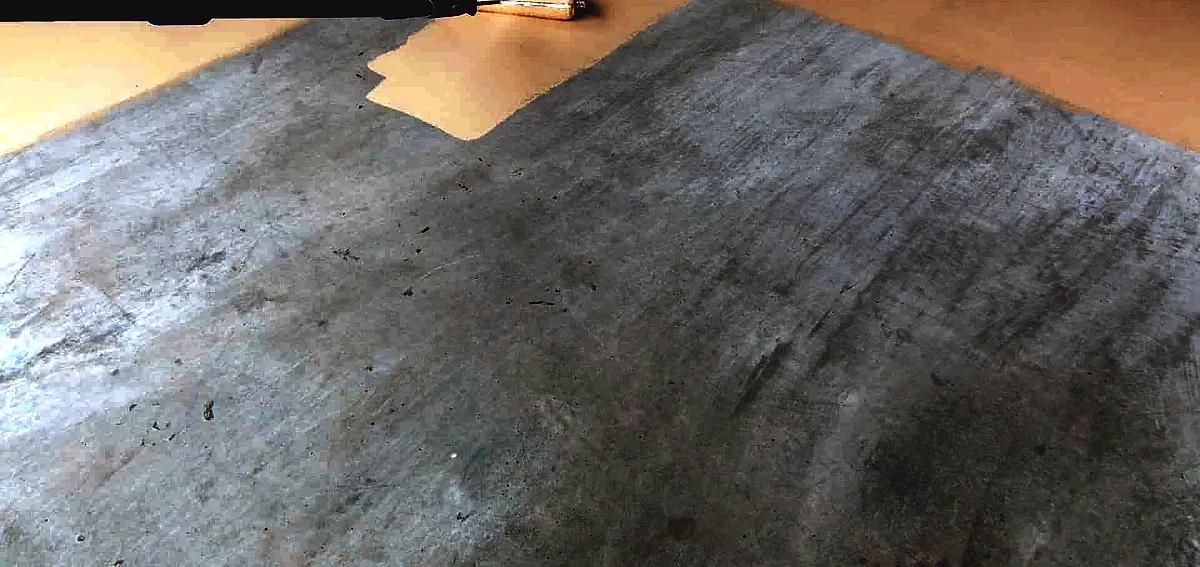
A pull-off number is capped by the weakest layer in the system. The same Sikafloor-219 UTE data sheet, for example, lists a tensile adhesion strength of 363 psi with substrate failure (ASTM D7234), meaning the concrete let go before the coating did.
Modern Coating Technologies and Application Techniques
Follow these steps for optimal results:
- Prepare the surface to the CSP the system calls for and compare it with the chip
- Apply primer and coats within the window on the product data sheet
- Keep temperature and humidity within the data sheet's limits during application and cure
Quality control checks should include an adhesion test, a tape test or a pull-off test, and a moisture test of the slab before coating. Checking thickness as you go confirms the coating matches the prepared profile.
Environmental Factors and Maintenance Best Practices
Your coating’s lifespan depends on managing environmental conditions and following smart upkeep routines. Temperature swings, moisture levels, and daily wear patterns all influence how well protective layers stay bonded to substrates over time.
Temperature and Moisture Control Considerations
Apply coatings within the temperature and humidity limits on the product data sheet. For standard epoxy systems, a coatings trade article says a relative humidity of 85% at 21°C (70°F) or 75% at 10°C (50°F) should not be exceeded, and the substrate should be at least 3°C (about 5°F) above the dew point so condensation cannot form.
Inspect high-traffic zones, such as forklift paths, on a regular schedule. Use pH-neutral cleaners to avoid degrading protective layers.
Document these three maintenance essentials:
- Weekly dry cleaning removes abrasive particles
- Spot checks of high-traffic areas for lifting, bubbling or dull wear
- Annual professional evaluations
Watch for bubbling or lifting, which can mean the coating is losing its bond. Schedule recoating for a stretch of dry, moderate weather when possible.
Concrete Surface Profile in South Florida
South Florida’s coastal environment demands specialized approaches for durable flooring systems. High humidity levels and salt-laden air create distinct challenges that impact material selection and application timelines.
Regional Considerations and Unique Challenges
Humidity can slow curing, so schedules need some slack. Salt from coastal air is another contaminant that surface preparation has to remove before coating.
National Concrete Polishing’s Crews in South Florida
National Concrete Polishing’s primary in-house crews are based in South Florida and cover the stretch from Miami-Dade through Broward to Palm Beach County.
Three habits help on any South Florida slab:
- Test the slab for moisture before coating, because excess slab moisture can cause debonding
- Remove salt and other contaminants during preparation
- Check temperature, humidity and dew point during installation
Conclusion
Your flooring system’s longevity depends on the concrete surface profile (CSP) created during preparation. This textured foundation determines how well the coating bonds.
Choosing materials that match your concrete surface profile level prevents delamination. ICRI's selector guide, for example, lists CSP 3 to 5 for high-build coatings of 10 to 40 mils, and the manufacturer's data sheet has the final word on the profile each product needs.
Regular adhesion testing and concrete surface profile assessments catch issues early.
Partnering with experts helps make sure your surface profile matches what the coating calls for.
Remember: optimal results start with the right concrete surface profile. Invest in proper texture preparation, and your coatings will reward you with lasting protection.
Frequently Asked Questions
How does surface roughness impact coating durability?
Proper texture ensures coatings bond tightly to substrates. Inadequate roughness leads to peeling, blistering, or premature wear. The ICRI CSP scale helps match profiles to specific systems like epoxy or polyurethane for long-term performance.
What methods measure adhesion strength effectively?
ASTM D7234 pull-off tests quantify bond strength, while tape tests (ASTM D3359) check for delamination. Rubber comparator chips visually assess profiles against standardized roughness levels, ensuring consistency before application.
When should you choose shot blasting over acid etching?
Shot blasting creates a uniform profile, and the shot size and rate of travel set its depth. Acid etching is a lighter-duty option, and the surface has to be flushed with water afterward. Always evaluate substrate conditions first.
Why does South Florida’s climate demand specialized preparation?
High humidity and salt exposure make surface preparation and moisture control matter even more.
Can improper surface prep lead to repair costs?
Yes. ICRI lists bond failure and delamination, or cracking, as the results of improper preparation, and either can mean the coating has to be applied again.
How do modern coatings improve bond strength?
Fast-curing methyl methacrylate (MMA) resins are one example of a newer chemistry, but the bond still starts with a clean, sound slab and the profile the manufacturer asks for.
What maintenance extends coating lifespan post-application?
Regular cleaning with pH-neutral solutions prevents chemical degradation. Inspect high-traffic areas regularly for wear, and ask the installer how to prepare the existing coating before a recoat.
Written by

Founder and CEO
Chris Lavin is an esteemed leader in concrete polishing and epoxy coatings with a distinguished 20-year career. As founder and CEO of National Concrete Polishing and owner of Xtreme Polishing Systems, he's renowned for polishing and epoxy coating more floors than anyone globally. Chris is recognized for his innovative approach and commitment to enhancing floor durability and aesthetics. His hands-on experience and technical proficiency make him a respected authority and a valuable resource in the field of floor polishing and coatings.
Same topic
Related articles
All stories
Residential7 min read
Polished Concrete Garage Floor vs Epoxy: Pros and Cons
This process smooths the surface, and a densifier hardens it, so polished concrete is used in high-traffic areas.
Read it
Polished concrete11 min read
Can You Polish Old Concrete? Transform Your Floors Today
Old concrete floors often hide tremendous potential beneath their weathered, dull surfaces.
Read it
Cost & ROI11 min read
How Much Does It Cost To Polish Concrete Floors?
Choosing polished concrete flooring for your residential or commercial space is a no-brainer these days.
Read it
Tell us about the floor
Tell us the space and roughly how big it is.We come back with what it would cost and when we could start.
Prefer to talk? Call +1 844-876-5474
- Leads@
nationalconcretepolishing.net - 2200 NW 32nd St #600,
Pompano Beach, FL 33069 Mon to Fri, 9:00 to 5:30