
The NCP blog
Complete Guide to Waterproof Basement Epoxy Flooring in Miami
Residential10 min read
Miami’s subtropical climate creates unique challenges for basement spaces that demand specialized flooring solutions.
Epoxy flooring for basements Miami provides homeowners with a durable, waterproof solution specifically designed to combat South Florida’s unique moisture challenges. Miami’s high humidity, frequent rainfall, and elevated water tables create conditions where traditional basement flooring fails, but properly installed basement epoxy systems create an impermeable barrier that prevents water infiltration, mold growth, and structural damage. National Concrete Polishing specializes in waterproof basement epoxy flooring in Miami that withstands the region’s demanding climate while transforming dark, damp spaces into beautiful, functional areas for storage, recreation, or living.
Overview
This comprehensive guide explores everything Miami homeowners need to know about basement epoxy flooring, from moisture management techniques to design options and installation timelines. You’ll learn why epoxy outperforms traditional basement flooring materials in humid environments, how moisture barriers work beneath epoxy systems, and what to expect during the installation process. We’ll also cover cost considerations, maintenance requirements, and the specific challenges of installing epoxy in South Florida’s moisture-prone basements.
Why Miami Basements Need Waterproof Flooring
Miami’s subtropical climate creates unique challenges for basement spaces that demand specialized flooring solutions. The region’s average humidity levels exceed 75%, and frequent tropical storms deposit heavy rainfall that raises groundwater tables and increases hydrostatic pressure beneath concrete slabs. Traditional flooring materials like carpet, laminate, and wood absorb moisture, leading to warping, mold growth, and structural deterioration.
Epoxy flooring creates a seamless, impermeable surface that acts as a protective barrier against water infiltration. Unlike porous materials, epoxy doesn’t absorb moisture, making it ideal for below-ground spaces where dampness is inevitable. The waterproof properties of properly installed epoxy systems protect both your flooring investment and the structural integrity of your home’s foundation.
Understanding Moisture Problems in South Florida Basements
Basement moisture in Miami comes from multiple sources that require comprehensive management strategies. Hydrostatic pressure occurs when groundwater beneath your foundation pushes moisture up through concrete pores. Condensation forms when warm, humid air contacts cool basement surfaces, creating persistent dampness.
Surface water infiltration happens during heavy rains when water finds cracks or weak points in foundation walls and floors. Miami’s salt air accelerates concrete deterioration, creating pathways for moisture penetration. Without proper waterproofing, these moisture sources lead to mold growth, musty odors, damaged belongings, and compromised structural integrity that requires expensive repairs.
How Epoxy Creates Waterproof Barriers
Epoxy flooring systems create waterproof protection through multiple layers that work together to seal basement concrete. The process begins with moisture vapor barriers applied directly to concrete, blocking hydrostatic pressure from pushing moisture upward. Specialized primers designed for high-moisture environments bond to concrete while sealing pores that allow water transmission.
The epoxy base coat forms a thick, impermeable layer that prevents water from reaching the surface. Clear topcoats add additional protection while providing chemical resistance and durability against foot traffic and furniture weight. This multi-layer system creates a seamless barrier with no grout lines or seams where moisture can penetrate, unlike tile or other segmented flooring options.
Moisture Testing Before Installation
Professional moisture testing is the critical first step before any epoxy basement installation in Miami. Calcium chloride tests measure moisture vapor emission rates from concrete slabs, determining whether moisture levels exceed safe thresholds for epoxy application. Relative humidity probes inserted into the concrete provide precise readings of internal moisture content that predict long-term conditions.
National Concrete Polishing technicians also perform visual inspections for standing water, efflorescence (white crystalline deposits), and concrete degradation. Concrete moisture vapor emission testing identifies whether specialized moisture-mitigating primers are needed or if additional waterproofing measures must be implemented before epoxy can be safely installed.
Moisture-Mitigating Epoxy Systems
When moisture testing reveals elevated levels, moisture-mitigating epoxy systems provide solutions for basements that traditional epoxy cannot handle. These specialized primers contain high solids content that penetrates deep into concrete pores, creating a barrier that withstands significant hydrostatic pressure. Some systems can handle moisture vapor emission rates up to 25 pounds per 1,000 square feet per 24 hours.
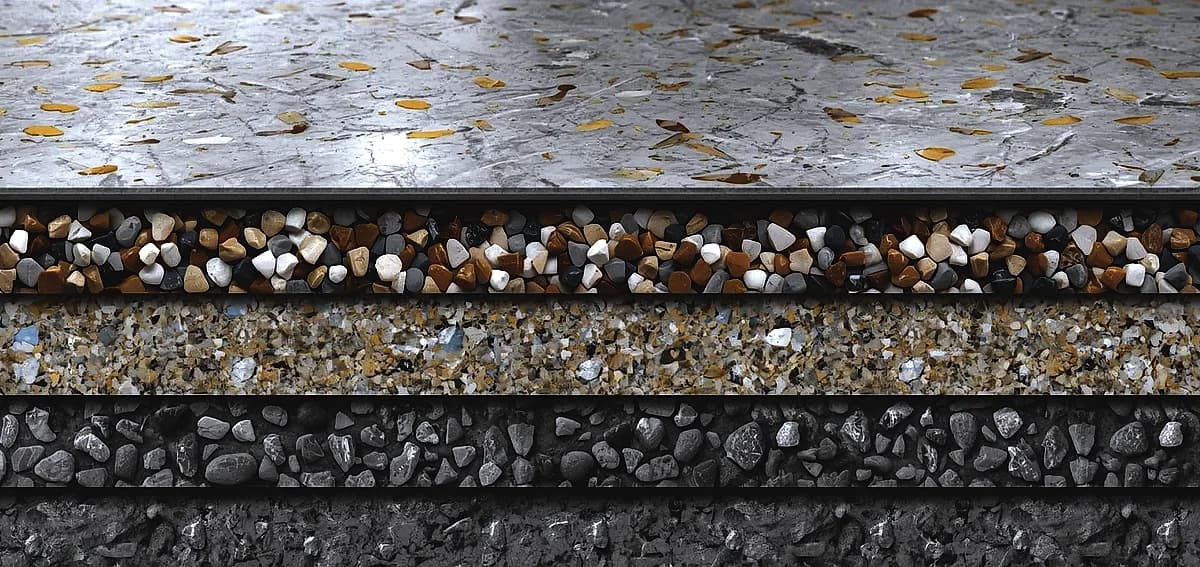
Moisture barriers applied beneath epoxy systems redirect water vapor and prevent it from reaching the surface where it could cause bubbling or delamination. These advanced systems cost more than standard epoxy but provide essential protection for Miami basements where moisture management is critical for long-term performance.
Surface Preparation for Basement Epoxy
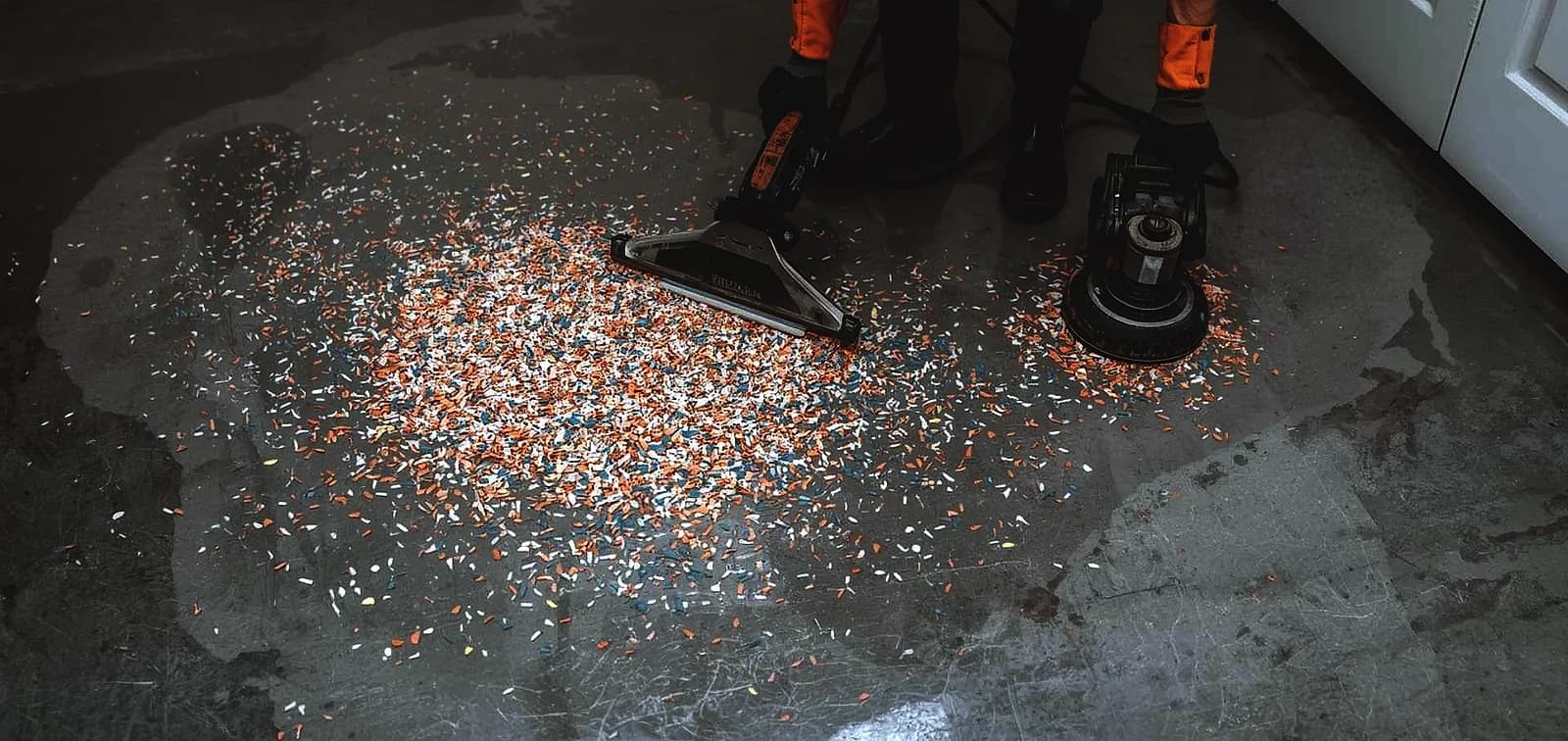
Proper surface preparation determines the success of basement epoxy installations in moisture-prone environments. The process begins with thorough cleaning to remove dirt, oils, existing coatings, and contaminants that interfere with adhesion. Diamond grinding or shot blasting creates the proper concrete surface profile for maximum epoxy bond strength.
Crack repair is essential before epoxy application, as even small cracks provide pathways for moisture infiltration. Technicians fill and seal all cracks, joints, and imperfections to create a uniform surface. The concrete must be completely dry before primer application—professional contractors use industrial dehumidifiers and air movers to accelerate drying when necessary, ensuring moisture levels meet manufacturer specifications.
Installation Process & Timeline
Basement epoxy installation in Miami typically requires 3-5 days depending on moisture conditions and space size. Day one focuses on surface preparation, including grinding, crack repair, and thorough cleaning. Moisture-mitigating primer application follows, requiring 6-12 hours of drying time before the next layer.
Day two involves applying the pigmented epoxy base coat, which provides color and the primary waterproof barrier. Decorative flakes or metallic pigments can be added at this stage for enhanced aesthetics. The base coat cures for 12-24 hours before topcoat application on day three. The clear topcoat seals the system and provides abrasion resistance, requiring another 24 hours before light foot traffic and 72 hours before moving furniture back into the space.
Design Options for Miami Basements
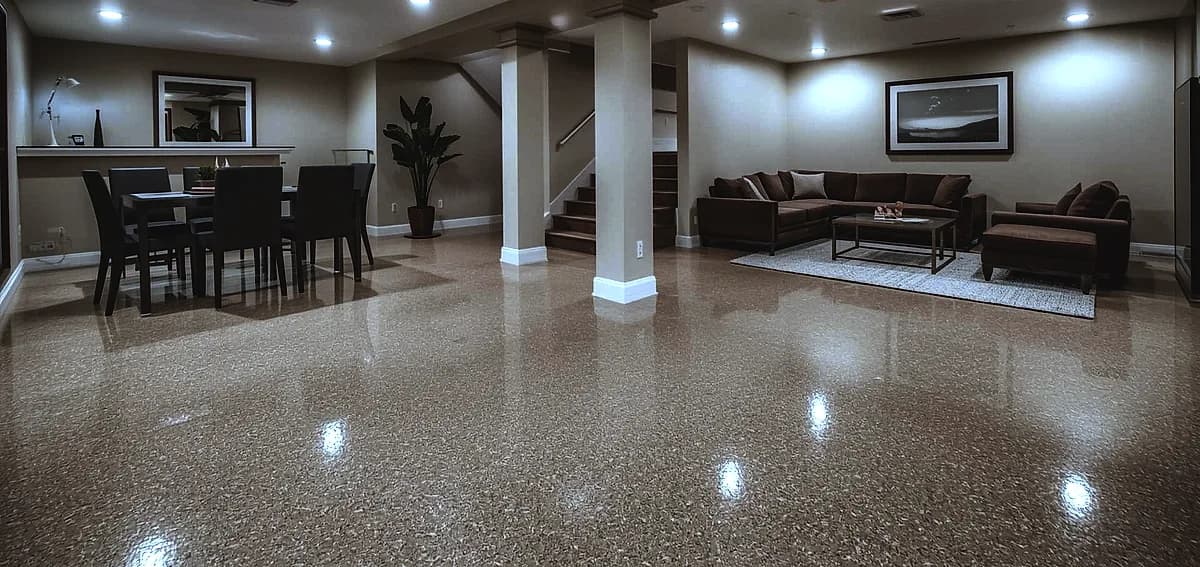
Modern basement epoxy offers extensive design possibilities beyond basic gray coatings. Solid color systems provide clean, professional looks in hundreds of hues that brighten dark basement spaces. Decorative flake epoxy adds texture and visual interest while enhancing slip resistance—important for moisture-prone areas.
Metallic epoxy flooring creates stunning marble-like effects with flowing patterns and depth that transform basements into high-end living spaces. For added personality, consider glitter epoxy systems that reflect light and create sparkle effects. National Concrete Polishing can customize color combinations and patterns to match your home’s aesthetic while maintaining the waterproof protection your Miami basement requires.
Cost Considerations
Epoxy flooring for basements Miami costs vary based on several factors that influence both materials and labor. Basic solid-color epoxy systems start around $3-$5 per square foot for standard installations. Moisture-mitigating systems add $2-$4 per square foot due to specialized primers and additional preparation required for high-moisture environments.
Decorative options like flake systems range from $5-$8 per square foot, while metallic epoxy can reach $8-$12 per square foot for complex designs. Extensive crack repair, moisture barrier installation, and old flooring removal increase costs. While professional installation costs more than DIY kits, proper moisture management techniques and warranty protection make professional service essential for Miami’s challenging climate.
Durability & Longevity in Humid Climates
Properly installed epoxy floors can last 10-20 years in Miami’s humid conditions when maintained correctly. The waterproof barrier prevents moisture-related damage that destroys other flooring materials within months or years. Epoxy’s chemical resistance protects against cleaning products, spills, and household chemicals common in basement storage areas.
Unlike carpet or wood that require replacement after water exposure, epoxy withstands flooding events and can be cleaned and restored without replacement. The seamless surface resists cracking, chipping, and delamination when properly installed with moisture-mitigating primers. Regular maintenance extends lifespan, making epoxy one of the most cost-effective long-term flooring solutions for South Florida basements.
Mold & Mildew Prevention
Mold growth is a primary concern in Miami basements where humidity and moisture create ideal conditions for fungal proliferation. Epoxy’s non-porous surface prevents moisture absorption that mold spores need to establish colonies. Unlike carpet, wood, or concrete, epoxy doesn’t provide organic material for mold to consume.
The waterproof barrier eliminates damp concrete surfaces where mildew thrives. Properly sealed epoxy systems also prevent moisture vapor from reaching the surface where it would create condensation and promote mold growth. This mold resistance improves indoor air quality and protects your family’s health—particularly important for basement spaces used as living areas, home offices, or playrooms.
Maintenance Requirements
Basement epoxy requires minimal maintenance compared to traditional flooring materials, making it ideal for busy Miami homeowners. Regular cleaning involves simple sweeping or vacuuming to remove dirt and debris. Damp mopping with mild, pH-neutral cleaners maintains the glossy finish without damaging the coating.
Avoid harsh chemicals or abrasive cleaners that can dull the topcoat over time. Placing protective pads under heavy furniture prevents scratching and distributes weight evenly. Address spills promptly to maintain stain resistance, though properly sealed epoxy resists most household chemicals. Periodic reapplication of topcoat every 5-7 years refreshes appearance and extends the system’s lifespan without requiring complete reinstallation.
Temperature & Humidity Control
While epoxy provides waterproof protection, maintaining reasonable basement humidity levels optimizes performance and comfort. Dehumidifiers keep humidity below 60%, preventing condensation on walls and reducing strain on your epoxy flooring system. Proper ventilation circulates air and prevents musty odors common in closed basement spaces.
Temperature stability is less critical for epoxy than humidity, though maintaining 65-75°F improves comfort for finished basements used as living spaces. Avoid storing moisture-sensitive items directly on basement floors even with epoxy protection—use shelving or pallets for electronics, documents, and fabrics. These environmental controls complement your waterproof epoxy installation to create a dry, comfortable basement environment.
Common Mistakes to Avoid
DIY basement epoxy installations often fail due to inadequate moisture testing before application. Skipping moisture-mitigating primers in high-humidity environments leads to bubbling, delamination, and premature failure. Insufficient surface preparation prevents proper adhesion regardless of epoxy quality.
Applying epoxy during humid or rainy weather traps moisture in the coating and extends curing times. Using standard epoxy primers instead of moisture-mitigating systems in wet basements guarantees failure. Inadequate crack repair allows moisture pathways that undermine waterproofing. Professional contractors avoid these pitfalls through proper testing, preparation, and material selection specific to Miami’s challenging conditions.
Professional vs DIY Installation
Professional basement epoxy installation offers significant advantages for Miami homeowners dealing with moisture challenges. Experienced contractors perform comprehensive moisture testing and select appropriate moisture-mitigating systems based on test results. They understand Florida’s building codes and waterproofing requirements that DIYers often overlook.
Professional equipment like industrial grinders, dehumidifiers, and moisture meters ensures proper preparation and installation conditions. Warranty protection provides peace of mind that DIY installations lack if moisture issues arise, professional contractors address them at no additional cost. While DIY epoxy kits cost less initially, failed installations require complete removal and reinstallation that far exceeds professional installation costs.
When to Call Professionals
Certain basement conditions require professional expertise that DIY approaches cannot provide. Active water infiltration, standing water, or visible moisture seepage demand comprehensive waterproofing before epoxy installation. Extensive concrete damage requiring structural repair exceeds most homeowners’ capabilities.
Large basement areas over 500 square feet benefit from professional equipment that ensures uniform coverage and proper curing. If moisture testing reveals high vapor emission rates, specialized moisture-mitigating systems require professional application for warranty validity. When basement flooring investment exceeds several thousand dollars, professional installation protects that investment through proper techniques and guaranteed results.
Frequently Asked Questions
What makes epoxy ideal for Miami basement flooring?
Epoxy creates waterproof barriers that prevent moisture infiltration, resist mold growth, and withstand South Florida’s high humidity levels that destroy traditional flooring materials.
Can epoxy be applied to damp basement floors?
Yes, with moisture-mitigating primer systems specifically designed for high-moisture environments, epoxy can be installed on damp concrete that would fail with standard primers.
How much does basement epoxy flooring cost in Miami?
Costs range from $3-$12 per square foot depending on moisture mitigation requirements, decorative options, and surface condition.
Does basement epoxy prevent mold growth?
Yes, epoxy’s non-porous surface prevents moisture absorption needed for mold growth, significantly reducing mold and mildew problems common in Miami basements.
How long does basement epoxy installation take?
Professional installation typically requires 3-5 days including surface preparation, moisture barrier application, epoxy coating, and curing time before the space can be used.
Will epoxy work in basements with active water problems?
Epoxy should not be installed over active water infiltration—address source water issues first through exterior waterproofing, then install moisture-mitigating epoxy systems.
Can I install basement epoxy myself?
While DIY is possible, Miami’s moisture challenges make professional installation strongly recommended to ensure proper moisture testing, primer selection, and application techniques.
How do I maintain epoxy basement floors?
Simple sweeping and damp mopping with pH-neutral cleaners maintains epoxy floors—avoid harsh chemicals and abrasive cleaners that can damage the topcoat.
Does humidity affect epoxy basement floors?
Properly installed epoxy withstands high humidity, but maintaining basement humidity below 60% with dehumidifiers optimizes performance and comfort.
What’s the lifespan of basement epoxy in Florida?
With proper installation and maintenance, basement epoxy floors last 10-20 years in Miami’s humid climate.
Conclusion
Epoxy flooring for basements Miami provides the comprehensive moisture protection South Florida homeowners need to transform damp, problematic spaces into functional, beautiful areas. The waterproof barriers created by properly installed epoxy systems prevent mold growth, resist humidity damage, and withstand the unique challenges of Miami’s subtropical climate. While initial investment exceeds traditional flooring options, the durability, low maintenance, and long-term performance make basement epoxy one of the most cost-effective solutions available.
National Concrete Polishing combines advanced moisture-mitigating technologies with expert installation techniques to deliver basement flooring that protects your investment and enhances your home’s value. Contact us today for comprehensive moisture testing and a free estimate on waterproof basement epoxy flooring designed specifically for South Florida’s demanding conditions.
Written by

Founder and CEO
Chris Lavin is an esteemed leader in concrete polishing and epoxy coatings with a distinguished 20-year career. As founder and CEO of National Concrete Polishing and owner of Xtreme Polishing Systems, he's renowned for polishing and epoxy coating more floors than anyone globally. Chris is recognized for his innovative approach and commitment to enhancing floor durability and aesthetics. His hands-on experience and technical proficiency make him a respected authority and a valuable resource in the field of floor polishing and coatings.
Same topic
Related articles
All stories
Residential8 min read
What Restaurants Need to Pass a Health Inspection Floor Check
It endures heavy foot traffic, dropped equipment, boiling water spills, and harsh degreasing chemicals daily.
Read it
Residential9 min read
How Restaurants Replace Their Floors Without Closing for Long
The average food service establishment loses approximately $3,500 in daily revenue during unexpected closures in 2026.
Read it
Residential8 min read
Where Polished Concrete Beats Epoxy in a Home (and Where It Doesn’t)
Before evaluating specific rooms, it is essential to understand how these two flooring systems function.
Read it
Tell us about the floor
Tell us the space and roughly how big it is.We come back with what it would cost and when we could start.
Prefer to talk? Call +1 844-876-5474
- Leads@
nationalconcretepolishing.net - 2200 NW 32nd St #600,
Pompano Beach, FL 33069 Mon to Fri, 9:00 to 5:30