
The NCP blog
Moisture-Resistant Epoxy for South Florida Basements
Epoxy & coatings15 min read
Traditional flooring solutions often fail in these conditions, leading to warping, mold growth, and costly repairs.
South Florida’s unique climate presents distinct challenges for basement flooring, with high humidity levels, frequent rainfall, and the potential for flooding creating an environment where moisture management becomes critical. Traditional flooring solutions often fail in these conditions, leading to warping, mold growth, and costly repairs. For homeowners and businesses seeking a durable, long-lasting solution, epoxy basement floor South Florida installations have emerged as the premier choice for moisture-resistant flooring.
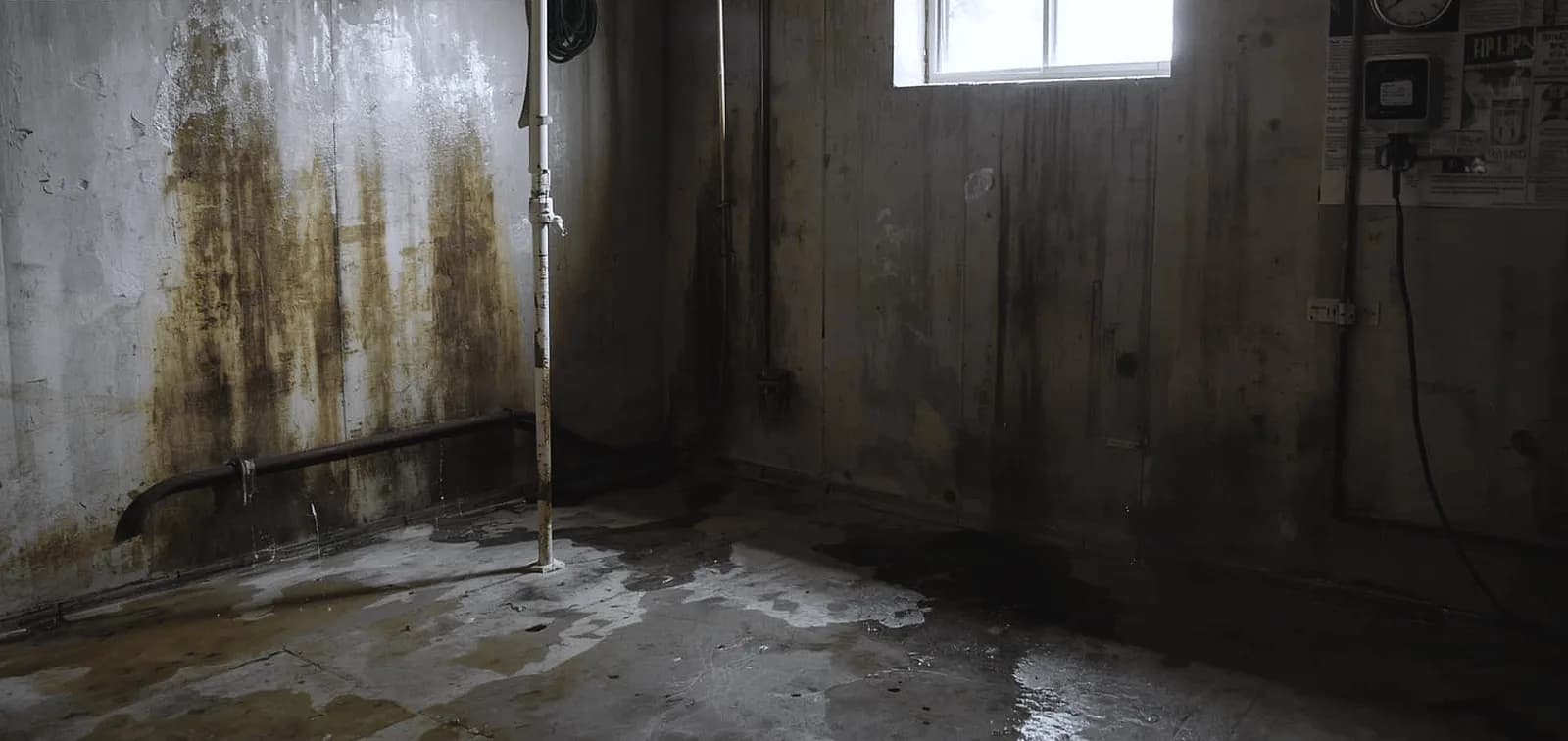
The subtropical climate of South Florida means that basements are constantly exposed to moisture from multiple sources. Ground water infiltration, condensation from air conditioning systems, and the region’s notorious humidity levels can wreak havoc on conventional flooring materials. Carpet becomes a breeding ground for mold and mildew, hardwood warps and buckles, and even ceramic tiles can develop problems when moisture penetrates the grout lines and subfloor.
Epoxy flooring South Florida contractors have recognized these challenges and developed specialized solutions that not only resist moisture but actually create a barrier that protects the underlying concrete substrate. Unlike traditional flooring options, properly installed epoxy coatings form a seamless, non-porous surface that prevents water penetration while maintaining durability under the stress of South Florida’s environmental conditions.
The benefits of choosing epoxy for basement floors extend far beyond moisture resistance. These coatings provide exceptional durability, chemical resistance, and aesthetic appeal while requiring minimal maintenance. For South Florida residents dealing with the constant battle against humidity and moisture, epoxy represents a smart investment that can protect their property value and provide peace of mind for decades to come.
Understanding the specific requirements for moisture-resistant epoxy in South Florida basements requires expertise in both the local climate conditions and the technical aspects of epoxy application. Professional installation ensures proper surface preparation, moisture testing, and the selection of appropriate epoxy formulations that can withstand the unique challenges of the region’s environment.
Key Takeaways
Superior Moisture Resistance: Epoxy basement floor South Florida installations create an impermeable barrier that prevents water infiltration, protecting both the coating and underlying concrete from moisture damage common in the region’s humid climate.
Climate-Specific Formulations: Professional epoxy flooring South Florida contractors use specialized formulations designed to withstand high humidity, temperature fluctuations, and the potential for flooding that characterizes the local environment.
Seamless Protection: Unlike tile or other segmented flooring options, epoxy creates a continuous surface without joints or seams where moisture can penetrate, eliminating common failure points in basement flooring systems.
Mold and Mildew Prevention: The non-porous nature of properly installed epoxy coatings prevents the growth of mold, mildew, and bacteria that thrive in South Florida’s humid basement environments.
Long-Term Cost Effectiveness: While the initial investment may be higher than some alternatives, epoxy’s durability and low maintenance requirements make it more economical over time, especially considering the frequent replacement costs of moisture-damaged traditional flooring.
Professional Installation Critical: Proper surface preparation, moisture testing, and application techniques are essential for success in South Florida’s challenging environment, making professional installation a necessity rather than an option.
Versatile Design Options: Modern epoxy systems offer numerous aesthetic possibilities, from solid colors to decorative flakes and metallic finishes, allowing homeowners to achieve their desired look while maintaining superior moisture protection.
Quick Return to Service: Most epoxy installations can be walked on within 24-48 hours and fully cured within a week, minimizing disruption to basement use during the installation process.
Understanding South Florida’s Basement Moisture Challenges
South Florida’s geographical location and climate create a perfect storm of conditions that make basement moisture management particularly challenging. The region sits at or near sea level, with a water table that can be surprisingly close to the surface. During the rainy season, which typically runs from May through October, the combination of heavy rainfall and poor drainage can lead to significant moisture issues in below-grade spaces.
The subtropical climate means that humidity levels regularly exceed 70%, and during summer months, they can approach 90% or higher. This constant moisture in the air creates condensation problems when it comes into contact with cooler basement surfaces. Traditional air conditioning systems, while providing relief from the heat, can actually exacerbate moisture problems by creating temperature differentials that promote condensation. Understanding how humidity affects epoxy floors in Miami is critical for successful installations.
Ground water infiltration represents another significant challenge for South Florida basements. The porous limestone bedrock common throughout the region allows water to move freely, and during periods of heavy rainfall or high water tables, this moisture can find its way through foundation walls and floors. Even basements that appear dry during normal conditions can experience moisture problems during extreme weather events.
The consequences of moisture infiltration extend beyond simple water damage. In South Florida’s warm, humid environment, any moisture that penetrates flooring systems creates ideal conditions for mold and mildew growth. These organisms not only damage building materials but can also create serious health concerns for occupants. The combination of organic materials in traditional flooring and constant moisture creates a breeding ground that can quickly become a major problem.
Understanding these challenges is crucial for selecting appropriate flooring solutions. Epoxy basement floor South Florida installations address each of these moisture sources by creating a barrier that prevents penetration while remaining stable under the environmental stresses common to the region. The key lies in proper preparation and the selection of epoxy formulations specifically designed for high-moisture environments.
Benefits of Moisture-Resistant Epoxy Coatings
Moisture-resistant epoxy coatings offer a comprehensive solution to the flooring challenges faced by South Florida basement owners. The primary advantage lies in the coating’s ability to create a completely impermeable barrier that prevents water from penetrating the floor surface. Unlike traditional flooring materials that may absorb moisture or allow it to pass through joints and seams, properly applied epoxy forms a continuous membrane that effectively seals the substrate.
The chemical composition of modern epoxy systems makes them inherently resistant to moisture. These coatings cure through a chemical reaction that creates cross-linked polymer chains, resulting in a material that is both chemically inert and physically impermeable to water molecules. This characteristic makes epoxy particularly well-suited for environments where moisture exposure is constant or intermittent. Learning about epoxy floor moisture mitigation helps understand the science behind these protective systems.
Beyond basic moisture resistance, epoxy coatings provide exceptional durability that makes them ideal for basement applications. The high-traffic areas common in basements, from storage activities to recreational use, require flooring that can withstand impact, abrasion, and heavy loads. Epoxy’s superior strength and flexibility allow it to handle these demands while maintaining its protective properties.
The seamless nature of epoxy installations eliminates the weak points that plague other flooring systems. Traditional tile installations, for example, rely on grout lines that can crack or deteriorate over time, creating pathways for moisture infiltration. Epoxy’s monolithic surface provides uniform protection across the entire floor area, ensuring consistent performance regardless of the specific location or stress concentration.
Chemical resistance represents another significant advantage for South Florida basements. The region’s environment often involves exposure to cleaning chemicals, automotive fluids, and other substances that can damage conventional flooring. Understanding how epoxy floors resist chemicals ensures long-term durability. Epoxy’s chemical resistance ensures that these exposures won’t compromise the coating’s integrity or protective capabilities.
The aesthetic benefits of epoxy shouldn’t be overlooked. Modern epoxy systems offer virtually unlimited design possibilities, from solid colors that brighten dark basement spaces to decorative options that can transform utilitarian areas into attractive living spaces. This versatility allows property owners to achieve their aesthetic goals while maintaining the practical benefits of moisture resistance.
Maintenance requirements for epoxy coatings are minimal compared to traditional flooring options. The non-porous surface resists staining and can be cleaned with simple mopping or occasional pressure washing. This ease of maintenance is particularly valuable in basement environments where access may be limited and maintenance tasks more challenging.
Professional Installation Requirements and Process
The success of epoxy basement floor South Florida installations depends heavily on proper professional installation techniques that address the unique challenges of the local environment. The process begins with comprehensive moisture testing to determine the extent of any existing moisture issues and to establish baseline conditions that will inform the selection of appropriate materials and preparation methods. Understanding how concrete moisture testing works in Florida is essential for proper installation.
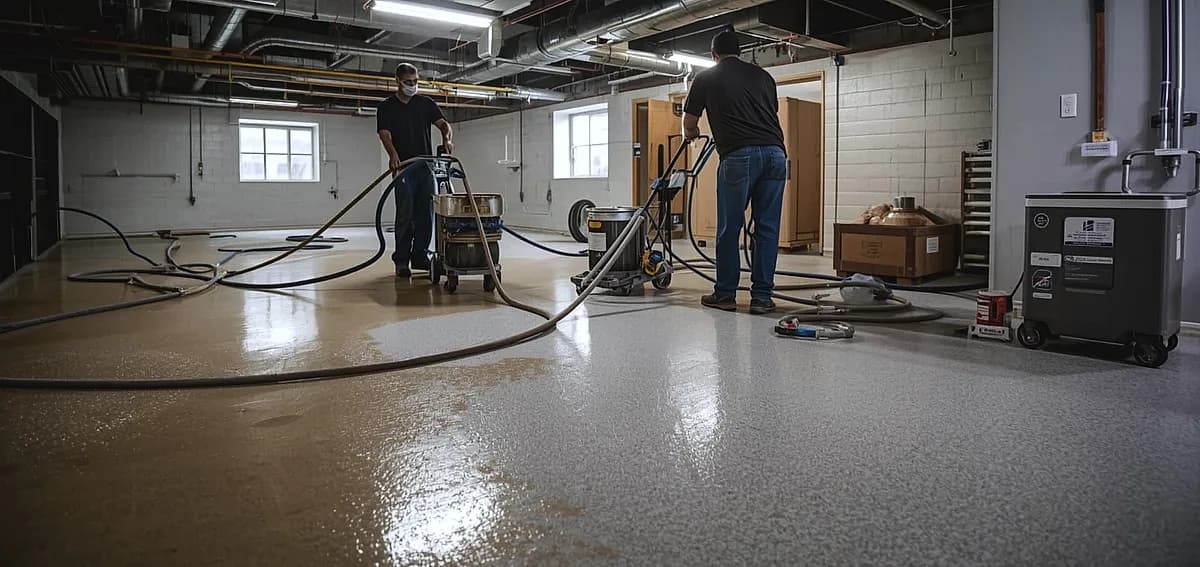
Surface preparation represents the most critical phase of any epoxy installation, and this is particularly true in South Florida’s challenging environment. The concrete substrate must be thoroughly cleaned and profiled to ensure proper adhesion. This typically involves mechanical preparation methods such as diamond grinding or shot blasting to remove any existing coatings, sealers, or contaminants that could interfere with bonding. Understanding why concrete floor preparation is critical for epoxy ensures successful results.
Moisture mitigation may be necessary before epoxy application can proceed. In cases where moisture vapor transmission rates exceed acceptable levels, specialized primer systems or moisture-blocking treatments may be required. Professional contractors use calcium chloride testing or relative humidity testing to quantify moisture levels and determine the appropriate mitigation strategies. The U.S. Environmental Protection Agency (EPA) provides valuable resources on moisture control and prevention.
The selection of epoxy formulations for South Florida applications requires expertise in matching product characteristics to environmental conditions. Moisture-tolerant epoxies, which can be applied over substrates with higher moisture content, may be necessary in some situations. These specialized formulations are designed to cure properly even in the presence of moisture that would cause standard epoxies to fail. Learning about why epoxy floors fail in Florida climate helps avoid common mistakes.
Application timing and environmental control play crucial roles in achieving successful results. South Florida’s humidity and temperature fluctuations can affect epoxy curing, making it essential to monitor conditions throughout the installation process. Professional contractors often use dehumidification equipment and temperature control measures to maintain optimal curing conditions. Understanding how epoxy flooring cures in South Florida weather is critical for timing installations.
The multi-coat application process typically begins with a primer coat designed to penetrate the concrete and provide a strong foundation for subsequent layers. Base coats follow, providing the primary protective barrier, and topcoats deliver the final appearance and additional protection. Each layer must be properly cured before the next application, requiring careful scheduling and environmental monitoring.
Quality control measures throughout the installation process ensure long-term performance. This includes monitoring film thickness, checking for proper coverage, and conducting adhesion tests to verify bonding strength. Professional installers also inspect for potential defects such as bubbles, pinholes, or other imperfections that could compromise the coating’s integrity. Understanding what causes epoxy floor bubbles in Florida helps prevent defects.
Post-installation curing requires continued attention to environmental conditions. The initial cure may take 24-48 hours, but full chemical cure can take up to a week or longer depending on conditions. During this period, temperature and humidity control remain important to ensure optimal final properties.
Comparing Epoxy to Alternative Basement Flooring Options
When evaluating flooring options for South Florida basements, epoxy basement floor South Florida installations consistently outperform traditional alternatives in moisture resistance, durability, and long-term value. Understanding these comparisons helps property owners make informed decisions based on their specific needs and environmental conditions.
Ceramic tile, often considered a moisture-resistant option, presents significant challenges in South Florida basement applications. While the tiles themselves may resist moisture, the grout lines create vulnerable points where water can penetrate. Over time, moisture infiltration through grout can lead to substrate damage, tile loosening, and mold growth beneath the installation. The maintenance requirements for keeping grout lines sealed and clean add ongoing costs and effort that epoxy installations avoid.
Luxury vinyl plank (LVP) and similar synthetic flooring materials have gained popularity for their water resistance and aesthetic appeal. However, these products rely on seams and joints that can allow moisture penetration, particularly during flooding events common in South Florida. The adhesives used in LVP installations may also fail under constant moisture exposure, leading to delamination and costly repairs.
Polished concrete offers some moisture resistance and durability benefits, but lacks the complete moisture barrier provided by epoxy coatings. The porous nature of concrete, even when polished and sealed, allows for some moisture transmission that can lead to problems over time. Additionally, concrete sealers require regular reapplication to maintain their protective properties, adding maintenance costs and complexity.
Carpet and padding represent poor choices for South Florida basements due to their organic composition and moisture absorption characteristics. Even moisture-resistant carpet options can harbor mold and mildew when exposed to the humidity levels common in the region. The replacement costs associated with moisture-damaged carpet make this option economically unfavorable compared to epoxy’s longevity.
Engineered hardwood, while more stable than solid wood, still presents moisture-related challenges in basement applications. The wood components can swell, contract, or deteriorate when exposed to high humidity or direct moisture contact. The investment in quality engineered hardwood often exceeds the cost of epoxy installation while providing inferior moisture protection.
Epoxy flooring South Florida installations excel in direct cost comparisons when lifecycle costs are considered. While the initial installation cost may be higher than some alternatives, the longevity and minimal maintenance requirements result in lower total ownership costs. The absence of replacement cycles, minimal repair needs, and low maintenance costs make epoxy the most economical choice over time.
Performance characteristics also favor epoxy in basement applications. The chemical resistance, impact resistance, and thermal stability of epoxy coatings provide superior performance under the varied conditions common in basement environments. Whether used for storage, workshops, recreational activities, or living spaces, epoxy maintains its protective and aesthetic properties under demanding use conditions.
Maintenance and Longevity
The long-term performance of epoxy basement floor South Florida installations depends on proper maintenance practices adapted to the region’s unique environmental conditions. Understanding these requirements helps property owners maximize their investment and ensure continued protection against moisture infiltration and other environmental challenges.
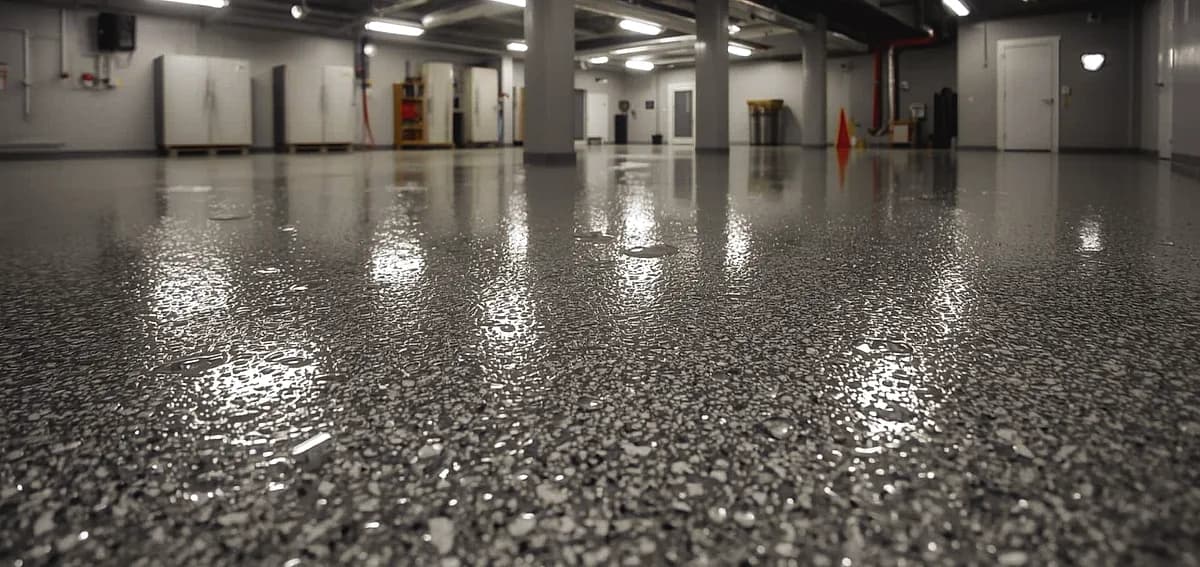
Regular cleaning represents the foundation of epoxy floor maintenance, but the approach must account for South Florida’s high humidity and frequent moisture exposure. Simple dry mopping or sweeping removes surface debris and prevents the accumulation of organic materials that could support mold or mildew growth. For deeper cleaning, damp mopping with neutral pH cleaners effectively removes dirt and stains without damaging the epoxy surface. Understanding the best cleaner for epoxy floors ensures proper care.
Periodic inspection of the coating surface helps identify potential issues before they become major problems. Property owners should look for signs of wear, scratches, or areas where the coating may be thinning. While epoxy coatings are extremely durable, high-traffic areas or impact damage can create vulnerable spots that may require attention.
Moisture monitoring remains important even after epoxy installation. While the coating provides excellent moisture protection, changes in groundwater levels, plumbing leaks, or other moisture sources can affect the basement environment. Regular monitoring helps ensure that the epoxy system continues to perform as designed and alerts property owners to any new moisture challenges. Understanding how moisture barriers work under Florida epoxy floors provides additional protection strategies.
The longevity of epoxy installations in South Florida typically exceeds 15-20 years with proper maintenance, significantly outperforming alternative flooring options in the region’s challenging environment. This longevity depends on factors including the quality of the initial installation, the specific epoxy formulation used, and adherence to recommended maintenance practices.
Professional maintenance services can extend the life of epoxy installations and address any performance issues that may develop over time. These services might include deep cleaning, minor repairs, or the application of additional topcoats to refresh the appearance and protective properties of the system.
Environmental factors specific to South Florida can affect maintenance requirements. The combination of high humidity, temperature fluctuations, and potential storm-related flooding may require adjusted maintenance schedules or additional protective measures during extreme weather events. The National Weather Service Miami provides important information on local climate conditions and severe weather alerts.
Cost considerations for epoxy maintenance compare favorably to alternative flooring options. The minimal maintenance requirements translate to lower ongoing costs, while the extended service life reduces the frequency of major flooring replacements. This economic advantage becomes more pronounced over time, particularly when compared to flooring options that may require replacement every 5-10 years in South Florida’s challenging environment.
National Concrete Polishing specializes in professional epoxy installations designed specifically for South Florida’s demanding conditions. Their expertise in local environmental challenges and proven track record of successful installations make them a trusted partner for property owners seeking reliable, long-lasting basement flooring solutions.
Frequently Asked Questions
How long does epoxy basement flooring last in South Florida’s humid climate?
Properly installed epoxy basement floors in South Florida typically last 15-20 years or more with appropriate maintenance. The moisture-resistant properties and chemical composition of quality epoxy systems make them well-suited to withstand the region’s high humidity and temperature fluctuations.
Can epoxy be applied over existing basement floors with moisture issues?
Professional assessment is required to determine if existing moisture issues can be addressed before epoxy application. Moisture mitigation techniques, specialized primers, and moisture-tolerant epoxy formulations may allow installation over substrates with elevated moisture levels, but proper evaluation and preparation are essential.
What happens to epoxy floors during South Florida flooding events?
Epoxy’s impermeable surface prevents water absorption and damage during flooding. Once flood waters recede, the floor can typically be cleaned and disinfected without permanent damage, unlike carpet, hardwood, or other traditional flooring materials that often require complete replacement.
How does the cost of epoxy compare to other basement flooring options?
While epoxy may have higher initial installation costs than some alternatives, its longevity and minimal maintenance requirements make it more economical over time. The absence of replacement cycles and low maintenance costs result in superior value compared to flooring options that may need replacement every 5-10 years.
Is professional installation necessary for South Florida epoxy basement floors?
Professional installation is strongly recommended due to the critical importance of proper surface preparation, moisture testing, and environmental control during application. South Florida’s challenging conditions require expertise in material selection and application techniques that ensure long-term performance.
Can epoxy basement floors be customized for aesthetic appeal?
Modern epoxy systems offer extensive design possibilities including solid colors, decorative flakes, metallic finishes, and custom patterns. These options allow property owners to achieve attractive basement spaces while maintaining superior moisture protection and durability.
How soon can a basement be used after epoxy installation?
Initial foot traffic is typically possible within 24-48 hours, but full cure and maximum durability develop over 5-7 days. Heavy equipment or furniture placement should be delayed until complete curing is achieved to ensure optimal long-term performance.
What maintenance is required for epoxy basement floors in South Florida?
Maintenance requirements are minimal, consisting primarily of regular cleaning with neutral pH cleaners and periodic inspection for wear or damage. The non-porous surface resists staining and doesn’t require the sealing or refinishing needed by other flooring options.
Conclusion
Epoxy basement floor South Florida installations represent the optimal solution for property owners facing the region’s unique moisture challenges. The combination of superior moisture resistance, exceptional durability, and aesthetic versatility makes epoxy the clear choice for basement flooring applications where traditional materials consistently fail.
The investment in professional epoxy flooring South Florida installation pays dividends through decades of reliable performance, minimal maintenance requirements, and protection against the costly damage that moisture can inflict on alternative flooring systems. In a climate where humidity, rainfall, and flooding present constant challenges, epoxy’s impermeable barrier provides peace of mind and long-term value.
Success with epoxy installations requires partnering with experienced professionals who understand both the technical requirements of proper application and the specific environmental challenges of South Florida. National Concrete Polishing brings this expertise to every project, ensuring that basement floors not only meet immediate needs but continue to perform reliably for years to come.
The decision to choose epoxy for basement flooring represents a smart investment in property protection and value. As South Florida continues to face environmental challenges from climate change and development pressures, having flooring systems that can withstand these conditions becomes increasingly important. Epoxy’s proven performance and adaptability make it the foundation for basement spaces that remain functional, attractive, and protected regardless of what nature brings.
Written by

Founder and CEO
Chris Lavin is an esteemed leader in concrete polishing and epoxy coatings with a distinguished 20-year career. As founder and CEO of National Concrete Polishing and owner of Xtreme Polishing Systems, he's renowned for polishing and epoxy coating more floors than anyone globally. Chris is recognized for his innovative approach and commitment to enhancing floor durability and aesthetics. His hands-on experience and technical proficiency make him a respected authority and a valuable resource in the field of floor polishing and coatings.
Same topic
Related articles
All stories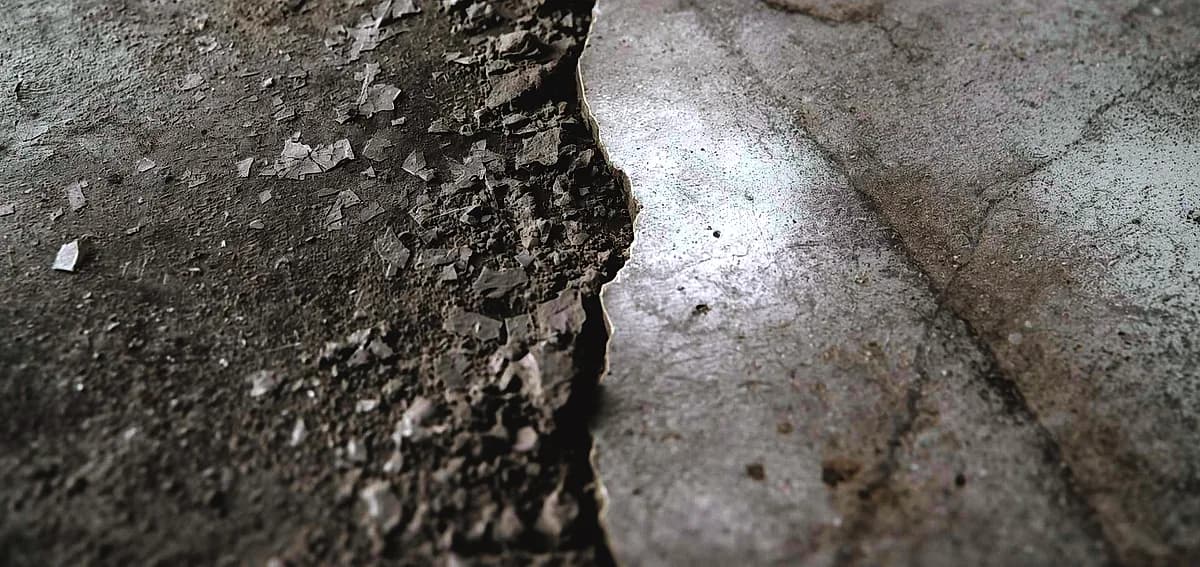
Epoxy & coatings8 min read
DIY vs Professional Epoxy Flooring in Fort Lauderdale
Hardware stores heavily market all-in-one boxes that promise a showroom finish with minimal effort.
Read it
Epoxy & coatings8 min read
Can You DIY Epoxy Flooring in Miami? Pros, Cons, and Tips
Applying a durable floor finish in a tropical or highly humid climate presents unique environmental challenges.
Read it
Epoxy & coatings7 min read
DIY Epoxy Flooring in South Florida: Is It Worth the Risk?
However, these products generally contain high levels of water or solvents to extend their pot life.
Read it
Tell us about the floor
Tell us the space and roughly how big it is.We come back with what it would cost and when we could start.
Prefer to talk? Call +1 844-876-5474
- Leads@
nationalconcretepolishing.net - 2200 NW 32nd St #600,
Pompano Beach, FL 33069 Mon to Fri, 9:00 to 5:30