
The NCP blog
The Complete Guide to Achieving a Smooth Concrete Finish in South Florida
Polished concrete10 min read
South Florida’s subtropical climate creates finishing conditions unlike anywhere else in the continental United States.
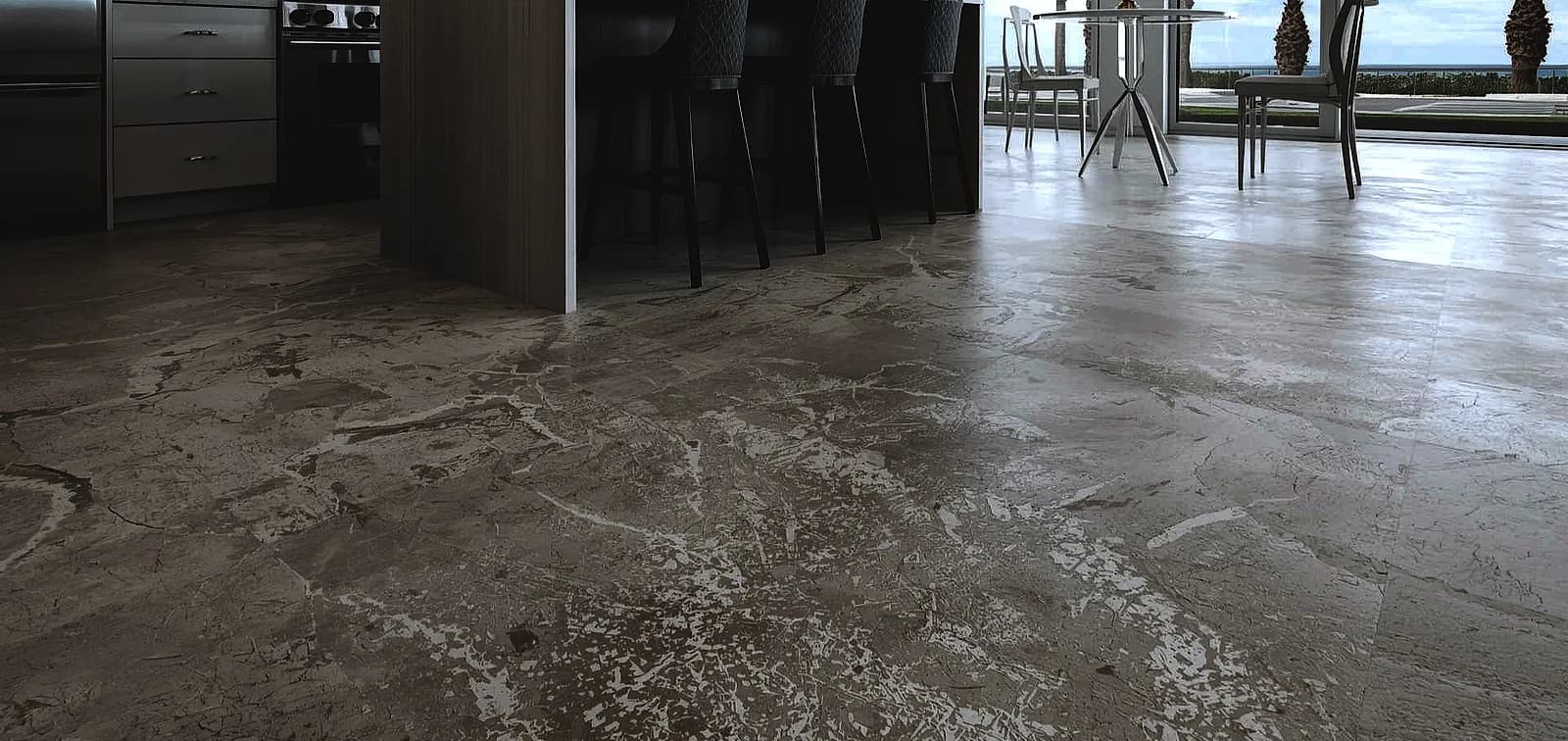
Achieving smooth concrete in South Florida requires specialized techniques that account for the region’s 76% average humidity, year-round temperatures exceeding 85°F, and unique substrate conditions. The most effective method combines diamond grinding with progressive polishing to create surfaces that meet ASTM C1028 slip-resistance standards while delivering the sleek, seamless aesthetic property owners demand.
According to the Concrete Polishing Association of America (CPAA), professionally polished concrete floors achieve surface hardness ratings 40% higher than untreated slabs. For South Florida properties dealing with moisture vapor transmission rates that frequently exceed 3 lbs/1000 sq ft/24 hours, proper concrete moisture mitigation becomes essential before any finishing work begins.
This guide breaks down the exact processes, equipment requirements, and regional considerations for creating flawless smooth concrete finishes across Miami, Fort Lauderdale, and the broader South Florida region.
What Makes Smooth Concrete Different in South Florida
South Florida’s subtropical climate creates finishing conditions unlike anywhere else in the continental United States. The National Institute of Standards and Technology (NIST) classifies this region as Zone 1A for concrete curing, where elevated moisture and heat accelerate hydration while simultaneously increasing the risk of surface defects.
Three factors define local concrete finishing challenges:
Humidity-Driven Moisture Migration: South Florida’s average relative humidity of 74-76% means concrete slabs continuously absorb and release moisture. According to the Portland Cement Association, this cycling can cause surface efflorescence and finish degradation within 18-24 months if not properly addressed during surface preparation.
Accelerated Curing Windows: Ambient temperatures averaging 82°F reduce working time for finishing operations by approximately 35% compared to northern climates. The International Concrete Repair Institute (ICRI) recommends starting polish sequences within 14-21 days of pour completion in these conditions, versus the standard 28-day wait in temperate zones.
Salt Air Corrosion: Coastal properties from Miami Beach to Boca Raton face chloride infiltration that can compromise rebar integrity and create subsurface voids affecting finish quality. Professional contractors perform chloride testing as standard protocol before beginning any polishing work.
Methods for Achieving Smooth Concrete Finishes
The path to smooth concrete depends on the starting condition of your slab and the final aesthetic you want to achieve. Here are the primary methods used by South Florida flooring professionals.
Diamond Polishing
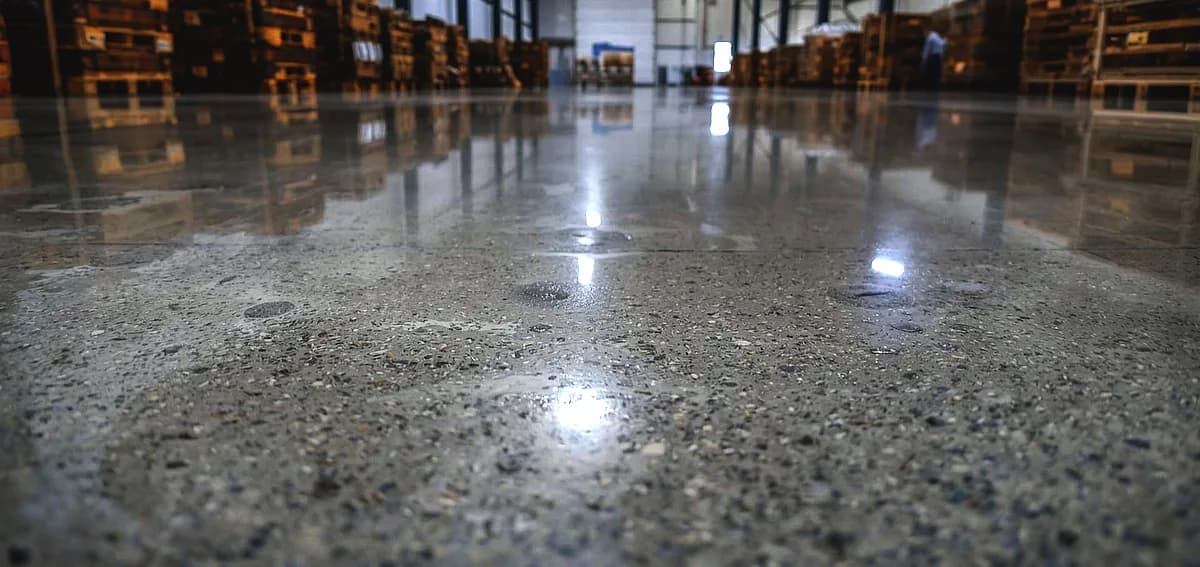
Diamond polishing transforms raw concrete into mirror-like surfaces through a progressive grinding sequence. Starting with coarse 30-40 grit metal-bonded diamonds and advancing through 800-3000 grit resin pads, this method removes 1/32″ to 1/8″ of material while creating increasingly refined finishes.
The CPAA defines four standard reflectivity levels:
| Level | Grit Sequence | Reflectivity | Best For |
|---|---|---|---|
| Level 1 (Ground) | Up to 100 grit | No reflection | Warehouses, industrial |
| Level 2 (Honed) | 100-400 grit | Low sheen | Retail, offices |
| Level 3 (Semi-Polished) | 400-800 grit | Medium reflection | Showrooms, residential |
| Level 4 (High Polish) | 1500-3000 grit | Mirror-like | Luxury homes, hotels |
In South Florida, Level 3 and Level 4 finishes dominate residential applications. The increased reflectivity helps maximize natural light distribution in spaces with large windows, reducing artificial lighting needs by up to 30% according to Lawrence Berkeley National Laboratory studies on interior surface optimization.
Self-Leveling Overlays
When existing concrete shows significant damage, pitting, or uneven surfaces, self-leveling underlayments provide an efficient path to smooth finishes. These polymer-modified cementitious compounds flow across surfaces to fill low spots while self-terminating at a consistent thickness.
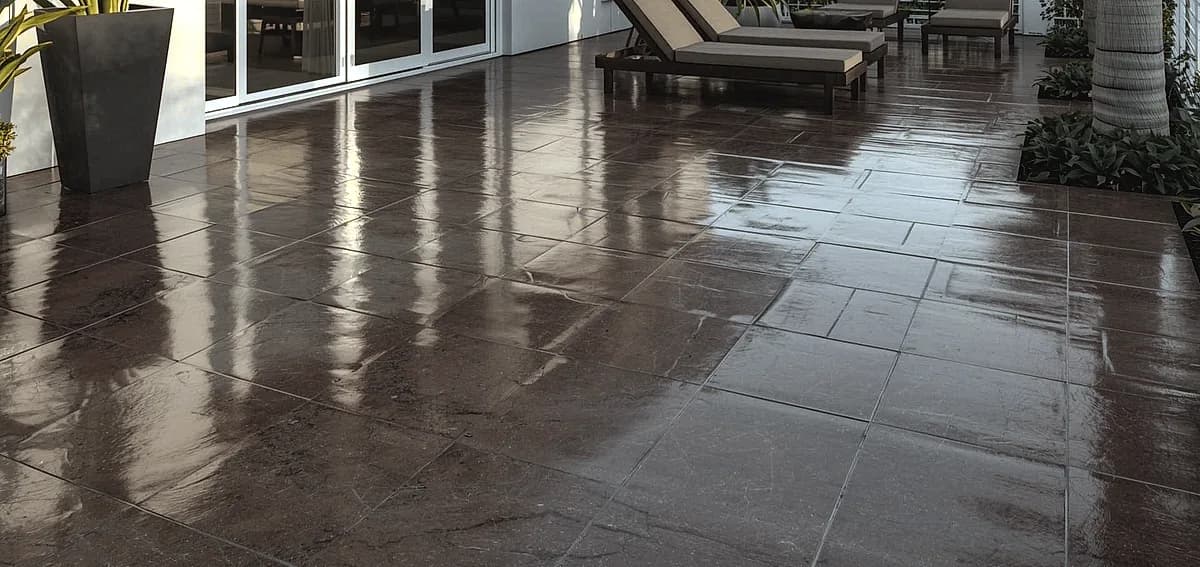
Standard application thickness ranges from 1/4″ to 1″ in a single pour. For South Florida installations, formulators recommend calcium aluminate-based compounds that achieve working hardness within 4-6 hours, minimizing the exposure window to humidity-related complications.
Epoxy Coating Systems
High-build epoxy coatings create smooth, seamless surfaces while adding chemical and abrasion resistance. Modern 100% solids formulations cure to 10-20 mil thicknesses, filling minor surface imperfections while creating a uniform appearance.
The key to smooth epoxy finishes lies in proper surface profiling. ICRI recommends a Concrete Surface Profile (CSP) of 2-3 for standard epoxy systems, achieved through diamond grinding or shot blasting. Without adequate profiling, epoxy systems in South Florida’s humid environment face adhesion failures within 12-24 months.
Step-by-Step Process for Smooth Concrete in South Florida
Professional contractors follow a systematic approach adapted specifically for South Florida conditions. Here is the standard protocol used by National Concrete Polishing for achieving optimal results.
Step 1: Moisture Testing and Mitigation
Before any grinding or finishing work begins, technicians perform ASTM F2170 relative humidity testing using in-situ probes. This protocol, updated in 2021, requires measurement at 40% slab depth to capture accurate moisture conditions.
South Florida slabs frequently test above the 75% RH threshold that triggers moisture barrier requirements. Mitigation systems range from topical treatments for mild cases (75-80% RH) to full vapor barrier membranes for severe conditions (80%+ RH).
Step 2: Surface Preparation
Effective preparation removes existing coatings, adhesives, and contamination while creating the mechanical profile necessary for subsequent treatments. Diamond grinding remains the preferred method for most South Florida projects due to its precision and dust control capabilities.
Key preparation parameters include:
Equipment selection based on square footage. Planetary grinders for areas under 5,000 sq ft, ride-on units for larger spaces. Aggregate exposure targeting. Surface grinding removes cream layer to expose fine aggregates, while deep cuts reveal larger stone for exposed aggregate aesthetics. Edge work using hand grinders to reach within 1/4″ of walls and obstacles.
Step 3: Densification
After initial grinding, chemical densifiers penetrate the concrete matrix to increase surface hardness. Lithium silicate formulations have become industry standard, reacting with calcium hydroxide in the paste to form additional calcium silicate hydrate crystals.
This chemical reaction increases surface hardness by 40-50% while reducing porosity and improving resistance to abrasion. In South Florida’s high-traffic residential environments, densification extends floor lifespan by an estimated 8-12 years compared to undensified polished surfaces.
Step 4: Progressive Polishing
The polishing sequence moves through progressively finer grits, with each step removing scratches from the previous pass. Standard sequences include:
| Phase | Grit Range | Purpose |
|---|---|---|
| Metal Bond | 30, 60, 120 grit | Material removal, profiling |
| Transition | 200, 400 grit | Scratch pattern refinement |
| Resin Bond | 800, 1500, 3000 grit | Gloss development |
Each grit step doubles in fineness to ensure complete scratch removal. Skipping grits creates visible swirl patterns that compromise the final finish.
Step 5: Guard Application
The final step applies a penetrating guard or topical sealer to protect the finished surface. Guards enhance stain resistance without altering the concrete’s natural appearance, while sealers vs. densifiers serve different functional purposes depending on traffic patterns and aesthetic goals.
Smooth Concrete Finish Options Comparison
Selecting the right finish depends on your specific application, budget, and performance requirements. Here is how the primary options compare for South Florida installations.
| Finish Type | Cost/Sq Ft | Lifespan | Maintenance | Humidity Resistance |
|---|---|---|---|---|
| Polished Concrete | $3-$12 | 20-25+ years | Very Low | Excellent |
| Epoxy Coating | $4-$15 | 10-15 years | Low | Good (with mitigation) |
| Self-Leveling Overlay | $5-$10 | 15-20 years | Low | Good |
| Metallic Epoxy | $8-$20 | 10-15 years | Low | Good (with mitigation) |
For luxury residential applications in South Florida, polished concrete delivers the best long-term value. The absence of topical coatings means no peeling, yellowing, or recoating requirements, making it particularly suited to the region’s challenging climate conditions.
Climate Considerations for South Florida Concrete Finishing
Understanding how South Florida’s climate affects concrete finishing operations helps set realistic timelines and avoid common failures.
Humidity Management
South Florida’s humidity creates specific challenges during epoxy and coating applications. When relative humidity exceeds 85%, most coating manufacturers void warranty coverage for applications performed under these conditions.
Professional contractors monitor both ambient humidity and concrete surface temperature. The dew point differential must remain at least 5°F above concrete temperature to prevent moisture condensation that causes adhesion failures and clouding in clear finishes.
Temperature Effects
Concrete surface temperatures in non-air-conditioned South Florida spaces can exceed 95°F during summer months. According to ASTM D7234 standards for coating adhesion testing, surface temperatures above 90°F accelerate solvent flash-off to the point where proper film formation becomes impossible.
This temperature sensitivity explains why experienced contractors schedule installations during morning hours or in climate-controlled environments. For residential garage projects, temporary air conditioning during application and curing periods can mean the difference between a 15-year floor and one that fails within 18 months.
Hurricane Season Considerations
The June-November hurricane season brings additional planning requirements. Power outages can interrupt curing cycles for polyaspartic and epoxy systems, while storm-related flooding creates moisture intrusion that can compromise freshly installed finishes.
Most contractors recommend completing finishing work before June 1 or after November 30 when possible. For unavoidable mid-season installations, backup power systems and flood barriers become standard project requirements.
Common Problems and Solutions for Smooth Concrete in South Florida
Even properly installed smooth concrete finishes can develop issues under South Florida conditions. Here are the most common problems and their professional solutions.
Surface Dusting
Chalky residue on concrete surfaces typically indicates inadequate densification or curing problems. In South Florida’s rapid-dry conditions, surface paste can cure before full hydration completes, leaving weak, powdery material.
Solution: Apply lithium silicate densifier in multiple coats, allowing full penetration between applications. Severe cases may require light grinding to remove compromised material before densification.
Coating Delamination
Epoxy and overlay peeling or lifting most commonly results from inadequate surface preparation or unaddressed moisture. The failure pattern tells the story. If material comes up with concrete attached, preparation was adequate but moisture was the culprit. Clean delamination indicates insufficient surface profile.
Solution: Remove all failed material, perform proper moisture testing, apply moisture mitigation if needed, and regrind to appropriate CSP before recoating.
Efflorescence
White crystalline deposits on polished surfaces indicate water-soluble salts migrating through the concrete matrix. This is particularly common near South Florida coastlines where groundwater may carry elevated mineral content.
Solution: Remove deposits with pH-neutral cleaners (never muriatic acid on polished surfaces), identify and address moisture source, and apply appropriate moisture vapor barrier if migration continues.
Maintenance Requirements for Smooth Concrete Finishes
Proper maintenance extends finish lifespan and preserves appearance. Requirements vary by finish type but share common principles.
Daily Care: Dust mop or auto-scrub with clean water. Remove grit and debris that causes micro-scratching under foot traffic.
Weekly Cleaning: Use pH-neutral cleaners formulated for concrete. Avoid citrus-based products on polished surfaces, as acids can etch the finish over time.
Periodic Restoration: Polished concrete benefits from burnishing every 12-18 months in high-traffic areas. This process uses high-speed equipment with fine pads to restore gloss without removing material. Epoxy and overlay systems may require topcoat refreshing on similar schedules.
Frequently Asked Questions
How long does smooth concrete finishing take in South Florida?
Most residential projects complete within 3-5 days, including preparation, polishing, and curing time. The specific timeline depends on square footage, starting concrete condition, and finish level selected. Commercial installations may extend to 7-14 days for larger spaces or higher polish specifications. Humidity conditions can add 1-2 days if installation windows are limited to low-humidity morning hours.
Can existing concrete be made smooth in South Florida homes?
Yes. Almost any structurally sound concrete can be refinished to achieve a smooth appearance. The key factor is the existing condition. Minor pitting and imperfections grind out during the polishing process, while severe damage may require self-leveling overlays before finishing. Professional assessment includes sounding for delamination, testing for moisture content, and evaluating aggregate distribution for expected polish results.
Is smooth polished concrete slippery when wet?
Polished concrete meets OSHA and ADA slip-resistance requirements (ASTM C1028 coefficient of friction ≥ 0.5) when properly finished. Despite the glossy appearance, the microscopic surface texture created during polishing provides adequate traction. For areas with elevated slip risk such as pool surrounds or commercial kitchens, anti-slip additives can be incorporated into guard or sealer applications without significantly altering appearance.
What is the cost difference between polished concrete and epoxy for smooth finishes?
Initial costs are comparable, ranging from $3-$12 per square foot for polished concrete and $4-$15 for standard epoxy systems. The significant difference emerges in lifecycle cost. Polished concrete requires no recoating and minimal maintenance over its 20-25 year lifespan, while epoxy systems typically need recoating every 10-15 years at 60-70% of original installation cost. For a 1,500 sq ft residential space, this difference can exceed $15,000 over 25 years. Learn more about polishing versus epoxy coating costs.
How does South Florida humidity affect smooth concrete maintenance?
High humidity accelerates biological growth such as mold and mildew on concrete surfaces, particularly in shaded or poorly ventilated areas. This requires more frequent cleaning than would be necessary in drier climates. For polished concrete, the densified surface resists penetration, making removal easier. Epoxy and overlay systems should be cleaned promptly when biological growth appears to prevent staining. Dehumidification in enclosed spaces significantly reduces these maintenance requirements.
When is the best time of year to install smooth concrete finishes in South Florida?
The optimal installation window runs from late November through early May, when humidity averages 65-70% rather than the summer peak of 76-80%. This period also avoids hurricane season disruption risks and provides more consistent working conditions. If summer installation is unavoidable, schedule work in climate-controlled spaces or during early morning hours when temperatures and humidity are lowest.
Written by

Founder and CEO
Chris Lavin is an esteemed leader in concrete polishing and epoxy coatings with a distinguished 20-year career. As founder and CEO of National Concrete Polishing and owner of Xtreme Polishing Systems, he's renowned for polishing and epoxy coating more floors than anyone globally. Chris is recognized for his innovative approach and commitment to enhancing floor durability and aesthetics. His hands-on experience and technical proficiency make him a respected authority and a valuable resource in the field of floor polishing and coatings.
Same topic
Related articles
All stories
Polished concrete11 min read
Polished Concrete vs Epoxy Coatings: Which Floor Is Right for Your Space?
Two systems, two price curves, one slab. What each one costs to install and to keep, and which spaces each one actually suits.
Read it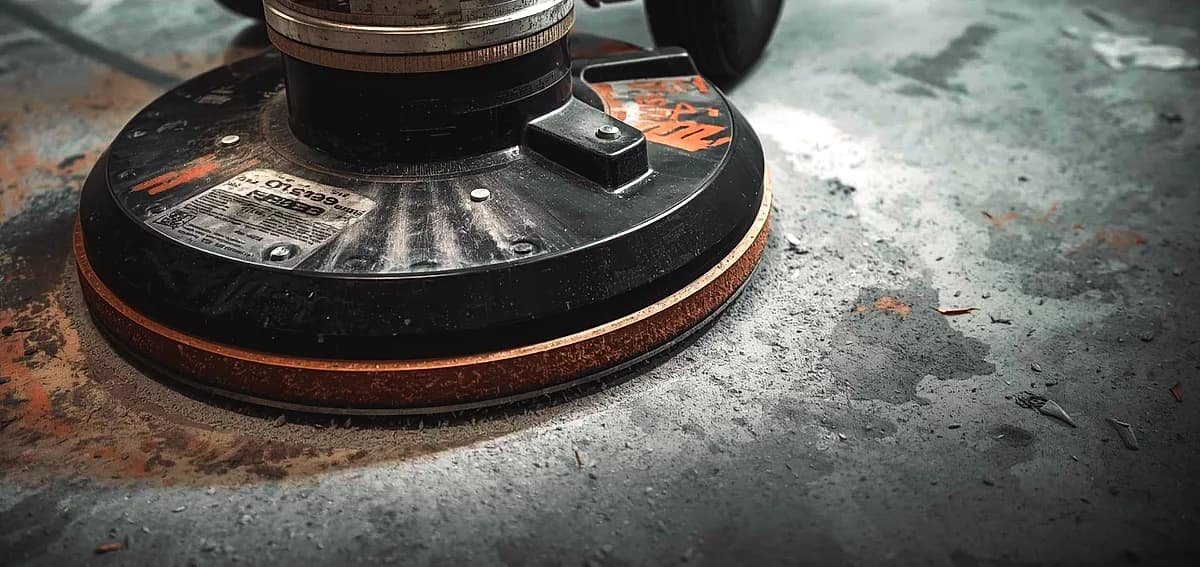
Polished concrete8 min read
What to Know Before Polishing Your Existing Concrete Slab
Before any mechanical refinement can begin, a thorough evaluation of the current foundation is required.
Read it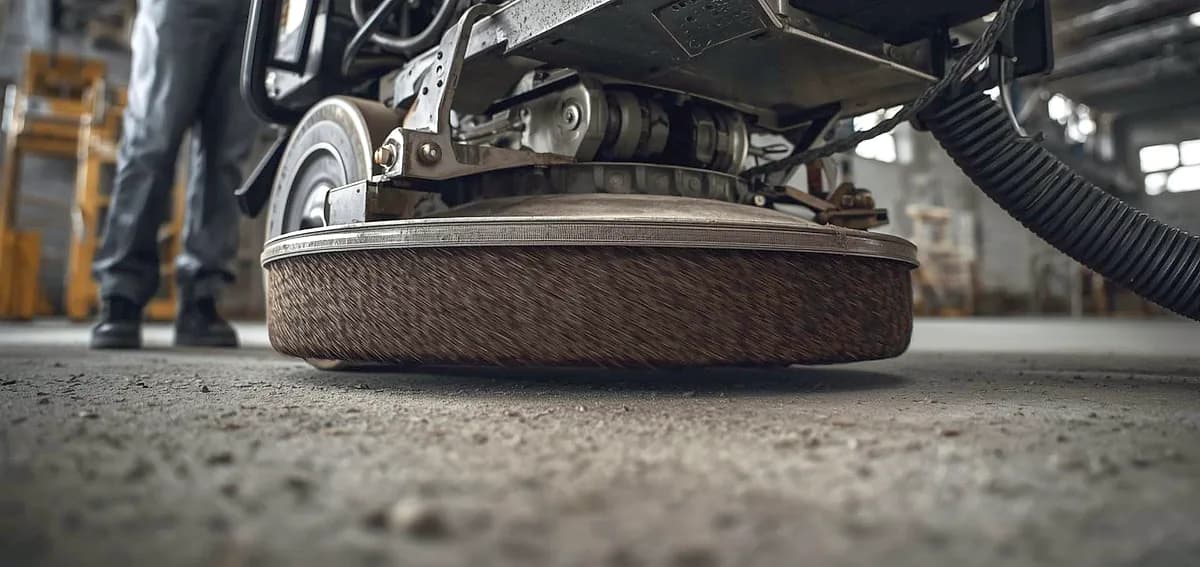
Polished concrete8 min read
Is Polished Concrete Worth the Investment for Miami Properties?
It is essential to distinguish between a simple topical seal and mechanically refined concrete.
Read it
Tell us about the floor
Tell us the space and roughly how big it is.We come back with what it would cost and when we could start.
Prefer to talk? Call +1 844-876-5474
- Leads@
nationalconcretepolishing.net - 2200 NW 32nd St #600,
Pompano Beach, FL 33069 Mon to Fri, 9:00 to 5:30