
The NCP blog
Can You Add Color to Polished Concrete?
Polished concrete12 min read
Yes, you can add color to polished concrete with acid stains, water-based dyes, integral pigments, and topical sealers.
Yes, you can add color to polished concrete through multiple proven methods including acid stains, water-based dyes, integral pigments, and topical sealers. Polished concrete color options range from earthy neutrals to vibrant custom hues, giving South Florida homeowners and businesses nearly unlimited design possibilities. National Concrete Polishing specializes in transforming standard gray concrete into stunning, colorful surfaces that enhance any space while maintaining the durability and low-maintenance benefits polished concrete is known for throughout Pompano Beach, Fort Lauderdale, and Miami.
Overview
This comprehensive guide explores every method for adding color to polished concrete floors, from chemical stains that create natural stone effects to vibrant dyes that produce bold, contemporary looks. You’ll learn about integral color added during concrete placement, topical staining techniques applied to existing floors, and how different coloring methods affect appearance, durability, and maintenance. We’ll also cover timing considerations, cost factors, and how to choose the right coloring technique for your specific application and aesthetic goals.
Understanding Polished Concrete Coloring Methods
Polished concrete accepts color through four primary methods, each offering distinct aesthetic results and application timelines. Acid-based stains chemically react with concrete’s calcium hydroxide to produce permanent color changes in earth-tone palettes including browns, tans, terracotta, and blue-greens. Water-based stains and dyes penetrate the concrete surface without chemical reactions, offering broader color palettes including bold reds, deep blues, vibrant greens, and soft pastels.
Integral color pigments mixed directly into concrete before pouring create uniform color throughout the entire slab depth, eliminating concerns about surface wear revealing gray concrete beneath. Topical color hardeners applied to fresh concrete before finishing enhance both color intensity and surface durability for high-traffic applications. Each method works with polished concrete systems to create customized looks that suit residential and commercial spaces throughout South Florida.
Acid Staining for Natural Stone Effects
Acid stains create the most natural, organic appearance by chemically reacting with minerals in the concrete surface. The metallic salts in acid stains interact with calcium hydroxide (free lime) within cement to produce permanent color changes that replicate marble or aged leather. Colors develop in variegated, mottled patterns rather than solid uniform tones, with each floor displaying unique characteristics based on concrete composition and age.
The earth-tone palette includes warm browns, burnt oranges, terra cotta reds, sage greens, and antiqued blacks that complement traditional and rustic design schemes. When combined with proper grinding and densifying, acid staining eliminates the need for topical sealers while creating translucent, natural stone appearances. This polishing technique produces floors with exceptional durability and some of the lowest life-cycle costs of any flooring option available today.
Water-Based Dyes for Vibrant Colors
Water-based and acetone-based dyes offer designers significantly broader color palettes than acid stains, including vibrant primary colors and custom blends. These dyes contain finely ground pigments suspended in liquid carriers that penetrate the porous concrete surface during the polishing process. Unlike topical coatings, modern concrete dyes achieve genuine penetration as the carrier evaporates, driving pigment molecules into the prepared surface.
Water-based dyes produce consistent, even color coverage without the variegated patterns characteristic of acid stains. They’re ideal for contemporary spaces requiring bold color statements or specific brand colors in commercial applications. The color options include deep blues, brilliant reds, sunny yellows, rich purples, and custom blends that match any design vision. Dyes work on gray, white, and integrally colored concrete, providing versatility for new construction and renovation projects throughout Miami, Fort Lauderdale, and Pompano Beach.
Integral Color for Uniform Results
Integral color pigments added directly to concrete mix before pouring create the most uniform coloring throughout the entire slab depth. This method ensures color consistency that won’t wear away over time since pigment extends through the full concrete thickness. Integral colors range from subtle earth tones to vibrant hues including reds, oranges, yellows (using iron oxide pigments), greens and blues (chromium and cobalt oxides), purples (manganese), blacks (carbon), and whites (titanium dioxide).
Color intensity adjusts by varying pigment dosage, with higher concentrations producing more saturated tones. Custom colors are formulated by blending pigments in specific ratios, allowing designers to achieve unique aesthetics tailored to project requirements. The concrete mix design, aggregate type, cement color, and curing conditions all influence final appearance. When combined with polishing techniques that expose aggregate, integral color creates stunning terrazzo-like effects with dimensional depth.
Color Hardeners for Enhanced Durability
Dry-shake color hardeners applied to freshly poured concrete before finishing provide both color and increased surface density. These products contain cement, colored pigments, and aggregate that bond to the wet concrete surface through troweling action. Color hardeners create more intense surface color than integral pigments while simultaneously enhancing abrasion resistance.
This method works particularly well for high-traffic commercial spaces including retail stores, warehouses, and manufacturing facilities where durability is paramount. The hardener penetrates the top layer of concrete, creating a densified wearing surface that accepts polishing beautifully. When used in conjunction with densifiers during polishing, color hardeners help produce floors with exceptional longevity and minimal maintenance requirements.
Timing: When to Add Color
Color timing depends on whether you’re working with new concrete or existing floors undergoing refinishing. For new construction, integral color pigments must be added to the concrete mix before pouring, requiring advance planning and color selection. Color hardeners get applied within 30-60 minutes of concrete placement, while the surface remains plastic and receptive to troweling.
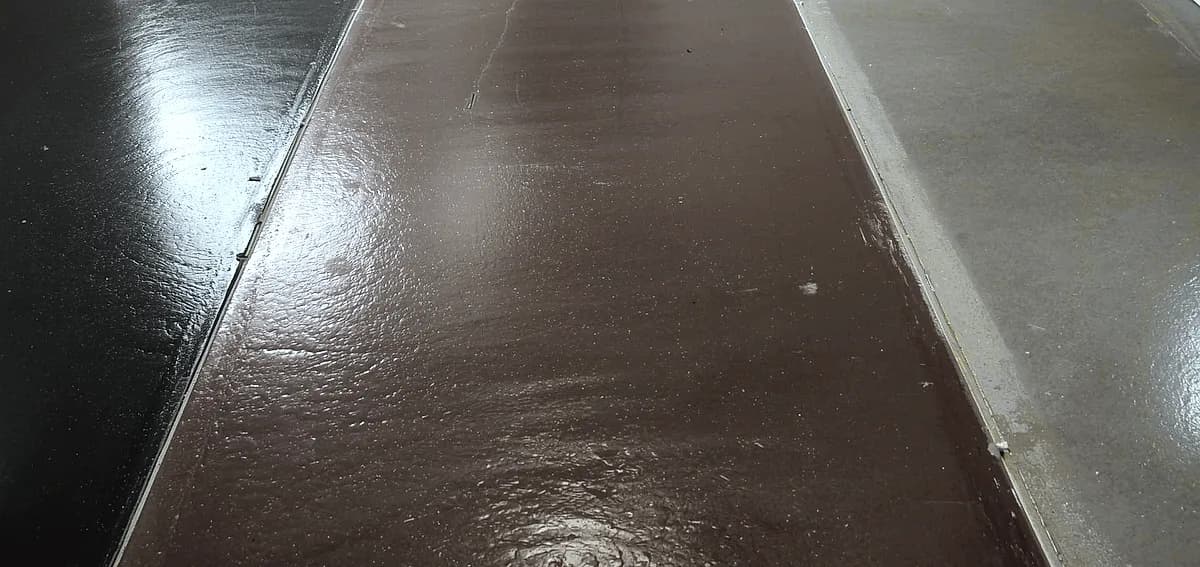
Acid stains and dyes can be applied to both new and existing polished concrete after concrete has fully cured, typically 28+ days after placement. This flexibility makes staining and dyeing ideal for renovation projects or when homeowners want to refresh existing polished floors with new colors. The concrete polishing process prepares the surface to accept color by opening pores and creating the proper profile for penetration. Professional contractors coordinate color application with specific polishing stages to achieve optimal results.
Creating Custom Color Combinations
Advanced techniques combine multiple coloring methods to create unique, layered effects that elevate polished concrete beyond single-tone applications. Base integral color provides foundational hue while topical stains or dyes add depth, highlights, or contrasting accents. Saw-cutting patterns into concrete before staining creates geometric designs with crisp color separation.
Stenciling techniques mask specific areas during dye application, producing logos, borders, or intricate patterns. Decorative concrete artisans can replicate natural stone patterns, create custom graphics, or incorporate multiple colors within single floors. Exposure level during polishing dramatically affects color appearance—exposing more aggregate lightens overall tone and adds speckled texture, while polishing primarily the cream layer maintains richer, more uniform color. These customization options make colored polished concrete suitable for high-end residential homes, luxury retail spaces, and distinctive hospitality venues.
Sheen Levels and Color Interaction
The polishing level significantly affects how color appears in finished floors. Low-sheen finishes (200-400 grit) produce matte surfaces with subtle color that emphasizes texture and aggregate exposure. Medium-gloss finishes (800-1500 grit) enhance color vibrancy while maintaining some surface texture.
High-gloss polished finishes (3000+ grit) create mirror-like surfaces that dramatically intensify color depth and reflectivity. Light reflection from high-gloss surfaces makes spaces feel brighter and larger—particularly beneficial in smaller rooms or areas with limited natural light. The combination of concrete sheen levels with acid staining produces translucent, natural stone appearances more refined than unground, topically sealed applications. Professional contractors help clients select sheen levels that optimize their chosen colors while meeting functional requirements for slip resistance and maintenance ease.
Exposed Aggregate vs Cream Polish
The depth of concrete removal during polishing creates dramatically different colored floor appearances. Cream polish removes minimal surface material, preserving the top cement paste layer for smooth, uniform color presentation. This approach works best with integral color, stains, or dyes applied to the surface, producing consistent hue across the entire floor.
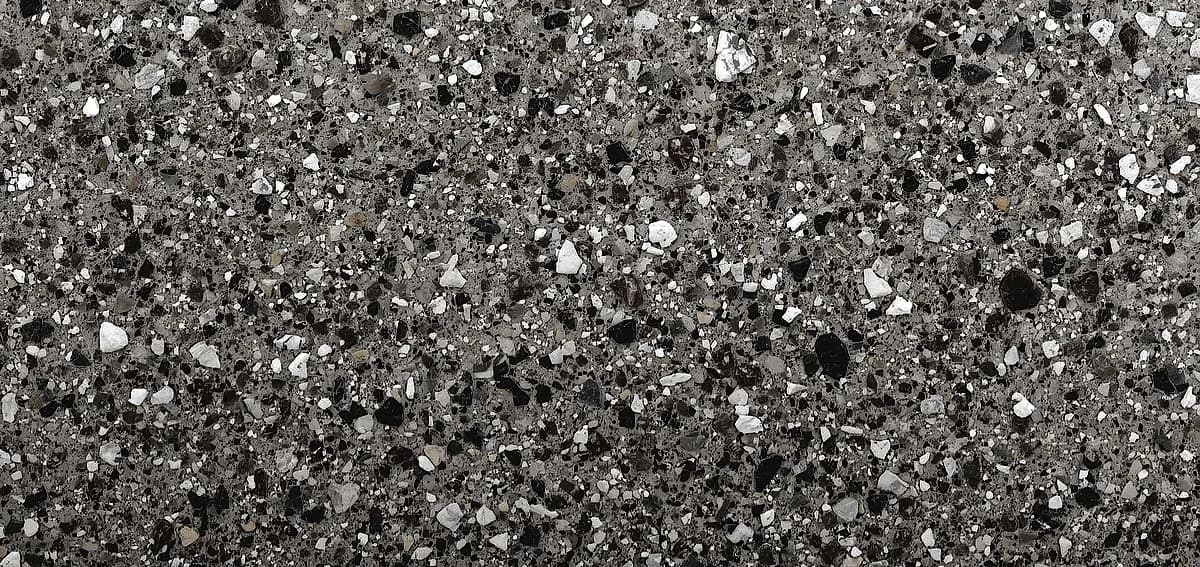
Exposed aggregate finishes grind deeper into concrete to reveal the stones and pebbles within the mix. The exposed stone creates terrazzo-like effects with visual interest from varied aggregate colors and sizes. When combined with colored concrete or staining, exposed aggregate produces speckled, multidimensional appearances. Generally, exposing more aggregate and removing more cream lightens the overall floor tone and creates more monolithic results. The choice between cream polish and aggregate exposure significantly impacts final color presentation and should be decided early in project planning.
Color Variations and Concrete Age
Concrete age and condition influence color uptake and final appearance. Newly placed concrete contains more free lime and higher moisture content, which affects how acid stains react chemically. Older concrete may have carbonated surfaces, reduced free lime, and different porosity that alters color absorption.
Weather conditions during concrete placement, finishing techniques, curing methods, and concrete mix design all create natural color variations even before staining or dyeing. Finishing trowel patterns, power trowel burns, curing blanket lines, and cold joints can cause visible color differences that appear during polishing. Professional contractors test colors on inconspicuous areas before full application, adjusting techniques based on concrete’s response. Pre-coloring light areas or cold joints with concentrated dye helps blend variations before final color application.
Color Enhancement with Densifiers
Concrete densifiers play crucial roles in color development and longevity for polished concrete floors. These lithium or sodium silicate solutions react chemically with concrete to create denser, harder surfaces that accept and retain color better than untreated concrete. Densifier application increases abrasion resistance by up to 400 percent, dramatically extending colored floor lifespan.
When used after color application, densifiers lock pigments into the concrete surface and enhance color vibrancy. The densification process maintains color matching and prevents premature fading from traffic and cleaning. Professional contractors apply densifiers at specific stages during polishing sequences to optimize both hardness and color presentation. This chemical hardening eliminates the need for topical sealers that can amber, peel, or require periodic reapplication—contributing to polished concrete’s low life-cycle costs.
Color Stability in Florida Climate
South Florida’s intense UV exposure, high humidity, and temperature fluctuations demand color systems proven stable in challenging conditions. Acid stains create permanent color through chemical reactions that won’t fade with UV exposure since color exists within the concrete matrix rather than on the surface. However, blues and greens may oxidize toward darker tones in areas with constant moisture or standing water.
Quality water-based dyes formulated for UV resistance maintain color vibrancy in sunny Florida locations when properly densified and polished. Integral color pigments throughout the slab depth never fade since they’re part of the concrete itself. Professional installation with proper densification eliminates topical sealers that can yellow or degrade in Florida’s climate. The combination of penetrating color methods with mechanical polishing creates indoor and outdoor floors with exceptional color stability for decades.
Cost Considerations
Polished concrete color options vary significantly in cost depending on method, complexity, and square footage. Basic cream polishing without added color costs $3-$6 per square foot for residential applications. Single-color acid staining adds $1-$3 per square foot to standard polishing costs, while water-based dyes range from $1-$4 per square foot depending on color intensity and coverage.
Integral color pigments increase concrete costs by $0.50-$2.00 per square foot depending on pigment type and dosage. Complex multi-color designs with saw-cutting, stenciling, or custom patterns can add $5-$10+ per square foot for labor and materials. While colored polished concrete costs more initially than standard gray, the elimination of topical sealers, exceptional durability, and minimal maintenance create long-term value that offsets upfront investment. Professional contractors provide detailed quotes based on specific project requirements and desired aesthetic results.
Maintenance of Colored Polished Concrete
Colored polished concrete requires minimal maintenance compared to other decorative flooring options, making it ideal for busy South Florida homes and commercial spaces. Daily cleaning involves dust mopping or vacuuming to remove dirt and debris that could scratch the surface. Damp mopping with pH-neutral cleaners maintains color vibrancy without damaging the polished surface or affecting color.
Avoid harsh acids, ammonia-based cleaners, or abrasive scrubbing that could dull the polish or affect color appearance over time. Penetrating stains and dyes protected by densification resist fading, staining, and wear significantly better than topically sealed floors. Periodic repolishing every 5-10 years refreshes surface sheen and can include additional color application to update appearance without complete floor replacement. This low-maintenance characteristic makes colored polished concrete particularly appealing for restaurants, retail stores, and hospitality venues throughout the region.
Color Correction Techniques
Undesirable color variations from pourbacks, curing methods, or finishing conditions can be corrected during the polishing process. Making the surface porous through diamond grinding allows better color penetration for correction work. Pre-coloring cold joints and lightest areas with concentrated dye before full color application helps blend variations.
Professional contractors create color test samples to determine proper formulas for specific correction needs before treating entire floors. Multiple thin color applications build gradually to desired tone while allowing control and adjustment between coats. Re-densifying after color correction maintains color matching and prevents premature wear. These correction techniques transform concrete with finishing imperfections or color inconsistencies into beautiful, uniform colored floors suitable for high-visibility applications.
Professional vs DIY Color Application
Professional color application ensures even coverage, proper penetration, and long-lasting results that DIY attempts often fail to achieve. Experienced contractors understand how concrete age, porosity, moisture content, and mix design affect color uptake. They perform test applications to predict results before treating entire floors, avoiding costly color mistakes.
Professional equipment including proper grinders, polishing pads in correct sequences, and densification systems produce superior polish quality that enhances color appearance. Contractors coordinate color timing with specific polishing stages for optimal penetration and bonding. While DIY color products exist, improper application often results in blotchy coverage, premature wear, or color that doesn’t meet expectations. Professional installation includes warranties protecting your investment and ensuring results match your vision for residential or commercial polished concrete projects.
Frequently Asked Questions
Can you add color to existing polished concrete floors?
Yes, acid stains and water-based dyes can be applied to existing polished concrete floors, though the surface may need light grinding to open pores for better penetration.
What colors are available for polished concrete?
Acid stains offer earth tones including browns, tans, greens, and terra cotta, while water-based dyes provide vibrant colors including reds, blues, yellows, purples, and custom blends.
Which coloring method lasts longest?
Integral color pigments mixed throughout concrete provide permanent color that never wears away, followed by acid stains that chemically bond within the concrete surface.
Can polished concrete be colored like tile or hardwood?
Yes, advanced staining and dyeing techniques can replicate natural stone patterns, create custom graphics, or produce solid colors similar to other flooring materials.
Does color affect polished concrete maintenance?
Properly applied penetrating colors protected by densification require the same minimal maintenance as uncolored polished concrete—just pH-neutral mopping.
How much does colored polished concrete cost?
Costs range from $4-$10+ per square foot depending on coloring method, with acid staining being most affordable and multi-color custom designs commanding premium pricing.
Will colored polished concrete fade in sunlight?
Acid stains and integral colors won’t fade since color is within the concrete, while quality UV-resistant dyes maintain vibrancy when properly densified.
Can you change polished concrete color later?
Yes, additional staining or dyeing can modify or intensify color, though complete color changes may require diamond grinding to remove existing color.
What’s the difference between staining and dyeing concrete?
Acid stains chemically react with concrete creating variegated earth tones, while dyes penetrate without reacting, offering consistent coverage in broader color palettes.
Is professional color application worth the cost?
Yes, professional contractors ensure even coverage, proper penetration, and long-lasting results that DIY attempts typically cannot match, protecting your flooring investment.
Conclusion
Polished concrete color options provide South Florida property owners with virtually unlimited design possibilities, from subtle earth-tone staining to vibrant custom dyes that transform ordinary gray concrete into stunning architectural features. Whether you choose acid stains for natural stone effects, water-based dyes for bold contemporary colors, or integral pigments for permanent uniform hues, colored polished concrete delivers exceptional durability and minimal maintenance in Florida’s challenging climate. The combination of penetrating color methods with mechanical polishing eliminates topical sealers while creating floors that resist fading, staining, and wear for decades.
National Concrete Polishing brings extensive experience in concrete coloring techniques to homes and businesses throughout Pompano Beach, Fort Lauderdale, and Miami, helping clients achieve their vision while ensuring long-lasting performance. Contact us today for a consultation and discover how colored polished concrete can transform your space with beauty, durability, and timeless appeal.
Written by

Founder and CEO
Chris Lavin is an esteemed leader in concrete polishing and epoxy coatings with a distinguished 20-year career. As founder and CEO of National Concrete Polishing and owner of Xtreme Polishing Systems, he's renowned for polishing and epoxy coating more floors than anyone globally. Chris is recognized for his innovative approach and commitment to enhancing floor durability and aesthetics. His hands-on experience and technical proficiency make him a respected authority and a valuable resource in the field of floor polishing and coatings.
Same topic
Related articles
All stories
Polished concrete11 min read
Polished Concrete vs Epoxy Coatings: Which Floor Is Right for Your Space?
Two systems, two price curves, one slab. What each one costs to install and to keep, and which spaces each one actually suits.
Read it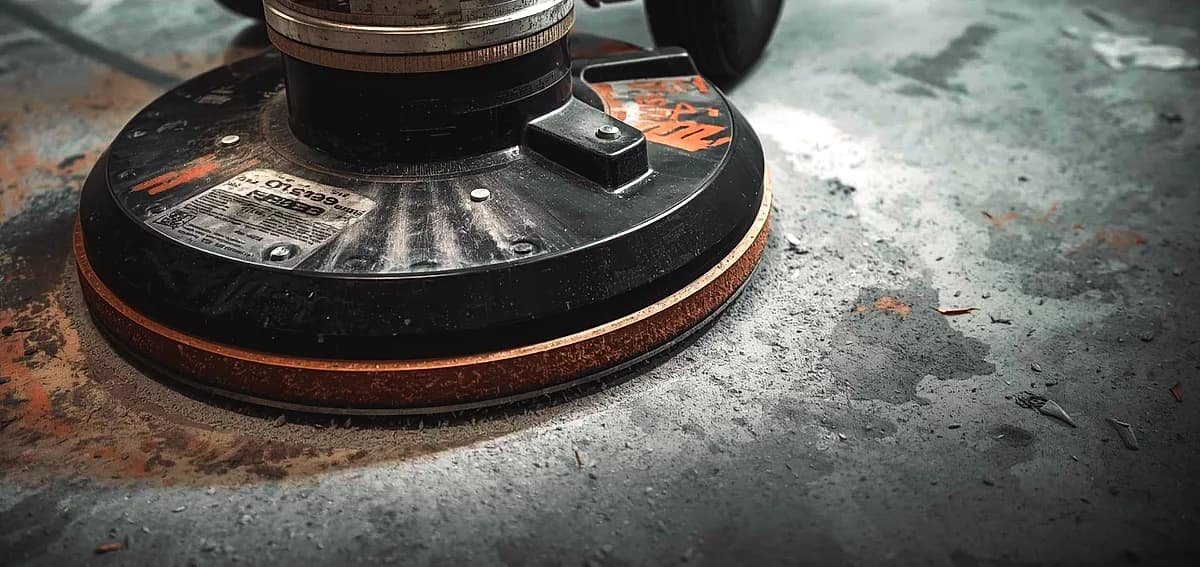
Polished concrete8 min read
What to Know Before Polishing Your Existing Concrete Slab
Before any mechanical refinement can begin, a thorough evaluation of the current foundation is required.
Read it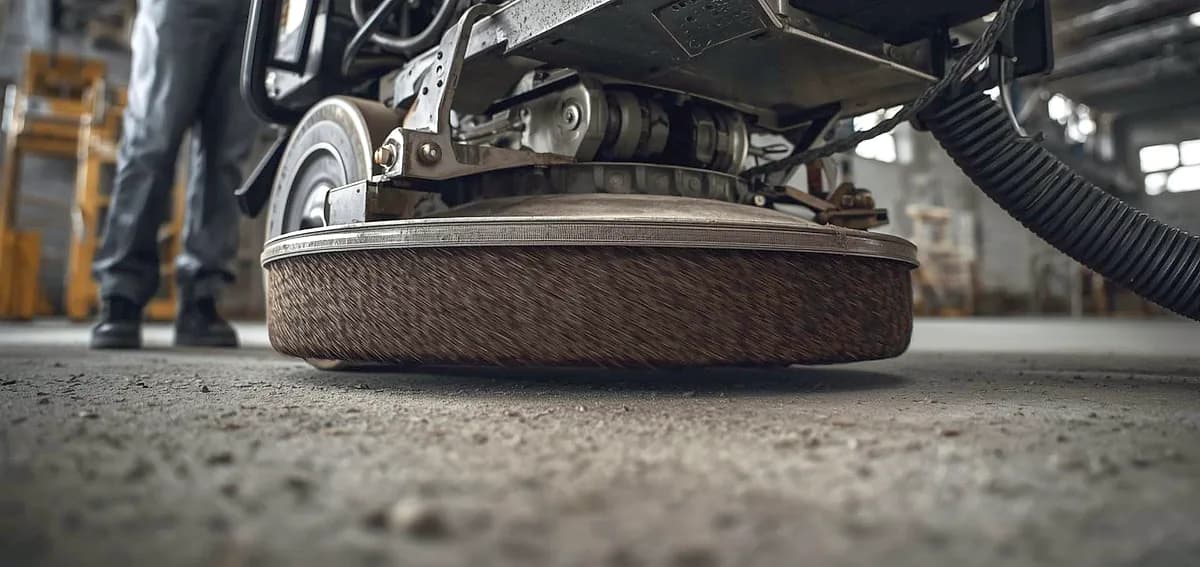
Polished concrete8 min read
Is Polished Concrete Worth the Investment for Miami Properties?
It is essential to distinguish between a simple topical seal and mechanically refined concrete.
Read it
Tell us about the floor
Tell us the space and roughly how big it is.We come back with what it would cost and when we could start.
Prefer to talk? Call +1 844-876-5474
- Leads@
nationalconcretepolishing.net - 2200 NW 32nd St #600,
Pompano Beach, FL 33069 Mon to Fri, 9:00 to 5:30