
The NCP blog
Why Miami Businesses Choose Polished Concrete Floors
Polished concrete15 min read
Carpet harbors moisture and develops mold, hardwood warps and buckles, and vinyl can lift and crack under thermal stress.
Miami’s thriving business landscape demands flooring solutions that can withstand the unique challenges of South Florida’s climate while maintaining an impressive aesthetic appeal. From the bustling downtown financial district to the trendy Wynwood warehouses converted into modern offices, commercial property owners are increasingly turning to concrete polishing Miami commercial solutions for their flooring needs. This shift represents more than just a design trend – it’s a strategic business decision that addresses multiple operational concerns simultaneously.
The subtropical climate of Miami presents specific challenges for commercial flooring. High humidity levels, frequent temperature fluctuations from air conditioning systems, and the occasional flooding from heavy rains create an environment where traditional flooring materials often fail prematurely. Carpet harbors moisture and develops mold, hardwood warps and buckles, and vinyl can lift and crack under thermal stress. These issues force businesses into costly replacement cycles that disrupt operations and strain budgets.
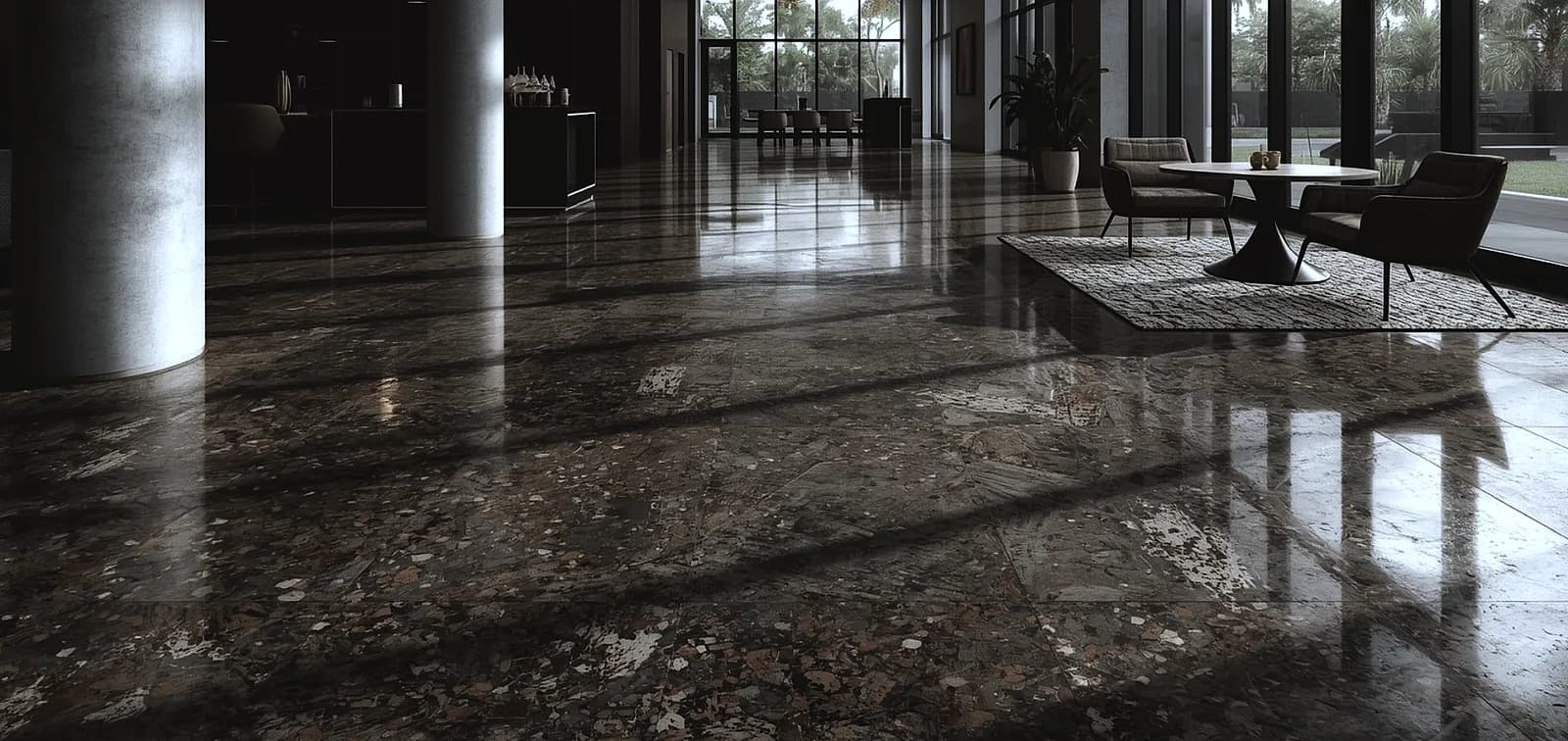
Polished concrete emerges as the ideal solution for Miami’s commercial spaces, offering unparalleled durability combined with sophisticated aesthetics. The polished concrete benefits extend far beyond mere appearance, encompassing improved indoor air quality, reduced maintenance costs, and enhanced light reflection that can lower energy bills. For businesses operating in Miami’s competitive market, these advantages translate directly to improved bottom-line performance.
The transformation of raw concrete into a polished surface involves a multi-step process that creates an increasingly refined finish. Starting with coarse diamond grinding to remove surface imperfections, the process progresses through finer grits until achieving the desired level of gloss and smoothness. This mechanical polishing, combined with chemical densifiers, creates a surface that’s not only beautiful but also incredibly durable and resistant to wear, staining, and moisture penetration.
Miami’s diverse commercial sectors – from hospitality and retail to manufacturing and logistics – have discovered that polished concrete floors provide the perfect foundation for their operations. The seamless, non-porous surface supports heavy equipment, withstands high foot traffic, and maintains its appearance with minimal maintenance. These characteristics make it particularly valuable for businesses that cannot afford extended downtime for floor repairs or replacements.
Key Takeaways
Climate Resilience: Polished concrete floors excel in Miami’s humid subtropical climate, resisting moisture damage, mold growth, and thermal expansion issues that plague other flooring materials. The sealed surface prevents humidity infiltration while maintaining structural integrity through temperature fluctuations.
Cost-Effective Long-Term Investment: While initial installation costs may be comparable to premium flooring options, polished concrete delivers superior return on investment through decades of service life with minimal maintenance requirements and no need for periodic replacement.
Enhanced Indoor Air Quality: Unlike carpet or other porous materials, polished concrete doesn’t harbor allergens, dust mites, or volatile organic compounds, creating healthier work environments that can reduce employee sick days and improve productivity.
Energy Efficiency Benefits: The reflective properties of polished concrete surfaces can increase ambient lighting by up to 30%, reducing electrical costs while creating brighter, more inviting commercial spaces that enhance customer experience and employee satisfaction .
Design Versatility: Modern concrete polishing techniques offer extensive customization options including decorative aggregates, integral colors, and varying gloss levels, allowing businesses to achieve their desired aesthetic while maintaining practical performance characteristics.
Rapid Installation Process: Experienced contractors can complete most commercial concrete polishing projects with minimal business disruption, often working in phases to allow continued operations during the transformation process.
Sustainability Advantages: Polishing existing concrete slabs eliminates waste associated with flooring removal and replacement while creating surfaces that don’t require chemical cleaners or periodic refinishing, supporting corporate environmental responsibility goals.
Understanding Miami’s Flooring Challenges
Miami’s unique geographical position creates a perfect storm of environmental factors that challenge traditional commercial flooring materials. The city’s location between the Atlantic Ocean and the Everglades results in consistently high humidity levels, often exceeding 70% even in air-conditioned spaces. This moisture-laden environment accelerates the deterioration of organic materials and creates conditions conducive to mold and mildew growth.
The frequent afternoon thunderstorms characteristic of South Florida’s weather patterns can overwhelm drainage systems, leading to water intrusion in ground-level commercial spaces. Traditional flooring materials absorb this moisture, leading to warping, buckling, and the need for emergency replacements that can shut down business operations for days or weeks. The economic impact extends beyond the direct costs of materials and labor to include lost revenue, customer inconvenience, and potential liability issues.
Temperature variations present another significant challenge. Commercial buildings in Miami typically maintain interior temperatures in the low 70s while exterior temperatures can exceed 90 degrees Fahrenheit with intense solar radiation. This thermal differential causes expansion and contraction cycles that stress flooring materials and their adhesive systems. Over time, these stresses manifest as cracks, gaps, and loose sections that create trip hazards and unsightly appearances.
The salt air environment of coastal Miami accelerates corrosion and degradation processes. Salt particles infiltrate buildings through HVAC systems and foot traffic, settling into flooring materials where they attract moisture and catalyze chemical reactions that break down organic compounds. This process is particularly destructive to carpet fibers, hardwood finishes, and synthetic flooring materials.
Concrete polishing Miami commercial solutions address these challenges by creating surfaces that are inherently resistant to moisture, temperature fluctuations, and chemical exposure. The mechanical polishing process densifies the concrete matrix, reducing porosity and creating a surface that repels rather than absorbs environmental contaminants. This fundamental difference in material behavior explains why polished concrete consistently outperforms alternative flooring options in Miami’s challenging environment.
Durability and Longevity
The exceptional durability of polished concrete floors stems from the fundamental transformation that occurs during the polishing process. Unlike surface coatings that can chip, peel, or wear away, polished concrete achieves its properties through mechanical densification and chemical hardening that penetrates deep into the concrete matrix. This creates a monolithic surface where the wear layer and substrate are essentially the same material, eliminating the delamination issues common with other flooring systems.
Miami’s commercial environments subject floors to intense wear patterns that quickly reveal the weaknesses of conventional materials. High-traffic retail spaces, busy restaurant kitchens, and industrial facilities generate concentrated loads that can crack tiles, wear through vinyl, and create permanent impressions in softer materials. Polished concrete distributes these loads across its entire thickness, preventing localized failure and maintaining uniform appearance even under extreme conditions.
The chemical resistance of polished concrete provides crucial protection in Miami’s diverse commercial applications. Restaurant floors must withstand acidic spills from citrus-based cleaners and food products, while automotive service centers deal with petroleum products and hydraulic fluids. Manufacturing facilities may encounter a wide range of industrial chemicals. The densified surface of polished concrete resists penetration by these substances, preventing staining and chemical damage that would require costly repairs or replacement with other flooring materials.
Impact resistance represents another critical advantage for Miami businesses. The city’s active nightlife district, busy shipping ports, and construction industry create environments where floors regularly encounter dropped objects, heavy equipment, and concentrated loads. Polished concrete’s compressive strength, typically exceeding 4,000 PSI after densification, allows it to absorb these impacts without cracking or chipping. This resilience translates to reduced insurance claims, fewer workplace accidents, and uninterrupted business operations.
The longevity of polished concrete floors provides exceptional value for Miami commercial property owners. While carpet might require replacement every 5-7 years and vinyl every 10-15 years, properly installed and maintained polished concrete can serve for 20-30 years or more without major renovation. This extended service life reduces the frequency of disruptive renovation projects and provides predictable long-term occupancy costs that support accurate business planning and budgeting.
Maintenance requirements for polished concrete remain minimal throughout its service life. Regular dust mopping and occasional damp cleaning with neutral pH cleaners maintain the surface appearance and performance. The absence of wax, sealers, or other topical treatments eliminates the recurring costs and downtime associated with periodic refinishing. This low-maintenance characteristic is particularly valuable for 24/7 operations common in Miami’s hospitality and logistics sectors.
Aesthetic Appeal and Design
The aesthetic transformation possible through concrete polishing has revolutionized how Miami businesses approach interior design. Modern polishing techniques can achieve gloss levels ranging from a subtle satin finish to mirror-like reflectivity, allowing designers to match the flooring to specific brand identities and architectural concepts. This flexibility has made polished concrete a preferred choice for high-end retail spaces, upscale restaurants, and corporate headquarters where visual impact directly influences business success.
Color options extend far beyond the natural gray of concrete through integral coloring systems that penetrate throughout the slab thickness. These systems can achieve earth tones that complement Miami’s tropical aesthetic, bold colors that support brand recognition, or subtle variations that add visual interest without overwhelming other design elements. Unlike surface-applied stains or paints, integral colors won’t wear away or fade, ensuring long-term color consistency that maintains the intended design impact.
Decorative aggregate exposure creates unique visual textures that can transform ordinary concrete into striking design features. Local aggregates including coral, shell, and colorful stones can be exposed through the grinding process to create surfaces that reflect Miami’s coastal character. These natural materials add organic beauty while maintaining all the performance advantages of polished concrete, creating floors that serve as both functional surfaces and artistic expressions.
The reflective properties of polished concrete contribute significantly to interior lighting design. In Miami’s abundant sunshine, polished floors can amplify natural light throughout commercial spaces, reducing the need for artificial illumination during daylight hours . This light enhancement creates more inviting environments for customers and employees while supporting energy conservation goals. The improved lighting also enhances color rendition, making merchandise appear more attractive and supporting sales objectives.
Pattern and design possibilities include saw-cut patterns that can simulate tile layouts, create geometric designs, or establish wayfinding systems within large commercial spaces. These patterns can incorporate contrasting colors or materials to achieve complex visual effects while maintaining the seamless performance of the polished concrete surface. For businesses requiring specific branding or navigation elements, these design capabilities provide unlimited creative possibilities.
The sophisticated appearance of polished concrete supports premium positioning for Miami businesses across various sectors. Luxury retail stores benefit from the clean, modern aesthetic that doesn’t compete with merchandise displays. Fine dining restaurants appreciate the elegant foundation that complements high-end furnishings and fixtures. Corporate offices gain a professional appearance that impresses clients and supports company image. This aesthetic versatility makes concrete polishing Miami commercial applications suitable for virtually any business environment.
Cost-Effectiveness and ROI
The financial advantages of polished concrete floors become apparent when analyzing total cost of ownership rather than just initial installation expenses. While premium carpet or hardwood installations might appear less expensive initially, the lifecycle costs tell a dramatically different story. Miami businesses that choose polished concrete typically recover their investment within 3-5 years through reduced maintenance costs, eliminated replacement cycles, and improved operational efficiency.
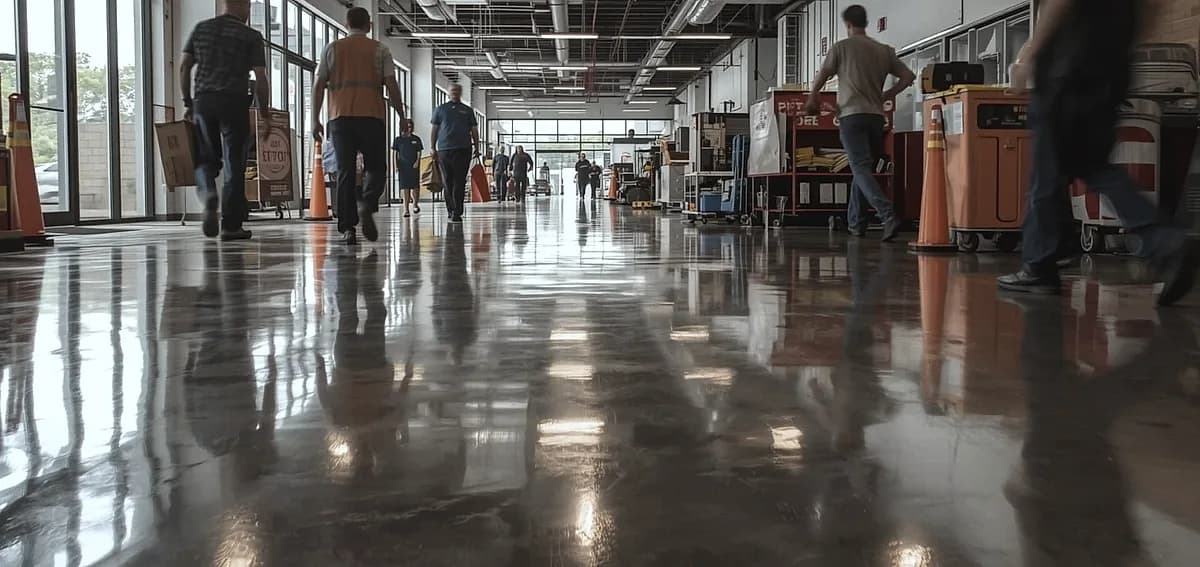
Maintenance cost comparisons reveal the true economic advantage of polished concrete. Carpet cleaning services, periodic deep cleaning, and eventual replacement can cost Miami businesses $2-4 per square foot annually. Hardwood floors require periodic refinishing, protective treatments, and eventual replacement that averages $1-3 per square foot yearly. Polished concrete maintenance typically costs less than $0.50 per square foot annually, consisting primarily of routine cleaning with standard equipment and supplies.
Energy cost reductions provide ongoing financial benefits that compound over time. The light-reflective properties of polished concrete can reduce artificial lighting requirements by 20-30%, translating to significant savings on Miami’s relatively high commercial electricity rates. For large commercial spaces, these savings can amount to thousands of dollars annually. Additionally, the thermal mass properties of concrete help stabilize interior temperatures, reducing HVAC cycling and further lowering energy consumption.
Insurance benefits often accompany polished concrete installations. The slip-resistant surface texture achievable through proper polishing techniques can reduce liability exposure and potentially lower insurance premiums. The fire-resistant properties of concrete eliminate concerns about flame spread and toxic smoke generation that affect insurance rates for businesses using synthetic flooring materials. Some insurers offer specific discounts for buildings with concrete floors in recognition of these reduced risk factors.
Property value enhancement represents a significant long-term financial benefit. Commercial real estate appraisers recognize polished concrete as a premium improvement that adds lasting value to properties. The durability and low maintenance requirements make buildings more attractive to potential tenants and buyers. For Miami property owners, this enhanced value supports higher rental rates and improved resale potential, making polished concrete an investment in the property’s future marketability.
Business continuity advantages provide indirect but substantial economic benefits. The durability of polished concrete reduces the likelihood of flooring failures that could force temporary business closures. The rapid installation process minimizes disruption during initial installation or any future maintenance. For Miami businesses operating on tight margins, this operational reliability can make the difference between profit and loss during critical periods.
Tax advantages may be available for businesses investing in polished concrete floors. Depending on the specific circumstances, installation costs might qualify for depreciation schedules or energy efficiency tax credits. The sustainability aspects of polishing existing concrete rather than installing new materials can support LEED certification efforts that provide additional tax benefits and marketing advantages for environmentally conscious businesses.
Health and Safety Benefits
Indoor air quality improvements represent one of the most significant health benefits of polished concrete floors in Miami’s humid environment. Traditional flooring materials, particularly carpet, can harbor mold spores, dust mites, and bacteria that thrive in high-humidity conditions. These contaminants become airborne through normal foot traffic and HVAC circulation, contributing to respiratory problems, allergic reactions, and reduced productivity among employees and customers. Polished concrete eliminates these breeding grounds entirely, creating healthier indoor environments that support wellness and performance.
The non-porous surface of polished concrete prevents the accumulation of allergens and irritants that plague other flooring systems. Unlike carpet fibers that trap pollen, pet dander, and dust, or textured surfaces that collect particles in microscopic crevices, polished concrete can be thoroughly cleaned with simple mopping procedures. This ease of sanitization has become particularly important for Miami businesses focused on health and safety protocols, especially in healthcare facilities, food service establishments, and educational institutions.
Chemical emission concerns are eliminated with polished concrete floors. Many synthetic flooring materials release volatile organic compounds (VOCs) that can cause headaches, respiratory irritation, and other health problems. These emissions often increase in hot, humid conditions common in Miami, creating particularly problematic indoor environments. Polished concrete produces no off-gassing, supporting better indoor air quality and compliance with green building standards that many commercial tenants now require.
Slip resistance can be engineered into polished concrete surfaces through controlled texturing techniques that provide appropriate traction without creating cleaning difficulties. This is particularly important in Miami’s humid climate where condensation and tracked-in moisture can create slippery conditions on smooth surfaces. Professional concrete polishing contractors can achieve the optimal balance between slip resistance and cleanability for specific applications, from restaurant kitchens requiring maximum traction to retail spaces needing easy maintenance.
Fire safety advantages of polished concrete provide crucial protection for Miami businesses. Concrete is inherently fire-resistant and produces no toxic smoke when exposed to flames, unlike synthetic materials that can release dangerous gases. This characteristic is particularly valuable in high-rise buildings where evacuation times are extended and smoke management is critical. The non-combustible nature of polished concrete can contribute to improved fire safety ratings and reduced insurance costs.
Ergonomic benefits result from the consistent, level surface that polished concrete provides. Unlike flooring systems with seams, transitions, or surface irregularities that can cause trips and falls, properly polished concrete creates seamless surfaces that support safe movement of people and equipment. This is especially important in Miami’s busy commercial environments where foot traffic patterns are intense and accident prevention is crucial for liability management.
Cleaning and sanitization procedures are simplified with polished concrete, supporting better hygiene practices in commercial environments. The surface can withstand aggressive cleaning protocols including pressure washing, steam cleaning, and disinfectant applications without damage. This capability has become increasingly important for businesses maintaining enhanced sanitation standards, allowing thorough decontamination procedures that would damage other flooring materials.
Frequently Asked Questions
How long does the concrete polishing process take for commercial spaces?
The timeline for concrete polishing Miami commercial projects varies based on square footage, existing concrete condition, and desired finish level. Most commercial projects can be completed within 3-7 days, with the space typically usable within 24 hours of completion. National Concrete Polishing works with businesses to minimize disruption, often completing work in phases or during off-hours to maintain operations.
Can polished concrete be installed over existing flooring?
Polished concrete requires access to the concrete substrate, so existing flooring materials must be removed first. However, this removal process is often less disruptive than complete floor replacement since the concrete slab already exists. The removal and polishing can typically be completed faster than installing entirely new flooring systems.
What maintenance is required for polished concrete floors?
Maintenance requirements are minimal, consisting primarily of regular dust mopping and occasional damp cleaning with pH-neutral cleaners. No waxing, sealing, or refinishing is required. For high-traffic areas, periodic deep cleaning and very occasional re-polishing of localized wear areas may be needed after many years of service.
How does polished concrete perform in Miami’s humid climate?
Polished concrete excels in humid conditions because its non-porous surface prevents moisture absorption that causes problems with other materials. The sealed surface resists mold, mildew, and humidity-related damage while maintaining its appearance and performance regardless of weather conditions.
Are there color and design options available?
Yes, numerous customization options exist including integral colors, decorative aggregate exposure, saw-cut patterns, and varying gloss levels. These options allow businesses to achieve specific aesthetic goals while maintaining all performance benefits of polished concrete.
What is the cost comparison to other commercial flooring options?
While initial costs may be comparable to premium flooring options, polished concrete provides superior long-term value through reduced maintenance costs, eliminated replacement cycles, and energy savings. Most businesses see positive return on investment within 3-5 years.
Can polished concrete support heavy equipment and high traffic?
Polished concrete is ideal for heavy-duty applications, with compressive strength typically exceeding 4,000 PSI after densification. It can support forklifts, heavy machinery, and intense foot traffic without damage, making it suitable for warehouses, manufacturing facilities, and busy retail spaces.
How does National Concrete Polishing ensure quality results?
National Concrete Polishing employs experienced technicians using professional-grade equipment and proven processes. Each project includes thorough surface preparation, proper densification, and quality control measures to ensure optimal results that meet or exceed client expectations for both appearance and performance.
Conclusion
The decision to invest in concrete polishing Miami commercial applications represents a strategic choice that addresses multiple business needs simultaneously. From the practical advantages of durability and low maintenance to the aesthetic benefits that enhance brand image, polished concrete floors provide comprehensive solutions for Miami’s diverse commercial environments. The unique challenges posed by South Florida’s climate make these benefits even more valuable, as businesses require flooring systems that can perform reliably regardless of environmental conditions.
The financial advantages of polished concrete become increasingly apparent over time, as reduced maintenance costs, energy savings, and eliminated replacement cycles provide ongoing returns on the initial investment. For Miami businesses operating in competitive markets where every operational advantage matters, these cost benefits can contribute significantly to long-term profitability and success.
National Concrete Polishing has established itself as a trusted partner for Miami businesses seeking professional concrete polishing services. Their expertise in addressing the specific requirements of commercial applications ensures that each project delivers optimal results for both performance and appearance. As more businesses discover the polished concrete benefits available through professional installation and service, this flooring solution continues to gain popularity across Miami’s commercial sectors.
The combination of durability, aesthetics, cost-effectiveness, and health benefits makes polished concrete an ideal choice for businesses committed to creating superior environments for employees and customers while maintaining operational efficiency and profitability in Miami’s dynamic commercial marketplace.
Written by

Founder and CEO
Chris Lavin is an esteemed leader in concrete polishing and epoxy coatings with a distinguished 20-year career. As founder and CEO of National Concrete Polishing and owner of Xtreme Polishing Systems, he's renowned for polishing and epoxy coating more floors than anyone globally. Chris is recognized for his innovative approach and commitment to enhancing floor durability and aesthetics. His hands-on experience and technical proficiency make him a respected authority and a valuable resource in the field of floor polishing and coatings.
Same topic
Related articles
All stories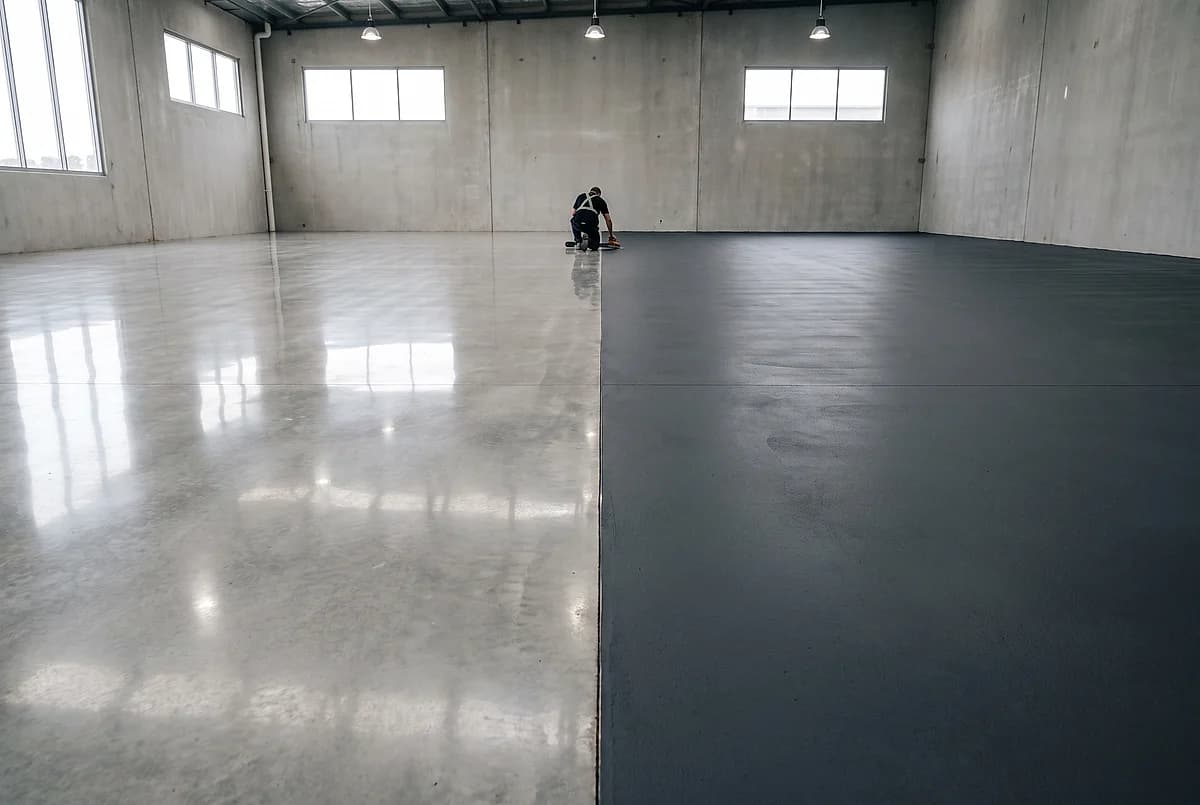
Polished concrete11 min read
Polished Concrete vs Epoxy Coatings: Which Floor Is Right for Your Space?
Two systems, two price curves, one slab. What each one costs to install and to keep, and which spaces each one actually suits.
Read it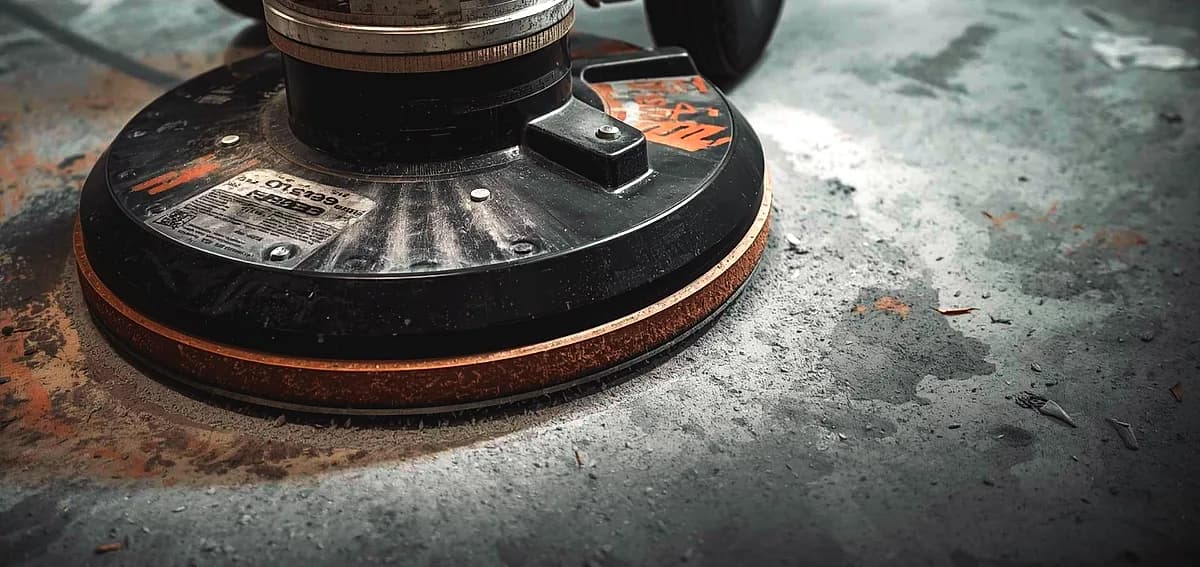
Polished concrete8 min read
What to Know Before Polishing Your Existing Concrete Slab
Before any mechanical refinement can begin, a thorough evaluation of the current foundation is required.
Read it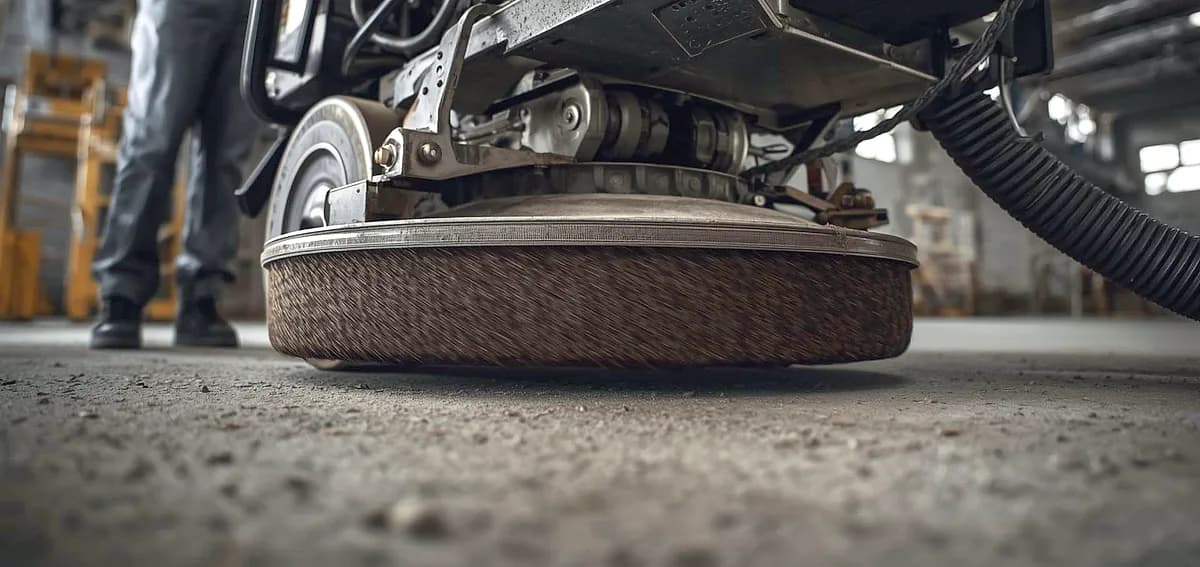
Polished concrete8 min read
Is Polished Concrete Worth the Investment for Miami Properties?
It is essential to distinguish between a simple topical seal and mechanically refined concrete.
Read it
Tell us about the floor
Tell us the space and roughly how big it is.We come back with what it would cost and when we could start.
Prefer to talk? Call +1 844-876-5474
- Leads@
nationalconcretepolishing.net - 2200 NW 32nd St #600,
Pompano Beach, FL 33069 Mon to Fri, 9:00 to 5:30