
The NCP blog
Why Some Polished Concrete Develops Traffic Wear Quickly
Polished concrete16 min read
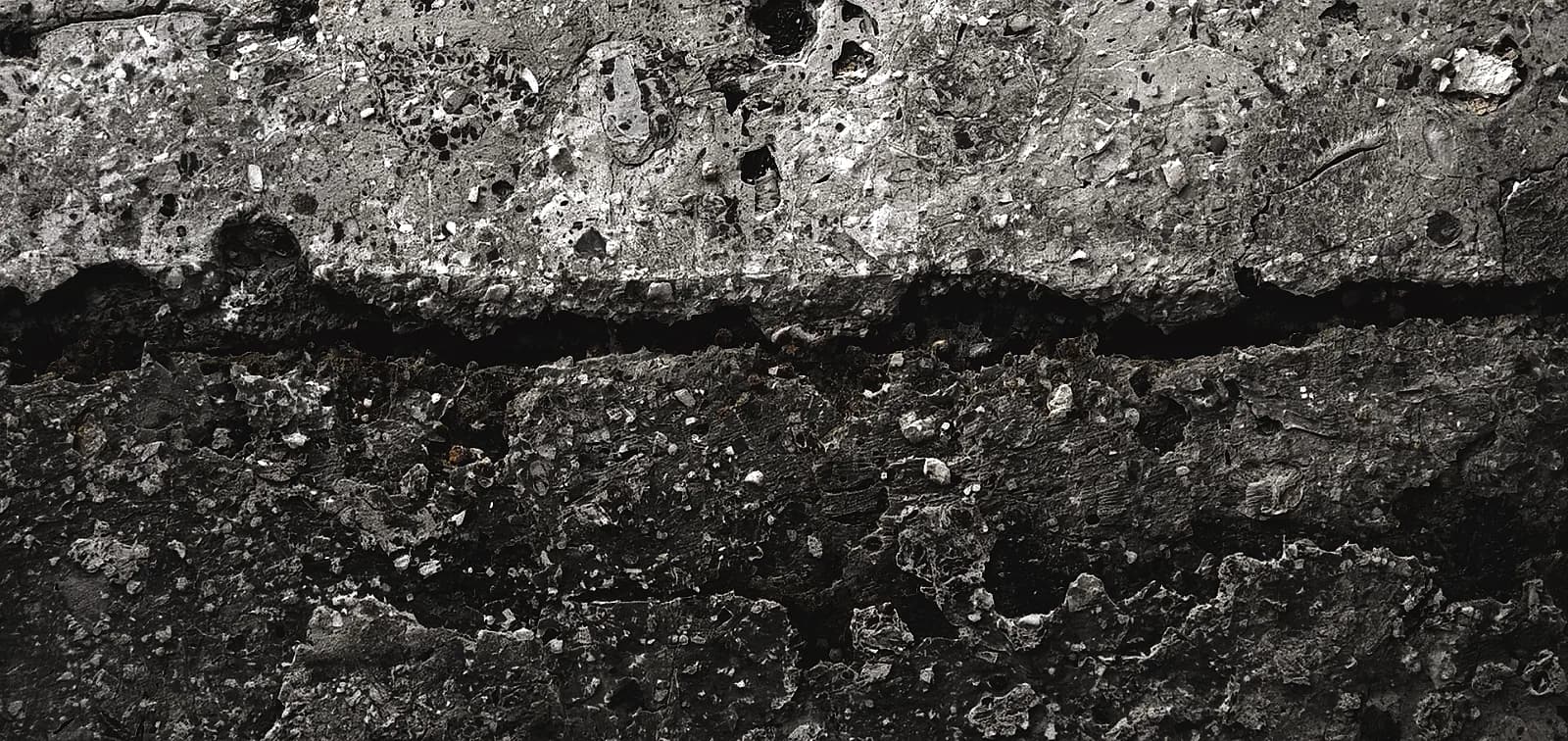
These patterns typically appear where foot traffic, wheeled equipment, or heavy machinery regularly traverse the floor.
Polished concrete floors are renowned for their durability, aesthetic appeal, and low maintenance requirements, making them a popular choice for commercial, industrial, and residential applications. However, some property owners discover that their polished concrete surfaces begin showing traffic wear patterns much sooner than expected. Understanding why some polished concrete develops traffic wear patterns quickly is crucial for making informed decisions about flooring investments and maintenance strategies.
Traffic wear patterns on polished concrete can manifest in various ways, from subtle dulling in high-traffic areas to more pronounced scratches, scuffs, and surface degradation. These patterns typically appear where foot traffic, wheeled equipment, or heavy machinery regularly traverse the floor. While polished concrete is inherently durable, several factors can accelerate the development of visible wear patterns, potentially compromising both the floor’s appearance and performance.
The causes of traffic wear on polished concrete are multifaceted and often interconnected. Poor initial preparation, inadequate polishing techniques, insufficient concrete strength, environmental factors, and improper maintenance practices all contribute to premature wear. Additionally, the type and volume of traffic, the presence of abrasive materials, and the quality of the concrete mix itself play significant roles in determining how quickly wear patterns develop.
For facility managers, property owners, and business operators, recognizing the early signs of traffic wear and understanding the underlying causes is essential for implementing effective preventive measures. Early intervention can often prevent minor wear from escalating into costly repairs or complete floor refinishing. Moreover, understanding these factors helps in making better decisions during the initial installation process, ensuring that the polished concrete floor is properly designed and executed to withstand the intended use.
The financial implications of premature traffic wear extend beyond aesthetic concerns. Worn concrete floors can create safety hazards, reduce property values, and necessitate expensive repairs or replacements. In commercial and industrial settings, floor downtime for repairs can disrupt operations and impact productivity. Therefore, investing in proper installation techniques, quality materials, and appropriate maintenance programs is often more cost-effective than dealing with premature wear issues.
Understanding Wear Mechanisms
The development of traffic wear patterns on polished concrete involves complex interactions between mechanical forces, surface properties, and environmental conditions. Unlike other flooring materials that may show uniform wear, polished concrete typically develops distinct patterns that correspond directly to traffic flow and load distribution. These patterns emerge because concrete, despite its hardness, responds differently to various types of mechanical stress.
Abrasive wear represents the most common mechanism behind traffic pattern development. As people walk, equipment rolls, or materials are dragged across the surface, microscopic particles and surface irregularities create friction that gradually removes the polished layer. This process is particularly pronounced when abrasive materials like sand, dirt, or metal particles are present on the floor surface. The polished concrete’s smooth finish, while aesthetically pleasing, can actually concentrate wear forces at specific contact points.
Impact wear occurs when heavy objects are dropped or when equipment with hard wheels repeatedly strikes the surface. Unlike gradual abrasive wear, impact forces can create immediate surface damage that becomes more pronounced over time. These impact points often serve as initiation sites for larger wear patterns, as the damaged areas become more susceptible to subsequent abrasive forces.
Fatigue wear develops from repeated loading and unloading cycles, particularly common in industrial environments with heavy machinery or high-frequency traffic. The polished concrete surface experiences microscopic stress cycles that gradually weaken the surface matrix. Over time, these stress cycles lead to surface micro-cracking and eventual material removal, creating visible wear patterns that follow traffic routes.
Chemical wear can accelerate physical wear mechanisms when the polished surface is exposed to acids, alkalis, or other reactive substances. These chemicals can soften or weaken the surface layer, making it more susceptible to mechanical wear. In environments where chemical exposure is common, such as food processing facilities or automotive shops, the combination of chemical and mechanical wear can rapidly create pronounced traffic patterns.
Installation Factors
The quality of the initial polished concrete installation significantly influences how quickly traffic wear patterns develop. Poor installation practices create vulnerabilities that become apparent only after the floor has been in service for weeks or months. Understanding these installation-related factors is crucial for preventing premature wear and ensuring long-term floor performance.
Inadequate surface preparation represents one of the most critical installation failures leading to rapid wear. When the concrete surface is not properly cleaned, leveled, or prepared before polishing begins, the resulting finish lacks the structural integrity needed to resist traffic wear. Contamination from oils, curing compounds, or surface treatments can prevent proper densifier penetration, creating weak spots that quickly develop into wear patterns. Similarly, failing to address surface defects like bug holes, minor cracks, or surface irregularities before polishing creates stress concentration points where wear accelerates.
Improper grinding and polishing sequences contribute significantly to premature wear development. Skipping grit levels or rushing through polishing stages leaves microscopic scratches and surface irregularities that become focal points for wear. Each polishing stage should remove the scratches from the previous stage while gradually refining the surface. When this process is compromised, the resulting surface appears polished but lacks the true smoothness and density needed for optimal wear resistance.
Densifier application timing and technique critically affect the floor’s wear resistance. Chemical densifiers work by reacting with free lime in the concrete to create additional calcium silicate hydrate, which fills pores and hardens the surface. When densifiers are applied too early, before sufficient surface preparation, they cannot penetrate effectively. Conversely, applying densifiers too late in the process or using insufficient quantities results in inadequate surface hardening. The densifier must be allowed proper cure time and reaction before subsequent polishing steps continue.
Environmental conditions during installation can compromise the polishing process and lead to accelerated wear. High temperatures, low humidity, or poor ventilation can cause densifiers to cure improperly or prevent adequate chemical reactions. Similarly, dust contamination during the polishing process can become embedded in the surface, creating abrasive particles that accelerate wear from the moment the floor enters service. Professional contractors like National Concrete Polishing understand the importance of controlling environmental conditions throughout the installation process to ensure optimal results.
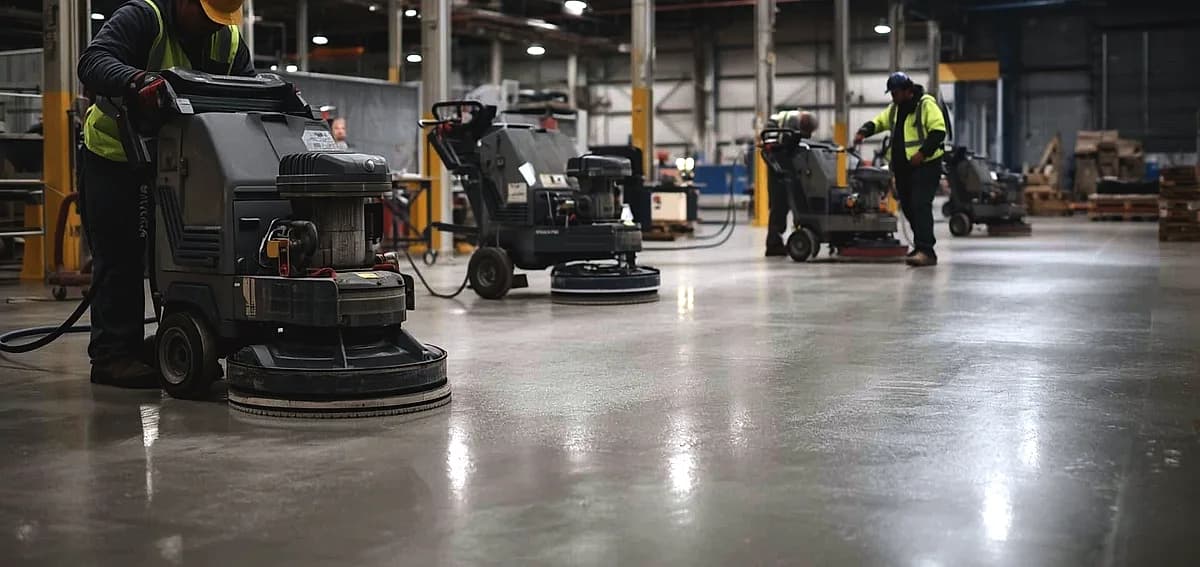
Equipment selection and operator skill levels directly impact the quality of the polished surface and its subsequent wear resistance. Using worn or inappropriate grinding tools, incorrect machine speeds, or improper pressure settings can create surface irregularities that promote rapid wear development. Inexperienced operators may not recognize when equipment adjustments are needed or may fail to achieve consistent results across the entire floor area, leading to variations in surface quality that become apparent as differential wear patterns.
Concrete Quality Issues
The fundamental properties of the concrete substrate play a crucial role in determining how quickly polished surfaces develop traffic wear patterns. Poor concrete quality or inappropriate mix designs create inherent weaknesses that no amount of skilled polishing can fully overcome. Understanding these substrate-related factors helps explain why some polished concrete floors perform exceptionally well while others show premature wear despite similar installation techniques.
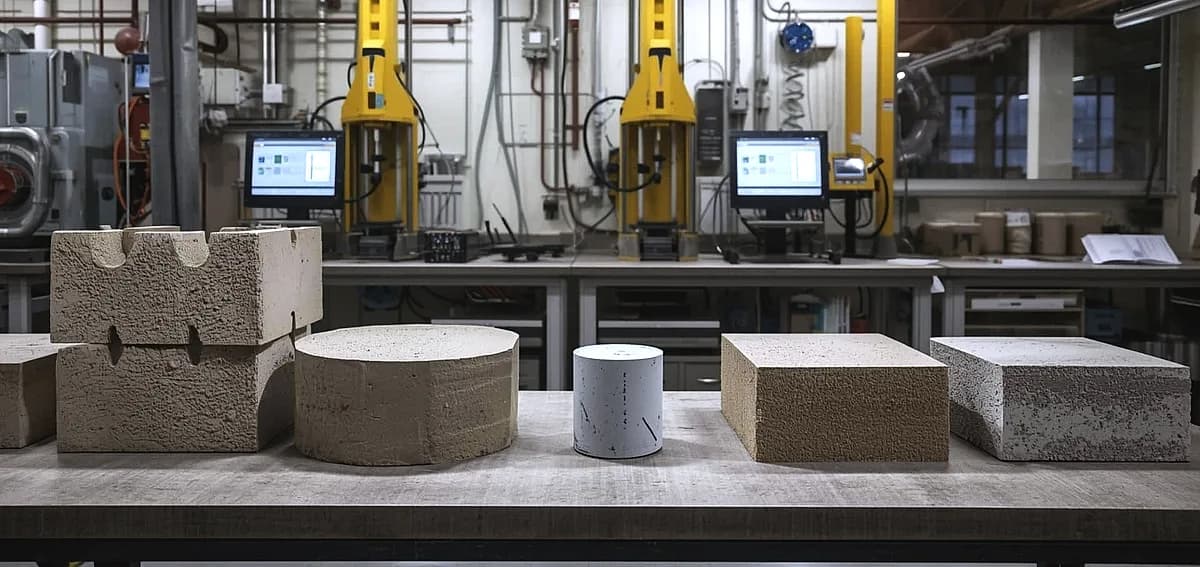
Concrete compressive strength directly correlates with surface wear resistance. Low-strength concrete, typically below 3,000 PSI, lacks the density and hardness needed to support a durable polished surface. When traffic loads exceed the concrete’s capacity to resist deformation and surface damage, wear patterns develop rapidly. The aggregate particles in low-strength concrete are not adequately bound by the cement matrix, making them susceptible to dislodgment under traffic loads. This creates a progressively rougher surface that accelerates subsequent wear.
Aggregate quality and gradation significantly influence the polished surface’s durability and appearance. Soft aggregates, such as certain limestones or sandstones, wear more quickly than the surrounding cement paste, creating surface irregularities that promote traffic wear pattern development. Conversely, extremely hard aggregates may not bond well with the cement matrix, leading to aggregate pop-outs that create surface defects. The aggregate gradation must provide adequate fine material to create a dense, polishable surface while including sufficient coarse aggregate for strength and wear resistance.
Water-cement ratio affects both the concrete’s strength and its surface characteristics. Excessive water content creates a weak, porous surface layer that is highly susceptible to wear. High water-cement ratios also lead to increased bleeding and segregation, which can create weak surface layers even when the overall concrete strength is adequate. These weak surface layers may not be apparent during initial polishing but become evident as traffic wear patterns develop more quickly than expected.
Curing conditions and practices significantly impact the concrete’s surface properties and long-term durability. Inadequate curing prevents the concrete from achieving its potential strength and density, particularly in the critical surface layer where polishing occurs. Rapid moisture loss during curing can create a weak, dusty surface layer that cannot support a durable polished finish. Similarly, uneven curing conditions across the floor area can create variations in surface hardness that manifest as differential wear patterns under traffic.
Chemical admixtures and their interactions can create unexpected surface characteristics that affect wear resistance. While admixtures like plasticizers and air entrainers can improve concrete workability and durability, improper use or incompatible combinations can weaken the surface layer. Some admixtures may also interfere with densifier penetration and reaction, reducing the effectiveness of the polishing process. Surface retarders, if not properly neutralized before polishing, can create weak spots that develop into wear patterns.
Age and condition of the concrete substrate influence polishing success and subsequent wear resistance. Very young concrete may not have achieved sufficient strength for polishing, while very old concrete may have surface carbonation or contamination that interferes with densifier penetration. Existing concrete floors may have previous treatments, sealers, or surface damage that must be addressed before polishing. Failure to properly evaluate and prepare existing concrete substrates often leads to polished surfaces with poor wear resistance and rapid traffic pattern development.
Traffic and Environmental Factors
The type, intensity, and characteristics of traffic that polished concrete floors experience directly influence how quickly wear patterns develop. Understanding these traffic-related factors helps explain why identical polished concrete installations may perform differently in various environments. Environmental conditions further complicate the wear equation by affecting both the concrete substrate and the traffic characteristics.
Heavy equipment traffic creates concentrated loads that can exceed the polished surface’s design capacity. Forklifts, pallet jacks, and other wheeled equipment generate point loads that are significantly higher than distributed foot traffic loads. Steel wheels, in particular, create severe contact stresses that can immediately damage polished surfaces. The repetitive nature of equipment traffic along fixed routes concentrates wear forces, leading to distinct traffic patterns that become increasingly pronounced over time. Equipment with worn or damaged wheels creates even more severe surface stresses, accelerating wear pattern development.
Foot traffic characteristics vary significantly depending on the environment and user behavior. High-frequency foot traffic in retail or office environments typically involves relatively clean conditions and soft-soled shoes, creating minimal wear. However, industrial environments often involve safety boots with aggressive tread patterns, work boots with embedded debris, or foot traffic carrying abrasive materials. The combination of harder shoe materials and abrasive contaminants dramatically increases the wear potential of foot traffic.
Abrasive material contamination represents one of the most significant accelerators of traffic wear pattern development. Sand, dirt, metal shavings, and other abrasive particles act like grinding compound between traffic and the polished surface. Even small amounts of abrasive material can dramatically increase wear rates, particularly when ground into the surface by repeated traffic. Environments with overhead activities, outdoor access, or material handling operations are particularly susceptible to abrasive contamination.
Moisture and temperature fluctuations affect both the concrete substrate and the traffic characteristics. Wet conditions can soften some concrete surfaces and change the friction characteristics between traffic and the floor. Freeze-thaw cycles in unheated buildings can create micro-cracking that accelerates wear pattern development. High temperatures may cause thermal expansion and contraction that stresses the polished surface, while low temperatures can make the concrete more brittle and susceptible to impact damage.
Chemical exposure from traffic or environmental sources can weaken the polished surface and accelerate wear. De-icing salts tracked in from outdoor areas, cleaning chemicals, and industrial process chemicals can react with the concrete surface or polishing treatments. These chemical interactions may not cause immediate visible damage but can weaken the surface layer, making it more susceptible to mechanical wear. The combination of chemical exposure and mechanical traffic creates synergistic effects that accelerate wear pattern development beyond what either factor would cause individually.
Seasonal variations in traffic patterns and environmental conditions create cyclical stress patterns that can accelerate wear development. Winter conditions often bring increased abrasive material from de-icing operations and sand, while summer conditions may involve different traffic patterns or equipment usage. Understanding these seasonal variations helps predict when wear patterns are most likely to develop and when preventive maintenance should be intensified.
Maintenance Deficiencies
Proper maintenance practices are essential for preserving polished concrete surfaces and preventing rapid traffic wear pattern development. Unfortunately, many property owners and facility managers underestimate the importance of appropriate maintenance or implement practices that inadvertently accelerate wear. Understanding common maintenance deficiencies helps explain why some polished concrete floors develop traffic patterns much more quickly than expected.
Inadequate cleaning frequency and techniques allow abrasive materials to accumulate on the surface, where they act as grinding compounds under traffic. Daily dust mopping or sweeping should remove loose debris before it can be ground into the surface by foot traffic or equipment. However, many facilities rely solely on periodic wet mopping or automated scrubbing, which may not effectively remove fine abrasive particles. The accumulated debris creates an abrasive layer that accelerates wear and makes traffic patterns more pronounced.
Inappropriate cleaning chemicals can damage the polished surface or interfere with its wear resistance. Acidic cleaners may etch the concrete surface, creating microscopic roughness that promotes wear pattern development. Alkaline cleaners, while generally safer for concrete, can leave residues that attract dirt and create slippery conditions. Some cleaning products contain abrasive particles or harsh chemicals that gradually degrade the polished surface. Using pH-neutral cleaners specifically designed for polished concrete helps maintain surface integrity and wear resistance.
Delayed response to spills and contamination allows harmful substances to penetrate the concrete surface or react with polishing treatments. While polished concrete is relatively resistant to staining and chemical damage, prolonged exposure to acids, oils, or other reactive substances can weaken the surface layer. This weakening may not be immediately visible but becomes apparent as accelerated wear pattern development under subsequent traffic. Prompt cleanup of spills and contamination prevents chemical damage that compromises wear resistance.
Neglecting preventive maintenance measures allows minor issues to develop into significant problems. Small cracks, surface defects, or areas of minor wear should be addressed promptly before they become focal points for accelerated deterioration. Regular inspection and maintenance programs can identify developing problems early when they are still economical to address. Companies like National Concrete Polishing often provide maintenance guidance and services to help property owners preserve their polished concrete investments.
Improper equipment and tool selection for maintenance activities can create surface damage that promotes wear pattern development. Using aggressive scrubbing pads, inappropriate vacuum attachments, or cleaning equipment with worn components can scratch or damage the polished surface. These microscopic scratches may not be immediately visible but create stress concentration points where traffic wear accelerates. Maintenance equipment should be specifically selected and maintained for use on polished concrete surfaces.
Inadequate protection during construction or renovation activities exposes polished concrete to damage that may not become apparent until traffic patterns develop. Construction debris, heavy equipment traffic, and chemical exposure during building activities can compromise the polished surface. Temporary protective coverings and access restrictions during construction help preserve the floor’s integrity and prevent damage that leads to accelerated wear pattern development.
Failure to implement appropriate traffic management measures allows concentrated wear in predictable areas. Simple measures like entrance mats, traffic flow guidance, and equipment path marking can distribute wear more evenly across the floor surface. Without these measures, traffic naturally concentrates in certain areas, leading to pronounced wear patterns that become increasingly difficult and expensive to address.
Frequently Asked Questions
How quickly should I expect to see traffic wear patterns?
Well-installed polished concrete should not show significant traffic wear patterns for several years under normal use conditions. However, high-traffic commercial or industrial environments may show subtle patterns within 6-12 months, while residential applications may remain pristine for many years. If patterns appear within weeks or months of installation, this typically indicates installation deficiencies or inappropriate use conditions.
Can traffic wear patterns be repaired without refinishing?
Minor traffic wear patterns can often be addressed through spot polishing or repolishing affected areas. However, significant wear patterns typically require systematic refinishing to achieve uniform appearance and performance. The feasibility of spot repairs depends on the extent of wear, the original polishing level, and the desired aesthetic outcome.
What are the most common causes of premature wear?
The most common causes include inadequate surface preparation, poor concrete quality, insufficient polishing levels, abrasive material contamination, and inappropriate traffic loads. Environmental factors like moisture exposure and chemical contamination also contribute significantly to premature wear development.
How can I prevent rapid traffic wear pattern development?
Prevention strategies include ensuring proper installation by qualified contractors, implementing appropriate maintenance programs, controlling abrasive material contamination, managing traffic patterns, and addressing environmental factors. Regular cleaning, prompt spill cleanup, and protective measures during construction activities are essential.
Does the level of polish affect traffic wear resistance?
Yes, higher polish levels generally provide better wear resistance because they create smoother, denser surfaces with fewer microscopic irregularities where wear can initiate. However, the polishing process must be properly executed with appropriate densifier application to achieve optimal wear resistance.
What role does concrete strength play in traffic wear?
Concrete strength is fundamental to wear resistance. Low-strength concrete cannot support durable polished surfaces and will develop traffic wear patterns quickly. Minimum compressive strengths of 3,000-4,000 PSI are typically recommended for polished concrete applications, with higher strengths preferred for heavy-traffic environments.
Can environmental conditions accelerate traffic wear pattern development?
Environmental conditions significantly affect wear pattern development. Moisture, temperature fluctuations, chemical exposure, and abrasive material contamination all accelerate wear. Controlling these environmental factors through proper building design and maintenance practices helps preserve polished concrete surfaces.
When should I consider professional assessment of traffic wear?
Professional assessment should be considered when wear patterns appear earlier than expected, when patterns are developing rapidly, or when the extent of wear threatens the floor’s functionality or safety. Early professional intervention can often prevent minor wear from escalating into major problems requiring complete refinishing.
Conclusion
Understanding why some polished concrete develops traffic wear patterns quickly requires considering the complex interactions between installation quality, concrete properties, traffic characteristics, environmental conditions, and maintenance practices. While polished concrete is inherently durable, premature wear pattern development often results from deficiencies in one or more of these critical areas. Recognizing the causes of traffic wear on polished concrete enables property owners and facility managers to make informed decisions about installation, maintenance, and remediation strategies.
The most effective approach to preventing rapid traffic wear pattern development involves addressing potential issues proactively rather than reactively. This begins with ensuring proper installation by qualified contractors who understand the importance of adequate surface preparation, appropriate polishing techniques, and proper densifier application. Companies like National Concrete Polishing bring the expertise and experience necessary to create polished concrete surfaces that resist traffic wear and maintain their appearance over time.
Ongoing maintenance and care play equally important roles in preserving polished concrete surfaces and preventing accelerated wear pattern development. Implementing appropriate cleaning protocols, controlling abrasive material contamination, managing traffic patterns, and addressing environmental factors all contribute to long-term floor performance. Regular inspection and prompt attention to developing issues can prevent minor problems from escalating into major repairs.
For property owners experiencing premature traffic wear patterns, professional assessment and remediation can often restore floor performance and appearance while addressing underlying causes. Understanding the factors that contribute to rapid wear pattern development helps ensure that remediation efforts address root causes rather than just symptoms, preventing recurrence of the problem.
The investment in quality polished concrete installation and appropriate maintenance practices typically pays dividends through extended floor life, reduced maintenance costs, and preserved aesthetic appeal. By understanding and addressing the factors that contribute to rapid traffic wear pattern development, property owners can maximize the value and performance of their polished concrete flooring investments.
Written by

Founder and CEO
Chris Lavin is an esteemed leader in concrete polishing and epoxy coatings with a distinguished 20-year career. As founder and CEO of National Concrete Polishing and owner of Xtreme Polishing Systems, he's renowned for polishing and epoxy coating more floors than anyone globally. Chris is recognized for his innovative approach and commitment to enhancing floor durability and aesthetics. His hands-on experience and technical proficiency make him a respected authority and a valuable resource in the field of floor polishing and coatings.
Same topic
Related articles
All stories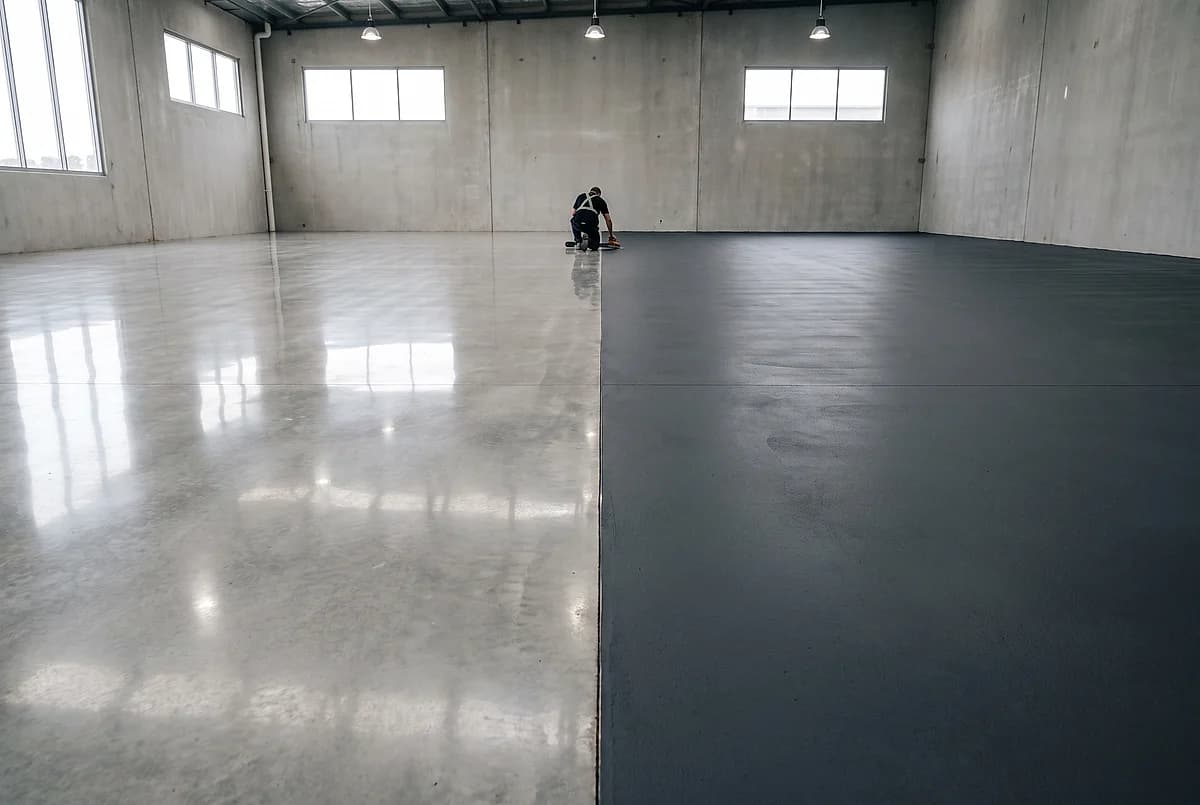
Polished concrete11 min read
Polished Concrete vs Epoxy Coatings: Which Floor Is Right for Your Space?
Two systems, two price curves, one slab. What each one costs to install and to keep, and which spaces each one actually suits.
Read it
Polished concrete8 min read
What to Know Before Polishing Your Existing Concrete Slab
Before any mechanical refinement can begin, a thorough evaluation of the current foundation is required.
Read it
Polished concrete8 min read
Is Polished Concrete Worth the Investment for Miami Properties?
It is essential to distinguish between a simple topical seal and mechanically refined concrete.
Read it
Tell us about the floor
Tell us the space and roughly how big it is.We come back with what it would cost and when we could start.
Prefer to talk? Call +1 844-876-5474
- Leads@
nationalconcretepolishing.net - 2200 NW 32nd St #600,
Pompano Beach, FL 33069 Mon to Fri, 9:00 to 5:30