
The NCP blog
Why Winter is the Best Time for Floor Coatings in South Florida
Epoxy & coatings7 min read
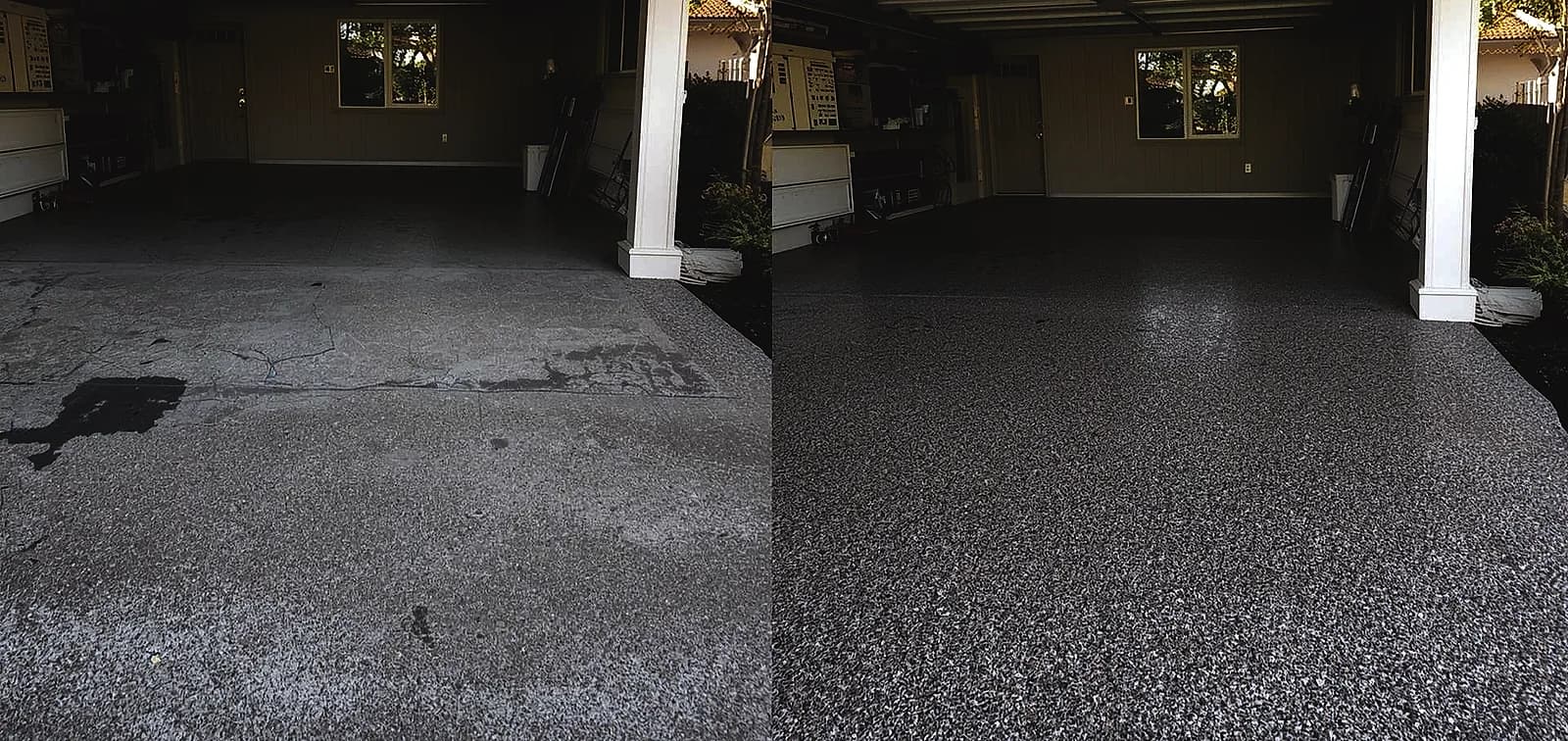
Miami’s average December-February humidity drops to 60-70%, while temperatures range from 65-78°F.
South Florida homeowners and business owners gain significant winter floor coating advantages Florida properties experience during the cooler months. December through February delivers the ideal installation conditions that epoxy and polyaspartic coatings require: humidity levels drop to 50-65%, temperatures stabilize between 65-80°F, and the reduced threat of afternoon thunderstorms allows contractors to work without weather delays. According to the Concrete Polishing Association of America (CPAA), floor coatings applied under these conditions achieve 25-40% stronger adhesion compared to summer installations, extending the lifespan of your investment by years.
Why South Florida’s Winter Creates Perfect Coating Conditions
South Florida’s subtropical climate presents unique challenges for floor coatings. Summer months bring average humidity levels of 76-85% and daily temperatures exceeding 90°F, conditions that compromise epoxy’s chemical curing process. The International Concrete Repair Institute (ICRI) establishes that successful coating installation requires substrate temperatures between 50-90°F and relative humidity below 85%, with optimal conditions falling in the 60-70% humidity range.
Winter reverses these challenges. Miami’s average December-February humidity drops to 60-70%, while temperatures range from 65-78°F. Fort Lauderdale and the surrounding Broward County communities experience similar improvements. These conditions fall directly within the manufacturer-recommended installation windows for premium floor coating systems.
Moisture vapor transmission (MVT) from concrete slabs also decreases during winter. Research from the Portland Cement Association shows that MVT rates in South Florida can exceed 5 lbs per 1,000 square feet per 24 hours during summer. Winter conditions typically reduce this to 2-3 lbs, minimizing the risk of coating delamination and bubbling that plague summer installations.
The Science Behind Winter Coating Performance
Optimal Cure Chemistry
Epoxy floor coatings cure through an exothermic chemical reaction between resin and hardener components. This reaction proceeds optimally at temperatures between 70-80°F. When ambient temperatures climb above 85°F, the reaction accelerates unpredictably, reducing working time and potentially causing the coating to gel before proper leveling occurs.
South Florida’s winter temperatures create the controlled environment this chemistry demands. According to ASTM D7234 testing standards, coatings applied at 75°F develop 15-20% higher pull-off adhesion values compared to those applied at 90°F. This translates directly to longer service life and better resistance to hot tire pickup.
Reduced Moisture Interference
Humidity affects floor coatings in two critical ways: atmospheric moisture interferes with surface curing, and elevated concrete moisture content prevents proper adhesion. Winter’s lower humidity addresses both problems simultaneously.
The National Institute of Standards and Technology (NIST) reports that concrete surfaces absorb 40-60% less atmospheric moisture when relative humidity drops below 65%. This means installers spend less time on moisture mitigation measures, reducing both project timelines and costs.
Extended Working Time
Professional installers gain 20-30% more working time during winter installations. This extended pot life allows for more precise application, better blending of metallic epoxy patterns, and thorough coverage in corners and edges. The result is a more uniform finish with fewer defects requiring touch-up work.
South Florida Floor Coating Conditions by Season
The following comparison demonstrates why winter consistently delivers superior installation outcomes:
| Factor | Winter (Dec-Feb) | Spring (Mar-May) | Summer (Jun-Aug) | Fall (Sep-Nov) |
|---|---|---|---|---|
| Avg. Humidity | 60-70% | 65-75% | 76-85% | 72-80% |
| Avg. Temperature | 65-78°F | 72-85°F | 82-92°F | 78-88°F |
| Rain Days/Month | 5-7 | 8-10 | 15-18 | 12-15 |
| Cure Time | 24-48 hrs | 36-60 hrs | 48-72 hrs | 36-60 hrs |
| Adhesion Rating | Excellent | Good | Variable | Good |
| Scheduling Ease | High | Moderate | Challenging | Moderate |
Practical Benefits for Homeowners and Businesses
Faster Project Completion
Winter installations typically complete 1-2 days faster than summer projects. The stable weather eliminates rain delays, while optimal cure conditions allow for quicker recoat windows between primer and topcoat applications. A standard two-car garage floor coating that might require 4-5 days in July often completes in 2-3 days during January.
Improved Finish Quality
Temperature-controlled curing produces a smoother, more uniform surface. Installers can achieve optimal reflectivity standards with fewer passes, and decorative elements like flake broadcasts and metallic pigments settle more predictably. The visual difference between winter-installed and summer-installed coatings often remains visible years after application.
Cost Savings Opportunities
Winter represents the slower season for flooring contractors, creating opportunities for competitive pricing. Many installers offer 10-15% discounts during December-February to maintain crew employment. Additionally, the reduced need for moisture barriers and climate control equipment during winter installations can lower overall project costs by 5-10%.
Better Warranty Protection
Coatings installed under optimal conditions experience fewer warranty claims. Documentation of proper temperature and humidity during installation strengthens your position if issues arise. Review floor coating warranty terms carefully, as many manufacturers void coverage for installations performed outside specified environmental parameters.
Coating Types That Benefit Most from Winter Installation
While all floor coatings perform better when applied during winter, certain systems show the most dramatic improvements:
100% Solids Epoxy: These thick-build systems are highly sensitive to temperature. Winter conditions allow the full chemical resistance to develop properly, critical for commercial and industrial applications.
Metallic Epoxy: The extended working time winter provides is essential for creating the flowing, three-dimensional effects that make metallic epoxy floors so distinctive. Rushed summer applications often result in muddy, undefined patterns.
Polyaspartic Coatings: Though more temperature-tolerant than epoxy, polyaspartic systems still achieve superior adhesion and gloss retention when applied during cooler months.
Urethane Topcoats: These moisture-sensitive finishes benefit significantly from winter’s lower humidity. Proper cure produces the hard, abrasion-resistant surface that extends coating lifespan. Learn more about urethane vs epoxy differences.
Preparing Your Space for Winter Installation
Maximize the benefits of winter installation with proper preparation:
1. Schedule early. Despite being the slower season, quality contractors book 4-6 weeks ahead during winter. Contact installers in October or November to secure your preferred dates.
2. Clear the space completely. Remove all vehicles, storage items, and mounted shelving. Proper floor preparation requires unrestricted access to all surfaces.
3. Address existing damage. Have cracks, spalling, or oil stains evaluated before installation day. Some repairs require additional cure time.
4. Plan for ventilation. Even in winter, coating fumes require adequate airflow. Ensure garage doors can remain partially open or arrange alternative ventilation.
5. Confirm moisture testing. Request that your contractor perform calcium chloride or in-situ probe testing per ASTM F1869 or F2170. Review moisture testing protocols to understand what results indicate.
Common Concerns About Winter Installation
“Won’t my garage be too cold?” South Florida rarely experiences temperatures below 50°F, the minimum threshold for most coating systems. Even on the coldest January mornings, concrete substrate temperatures typically remain within acceptable ranges due to thermal mass.
“What about cold fronts?” Professional installers monitor weather forecasts closely. If a significant cold front approaches, they may reschedule or select faster-curing polyaspartic formulations that cure in wider temperature ranges.
“Is my concrete too old for coating?” Concrete age actually works in your favor for winter installations. Older slabs have lower moisture content and more stable surface conditions. Learn how concrete age affects coating outcomes.
Frequently Asked Questions
What is the ideal temperature range for epoxy floor installation in Florida?
The ideal temperature range is 65-80°F for both ambient air and concrete substrate. South Florida’s winter months consistently deliver these conditions, while summer temperatures frequently exceed the 85°F upper threshold recommended by coating manufacturers. The ICRI specifies that substrate temperature should be at least 5°F above the dew point to prevent moisture condensation during application.
How much faster do floor coatings cure in winter versus summer?
Standard epoxy coatings reach light foot traffic readiness in 24-48 hours during winter compared to 48-72 hours in summer. Full cure typically occurs 5-7 days faster in winter conditions. The controlled cure rate also produces a harder, more durable final surface. Polyaspartic coatings show less seasonal variation but still perform optimally in winter’s lower humidity.
Are there any floor coating types that work better in summer?
No common residential or commercial floor coating performs better in South Florida summer conditions. While polyurea coatings tolerate a wider temperature range, they still achieve superior results in controlled environments. The combination of high humidity, elevated substrate temperatures, and frequent rain delays makes summer the least favorable season for any coating installation in this region.
How much can I save on floor coating installation during winter?
Winter installations can reduce total project costs by 15-25% compared to summer. This includes contractor seasonal discounts of 10-15%, reduced need for moisture mitigation products, fewer weather-related delays that extend labor costs, and lower material waste from controlled application conditions. The quality improvements also reduce long-term maintenance and repair expenses.
What happens if I have my floor coated in summer instead of waiting for winter?
Summer installations can succeed but require additional precautions: early morning start times, dehumidification equipment, extended project timelines, and potentially moisture barrier systems. These add 20-30% to project costs. The coating may also have slightly reduced adhesion and service life. If timing requires summer installation, choose a contractor experienced with South Florida’s climate challenges.
How do I maintain my floor coating after winter installation?
Winter-installed coatings require the same maintenance as any quality installation. Sweep or dust mop weekly, clean with pH-neutral cleaners monthly, and avoid abrasive chemicals. Review our complete epoxy floor cleaning guide for detailed maintenance instructions. Well-maintained coatings installed under optimal winter conditions routinely last 15-20 years in residential applications and 7-10 years in commercial settings.
Written by

Founder and CEO
Chris Lavin is an esteemed leader in concrete polishing and epoxy coatings with a distinguished 20-year career. As founder and CEO of National Concrete Polishing and owner of Xtreme Polishing Systems, he's renowned for polishing and epoxy coating more floors than anyone globally. Chris is recognized for his innovative approach and commitment to enhancing floor durability and aesthetics. His hands-on experience and technical proficiency make him a respected authority and a valuable resource in the field of floor polishing and coatings.
Same topic
Related articles
All stories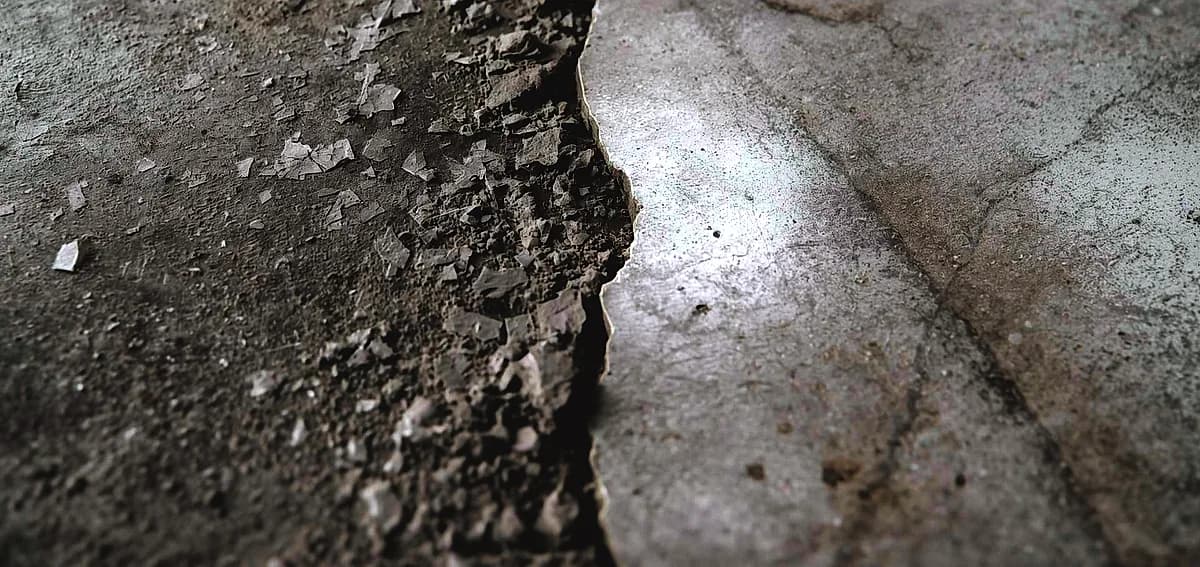
Epoxy & coatings8 min read
DIY vs Professional Epoxy Flooring in Fort Lauderdale
Hardware stores heavily market all-in-one boxes that promise a showroom finish with minimal effort.
Read it
Epoxy & coatings8 min read
Can You DIY Epoxy Flooring in Miami? Pros, Cons, and Tips
Applying a durable floor finish in a tropical or highly humid climate presents unique environmental challenges.
Read it
Epoxy & coatings7 min read
DIY Epoxy Flooring in South Florida: Is It Worth the Risk?
However, these products generally contain high levels of water or solvents to extend their pot life.
Read it
Tell us about the floor
Tell us the space and roughly how big it is.We come back with what it would cost and when we could start.
Prefer to talk? Call +1 844-876-5474
- Leads@
nationalconcretepolishing.net - 2200 NW 32nd St #600,
Pompano Beach, FL 33069 Mon to Fri, 9:00 to 5:30