
The NCP blog
Stunning Metallic Epoxy Floor Designs for South Florida Homes
Residential11 min read
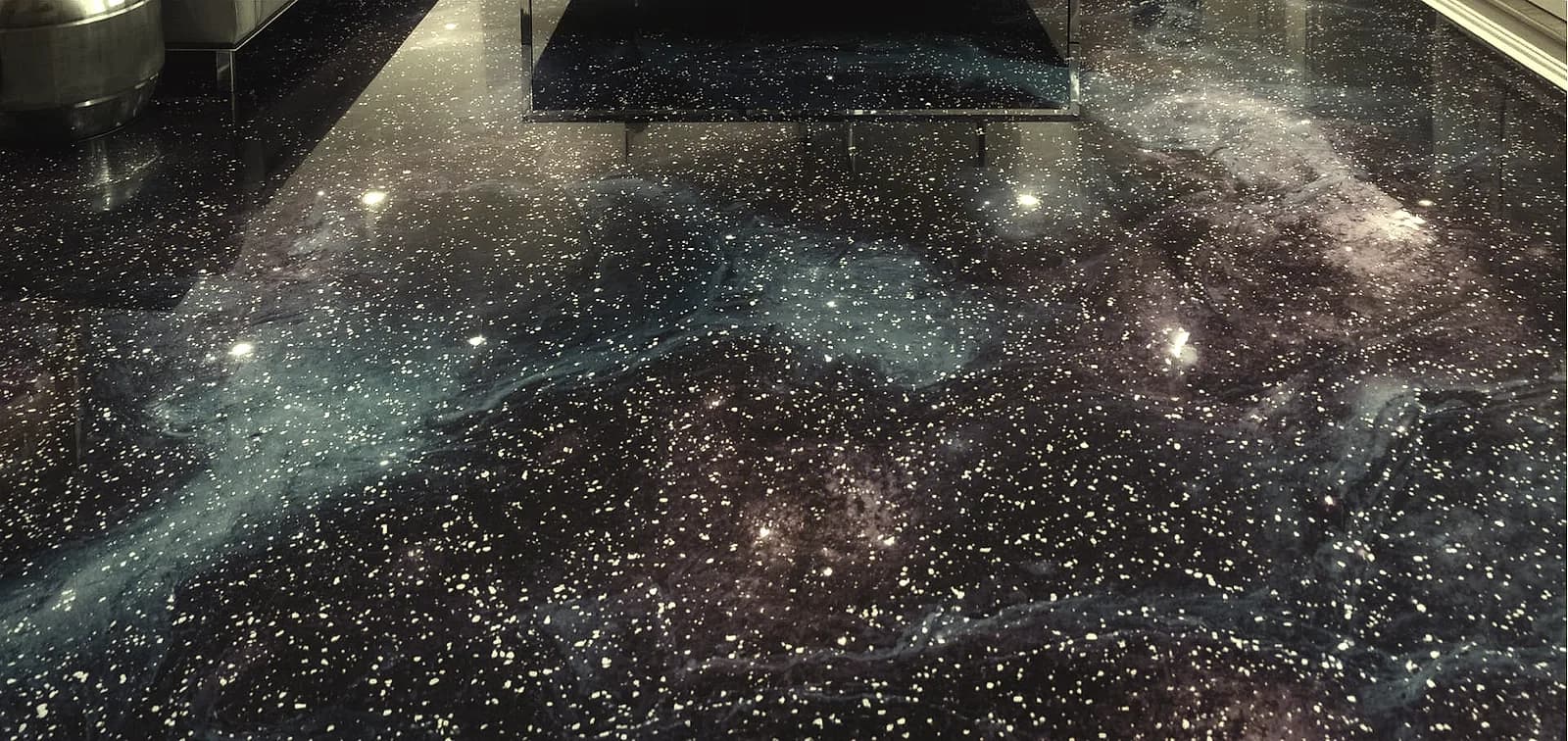
Metallic epoxy takes this foundation and adds light-reflective pigments that move through the resin during application.
Homeowners across South Florida are choosing metallic epoxy floor systems to transform ordinary concrete into eye-catching surfaces that handle the region’s demanding climate. The combination of swirling pigments, high-gloss finishes, and exceptional durability makes metallic epoxy an increasingly popular upgrade for garages, living spaces, and commercial properties throughout Miami, Fort Lauderdale, and Pompano Beach.
This guide covers everything property owners need to know before investing in a metallic epoxy floor for their South Florida home—from design possibilities to installation considerations and long-term care.
Overview
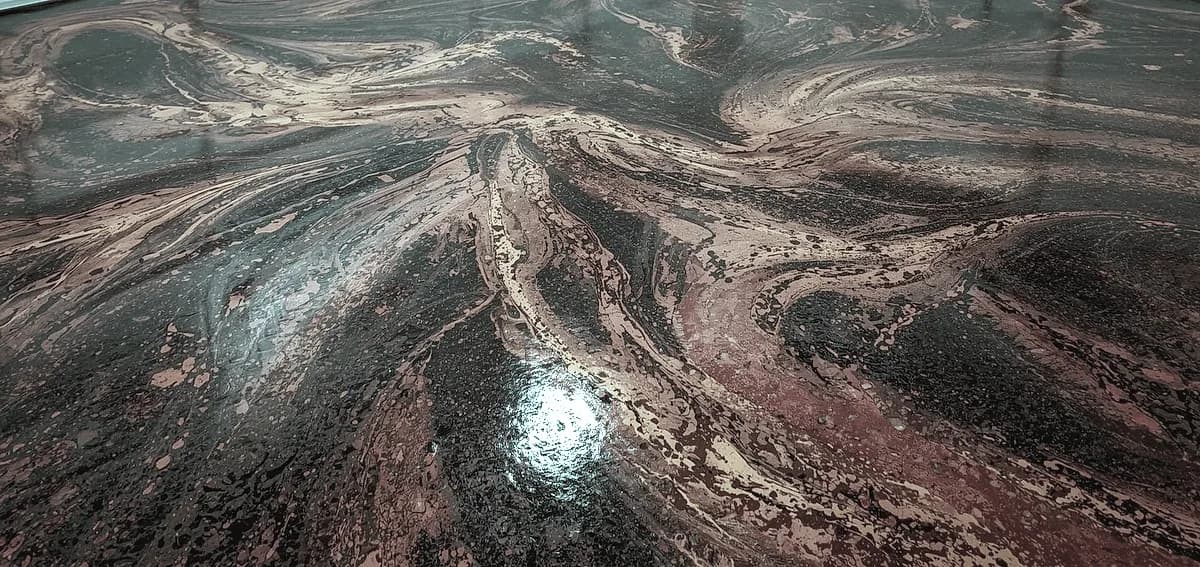
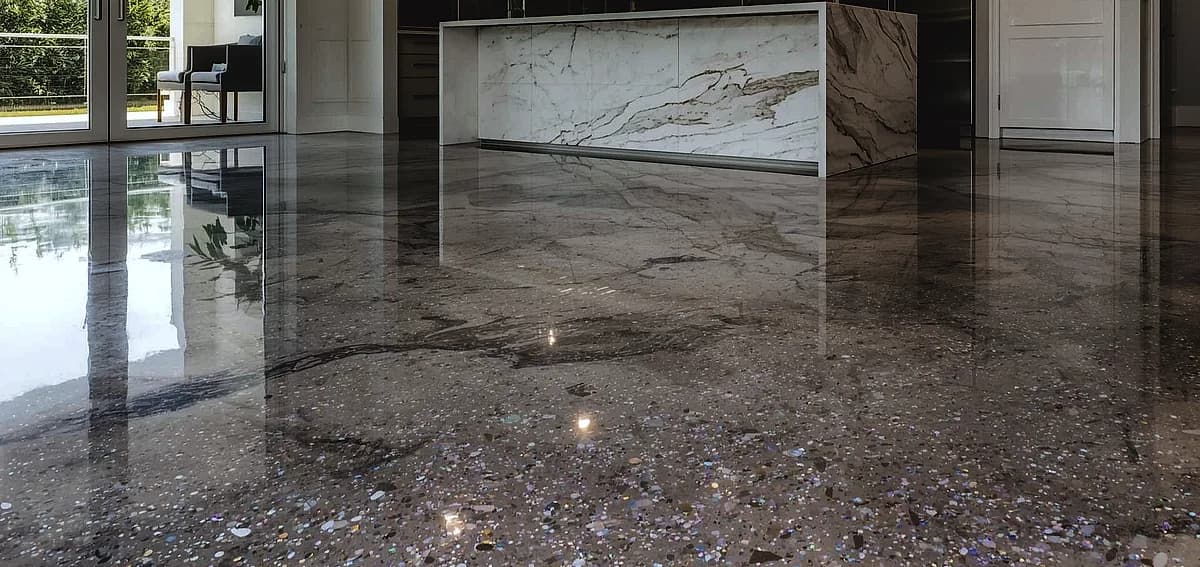
Metallic epoxy flooring combines standard epoxy resins with metallic pigments that create distinctive three-dimensional visual effects. When applied by skilled installers, these floors develop flowing patterns that resemble polished marble, ocean waves, or molten metal. South Florida’s coastal environment presents unique challenges for flooring materials, yet properly installed metallic epoxy systems deliver lasting performance while enhancing property aesthetics.
What Makes Metallic Epoxy Different
Standard epoxy coatings create solid-colored, uniform surfaces. Metallic epoxy takes this foundation and adds light-reflective pigments that move through the resin during application. Installers manipulate these pigments using specialized tools, air movement, and rolling techniques to create flowing patterns with genuine depth.
The result resembles natural stone or water in motion. Colors shift depending on viewing angle and lighting conditions. This visual complexity appeals to homeowners seeking flooring that functions as both a practical surface and a design statement.
Common metallic epoxy design styles include lava flow effects with contrasting colors blending at edges, ocean-inspired swirls in blues and greens, marble-look finishes using neutral tones, and dramatic single-color metallic sheens. Each installation becomes a one-of-a-kind surface because the pigment movement cannot be precisely replicated.
Why Metallic Epoxy Works Well in South Florida
South Florida’s climate tests building materials constantly. Summer temperatures regularly exceed 90°F while constant moisture in the air accelerates deterioration of unprotected surfaces. Metallic epoxy addresses these challenges through several performance characteristics.
Moisture Resistance: Unlike hardwood or laminate, epoxy does not absorb moisture, making it ideal for homes in humid coastal climates. The seamless surface prevents water from reaching the concrete substrate, reducing the risk of mold growth and structural damage common with other flooring types.
Heat Tolerance: Quality metallic epoxy systems handle thermal expansion and contraction without cracking. Hot tire pickup—a common problem with lesser coatings—rarely occurs with professional-grade installations that include appropriate primer and topcoat layers.
UV Stability: UV-resistant topcoats prevent yellowing and color fading even in spaces that receive direct sunlight. This matters particularly for Florida garages and lanais where sun exposure remains constant throughout the year.
Salt Air Protection: Coastal properties face accelerated corrosion from salt-laden air. Metallic epoxy creates a barrier between this corrosive environment and the underlying concrete, extending the floor’s functional life.
Popular Color Combinations for Florida Homes
Design trends in South Florida metallic epoxy reflect the region’s coastal character and architectural preferences. Certain color combinations have proven particularly popular among area homeowners.
Coastal Blues and Silvers: These mirror the Gulf and Atlantic waters visible from many Florida properties. Lighter blue metallics create a sense of spaciousness while deeper navy tones add sophistication.
Pearl and Champagne: Neutral metallic tones complement modern and transitional home designs. These colors brighten garages and interior spaces while hiding minor dust and debris between cleanings.
Charcoal and Silver: This combination delivers a contemporary industrial look that pairs well with modern vehicles and sleek garage organization systems. The darker base helps conceal tire marks and light staining.
Earth Tones with Copper: Bronze and copper metallic pigments create warm, inviting surfaces that work well in living spaces and covered outdoor areas. These tones complement Florida’s Spanish and Mediterranean architectural influences.
Color selection should account for the room’s purpose, existing design elements, and lighting conditions. Professional installers can create sample boards showing how specific pigment combinations will appear in different light.
Installation Process and Timeline
Successful metallic epoxy application in South Florida requires careful attention to environmental conditions and surface preparation. The process typically spans several days and follows a specific sequence.
Surface Preparation: This stage determines whether the floor will perform long-term. Installers grind or shot blast the concrete to create a proper surface profile for adhesion. Cracks require filling, and any existing coatings must be completely removed. Industry standards specify 71-77°F as the optimal temperature range for epoxy curing, with relative humidity staying below 65% to prevent moisture-related defects.
Moisture Testing: Florida’s high water table and humidity make moisture vapor testing essential. Excessive moisture rising through the concrete will cause coating failure. Professional installers use calcium chloride tests or relative humidity probes to verify conditions before proceeding.
Primer Application: A bonding primer creates the connection between prepared concrete and the metallic epoxy layer. Some installations require moisture-mitigating primers when testing reveals elevated moisture levels.
Metallic Epoxy Application: This is where the artistry happens. Installers pour the metallic pigment-infused epoxy onto the primed surface, then use various techniques to create the desired patterns. Timing matters—the epoxy remains workable for a limited period before it begins curing.
Topcoat Application: A clear protective topcoat seals the metallic layer and provides wear resistance. UV-stable polyurethane or polyaspartic topcoats offer the best protection for Florida conditions. Anti-slip additives can be incorporated for areas prone to wet conditions.
Curing Period: Most metallic epoxy systems require 24-72 hours before light foot traffic and up to seven days before vehicle traffic. South Florida technicians recommend closing windows and running AC units during summer installations to maintain proper curing conditions.
Humidity and Temperature Considerations
Florida’s subtropical climate creates specific installation challenges that inexperienced contractors often underestimate. Even 5°F deviations can alter working time by 15-20 minutes during application.
High humidity interferes with the chemical curing reaction that transforms liquid epoxy into a durable solid. Too much moisture in the air can cause the epoxy to peel or form bubbles. Professional installers address this by controlling the installation environment with industrial dehumidifiers and climate-controlled conditions.
Temperature affects pot life—the time installers have to work with mixed epoxy before it begins hardening. Heat activates epoxy’s exothermic properties, shortening pot life by 40-50% in environments above 85°F. Experienced Florida installers schedule work during morning hours and use smaller batch sizes to maintain control over the application.
These climate factors explain why DIY epoxy installations frequently fail in South Florida while professional installations deliver decades of service.
Residential Applications
Garages: The most common residential application, metallic epoxy transforms utilitarian garage floors into showroom-quality surfaces. The seamless finish resists oil stains, tire marks, and chemical spills while making the space easier to clean.
Living Areas: Open floor plans in contemporary Florida homes increasingly feature metallic epoxy in main living spaces. The flooring works particularly well in modern and industrial-style interiors where its reflective qualities enhance natural light.
Lanais and Pool Areas: Covered outdoor living spaces benefit from metallic epoxy’s moisture resistance. With appropriate non-slip additives, these floors provide safe, attractive surfaces for Florida’s indoor-outdoor lifestyle.
Basements and Lower Levels: Properties with below-grade living space face heightened moisture concerns. Metallic epoxy with proper moisture mitigation creates a sealed environment that resists the dampness common in Florida basements.
Maintenance Requirements
Metallic epoxy floors require less maintenance than most alternatives, but proper care extends their appearance and functional life.
Daily Care: Regular sweeping or dust mopping removes abrasive particles that can dull the finish over time. A microfiber dust mop works well for this purpose.
Routine Cleaning: Weekly mopping with mild, pH-neutral cleaners removes accumulated dust and light soil. Avoid acidic cleaners, harsh chemicals, and excessive water. Wring mops thoroughly before use.
Spill Response: Clean spills promptly to prevent staining. Most substances wipe away easily from sealed epoxy surfaces. Oil-based spills may require a degreasing cleaner but should not permanently stain properly sealed floors.
Periodic Maintenance: Annual or bi-annual application of a compatible floor conditioner helps maintain the surface shine. Some homeowners schedule professional buff and recoat services every few years to refresh heavily used areas.
What to Avoid: Steel wool, abrasive scrubbers, and ammonia-based cleaners can damage the topcoat. Dragging heavy items without protection can scratch the surface. Rubber-backed mats can cause discoloration—use felt or non-rubber alternatives.
For detailed metallic epoxy maintenance guidance, property owners should follow manufacturer recommendations and consult with their installer.
Cost Factors
Metallic epoxy flooring represents a mid-to-upper range investment compared to other garage and residential floor options. Several factors influence final project costs.
Square Footage: Larger projects typically cost less per square foot due to economies of scale in materials and labor.
Concrete Condition: Floors requiring extensive crack repair, leveling, or existing coating removal add to preparation costs. Older concrete with significant damage may need resurfacing before coating.
Design Complexity: Simple single-color metallic finishes cost less than multi-color designs with complex patterns. Custom color matching and specialty effects increase material and labor requirements.
Moisture Mitigation: Properties with moisture issues require additional primer systems that add to material costs. This investment protects against future coating failure.
Topcoat Selection: Standard epoxy topcoats cost less than premium polyaspartic or polyurea options, though the latter offer faster cure times and enhanced durability.
When evaluating costs, consider the long-term value metallic epoxy provides. A properly installed floor lasting 15-20 years often proves more economical than replacing lesser flooring every 5-7 years.
Comparing Metallic Epoxy to Other Options
Homeowners considering metallic epoxy often compare it against several alternatives. Understanding these comparisons helps clarify when metallic epoxy makes sense.
Metallic Epoxy vs. Polished Concrete: Polished concrete reveals and enhances the existing slab while metallic epoxy creates an entirely new surface appearance. Polished concrete works best when the existing concrete is in excellent condition. Metallic epoxy can cover imperfections and offers more design flexibility.
Metallic Epoxy vs. Solid Epoxy: Standard solid-color epoxy costs less and installs faster but lacks the visual depth and uniqueness of metallic finishes. For homeowners prioritizing appearance, the metallic upgrade typically justifies the additional investment.
Metallic Epoxy vs. Interlocking Tiles: Interlocking tiles install quickly without curing time but create seams where moisture and debris can collect. In Florida’s humid environment, the seamless nature of metallic epoxy provides practical advantages.
Metallic Epoxy vs. Stained Concrete: Concrete staining creates color effects within the concrete itself rather than coating over it. Staining works well for certain design goals but cannot achieve the three-dimensional metallic effects possible with epoxy.
Choosing a Contractor
The quality of metallic epoxy installation depends heavily on contractor expertise. Several factors distinguish qualified professionals from inexperienced applicators.
Experience with Metallic Systems: General epoxy installers may lack experience with the specific techniques metallic finishes require. Ask to see examples of previous metallic work, not just standard epoxy projects.
Climate Knowledge: Florida-based contractors understand the humidity and temperature challenges that affect installation timing and material selection. Out-of-state contractors may not appreciate these regional factors.
Surface Preparation Methods: Quality contractors invest in professional grinding equipment and moisture testing tools. Ask about their preparation process and what equipment they use.
Material Sources: Professional-grade epoxy systems outperform consumer-grade products. Ask contractors about their material suppliers and whether they use commercial or residential formulations.
Warranty Coverage: Reputable installers stand behind their work with meaningful warranty terms. Review warranty language carefully, noting what conditions void coverage.
References and Reviews: Request references from recent projects, particularly installations completed more than a year ago. This reveals how floors perform after initial installation.
Indoor Air Quality Considerations
Modern epoxy formulations have improved significantly in terms of emissions during and after installation. Quality metallic epoxy systems use low-VOC (volatile organic compound) formulations that minimize off-gassing.
During installation, adequate ventilation helps dissipate any solvent odors. Most odors disappear within 24-48 hours of application. After full curing, properly formulated epoxy floors emit negligible VOCs and do not contribute to indoor air quality problems.
Homeowners with chemical sensitivities should discuss material options with their contractor. Water-based epoxy systems and low-odor topcoats provide alternatives for those requiring minimal exposure during installation.
The FloorScore certification program tests flooring products for VOC emissions compliance. Homeowners can request that contractors use certified materials meeting California Section 01350 standards for indoor air quality.
Frequently Asked Questions
How long does metallic epoxy flooring last in South Florida?
Properly installed metallic epoxy floors typically last 15-20 years in residential settings with normal use. Commercial applications with heavier traffic may require topcoat maintenance sooner. Climate-appropriate installation and regular care extend functional life.
Can metallic epoxy be installed over existing coatings?
Generally, no. Existing coatings must be removed through grinding or shot blasting to ensure proper adhesion. Installing over old coatings risks delamination and early failure.
How soon can I park on a new metallic epoxy floor?
Most installations require 5-7 days before vehicle traffic. Light foot traffic is typically allowed after 24-72 hours. Curing times vary based on temperature, humidity, and specific product formulations.
Will hot tires damage metallic epoxy?
Quality metallic epoxy systems with appropriate topcoats resist hot tire pickup. Inferior products or improperly applied coatings may experience sticking or discoloration. Discuss hot tire performance with your contractor before installation.
Can scratches and damage be repaired?
Minor scratches often buff out with appropriate products. More significant damage may require spot repairs or topcoat reapplication. The seamless nature of epoxy makes repairs less noticeable than with tile or segmented flooring.
Is metallic epoxy slippery when wet?
High-gloss metallic epoxy can become slick when wet. Contractors can incorporate anti-slip additives into the topcoat for areas prone to moisture exposure. Discuss slip resistance requirements during project planning.
How do I maintain the shine on metallic epoxy?
Regular dust mopping and periodic cleaning with pH-neutral products preserve the surface. Avoid abrasive cleaners and harsh chemicals. Some homeowners apply floor conditioner annually to enhance shine.
Can metallic epoxy be applied outdoors?
Exterior applications require UV-stable formulations and different preparation considerations. Covered areas like lanais and carports are suitable candidates. Fully exposed outdoor surfaces may require specialized coating systems.
What happens if moisture problems develop after installation?
Moisture-related failures typically appear as bubbling, clouding, or peeling. Proper pre-installation moisture testing prevents most issues. If problems develop, the affected areas require removal and reinstallation with appropriate moisture mitigation.
How does metallic epoxy compare in cost to other premium floors?
Metallic epoxy falls between standard epoxy and high-end options like natural stone or premium hardwood. When factoring in longevity and low maintenance requirements, metallic epoxy often provides competitive lifetime value.
Transform Your South Florida Space
Metallic epoxy flooring delivers a combination of visual impact and practical performance well-suited to South Florida’s demanding environment. From Miami residential applications to commercial spaces in Fort Lauderdale, these floors continue gaining popularity among property owners seeking durable, distinctive surfaces.
The key to success lies in working with experienced professionals who understand both the artistic techniques metallic epoxy requires and the climate-specific challenges South Florida presents. Proper surface preparation, humidity control, and quality materials separate lasting installations from early failures.
National Concrete Polishing serves homeowners and businesses throughout South Florida with professional metallic epoxy installations designed for the region’s unique conditions. Our team combines technical expertise with design consultation to create floors that perform as well as they look.
Get a Free Estimate to discuss your metallic epoxy project and discover how this flooring option can transform your space.
Written by

Founder and CEO
Chris Lavin is an esteemed leader in concrete polishing and epoxy coatings with a distinguished 20-year career. As founder and CEO of National Concrete Polishing and owner of Xtreme Polishing Systems, he's renowned for polishing and epoxy coating more floors than anyone globally. Chris is recognized for his innovative approach and commitment to enhancing floor durability and aesthetics. His hands-on experience and technical proficiency make him a respected authority and a valuable resource in the field of floor polishing and coatings.
Same topic
Related articles
All stories
Residential8 min read
What Restaurants Need to Pass a Health Inspection Floor Check
It endures heavy foot traffic, dropped equipment, boiling water spills, and harsh degreasing chemicals daily.
Read it
Residential9 min read
How Restaurants Replace Their Floors Without Closing for Long
The average food service establishment loses approximately $3,500 in daily revenue during unexpected closures in 2026.
Read it
Residential8 min read
Where Polished Concrete Beats Epoxy in a Home (and Where It Doesn’t)
Before evaluating specific rooms, it is essential to understand how these two flooring systems function.
Read it
Tell us about the floor
Tell us the space and roughly how big it is.We come back with what it would cost and when we could start.
Prefer to talk? Call +1 844-876-5474
- Leads@
nationalconcretepolishing.net - 2200 NW 32nd St #600,
Pompano Beach, FL 33069 Mon to Fri, 9:00 to 5:30