
The NCP blog
How to Maintain and Clean Metallic Epoxy Floors: Complete Care Guide
Epoxy & coatings13 min read
We’ll address Florida-specific considerations including humidity impacts, UV protection needs, and seasonal care adjustments.
Metallic epoxy maintenance requires specific care techniques that preserve the stunning visual effects and glossy finish that make these floors Miami’s most sought-after decorative flooring option. Proper cleaning and maintenance extends your metallic epoxy floor’s lifespan to 15-20 years while maintaining the distinctive marble-like patterns and high-gloss appearance that distinguishes these systems from standard coatings. Unlike traditional flooring that demands intensive cleaning with harsh chemicals, metallic epoxy floors thrive with simple daily sweeping, weekly pH-neutral mopping, and immediate spill cleanup—a maintenance routine that takes minutes rather than hours. National Concrete Polishing helps Pompano Beach, Fort Lauderdale, and Miami homeowners protect their metallic epoxy investments through professional maintenance guidance and periodic recoating services that refresh appearance and extend protective capabilities in Florida’s demanding humid climate.
Overview
This comprehensive care guide covers everything metallic epoxy floor owners need to know about maintaining their investment’s beauty and performance. You’ll learn proper daily cleaning techniques, appropriate cleaning products that won’t damage the finish, stain removal strategies for common spills, and long-term maintenance schedules. We’ll address Florida-specific considerations including humidity impacts, UV protection needs, and seasonal care adjustments. Understanding these maintenance fundamentals prevents costly damage and ensures your metallic floor continues delivering the stunning visual impact that justified your investment.
Understanding Metallic Epoxy’s Unique Surface
Metallic epoxy flooring creates its distinctive appearance through metallic pigments suspended in clear epoxy resin, producing flowing patterns that mimic natural stone, marble, or liquid metal. The high-gloss topcoat that protects these pigments requires gentler care than standard epoxy because harsh chemicals or abrasive cleaning can dull the reflective finish and obscure the metallic effects. Understanding this layered construction—base coat, metallic layer, and protective topcoat—helps homeowners appreciate why proper maintenance preserves both appearance and performance.
The seamless, non-porous surface that makes metallic epoxy easy to clean also means spills sit on top rather than absorbing, allowing quick cleanup before staining occurs. However, prolonged contact with certain chemicals can still etch or discolor even the most durable topcoats, making prompt attention to spills essential. The glossy finish that reflects light so beautifully also shows dust, footprints, and water spots more readily than matte surfaces, necessitating more frequent light cleaning to maintain that showroom appearance.
Daily Maintenance Routine
Establishing a simple daily routine prevents dirt accumulation that can scratch metallic epoxy’s glossy surface over time. Dry mopping or sweeping represents the most important daily task—use soft-bristled brooms or microfiber dust mops to remove loose dirt, sand, and debris that act as abrasives when walked on. This quick five-minute maintenance prevents particles from grinding into the surface and creating fine scratches that dull the metallic appearance.
In garage applications, a leaf blower provides efficient dirt removal before sweeping, particularly effective for getting debris out of corners and along wall edges. Microfiber dust mops work exceptionally well because they capture fine dust particles that brooms might miss, and they’re gentle enough to use daily without risk of scratching. For commercial installations or high-traffic residential areas, consider sweeping twice daily—morning and evening—to maintain pristine appearance.
Weekly Deep Cleaning Process
Weekly mopping with appropriate cleaning solutions maintains metallic epoxy’s luster while removing accumulated grime that sweeping misses. Use warm water combined with pH-neutral cleaners specifically formulated for epoxy surfaces—these gentle formulations clean effectively without damaging the protective topcoat. Mix cleaner according to manufacturer instructions, typically 2-4 ounces per gallon of water, and apply with a microfiber mop that won’t scratch the surface.
For best results, work in small sections using a damp mop rather than soaking the floor—excess water is unnecessary and creates streaking as it dries. After mopping with cleaning solution, make a second pass with clean water to rinse away any residue that could create a dull film on the glossy surface. This double-mopping technique ensures your metallic floor maintains its high-gloss appearance without hazy buildup. In commercial kitchens or areas with heavy grease exposure, consider mopping twice weekly or using mechanized scrubbers for more thorough cleaning.
Cleaning Products to Use
Selecting appropriate cleaning products prevents damage while effectively maintaining your metallic epoxy’s appearance. pH-neutral cleaners designed specifically for epoxy floors provide the safest, most effective option—these specialized formulations clean without chemical reactions that could damage the coating. Mild dish soap like Dawn or Ivory works as an economical alternative, though use sparingly (just a few drops per gallon) to prevent residue buildup.
Commercial epoxy floor cleaners from manufacturers like Simple Green Pro HD, Zep Neutral pH Floor Cleaner, or manufacturer-recommended products deliver consistent results and typically include instructions for proper dilution ratios. For automotive shops dealing with oil and grease, specialized degreasers formulated for epoxy surfaces cut through petroleum products without harming the coating. Always test new cleaning products in an inconspicuous area before applying to the entire floor, and follow dilution recommendations precisely—using stronger concentrations doesn’t clean better and may damage the finish.
Products and Tools to Avoid
Certain cleaning products and tools damage metallic epoxy’s delicate finish and should never be used. Abrasive scrubbing pads like Scotch-Brite, steel wool, or stiff-bristled brushes scratch the glossy topcoat, creating dull patches that ruin the metallic appearance. Even seemingly gentle scrubbers can cause microscopic scratches that accumulate over time, progressively dulling the finish.
Acidic cleaners including vinegar, citrus-based products, and cleaners containing phosphoric or hydrochloric acid chemically attack epoxy resins, causing yellowing, loss of gloss, and eventual coating failure. Solvent-based cleaners like paint thinner, acetone, or mineral spirits dissolve the topcoat, creating permanent damage. Ammonia and bleach degrade epoxy’s chemical structure and should be avoided despite their effectiveness on other flooring types. Gritty powdered cleansers contain abrasives that scratch metallic finishes, while steam cleaners can generate temperatures exceeding epoxy’s heat tolerance, causing softening or discoloration.
Spill Cleanup Procedures
Immediate attention to spills prevents staining and maintains metallic epoxy’s pristine appearance even on chemical-resistant surfaces. While metallic epoxy’s non-porous surface prevents most substances from penetrating, prolonged contact with certain chemicals can still cause discoloration or etching. Use absorbent paper towels or clean cloths to blot liquid spills rather than wiping, which spreads the substance across a larger area.
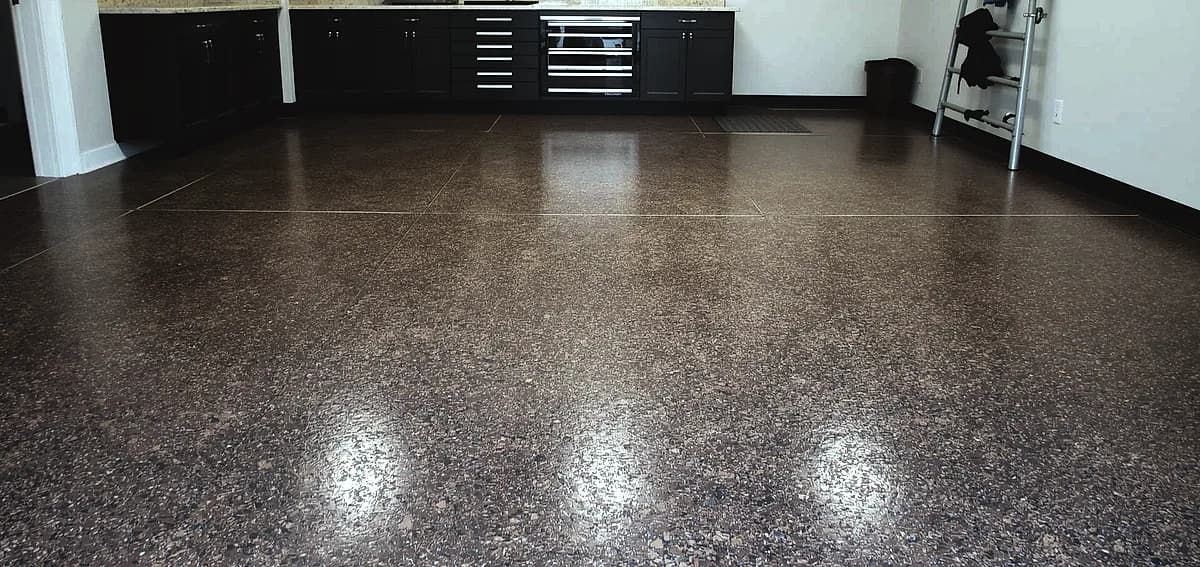
For water-based spills, simple blotting followed by rinsing with clean water suffices. Oil and grease require mild dish soap or specialized degreaser—apply directly to the spill, let sit for 2-3 minutes, then wipe clean and rinse thoroughly. Automotive fluids like gasoline, brake fluid, or antifreeze should be absorbed immediately with rags, then cleaned with appropriate degreaser formulated for epoxy. Even though metallic epoxy resists most chemicals, don’t allow battery acid, paint stripper, or other corrosive substances to remain on the surface—neutralize and clean immediately to prevent damage.
Stain Removal Techniques
Stubborn stains that resist routine cleaning require specialized approaches that won’t damage metallic epoxy’s finish. For oil-based stains, create a paste from baking soda and water, apply to the stain, cover with plastic wrap, and let sit overnight before wiping away—this gentle abrasion lifts stains without scratching. Rust stains respond to commercial rust removers formulated for epoxy surfaces, though always test in hidden areas first to ensure compatibility.
Tire marks from hot tires are common in garage applications and typically respond to degreasing cleaners or isopropyl alcohol applied with soft cloths. For persistent stains, contact the professional installer who applied your floor—they can recommend specific products or techniques based on your coating formulation. Never use paint thinner, lacquer thinner, or other harsh solvents attempting to remove stains, as these will dissolve the topcoat and create far worse damage than the original stain.
Protecting Against Scratches
Preventing scratches preserves metallic epoxy’s mirror-like finish and requires proactive protective measures. Furniture pads under all chair legs, table legs, and heavy furniture items distribute weight and prevent point-loading that can indent or scratch the surface. Self-adhesive felt pads work well for stationary furniture, while wheeled furniture like office chairs should use soft rubber caster wheels rather than hard plastic that gouges epoxy.
Entry mats at doorways capture sand, gravel, and other abrasive particles before they’re tracked across your metallic floor. Choose mats with non-staining backing to prevent discoloration—some rubber mats contain compounds that yellow epoxy over time. When moving heavy appliances, furniture, or equipment, use appliance dollies or furniture sliders rather than dragging items across the surface. Even cardboard or plywood sheets placed as temporary pathways during moves prevent damage from concentrated weight.
Traffic Management Strategies
Managing foot and vehicle traffic extends metallic epoxy’s lifespan while maintaining appearance between cleanings. Establish “shoes off” policies for residential applications, particularly in luxury homes where maintaining showroom appearance justifies the inconvenience. This single practice eliminates most abrasive dirt and extends time between cleaning.
For commercial applications, designate high-traffic paths and place protective mats or runners in areas experiencing concentrated wear. Warehouse facilities should establish forklift traffic patterns that distribute wear across the floor rather than creating permanent tracks. Parking vehicles in the same garage location every day concentrates tire chemicals and heat in one area, so periodically rotating parking positions distributes wear more evenly. During construction or renovation projects, protect metallic epoxy with heavy-duty floor protection products designed for contractor use.
Seasonal Maintenance in Florida
Florida’s climate presents unique maintenance challenges that affect metallic epoxy’s performance and appearance. During summer’s humid months, increased moisture in the air can create condensation on cool floor surfaces, making floors slippery and attracting dirt. Increase mopping frequency to twice weekly during these periods to maintain safety and appearance. Dehumidifiers help control indoor humidity below 60%, reducing condensation issues and improving overall floor performance.
Hurricane season demands proactive preparation—ensure garage doors seal properly to prevent wind-blown rain from depositing dirt and debris on your metallic floor during storms. After severe weather events, thoroughly clean floors to remove any contaminants before they have time to stain or etch the surface. Winter’s dry season poses fewer challenges but increased visitors during tourist season means more foot traffic requiring more frequent cleaning. Florida’s intense UV exposure affects floors near windows or in outdoor living spaces, making UV-stable topcoats essential during installation and periodic recoating.
Professional Maintenance Services
While daily and weekly maintenance keeps metallic epoxy looking great, periodic professional services preserve long-term performance. Annual professional inspections identify early signs of wear, coating degradation, or adhesion issues before they require expensive repairs. Professional technicians can assess whether your floor needs topcoat reapplication, how traffic patterns are affecting wear, and whether any areas require attention.
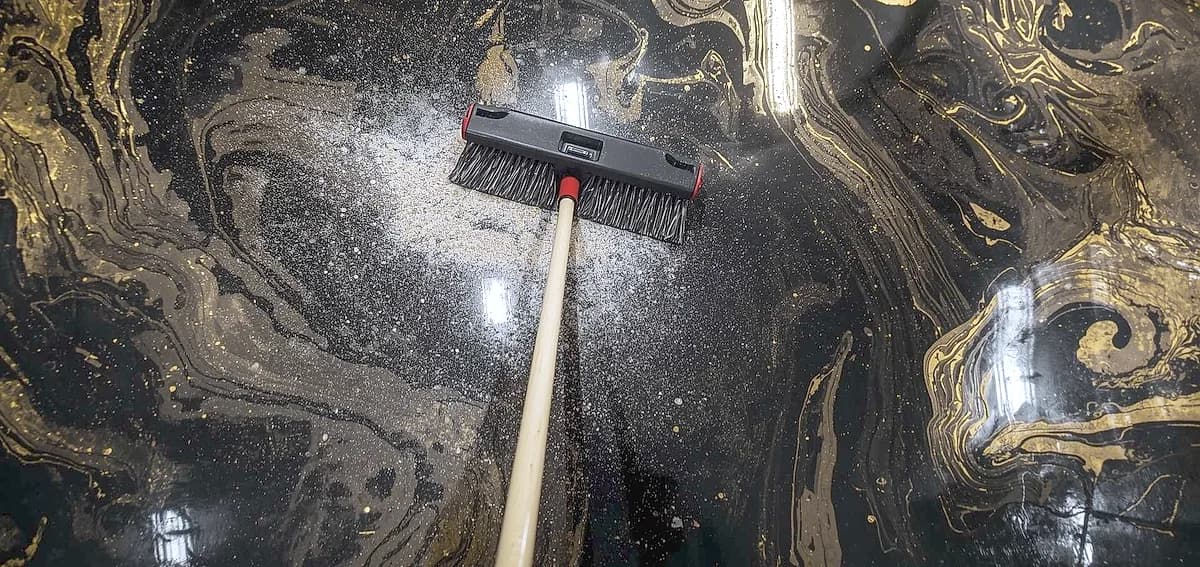
Deep cleaning services using commercial-grade equipment and specialized cleaning agents remove buildup that home maintenance misses, restoring like-new appearance to floors that have lost their luster. topcoat renewal every 5-7 years refreshes protective layers, restores gloss, and extends your floor’s lifespan another decade without complete reinstallation. Professional services include access to commercial equipment like auto-scrubbers and buffing machines that deliver superior results compared to residential tools.
Monthly Maintenance Checklist
Establishing a monthly routine addresses tasks beyond daily and weekly cleaning. Inspect the entire floor for chips, cracks, scratches, or areas where the coating appears to be delaminating—catching these issues early prevents expensive repairs. Check expansion joints if your metallic floor covers large areas to ensure joint fillers remain intact and aren’t allowing moisture infiltration.
Deep clean grout lines if your metallic floor interfaces with tiled areas—dirt accumulation at these transitions detracts from your floor’s appearance. Evaluate furniture pad condition and replace any that have worn through or become contaminated with dirt that could scratch the floor. Review your cleaning supply inventory and restock pH-neutral cleaners, microfiber mops, or other specialized products before you run out. Inspect entry mats for wear or contamination and clean or replace as needed to maintain their protective function.
Long-Term Care Considerations
Maintaining metallic epoxy’s appearance over decades requires attention to factors beyond routine cleaning. UV exposure gradually degrades epoxy topcoats, particularly in windowed areas or outdoor applications—window treatments help minimize this effect, or plan for more frequent topcoat renewal in high-UV areas. Traffic patterns create wear paths that become noticeable over years—rotating furniture placement and using area rugs in high-traffic zones distributes wear more evenly.
Chemical exposure history affects long-term performance—even chemical-resistant epoxy can show cumulative effects from repeated exposure to certain substances. Industrial facilities should maintain logs of what chemicals contact floors to help identify causes if problems develop. Coating age matters—as metallic epoxy approaches 10-15 years, even well-maintained floors may benefit from professional assessment to determine whether topcoat renewal or more extensive renovation makes sense financially and aesthetically.
Common Maintenance Mistakes
Avoiding common errors prevents damage that compromises metallic epoxy’s appearance and longevity. Using too much cleaning product is perhaps the most frequent mistake—more soap doesn’t mean cleaner floors, it creates residue that dulls the finish and requires extra rinsing. Allowing water to pool creates water spots and potential slip hazards—always mop with damp rather than soaking wet mops.
Ignoring manufacturer recommendations for cleaning products and techniques voids warranties and may cause damage that could have been prevented. Using abrasive tools even occasionally can create permanent dullness that ruins metallic effects. Postponing spill cleanup because “epoxy is chemical resistant” still allows staining and damage given sufficient contact time. Dragging furniture without protective pads scratches even durable metallic finishes—take the extra minute to lift or use sliders.
DIY vs Professional Cleaning
Understanding when to handle maintenance yourself versus calling professionals optimizes cost and results. Daily and weekly routine cleaning remains perfectly suitable for DIY—the simple techniques and common products make this an easy homeowner task. Stain removal for common substances also falls within DIY capabilities using the techniques and products discussed.
Professional cleaning makes sense for annual deep cleaning, especially in large commercial spaces where commercial equipment delivers superior results. Restoration services for floors that have lost their shine or developed dull traffic patterns require professional buffing equipment and specialized products. Damage repair including chips, cracks, or delaminated areas demands professional expertise to match metallic effects and achieve seamless repairs. The complete epoxy maintenance schedule balances DIY routine care with strategic professional services that extend lifespan and preserve appearance.
Frequently Asked Questions
How often should I clean metallic epoxy floors?
Sweep or dry mop daily to remove abrasive dirt, wet mop weekly with pH-neutral cleaner, and schedule professional deep cleaning annually for optimal maintenance.
What’s the best cleaner for metallic epoxy floors?
pH-neutral epoxy floor cleaners or very diluted mild dish soap work best—avoid acidic, abrasive, or solvent-based products that damage the finish.
Can I use vinegar to clean metallic epoxy?
No, vinegar’s acidity degrades epoxy resin and dulls the glossy finish—use pH-neutral cleaners specifically formulated for epoxy instead.
How do I remove tire marks from metallic garage floors?
Apply degreaser or isopropyl alcohol with a soft cloth, let sit briefly, then wipe clean and rinse thoroughly with water.
Will furniture scratch my metallic epoxy floor?
Without protective pads, furniture can scratch metallic epoxy—always use felt pads under legs and soft rubber wheels on rolling furniture.
How long does metallic epoxy flooring last with proper care?
Properly maintained metallic epoxy lasts 15-20 years before requiring renewal, with topcoat reapplication every 5-7 years extending lifespan.
Can I use a steam mop on metallic epoxy?
No, steam mops generate heat that can soften or discolor epoxy coatings—stick to traditional damp mopping with pH-neutral cleaners.
What causes metallic epoxy to lose its shine?
Abrasive dirt accumulation, harsh chemical cleaners, UV exposure, and normal wear gradually dull the finish—proper maintenance and periodic topcoat renewal restore gloss.
How do I prevent my metallic floor from yellowing?
Use UV-stable topcoats during installation, minimize direct sunlight exposure with window treatments, and avoid ammonia-based cleaners that cause yellowing.
Should I wax metallic epoxy floors?
No, wax isn’t necessary and creates buildup that dulls the finish—epoxy’s glossy appearance comes from the topcoat, not wax.
Conclusion
Metallic epoxy maintenance requires consistent attention to simple routines that preserve the stunning visual effects and glossy finish that make these floors South Florida’s premier decorative flooring choice. Daily sweeping with soft bristles, weekly mopping with pH-neutral cleaners, and immediate spill cleanup represent the foundation of effective maintenance that extends your floor’s lifespan to two decades while maintaining showroom appearance. Avoiding abrasive tools, harsh chemicals, and common mistakes prevents damage that compromises both aesthetics and performance. Strategic combination of DIY routine care with periodic professional services balances cost-effectiveness against the superior results that specialized equipment and expertise deliver.
National Concrete Polishing provides Pompano Beach, Fort Lauderdale, and Miami metallic epoxy owners with expert maintenance guidance, professional cleaning services, and topcoat renewal that keeps your investment looking spectacular throughout its impressive lifespan. Contact us today to discuss maintenance plans tailored to your specific floor and usage patterns, ensuring your metallic epoxy continues delivering the visual impact that makes your space extraordinary.
Written by

Founder and CEO
Chris Lavin is an esteemed leader in concrete polishing and epoxy coatings with a distinguished 20-year career. As founder and CEO of National Concrete Polishing and owner of Xtreme Polishing Systems, he's renowned for polishing and epoxy coating more floors than anyone globally. Chris is recognized for his innovative approach and commitment to enhancing floor durability and aesthetics. His hands-on experience and technical proficiency make him a respected authority and a valuable resource in the field of floor polishing and coatings.
Same topic
Related articles
All stories
Epoxy & coatings8 min read
DIY vs Professional Epoxy Flooring in Fort Lauderdale
Hardware stores heavily market all-in-one boxes that promise a showroom finish with minimal effort.
Read it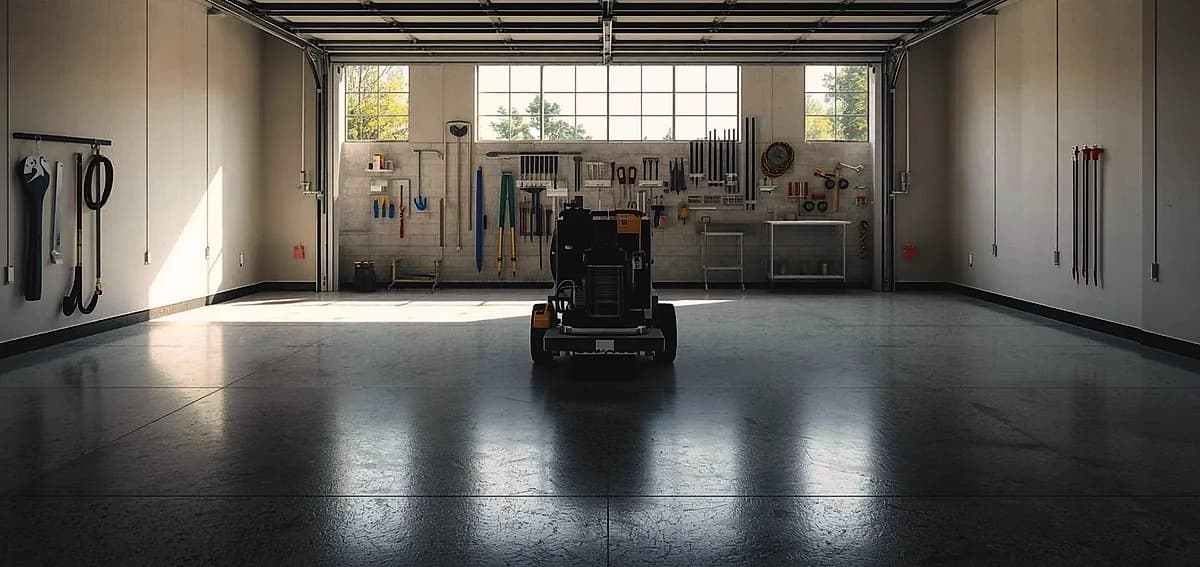
Epoxy & coatings8 min read
Can You DIY Epoxy Flooring in Miami? Pros, Cons, and Tips
Applying a durable floor finish in a tropical or highly humid climate presents unique environmental challenges.
Read it
Epoxy & coatings7 min read
DIY Epoxy Flooring in South Florida: Is It Worth the Risk?
However, these products generally contain high levels of water or solvents to extend their pot life.
Read it
Tell us about the floor
Tell us the space and roughly how big it is.We come back with what it would cost and when we could start.
Prefer to talk? Call +1 844-876-5474
- Leads@
nationalconcretepolishing.net - 2200 NW 32nd St #600,
Pompano Beach, FL 33069 Mon to Fri, 9:00 to 5:30