
The NCP blog
How to Fix Peeling Epoxy Floors in South Florida’s Climate
Epoxy & coatings9 min read
Peeling epoxy floors are one of the most frustrating problems property owners face in South Florida.
Peeling epoxy floors are one of the most frustrating problems property owners face in South Florida. The region’s tropical climate creates conditions that challenge even professional-grade coatings. Understanding how to apply an epoxy floor peeling fix correctly requires knowledge of local humidity patterns, proper surface preparation, and moisture management. This guide explains why epoxy coatings fail in Miami, Fort Lauderdale, and Pompano Beach—and what steps actually work to restore damaged floors.
Overview
South Florida’s average humidity of 73% year-round makes concrete coatings particularly vulnerable to adhesion failure. The region’s tropical monsoon climate brings heavy rainfall from May through October, saturating concrete slabs with moisture. When temperatures exceed 85°F—common from June through September—epoxy curing accelerates before trapped air and moisture can escape. This article covers the primary causes of epoxy peeling, testing methods to diagnose the problem, repair options for different damage levels, and prevention strategies for long-term durability.
Why Epoxy Floors Peel in South Florida
The combination of heat, humidity, and moisture creates a challenging environment for epoxy flooring. Understanding these factors helps property owners make informed decisions about repairs and prevention.
Moisture-Related Failure
Concrete is porous. It absorbs and releases moisture continuously, especially in below-grade or ground-level environments. South Florida’s high water table and frequent rainfall mean concrete slabs often contain excess moisture that migrates upward through a process called vapor transmission. When epoxy coatings trap this moisture, hydrostatic pressure builds beneath the coating. Eventually, this pressure overcomes the bond between the epoxy and concrete, causing the coating to lift and peel.
The ASTM International standard F1869 measures moisture vapor emission rate (MVER), quantifying how much water evaporates from 1,000 square feet of concrete in 24 hours. Industry standards recommend MVER readings below 3 lbs before applying standard epoxy coatings. In humid climates, readings up to 4.5 lbs may be acceptable when using moisture-tolerant systems.
Temperature and Humidity Effects
Epoxy requires specific conditions to cure properly. High humidity slows chemical curing, while temperatures above 90°F cause premature hardening. Both scenarios weaken the coating’s structural integrity. Miami’s summer temperatures regularly exceed 90°F, with humidity levels reaching 78% in September. These conditions trap air and moisture in the coating before it fully hardens, creating weak spots that eventually fail.
Professional installers monitor weather forecasts and adjust formulas for local conditions. They often use dehumidifiers and schedule applications during cooler morning hours to achieve optimal curing. DIY installations frequently fail because homeowners underestimate the importance of environmental control during application and curing. For more details on how climate affects installations, see this resource on moisture barriers.
Surface Preparation Problems
Inadequate surface preparation accounts for a significant portion of epoxy failures. Dust, grease, oil, and debris prevent proper adhesion. Concrete surfaces that are too smooth lack the texture needed for mechanical bonding. The Concrete Surface Profile (CSP) should measure between 3 and 5 for most epoxy applications, creating sufficient roughness without compromising structural integrity.
Diamond grinding achieves the proper profile while removing contaminants. Learn more about proper preparation in our concrete grinding guide. Skipping this step or using inadequate methods leads to premature coating failure regardless of the epoxy quality used.
Diagnosing Epoxy Floor Damage
Before attempting repairs, determine the extent and cause of the damage. This assessment guides whether spot repairs will suffice or complete recoating is necessary.
Localized vs. Widespread Failure
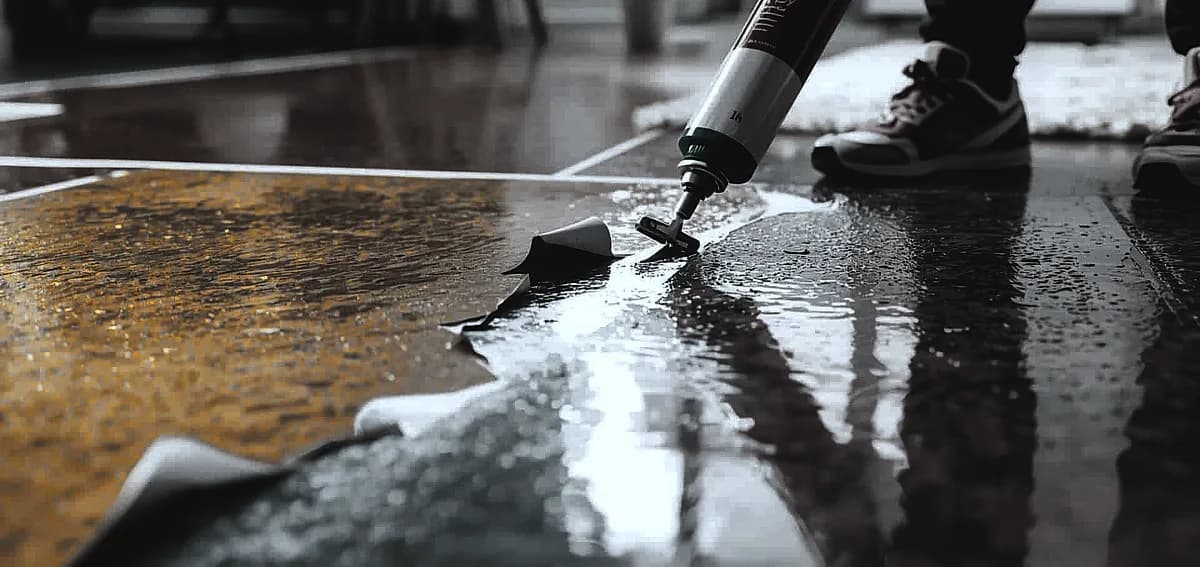
Peeling confined to edges, corners, or areas near doors often indicates localized moisture intrusion. These spots are typically repairable without removing the entire coating. However, if peeling appears across multiple areas or in the center of the floor, the entire coating system likely failed to adhere properly. In these cases, grinding off the existing coating and starting fresh is the only reliable solution.
Moisture Testing
Two primary testing methods help diagnose moisture problems. The calcium chloride test (ASTM F1869) measures surface vapor emission by placing a sealed calcium chloride dish on the concrete for 60-72 hours. The weight change indicates how much moisture evaporated during that period. This test provides reliable readings for standard concrete but does not work for lightweight concrete or previously coated surfaces.
The in-situ relative humidity test (ASTM F2170) provides more accurate data by measuring humidity at 40% of the slab depth. Probes inserted into drilled holes capture readings from within the concrete rather than just the surface. This method reveals concentrated moisture that surface tests may miss. Industry standards recommend relative humidity below 75% for standard epoxy applications.
Repair Options by Damage Level
Minor Damage: Spot Repairs
When peeling affects less than 10% of the floor surface and occurs only along edges or isolated areas, spot repair may be effective. The process involves several steps. First, sand or grind the affected area and feather the edges of surrounding intact coating. Next, clean thoroughly to remove all dust and debris. Apply a bonding primer compatible with the existing coating. Finally, apply matching epoxy, feathering edges to blend with the surrounding surface.
Spot repairs work only when the underlying concrete is sound and the remaining coating is firmly bonded. Test surrounding areas by pressing firmly on the coating—if it lifts or feels soft, the damage extends beyond what’s visible. For detailed guidance, review our epoxy repair process.
Moderate Damage: Section Replacement
When damage affects 10-30% of the floor, section replacement becomes more practical than numerous spot repairs. This approach involves removing all damaged coating in the affected zone, grinding the exposed concrete to proper CSP, applying moisture barrier primer if testing indicates elevated moisture levels, and recoating the section with matching epoxy.
Section replacements require careful blending at transition points to prevent visible seams. Professional installers achieve this by feathering edges and matching sheen levels. Results from section repairs depend heavily on addressing the original cause of failure—if moisture was the issue, installing a vapor barrier primer is essential before recoating.
Severe Damage: Complete Removal and Recoating
Widespread peeling, bubbling throughout the surface, or coating that lifts easily when pressed indicates systemic failure. The only effective solution is complete removal and reapplication. This involves grinding the entire floor to remove all existing coating, conducting thorough moisture testing across multiple points, allowing concrete to dry if readings exceed acceptable levels (which may take weeks in humid conditions), applying vapor barrier primer when moisture mitigation is needed, and installing new epoxy coating system.
Complete removal is more costly upfront but delivers reliable, long-lasting results. Attempting to coat over damaged epoxy simply traps the problem beneath another layer, guaranteeing future failure. For information on alternative coating systems that may perform better in moisture-prone environments, see our comparison of polyaspartic vs epoxy coatings.
Prevention Strategies for South Florida
Preventing peeling costs far less than repairing it. These strategies address South Florida’s specific climate challenges.
Moisture Mitigation Systems
Vapor barrier primers create a moisture-resistant layer between the concrete and topcoat. These 100% solids epoxy primers control vapor emission rates up to 20 lbs/1,000 sq ft/24 hours—far exceeding what standard coatings tolerate. Installing a vapor barrier adds to project cost but provides insurance against moisture-related failures that would cost more to repair later.
For extremely wet conditions, moisture mitigation systems penetrate deeper into the concrete substrate. These specialized treatments chemically react with the slab to reduce vapor transmission at the source rather than just blocking it at the surface. Understanding concrete moisture mitigation is essential for property owners in flood-prone areas.
Seasonal Installation Timing
South Florida’s dry season runs from November through April. During these months, humidity drops to its lowest levels (around 67% in April), rainfall decreases significantly, and temperatures remain moderate enough for optimal curing. Scheduling epoxy installations during this window reduces moisture-related risks substantially.
Conversely, the rainy season from May through October brings daily thunderstorms, elevated humidity (peaking at 78% in September), and saturated soil that increases groundwater pressure on slabs. Installing coatings during this period requires additional moisture control measures and extended drying times. For more insight on timing your project, read about seasonal business timing.
Product Selection for Humid Climates
Not all epoxy products perform equally in tropical conditions. Slow-cure formulas allow trapped air and moisture to escape before hardening. Moisture-tolerant primers adhere to damp surfaces that would cause standard primers to fail. High-solids coatings resist vapor transmission better than thinner products.
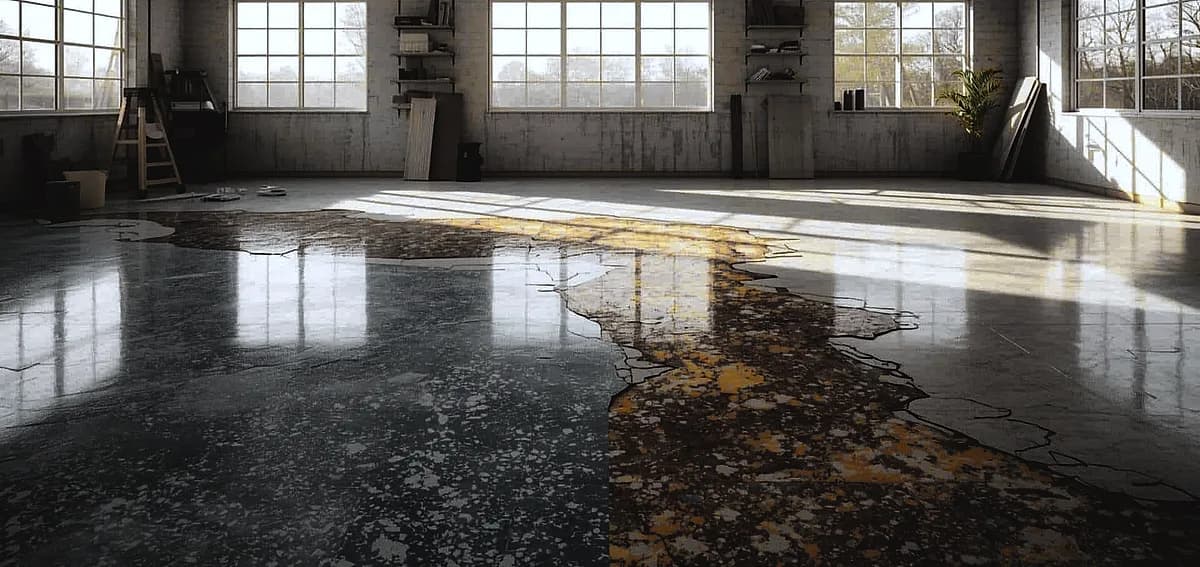
Professional installers adjust resin ratios based on real-time humidity readings and select products formulated for the conditions at hand. This climate-specific approach reduces failure rates dramatically compared to using generic products. Review our epoxy floor warranty information to understand what coverage to expect from professional installations.
Maintenance to Extend Coating Life
Proper maintenance prevents minor issues from becoming major repairs. Keep floors clean of dirt and debris that cause abrasion over time. Address spills promptly—while epoxy resists stains, prolonged contact with chemicals can degrade the surface. Use mild cleaning products; harsh chemicals damage coating integrity.
Opt for dry cleaning methods when possible. If wet cleaning is necessary, ensure complete drying before the floor returns to regular use. Place floor mats at entry points to collect dirt and moisture from shoes. For comprehensive guidance, follow our epoxy floor cleaning recommendations.
Frequently Asked Questions
Can I recoat peeling epoxy without removing the old coating?
Only if the remaining coating is firmly bonded. Test by pressing firmly on the surface. If it lifts or feels soft, complete removal is necessary. Coating over damaged epoxy traps the problem and guarantees future failure.
How long should I wait after rain to apply epoxy?
Wait at least 48-72 hours after significant rain and conduct moisture testing before application. In South Florida’s humid conditions, concrete may take longer to dry to acceptable levels, particularly during the wet season.
Is DIY epoxy repair possible in South Florida?
Small spot repairs are manageable for handy homeowners. However, widespread damage requires professional equipment and climate-specific knowledge. DIY kits often fail within two years in humid environments due to inadequate moisture management.
What causes bubbles in epoxy floors?
Bubbles form when moisture vapor or trapped air rises through the coating during curing. High temperatures accelerate curing before gases can escape. Proper surface preparation and controlled application conditions prevent this issue. See our article on epoxy floor bubbles for details.
How do I test for moisture before epoxy installation?
Use calcium chloride testing (ASTM F1869) or in-situ relative humidity probes (ASTM F2170). Readings should show MVER below 3 lbs/1,000 sq ft/24 hours or RH below 75%. Professional installers conduct multiple tests across the floor area.
Does hot tire pickup cause epoxy peeling?
Hot tire pickup—where car tires stick to and lift coating—occurs with thin, low-quality epoxy. Professional-grade polyaspartic or thick epoxy systems resist this problem. Compare options in our garage floor coating comparison.
What is the best time of year to repair epoxy floors in Miami?
Schedule repairs during the dry season (November through April) when humidity is lowest and rainfall is minimal. This timing allows concrete to dry properly and coatings to cure without moisture interference.
How long does epoxy floor repair take?
Small spot repairs may be complete in one day. Section replacements take 2-3 days. Complete removal and recoating requires 3-5 days for application plus 7 days before heavy use. Moisture remediation can extend timelines significantly.
Are polyaspartic coatings more resistant to peeling than epoxy?
Polyaspartic coatings cure faster and offer greater flexibility, making them more forgiving in humid conditions. They resist UV yellowing better than standard epoxy. However, they still require proper moisture control and surface preparation. Learn more about polyaspartic coatings.
What warranty coverage should I expect for epoxy floor repairs?
Professional installations typically include warranties ranging from 5-15 years depending on product and application type. Review warranty terms carefully—some exclude moisture-related failures if proper testing was not documented. Our warranty terms page outlines what to look for.
Sources
Written by

Founder and CEO
Chris Lavin is an esteemed leader in concrete polishing and epoxy coatings with a distinguished 20-year career. As founder and CEO of National Concrete Polishing and owner of Xtreme Polishing Systems, he's renowned for polishing and epoxy coating more floors than anyone globally. Chris is recognized for his innovative approach and commitment to enhancing floor durability and aesthetics. His hands-on experience and technical proficiency make him a respected authority and a valuable resource in the field of floor polishing and coatings.
Same topic
Related articles
All stories
Epoxy & coatings8 min read
DIY vs Professional Epoxy Flooring in Fort Lauderdale
Hardware stores heavily market all-in-one boxes that promise a showroom finish with minimal effort.
Read it
Epoxy & coatings8 min read
Can You DIY Epoxy Flooring in Miami? Pros, Cons, and Tips
Applying a durable floor finish in a tropical or highly humid climate presents unique environmental challenges.
Read it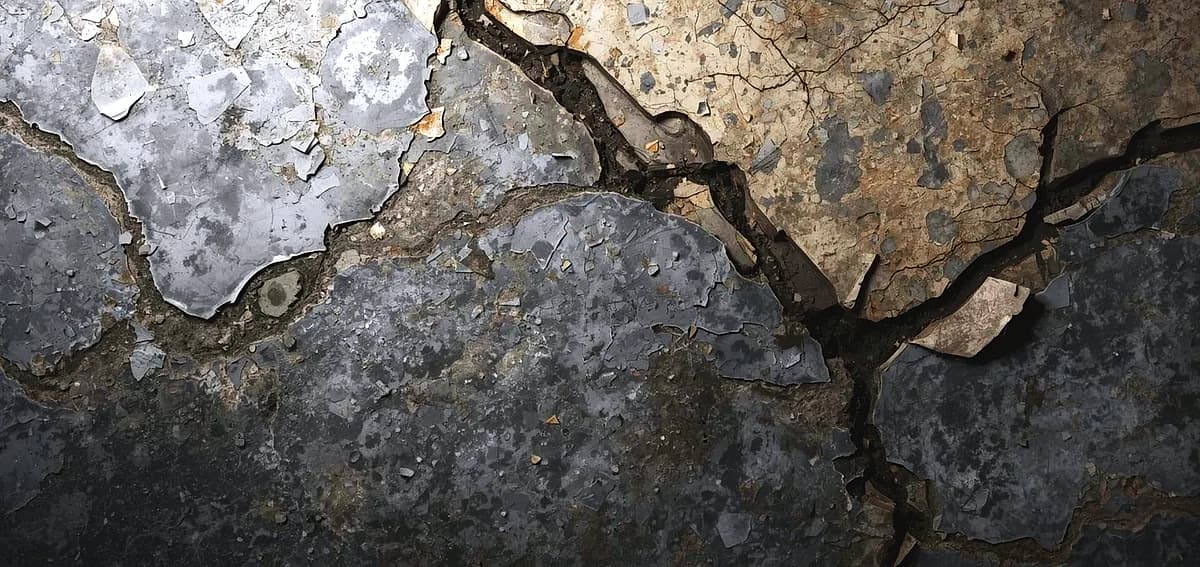
Epoxy & coatings7 min read
DIY Epoxy Flooring in South Florida: Is It Worth the Risk?
However, these products generally contain high levels of water or solvents to extend their pot life.
Read it
Tell us about the floor
Tell us the space and roughly how big it is.We come back with what it would cost and when we could start.
Prefer to talk? Call +1 844-876-5474
- Leads@
nationalconcretepolishing.net - 2200 NW 32nd St #600,
Pompano Beach, FL 33069 Mon to Fri, 9:00 to 5:30