
The NCP blog
Should You Rent or Buy Concrete Polishing Equipment in Florida?
Polished concrete11 min read
Dust collection systems attach to grinders to capture silica dust and maintain clean, OSHA-compliant work environments.
Concrete polishing equipment rental offers Florida contractors and business owners a flexible alternative to purchasing expensive machinery, with daily rates starting around $300 and weekly or monthly options providing significant savings for short-term projects. Whether you’re a seasoned concrete professional expanding your services or a property owner tackling a one-time polishing project, the decision between renting and buying equipment impacts your budget, project timeline, and long-term business strategy. Understanding the costs, benefits, and limitations of each approach helps you make informed decisions that align with your specific needs in Florida’s competitive concrete finishing market.
Overview
This comprehensive guide examines the critical factors Florida contractors and property owners must consider when deciding between renting and purchasing concrete polishing equipment. You’ll learn about rental costs versus ownership expenses, equipment maintenance responsibilities, tax implications, and how project frequency influences the best choice. We’ll also explore the types of polishing equipment available, storage considerations, and how Florida’s climate affects equipment longevity and performance.
Understanding Concrete Polishing Equipment Types
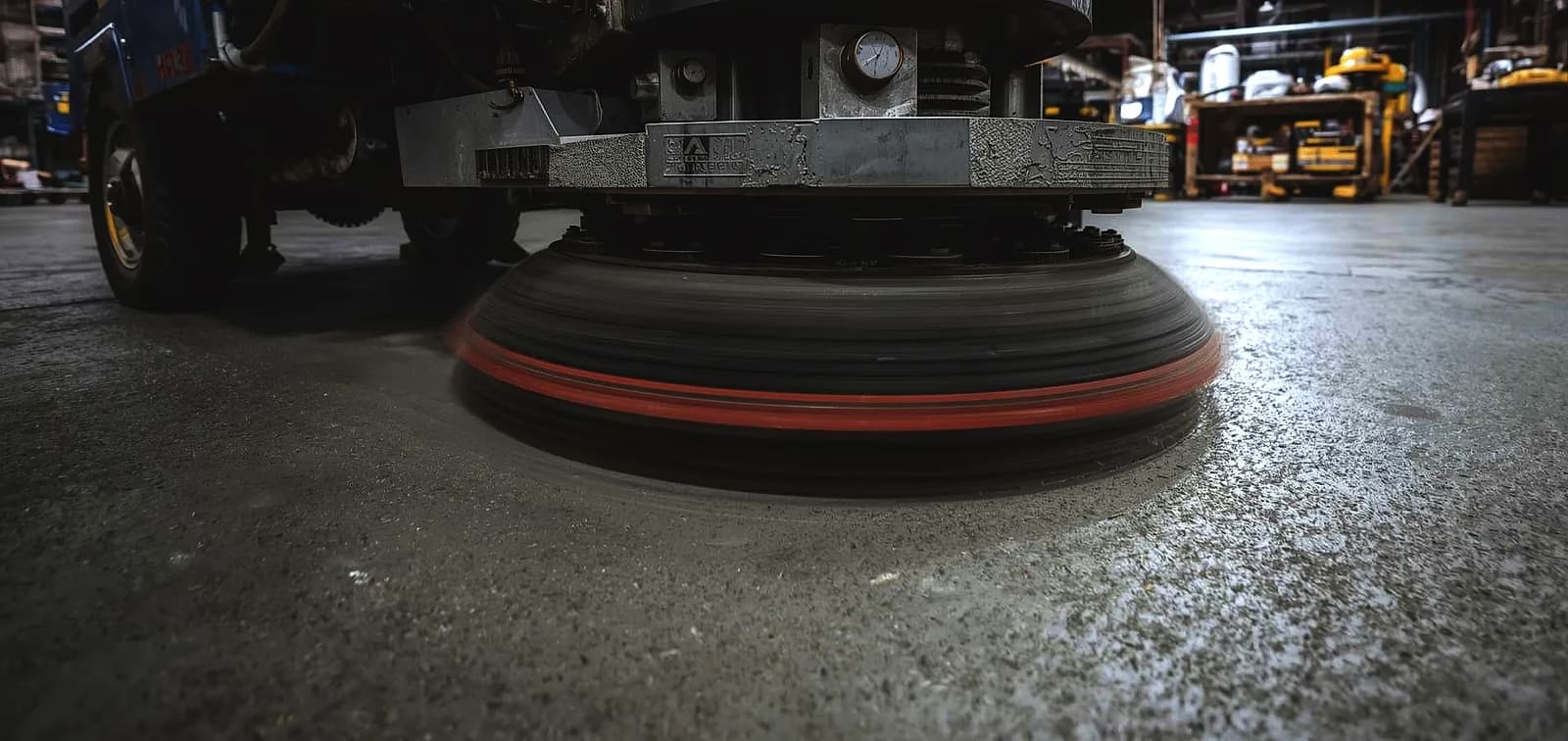
Concrete polishing equipment rental encompasses several machine categories that serve different project requirements and surface areas. Walk-behind planetary grinders are the most common for commercial and residential projects, featuring multiple grinding heads that create smooth, polished surfaces. Single-head grinders work well for smaller areas, edges, and detail work where maneuverability matters more than coverage speed.
Heavy-duty dual-head machines handle large commercial spaces like warehouses, retail stores, and industrial facilities where productivity determines profitability. Edge grinders reach corners and perimeter areas that larger machines cannot access. Dust collection systems attach to grinders to capture silica dust and maintain clean, OSHA-compliant work environments. Understanding which equipment your concrete polishing project requires helps determine whether rental or purchase makes financial sense.
Rental Cost Breakdown in Florida
Daily rental rates for concrete grinding and polishing equipment start at approximately $300 for basic single-head machines. Weekly rentals typically offer better value, ranging from $900-$1,500 depending on machine size and capabilities. Monthly rates provide the most cost-effective rental option, often ranging from $2,500-$5,000 for professional-grade equipment.
Additional costs include delivery fees, damage waivers, and consumables like diamond grinding pads that wear down during use. Dust collection vacuum systems add $100-$300 to daily rental costs. Florida rental companies may offer package deals that include grinders, edge machines, and dust collectors at discounted combined rates. Transportation costs vary by distance from rental locations in Miami, Fort Lauderdale, Tampa, and other major Florida cities.
Purchase Price Considerations
New concrete polishing equipment represents a significant capital investment that varies widely by machine type and capabilities. Entry-level walk-behind grinders suitable for small commercial projects start around $3,000-$8,000. Mid-range planetary machines with multiple grinding heads range from $10,000-$20,000 and handle most commercial polishing applications.
Heavy-duty industrial grinders designed for large-scale projects and daily professional use cost $20,000-$30,000 or more. Used equipment offers savings of 30-50% but requires careful inspection to assess condition and remaining lifespan. Additional investments include diamond tooling ($500-$2,000), dust collection systems ($2,000-$5,000), and edge grinders ($1,500-$4,000). Financing options spread costs over time but add interest expenses that increase total ownership costs.
When Renting Makes Financial Sense
Rental provides clear advantages for Florida contractors and property owners in specific situations. One-time or occasional projects where equipment sits idle between jobs make rental the obvious cost-effective choice. Testing concrete polishing as a new service offering allows contractors to evaluate demand before committing to equipment purchases.
Projects requiring specialized equipment like large industrial machines for warehouse floors benefit from rental access without storage burdens. Seasonal contractors who work intermittently avoid tying up capital in equipment that generates no income during slow periods. Rental also makes sense when project timelines are uncertain and equipment needs may change, providing flexibility to return machines once work completes.
When Buying Becomes Cost-Effective
Equipment ownership becomes financially advantageous when project volume reaches specific thresholds. Contractors performing concrete polishing services multiple times monthly typically recover purchase costs within 12-18 months through rental savings. Immediate equipment availability enables contractors to schedule jobs without coordinating rental company availability, particularly during peak construction seasons.
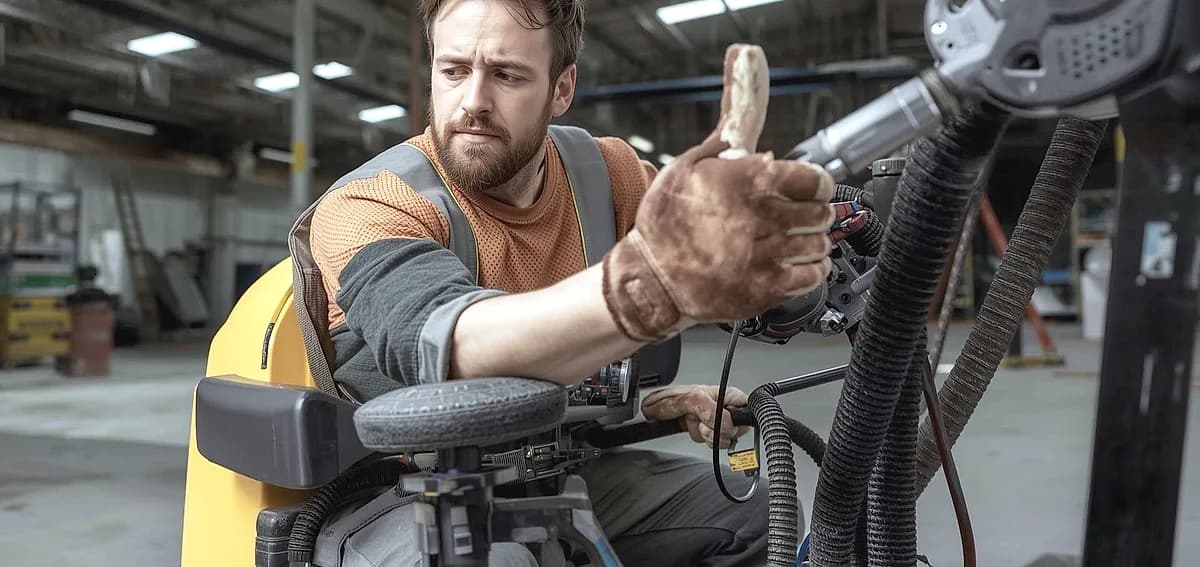
Ownership provides complete control over equipment condition and maintenance schedules, ensuring reliable performance for commercial flooring projects. Building equity in equipment creates business assets that improve balance sheets and support business loan applications. Long-term savings accumulate significantly after recovering initial investment—owned equipment continues generating value while rental costs compound indefinitely.
Maintenance Responsibilities
Rental equipment shifts maintenance burdens to rental companies who must keep machines in working condition to remain profitable. Renters receive equipment that’s been professionally inspected, serviced, and ready for immediate use. Any mechanical failures during rental periods are the rental company’s responsibility, minimizing project delays and unexpected repair costs.
Equipment owners assume all maintenance responsibilities including regular oil changes, bearing replacements, and motor servicing. Proper maintenance extends equipment lifespan but adds labor time and parts costs. Florida’s humid climate accelerates corrosion and requires diligent cleaning and storage practices to prevent rust damage. Owners must maintain adequate parts inventory and have backup plans when equipment failures occur during critical project phases.
Storage & Transportation Factors
Equipment ownership requires dedicated storage space that protects machines from Florida’s weather elements. Humidity, salt air in coastal areas, and temperature fluctuations damage equipment left outdoors or in unprotected areas. Climate-controlled storage facilities add monthly costs but preserve equipment value and reliability.
Transporting heavy concrete polishing equipment requires trucks or trailers capable of safely hauling machines weighing 200-1,000+ pounds. Rental companies typically offer delivery and pickup services included in rental fees or available for additional charges. Owners must invest in appropriate vehicles and trailer systems or pay transportation services for each job site move. Frequent job site changes increase transportation costs and logistical complexity for equipment owners.
Access to Latest Technology
Renting provides access to the newest concrete polishing technology without obsolescence risks. Rental fleets rotate equipment regularly, ensuring renters work with modern, efficient machines featuring the latest dust control, grinding capabilities, and operator comfort improvements. This access enables contractors to offer clients advanced polishing techniques without capital investments.
Equipment owners may continue using older machines beyond their optimal productive lifespan, sacrificing efficiency and job site productivity. Technology advances in grinding efficiency, dust collection, and operator features can leave owned equipment functionally obsolete even when mechanically sound. Replacing outdated equipment requires additional capital outlays that rental avoids entirely.
Tax Implications for Florida Businesses
Equipment rental expenses qualify as fully deductible business operating expenses in the year incurred. This immediate deduction reduces taxable income and provides predictable tax benefits. Rental costs appear as straightforward expense line items that simplify accounting and tax preparation.
Purchased equipment qualifies for depreciation deductions spread over several years according to IRS depreciation schedules. Section 179 allows businesses to deduct the full purchase price of qualifying equipment in the first year, subject to annual limits. Bonus depreciation provisions may allow additional first-year deductions. Consult tax professionals to optimize equipment acquisition strategies based on your specific business tax situation and Florida’s tax environment.
Rental Equipment Availability in Florida
Major Florida cities including Miami, Fort Lauderdale, Tampa, Orlando, and Jacksonville host multiple equipment rental companies stocking concrete grinding and polishing machines. Availability varies by season, with peak construction periods creating equipment shortages that require advance reservations. Smaller markets may have limited rental options necessitating longer transportation distances and higher delivery fees.
Advance booking ensures equipment availability when project schedules demand, particularly for specialized machines or large commercial projects. Rental companies offer various equipment brands and models, though specific machine preferences may not always be available. Establishing relationships with multiple rental providers creates backup options when preferred equipment is unavailable.
Used Equipment Purchase Options
Used concrete polishing equipment offers middle-ground solutions between rental and new equipment purchases. Well-maintained used machines provide 50-70% of new equipment lifespan at 30-50% of new prices. Inspect used equipment thoroughly for wear indicators including motor condition, bearing play, grinding plate wear, and electrical system integrity.
Reputable dealers offer warranties on refurbished equipment, providing some protection against defects and failures. Private party purchases cost less but carry higher risks without warranty protection. Used equipment availability fluctuates based on market conditions—economic downturns increase availability while construction booms reduce used inventory. Factor in potential repair costs when evaluating used equipment value propositions.
Calculating Break-Even Points
Determine your break-even point by dividing equipment purchase price by monthly rental costs. A $15,000 grinder compared to $3,000 monthly rental reaches break-even after five months of continuous use. However, actual break-even periods extend longer when accounting for maintenance, storage, consumables, and opportunity costs of capital.
Conservative break-even analysis adds 20-30% to purchase prices for ownership costs, extending payback periods to 7-8 months in this example. Contractors with steady polishing work volumes typically justify purchases after 12-18 months. Projects occurring less frequently than monthly favor rental approaches. Track actual project frequency and rental expenses to identify when ownership becomes economically advantageous for your specific business.
Insurance & Liability Considerations
Rental agreements require damage waivers or insurance covering equipment loss or damage during rental periods. These protections typically cost 10-15% of rental fees but shield renters from replacement costs for stolen or damaged equipment. Review rental contracts carefully to understand liability limits and exclusions.
Owned equipment requires commercial property insurance covering theft, damage, and loss. Adding equipment to existing business insurance policies typically costs less than rental damage waivers when annualized. However, deductibles apply to claims, potentially leaving owners responsible for partial losses. Equipment theft becomes a significant concern in Florida, requiring secure storage and potentially higher insurance premiums in high-crime areas.
Hybrid Approaches
Smart contractors often employ hybrid rental-ownership strategies that optimize financial performance. Own frequently used equipment like walk-behind grinders for standard commercial polishing projects while renting specialized machines for occasional needs. This approach maximizes ownership benefits for core equipment while avoiding capital tied up in rarely-used machines.
Rent additional equipment during peak seasons when multiple simultaneous projects exceed owned equipment capacity. Purchase entry-level machines first, then add specialized equipment as project demands and cash flow justify expanded investments. Hybrid strategies provide flexibility while building equipment assets that strengthen business positions over time.
Operator Training Requirements
Rental companies typically provide basic operational instruction when delivering equipment but assume renters possess fundamental concrete grinding knowledge. Inexperienced operators risk damaging rental equipment or producing substandard polished concrete results that require costly corrections. Self-education through manufacturer resources and industry training courses helps renters maximize equipment performance.
Equipment owners benefit from manufacturer training programs that optimize machine capabilities and extend equipment lifespan through proper operation. Investing in comprehensive operator training improves concrete polishing quality, reduces equipment wear, and minimizes costly mistakes. Florida concrete industry associations offer training resources that benefit both renters and owners developing professional concrete finishing expertise.
Impact on Project Scheduling
Equipment ownership enables immediate project starts without coordinating rental company schedules and equipment availability. This flexibility proves valuable when accepting rush projects or adjusting to weather delays common in Florida’s subtropical climate. Owned equipment allows contractors to work evenings and weekends without rental surcharges or time restrictions.
Rental dependencies introduce scheduling constraints that may delay project starts or force working around equipment availability windows. Peak construction seasons create equipment shortages that extend lead times for large commercial projects. However, rental’s lower financial commitment provides scheduling flexibility to decline projects when equipment costs exceed profit margins.
Frequently Asked Questions
How much does it cost to rent concrete polishing equipment in Florida?
Daily rentals start at $300, with weekly rates ranging $900-$1,500 and monthly rentals costing $2,500-$5,000 depending on machine size and capabilities.
When should I buy instead of rent concrete polishing equipment?
Purchase makes financial sense when performing concrete polishing projects multiple times monthly, typically reaching break-even within 12-18 months.
Does rental include diamond grinding pads?
Rental fees typically cover machine use only—consumables like diamond grinding pads, which wear during use, are usually charged separately.
Can I rent concrete polishing equipment for just one day?
Yes, most Florida rental companies offer daily rentals starting around $300, though weekly or monthly rates provide better value for longer projects.
What maintenance am I responsible for when renting?
Renters are responsible for basic operation and cleanliness, while rental companies handle mechanical maintenance and repairs during rental periods.
How do I transport rented concrete polishing equipment?
Many Florida rental companies include delivery and pickup in rental fees or offer transportation services for additional charges.
Is used concrete polishing equipment a good investment?
Quality used equipment can provide 50-70% of new machine lifespan at 30-50% of new prices when purchased from reputable dealers with warranties.
What’s the break-even point for buying versus renting?
Break-even typically occurs after 12-18 months of regular use when accounting for purchase price, maintenance, storage, and opportunity costs.
Do rental companies provide training on equipment operation?
Rental companies offer basic operational instruction but assume renters have fundamental concrete grinding knowledge and experience.
Can I rent specialized concrete polishing equipment in Florida?
Yes, major Florida cities have rental companies offering various machines including planetary grinders, edge grinders, and dust collection systems.
Conclusion
The decision between concrete polishing equipment rental and purchase depends on project frequency, capital availability, storage capacity, and long-term business goals. Rental provides cost-effective access for occasional projects, eliminates maintenance burdens, and offers technology flexibility without capital commitment. Equipment ownership becomes advantageous for Florida contractors with steady polishing work, offering long-term savings, immediate availability, and operational control after recovering initial investments. Many successful contractors employ hybrid strategies, owning core equipment while renting specialized machines for specific project requirements.
National Concrete Polishing brings 13+ years of concrete polishing experience serving Florida’s commercial and residential markets with professional-grade concrete grinding equipment and expert techniques. Whether you’re evaluating equipment options or seeking professional polishing services for your Pompano Beach, Miami, or Fort Lauderdale property, contact us today for a free consultation and discover how we can transform your concrete surfaces with beautiful, durable polished concrete floors. Our team can help you understand concrete polishing specifications and ensure your polished concrete results meet the highest industry standards for polished concrete reflectivity.
Written by

Founder and CEO
Chris Lavin is an esteemed leader in concrete polishing and epoxy coatings with a distinguished 20-year career. As founder and CEO of National Concrete Polishing and owner of Xtreme Polishing Systems, he's renowned for polishing and epoxy coating more floors than anyone globally. Chris is recognized for his innovative approach and commitment to enhancing floor durability and aesthetics. His hands-on experience and technical proficiency make him a respected authority and a valuable resource in the field of floor polishing and coatings.
Same topic
Related articles
All stories
Polished concrete11 min read
Polished Concrete vs Epoxy Coatings: Which Floor Is Right for Your Space?
Two systems, two price curves, one slab. What each one costs to install and to keep, and which spaces each one actually suits.
Read it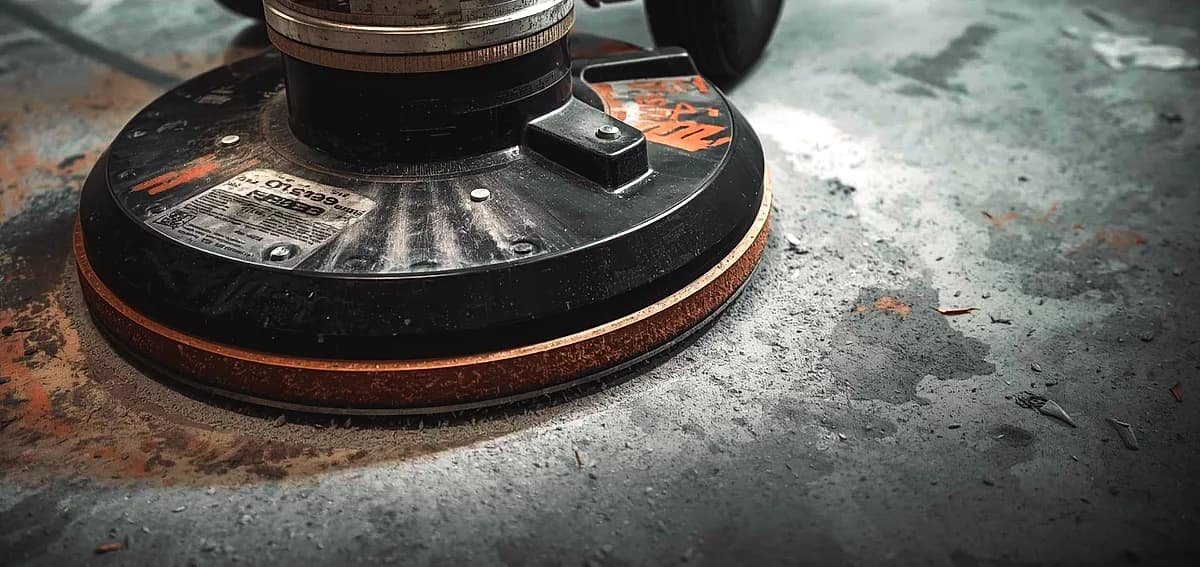
Polished concrete8 min read
What to Know Before Polishing Your Existing Concrete Slab
Before any mechanical refinement can begin, a thorough evaluation of the current foundation is required.
Read it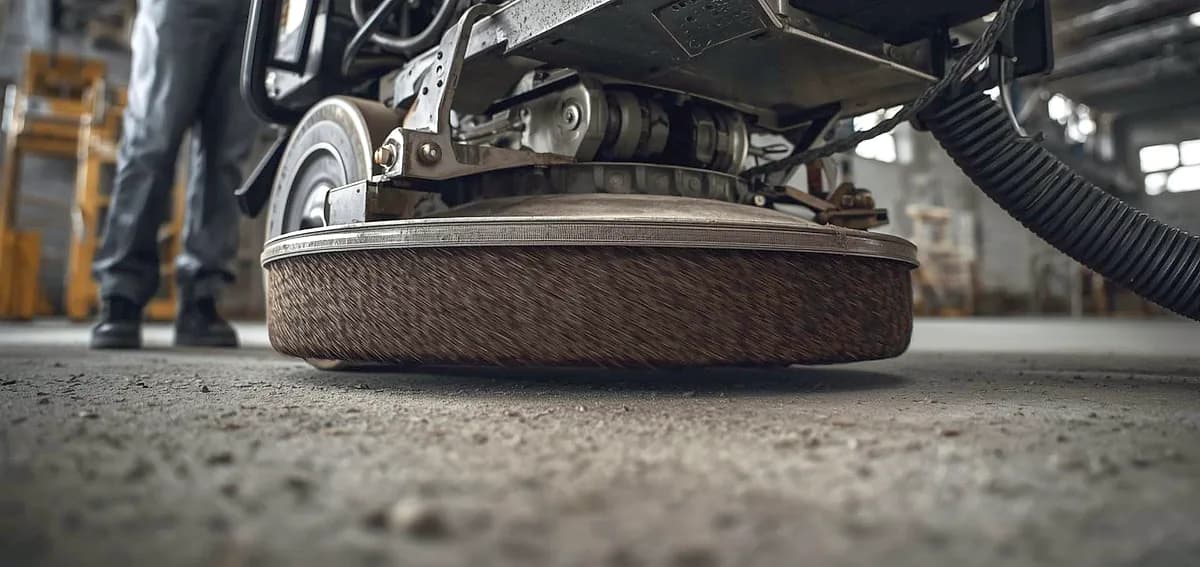
Polished concrete8 min read
Is Polished Concrete Worth the Investment for Miami Properties?
It is essential to distinguish between a simple topical seal and mechanically refined concrete.
Read it
Tell us about the floor
Tell us the space and roughly how big it is.We come back with what it would cost and when we could start.
Prefer to talk? Call +1 844-876-5474
- Leads@
nationalconcretepolishing.net - 2200 NW 32nd St #600,
Pompano Beach, FL 33069 Mon to Fri, 9:00 to 5:30