
The NCP blog
Low VOC Epoxy Flooring Options for South Florida Homes and Businesses
Residential14 min read
A floor that off-gasses minimal chemicals directly supports respiratory health and overall well-being.
Low VOC epoxy flooring delivers a durable, seamless surface without the harsh chemical fumes associated with traditional coatings. By using formulations with reduced volatile organic compounds, these systems create safer indoor environments for families, employees, and customers. In South Florida’s humid climate, where doors and windows stay shut to keep air conditioning in, indoor air quality becomes paramount. A floor that off-gasses minimal chemicals directly supports respiratory health and overall well-being.
What Defines a Low VOC Epoxy Floor
Volatile organic compounds are carbon-based chemicals that evaporate at room temperature. In epoxy coatings, VOCs primarily come from solvents used to keep the resin and hardener in liquid form before application. A floor labeled “low VOC” typically meets thresholds set by organizations like the U.S. Environmental Protection Agency or the South Coast Air Quality Management District. According to the EPA, architectural coatings classified as low-VOC must contain fewer than 50 grams of VOCs per liter for non-flat finishes. Many advanced epoxy systems now achieve near-zero VOC levels, especially 100% solids formulations that contain no solvents whatsoever.
The chemistry matters. Traditional solvent-based epoxies rely on volatile carriers that evaporate during curing, releasing pungent odors for days or even weeks. Water-based epoxies replace most solvents with water, slashing VOC content while maintaining excellent adhesion. Solid epoxy systems use reactive diluents that become part of the cured polymer matrix rather than evaporating into the air. As Dr. Elena Torres, a polymer chemist specializing in industrial coatings, explains: “The shift to reactive diluent technology represents the most significant advancement in epoxy flooring in the past decade. It eliminates the trade-off between performance and indoor air quality.”
Why South Florida Demands Low-Emission Flooring
South Florida’s subtropical climate creates unique challenges for interior environments. High ambient temperatures accelerate the rate at which chemicals off-gas from building materials. A study published by the Indoor Air Quality Association found that VOC emission rates can double with every 18-degree Fahrenheit increase in temperature. In Miami-Dade County, where average indoor temperatures hover around 75 degrees year-round, this means a standard epoxy floor could release significantly more chemicals than the same product installed in a cooler climate.
Humidity compounds the problem. Moisture-laden air traps VOCs, preventing them from dispersing. Homes and businesses that run air conditioning continuously recirculate indoor air, concentrating any pollutants released by flooring, furniture, and paint. For residents with asthma, allergies, or chemical sensitivities, this creates a persistent health burden. The American Lung Association has documented that indoor air can be two to five times more polluted than outdoor air, with flooring materials contributing to that load when not carefully selected.
Building codes in cities like Fort Lauderdale and West Palm Beach increasingly reference green building standards. Many commercial projects now pursue LEED certification, which awards points for using low-emitting materials. A floor with GREENGUARD Gold certification satisfies the credit requirements for indoor environmental quality. This regulatory trend pushes architects and contractors toward low VOC solutions as the default specification rather than an upgrade.
Types of Low VOC Epoxy Systems
Three primary categories of low-emission epoxy flooring dominate the market. Each offers distinct advantages depending on the application environment and performance requirements.
Water-Based Epoxy Coatings
Water-based epoxies use water as the primary carrier instead of organic solvents. VOC levels typically range from zero to 50 grams per liter, making them the most accessible low-emission option. They penetrate concrete surfaces effectively, creating a strong mechanical bond. These coatings cure to a satin or semi-gloss finish and resist hot-tire pickup, a common problem in garages where warm rubber can stick to improperly cured floors. Installation is straightforward: the two components mix easily, and clean-up requires only soap and water. The main limitation is film thickness—water-based systems build thinner coats than their solvent-based counterparts, which may require additional layers for heavy-duty applications.
100% Solids Epoxy
These systems contain no water and no solvents. Every component in the mixture reacts to form the final polymer, resulting in zero VOC emissions during and after curing. The absence of evaporating carriers means the applied thickness equals the cured thickness, eliminating shrinkage and the pinholes that can plague solvent-based floors. According to data from the Epoxy Flooring Institute, 100% solids systems achieve compressive strengths exceeding 10,000 psi, making them suitable for warehouse and industrial settings. The trade-off involves working time: the chemical reaction begins immediately upon mixing, giving installers a limited window—often 20 to 40 minutes—to spread and finish the material before it hardens. This demands experienced crews, particularly in South Florida’s heat, which further accelerates the cure rate.
Polyaspartic and Polyurea Hybrids
While not strictly epoxy, these coatings frequently appear in low VOC flooring discussions because they offer ultra-low emissions with rapid cure times. Polyaspartic systems can be walked on within two hours and accept vehicle traffic the same day. Their VOC content sits near zero, and they resist UV yellowing far better than traditional epoxies—a critical advantage in sun-drenched South Florida rooms with large windows or skylights. The fast cure, however, demands precise application technique. Installers must work quickly and often use specialized equipment. These systems cost more per square foot than water-based epoxies but deliver unmatched durability and speed.
| System Type | VOC Level (g/L) | Cure Time | Best Application | Approximate Cost/sq ft |
|---|---|---|---|---|
| Water-Based Epoxy | 0–50 | 24–48 hours | Residential garages, basements | $3–$6 |
| 100% Solids Epoxy | 0 | 12–24 hours | Commercial kitchens, warehouses | $5–$9 |
| Polyaspartic Hybrid | 0–5 | 2–6 hours | Showrooms, high-traffic retail | $7–$12 |
Health and Safety Benefits
Reducing VOC exposure delivers measurable health outcomes. The immediate effects of high VOC concentrations include eye, nose, and throat irritation, headaches, and dizziness. Long-term exposure to certain compounds like formaldehyde and benzene correlates with increased cancer risk and liver damage, as documented by the World Health Organization. A low VOC epoxy floor eliminates these risks at the source rather than relying on ventilation to dilute pollutants after they enter the air.
For businesses, the benefits extend beyond occupant health. Employees working in environments with better air quality report 11% higher cognitive function scores, according to a study from the Harvard T.H. Chan School of Public Health. Retail spaces with low-emission finishes see customers lingering longer and reporting higher satisfaction. Medical facilities, which must maintain sterile environments, increasingly specify zero-VOC flooring to avoid chemical interactions with sensitive equipment and to protect immunocompromised patients. The requirements for medical facility flooring align closely with the properties of low VOC systems.
Installation Process for Low VOC Epoxy
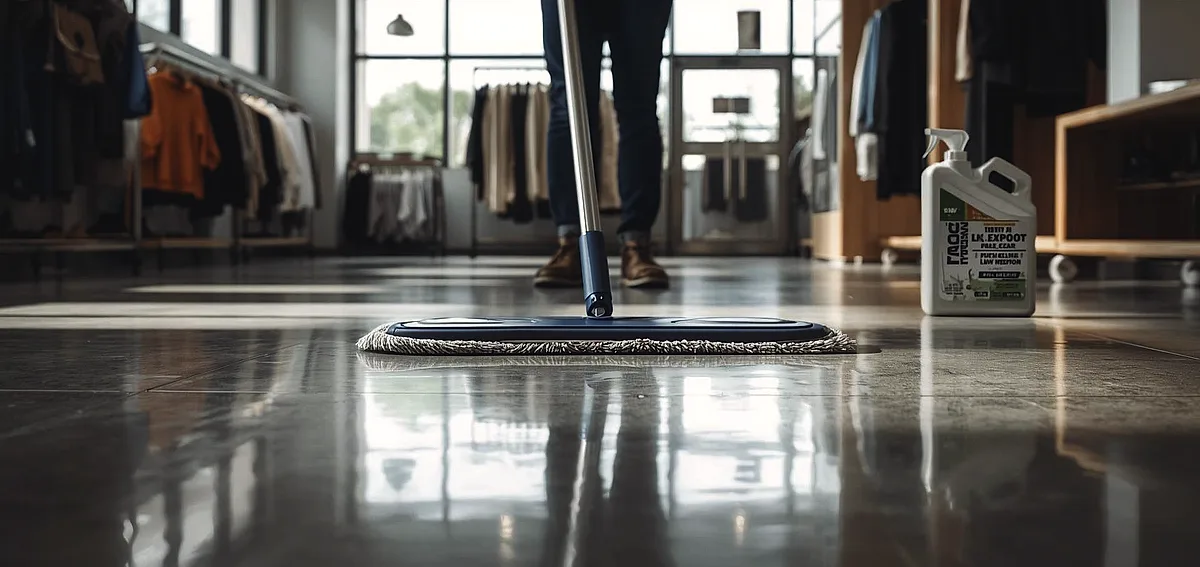
Proper installation determines whether a low VOC floor performs as promised. Cutting corners on surface preparation leads to delamination, bubbling, and premature wear—regardless of the coating’s chemical quality. The process follows a structured sequence that professional installers in South Florida have refined to account for the region’s unique conditions.
- Moisture Testing: Before any coating touches the slab, installers must measure moisture vapor emission rates. Concrete in South Florida constantly battles groundwater intrusion. An acceptable reading falls below 3 pounds per 1,000 square feet per 24 hours using the calcium chloride test. Higher readings demand a moisture-mitigating primer or a full waterproofing system. Understanding why waterproofing matters under epoxy prevents catastrophic failures.
- Surface Profiling: The concrete must achieve a CSP 3-5 profile—a measure of surface roughness—to give the epoxy a mechanical grip. Shot blasting or diamond grinding accomplishes this. Acid etching, once common, introduces moisture and leaves residues that interfere with low VOC formulations.
- Crack and Joint Repair: Existing cracks get routed and filled with a semi-rigid epoxy filler. Control joints require treatment to prevent them from telegraphing through the coating. The spacing of these joints directly affects how the coating system performs over time, as explained in our guide on concrete joint spacing and coating systems.
- Primer Application: A low VOC epoxy primer seals the slab and promotes adhesion. Installers perform adhesion testing on a small area before proceeding to the full floor.
- Body Coat Application: The main epoxy layer goes down at the manufacturer’s specified thickness, typically 10–20 mils for 100% solids systems. Temperature and humidity dictate the working window. South Florida installers often schedule this step for early morning hours when conditions are most stable.
- Topcoat Sealing: A clear, UV-stable topcoat—often a polyaspartic or polyurethane—locks in the color and provides abrasion resistance. This layer also carries the lowest VOC content, ensuring the finished floor emits virtually nothing into the occupied space.
Michael Chen, a certified flooring inspector with 18 years of experience in the Southeast, emphasizes: “I’ve investigated hundreds of floor failures. In 90% of cases, the coating itself wasn’t defective—the preparation was inadequate. With low VOC systems, the margin for error shrinks because you can’t rely on aggressive solvents to etch the surface or thin the material for better flow.”
Comparing Low VOC Epoxy to Other Flooring Options
Homeowners and business operators weighing flooring choices benefit from understanding how low VOC epoxy stacks up against alternatives. Vinyl plank flooring, while popular, often contains phthalates and requires adhesives that off-gas for extended periods. Polished concrete offers zero VOCs but lacks the color and design flexibility of epoxy. The comparison below highlights key differences relevant to South Florida environments.
| Feature | Low VOC Epoxy | Vinyl Plank | Polished Concrete | Ceramic Tile |
|---|---|---|---|---|
| VOC Emissions | Near zero | Moderate (adhesives) | Zero | Low (grout sealers) |
| Moisture Resistance | Excellent | Good | Excellent | Excellent |
| Seamless Surface | Yes | No (seams) | Yes | No (grout lines) |
| Design Options | Unlimited colors, flakes, metallic | Wood and stone looks | Natural concrete tones | Wide variety |
| Lifespan | 15–25 years | 10–20 years | 25+ years | 20–50 years |
| Cost per sq ft | $4–$12 | $3–$8 | $3–$7 | $5–$15 |
For a deeper dive into how epoxy compares with vinyl, our analysis of epoxy flooring versus vinyl in South Florida breaks down the long-term cost and performance differences. Similarly, those considering tile should review the polished concrete versus tile comparison for additional context.
Certifications That Verify Low VOC Claims
Not all “low VOC” labels carry equal weight. Manufacturers can make claims without third-party verification, leaving consumers to trust marketing rather than science. Several independent certification programs test products for chemical emissions and set rigorous standards that products must meet to display their marks.
- GREENGUARD Gold: This UL Environment certification tests for over 10,000 chemicals and limits emissions to levels safe for sensitive environments like schools and hospitals. Products must undergo annual re-certification and random quality audits.
- FloorScore: Developed by the Resilient Floor Covering Institute and SCS Global Services, this standard specifically addresses hard-surface flooring. It certifies compliance with California Section 01350, the most stringent VOC emission standard in the United States.
- LEED v4.1 Compliance: While not a product certification itself, the Leadership in Energy and Environmental Design rating system awards points for using products that meet CDPH Standard Method v1.2 emission requirements. Many low VOC epoxies qualify.
- MAS Certified Green: This program focuses on materials that meet indoor air quality standards for volatile organic compounds, ensuring products contribute to healthier indoor environments.
When evaluating a product, request the technical data sheet and look for these certification logos. A reputable manufacturer will provide documentation without hesitation. The absence of third-party verification, combined with vague marketing language like “environmentally friendly” or “green,” signals a need for deeper investigation.
Maintenance and Longevity
A low VOC epoxy floor requires straightforward maintenance to preserve its appearance and performance. The seamless, non-porous surface prevents dirt, bacteria, and liquids from penetrating, making cleaning efficient. Daily dust mopping removes abrasive particles that can dull the finish over time. Weekly damp mopping with a pH-neutral cleaner keeps the surface glossy without attacking the polymer structure. Harsh chemicals like bleach, ammonia, and acidic cleaners degrade epoxy over time and should be avoided entirely.
South Florida’s sandy soil introduces a specific challenge: fine silica particles act like sandpaper under foot traffic. Entry matting at all exterior doors captures the majority of this grit before it reaches the floor. For commercial spaces, a professional cleaning schedule every three to six months restores the original luster. Our guide to commercial epoxy floor cleaning details the equipment and techniques that extend floor life.
When damage does occur—a dropped tool chips the surface, or a heavy cart gouges the coating—repair is localized and straightforward. The damaged area gets ground down, primed, and recoated, blending with the surrounding floor. This contrasts sharply with tile or vinyl, where a single damaged piece often requires replacing a large section. Understanding the epoxy floor repair process helps owners budget for the rare instances when touch-ups become necessary.
Real-World Application: A South Florida Case Study
A family in Coral Gables renovated their 450-square-foot garage in early 2026, converting it into a home gym and workshop. The existing concrete slab had absorbed decades of oil stains and moisture, creating a persistent musty odor. They selected a water-based low VOC epoxy system with a polyaspartic topcoat after their contractor explained that traditional solvent-based products would force them to vacate the house for at least 72 hours during curing.
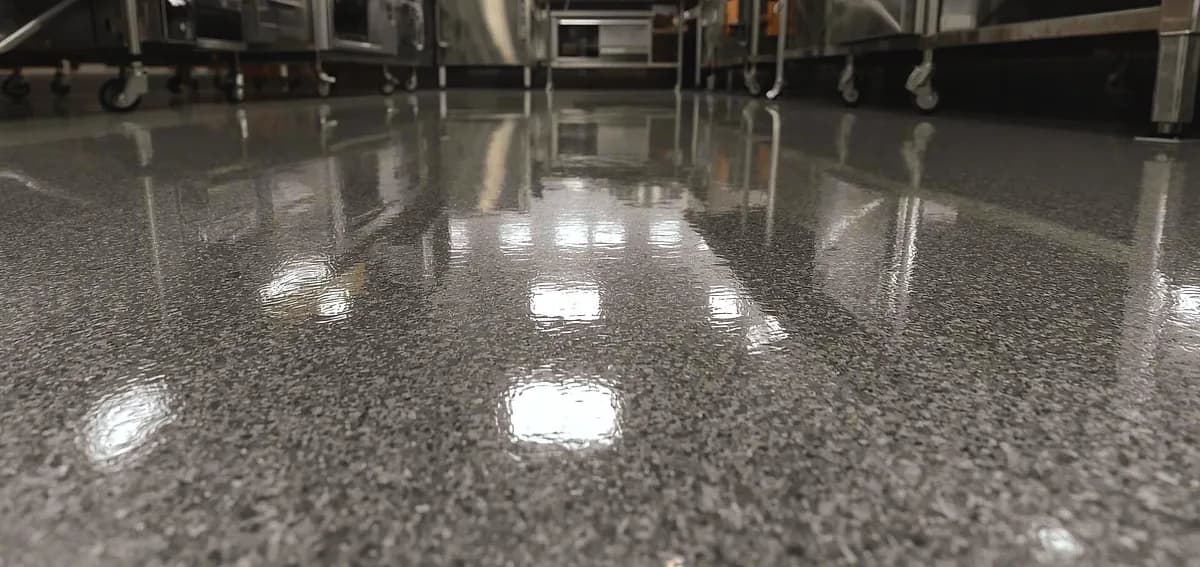
The installation team conducted moisture testing and discovered vapor emissions at 4.2 pounds—above the acceptable threshold. They applied a moisture-mitigating epoxy primer, which brought the slab into specification. The body coat went down in a medium gray with black and white vinyl flakes broadcast to rejection, creating a slip-resistant texture. The clear topcoat sealed the flakes and added UV protection for the garage door windows.
Three months post-installation, the family reports zero chemical odors, even with the garage door closed and the air conditioning running. The floor withstands dropped dumbbells and rolling tool chests without chipping. “My wife has asthma, and she can work out in there for an hour without any breathing issues,” the homeowner noted. “That was the whole point of spending extra on the low VOC option.”
Common Mistakes to Avoid
Even with the best materials, errors during selection and installation undermine a low VOC floor’s performance. Awareness of these pitfalls saves time, money, and frustration.
- Ignoring Moisture Testing: Skipping this step guarantees failure in South Florida. Moisture vapor pushing up from below the slab causes epoxy to delaminate, regardless of VOC content.
- Choosing Based on Price Alone: The lowest bid often comes from contractors who cut corners on preparation or use diluted materials. A floor that fails in two years costs far more than one installed correctly the first time.
- Confusing “Low VOC” with “Non-Toxic”: Low VOC means reduced emissions, not zero risk. Installers still wear protective equipment during application. The cured floor is safe, but the liquid components require careful handling.
- Applying in Extreme Humidity: Epoxy cures through a chemical reaction sensitive to moisture. Installing during South Florida’s rainy season without climate control can cause amine blush—a waxy surface residue that prevents proper adhesion of subsequent coats.
- Neglecting the Topcoat: The color coat alone lacks UV stability and abrasion resistance. A quality topcoat doubles the floor’s lifespan and maintains its appearance.
Frequently Asked Questions
How long do low VOC epoxy floors last in a residential garage?
A professionally installed low VOC epoxy garage floor lasts 15 to 25 years with proper maintenance. The topcoat plays the largest role in longevity, protecting the color layer from UV exposure and abrasion. South Florida garages that see daily vehicle traffic benefit from polyaspartic topcoats, which resist hot-tire pickup and yellowing better than epoxy-only systems.
Can low VOC epoxy be installed over existing tile?
Yes, epoxy can be applied over tile provided the existing surface is sound, clean, and properly profiled. The grout lines must be filled and the tile surface mechanically abraded to create a profile the epoxy can grip. Our detailed guide on installing epoxy over tile in South Florida covers the full preparation sequence.
What is the difference between low VOC and zero VOC epoxy?
Low VOC epoxy contains fewer than 50 grams of VOCs per liter, while zero VOC products contain less than 5 grams per liter. In practice, 100% solids epoxy systems achieve true zero VOC because they contain no solvents that can evaporate. Water-based systems typically fall in the low VOC category, with some formulations approaching zero.
Is low VOC epoxy safe for homes with babies and pets?
Once fully cured, low VOC epoxy is completely safe for infants and animals. The curing process typically completes within 24 to 72 hours, depending on the system. During installation, occupants should remain out of the area. After curing, the floor emits negligible chemicals and provides a seamless surface that resists bacteria, allergens, and pet accidents.
How does humidity affect low VOC epoxy installation?
High humidity slows the evaporation of water from water-based systems and can cause amine blush in 100% solids epoxies. Professional installers in South Florida monitor dew point and relative humidity throughout the application process. They may use dehumidifiers, postpone installation during particularly humid weather, or select fast-cure formulations that are less sensitive to ambient moisture.
Do low VOC epoxy floors qualify for green building credits?
Yes, low VOC epoxy floors with GREENGUARD Gold or FloorScore certification contribute to LEED v4.1 credits for low-emitting materials. They also support compliance with CALGreen and other state-level green building codes. Documentation from the manufacturer must confirm the specific certification and emission test results.
Can I apply low VOC epoxy myself, or do I need a professional?
While DIY kits exist, achieving a durable, attractive result requires equipment and experience that most homeowners lack. Concrete grinding machinery, moisture testing equipment, and the skill to apply coatings at consistent thickness are essential. Professional installation includes warranties that protect against defects and premature wear. For those considering the investment, reviewing an epoxy floor preparation checklist illustrates the scope of work involved.
Conclusion
Low VOC epoxy flooring represents a convergence of performance and health consciousness that suits South Florida’s unique environmental conditions. By eliminating the solvents that compromise indoor air quality, these systems provide durable, beautiful floors without the trade-offs that once defined the epoxy category. From residential garages transformed into livable spaces to commercial kitchens requiring seamless, sanitary surfaces, the applications span the full spectrum of building types.
The key to success lies in product selection verified by third-party certifications, installation by experienced professionals who understand moisture management, and maintenance routines that preserve the floor’s integrity. As building codes tighten and awareness of indoor air quality grows, low VOC epoxy moves from a niche preference to the standard specification for forward-thinking property owners. For personalized guidance on selecting and installing the right low VOC flooring system for your space, contact our team today to schedule a consultation.
References
- U.S. Environmental Protection Agency. “Volatile Organic Compounds’ Impact on Indoor Air Quality.” epa.gov
- UL Environment. “GREENGUARD Certification Program.” ul.com
- Resilient Floor Covering Institute. “FloorScore Certification Standard.” rfci.com
- Harvard T.H. Chan School of Public Health. “Cognitive Function and Indoor Air Quality Study.” hsph.harvard.edu
- World Health Organization. “Indoor Air Quality Guidelines.” who.int
- American Lung Association. “Indoor Air Quality and Health.” lung.org
- Indoor Air Quality Association. “Temperature Effects on VOC Emissions.” iaqa.org
- SCS Global Services. “Indoor Air Quality Certification Programs.” scsglobalservices.com
Written by

Founder and CEO
Chris Lavin is an esteemed leader in concrete polishing and epoxy coatings with a distinguished 20-year career. As founder and CEO of National Concrete Polishing and owner of Xtreme Polishing Systems, he's renowned for polishing and epoxy coating more floors than anyone globally. Chris is recognized for his innovative approach and commitment to enhancing floor durability and aesthetics. His hands-on experience and technical proficiency make him a respected authority and a valuable resource in the field of floor polishing and coatings.
Same topic
Related articles
All stories
Residential8 min read
What Restaurants Need to Pass a Health Inspection Floor Check
It endures heavy foot traffic, dropped equipment, boiling water spills, and harsh degreasing chemicals daily.
Read it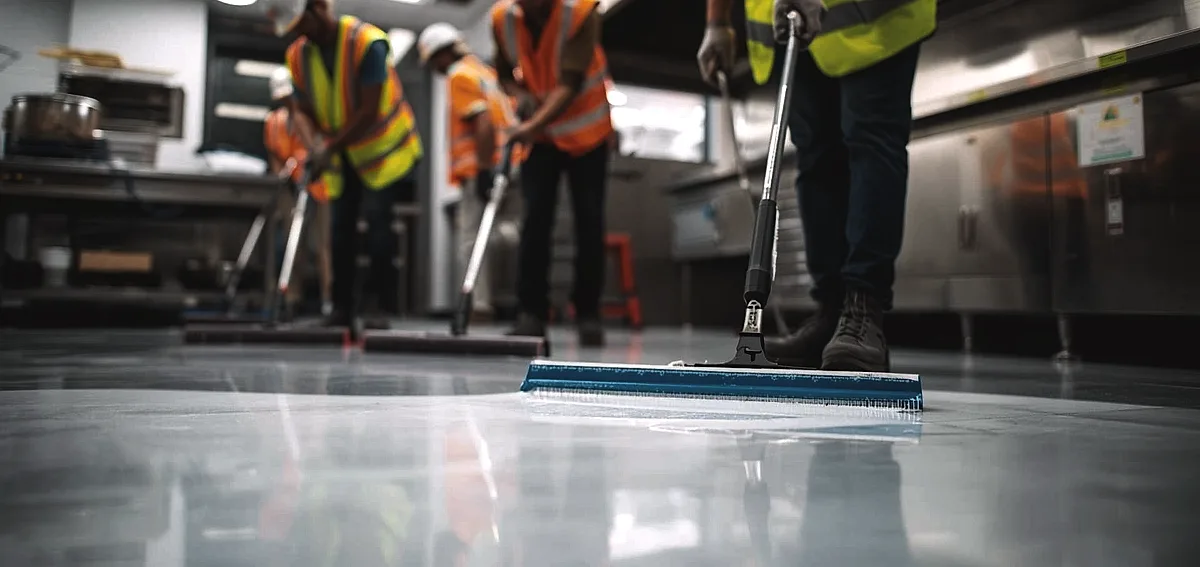
Residential9 min read
How Restaurants Replace Their Floors Without Closing for Long
The average food service establishment loses approximately $3,500 in daily revenue during unexpected closures in 2026.
Read it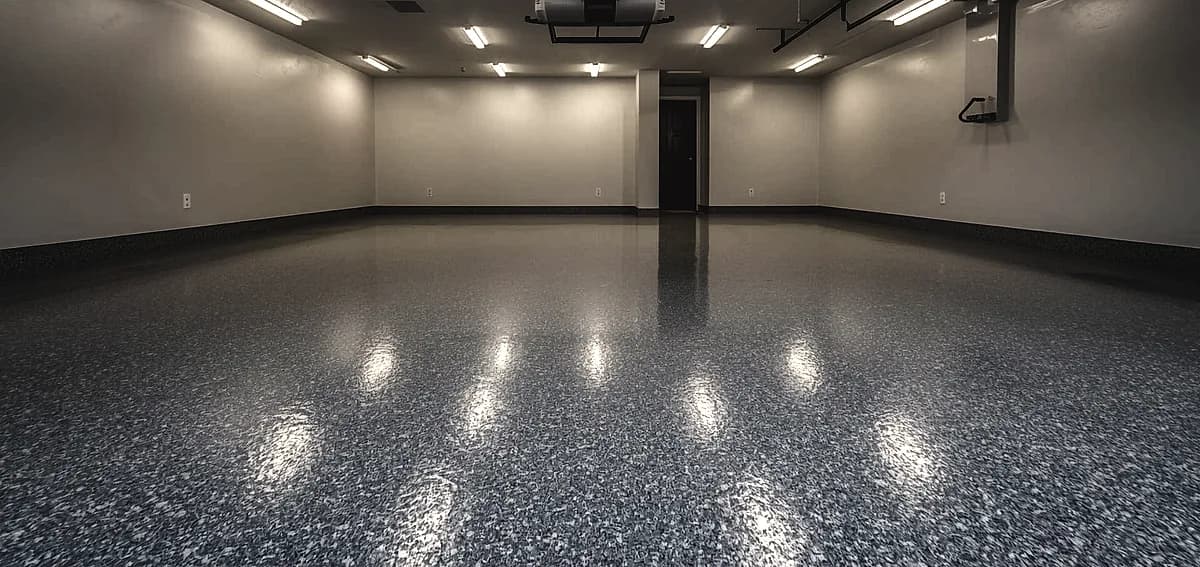
Residential8 min read
Where Polished Concrete Beats Epoxy in a Home (and Where It Doesn’t)
Before evaluating specific rooms, it is essential to understand how these two flooring systems function.
Read it
Tell us about the floor
Tell us the space and roughly how big it is.We come back with what it would cost and when we could start.
Prefer to talk? Call +1 844-876-5474
- Leads@
nationalconcretepolishing.net - 2200 NW 32nd St #600,
Pompano Beach, FL 33069 Mon to Fri, 9:00 to 5:30