
The NCP blog
Eco-Friendly Low VOC Epoxy Flooring for Miami Indoor Spaces
Epoxy & coatings17 min read
Volatile organic compounds encompass a vast group of carbon-based chemicals that evaporate readily at room temperature.
Low VOC epoxy flooring delivers a seamless, durable surface without the harsh chemical fumes that plague traditional resinous coatings. In Miami’s humid, tightly sealed indoor environments, these advanced formulations cure to a hard, glossy finish while releasing minimal volatile organic compounds — often below 50 grams per liter, far surpassing the most stringent green building standards. Homeowners and facility managers across South Florida now prioritize these systems to protect indoor air quality without sacrificing the legendary strength of epoxy.
Understanding Volatile Organic Compounds in Floor Coatings
Volatile organic compounds encompass a vast group of carbon-based chemicals that evaporate readily at room temperature. In epoxy flooring, VOCs primarily originate from solvents and reactive diluents used to achieve workable viscosity. According to the Environmental Protection Agency, indoor concentrations of certain VOCs can be two to five times higher than outdoor levels, making material selection critical for enclosed spaces. Traditional solvent-based epoxies can off-gas for days or even weeks after application, releasing compounds like xylene, toluene, and ethylbenzene into the breathing zone.
The shift toward low-emitting formulations represents a fundamental change in polymer chemistry. Manufacturers now employ advanced resin technologies — including waterborne epoxies, 100% solids systems, and UV-curable coatings — that dramatically reduce or eliminate solvent content. A 100% solids epoxy, for instance, contains no water or solvents whatsoever; every component participates in the curing reaction, leaving virtually nothing to evaporate. Research from the American Coatings Association confirms that these systems can achieve VOC levels below 5 g/L, compared to 250-500 g/L in conventional solvent-based products.
Technical distinction: The term “low VOC” lacks a universal regulatory definition, but industry consensus generally refers to coatings emitting less than 50 g/L of VOCs. Zero-VOC products fall below 5 g/L. In practice, even zero-VOC epoxies may emit trace amounts of compounds during the initial cure, though these dissipate within hours rather than days. For Miami property owners, understanding these thresholds helps navigate product specifications and green building certification requirements.
Why Miami Indoor Spaces Demand Low-Emission Flooring
Miami’s subtropical climate creates unique indoor environmental conditions that amplify the importance of low-emitting building materials. High ambient humidity, frequent rainfall, and year-round air conditioning use mean that interior spaces remain sealed for extended periods. When outdoor humidity exceeds 80% — a common occurrence from June through October — opening windows introduces moisture rather than fresh air. In this context, any off-gassing from flooring materials concentrates indoors, potentially affecting occupant health and comfort for weeks.
According to the National Oceanic and Atmospheric Administration, Miami averages over 60 inches of rainfall annually, with dew points regularly exceeding 70°F. These conditions accelerate the hydrolysis of certain epoxy components if moisture penetrates the slab, but they also slow the evaporation of solvents from traditional coatings. A solvent-based epoxy applied in a Miami high-rise condo might require extended ventilation periods, during which residents must vacate the premises. Low VOC alternatives eliminate this disruption, often allowing same-day re-entry after installation.
The region’s building stock further reinforces the need for low-emission solutions. Many Miami condominiums, particularly those constructed during the boom years of the 1970s and 1980s, feature concrete slabs with limited vapor barriers. Moisture vapor transmission through these slabs can interact with solvent-laden coatings, causing blistering, delamination, and prolonged off-gassing. As Dr. Elena Marquez, a building scientist at the University of Florida’s Shimberg Center for Housing Studies, explains: “In coastal Florida, we consistently see moisture-driven failures in conventional epoxy systems. Low VOC, high-solids formulations provide a more robust solution because they form a denser, less permeable film that resists both moisture ingress and chemical emission.”
Types of Low VOC Epoxy Flooring Systems
The market now offers several distinct categories of low-emitting epoxy flooring, each suited to different applications and performance requirements. Understanding these options helps property owners make informed decisions aligned with their specific needs.
Water-Based Epoxy Coatings
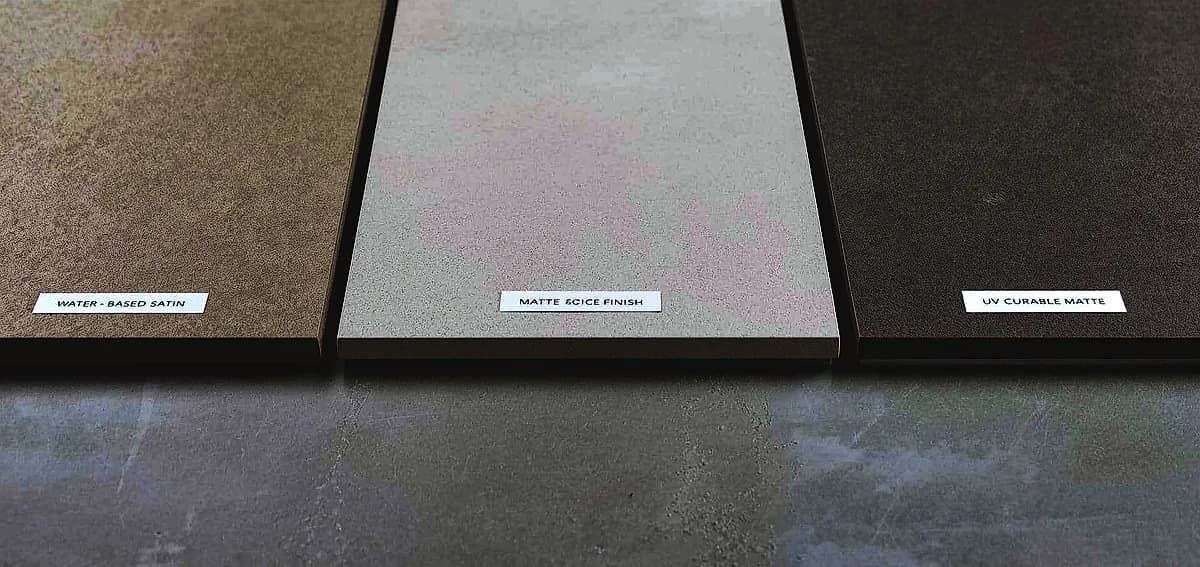
Waterborne epoxies use water as the primary carrier instead of organic solvents. These systems typically emit less than 50 g/L of VOCs and offer excellent adhesion to properly prepared concrete. They penetrate porous substrates effectively, creating a mechanical bond that resists peeling and blistering. Water-based epoxies cure to a satin or semi-gloss finish and work well in residential settings, light commercial spaces, and areas where odor sensitivity is paramount. Their lower viscosity allows for easy application, though they generally require two to three coats to achieve full film build.
100% Solids Epoxy Systems
These formulations contain no water or solvents — every component reacts to form the cured film. VOC content approaches zero, often measuring below 5 g/L. The chemistry relies on low-viscosity epoxy resins and amine curing agents that flow and self-level without solvent assistance. According to Sherwin-Williams protective and marine coatings division, 100% solids epoxies can achieve compressive strengths exceeding 12,000 psi, rivaling the concrete substrate itself. These systems dominate commercial and industrial applications where maximum durability and chemical resistance are required. They cure rapidly, often within 6-8 hours, and produce a high-gloss, seamless surface that withstands forklift traffic, chemical spills, and heavy footfall.
UV-Curable Epoxy Coatings
An emerging category, UV-curable epoxies cure almost instantly when exposed to ultraviolet light. These single-component systems contain photoinitiators that trigger polymerization upon UV exposure, eliminating the need for solvents or extended cure times. VOC levels are negligible. While primarily used in manufacturing and healthcare settings, UV-curable technology is expanding into residential markets. The instant cure means zero downtime — a significant advantage for occupied Miami homes and operational businesses.
| System Type | Typical VOC Level | Best Applications | Approximate Cost per Sq Ft |
|---|---|---|---|
| Water-Based Epoxy | < 50 g/L | Residential interiors, light commercial, basements | $4 – $6 |
| 100% Solids Epoxy | < 5 g/L | Garages, warehouses, commercial kitchens, industrial | $5 – $8 |
| UV-Curable Epoxy | < 5 g/L | Healthcare, retail, occupied residential spaces | $7 – $10 |
| Solvent-Based Epoxy (for comparison) | 250 – 500 g/L | Outdoor or well-ventilated industrial only | $3 – $5 |
Health and Environmental Benefits of Low VOC Epoxy
The primary driver behind low VOC epoxy adoption is indoor air quality protection. The World Health Organization has documented links between VOC exposure and a range of health effects, from eye and respiratory tract irritation to headaches, dizziness, and, in cases of chronic high-level exposure, damage to the liver, kidneys, and central nervous system. Vulnerable populations — children, elderly individuals, and those with asthma or chemical sensitivities — face elevated risks. A study published in the journal Indoor Air found that VOC concentrations in newly renovated homes can remain elevated for up to six months when conventional materials are used.
Beyond immediate health concerns, low VOC flooring contributes to broader environmental goals. The manufacturing processes for water-based and 100% solids epoxies generate fewer hazardous air pollutants compared to solvent-based production. Additionally, many low VOC formulations now incorporate bio-based content — epoxy resins derived from plant oils such as soybean or castor oil — further reducing the carbon footprint. The U.S. Green Building Council’s LEED v4.1 rating system awards credits for low-emitting materials, and low VOC epoxy flooring can contribute to EQ Credit: Low-Emitting Materials when third-party certified.
As Michael Torres, a certified industrial hygienist with the American Industrial Hygiene Association, notes: “When we evaluate flooring for healthcare facilities or schools, VOC content is non-negotiable. We specify products with GREENGUARD Gold certification because it ensures emissions meet stringent chronic exposure limits, not just acute thresholds. For residential applications, the same principle applies — if a product is safe enough for a neonatal intensive care unit, it’s safe enough for a family room.”
Certifications That Validate Low VOC Claims
Navigating manufacturer claims requires familiarity with established third-party certification programs. These organizations test products under standardized conditions and publish emission data, providing objective verification of low VOC performance.
- GREENGUARD Gold: Formerly known as GREENGUARD Children & Schools, this UL Environment certification tests for over 360 VOCs and sets emission limits designed for sensitive environments like schools and healthcare facilities. Products must meet stringent criteria for formaldehyde, phthalates, and total VOCs.
- FloorScore: Developed by the Resilient Floor Covering Institute and SCS Global Services, FloorScore certifies hard surface flooring materials for low VOC emissions. It aligns with California Section 01350, the most rigorous VOC emission standard in the United States.
- LEED v4.1 Compliance: Products that meet CDPH Standard Method v1.2 emission testing can contribute to LEED credits. Many low VOC epoxies carry documentation confirming this compliance.
- Green Seal GS-11: This standard applies to paints and coatings, including floor coatings, and sets VOC content limits along with performance and toxicity requirements.
When evaluating a product, request the manufacturer’s Health Product Declaration or Environmental Product Declaration. These documents disclose ingredients and life-cycle impacts, enabling apples-to-apples comparisons. A legitimate low VOC epoxy will transparently provide this documentation; reluctance to share it often signals inflated claims.
Installation Best Practices for Miami’s Climate
Even the highest-quality low VOC epoxy will underperform if installed incorrectly, particularly in South Florida’s challenging conditions. Moisture management stands as the single most critical factor. Before any coating is applied, the concrete slab must undergo moisture vapor emission testing in accordance with ASTM F2170 (in-situ relative humidity probes) or ASTM F1869 (calcium chloride test). Acceptable levels for most epoxy systems are below 3 pounds per 1,000 square feet per 24 hours or below 75% internal relative humidity.
Surface preparation follows moisture testing. The Concrete Polishing Association of America recommends mechanical profiling — typically diamond grinding or shot blasting — to achieve a surface profile of CSP 2-4, depending on the system. This opens the concrete’s pores, removes laitance and contaminants, and creates the mechanical key necessary for adhesion. Acid etching, while common in DIY applications, often fails to produce consistent profiles and can introduce moisture that interferes with epoxy cure. For Miami properties, professional grinding with industrial dust extraction is the preferred method.
- Moisture Testing: Conduct ASTM F2170 or F1869 testing. If levels exceed manufacturer limits, install a moisture mitigation system such as an epoxy moisture vapor barrier primer.
- Surface Profiling: Diamond grind or shot blast to the specified CSP profile. Remove all dust with HEPA-filtered vacuums.
- Crack and Joint Repair: Fill cracks, control joints, and spalls with a compatible epoxy filler. Allow full cure before proceeding.
- Primer Application: Apply a low VOC epoxy primer at the manufacturer’s specified coverage rate. This seals the substrate and promotes adhesion.
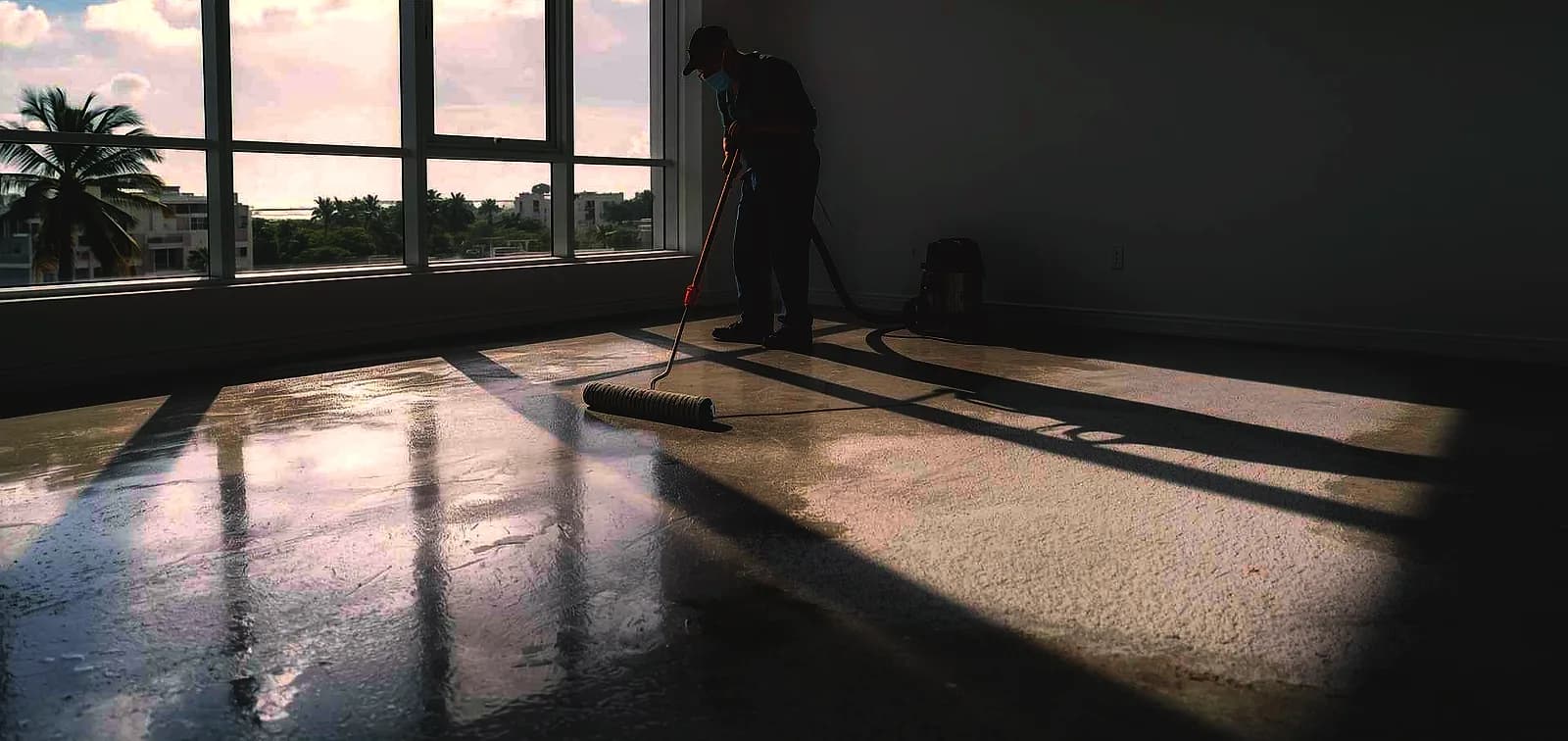
- Body Coat Application: Apply the low VOC epoxy body coat using a squeegee and back-roll technique. Maintain wet edge to avoid lap marks.
- Broadcast (Optional): If a decorative flake or quartz system is specified, broadcast aggregate into the wet body coat.
- Topcoat Application: Apply a clear low VOC polyurethane or polyaspartic topcoat for UV stability and enhanced chemical resistance.
- Cure and Ventilation: Maintain temperature between 60°F and 85°F during cure. Use air movers to ensure adequate air exchange, even with low VOC systems.
Temperature and humidity during application directly affect cure quality. Epoxy cures via an exothermic chemical reaction; ambient temperatures below 55°F slow this reaction dramatically, while temperatures above 90°F can cause the material to set before it self-levels properly. In Miami, early morning applications during cooler months often yield the best results. Relative humidity above 85% can cause amine blush — a waxy surface film that interferes with intercoat adhesion — so installers must monitor conditions continuously.
Comparing Low VOC Epoxy to Alternative Flooring Options
Property owners evaluating flooring options often weigh low VOC epoxy against other popular choices. Each material presents distinct trade-offs in terms of emissions, durability, maintenance, and cost. Understanding these differences clarifies where epoxy excels and where alternatives may be more appropriate.
Luxury vinyl plank and tile products have gained market share due to their low upfront cost and DIY-friendly installation. However, many vinyl flooring products contain phthalate plasticizers and can emit semi-volatile organic compounds over extended periods. A 2023 study by the Healthy Building Network identified ortho-phthalates in over 60% of tested vinyl flooring samples. Epoxy, by contrast, forms an inert, monolithic surface once cured, with no ongoing chemical release. For those comparing these options in detail, our epoxy versus vinyl flooring analysis provides deeper insights.
Polished concrete represents another low-emission alternative, as the mechanical polishing process uses no coatings at all. The result is a durable, reflective surface with zero VOC contribution. However, polished concrete lacks the chemical resistance and seamless waterproofing that epoxy provides. In areas prone to spills — garages, kitchens, commercial spaces — epoxy’s impermeability offers clear advantages. Our comparison of polished concrete versus tile explores these trade-offs further.
Ceramic and porcelain tile, when installed with low VOC adhesives and grouts, emit negligible VOCs. Tile offers excellent durability and design flexibility, but grout lines remain vulnerable to staining and microbial growth — a significant concern in humid Miami environments. Epoxy flooring eliminates grout lines entirely, creating a continuous surface that resists mold and mildew. For commercial kitchens subject to health department regulations, epoxy’s seamless nature simplifies sanitation. Our guide on commercial kitchen floor regulations details these requirements.
Real-World Performance: Miami Case Studies
A 2024 installation at a waterfront condominium in Brickell illustrates the practical benefits of low VOC epoxy. The 1,200-square-foot unit, situated on the 18th floor, required a flooring solution that would not trigger the building’s strict no-odor policies during renovation. The contractor selected a water-based low VOC epoxy system with a matte finish. Moisture testing revealed elevated slab humidity — 82% relative humidity — necessitating an epoxy moisture vapor barrier primer before the body coat. The entire installation, including surface preparation, primer, two body coats, and a clear topcoat, was completed in three days. The residents returned immediately after the final coat cured, reporting no detectable odor. Eighteen months post-installation, the floor shows no signs of delamination, blistering, or wear.
In a commercial application, a Coral Gables veterinary clinic replaced failing vinyl composition tile with a 100% solids low VOC epoxy system in 2025. The clinic required a floor that could withstand frequent cleaning with enzymatic cleaners and disinfectants while maintaining a sterile environment. The epoxy system, installed over a weekend to avoid business disruption, achieved full chemical cure within 12 hours. The clinic’s practice manager reported a 40% reduction in cleaning time compared to the previous tile floor, attributing the improvement to the seamless surface and chemical resistance. This aligns with broader findings from the epoxy flooring for medical facilities sector, where hygiene and durability are paramount.
Maintenance and Longevity of Low VOC Epoxy Floors
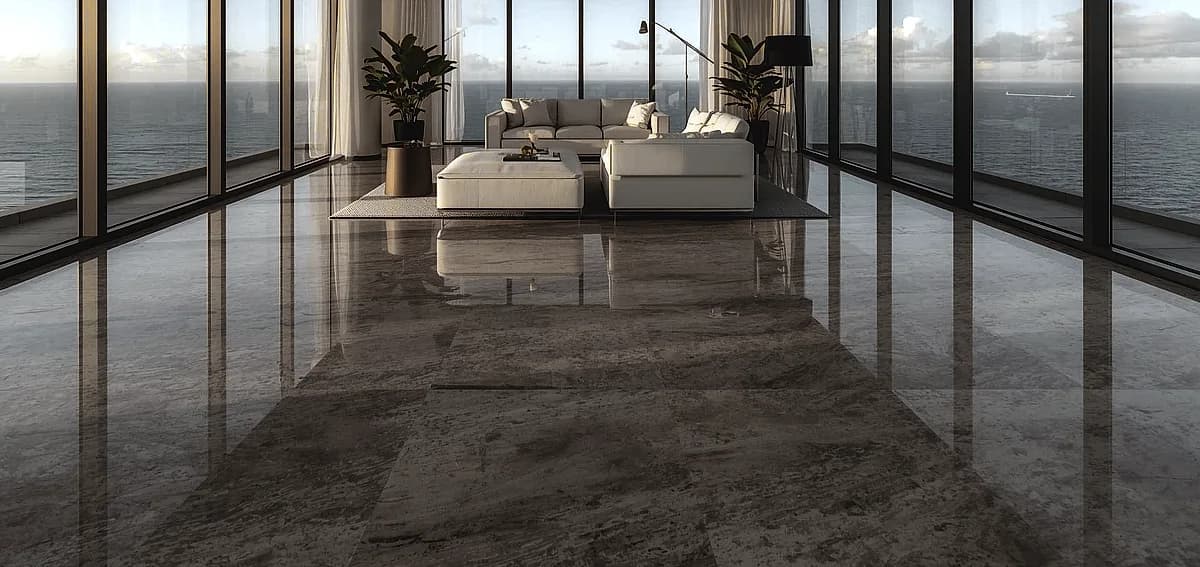
Proper maintenance extends the service life of low VOC epoxy flooring to 15-20 years or more, even under demanding conditions. Daily care involves dry dust mopping or vacuuming with a soft-bristle attachment to remove abrasive debris. Weekly damp mopping with a pH-neutral cleaner preserves the gloss and prevents buildup of cleaning residues that can dull the surface. Avoid acidic cleaners, ammonia-based products, and abrasive scrub pads, which can etch or scratch the epoxy film.
For high-traffic commercial environments, periodic deep cleaning using an auto-scrubber with non-abrasive pads restores appearance without damaging the coating. Facilities using commercial epoxy floor cleaning protocols report extended gloss retention and reduced need for restorative topcoats. In residential settings, placing walk-off mats at entry points captures grit and sand — Miami’s sandy soil is particularly abrasive — preventing micro-scratches that accumulate over time.
When wear eventually becomes visible, low VOC epoxy floors can be rejuvenated without full removal. A light screen-sanding followed by a fresh clear topcoat restores the original gloss and renews the protective layer. This process generates minimal dust and uses the same low VOC chemistry as the original installation, maintaining indoor air quality throughout the refresh. Compared to tile replacement or carpet removal, epoxy renewal represents a fraction of the cost and disruption.
Cost Considerations and Return on Investment
Low VOC epoxy flooring typically costs between $4 and $8 per square foot installed, depending on system type, substrate condition, and decorative options. While this exceeds the installed cost of vinyl flooring ($2-$5 per square foot) and approaches the upper range of porcelain tile ($5-$10 per square foot), the total cost of ownership over a 15-year period often favors epoxy. Factors contributing to long-term value include:
- Eliminated replacement costs: Epoxy’s 15-20 year lifespan avoids the 7-10 year replacement cycle common with vinyl and carpet.
- Reduced maintenance labor: Seamless surfaces clean faster than grouted tile or carpeted floors, reducing janitorial hours.
- Moisture damage prevention: Epoxy’s impermeability prevents subfloor damage from spills, a common and costly issue in Miami properties.
- Energy efficiency contribution: The high reflectivity of light-colored epoxy floors can reduce lighting requirements, contributing to energy savings. Our analysis of polished concrete thermal benefits discusses related principles applicable to reflective epoxy surfaces.
For property owners weighing floor beauty versus durability tradeoffs, low VOC epoxy offers a compelling middle ground — attractive enough for residential interiors, durable enough for commercial applications, and environmentally responsible enough for health-conscious occupants.
Common Mistakes to Avoid
Even with premium low VOC products, installation errors can compromise performance. The most frequent mistakes observed in Miami installations include:
- Skipping moisture testing: Assuming a slab is dry because it looks dry leads to catastrophic failures. Always test per ASTM standards.
- Inadequate surface preparation: Applying epoxy over poorly profiled concrete guarantees adhesion failure. Diamond grinding is not optional.
- Ignoring dew point: Applying epoxy when the substrate temperature is within 5°F of the dew point causes condensation that ruins the cure.
- Mixing errors: Incomplete mixing of two-component systems leaves unreacted resin or hardener, creating soft spots and VOC emissions from uncured material.
- Rushing the recoat window: Applying subsequent coats outside the manufacturer’s specified recoat window causes intercoat delamination.
- Using the wrong topcoat: Epoxy alone yellows under UV exposure. A UV-stable polyurethane or polyaspartic topcoat is essential for areas receiving direct sunlight.
Addressing these issues proactively requires working with experienced installers familiar with South Florida conditions. For garage applications specifically, our guide on garage epoxy flooring in Miami covers additional considerations unique to vehicular areas.
Frequently Asked Questions
What exactly does “low VOC” mean for epoxy flooring?
Low VOC epoxy flooring contains fewer than 50 grams of volatile organic compounds per liter of product. These compounds are carbon-based chemicals that evaporate into the air during and after application. Low VOC formulations use water-based or 100% solids chemistry to minimize emissions, protecting indoor air quality during installation and throughout the floor’s service life.
Is low VOC epoxy as durable as traditional epoxy?
Yes. Modern low VOC epoxy systems, particularly 100% solids formulations, match or exceed the durability of solvent-based alternatives. They achieve compressive strengths above 10,000 psi, resist chemical spills, and withstand heavy foot and vehicle traffic. The key difference is the chemistry — not the performance. Third-party testing confirms that low VOC epoxies meet the same ASTM performance standards as conventional products.
How long does low VOC epoxy take to cure in Miami’s humidity?
Most low VOC epoxy systems are walkable within 6-12 hours and achieve full chemical cure in 24-72 hours, depending on temperature and humidity. Miami’s high humidity can slightly extend cure times for water-based systems, but 100% solids epoxies are less affected. Proper ventilation with air movers accelerates the process. Occupants can typically return to the space within 24 hours of the final coat application.
Can low VOC epoxy be installed over existing tile?
Yes, with proper preparation. Existing tile must be thoroughly cleaned, degreased, and mechanically profiled to create a bondable surface. Any loose or cracked tiles must be repaired or replaced. A high-solids epoxy primer designed for non-porous substrates is essential. Our detailed guide on epoxy over tile in South Florida explains the full process and critical preparation steps.
Does low VOC epoxy flooring prevent mold growth?
Epoxy flooring itself does not support mold growth because it forms a non-porous, inorganic surface. However, if moisture vapor transmits through the concrete slab and becomes trapped beneath the epoxy, mold can develop in the substrate. This is why proper moisture testing and, when necessary, installation of a moisture vapor barrier primer are essential in Miami’s humid climate. The epoxy surface also eliminates grout lines where mold commonly thrives in tiled floors.
What is the difference between GREENGUARD Gold and FloorScore certification?
Both certifications validate low VOC emissions, but they differ in scope. GREENGUARD Gold tests for over 360 individual VOCs and sets emission limits appropriate for sensitive environments like schools and hospitals. FloorScore, developed specifically for hard surface flooring, tests against California Section 01350 standards. Both are recognized by LEED and other green building programs. For maximum assurance, select products carrying one or both certifications.
How do I verify that an epoxy product is truly low VOC?
Request the product’s Safety Data Sheet, which lists VOC content in grams per liter, and its third-party certification documentation. Look for GREENGUARD Gold, FloorScore, or Green Seal certification logos. Reputable manufacturers also provide Health Product Declarations and Environmental Product Declarations that disclose full ingredient and emission profiles. Be wary of products that claim “low odor” without quantifiable VOC data — odor is not a reliable indicator of emission levels.
Is low VOC epoxy suitable for homes with pets?
Absolutely. Once fully cured, low VOC epoxy emits negligible compounds and presents no health risk to pets. The seamless, non-porous surface resists scratches from claws, does not trap pet dander or hair, and withstands occasional accidents without staining. For households with pets, epoxy’s cleanability and durability make it a practical choice. Ensure the installer uses a UV-stable topcoat to prevent yellowing in sun-exposed areas where pets may spend time.
Conclusion
Low VOC epoxy flooring represents a mature, proven technology that addresses the indoor air quality concerns of modern Miami properties without compromising the durability and aesthetic versatility that make epoxy a preferred flooring solution. From waterfront condos to veterinary clinics, these systems deliver measurable benefits: healthier indoor environments, reduced maintenance burdens, and long-term cost efficiency. The key to success lies in selecting certified products, engaging experienced installers who understand South Florida’s unique climate challenges, and following rigorous preparation and application protocols.
Whether you are renovating a single-family home, upgrading a commercial space, or specifying flooring for a new construction project, low VOC epoxy deserves serious consideration. The combination of near-zero emissions, exceptional durability, and design flexibility positions it as a leading choice for health-conscious property owners. For personalized guidance on selecting and installing the right low VOC epoxy system for your Miami indoor space, contact our team today to schedule a consultation.
References
- U.S. Environmental Protection Agency. “Volatile Organic Compounds’ Impact on Indoor Air Quality.” EPA.gov
- American Coatings Association. “Coatings Technology: Low VOC Formulations.” Paint.org
- UL Environment. “GREENGUARD Certification Program.” UL.com
- SCS Global Services. “FloorScore Certification Standard.” SCSGlobalServices.com
- World Health Organization. “Indoor Air Quality: Organic Pollutants.” WHO.int
- U.S. Green Building Council. “LEED v4.1 Building Design and Construction.” USGBC.org
- National Oceanic and Atmospheric Administration. “Climate Data for Miami, Florida.” NOAA.gov
- Healthy Building Network. “Phthalates in Vinyl Flooring: 2023 Market Analysis.” HealthyBuilding.net
Written by

Founder and CEO
Chris Lavin is an esteemed leader in concrete polishing and epoxy coatings with a distinguished 20-year career. As founder and CEO of National Concrete Polishing and owner of Xtreme Polishing Systems, he's renowned for polishing and epoxy coating more floors than anyone globally. Chris is recognized for his innovative approach and commitment to enhancing floor durability and aesthetics. His hands-on experience and technical proficiency make him a respected authority and a valuable resource in the field of floor polishing and coatings.
Same topic
Related articles
All stories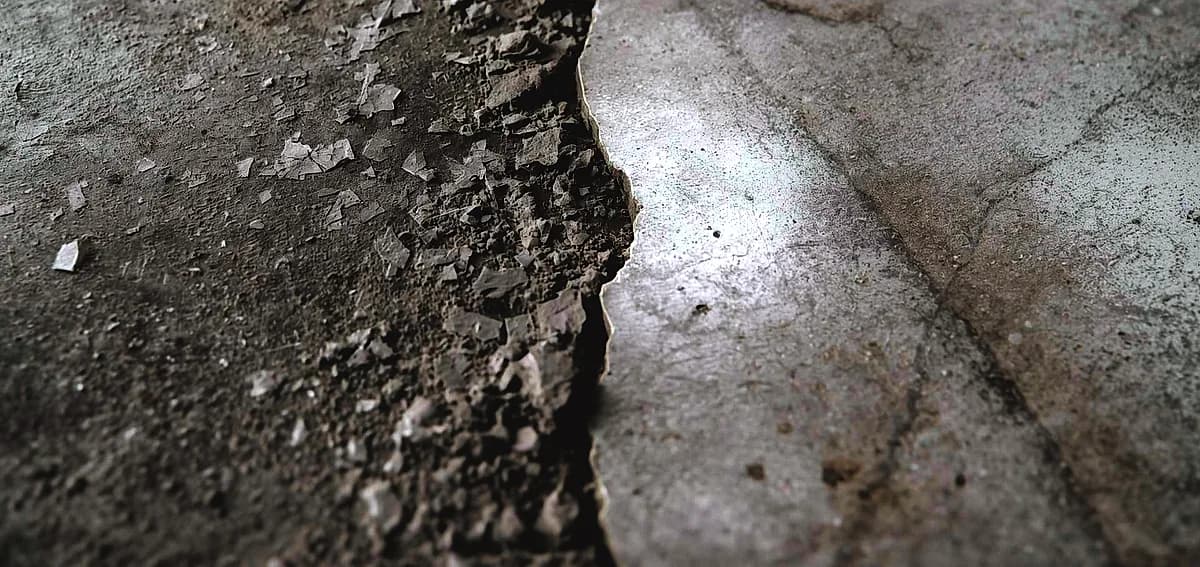
Epoxy & coatings8 min read
DIY vs Professional Epoxy Flooring in Fort Lauderdale
Hardware stores heavily market all-in-one boxes that promise a showroom finish with minimal effort.
Read it
Epoxy & coatings8 min read
Can You DIY Epoxy Flooring in Miami? Pros, Cons, and Tips
Applying a durable floor finish in a tropical or highly humid climate presents unique environmental challenges.
Read it
Epoxy & coatings7 min read
DIY Epoxy Flooring in South Florida: Is It Worth the Risk?
However, these products generally contain high levels of water or solvents to extend their pot life.
Read it
Tell us about the floor
Tell us the space and roughly how big it is.We come back with what it would cost and when we could start.
Prefer to talk? Call +1 844-876-5474
- Leads@
nationalconcretepolishing.net - 2200 NW 32nd St #600,
Pompano Beach, FL 33069 Mon to Fri, 9:00 to 5:30