
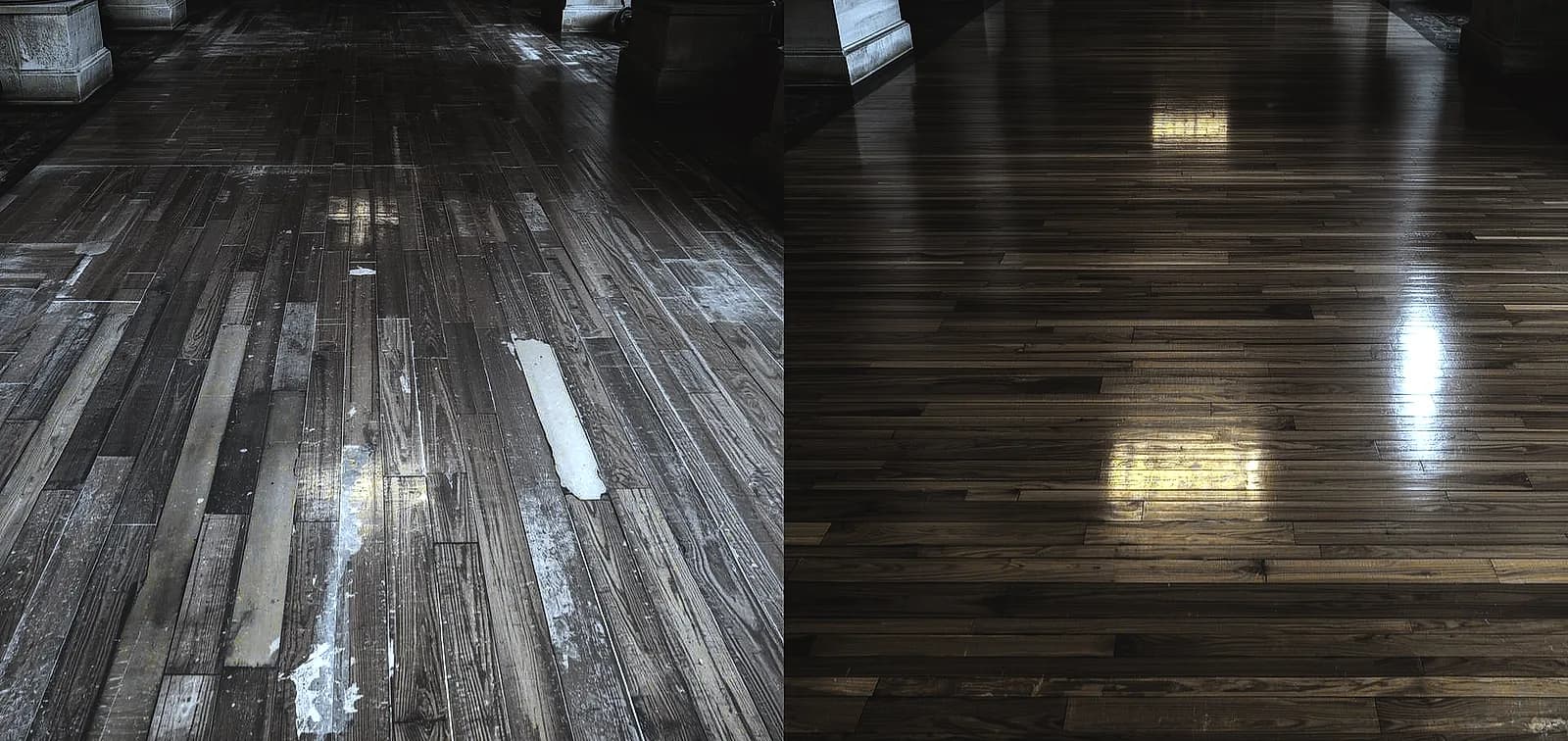
The NCP blog
How to Restore Historic Miami Floors Without Destroying Original Character
Epoxy & coatings9 min read
Each floor type demands specific restoration approaches that honor the building’s history.
Historic building floor restoration in Miami requires careful planning to preserve original materials while meeting modern performance standards. Miami’s architectural heritage includes Art Deco gems with colorful terrazzo, Mid-Century warehouses with exposed concrete, and Mediterranean Revival structures featuring decorative tile work. Each floor type demands specific restoration approaches that honor the building’s history.
Overview
This article covers the process of restoring historic floors in Miami-area buildings while maintaining their original character. You will learn about regulatory requirements, common floor types found in historic properties, preservation-focused restoration techniques, and how to work with professional contractors who understand both the technical and historical aspects of these projects.
Understanding Miami’s Historic Preservation Requirements
Miami and Miami Beach maintain strict regulations for properties within historic districts or individually designated sites. Before beginning any floor restoration project, property owners must understand the approval process and applicable standards.
The City of Miami’s Historic Preservation Division promotes identification, evaluation, rehabilitation, and restoration of the city’s architectural heritage. Properties within locally designated historic districts require Certificate of Appropriateness approval for alterations, including floor modifications. The Miami Beach Historic Preservation Board reviews all construction, alterations, and improvements to designated properties according to the Florida Building Code requirements.
All restoration work on historic properties receiving federal tax credits must meet the Secretary of the Interior’s Standards for Rehabilitation. These ten guidelines require that original materials be retained and repaired rather than replaced, and that new work be compatible with historic character without creating a false sense of history. The National Park Service’s Preservation Brief 15 provides specific guidance on historic concrete preservation.
Property owners in historic districts should contact their local preservation office before starting work. Staff-level approval may be available for minor repairs and restoration that satisfy Certificate of Appropriateness criteria without requiring a full board hearing.
Common Historic Floor Types in Miami Buildings
Miami’s building stock features several distinctive floor types that reflect the city’s architectural periods and subtropical climate. Understanding these materials is essential for selecting appropriate restoration methods.
Terrazzo Flooring
Terrazzo became the signature flooring material of Miami’s Art Deco district during the 1920s and 1930s. Italian craftsmen brought this technique to Florida, mixing marble chips with cement binders to create durable, decorative surfaces. Miami Beach’s historic hotels and apartment buildings feature bold geometric terrazzo patterns, often incorporating building names or addresses into the design.
Original terrazzo used cement-based binders that respond differently to treatment than modern epoxy terrazzo. The aggregate composition in historic floors may include marble chips no longer available from the original quarries. Restoration specialists must analyze existing materials before attempting repairs to ensure color and texture matching.
Historic Concrete Floors
Many of Miami’s warehouses, commercial buildings, and industrial structures from the early twentieth century feature exposed concrete flooring. These floors often contain unique aggregate compositions and construction techniques that differ from modern standards. Original concrete formulations may include locally sourced materials that contribute to the floor’s historic character.
Concrete floors in historic buildings frequently show lift lines, formboard marks, and other construction evidence that preservation standards require retaining. These features help characterize the building’s age and construction methods.
Decorative Tile
Mediterranean Revival and Spanish Colonial buildings throughout Miami feature decorative tile floors. Cuban and encaustic tiles appear in many early twentieth-century residences and public buildings. These handmade tiles often have irregular surfaces and subtle color variations that machine-made replacements cannot replicate.
Assessment Before Restoration
Thorough evaluation of existing conditions determines the appropriate restoration approach. Rushing into work without proper assessment risks permanent damage to irreplaceable historic materials.
Documentation and Analysis
Photograph all floor areas before beginning work. Document patterns, colors, aggregate compositions, and existing damage. Create detailed drawings showing crack locations, repair areas, and distinctive features. This documentation satisfies preservation requirements and guides repair specifications.
Testing reveals critical information about historic materials. Core samples help identify original binder compositions, aggregate types, and construction methods. Moisture testing prevents coating failures by identifying excessive vapor emission. Hardness testing determines whether concrete can withstand polishing without damage.
Condition Evaluation
Historic floors commonly exhibit cracks from foundation settlement, spalling from moisture infiltration, surface erosion from decades of traffic, and damage from previous inappropriate repairs. Differentiate between conditions requiring intervention and patina that should remain undisturbed.
Not all imperfections need correction. Gentle wear patterns contribute to historic character. Minor surface variations in terrazzo aggregate demonstrate handcrafted origins. Hairline cracks that are stable may require only cosmetic treatment rather than structural repair.
Restoration Techniques for Historic Floors
Preservation-focused restoration uses the gentlest effective methods and prioritizes repair over replacement. The goal is stabilizing and protecting original materials while achieving functional improvements.
Terrazzo Restoration
Cleaning historic terrazzo begins with pH-neutral solutions that will not etch cement binders or damage aggregate. Avoid acidic cleaners that can dissolve marble chips and weaken the matrix. Steam cleaning removes embedded dirt without chemical damage.
Crack repair requires careful color matching. Skilled technicians blend marble chips and cement to replicate surrounding areas. Historic terrazzo restoration specialists maintain libraries of aggregate samples to match discontinued materials. Epoxy fillers may be acceptable for crack stabilization if they do not affect surface appearance.
Diamond grinding removes surface damage while revealing fresh aggregate. Progressive grit sequences smooth the surface without removing excessive material. Historic terrazzo should not be ground aggressively, as this destroys the original surface plane and aggregate pattern.
Sealing protects restored terrazzo from future damage. Penetrating sealers that do not create surface films maintain authentic appearance while providing stain resistance. Avoid high-gloss topical coatings that create a plastic appearance inconsistent with historic character.
Historic Concrete Polishing
Polishing original concrete floors requires assessment of slab age, hardness, and previous treatments. Concrete poured before modern power-troweling techniques may have uneven surfaces and varying aggregate depths. These variations contribute to character and should be preserved.
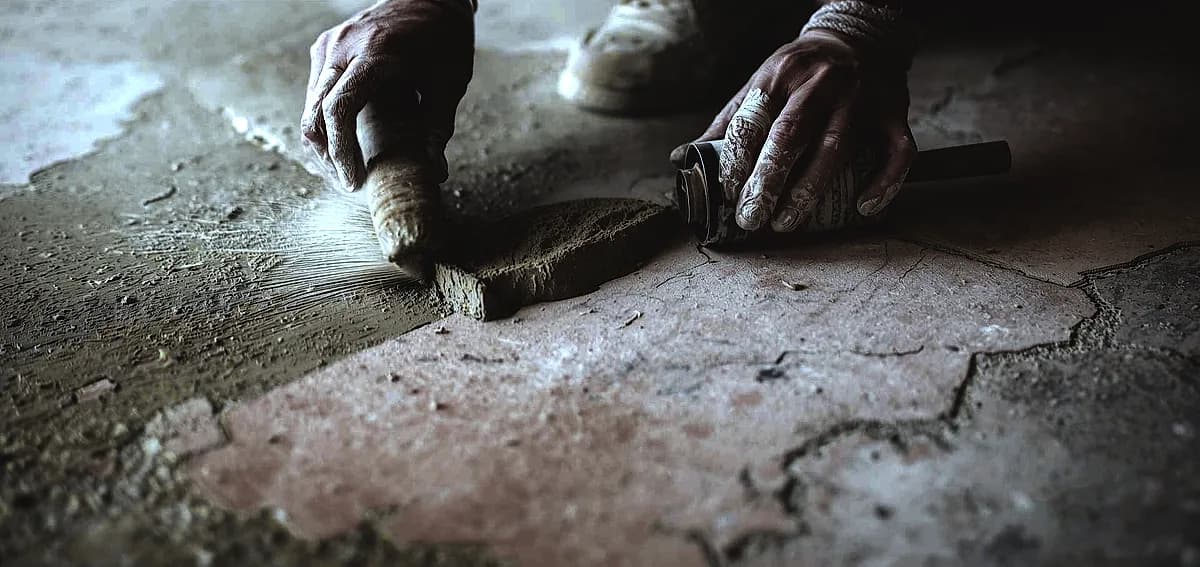
Densifier application strengthens soft concrete before polishing. Lithium silicate densifiers penetrate the surface and create chemical reactions that increase hardness. This treatment allows gentle polishing without excessive material removal.
Progressive diamond polishing creates shine without coatings. Starting with coarse grits for minor leveling, technicians work through increasingly fine abrasives. Historic concrete may achieve only moderate gloss levels due to original material composition. Accept this limitation rather than grinding away excessive material to chase high reflectivity.
Moisture mitigation addresses a common problem in historic buildings. Older construction often lacks modern vapor barriers. Testing identifies excessive moisture vapor emission that could cause coating failures. Epoxy moisture barriers may be necessary before applying sealers on floors with high readings.
Tile Floor Restoration
Missing or damaged historic tiles require careful sourcing of appropriate replacements. Antique tile dealers maintain inventories of salvaged materials. Custom reproduction may be necessary for rare patterns. New tiles should match originals in size, thickness, color, and surface texture.
Regroutinghistoric tile uses traditional lime-based mortars rather than modern cement products. Historic mortars were softer and more permeable than contemporary materials. Hard modern grouts can crack delicate tiles and trap moisture.
Cleaning historic tile requires testing in inconspicuous areas. Glazed surfaces may have developed crazing that allows cleaning solutions to penetrate. Unglazed tiles are porous and can absorb staining materials. Professional conservators use poulticing techniques to draw embedded stains from porous materials without surface damage.
Working With Preservation-Minded Contractors
Selecting contractors experienced in historic restoration is critical for successful outcomes. General flooring companies may lack the specialized knowledge these projects require.
Qualifications to Seek
Look for contractors who demonstrate familiarity with the Secretary of the Interior’s Standards. Ask about previous historic preservation projects and request references from local preservation offices or historical societies. Membership in professional organizations such as the National Terrazzo and Mosaic Association indicates commitment to industry standards.
Experienced historic contractors conduct thorough assessments before providing proposals. They explain preservation priorities and recommend approaches consistent with regulatory requirements. Avoid contractors who immediately suggest replacement rather than repair or who seem unfamiliar with local preservation processes.
Project Coordination
Historic restoration often requires coordination between flooring contractors, preservation consultants, and regulatory agencies. Establish communication protocols at project start. Share assessment documentation with all parties to ensure consistent understanding of goals and constraints.
Phased work accommodates occupied buildings and allows evaluation of results before proceeding. Test small areas first to confirm techniques achieve desired results without damaging historic materials. Document all work with photographs and written records for future reference.
Cost Considerations
Historic floor restoration costs vary widely based on floor type, condition, and project scope. Budget planning should account for assessment, documentation, material matching, and skilled labor.
Assessment and documentation costs may add 10-15% to project budgets but prevent costly mistakes and satisfy regulatory requirements. Material matching for terrazzo or tile restoration requires time-consuming sourcing that affects labor estimates. Specialized preservation techniques may cost more than standard commercial flooring work but protect irreplaceable historic materials.
Tax incentives may offset restoration costs. The Federal Historic Preservation Tax Incentives program offers 20% tax credits for rehabilitation of certified historic structures used for income-producing purposes. Miami-Dade County’s historic preservation incentive provides 10-year property tax abatement on approved improvements to historic properties.
Long-Term Maintenance
Proper maintenance extends restoration benefits and protects historic materials from future damage. Develop care programs appropriate for specific floor types.
Daily and Weekly Care
Dust mopping removes abrasive particles that scratch floor surfaces. Use untreated mops rather than oiled varieties that can discolor historic materials. Damp mopping with pH-neutral cleaners removes soil without damaging sealers or original materials.
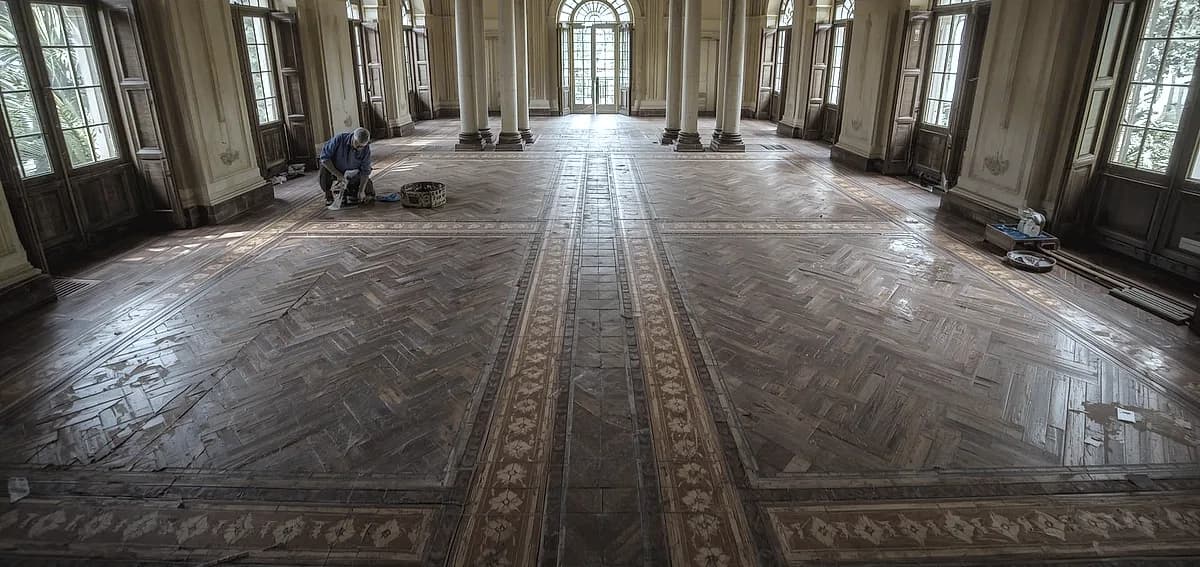
Place walk-off mats at entrances to capture grit before it reaches historic floors. Use felt pads under furniture legs to prevent scratching. Avoid dragging equipment or materials across restored surfaces.
Periodic Professional Care
Schedule annual professional inspections to identify developing problems early. Resealing may be necessary every three to five years depending on traffic levels. Terrazzo may require periodic repolishing to maintain luster without complete restoration.
Document all maintenance activities in building records. This information assists future restoration planning and demonstrates responsible stewardship to preservation authorities.
Frequently Asked Questions
Do I need a permit to restore historic floors in Miami?
Properties within locally designated historic districts or individually designated sites require Certificate of Appropriateness approval for alterations. Contact your local preservation office to determine requirements before beginning work.
How can I identify my building’s original floor material?
Professional assessment reveals original materials through visual examination, testing, and historical research. Building permits, historic photographs, and comparable buildings from the same period provide additional documentation.
Can terrazzo floors be restored to their original appearance?
Yes, skilled restoration can remove decades of wear and reveal original colors and patterns. However, some damage may be irreversible, and expectations should be realistic about achievable results.
How long does historic floor restoration typically take?
Project duration depends on floor size, condition, and complexity. Simple terrazzo restoration may require one to two weeks. Complex projects involving extensive repairs or material matching may take several months.
Will polishing damage original concrete floors?
Proper assessment and conservative techniques prevent damage. Experienced contractors use progressive diamond grits and minimal material removal to achieve results without compromising historic character.
What maintenance do restored historic floors require?
Regular dust mopping, damp mopping with neutral cleaners, and periodic professional sealing maintain restoration results. Avoid harsh chemicals, abrasive cleaners, and inappropriate waxes.
Are there financial incentives for historic floor restoration?
Federal tax credits and local property tax abatements may apply to qualified projects. Consult with preservation professionals and tax advisors to determine eligibility.
Can I use modern epoxy coatings on historic concrete?
Modern coatings may be inappropriate for historic floors and could violate preservation standards. Penetrating sealers that maintain original appearance are generally preferred for preservation projects.
How do I find contractors experienced in historic restoration?
Contact local preservation offices, historical societies, or professional organizations for referrals. Request portfolios showing previous historic projects and check references from preservation-related work.
What if replacement materials are unavailable?
Skilled fabricators can create custom reproductions matching historic specifications. Salvage dealers may have original materials from demolished buildings. Document alternatives in project records.
Sources
- National Park Service. “Preservation Brief 15: Preservation of Historic Concrete.” https://www.nps.gov/orgs/1739/upload/preservation-brief-15-concrete.pdf
- National Park Service. “The Secretary of the Interior’s Standards for Rehabilitation.” https://www.nps.gov/orgs/1739/secretary-standards-treatment-historic-properties.htm
- City of Miami Beach. “Historic Preservation Board.” https://www.miamibeachfl.gov/city-hall/city-clerk/boards-and-committees/historic-preservation-board/
Restoring historic floors in Miami preserves the architectural character that makes the city’s buildings distinctive. Whether your property features Art Deco terrazzo, industrial concrete, or decorative tile, professional restoration can revitalize these surfaces while honoring their heritage.
Ready to discuss your historic floor restoration project? Contact us for a consultation with specialists who understand both the technical requirements and preservation standards for Miami’s historic buildings.
Written by

Founder and CEO
Chris Lavin is an esteemed leader in concrete polishing and epoxy coatings with a distinguished 20-year career. As founder and CEO of National Concrete Polishing and owner of Xtreme Polishing Systems, he's renowned for polishing and epoxy coating more floors than anyone globally. Chris is recognized for his innovative approach and commitment to enhancing floor durability and aesthetics. His hands-on experience and technical proficiency make him a respected authority and a valuable resource in the field of floor polishing and coatings.
Same topic
Related articles
All stories
Epoxy & coatings8 min read
DIY vs Professional Epoxy Flooring in Fort Lauderdale
Hardware stores heavily market all-in-one boxes that promise a showroom finish with minimal effort.
Read it
Epoxy & coatings8 min read
Can You DIY Epoxy Flooring in Miami? Pros, Cons, and Tips
Applying a durable floor finish in a tropical or highly humid climate presents unique environmental challenges.
Read it
Epoxy & coatings7 min read
DIY Epoxy Flooring in South Florida: Is It Worth the Risk?
However, these products generally contain high levels of water or solvents to extend their pot life.
Read it
Tell us about the floor
Tell us the space and roughly how big it is.We come back with what it would cost and when we could start.
Prefer to talk? Call +1 844-876-5474
- Leads@
nationalconcretepolishing.net - 2200 NW 32nd St #600,
Pompano Beach, FL 33069 Mon to Fri, 9:00 to 5:30