
The NCP blog
Understanding Hairline Cracks in Polished Concrete: Causes and Fixes
Polished concrete7 min read
The process doesn’t add a new layer. It grinds down what’s already there, amplifying every scratch, patch, or uneven spot.
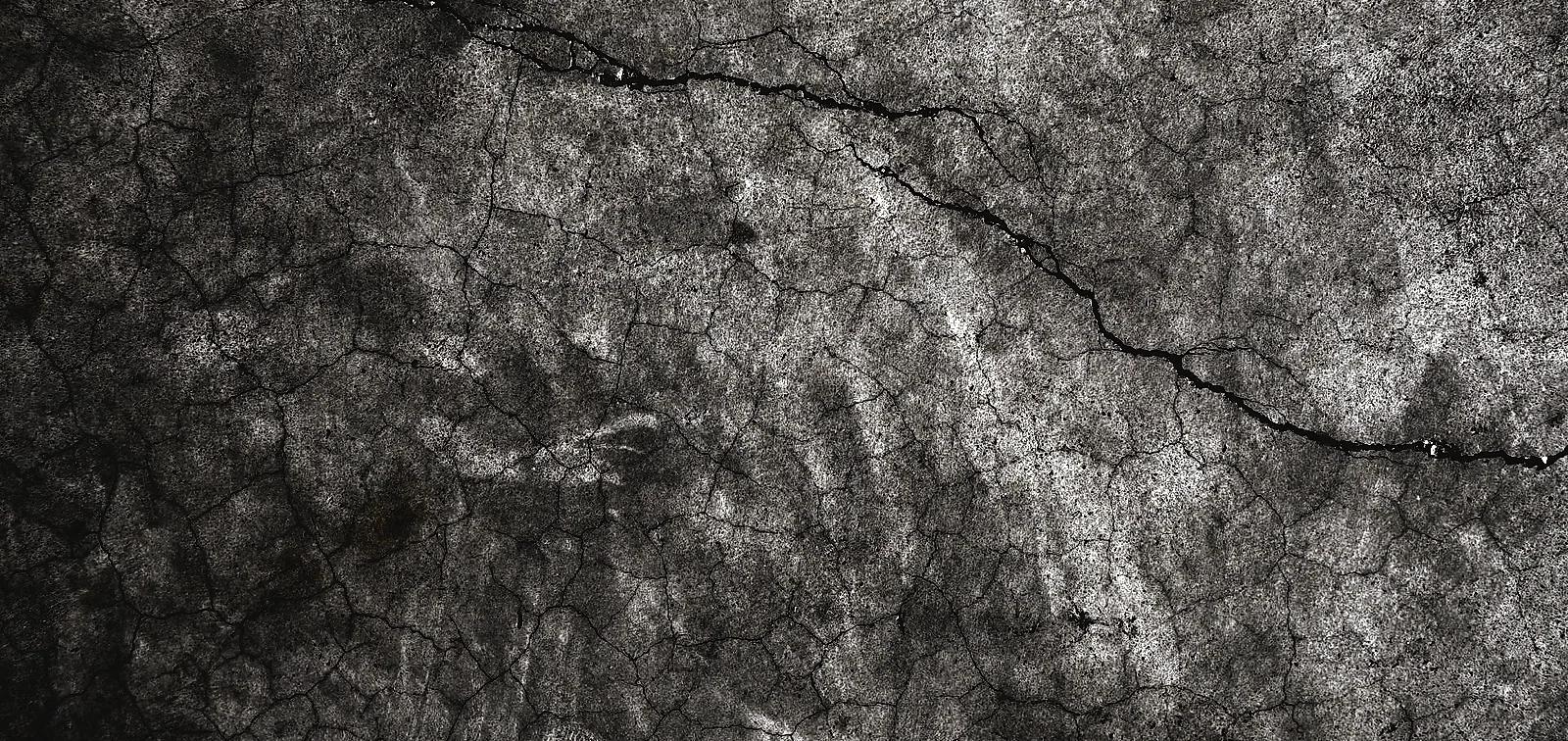
A polished floor shows what is in the slab, and that catches many property owners off guard. Modern interiors love polished surfaces for their mirror-like finish, but that shine works like a truth serum for existing imperfections. The process doesn’t add a new layer. It grinds down what’s already there, amplifying every scratch, patch, or uneven spot.
You might assume polishing covers up wear and tear, but it actually highlights it. That minor crack from years ago? It’ll look like a lightning bolt under bright lights. Previous repairs or uneven curing patterns become impossible to ignore once the surface gets its glossy makeover.
This doesn’t mean polished floors are a bad choice. They’re stunning when done right. But success starts with knowing your slab’s history. Was it poured in sections? Does it have old stains or moisture issues? Answering these questions upfront saves time, money, and disappointment later.
Introduction to Hairline Cracks in Polished Concrete
Polished concrete flooring transforms spaces through light-reflective surfaces, but its success hinges on what lies beneath. Unlike coatings that mask flaws, this process enhances natural characteristics through grinding and densification. Your existing slab becomes the canvas, and every detail is amplified under high-gloss finishes.
Overview of Polished Concrete Aesthetics
The technique exposes aggregate patterns and mineral deposits within the material matrix. Progressive grinding removes top layers until achieving desired reflectivity. This creates depth and dimension that define the material’s authentic look.
Why the Condition of Your Slab Matters
Existing hairline cracks or uneven curing leave permanent marks in refined surfaces. A 2016 article in The Construction Specifier on specifying slabs for polishing notes that uneven coarse aggregate distribution can show through the polished surface. Subsurface voids from initial pours resurface as shadowy patches after polishing. Professional evaluations identify these concerns early, allowing informed decisions about repair priorities.
Moisture differentials and joint movements also influence final appearances. An older slab can behave differently from a new installation during mechanical processing. Understanding these variables helps manage expectations for both industrial and residential projects.
Why Polishing Makes Hairline Cracks Visible
Polishing acts like an X-ray for your slab. The grinding process strips away surface layers, revealing textures and flaws that stayed hidden under dull finishes. Light now bounces off every ridge and groove, creating dramatic contrasts.
How Refinement Exposes Hidden Flaws
Grinding removes a thin layer of the surface, and how much depends on the class of grind and the slab. This exposes fresh layers where micro-fissures from aging or stress become visible. Think of it like sanding wood: smoother surfaces show grain details you couldn’t see before.
Three factors amplify visibility:
- Light reflection: Glossy finishes act like mirrors, highlighting texture variations
- Material removal: Subsurface voids or uneven curing patterns emerge
- Equipment pressure: Grinders can aggravate weak spots in older slabs
Areas repaired years ago often reappear as shadowy patches. Different sections of your floor might react unpredictably due to original mix variations. A patch can behave differently from the surrounding concrete under mechanical stress.
Those “new” lines you notice? Many existed as hair-thin gaps too small to see. Polishing smooths the surrounding area, making these tiny fissures stand out. Environmental factors like humidity changes over time also play roles in how pronounced they become.
Common Causes of Hairline Cracks in Concrete
Hairline fractures in concrete surfaces often trace back to natural material behaviors and environmental pressures. Understanding these root issues helps prevent flaws from appearing during or after polishing.
Temperature Fluctuations and Material Shrinkage
Concrete behaves like a living material, reacting to its surroundings. As it cures, moisture evaporates, causing the slab to shrink, similar to a balloon slowly losing air. This natural drying process creates internal tension that can result in surface cracks.
Daily temperature swings add stress. Materials expand under heat and contract in cooler conditions. Over time, this push-pull movement can add fine cracks.
Moisture, Stress, and Environmental Impact
Water plays conflicting roles in crack formation. Initial moisture loss during curing starts shrinkage, while later exposure to rain or humidity can cause uneven swelling. These opposing forces strain the material’s integrity.
External factors amplify risks:
- Poor soil compaction creates unstable foundations
- Heavy equipment vibrations transfer stress to slabs
- Ground movement shifts load-bearing points
Proper drainage and quality aggregate mixes reduce these threats. Addressing subsurface issues before polishing gives the floor the best chance of a good result.
Assessing Slab Condition and Its Impact on Finishes
The secret to flawless polished floors lies beneath the surface. Your existing slab tells a story through its texture, age, and past treatments. Professional inspectors use moisture meters and crack mapping to reveal hidden issues that affect final results.
Identifying Pre-existing Damage and Repairs
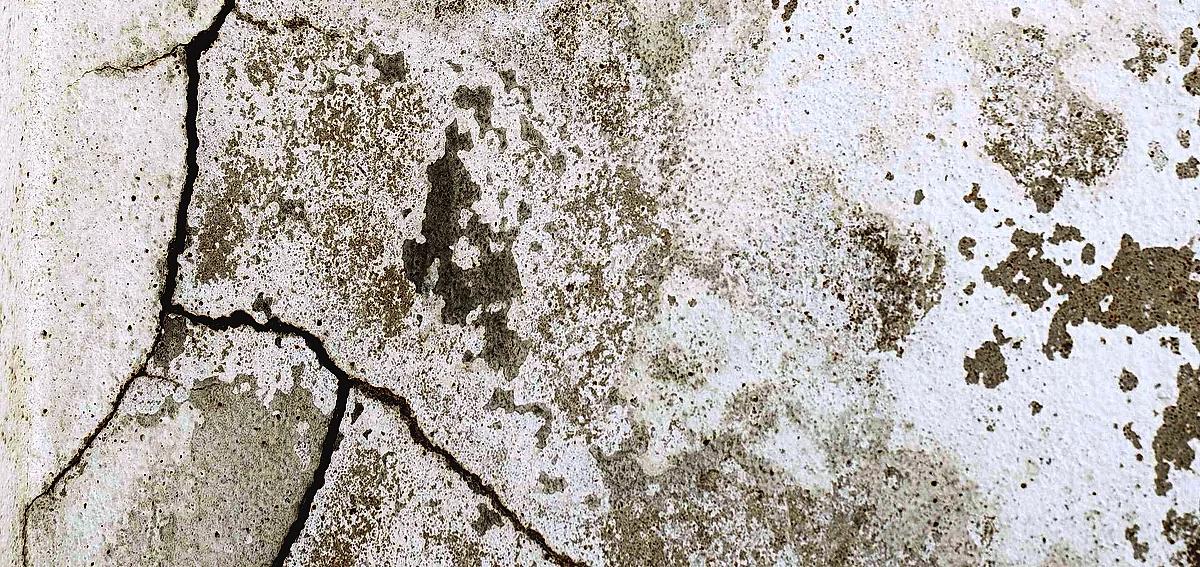
Start by examining high-traffic areas and edges where stress concentrates. Look for discoloration patterns indicating old repairs. Use angled lighting to spot subtle ridges or depressions. These markers help predict how surfaces will react during grinding.
Three common trouble spots:
- Discolored patches from previous sealants
- Web-like patterns around expansion joints
- Rippled textures from uneven curing
How Slab Quality Shapes Your Options
Different finish types interact uniquely with your base material. Cream finishes require minimal grinding and expose little aggregate. Exposed aggregate styles demand deeper cutting, amplifying every detail.
Consider these factors when choosing:
- Slab age (older surfaces show more variation)
- Grinding depth needed for desired look
- Lighting conditions in the space
Which finish suits a slab depends on its wear and history, and a test area shows how it will respond before the full floor is ground. A 2016 article in The Construction Specifier on specifying slabs for polishing recommends a mockup in which part is damaged and then repaired so the effect of the repair can be evaluated on the polished surface. Remember: your floor’s history guides its future appearance more than any polish.
Repair and Prevention Techniques for Hairline Cracks
Effective solutions exist for both mending and preventing those frustrating thin lines in your polished surfaces. Addressing existing damage requires targeted repairs, while smart planning stops new issues from forming. The right approach combines immediate fixes with systemic improvements.
Essential Repair Methods Using Epoxy and Fillers
Epoxy injections transform hairline gaps into sealed barriers. Professionals clean cracks with compressed air before applying liquid resin that bonds to surfaces. Flexible fillers work best near joints, while rigid compounds suit stable areas, since an epoxy repair may not be applicable if the crack is still moving.
Follow these steps for lasting results:
- Remove debris using wire brushes or vacuum systems
- Apply bonding agent to ensure filler adhesion
- Smooth repaired areas to match surrounding texture
Long-Term Prevention Strategies for Concrete Floors
Strong foundations start below ground. Proper drainage systems redirect water away from slabs, reducing soil movement. Plan for polishing from the start: a 2016 article in The Construction Specifier on specifying slabs for polishing says the concrete slab to be polished must be specified differently from other slabs.
Control joints help guide where cracking happens, though ASCC notes that some random cracking is likely even when slabs follow the best industry guidance. Pair these measures with regular inspections to catch issues early.
Local Knowledge Meets Technical Mastery
National Concrete Polishing operates across South Florida, where coastal humidity affects how slabs cure and dry. A slab evaluation looks at three things:
- Historical weather patterns affecting curing quality
- Subsurface conditions influencing structural integrity
- Previous treatments altering surface reactivity
Comprehensive Solutions for Lasting Beauty
From initial inspection to final buffing, the work combines practical repairs with preventive steps. Color and finish options are reviewed during the consultation. Addressing potential issues before grinding begins saves time.
Call +1 844-876-5474 to talk through your slab, from a patio restoration to a warehouse floor upgrade. Discover how regional experience translates into floors that perform as beautifully as they look.
Conclusion
Maintaining polished concrete’s appeal requires balancing aesthetics with structural awareness. Natural shrinkage, temperature shifts, and water exposure create inevitable tension in your slab over time. These forces leave their mark through subtle lines that become visible under polished surfaces.
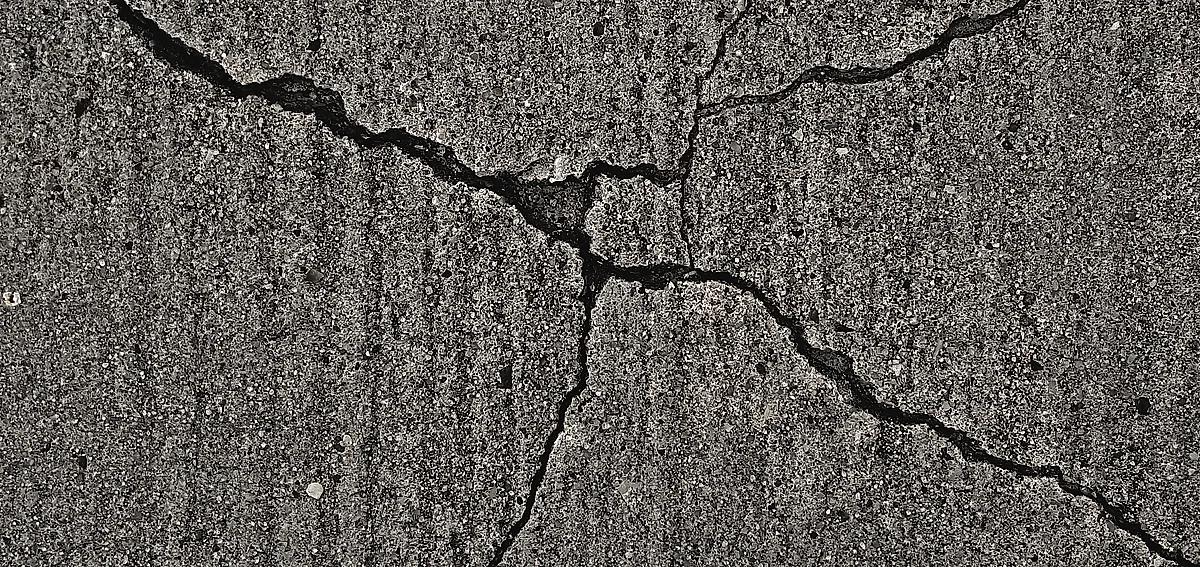
Proactive care starts with understanding your floor’s history. Foundation stability and moisture control play critical roles in preventing damage. Regular inspections catch minor issues before they spread, saving you from costly repairs later.
Addressing cracks early preserves both function and appearance. Epoxy treatments seal gaps while maintaining the smooth surface quality. Professional assessments ensure repairs match your floor’s unique characteristics and usage needs.
Remember: polished concrete reveals your slab’s true story. Work with specialists who prioritize lasting solutions over quick fixes. This approach keeps your investment looking sharp while protecting against ground movement and water intrusion for years.
Frequently Asked Questions
Can polished surfaces make existing flaws more visible?
Yes. The polishing process highlights minor imperfections like hairline fractures or uneven areas. Grinding and densifying expose weaknesses in the slab, especially if pre-existing damage wasn’t addressed beforehand.
How do temperature changes lead to cracks?
Concrete expands and contracts with temperature shifts. Without control joints or proper reinforcement, this movement creates stress, causing thin cracks over time. Shrinkage during curing also contributes to this issue.
Does moisture affect polished flooring?
Excess water in the mix or ground moisture can weaken the slab’s strength. Moisture also affects the polished surface appearance, as a 2016 article in The Construction Specifier on specifying slabs for polishing notes. Moisture barriers or vapor retarders help control ground moisture.
Why does slab condition matter before polishing?
Cracks, voids, or uneven settling in the slab worsen during polishing. Inspecting for repairs, leveling low spots, and stabilizing the base ensures a smooth finish and reduces post-polish cracking risks.
What’s the best way to fix hairline fractures?
Epoxy fillers or polymer-based sealants bond tightly to concrete, filling gaps and preventing debris from widening cracks. For deeper damage, consult professionals, since a surface repair is not a structural one.
How can future cracking be minimized?
Use control joints to manage shrinkage, maintain stable indoor humidity, and avoid heavy loads on weak areas. Regular sealing and using high-quality densifiers also improve durability against wear and environmental stress.
When should you call a specialist?
If cracks spread rapidly, expose rebar, or cause uneven surfaces, contact experts immediately. For urgent issues in South Florida, call National Concrete Polishing at +1 844-876-5474.
Written by

Founder and CEO
Chris Lavin is an esteemed leader in concrete polishing and epoxy coatings with a distinguished 20-year career. As founder and CEO of National Concrete Polishing and owner of Xtreme Polishing Systems, he's renowned for polishing and epoxy coating more floors than anyone globally. Chris is recognized for his innovative approach and commitment to enhancing floor durability and aesthetics. His hands-on experience and technical proficiency make him a respected authority and a valuable resource in the field of floor polishing and coatings.
Same topic
Related articles
All stories
Residential7 min read
Polished Concrete Garage Floor vs Epoxy: Pros and Cons
This process smooths the surface, and a densifier hardens it, so polished concrete is used in high-traffic areas.
Read it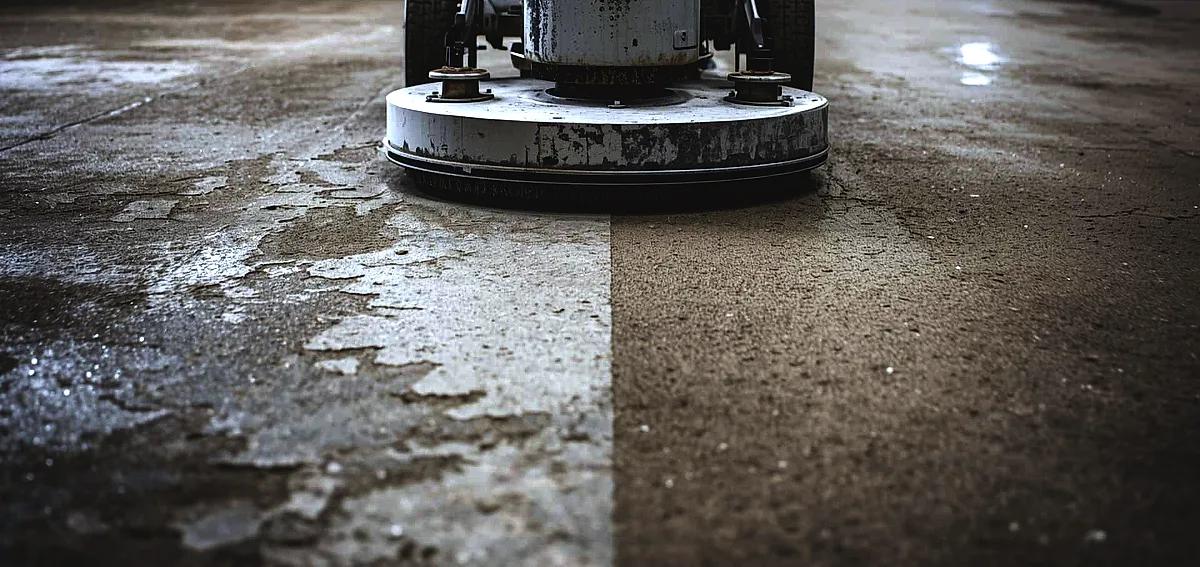
Polished concrete11 min read
Can You Polish Old Concrete? Transform Your Floors Today
Old concrete floors often hide tremendous potential beneath their weathered, dull surfaces.
Read it
Cost & ROI11 min read
How Much Does It Cost To Polish Concrete Floors?
Choosing polished concrete flooring for your residential or commercial space is a no-brainer these days.
Read it
Tell us about the floor
Tell us the space and roughly how big it is.We come back with what it would cost and when we could start.
Prefer to talk? Call +1 844-876-5474
- Leads@
nationalconcretepolishing.net - 2200 NW 32nd St #600,
Pompano Beach, FL 33069 Mon to Fri, 9:00 to 5:30