
The NCP blog
Epoxy Over Tile Floors: What Miami Homeowners Need to Know
Residential8 min read
Many Miami homeowners wonder whether epoxy can be applied over tile floors instead of removing them entirely.
Many Miami homeowners wonder whether epoxy can be applied over tile floors instead of removing them entirely. The short answer is yes, but success depends on tile condition, proper surface preparation, and understanding how South Florida’s humidity affects adhesion. This guide explains everything you need to know about coating tile floors with epoxy in Miami’s unique climate.
Overview
Applying epoxy over existing tile offers a cost-effective alternative to complete floor replacement. Rather than spending thousands on tile removal and disposal, a properly installed epoxy coating can transform worn, outdated, or difficult-to-clean tile surfaces into seamless, durable floors. However, Miami’s high humidity and temperature fluctuations create specific challenges that require professional attention.
This article covers tile suitability assessment, preparation requirements, grout line treatment, humidity considerations specific to South Florida, and when removal makes more sense than coating.
Can Epoxy Be Applied Over Tile?
Yes, epoxy coatings can be applied over most tile types when conditions are right. Ceramic and porcelain tiles generally provide better adhesion surfaces than natural stone or glass tiles. The key factors determining success include the tile’s bond to the substrate, surface condition, and grout integrity.
Glazed ceramic tiles present the biggest challenge because their smooth, non-porous surface resists adhesion. Professional contractors address this by mechanically abrading the glaze using diamond grinding tools or aggressive sanding. This creates a rough profile that allows epoxy primers to grip the surface properly.
Unglazed quarry tiles found in older commercial kitchens often accept epoxy coatings with excellent results. Their more open, porous surface responds well to shot-blasting or grinding and provides strong adhesion for high-performance coatings.
Assessing Tile Condition Before Application
Before applying epoxy, a thorough inspection determines whether coating makes sense or removal is the better choice. Here’s what professionals evaluate:
Tile Bond Integrity
Tiles must be firmly adhered to the substrate. Professionals tap tiles to check for hollow sounds indicating loose areas. If more than a few tiles are “drummy” or start to crack during grinding, complete removal typically becomes the more reliable approach. Loose tiles create weak points that will transfer through any coating applied over them.
Grout Condition
Grout lines absorb contaminants over time. In kitchens or commercial spaces exposed to grease and oils, contaminated grout can compromise epoxy adhesion. Porous grout that has soaked up years of grime may need to be removed and replaced or the entire floor stripped. During initial inspection, special attention to grout condition helps determine the appropriate preparation approach.
Surface Damage
Cracks, chips, and loose pieces must be repaired before application. These imperfections compromise both adhesion and the coating’s longevity. Damaged areas need to be addressed with proper patching materials compatible with the epoxy system being installed.
Surface Preparation Requirements
Proper surface preparation is the single most critical factor in successful epoxy floor installation. Skipping or rushing preparation steps leads to peeling, bubbling, and premature failure, especially in Miami’s demanding climate.
Cleaning and Degreasing
All wax, sealers, oils, and cleaning residues must be completely removed. Industrial degreasing agents strip accumulated contaminants that create invisible barriers to adhesion. The surface must be thoroughly rinsed and allowed to dry completely, typically 24 hours under controlled conditions.
Mechanical Profiling
Diamond grinding removes the glazed surface and creates the mechanical key necessary for epoxy adhesion. Professional contractors use specialized grinding equipment with dust extraction to keep the area clean while profiling the tile surface. The finished surface should look rough and scratched with the original glaze completely removed.
Filling Grout Lines
Without treatment, grout lines will telegraph through the epoxy coating, leaving visible patterns in the finished floor. Contractors fill grout lines using a skim coat of thickened epoxy or specialized self-leveling products. This step requires more material than many expect, particularly with deep or wide grout joints. A second skim coat may be needed to ensure complete coverage.
Miami’s Humidity Challenge
South Florida’s climate creates specific challenges for epoxy floor installation. Miami’s air holds significantly more moisture than the national average, creating critical demands for specialized installation approaches.
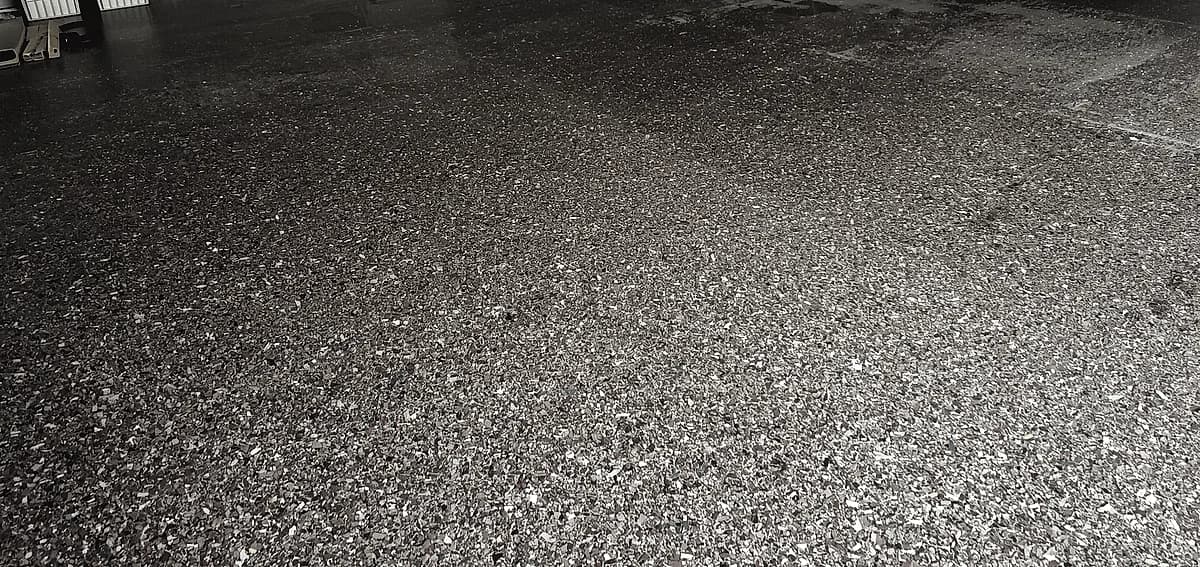
Epoxy coatings perform best when surfaces maintain below 75% relative humidity and 4% moisture content by weight. When humidity exceeds 85%, amine blush formation increases dramatically. This waxy residue creates adhesion barriers between coating layers, leading to failures that may not appear until weeks after installation.
Water molecules penetrate porous materials during curing, altering the chemical reaction that creates strong epoxy bonds. Excess moisture slows resin bonding times significantly. Professional contractors combat these issues using dehumidifiers, climate-controlled work environments, and moisture-tolerant primers designed for coastal conditions.
Before applying epoxy over tile in Miami, moisture testing is essential. Standard tests measure vapor emission rates and determine whether additional moisture mitigation measures are necessary. Moisture barriers, sealers, or extended drying times may be required before coating application.
When Tile Removal Makes More Sense
While epoxy over tile can deliver excellent results, certain situations favor complete floor removal:
- Multiple loose or hollow-sounding tiles throughout the floor
- Heavily contaminated grout from years of commercial kitchen use
- Tiles containing asbestos (common in floors installed before 1980)
- Newer vinyl composition tiles with water-based adhesives that release easily
- Significant height differences between existing tile and adjacent flooring
- Visible moisture damage or mold beneath existing tile
The combination of floor leveler and tile thickness can add over 15mm of height. If epoxy is applied over tile and adjacent flooring is different, unsightly transitions may result. In these cases, removal allows for a fresh start on the original substrate.
Benefits of Epoxy Over Tile
When conditions are right, epoxy coatings offer significant advantages over tile:
Durability: High-quality epoxy systems resist chemicals, stains, abrasion, and impact far better than most tile surfaces. Properly installed coatings can last 10-20 years with appropriate maintenance.
Seamless Surface: Eliminating grout lines removes the primary source of dirt, bacteria, and grime accumulation. The non-porous finish wipes clean with minimal effort.
Moisture Resistance: Epoxy coatings are waterproof, making them ideal for bathrooms, kitchens, and laundry areas where tile grout often fails to prevent moisture penetration.
Design Options: From solid colors to metallic finishes and decorative flakes, epoxy offers far more customization than standard tile.
Cost Savings: Avoiding tile removal and disposal reduces both labor costs and project timeline. Learn more about epoxy flooring costs to compare options.
Professional Installation vs DIY
While DIY epoxy kits exist, professional installation delivers significantly better results, particularly in Miami’s climate. Store-bought kits typically use water-based formulas designed for moderate conditions, not South Florida’s heat and humidity.
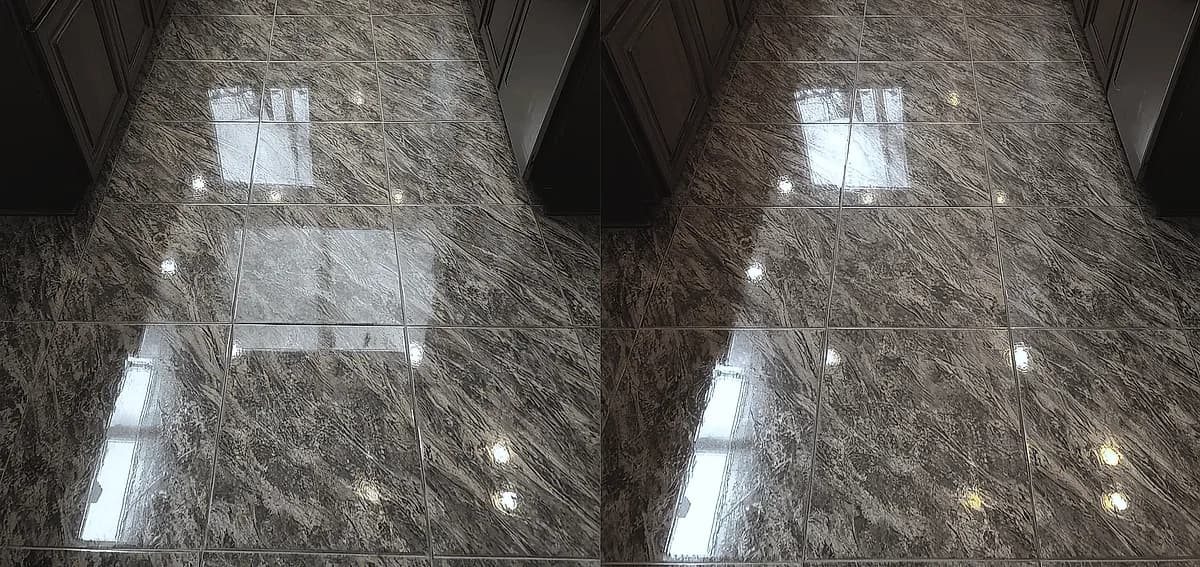
Professional contractors offer industrial-grade materials with higher solids content, proper surface preparation equipment, moisture testing protocols, and climate control during application. They understand how Miami’s humidity affects curing times and adjust techniques accordingly.
Studies show the majority of premature coating failures trace back to inadequate preparation, improper mixing ratios, or application during unfavorable weather conditions. Professional installation includes warranty protection that covers both workmanship and materials.
Frequently Asked Questions
Can I apply epoxy directly over glazed ceramic tile?
Yes, but the glaze must be mechanically abraded first. Diamond grinding or aggressive sanding removes the smooth surface and creates the texture needed for adhesion. Without this step, epoxy will peel within months.
How long does epoxy over tile last in Miami?
When properly installed with correct surface preparation and moisture mitigation, epoxy over tile can last 10-15 years or longer. Longevity depends on traffic levels, maintenance practices, and the quality of materials used.
Will grout lines show through the epoxy coating?
Without proper filling, grout lines will telegraph through the finished surface. Professional concrete resurfacing includes skim coating to create a smooth, level surface before the final epoxy application.
Do I need a permit to apply epoxy over tile in Miami?
Florida Building Code generally does not require permits for cosmetic flooring changes that don’t involve structural modifications. However, commercial properties and condominium associations may have specific requirements. Contact your local building department to verify.
How long does installation take?
Most residential projects complete within 2-3 days, including surface preparation, priming, and multiple epoxy coats. Full curing requires 24-72 hours before foot traffic, though complete chemical cure may take several weeks. Learn about the detailed application process.
What happens if epoxy is applied during high humidity?
High humidity interferes with the chemical curing process, creating weak bonds and surface defects. Issues include bubbling, cloudiness, poor adhesion, and premature peeling. Professional contractors use dehumidifiers and monitor conditions throughout application.
Can epoxy go over bathroom floor tile?
Yes, bathrooms are excellent candidates for epoxy coating. The waterproof, seamless surface eliminates mold-prone grout lines and provides slip-resistant options for wet areas. Proper ventilation during application is essential.
How do I maintain epoxy floors over tile?
Regular sweeping and mopping with pH-neutral cleaners maintains the finish. Avoid abrasive pads or harsh chemicals. For detailed guidance, see our epoxy floor cleaning guide.
Is epoxy over tile slippery when wet?
Standard epoxy finishes can be slippery. Non-slip additives or textured topcoats provide traction in areas exposed to moisture. Discuss slip-resistance requirements with your contractor during the planning phase.
What types of tile cannot be coated with epoxy?
Asbestos-containing tiles should never be ground or abraded due to health hazards. Very loose tiles, severely damaged grout, or tiles with active moisture problems underneath require removal rather than coating.
Sources
- Florida Building Code – State construction regulations and permit requirements
- Sherwin-Williams Industrial Flooring – Technical guidance on coating tile surfaces
Transform Your Tile Floors Today
National Concrete Polishing provides expert epoxy flooring solutions throughout Miami, Fort Lauderdale, and South Florida. Our technicians understand the local climate challenges and use professional-grade materials designed for coastal conditions. Whether you’re updating a residential bathroom or transforming a commercial space, we deliver lasting results backed by comprehensive warranty protection. Contact us today to schedule a free consultation and discover whether epoxy over tile is right for your project.
Written by

Founder and CEO
Chris Lavin is an esteemed leader in concrete polishing and epoxy coatings with a distinguished 20-year career. As founder and CEO of National Concrete Polishing and owner of Xtreme Polishing Systems, he's renowned for polishing and epoxy coating more floors than anyone globally. Chris is recognized for his innovative approach and commitment to enhancing floor durability and aesthetics. His hands-on experience and technical proficiency make him a respected authority and a valuable resource in the field of floor polishing and coatings.
Same topic
Related articles
All stories
Residential8 min read
What Restaurants Need to Pass a Health Inspection Floor Check
It endures heavy foot traffic, dropped equipment, boiling water spills, and harsh degreasing chemicals daily.
Read it
Residential9 min read
How Restaurants Replace Their Floors Without Closing for Long
The average food service establishment loses approximately $3,500 in daily revenue during unexpected closures in 2026.
Read it
Residential8 min read
Where Polished Concrete Beats Epoxy in a Home (and Where It Doesn’t)
Before evaluating specific rooms, it is essential to understand how these two flooring systems function.
Read it
Tell us about the floor
Tell us the space and roughly how big it is.We come back with what it would cost and when we could start.
Prefer to talk? Call +1 844-876-5474
- Leads@
nationalconcretepolishing.net - 2200 NW 32nd St #600,
Pompano Beach, FL 33069 Mon to Fri, 9:00 to 5:30