
The NCP blog
What Is Epoxy Flooring Made Of? A Guide for South Florida Property Owners
Epoxy & coatings10 min read
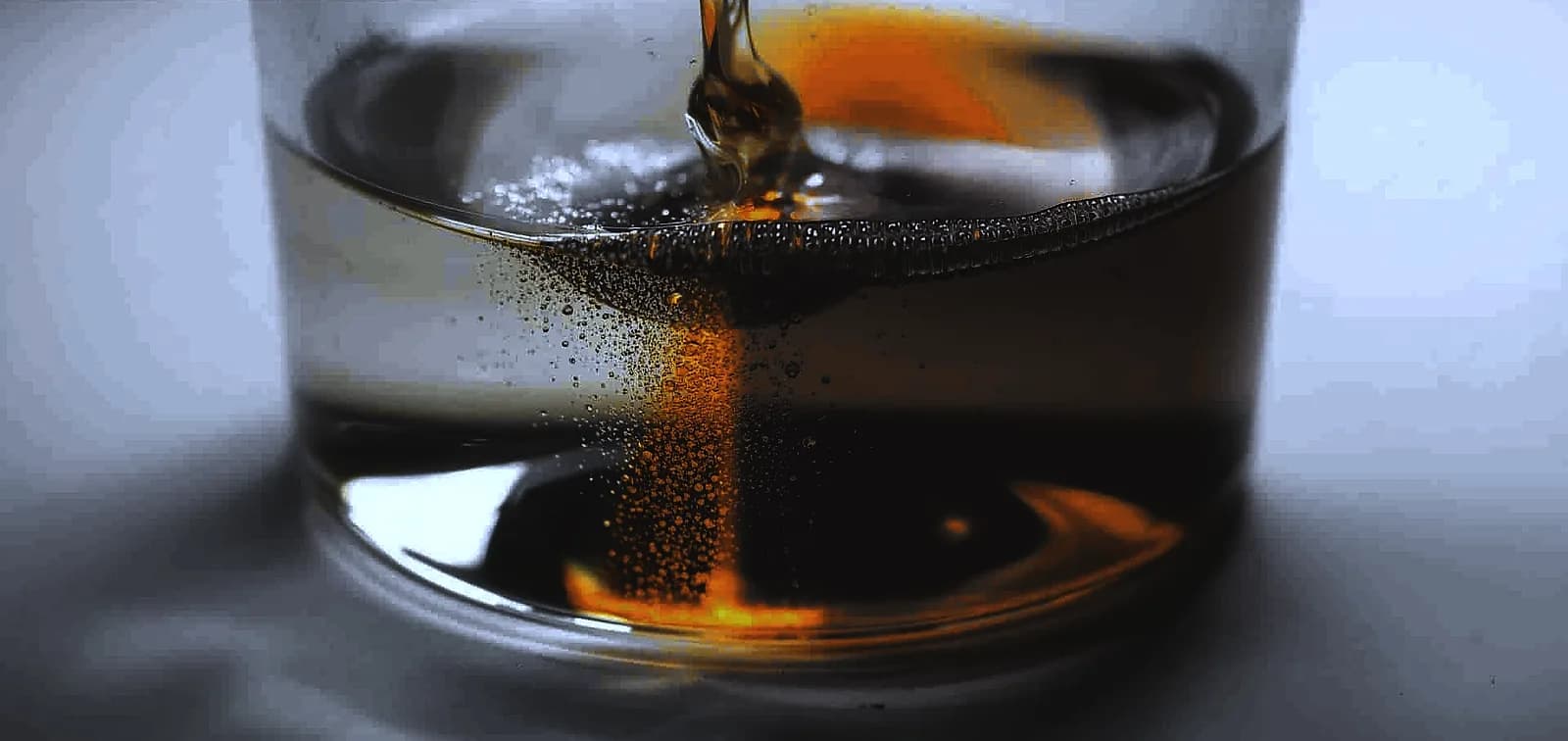
The epoxy resin component provides the coating’s adhesion properties and contributes to its chemical resistance.
Epoxy flooring is a two-part coating system composed of epoxy resins and polyamine hardeners (also called curing agents) that chemically react when mixed together to form a rigid, thermoset plastic material. This reaction, known as curing, transforms the liquid mixture into an incredibly durable, cross-linked polymer that bonds permanently to properly prepared concrete surfaces. The resulting floor coating provides exceptional resistance to wear, chemicals, moisture, and impact—making it an ideal choice for garages, warehouses, commercial kitchens, and residential spaces throughout South Florida’s challenging climate.
The Two-Part System: Resins and Hardeners
The foundation of every epoxy floor coating lies in its two essential components. Epoxy resins are the base material—typically derived from bisphenol A (BPA) or bisphenol F—while polyamine hardeners serve as the curing agent that triggers the chemical transformation. When these two components are combined in precise ratios (usually between 1:1 and 3:1 depending on the formulation), the molecules begin linking together in a process called polymerization.
The epoxy resin component provides the coating’s adhesion properties and contributes to its chemical resistance. According to the American Coatings Association, high-quality epoxy resins offer superior adhesion to concrete substrates, with bond strengths typically exceeding 2,000 psi when properly applied. The hardener component controls the cure time, final hardness, and chemical resistance of the finished floor.
The Chemistry Behind Epoxy Curing
Understanding the science of epoxy curing helps property owners appreciate why this flooring system performs so exceptionally. When epoxy resin molecules react with amine hardener molecules, they form covalent bonds that create a three-dimensional cross-linked network. This molecular structure is what gives cured epoxy its remarkable strength and chemical resistance.
Research from the International Association of Certified Home Inspectors indicates that properly cured epoxy coatings create a bond that is actually stronger than the concrete substrate itself. This is why epoxy floors rarely fail at the coating-to-concrete interface—instead, failure typically occurs within the concrete itself if the substrate was compromised.
The curing process is influenced by several environmental factors, including temperature, humidity, and the precise mixing ratio. In South Florida’s warm climate, cure times are generally shorter than in cooler regions, but this advantage requires careful timing during application. Ambient temperatures between 60°F and 85°F provide optimal working conditions, while relative humidity should remain below 85% to prevent moisture-related adhesion failures.
Temperature and Humidity Considerations
South Florida’s subtropical climate presents unique challenges for epoxy installation. High humidity levels—often exceeding 70% during summer months—can interfere with the curing process if surface preparation is inadequate. Experienced installers understand that moisture vapor transmission through concrete slabs can create pressure beneath the coating, leading to blistering or peeling over time.
Professional epoxy contractors in the Miami-Fort Lauderdale area typically perform moisture testing before installation, using calibrated instruments to measure vapor emission rates. The ASTM International standards specify maximum moisture vapor transmission rates of 3 pounds per 1,000 square feet per 24 hours for successful epoxy adhesion.
Additional Components: Fillers, Pigments, and Additives
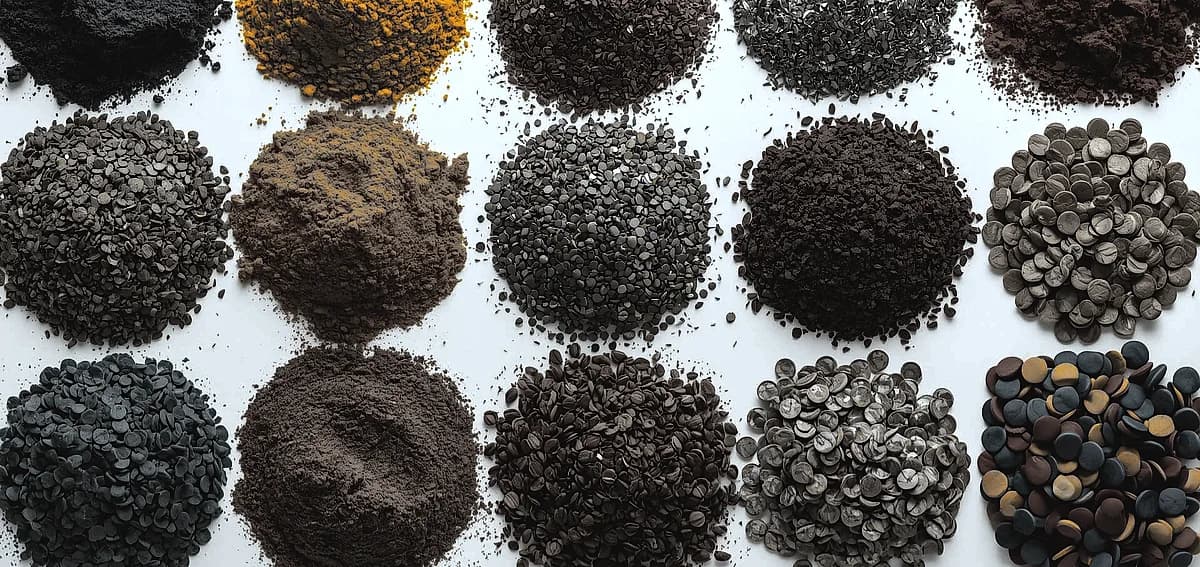
While the resin-hardener combination forms the structural backbone of epoxy flooring, manufacturers add various components to achieve specific performance characteristics. Fillers such as silica sand, calcium carbonate, or aluminum trihydrate are incorporated to improve impact resistance, reduce cost, and control flow characteristics during application.
Pigments provide color consistency and UV stability, though it’s worth noting that UV-resistant topcoats may be necessary for outdoor applications in South Florida’s intense sunlight. Additives serve specialized purposes: anti-slip aggregates create textured surfaces for wet areas, flame retardants improve fire resistance ratings, and antimicrobial compounds inhibit bacterial growth in food preparation environments.
Common Additive Types and Their Functions
Understanding additives helps property owners make informed decisions about their epoxy floor specifications. The following table outlines the most frequently used additives and their primary benefits:
| Additive Type | Function | Best Application |
|---|---|---|
| Silica Sand | Improves durability, reduces shrinkage | Heavy-duty industrial floors |
| Aluminum Trihydrate | Flame retardant, moisture resistant | Fire-rated occupancies |
| Colored Pigments | Consistent color, UV protection | Decorative residential applications |
| Anti-Slip Aggregates | Creates textured, non-slip surface | Garages, commercial kitchens, pool decks |
| Antimicrobial Compounds | Inhibits bacteria and mold growth | Food processing, healthcare facilities |
| Metallic Pigments | Creates unique 3D visual effects | Showrooms, retail spaces, luxury homes |
Types of Epoxy Systems
Epoxy flooring systems are available in several formulations, each offering distinct advantages for different applications. 100% solids epoxy contains no solvents and provides the thickest, most durable coating—typically 10-15 mils per coat. This formulation offers superior chemical resistance and is preferred for industrial and commercial applications where durability is paramount.
Water-based epoxy systems use water as a carrier instead of solvents, making them more environmentally friendly and easier to clean up. These coatings penetrate better into concrete substrates but typically result in thinner films. Solvent-based epoxy falls between the two, offering good penetration with reasonable film thickness, though VOC regulations in South Florida may restrict their use in some applications.
For residential garage applications in Miami and Fort Lauderdale, many property owners choose garage epoxy flooring systems that combine 100% solids base coats with decorative elements like metallic pigments or colored flakes. These hybrid systems provide both exceptional durability and aesthetic appeal.
Methyl Methacrylate (MMA) Systems
An alternative to traditional epoxy is methyl methacrylate (MMA) flooring, which cures much faster and can be installed at temperatures as low as 35°F. While not technically an epoxy, MMA systems are sometimes confused with epoxy due to similar appearance and application methods. MMA offers rapid return-to-service—often within one hour—but requires more specialized installation equipment and expertise.
Regional Considerations for South Florida Properties
South Florida’s unique environmental conditions significantly influence epoxy flooring selection and installation practices. The region’s high water table, salt air along coastal areas, and intense seasonal humidity all impact long-term floor performance. Property owners should understand these regional factors when planning epoxy installations.
According to the Florida Building Commission, coastal construction in Miami-Dade and Broward counties must meet specific wind resistance requirements that indirectly affect flooring selection in commercial buildings. While epoxy itself isn’t directly regulated, its use in certain occupancy classifications requires compliance with broader building codes.
Moisture management is perhaps the most critical consideration for South Florida epoxy installations. Concrete slabs in this region often have elevated moisture content due to the humid climate and high water table. Why waterproofing matters under epoxy is a topic that professional installers address through proper surface preparation, moisture barriers, and appropriate primer selection.
Common Applications and System Selection
Epoxy flooring serves diverse applications across residential, commercial, and industrial settings. Understanding where different formulations excel helps property owners select appropriate systems for their specific needs.
For residential garage floors, a single coat of 100% solids epoxy at 10-12 mils thickness provides excellent protection against vehicle traffic, oil spills, and UV exposure. Adding a decorative topcoat with colored flakes or metallic pigments enhances both appearance and slip resistance. Many homeowners also explore epoxy garage floor versus interlocking tiles to compare options.
Commercial kitchens require epoxy systems that meet specific health and safety standards. The food-safe requirements for epoxy floors include seamless installation, antimicrobial additives, and slip-resistant textures that comply with local health department regulations.
Industrial warehouses benefit from high-build epoxy systems or urethane cement overlays that withstand heavy forklift traffic, chemical spills, and thermal cycling. The special epoxy requirements for warehouse floors often include ESD (electrostatic discharge) protection for electronics manufacturing facilities.
The Installation Process: What Happens After Mixing
Professional epoxy installation involves several critical steps that directly impact the finished floor’s performance. Surface preparation typically accounts for 60-70% of the total installation time and is essential for achieving proper adhesion. Common preparation methods include diamond grinding, shot blasting, or scarification to create a profile that allows the epoxy to mechanically bond with the concrete.
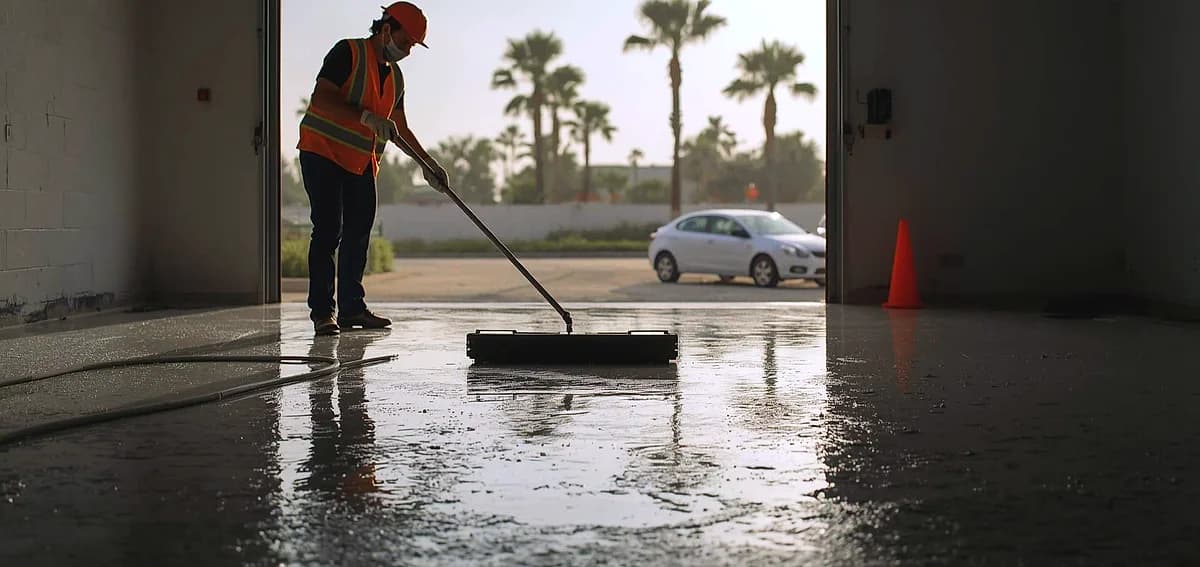
After surface preparation, installers apply a primer coat that penetrates into the concrete and creates a bonding layer. The main epoxy coat follows, applied at the specified thickness using notched squeegees or rollers. Decorative elements like flakes or metallic pigments are broadcast into the wet epoxy, followed by one or more topcoat layers that seal the surface and provide additional protection.
Cure times vary based on formulation and environmental conditions. Most epoxy systems achieve initial cure (light foot traffic) within 12-24 hours and full chemical cure within 72 hours. Concrete polishing timelines may overlap with epoxy installation in projects combining multiple floor types.
Maintenance and Longevity of Epoxy Floors
One of epoxy flooring’s most attractive features is its relatively low maintenance requirements compared to other flooring options. Regular maintenance typically involves dust mopping, damp mopping with neutral pH cleaners, and periodic deep cleaning with appropriate degreasers. Avoiding acidic or highly alkaline cleaning products preserves the coating’s surface integrity and gloss retention.
With proper installation and maintenance, quality epoxy floors can last 10-20 years in residential applications and 5-15 years in heavy-duty commercial or industrial environments. The warranty terms for epoxy flooring typically range from 5 years for commercial applications to 15 years for residential use, though actual service life often exceeds warranty periods.
When damage does occur, epoxy floor repairs are often possible without complete replacement. The epoxy floor repair process involves assessing the damage extent, preparing the affected area, and applying matching repair materials to restore both appearance and protection.
Conclusion
Epoxy flooring is a sophisticated chemical system combining epoxy resins with polyamine hardeners to create a thermoset polymer coating of exceptional durability. Understanding these fundamental components—along with the various additives, fillers, and system types available—empowers South Florida property owners to make informed decisions about their flooring investments.
The unique climate considerations of our region, including humidity, heat, and coastal salt exposure, make professional installation and proper material selection even more critical. Whether you’re coating a residential garage, a commercial kitchen, or an industrial warehouse, the right epoxy system provides decades of reliable service when properly specified and installed.
Ready to explore epoxy flooring options for your property? Our team of experienced professionals can help you select the ideal system for your specific application and budget. Contact us today to schedule a free consultation and estimate for your epoxy flooring project.
References
- American Coatings Association – Industry standards and coating specifications
- ASTM International – Standard test methods for concrete coatings
- International Association of Certified Home Inspectors – Floor coating inspection guidelines
- Florida Building Commission – Regional building codes and requirements
- Environmental Protection Agency – VOC regulations and environmental compliance
Frequently Asked Questions
What are the main chemical components of epoxy flooring?
Epoxy flooring consists of two primary chemical components: epoxy resins (typically bisphenol A or bisphenol F based) and polyamine hardeners (curing agents). When mixed together in precise ratios, these components undergo a chemical reaction called polymerization that creates a rigid, cross-linked polymer network with exceptional durability and chemical resistance.
Is epoxy flooring safe for residential homes with children and pets?
Yes, fully cured epoxy flooring is completely safe for residential environments. Once the curing process is complete (typically 72 hours after installation), the coating is inert and non-toxic. The seamless surface is also hypoallergenic, resistant to dust and allergens, and easy to clean—making it an excellent choice for families with children or pets.
How long does it take for epoxy to cure in South Florida’s climate?
In South Florida’s warm climate, epoxy typically achieves light foot traffic tolerance within 12-18 hours and full chemical cure within 48-72 hours. The faster cure time compared to cooler regions is an advantage, but installers must work efficiently during application since pot life (working time after mixing) is also shortened by higher temperatures.
Can epoxy flooring be installed over existing concrete that has moisture issues?
Moisture issues require professional assessment and remediation before epoxy installation. Installers measure moisture vapor transmission rates using calibrated testing equipment. If levels exceed acceptable limits, moisture barrier primers or specialized moisture-tolerant epoxy formulations may be used. Proper waterproofing under epoxy is essential for long-term success in humid climates.
What is the difference between 100% solids epoxy and water-based epoxy?
100% solids epoxy contains no solvents and provides thicker, more durable coatings (10-15 mils per coat) with superior chemical resistance. Water-based epoxy uses water as a carrier, making it more environmentally friendly and easier to apply, but results in thinner films (4-8 mils per coat). Water-based options are better for penetration but may require more coats for equivalent thickness.
How do South Florida’s humidity and heat affect epoxy installation?
High humidity can interfere with epoxy curing and adhesion if surface moisture is present. Installers must monitor relative humidity levels and ensure concrete surfaces are properly dry. Heat accelerates cure times, which can be beneficial but also reduces working time after mixing. Professional installers schedule work during optimal conditions, often early morning or evening in summer months.
What maintenance is required to keep epoxy floors looking new?
Epoxy floors require minimal maintenance: regular dust mopping, damp mopping with neutral pH cleaners, and periodic deep cleaning with appropriate degreasers. Avoid abrasive cleaning tools that could scratch the surface. With proper care, quality epoxy floors maintain their gloss and durability for many years without requiring reapplication.
Can epoxy flooring be repaired if it gets damaged?
Yes, damaged epoxy floors can often be repaired without complete replacement. The repair process involves assessing damage extent, preparing the affected area through grinding or scarification, and applying matching repair materials. Small chips, scratches, or delaminated areas can be addressed individually, while extensive damage may require recoating the entire surface.
Written by

Founder and CEO
Chris Lavin is an esteemed leader in concrete polishing and epoxy coatings with a distinguished 20-year career. As founder and CEO of National Concrete Polishing and owner of Xtreme Polishing Systems, he's renowned for polishing and epoxy coating more floors than anyone globally. Chris is recognized for his innovative approach and commitment to enhancing floor durability and aesthetics. His hands-on experience and technical proficiency make him a respected authority and a valuable resource in the field of floor polishing and coatings.
Same topic
Related articles
All stories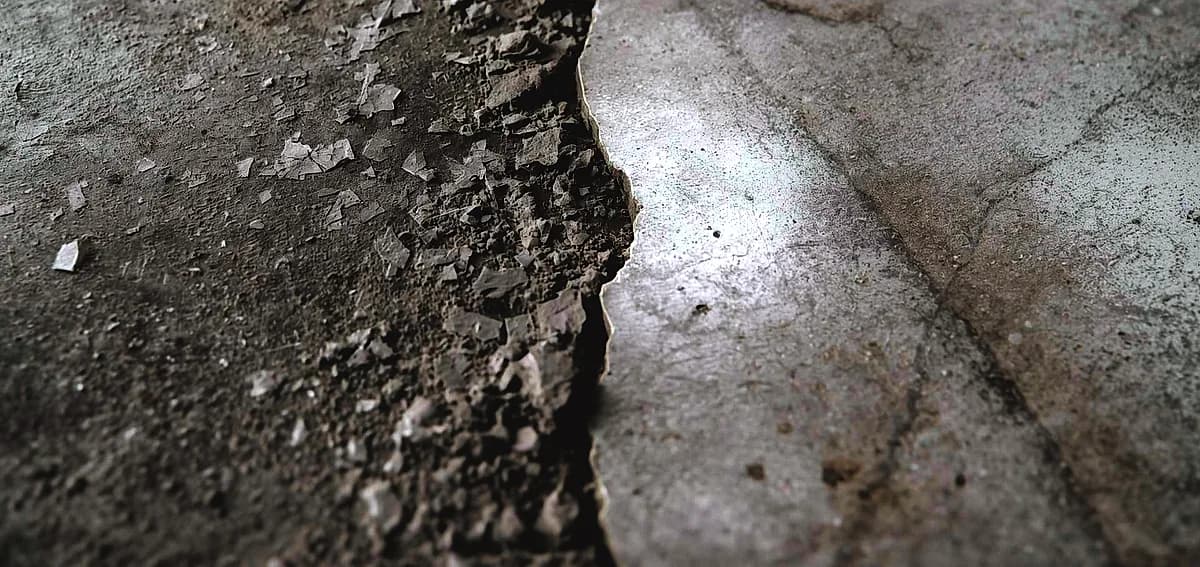
Epoxy & coatings8 min read
DIY vs Professional Epoxy Flooring in Fort Lauderdale
Hardware stores heavily market all-in-one boxes that promise a showroom finish with minimal effort.
Read it
Epoxy & coatings8 min read
Can You DIY Epoxy Flooring in Miami? Pros, Cons, and Tips
Applying a durable floor finish in a tropical or highly humid climate presents unique environmental challenges.
Read it
Epoxy & coatings7 min read
DIY Epoxy Flooring in South Florida: Is It Worth the Risk?
However, these products generally contain high levels of water or solvents to extend their pot life.
Read it
Tell us about the floor
Tell us the space and roughly how big it is.We come back with what it would cost and when we could start.
Prefer to talk? Call +1 844-876-5474
- Leads@
nationalconcretepolishing.net - 2200 NW 32nd St #600,
Pompano Beach, FL 33069 Mon to Fri, 9:00 to 5:30