

The NCP blog
Veterinary Clinic Seamless Epoxy Flooring Sanitation Guide
Epoxy & coatings15 min read
Veterinary clinics face unique challenges when it comes to maintaining the highest standards of cleanliness and sanitation.
Veterinary clinics face unique challenges when it comes to maintaining the highest standards of cleanliness and sanitation. Unlike typical commercial spaces, these medical facilities must contend with animal waste, bodily fluids, chemical disinfectants, and the constant need for thorough cleaning protocols. The flooring system chosen for these environments plays a critical role in meeting stringent veterinary clinic seamless epoxy flooring sanitation requirements while providing durability and functionality that can withstand the demanding nature of veterinary practice.
Traditional flooring materials such as vinyl composite tile, ceramic tile, or standard concrete often fall short in veterinary settings due to their inherent weaknesses. Grout lines, seams, and porous surfaces create breeding grounds for bacteria, making thorough sanitization nearly impossible. These vulnerabilities can compromise infection control protocols and potentially endanger both animal patients and staff members. The solution lies in implementing a comprehensive flooring system that eliminates these problem areas entirely.
Seamless epoxy flooring has emerged as the gold standard for veterinary facilities, offering an unparalleled combination of hygiene, durability, and chemical resistance. This advanced flooring technology creates a monolithic surface that extends seamlessly from floor to wall, eliminating joints, cracks, and crevices where contaminants might accumulate. The non-porous nature of properly installed epoxy systems ensures that liquids cannot penetrate the surface, making cleanup procedures more effective and reducing the risk of cross-contamination between patients.
The importance of selecting the right flooring system extends beyond basic cleanliness concerns. Veterinary clinics must comply with various regulatory standards and industry guidelines that mandate specific sanitation protocols. The Centers for Disease Control and Prevention (CDC), the American Veterinary Medical Association (AVMA), and local health departments all provide guidance on environmental controls that directly impact flooring requirements. Failure to meet these standards can result in regulatory violations, increased liability, and compromised patient care.
Modern veterinary practices also face economic pressures that make long-term durability and low maintenance costs essential considerations. The initial investment in a high-quality seamless epoxy system often pays dividends through reduced cleaning time, lower chemical consumption, decreased replacement frequency, and improved staff efficiency. When properly specified and installed by experienced professionals, these systems can provide decades of reliable service while maintaining their sanitary properties and aesthetic appeal.
Understanding Veterinary Sanitation Standards
The foundation of effective veterinary clinic design begins with a comprehensive understanding of the sanitation standards that govern these specialized medical facilities. Unlike human healthcare facilities, veterinary clinics must address unique challenges related to animal behavior, diverse species requirements, and the potential for zoonotic disease transmission. The veterinary clinic seamless epoxy flooring sanitation requirements are specifically designed to address these challenges while providing a safe, hygienic environment for both patients and staff.
Federal and state regulations establish minimum standards for veterinary facility construction and maintenance, with particular emphasis on infection control protocols. The USDA’s Animal and Plant Health Inspection Service (APHIS) provides guidelines for facilities that handle research animals, while state veterinary boards typically regulate companion animal practices. These regulations consistently emphasize the importance of easily cleanable surfaces that can be thoroughly disinfected between patients.
The concept of “cleanability” in veterinary settings goes far beyond simple mopping or surface wiping. True sanitation requires the ability to eliminate all traces of organic matter, bacteria, viruses, and other pathogens that could potentially cause cross-contamination. Traditional flooring materials with grout lines, seams, or porous surfaces create microscopic hiding places where pathogens can survive standard cleaning procedures. This is why seamless floors matter for critical sanitation environments.
Industry best practices recommend implementing a multi-zone approach to veterinary facility design, with different areas requiring varying levels of sanitation control. Surgical suites demand the highest level of cleanliness, followed by examination rooms, treatment areas, and general circulation spaces. The flooring system must be capable of meeting the most stringent requirements while providing consistent performance throughout the facility.
Benefits of Seamless Epoxy Flooring Systems
The advantages of seamless epoxy flooring in veterinary applications extend far beyond basic sanitation requirements, encompassing durability, functionality, and economic benefits that make these systems an intelligent long-term investment. The seamless nature of epoxy flooring eliminates the primary weakness found in traditional flooring materials: the joints and seams that create opportunities for contamination and bacterial growth.
One of the most significant benefits is the dramatic reduction in cleaning time and effort required to maintain proper sanitation standards. Traditional tile floors with grout lines can require extensive scrubbing and specialized cleaning tools to remove contaminants from recessed areas. In contrast, seamless epoxy surfaces can be quickly cleaned with standard mopping equipment, reducing labor costs and allowing staff to focus on patient care rather than intensive cleaning procedures.
The chemical resistance properties of high-quality epoxy systems ensure that repeated exposure to disinfectants, veterinary medications, and biological fluids will not compromise the flooring’s integrity or appearance. Many veterinary clinics use quaternary ammonium compounds, bleach solutions, and other aggressive chemicals that can quickly degrade inferior flooring materials. Professional-grade epoxy formulations are specifically designed to withstand these harsh chemicals while maintaining their protective barrier properties.
Durability considerations are particularly important in veterinary settings where heavy equipment, animal claws, and frequent traffic can quickly wear down inadequate flooring systems. Seamless epoxy flooring provides exceptional impact resistance and wear characteristics that can withstand the demands of busy veterinary practices. The monolithic nature of the system also eliminates edge lifting, tile displacement, and other common failure modes associated with traditional flooring materials.
From an economic perspective, the total cost of ownership for seamless epoxy flooring is typically lower than alternative materials when factors such as maintenance, replacement frequency, and cleaning efficiency are considered. The initial investment may be higher than basic flooring options, but the long-term savings in maintenance costs and improved operational efficiency often justify the expenditure within the first few years of service.
Installation Requirements and Best Practices
Proper installation of seamless epoxy flooring systems in veterinary clinics requires specialized knowledge, appropriate materials, and meticulous attention to detail. The success of these systems depends heavily on substrate preparation, environmental conditions during installation, and the use of veterinary-grade epoxy formulations that meet the specific veterinary clinic seamless epoxy flooring sanitation requirements.
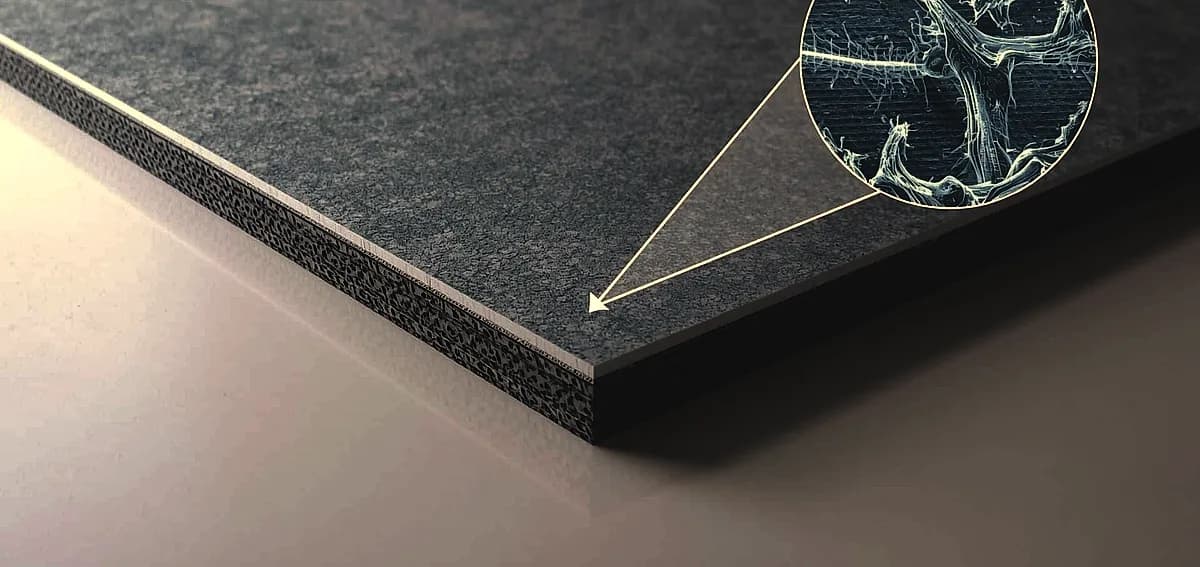
Substrate preparation represents the most critical phase of the installation process. The existing concrete must be properly evaluated for structural integrity, moisture content, and surface contamination. Any existing coatings, adhesives, or sealers must be completely removed to ensure proper adhesion of the new epoxy system. This typically involves mechanical preparation methods such as diamond grinding or shot blasting to create the optimal surface profile for epoxy adhesion.
Moisture testing is particularly important in veterinary applications where the consequences of flooring failure can be severe. Excessive moisture in concrete can cause epoxy systems to delaminate or develop bubbles that compromise the seamless surface. Professional installers use calcium chloride tests or relative humidity probes to verify that moisture levels are within acceptable limits before proceeding with installation.
The selection of appropriate epoxy materials is crucial for achieving long-term performance in veterinary environments. Standard decorative epoxy systems may not provide adequate chemical resistance or durability for medical applications. Veterinary-grade formulations typically feature enhanced chemical resistance, antimicrobial additives, and specialized curing agents that ensure optimal performance under demanding conditions.
Temperature and humidity control during installation directly impacts the quality and performance of the finished system. Most epoxy materials have specific environmental requirements that must be maintained throughout the application and curing process. Professional contractors like National Concrete Polishing understand these requirements and take appropriate measures to control environmental conditions during installation.
The installation process typically involves multiple coats applied in sequence, with each layer serving a specific purpose. A penetrating primer seals the substrate and provides adhesion for subsequent layers. The base coat provides thickness and durability, while the topcoat delivers chemical resistance and the final aesthetic appearance. Some systems may also include intermediate layers for enhanced performance or specific functional requirements.
Maintenance Protocols and Long-term Performance
Establishing proper maintenance protocols is essential for ensuring that seamless epoxy flooring continues to meet veterinary sanitation standards throughout its service life. While these systems are designed to be low-maintenance, they still require appropriate care and attention to preserve their hygienic properties and aesthetic appearance. The development of comprehensive maintenance procedures should begin before installation is complete, with staff training and protocol development integrated into the project timeline.
Daily cleaning procedures for seamless epoxy flooring in veterinary settings typically involve removal of visible debris, followed by mopping with appropriate disinfectant solutions. The smooth, non-porous surface allows for efficient cleaning with standard equipment, but the selection of cleaning chemicals must be compatible with the epoxy formulation to prevent degradation over time. Most professional-grade epoxy systems can withstand common veterinary disinfectants, but extremely aggressive chemicals or improper dilution ratios can cause surface damage.
Weekly deep cleaning procedures may include more intensive scrubbing in high-traffic areas and the application of specialized disinfectants for enhanced pathogen control. The seamless nature of epoxy flooring eliminates the need for grout cleaning or seam maintenance that would be required with traditional flooring materials. This significantly reduces the time and effort required for thorough sanitization while improving the effectiveness of cleaning procedures.
Periodic inspection and maintenance should focus on identifying any areas where the seamless surface may have been compromised through damage or wear. Small chips or scratches can potentially harbor bacteria if left unaddressed, so prompt repair is essential for maintaining sanitation standards. Professional flooring contractors can provide repair services that restore the seamless surface without requiring complete system replacement.
Long-term performance monitoring should include regular assessment of slip resistance, chemical resistance, and overall appearance. Changes in these characteristics may indicate the need for maintenance or eventual system renewal. Properly installed and maintained seamless epoxy flooring systems can provide decades of reliable service in veterinary applications, making them an excellent long-term investment for facility owners.
Documentation of maintenance activities is important for regulatory compliance and warranty purposes. Many epoxy manufacturers require evidence of proper maintenance to honor warranty claims, and regulatory inspectors may request maintenance records during facility audits. Establishing comprehensive record-keeping procedures ensures that all stakeholders have access to the information needed for effective facility management.
Regulatory Compliance and Industry Standards
Navigating the complex landscape of regulatory requirements and industry standards is crucial for veterinary facilities seeking to implement compliant flooring solutions. The veterinary clinic seamless epoxy flooring sanitation requirements are influenced by multiple regulatory bodies, each with specific mandates that must be understood and addressed during the design and installation process.
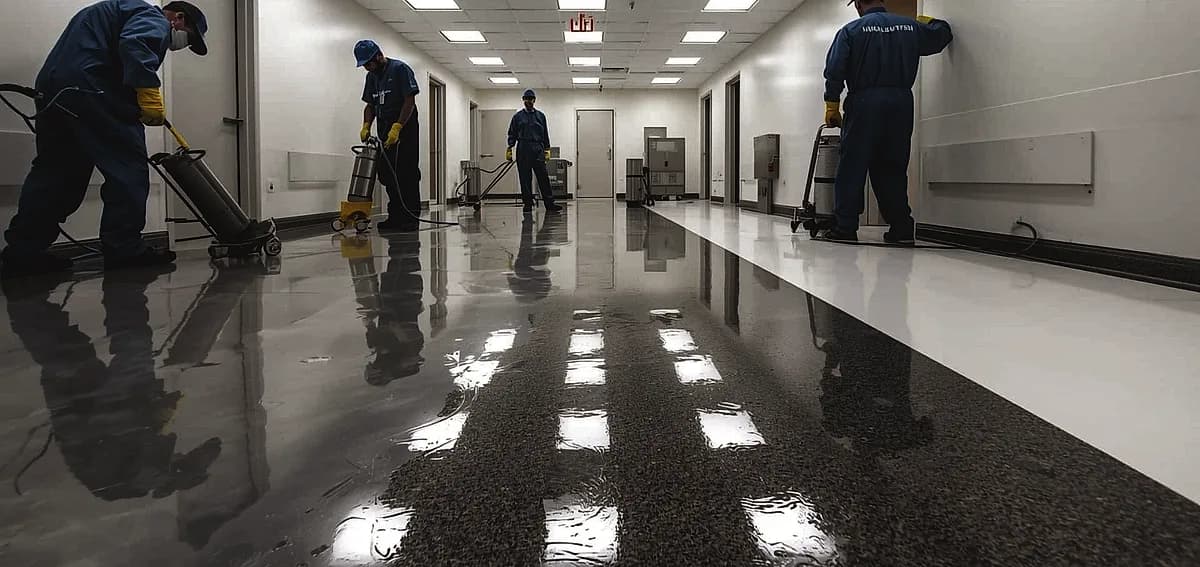
The Occupational Safety and Health Administration (OSHA) establishes workplace safety standards that directly impact flooring requirements in veterinary facilities. These regulations address slip resistance, chemical exposure, and ergonomic considerations that affect both staff safety and operational efficiency. Seamless epoxy flooring systems can be formulated to meet or exceed OSHA requirements while providing the sanitary benefits essential for veterinary applications.
State veterinary boards typically establish minimum standards for facility construction and maintenance, with particular emphasis on infection control and animal welfare considerations. These regulations often reference industry standards developed by professional organizations such as the American Animal Hospital Association (AAHA) and the American Veterinary Medical Association (AVMA). Compliance with these standards is often required for licensing and accreditation purposes.
The Americans with Disabilities Act (ADA) also influences flooring requirements in veterinary facilities that serve the public. Accessibility standards mandate specific slip resistance values and transition details that must be incorporated into flooring design. Seamless epoxy systems can easily accommodate these requirements while maintaining their sanitary properties.
International Organization for Standardization (ISO) standards provide additional guidance for healthcare facility design and construction. ISO 14644 addresses cleanroom standards that may apply to veterinary surgical suites, while ISO 22000 provides food safety management principles that can be adapted for veterinary applications. These standards emphasize the importance of easily cleanable surfaces and contamination control measures.
Local building codes and health department regulations add another layer of compliance requirements that must be addressed during facility planning. These regulations may specify minimum sanitation standards, drainage requirements, and other construction details that affect flooring system selection and installation. Professional contractors like National Concrete Polishing maintain current knowledge of these varying requirements and can help ensure compliance across multiple jurisdictions.
Documentation and certification requirements vary by jurisdiction and application, but most regulatory frameworks require evidence of compliance with applicable standards. This may include material certifications, installation documentation, and ongoing maintenance records. Establishing comprehensive documentation procedures from the beginning of the project helps ensure smooth regulatory approval and ongoing compliance.
National Concrete Polishing: Your Veterinary Flooring Specialists
When it comes to implementing seamless epoxy flooring solutions that meet the demanding veterinary clinic seamless epoxy flooring sanitation requirements, National Concrete Polishing stands as the industry leader in delivering professional-grade flooring systems designed specifically for medical and veterinary applications. With years of specialized experience in healthcare facility flooring, our team understands the unique challenges and requirements that veterinary clinics face in maintaining the highest standards of cleanliness and functionality.
Our comprehensive approach begins with a thorough assessment of your facility’s specific needs, taking into account factors such as traffic patterns, chemical exposure, regulatory requirements, and aesthetic preferences. We work closely with veterinary professionals, architects, and facility managers to develop customized flooring solutions that address both immediate needs and long-term performance objectives. This collaborative approach ensures that every project delivers optimal results that enhance both operational efficiency and patient care quality.
National Concrete Polishing utilizes only the highest-quality epoxy materials specifically formulated for medical and veterinary applications. Our supplier relationships with leading manufacturers ensure access to the latest technological advances in antimicrobial additives, chemical resistance, and durability enhancements. We maintain strict quality control standards throughout the material selection and installation process to guarantee consistent, reliable performance.
Our installation teams are specially trained in the unique requirements of veterinary facility construction, including infection control protocols, environmental controls, and regulatory compliance procedures. We understand that veterinary clinics cannot afford extended downtime, so we work efficiently to minimize disruption to ongoing operations while maintaining the highest standards of workmanship and attention to detail.
Post-installation support is a cornerstone of our service philosophy. We provide comprehensive maintenance training for facility staff, detailed care instructions, and ongoing technical support to ensure optimal long-term performance. Our warranty programs protect your investment while providing peace of mind that any issues will be promptly addressed by qualified professionals.
The National Concrete Polishing commitment to excellence extends beyond individual projects to include ongoing research and development efforts that keep us at the forefront of flooring technology. We continuously evaluate new materials, techniques, and industry best practices to ensure that our clients benefit from the most advanced solutions available in the marketplace.
Frequently Asked Questions
What makes seamless epoxy flooring superior to traditional tile flooring in veterinary clinics?
Seamless epoxy flooring eliminates grout lines and joints that can harbor bacteria and contaminants, making thorough sanitization much easier and more effective. The non-porous surface prevents penetration of liquids and biological matter, while the chemical resistance ensures that repeated exposure to disinfectants won’t compromise the flooring’s integrity.
How long does seamless epoxy flooring installation take in a veterinary clinic?
Installation time varies depending on the size and complexity of the project, but most veterinary clinic installations can be completed within 3-5 days. The process includes substrate preparation, primer application, base coat installation, and final topcoat application, with appropriate curing time between each step.
Can seamless epoxy flooring withstand the chemicals commonly used in veterinary clinics?
Yes, professional-grade epoxy systems are specifically formulated to resist common veterinary disinfectants, cleaning chemicals, and biological fluids. However, it’s important to use products that are compatible with the specific epoxy formulation and to follow manufacturer guidelines for chemical exposure.
What is the expected lifespan of seamless epoxy flooring in a veterinary setting?
With proper installation and maintenance, seamless epoxy flooring systems can provide 15-25 years of reliable service in veterinary applications. The actual lifespan depends on factors such as traffic levels, maintenance practices, and environmental conditions.
Is seamless epoxy flooring slip-resistant enough for veterinary clinic use?
Modern epoxy formulations can incorporate slip-resistant additives that provide safe footing while maintaining the smooth surface necessary for effective cleaning. The slip resistance can be customized based on the specific requirements of different areas within the facility.
How does the cost of seamless epoxy flooring compare to other veterinary flooring options?
While the initial cost may be higher than basic flooring options, the total cost of ownership is typically lower due to reduced maintenance requirements, longer service life, and improved cleaning efficiency. Most facilities see a return on investment within 3-5 years.
Can seamless epoxy flooring be installed over existing concrete in veterinary clinics?
In most cases, yes. Existing concrete can serve as a substrate for seamless epoxy flooring provided it meets structural and moisture requirements. Proper surface preparation is critical for ensuring adequate adhesion and long-term performance.
What maintenance is required to keep seamless epoxy flooring compliant with veterinary sanitation standards?
Daily cleaning with compatible disinfectants and periodic deep cleaning are typically sufficient to maintain sanitation standards. The seamless surface eliminates the intensive maintenance required for grout lines and seams found in traditional flooring materials.
Conclusion
The implementation of appropriate flooring systems represents a critical component of veterinary facility design that directly impacts patient care, staff safety, and operational efficiency. Veterinary clinic seamless epoxy flooring sanitation requirements demand solutions that go far beyond basic aesthetic considerations to address the complex challenges of infection control, chemical resistance, and regulatory compliance. The evidence clearly demonstrates that seamless epoxy flooring provides the optimal combination of sanitary performance, durability, and cost-effectiveness for modern veterinary practices.
As veterinary medicine continues to advance and regulatory standards become increasingly stringent, the importance of selecting appropriate flooring systems will only continue to grow. Facilities that invest in high-quality seamless flooring systems position themselves for long-term success while providing the safe, hygienic environment that both patients and staff deserve. The initial investment in professional-grade flooring pays dividends through reduced maintenance costs, improved cleaning efficiency, and enhanced regulatory compliance.
The partnership between veterinary professionals and experienced flooring contractors like National Concrete Polishing ensures that these critical infrastructure decisions are made with full consideration of both immediate needs and long-term objectives. By understanding the unique requirements of veterinary applications and staying current with evolving industry standards, professional flooring specialists can deliver solutions that truly enhance the quality and effectiveness of veterinary care.
The future of veterinary facility design will undoubtedly continue to emphasize the importance of seamless, easily sanitized surfaces that support the highest standards of medical care. Veterinary professionals who recognize this trend and make informed decisions about their facility infrastructure will be well-positioned to meet the challenges and opportunities that lie ahead in this dynamic field.
Written by

Founder and CEO
Chris Lavin is an esteemed leader in concrete polishing and epoxy coatings with a distinguished 20-year career. As founder and CEO of National Concrete Polishing and owner of Xtreme Polishing Systems, he's renowned for polishing and epoxy coating more floors than anyone globally. Chris is recognized for his innovative approach and commitment to enhancing floor durability and aesthetics. His hands-on experience and technical proficiency make him a respected authority and a valuable resource in the field of floor polishing and coatings.
Same topic
Related articles
All stories
Epoxy & coatings8 min read
DIY vs Professional Epoxy Flooring in Fort Lauderdale
Hardware stores heavily market all-in-one boxes that promise a showroom finish with minimal effort.
Read it
Epoxy & coatings8 min read
Can You DIY Epoxy Flooring in Miami? Pros, Cons, and Tips
Applying a durable floor finish in a tropical or highly humid climate presents unique environmental challenges.
Read it
Epoxy & coatings7 min read
DIY Epoxy Flooring in South Florida: Is It Worth the Risk?
However, these products generally contain high levels of water or solvents to extend their pot life.
Read it
Tell us about the floor
Tell us the space and roughly how big it is.We come back with what it would cost and when we could start.
Prefer to talk? Call +1 844-876-5474
- Leads@
nationalconcretepolishing.net - 2200 NW 32nd St #600,
Pompano Beach, FL 33069 Mon to Fri, 9:00 to 5:30