
The NCP blog
Polyaspartic vs Epoxy Coatings for Fort Lauderdale Properties
Epoxy & coatings11 min read
Property owners in Fort Lauderdale face a critical decision when selecting floor coatings: polyaspartic vs epoxy.
Property owners in Fort Lauderdale face a critical decision when selecting floor coatings: polyaspartic vs epoxy. Fort Lauderdale’s tropical monsoon climate creates specific challenges that affect how coatings perform over time. With average humidity levels reaching 73% year-round and temperatures frequently exceeding 90°F, the wrong coating choice can lead to adhesion failures, yellowing, and premature wear.
This guide breaks down the differences between polyaspartic and epoxy coatings, examining how each performs under South Florida’s demanding conditions. Whether you’re coating a residential garage, commercial warehouse, or retail space, understanding these materials helps you make an informed investment.
Overview
This article covers the chemical composition of both coating types, their performance characteristics in humid environments, cure times and installation requirements, UV stability and color retention, cost considerations over the long term, and specific applications where each coating excels. By the end, you’ll understand which coating system suits your Fort Lauderdale property and why professional installation matters in coastal environments.
Understanding Coating Chemistry
What Is Epoxy Coating?
Epoxy floor coating consists of two components: a resin and a hardener. When mixed, these components create a chemical reaction that produces a hard, durable surface. Epoxy has been the industry standard for garage floor coatings and commercial applications for decades due to its proven performance in controlled environments.
The chemical structure of epoxy creates strong adhesion to concrete substrates when applied under ideal conditions. Temperature should remain between 50°F and 90°F during application, and humidity levels should stay below 85%. These requirements present challenges in Fort Lauderdale, where afternoon humidity regularly spikes above acceptable thresholds.
Epoxy coatings typically require 24 to 72 hours to cure fully, depending on temperature and humidity. This extended cure window leaves the coating vulnerable to moisture contamination. In South Florida’s climate, this translates to careful scheduling around weather patterns and potential delays.
What Is Polyaspartic Coating?
Polyaspartic coating is an aliphatic polyurea that emerged in the 1990s as an advancement over traditional epoxies. Originally developed for corrosion-resistant applications on steel bridges, polyaspartic technology has evolved into a premium flooring solution.
The chemistry of polyaspartic allows for rapid curing—typically 4 to 6 hours—which significantly reduces the exposure window to environmental contaminants. This fast cure time makes polyaspartic particularly valuable in Fort Lauderdale, where weather conditions can change quickly and humidity levels remain consistently high.
Polyaspartic coatings maintain flexibility after curing, unlike the rigid structure of cured epoxy. This flexibility helps the coating accommodate minor substrate movements and thermal expansion without cracking—an important consideration given South Florida’s temperature swings between air-conditioned interiors and hot exterior conditions.
Performance in Fort Lauderdale’s Climate
Humidity and Moisture Challenges
Fort Lauderdale experiences average humidity of 73% throughout the year, with September reaching highs of 78%. This persistent moisture creates significant challenges for floor coating systems. When epoxy is applied in high humidity, several problems can occur: the coating may not bond correctly to the concrete, improper curing leads to soft spots, cloudiness develops in the finish, and yellowing appears over time.
The moisture mitigation requirements for epoxy in humid climates add both time and cost to installation. Professional contractors must test concrete moisture levels using methods outlined in ASTM F2170 before proceeding with epoxy application. If moisture vapor emission rates exceed acceptable limits, additional barrier coatings become necessary.
Polyaspartic coatings demonstrate greater tolerance for humidity variations during application. While proper moisture testing remains important, the rapid cure time reduces the period when environmental moisture can interfere with adhesion. Coastal Fort Lauderdale properties, especially those near the Intracoastal Waterway or beach areas, benefit from this reduced vulnerability.
UV Exposure and Color Stability
South Florida receives intense ultraviolet radiation year-round. This UV exposure causes standard epoxy coatings to yellow and degrade over time, particularly in garages with windows, covered patios, or any area receiving indirect sunlight. The UV stability of polyaspartic coatings comes from their aliphatic molecular structure.
Aliphatic polyaspartic coatings resist UV degradation, maintaining their original color and gloss for the life of the floor. For Fort Lauderdale homeowners who invest in decorative metallic epoxy finishes or specific color schemes, this color stability protects both the aesthetic and financial investment.
Properties with south-facing garage doors or covered outdoor areas should consider UV resistance a priority factor. While UV-stable epoxy formulations exist, they typically add cost and may not perform as consistently as polyaspartic options in high-exposure applications.
Temperature Tolerance
Fort Lauderdale temperatures range from comfortable 60s in winter months to the low 90s during summer, with garage floors and outdoor concrete experiencing even greater extremes. Concrete surfaces in direct sunlight can exceed 140°F, creating thermal stress on coating systems.
Epoxy coatings become brittle in high temperatures and may crack under thermal cycling. The “hot tire pickup” problem—where warm vehicle tires lift the coating from the concrete—occurs more frequently with epoxy in warm climates. This adhesion failure typically appears within the first year of installation if the coating system wasn’t properly specified for the application.
Polyaspartic coatings maintain flexibility across a wider temperature range, from approximately 35°F to 140°F during application. This temperature tolerance allows year-round installation in Fort Lauderdale and provides better long-term performance against thermal stress. The molecular structure creates a tighter bond to the concrete substrate, reducing delamination risks from hot tires.
Installation Considerations
Cure Time and Project Duration
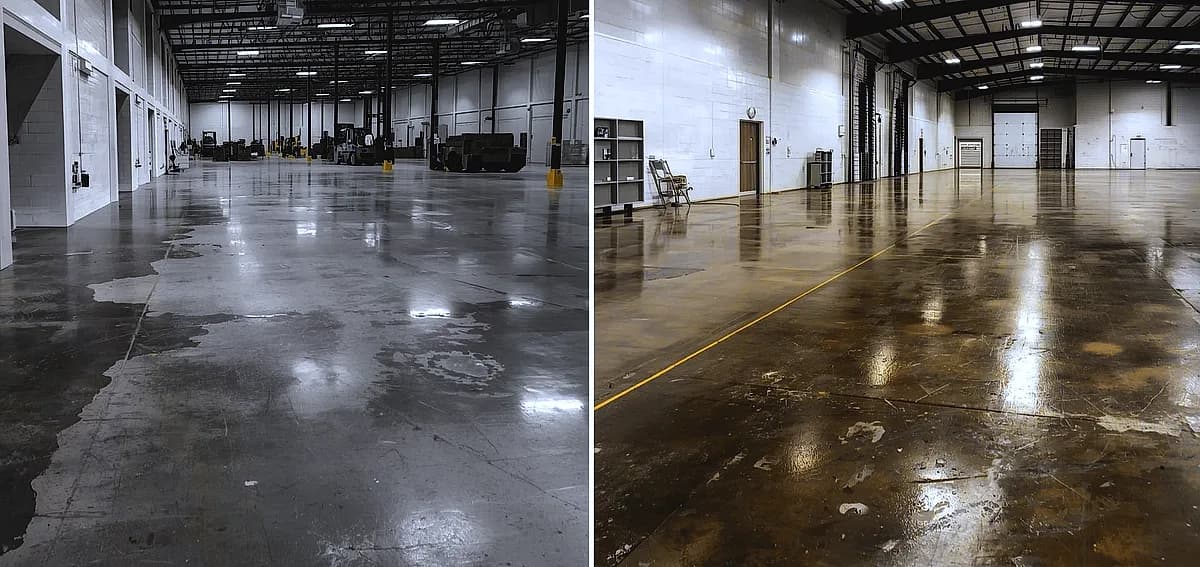
The cure time difference between polyaspartic and epoxy significantly impacts project logistics. Epoxy installations typically require 2-3 days for multi-coat systems, with full cure taking up to 7 days before heavy use. During this period, the garage or facility remains unusable.
Polyaspartic systems can often be completed in a single day, with light foot traffic possible within hours and vehicle traffic within 24 hours. For Fort Lauderdale businesses, this reduced downtime translates to minimal revenue disruption. Residential clients appreciate returning their garage to functional use quickly.
The installation timeline also affects weather vulnerability. Longer cure times mean more opportunity for humidity spikes, unexpected rain, or temperature changes to affect the final result. Professional installers in South Florida often schedule epoxy work during the drier months (November through April) to minimize weather-related complications.
Surface Preparation Requirements
Both coating types require thorough concrete preparation for proper adhesion. The concrete surface must be clean, free of contaminants, and properly profiled to create a mechanical bond. Shot blasting or diamond grinding creates the appropriate concrete surface profile (CSP) for coating adhesion.
ASTM D7234 establishes the standard for evaluating pull-off adhesion strength of coatings on concrete. This test measures the greatest perpendicular force a surface can bear before the coating detaches. Both polyaspartic and high-quality epoxy systems should achieve adhesion values that exceed the concrete substrate strength itself—meaning the concrete fails before the coating bond.
The critical difference lies in what happens after preparation. Epoxy’s slower cure rate allows more time for contaminants to settle on the prepared surface before coating application. Polyaspartic’s rapid application and cure reduce this vulnerability, which proves advantageous in Fort Lauderdale’s dusty, humid conditions.
Cost Analysis
Initial Investment
Epoxy floor coatings cost less upfront than polyaspartic systems. For a typical Fort Lauderdale garage, the price difference can range from 20% to 40% depending on the specific products and system complexity. This cost advantage makes epoxy attractive for budget-conscious property owners.
However, the lower material cost of epoxy often gets offset by longer installation times. Labor costs for a 2-3 day epoxy project exceed those for a single-day polyaspartic installation. When calculating total project cost, the labor savings from faster installation narrow the price gap considerably.
For commercial epoxy flooring applications where business operations must pause during installation, the indirect costs of downtime often exceed the coating material savings. Warehouses, retail spaces, and manufacturing facilities may find polyaspartic’s faster turnaround provides better overall value.
Long-Term Value
The true cost comparison requires examining lifespan and maintenance needs. Polyaspartic coatings typically outlast epoxy by several years in demanding environments. The superior chemical resistance, UV stability, and flexibility of polyaspartic reduce the frequency of repairs and recoating.
Epoxy floors in Fort Lauderdale often show wear patterns, yellowing, or adhesion issues within 5-7 years, particularly in areas receiving UV exposure or heavy traffic. Polyaspartic systems routinely perform for 10-15 years or longer with proper maintenance. This extended lifespan spreads the higher initial cost over more years of service.
Warranty coverage also differs between coating types. Polyaspartic manufacturers often provide longer warranty periods, reflecting confidence in the product’s durability. Reviewing warranty terms helps property owners understand what protection they receive and what conditions might void coverage.
Application-Specific Recommendations
Residential Garages
Fort Lauderdale homeowners should consider their garage usage patterns when selecting coatings. Standard residential use—parking vehicles, some storage, occasional workshop activities—suits either coating type when properly installed. The deciding factors often come down to budget, timeline preferences, and aesthetic goals.
For garages with significant natural light through windows or frequently opened doors, polyaspartic provides better color retention. Homeowners planning decorative concrete finishes with flake systems or custom colors benefit from polyaspartic’s UV stability.
Properties near the beach or Intracoastal face additional salt air exposure. The superior chemical resistance of polyaspartic coatings provides better protection against the corrosive effects of salt-laden air that penetrates Fort Lauderdale garages.
Commercial and Industrial Facilities
Commercial applications in Fort Lauderdale demand coatings that withstand heavy traffic, chemical exposure, and demanding cleaning protocols. Warehouses, distribution centers, and manufacturing facilities benefit from polyaspartic’s abrasion resistance and rapid return-to-service time.
Food service and healthcare facilities require coatings that meet specific sanitation standards. The commercial kitchen flooring requirements for seamless, non-porous surfaces favor polyaspartic or high-performance epoxy systems. The rapid cure of polyaspartic allows overnight installation with minimal disruption to operations.
Retail environments where floor appearance impacts customer perception should prioritize polyaspartic for its lasting gloss and color stability. The higher upfront cost pays dividends through maintained aesthetics and reduced maintenance closures.
Outdoor and Semi-Exposed Areas
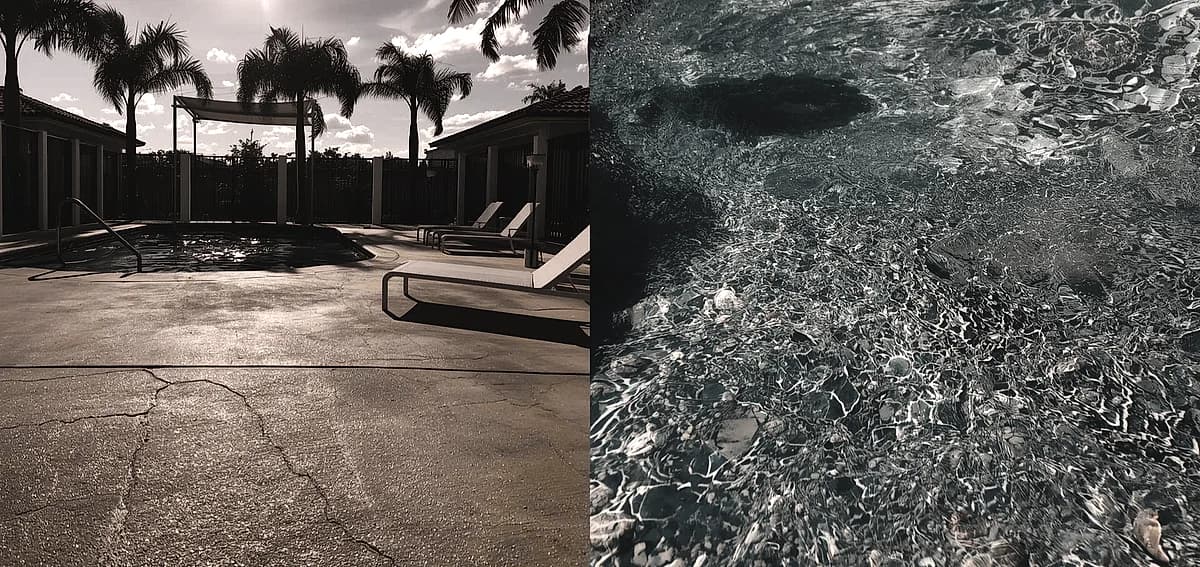
Pool decks, covered patios, and lanais present unique challenges that favor polyaspartic over standard epoxy. The combination of UV exposure, humidity, and temperature variation exceeds the tolerances of most epoxy systems. Polyaspartic’s flexibility and UV stability make it suitable for these demanding applications.
The Florida Building Code and local Broward County requirements may specify certain performance characteristics for outdoor coatings. Professional contractors familiar with Fort Lauderdale regulations ensure compliance while selecting appropriate coating systems.
Hybrid System Advantages
Many professional installers recommend hybrid systems that combine epoxy and polyaspartic technologies. This approach uses an epoxy base coat—which provides excellent penetration into the concrete substrate and cost-effective buildup—topped with a polyaspartic finish coat that provides UV protection, chemical resistance, and durability.
The hybrid approach offers several advantages for Fort Lauderdale applications: the epoxy base coat bonds securely to the concrete when installed under controlled conditions, the polyaspartic topcoat protects against UV degradation and provides the wear surface, and the system cost falls between all-epoxy and all-polyaspartic options.
Professional installers from National Concrete Polishing evaluate each project’s specific conditions to recommend the optimal system. Factors including substrate condition, environmental exposure, traffic levels, and budget influence the final specification.
Frequently Asked Questions
How long does polyaspartic coating last in Fort Lauderdale’s climate?
Properly installed polyaspartic coatings typically last 10-15 years or longer in Fort Lauderdale. The coating’s UV stability and flexibility help it withstand the region’s intense sun, humidity, and temperature swings. Regular cleaning and avoiding harsh chemicals extend the coating’s service life.
Can epoxy be installed during Fort Lauderdale’s rainy season?
Epoxy installation during May through October requires careful scheduling. The extended cure time leaves the coating vulnerable to humidity damage. Professional installers monitor weather forecasts and may use dehumidification equipment to control conditions during installation.
What causes hot tire pickup on garage floors?
Hot tire pickup occurs when warm vehicle tires adhere to the floor coating and lift it when the vehicle moves. Epoxy is more susceptible to this problem due to its rigid structure. Polyaspartic’s flexibility and stronger concrete bond significantly reduce hot tire pickup occurrence.
How soon can I park on a new polyaspartic floor?
Most polyaspartic systems allow vehicle traffic within 24 hours of application. Light foot traffic is typically safe within 4-6 hours. Always follow your installer’s specific recommendations, as cure times vary based on product formulation and environmental conditions.
Does salt air affect floor coatings in Fort Lauderdale?
Salt air accelerates degradation of many coating materials. Polyaspartic coatings offer superior resistance to salt-related corrosion compared to standard epoxy. Properties within a few miles of the ocean should prioritize coatings with proven salt air resistance.
What maintenance do coated garage floors require?
Regular sweeping and occasional mopping with pH-neutral cleaners keeps coated floors looking their best. Avoid harsh chemicals, abrasive cleaners, and standing water. Address spills promptly to prevent potential staining on lighter-colored coatings.
Can I apply polyaspartic over existing epoxy?
In many cases, yes—with proper surface preparation. The existing epoxy must be sound, well-adhered, and properly abraded to accept the polyaspartic topcoat. A professional evaluation determines whether re-coating is appropriate or complete removal is necessary.
Why does epoxy yellow over time?
Standard epoxy contains aromatic components that react with UV light, causing yellowing. This process accelerates in sunny climates like Fort Lauderdale. Aliphatic polyaspartic coatings don’t contain these UV-reactive components and maintain their original color.
What is the typical cost difference between epoxy and polyaspartic?
Polyaspartic materials cost approximately 20-40% more than standard epoxy. However, reduced labor time for installation often narrows the total project cost difference. Long-term value favors polyaspartic due to extended lifespan and reduced maintenance needs.
How do I know if my concrete is suitable for coating?
Professional contractors perform moisture testing, assess concrete condition, and identify any repairs needed before coating. Cracks, spalling, or high moisture levels require attention before coating application. Request a thorough substrate evaluation before committing to a coating system.
Sources
- ASTM International – ASTM D7234 Standard
- Weather and Climate – Fort Lauderdale Humidity
Take the Next Step
Fort Lauderdale property owners deserve floor coatings that perform in South Florida’s demanding climate. Whether you choose polyaspartic, epoxy, or a hybrid system, professional installation ensures lasting results.
National Concrete Polishing provides expert evaluation and installation of floor coating systems throughout Fort Lauderdale, Miami, and South Florida. Our team assesses your specific conditions, recommends appropriate products, and delivers quality workmanship backed by warranty protection.
Get a Free Estimate to discuss your floor coating project with our experienced team.
Written by

Founder and CEO
Chris Lavin is an esteemed leader in concrete polishing and epoxy coatings with a distinguished 20-year career. As founder and CEO of National Concrete Polishing and owner of Xtreme Polishing Systems, he's renowned for polishing and epoxy coating more floors than anyone globally. Chris is recognized for his innovative approach and commitment to enhancing floor durability and aesthetics. His hands-on experience and technical proficiency make him a respected authority and a valuable resource in the field of floor polishing and coatings.
Same topic
Related articles
All stories
Epoxy & coatings8 min read
DIY vs Professional Epoxy Flooring in Fort Lauderdale
Hardware stores heavily market all-in-one boxes that promise a showroom finish with minimal effort.
Read it
Epoxy & coatings8 min read
Can You DIY Epoxy Flooring in Miami? Pros, Cons, and Tips
Applying a durable floor finish in a tropical or highly humid climate presents unique environmental challenges.
Read it
Epoxy & coatings7 min read
DIY Epoxy Flooring in South Florida: Is It Worth the Risk?
However, these products generally contain high levels of water or solvents to extend their pot life.
Read it
Tell us about the floor
Tell us the space and roughly how big it is.We come back with what it would cost and when we could start.
Prefer to talk? Call +1 844-876-5474
- Leads@
nationalconcretepolishing.net - 2200 NW 32nd St #600,
Pompano Beach, FL 33069 Mon to Fri, 9:00 to 5:30