
The NCP blog
Understanding Concrete Polishing for Fort Lauderdale Homes and Businesses
Residential9 min read
Concrete polishing is a mechanical process that grinds, hones, and burnishes concrete with diamond-impregnated abrasives.
Concrete polishing is a mechanical process that transforms existing concrete surfaces into highly durable, aesthetically appealing floors through grinding, honing, and burnishing with diamond-impregnated abrasives. This technique has become increasingly popular among Fort Lauderdale property owners seeking long-lasting flooring solutions that combine functionality with modern visual appeal. Unlike traditional floor coverings that require replacement, polished concrete retains the underlying slab while creating a smooth, reflective surface that can last decades with proper maintenance.
Key Takeaways:
- Polished concrete floors can last 20+ years with minimal maintenance compared to 5-10 years for standard flooring
- The process reduces long-term flooring costs by up to 60% over a 20-year period
- Polished concrete reflects light effectively, reducing lighting energy costs by 15-30%
- The surface achieves hardness ratings of 7-8 on the Mohs scale, making it highly resistant to scratches
- Concrete polishing is classified as a sustainable flooring option by the Green Building Council
- Installation time typically ranges from 3-7 days depending on square footage and condition
- The process is suitable for both residential and commercial applications in coastal climates
What Is Concrete Polishing? A Comprehensive Overview
Concrete polishing is a multi-step surface preparation technique that mechanically refines concrete floors to achieve various levels of sheen and durability. The process begins with coarse diamond tooling that removes surface imperfections, followed by progressively finer grits until the desired finish is achieved. During polishing, chemical hardeners called densifiers are applied to penetrate the concrete surface, filling pores and creating a harder, more resistant substrate.
The American Concrete Institute (ACI) defines polished concrete as “a concrete surface that has been treated with a penetrant chemical hardener (densifier) and polished with progressively finer grinding tools to achieve a specified level of aggregate exposure and floor gloss as defined by ACI 310.” This technical definition underscores that professional concrete polishing is far more than simple cleaning—it is a systematic restoration process that fundamentally alters the concrete’s surface characteristics.
The Concrete Polishing Process Explained
Understanding the step-by-step process helps property owners set realistic expectations for their flooring project. The concrete polishing workflow consists of distinct phases, each serving a specific purpose in achieving the final result.
Step 1: Surface Preparation and Repair
Before any grinding begins, technicians assess the existing concrete for cracks, spalling, or uneven areas. Surface preparation typically involves shot blasting or scarifying to remove existing coatings, adhesives, or contaminants. According to the Concrete Polishing Association of America (CPAA), proper surface preparation accounts for approximately 80% of the overall project success. Any repairs must cure completely before proceeding to the grinding phase.
Step 2: Initial Grinding Pass
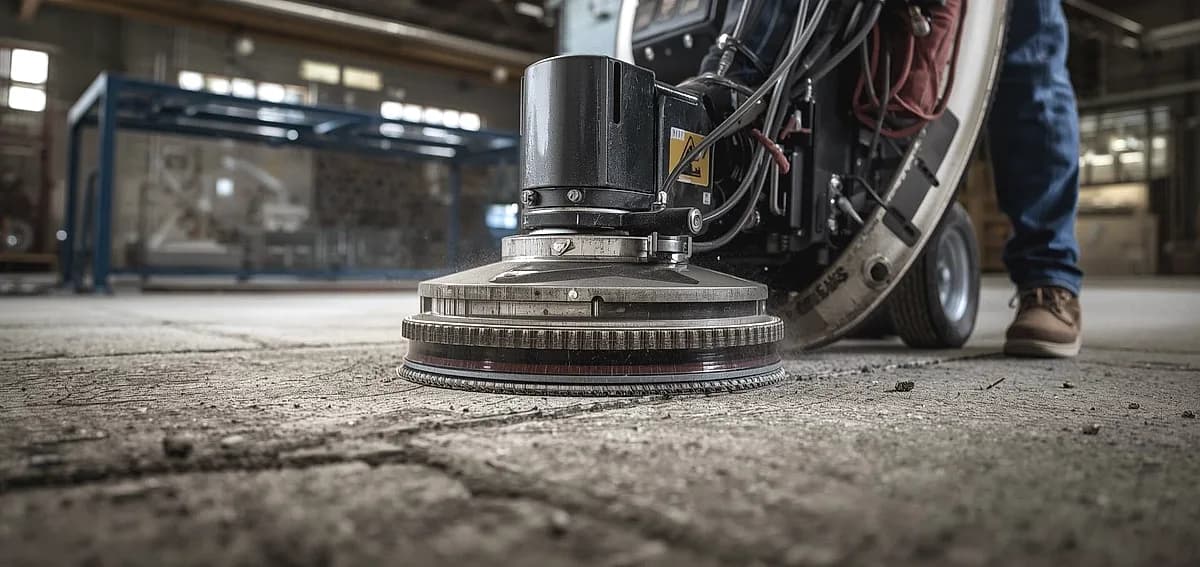
The first grinding pass uses metal-bonded diamond tooling in the 16-80 grit range. This aggressive step removes the top 1-3mm of concrete surface, eliminating imperfections and exposing the aggregate beneath. For new concrete, this step creates a flat, level surface. For older slabs, it removes years of wear, stains, and minor damage.
Step 3: Densifier Application
After initial grinding, a liquid chemical densifier is applied to the surface. These products, typically sodium silicate, potassium silicate, or lithium silicate compounds, react with the calcium hydroxide in concrete to form calcium silicate hydrate (CSH). Research from the Portland Cement Association indicates that densifier-treated surfaces achieve 30-50% greater surface hardness compared to untreated concrete. The densifier fills micro-pores and creates a crystalline structure that strengthens the floor from within.
Step 4: Progressive Honing
Subsequent grinding passes use progressively finer resin-bonded diamonds (100-400 grit range). Each pass refines the surface texture, removing scratches from the previous step. This phase determines the level of aggregate exposure—light, medium, or full aggregate exposure depending on client preferences and the concrete’s natural composition.
Step 5: Final Polishing and Burnishing
The final phase uses ultra-fine diamonds (800-3000 grit) and high-speed burnishing equipment. This step creates the characteristic high-gloss finish associated with polished concrete. Some installations include guard treatments or stain guards applied after final polishing to enhance stain resistance and simplify maintenance.
Benefits of Polished Concrete for Fort Lauderdale Properties
Fort Lauderdale’s unique climate presents specific challenges for flooring materials. High humidity, salt air exposure, and intense sunlight affect building materials differently than in inland regions. Polished concrete addresses many of these concerns while offering additional advantages.
Exceptional Durability and Longevity
Polished concrete floors demonstrate remarkable resistance to foot traffic, heavy loads, and environmental factors. The surface hardness achieved through polishing—typically 7-8 on the Mohs scale—exceeds most other flooring options. Industry data from the CPAA suggests that properly maintained polished concrete floors can exceed 20-year service lives, significantly outperforming vinyl composition tile (5-10 years), carpet (3-5 years), and even some ceramic tiles (10-15 years).
Moisture and Humidity Resistance
Unlike wood flooring that warps in humid conditions or carpet that harbors mold, polished concrete handles Fort Lauderdale’s moisture challenges effectively. The densification process reduces porosity, limiting moisture absorption. This characteristic proves particularly valuable for properties near the coast where salt air accelerates deterioration of less resilient materials.
Light Reflectivity and Energy Efficiency
The reflective nature of polished concrete surfaces can reduce lighting energy costs by 15-30% according to studies from the U.S. Green Building Council. In commercial settings with high ceiling heights, this benefit becomes even more pronounced. The light-colored finish also helps spaces feel brighter and more open, reducing reliance on artificial lighting during daylight hours.
Low Maintenance Requirements
Unlike epoxy coatings that require reapplication every 3-7 years or waxed floors that need regular stripping and refinishing, polished concrete maintenance is straightforward. Daily maintenance involves dust mopping and occasional wet mopping with pH-neutral cleaners. The CPAA reports that maintenance costs for polished concrete average 50-70% lower than traditional flooring options over a 10-year period.
Polished Concrete Finishes: Choosing the Right Level
Not all polished concrete finishes are identical. Property owners can select from several finish levels based on aesthetic preferences, functional requirements, and budget considerations.
| Finish Level | Grit Range | Appearance | Best Applications |
|---|---|---|---|
| Flat/Matte | 100-400 grit | Subtle sheen, no reflection | Industrial facilities, utility areas |
| Satin | 400-800 grit | Low luster, slight reflection | Residential interiors, retail spaces |
| High Gloss | 800-3000 grit | Mirror-like reflection | Showrooms, restaurants, lobbies |
| Ultra-High | 3000+ grit | Maximum clarity and shine | Luxury properties, display areas |
Aggregate Exposure Levels
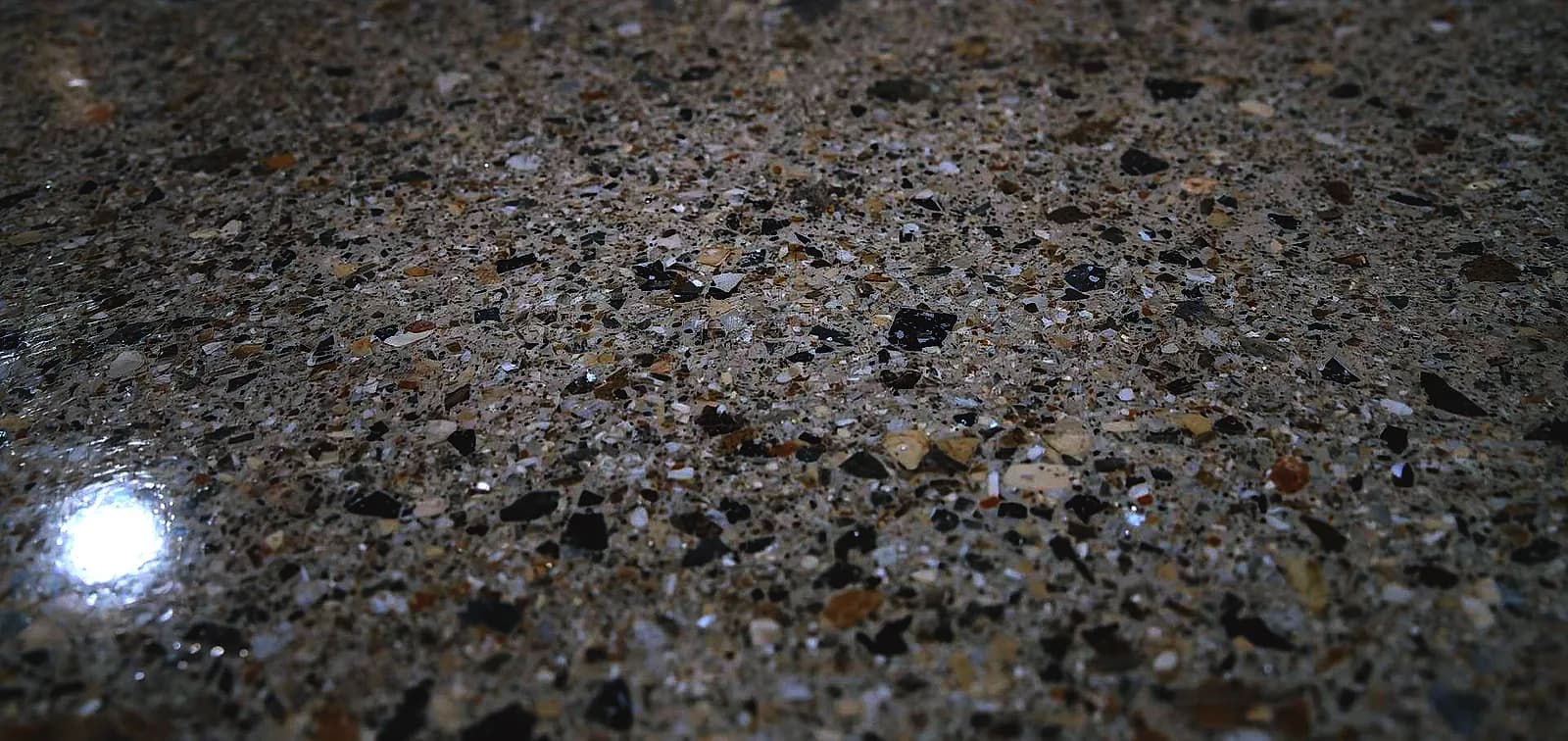
Beyond sheen level, aggregate exposure significantly impacts the final appearance. Cream finishes preserve the original concrete surface without visible aggregate. Salt and pepper finishes reveal fine aggregate particles scattered throughout the surface. Full aggregate exposure reveals the concrete’s complete aggregate composition, creating a terrazzo-like appearance that many designers find visually striking.
Cost Considerations for Polished Concrete Projects
Understanding the cost structure helps property owners budget appropriately for polished concrete installations. Several factors influence overall project costs.
Factors Affecting Installation Cost
Square footage forms the primary cost driver, with larger projects typically achieving lower per-square-foot pricing. Existing concrete condition matters significantly—floors requiring extensive repairs, coating removal, or level correction will cost more than surfaces in good condition. The desired finish level also affects pricing, as higher gloss levels require additional grinding passes and time.
According to industry estimates from the CPAA, polished concrete installation typically ranges from $3 to $12 per square foot for standard applications, with premium finishes or challenging conditions reaching $15-20 per square foot. While initial costs may exceed some flooring options, the extended service life and reduced maintenance requirements often result in lower total cost of ownership.
Long-Term Value Analysis
When comparing flooring options, property owners should consider lifecycle costs rather than initial installation expense alone. Polished concrete eliminates ongoing costs for replacement flooring, adhesives, underlayment, and disposal of old materials. The Concrete Network reports that over a 20-year period, polished concrete costs approximately 30-60% less than alternatives like VCT, ceramic tile, or engineered wood when maintenance, replacement, and cleaning costs are factored in.
Maintenance and Care for Polished Concrete Floors
Proper maintenance preserves the beauty and durability of polished concrete surfaces. The good news is that polished concrete requires less ongoing care than most traditional flooring options.
Daily and Weekly Maintenance
Regular dust mopping removes abrasive particles that could scratch the surface over time. For commercial applications, auto-scrubbers with soft pads or brushes provide efficient cleaning. Spills should be cleaned promptly, particularly acidic substances like wine, juice, or coffee that could etch the surface if left standing. The Concrete Polishing Association recommends pH-neutral cleaners specifically formulated for polished concrete to maintain the surface’s luster without degrading the densified layer.
Periodic Maintenance and Restoration
While polished concrete maintains its appearance longer than most alternatives, periodic maintenance helps preserve the original finish. High-traffic areas may benefit from occasional burnishing to restore the surface gloss. In commercial settings, walk-off mats at entrances reduce tracked-in abrasives. The CPAA suggests that properly maintained polished concrete floors typically require only annual or biennial professional maintenance visits.
Comparing Polished Concrete to Alternative Flooring Options
Property owners considering polished concrete should understand how it compares to other available options. Each flooring type presents distinct advantages and limitations.
When comparing polished concrete versus tile flooring, the choice often depends on aesthetic preferences and budget constraints. Tile offers more design variety but requires grout maintenance and individual tile replacement if damaged. Polished concrete provides seamless surfaces that resist staining when properly sealed.
For garage applications, many property owners weigh epoxy coating versus polished concrete. Epoxy provides excellent chemical resistance and comes in various colors, while polished concrete offers superior longevity and easier repairs for joint cracks common in Florida concrete slabs.
Common Questions About Concrete Polishing
Is concrete polishing suitable for all existing concrete floors?
Most structurally sound concrete floors can be polished, though floors with excessive cracking, severe spalling, or significant height variations may require repairs first. A professional assessment determines whether the existing slab is suitable for polishing or if alternative solutions would be more appropriate.
How long does the concrete polishing process take?
Project duration depends on square footage, existing condition, and desired finish level. A typical 1,000 square foot residential project takes approximately 3-5 days, while larger commercial installations may require 1-3 weeks. Curing time for any repairs or densifier applications must be factored into the schedule.
Does polished concrete become slippery when wet?
While polished concrete surfaces are smooth, they typically provide adequate traction for most residential and commercial applications. The CPAA notes that polished concrete often exceeds the coefficient of friction requirements specified by the Americans with Disabilities Act. For areas prone to wet conditions, anti-slip additives can be incorporated into the final treatment.
Can concrete polishing fix uneven floors?
Concrete polishing can address minor surface irregularities, but significant height differences require floor leveling before polishing begins. Properties with settling issues or improper initial installation may need concrete floor leveling services to achieve acceptable results.
How does polished concrete perform in outdoor areas?
Polished concrete is primarily designed for interior applications. Outdoor surfaces face challenges including UV exposure, freeze-thaw cycles (less relevant in Fort Lauderdale), and moisture infiltration that can compromise the polished surface. For outdoor concrete areas, alternative treatments like stamped concrete or pavers often provide better long-term performance.
What should I expect during and after the polishing process?
During polishing, some noise and dust are unavoidable despite dust collection systems. Technicians typically work in sections, allowing partial use of adjacent areas. After completion, the floor can handle light foot traffic within 24 hours, with full use resuming after any final sealer treatments cure completely.
Can existing coatings or adhesives be removed through polishing?
Yes, the initial grinding passes effectively remove most existing coatings, adhesives, mastics, and sealers. However, some coatings may require specialized removal techniques or multiple grinding passes. Professional floor removal ensures proper substrate preparation before polishing begins.
Conclusion
Concrete polishing offers Fort Lauderdale property owners a durable, attractive, and cost-effective flooring solution that withstands the unique challenges of coastal Florida environments. The process transforms ordinary concrete slabs into high-performance floors that combine aesthetic appeal with practical benefits including moisture resistance, light reflectivity, and minimal maintenance requirements.
Whether you’re considering polished concrete for a residential renovation, commercial space, or industrial facility, understanding the process, benefits, and maintenance requirements helps you make an informed decision. The initial investment in professional concrete polishing typically pays dividends through extended floor life, reduced maintenance costs, and improved property aesthetics.
Ready to explore whether concrete polishing is right for your Fort Lauderdale property? Our team of experienced professionals provides free consultations and detailed project estimates. Contact us today to discuss your flooring needs and discover how polished concrete can transform your space.
References
- American Concrete Institute (ACI) – Technical definitions and standards for polished concrete
- Concrete Polishing Association of America (CPAA) – Industry guidelines and best practices
- U.S. Green Building Council – Sustainability certification and energy efficiency data
- Portland Cement Association – Research on concrete densifiers and chemical treatments
- Concrete Network – Industry cost data and lifecycle analysis
- Wikipedia – General overview of polished concrete technology
Written by

Founder and CEO
Chris Lavin is an esteemed leader in concrete polishing and epoxy coatings with a distinguished 20-year career. As founder and CEO of National Concrete Polishing and owner of Xtreme Polishing Systems, he's renowned for polishing and epoxy coating more floors than anyone globally. Chris is recognized for his innovative approach and commitment to enhancing floor durability and aesthetics. His hands-on experience and technical proficiency make him a respected authority and a valuable resource in the field of floor polishing and coatings.
Same topic
Related articles
All stories
Residential8 min read
What Restaurants Need to Pass a Health Inspection Floor Check
It endures heavy foot traffic, dropped equipment, boiling water spills, and harsh degreasing chemicals daily.
Read it
Residential9 min read
How Restaurants Replace Their Floors Without Closing for Long
The average food service establishment loses approximately $3,500 in daily revenue during unexpected closures in 2026.
Read it
Residential8 min read
Where Polished Concrete Beats Epoxy in a Home (and Where It Doesn’t)
Before evaluating specific rooms, it is essential to understand how these two flooring systems function.
Read it
Tell us about the floor
Tell us the space and roughly how big it is.We come back with what it would cost and when we could start.
Prefer to talk? Call +1 844-876-5474
- Leads@
nationalconcretepolishing.net - 2200 NW 32nd St #600,
Pompano Beach, FL 33069 Mon to Fri, 9:00 to 5:30