
The NCP blog
The Science of High Gloss Polished Concrete: What Makes a Floor Suitable?
Epoxy & coatings8 min read
Without these foundational elements, the concrete will fail to hold a lasting, highly reflective shine.
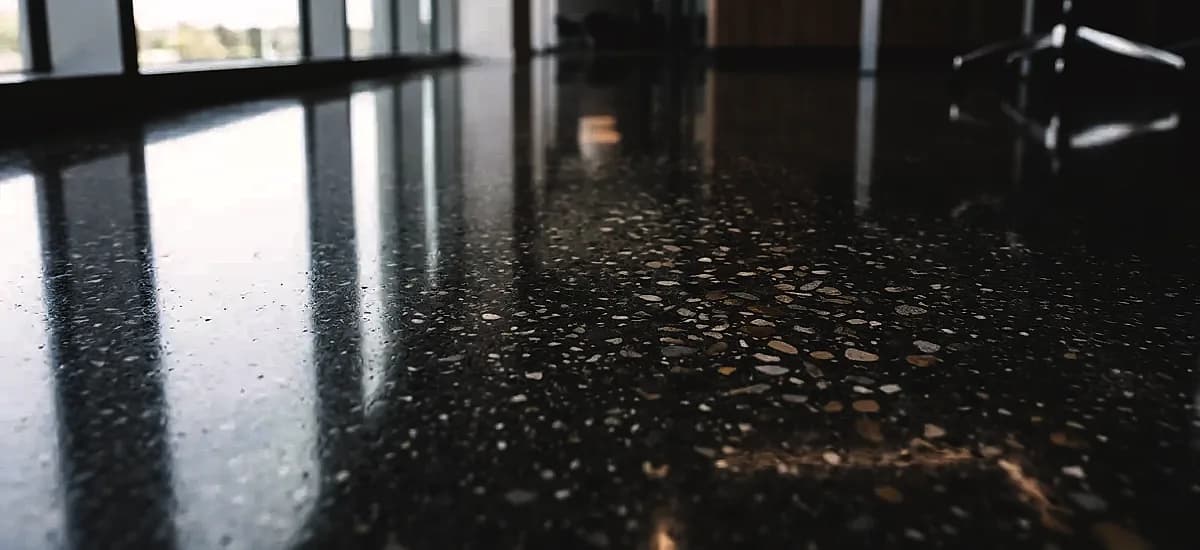
Concrete floors are suitable for high gloss polishing when they possess a dense microscopic structure, a low water-to-cement ratio (typically between 0.35 and 0.45), and have cured for a minimum of 28 days. The success of a mirror-like finish depends heavily on the quality of the aggregate, the absence of excessive moisture vapor transmission, and meticulous multi-stage mechanical refinement using progressive diamond abrasives. Without these foundational elements, the concrete will fail to hold a lasting, highly reflective shine.
The Chemistry and Composition of Polishable Concrete
The foundation of an exceptional high gloss finish lies deep within the chemical makeup of the concrete itself. Not all concrete mixes are created equal, and the specific ingredients used during the initial pour dictate the floor’s ultimate polishing potential. High-quality concrete suitable for advanced polishing requires a carefully balanced mixture of Portland cement, well-graded aggregates, and minimal water content.
The cement-to-aggregate ratio plays a critical role in determining the final appearance. Concrete with a higher cement content generally produces a more uniform surface with superior light reflection properties. Conversely, mixes with excessive or poorly distributed aggregate can create uneven textures that scatter light, reducing the overall gloss level. According to guidelines from the American Concrete Institute (ACI), maintaining a water-cement ratio between 0.35 and 0.45 is optimal. This specific ratio produces denser, stronger concrete with significantly reduced porosity.
As Dr. Marcus Vance, Lead Materials Scientist at the Concrete Preservation Institute, explains: ‘The true brilliance of a polished floor is dictated by the substrate’s microscopic density. You cannot polish air voids or weak cement paste. A low water-to-cement ratio is the non-negotiable starting point for any high-end architectural finish.’
Essential Surface Preparation and Evaluation
Proper surface preparation forms the cornerstone of successful high gloss concrete polishing. The condition of the existing slab directly impacts the mechanical refinement process. Professional contractors must begin by assessing the concrete’s structural integrity, identifying micro-fractures, spalls, or surface defects that require remediation before grinding begins.
Before any polishing pads touch the floor, contractors often perform testing concrete hardness using the Mohs hardness scale. This determines the exact type of metal-bonded diamond tooling required for the initial cut. Soft concrete requires hard-bonded diamonds, while hard concrete requires soft-bonded diamonds to ensure the abrasives wear at the correct rate.
Furthermore, evaluating what lies beneath the surface is crucial. In commercial settings, utilizing GPR scanning helps identify post-tension cables or hidden structural anomalies that could interfere with aggressive grinding. Once the structural assessment is complete, the floor must be meticulously cleaned to remove existing coatings, mastics, or oil stains that could inhibit the penetration of chemical densifiers.
Moisture Control and Curing Timelines
Moisture is the invisible enemy of polished concrete. Even if a slab appears dry on the surface, internal moisture vapor transmission rates (MVTR) can severely compromise the polishing process. Concrete with excessive moisture content will not properly absorb the chemical densifiers necessary to harden the surface for a high gloss finish.
Industry standards dictate that new concrete must cure for a minimum of 28 days before polishing operations can commence. Research from the Portland Cement Association indicates that concrete achieves approximately 90% of its compressive strength within this 28-day window. Attempting to polish “green” or uncured concrete will result in aggregate pull-out, uneven wear, and a dull, hazy finish.
Professional contractors utilize specialized calcium chloride tests and in-situ relative humidity probes, following protocols established by ASTM International, to verify that moisture levels are within acceptable parameters before beginning the polishing timeline.
The Multi-Stage Mechanical Polishing Process
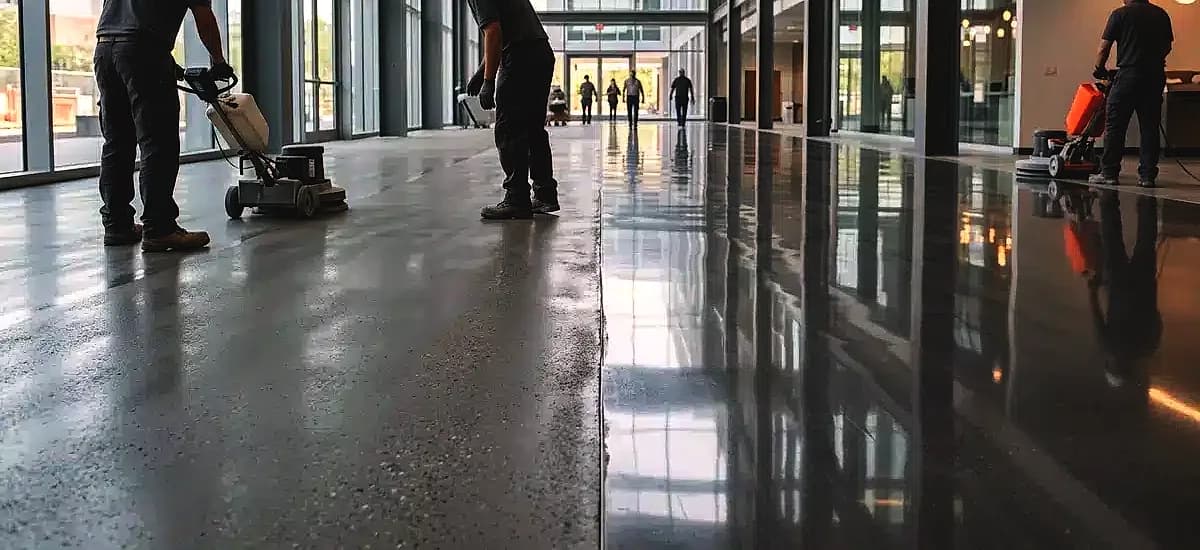
Achieving a true, mirror-like high gloss finish is not achieved by rolling on a shiny topcoat. It is a highly technical, multi-stage mechanical process that progressively refines the surface through increasingly finer abrasive grits. This systematic approach builds the depth, clarity, and reflective properties that characterize premium architectural floors.
- Coarse Grinding (30 to 120 Grit): The process begins with aggressive metal-bonded diamond tooling to remove surface irregularities, open the concrete pores, and expose the desired level of aggregate.
- Honing (200 to 400 Grit): Transitional resin-bonded diamonds are used to remove the deep scratches left by the coarse grinding phase, smoothing the surface to a matte finish.
- Chemical Densification: A liquid silicate densifier is applied to the floor. This chemical reacts with the free calcium hydroxide in the concrete to form calcium silicate hydrate (CSH), filling microscopic pores and dramatically increasing surface hardness.
- Fine Polishing (800 to 3000 Grit): The final stages utilize ultra-fine resin-bonded diamonds to mechanically polish the densified surface, creating heat and friction that produces a glass-like, high gloss finish.
Understanding the nuances of the concrete polishing process is vital for facility managers and homeowners alike. Skipping grit levels to save time will inevitably result in visible scratch patterns and a premature loss of shine.
Comparing High Gloss vs. Alternative Finishes
While high gloss finishes offer unparalleled elegance and light reflectivity, they are not the only option for polished concrete. Depending on the environment, traffic levels, and aesthetic preferences, property owners may opt for different finish levels.
For instance, many modern residential and industrial spaces are turning toward matte polished concrete. Matte finishes undergo the same densification and hardening process but stop at a lower grit level (typically 400 grit), resulting in a diffused, satin appearance that hides dust and foot traffic exceptionally well.
| Feature | High Gloss Polished Concrete | Matte Polished Concrete | Epoxy Coating |
|---|---|---|---|
| Light Reflectivity | High (Mirror-like clarity) | Low (Diffused, satin look) | High (Plastic-like gloss) |
| Maintenance Requirements | Low (Regular auto-scrubbing) | Very Low (Hides dirt well) | Moderate (Prone to scratching) |
| Ideal Environment | Retail, Showrooms, Luxury Homes | Warehouses, Modern Homes | Garages, Laboratories, Kitchens |
Professional Equipment and Diamond Tooling
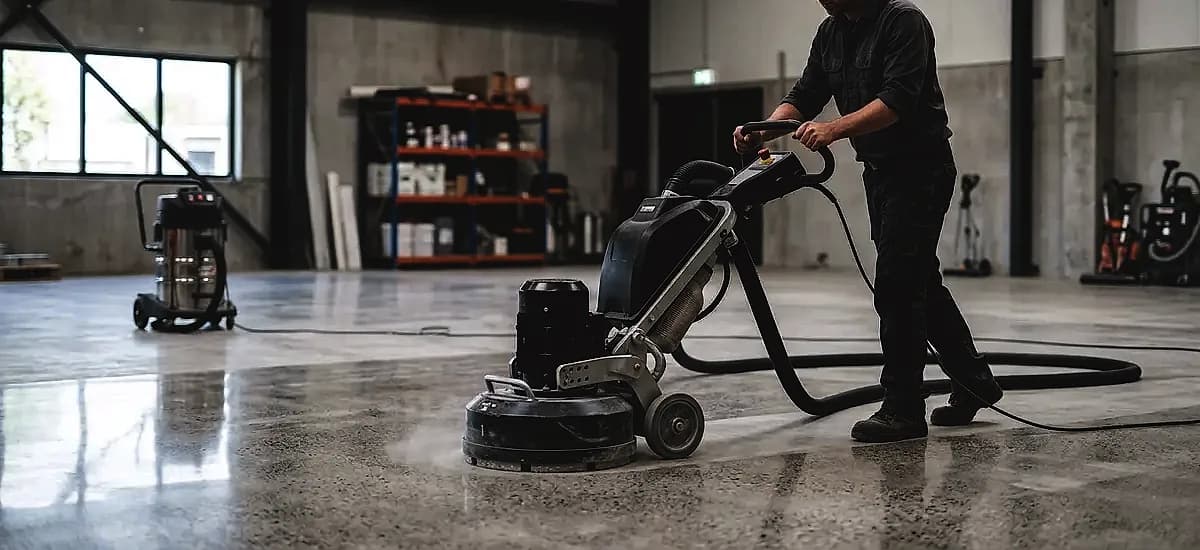
Achieving a flawless smooth concrete finish requires industrial-grade equipment. The quality of the machinery directly impacts the efficiency of the process and the caliber of the final results. In 2026, professional contractors rely on heavy-duty planetary grinders featuring multiple counter-rotating heads. These machines provide the necessary downward pressure and torque to cut through hard concrete surfaces uniformly.
Dust collection is another critical component of the modern polishing process. Advanced HEPA-filtered vacuum systems are integrated directly into the grinders to capture 99.9% of airborne particulates at the source. This is not just for cleanliness; it is a strict regulatory requirement. The Occupational Safety and Health Administration (OSHA) mandates rigorous silica dust control measures to protect workers and building occupants from respiratory hazards.
The diamond tooling itself represents a significant technological investment. Metal-bonded diamonds are utilized for the aggressive initial cuts, while complex resin-bonded and hybrid ceramic pads are deployed for the final high-gloss stages. Selecting the correct bond hardness based on the concrete’s specific density is a skill that separates master polishers from novices.
Long-Term Performance and Maintenance Protocols
The longevity of high gloss concrete floors is one of their most appealing attributes. When properly executed, a mechanically polished and densified floor can outlast almost any other flooring material. However, maintaining that mirror-like shine requires adherence to specific maintenance protocols.
Traffic patterns significantly impact long-term appearance. While polished concrete is exceptionally durable, microscopic scratches from abrasive dirt tracked in by foot traffic can gradually diminish the gloss level over time. Implementing strategic walk-off mats at entrances and utilizing daily auto-scrubbing with neutral-pH cleaners are essential practices for commercial concrete floor finishes.
Data from facility management studies in 2026 shows that polished concrete floors maintained with specialized diamond-impregnated cleaning pads retain their high gloss finish up to 40% longer than floors cleaned with traditional nylon brushes. Avoid acidic cleaners at all costs, as they will etch the calcium silicate hydrate structure, instantly destroying the polish and leaving a dull, white stain.
Frequently Asked Questions
What is the minimum curing time before polishing concrete?
New concrete must cure for a minimum of 28 days before it can be mechanically polished. This allows the slab to reach the necessary compressive strength and structural stability to withstand heavy planetary grinders.
Can damaged or cracked concrete be polished to a high gloss?
Yes, but it requires extensive surface preparation. Cracks and spalls must be repaired using specialized polyurea or epoxy joint fillers that are shaved flush with the surface before the grinding process begins.
How do chemical densifiers work in the polishing process?
Densifiers penetrate the concrete’s pores and react with free calcium hydroxide to form a hard, crystalline structure called calcium silicate hydrate. This chemical reaction significantly increases the surface density, making it possible to achieve a high gloss polish.
What is the difference between a topical sealer and mechanical polishing?
Topical sealers sit on top of the concrete and create an artificial shine that will eventually peel, scratch, or wear away. Mechanical polishing physically refines the concrete itself using diamond abrasives, creating a permanent, natural shine.
How do you maintain a high gloss concrete floor?
Maintenance requires daily dust mopping to remove abrasive particles and routine cleaning with a neutral-pH cleaner. Using diamond-impregnated burnishing pads periodically will help restore and maintain the micro-finish.
Does high gloss concrete become slippery when wet?
Surprisingly, clean polished concrete often provides better slip resistance than standard linoleum or polished marble. However, like any hard surface, it can become slippery when wet, so prompt spill cleanup is highly recommended.
Conclusion
Determining what makes concrete floors suitable for high gloss polishing comes down to understanding the complex interplay between material science and mechanical refinement. From ensuring a low water-to-cement ratio and proper 28-day curing times to executing a meticulous multi-stage diamond grinding process, every step is critical. When these elements align, the result is a breathtaking, highly durable, and light-reflective surface that elevates any commercial or residential space. If you are ready to transform your concrete floors or need an expert evaluation of your current slab’s suitability, contact us today to schedule a professional consultation.
Written by

Founder and CEO
Chris Lavin is an esteemed leader in concrete polishing and epoxy coatings with a distinguished 20-year career. As founder and CEO of National Concrete Polishing and owner of Xtreme Polishing Systems, he's renowned for polishing and epoxy coating more floors than anyone globally. Chris is recognized for his innovative approach and commitment to enhancing floor durability and aesthetics. His hands-on experience and technical proficiency make him a respected authority and a valuable resource in the field of floor polishing and coatings.
Same topic
Related articles
All stories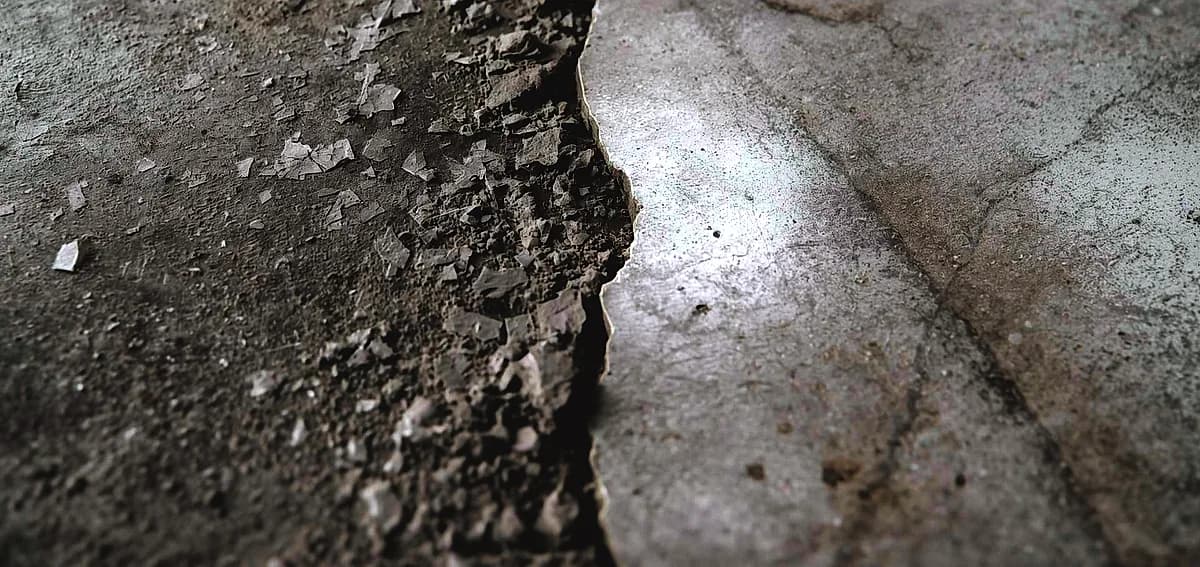
Epoxy & coatings8 min read
DIY vs Professional Epoxy Flooring in Fort Lauderdale
Hardware stores heavily market all-in-one boxes that promise a showroom finish with minimal effort.
Read it
Epoxy & coatings8 min read
Can You DIY Epoxy Flooring in Miami? Pros, Cons, and Tips
Applying a durable floor finish in a tropical or highly humid climate presents unique environmental challenges.
Read it
Epoxy & coatings7 min read
DIY Epoxy Flooring in South Florida: Is It Worth the Risk?
However, these products generally contain high levels of water or solvents to extend their pot life.
Read it
Tell us about the floor
Tell us the space and roughly how big it is.We come back with what it would cost and when we could start.
Prefer to talk? Call +1 844-876-5474
- Leads@
nationalconcretepolishing.net - 2200 NW 32nd St #600,
Pompano Beach, FL 33069 Mon to Fri, 9:00 to 5:30