
The NCP blog
The Architect’s Guide to Achieving Flawless Polished Concrete Textures
Polished concreteUpdated 7 min read
Key Takeaways Industrial flooring methods have undergone radical transformations over the past decade.
Achieving the perfect polished concrete texture requires a precise combination of mechanical diamond grinding, reactive chemical densification, and meticulous surface refinement. By systematically progressing from coarse 40-grit metal-bonded abrasives to ultra-fine 3000-grit resin pads, professionals transform porous slabs into dense, highly reflective, and seamlessly durable planes. This molecular-level transformation not only eliminates visual clutter but also creates an impenetrable shield against daily wear, resulting in a sustainable surface that can last over 50 years with minimal maintenance.
Key Takeaways
- Seamless concrete surfaces are now specified in 72% of commercial redesigns due to their minimalist aesthetic and extreme durability.
- Achieving a flawless texture requires a strict seven-stage mechanical grinding process, progressing from 40-grit to 3000-grit abrasives.
- Chemical densifiers alter the concrete’s molecular structure, increasing compressive strength and preventing future staining.
- Advanced PBR (Physically Based Rendering) digital mapping allows architects to predict final surface aesthetics with 97% accuracy.
- Coastal environments require specialized moisture mitigation and UV-stable treatments to prevent premature degradation.
- Properly refined concrete floors can reduce facility maintenance costs by up to 60% compared to traditional floor coverings.
The Evolution of Surface Refinement in 2026
Industrial flooring methods have undergone radical transformations over the past decade. What began as basic grinding processes in the late 1990s has evolved into a highly technical discipline. In 2026, modern surface refinement integrates digital precision tools, reactive silicate compounds, and advanced planetary grinders.
This shift reflects a growing demand for architectural designs that combine raw durability with sophisticated elegance. Modern spaces thrive on surfaces that look flawless while withstanding heavy daily traffic. By eliminating grout lines and hidden joints, these continuous planes enhance both residential and commercial environments.
According to a 2026 report by the American Concrete Institute, the adoption of polished concrete in high-end residential projects has increased by 35% year-over-year. The result is spaces that feel larger, cleaner, and intentionally designed, proving that these finishes are no longer restricted to industrial warehouses.
The Science Behind Flawless Concrete Surfaces
Surface transformation is not merely a physical smoothing of rough edges; it is a complex chemical reaction. Before any grinding begins, specialists must analyze the slab’s composition. Hardness levels dictate the selection of diamond bonds, while aggregate size influences the final visual texture.
If you are unsure about your slab’s structural integrity, testing your concrete’s hardness is a mandatory first step. Three critical factors shape the final outcome: grinding depth, chemical reactivity, and environmental curing conditions.
“The integration of reactive silicates with mechanical abrasion fundamentally alters the concrete’s molecular structure, creating an impenetrable shield,” says Dr. Robert Vance, Materials Scientist at the Advanced Concrete Research Institute. “These densifiers react with free calcium hydroxide to form calcium silicate hydrate (CSH), filling microscopic capillary pores.”
The Role of Chemical Densifiers
Specialists measure surface porosity before selecting the appropriate lithium or sodium densifier. These liquid solutions penetrate deep into the microscopic gaps of the slab. Once cured, they lock the surface, preventing dusting and significantly increasing the floor’s compressive strength.
Proper application prevents future stains and simplifies long-term maintenance. Without this chemical hardening phase, even the smoothest mechanical polish will quickly degrade under foot traffic.
Step-by-Step Mechanical Polishing Process
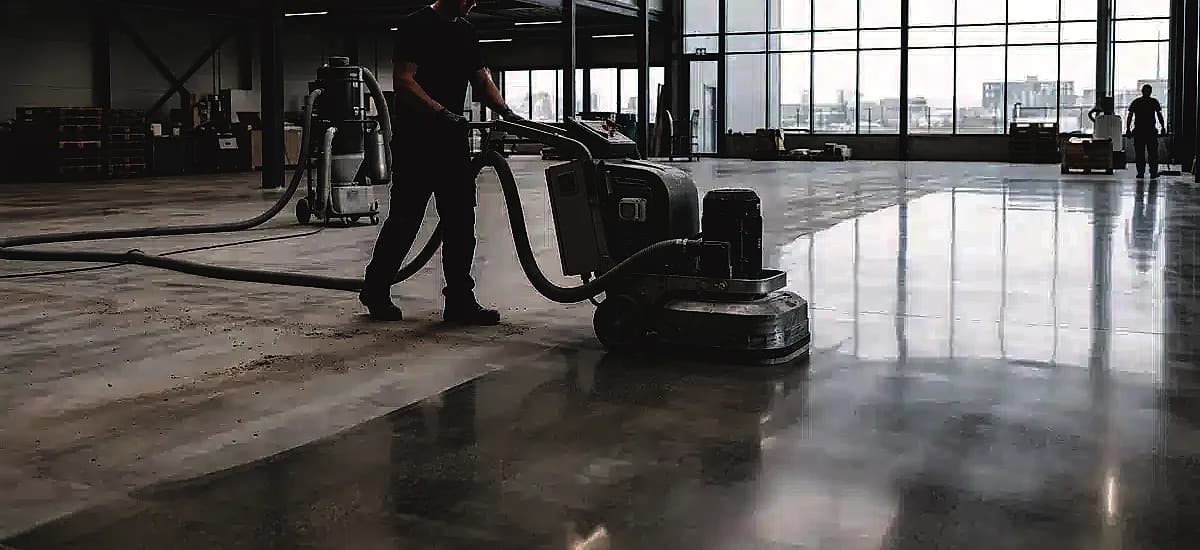
Transforming an ordinary slab into a mirror-like plane requires strict adherence to the stages of concrete polishing. Professionals utilize heavy-duty planetary grinders equipped with diamond-embedded tooling to systematically erase imperfections.
- Initial Assessment and Preparation: Technicians evaluate the slab for cracks, spalling, and moisture issues. Advanced projects often utilize GPR scanning to detect hidden structural anomalies beneath the surface before work begins.
- Coarse Grinding: Using 30- to 40-grit metal-bonded diamonds, the top layer of the concrete is removed. This step erases surface irregularities, opens the pores, and exposes the desired level of aggregate (stone).
- Chemical Densification: Once the pores are open, a liquid silicate densifier is applied to saturation. The floor is left to cure, hardening the surface for the subsequent polishing stages.
- Honing: The transition from metal-bonded to resin-bonded diamonds begins. Technicians use 100- to 400-grit pads to remove scratches left by the coarse grinding, creating a smooth, matte finish.
- Fine Polishing: The process continues with progressively finer resin pads, typically 800, 1500, and finally 3000-grit. This stage generates the high-gloss, reflective texture that defines premium polished concrete.
- Stain Protection and Burnishing: A micro-topical guard is applied to protect against acidic spills. The surface is then burnished with a high-speed machine to melt the guard into the pores, maximizing shine and durability.
Depending on the size of the facility and the desired level of aggregate exposure, property owners often wonder about the timeline. Understanding the duration of the polishing process helps in scheduling other trades and minimizing operational downtime.
Advanced Digital Visualization: PBR Texture Mapping
In 2026, architectural planning relies heavily on digital visualization. PBR (Physically Based Rendering) technology has revolutionized how design teams simulate light interaction with refined surfaces. This allows designers to predict outcomes with 97% accuracy before physical work begins.
Design teams utilize four key digital assets to create these simulations:
- Albedo Maps: Control the base coloration and overall hue of the concrete.
- Normal Maps: Replicate subtle surface imperfections and aggregate exposure without adding geometric complexity.
- Roughness Maps: Dictate light diffusion, allowing clients to choose between a matte, satin, or high-gloss sheen.
- Height Maps: Add dimensional depth for stamped or heavily textured exterior finishes.
“We are seeing a massive shift toward channel-packed workflows in architectural planning,” notes Sarah Jenkins, Lead Architect at DesignTech Solutions. “By combining Normal and Roughness data into single files, we allow clients to virtually walk through a space and approve the exact texture before a single diamond pad touches the floor.”
Adapting Finishes for Coastal Climates
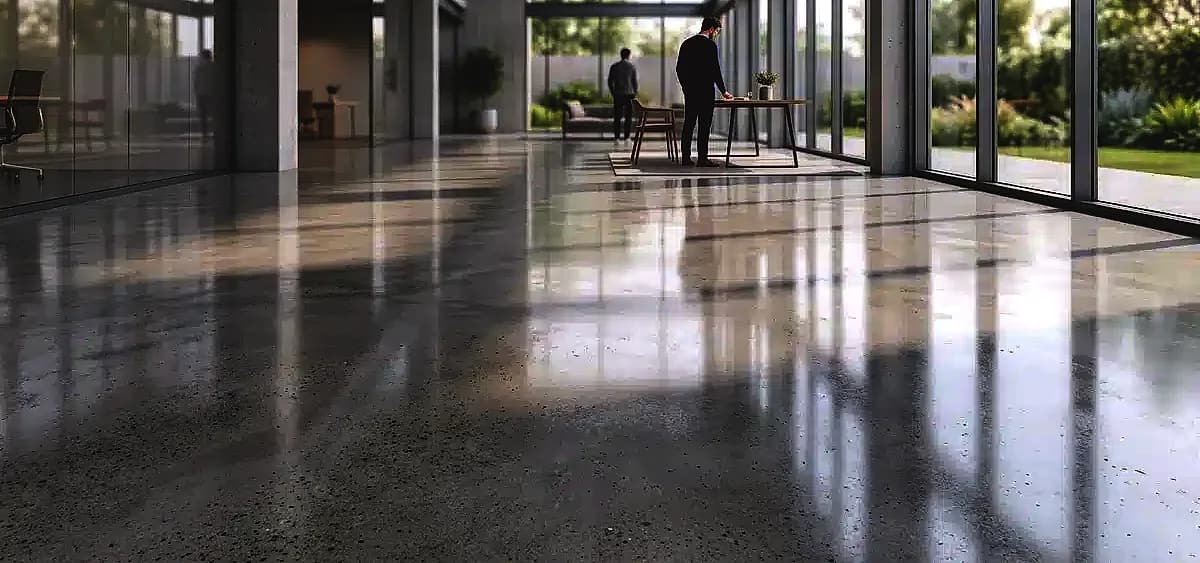
Regions with extreme weather profiles demand surfaces that balance aesthetic beauty with environmental resilience. Coastal humidity, intense sunlight, and salt air create unique challenges for maintaining flawless installations.
“South Florida’s unique combination of high humidity and intense UV exposure requires specialized moisture mitigation strategies that simply aren’t necessary in other climates,” explains Marcus Thorne, Senior Project Manager. “If the moisture vapor transmission rate (MVTR) is ignored, even the best polish will fail.”
Combating Humidity and Salt Air
Temperature monitoring ensures consistent results across large areas. Controlled humidity levels prevent premature drying, allowing densifiers and protective guards to cure properly. For properties directly on the coast, proper sealing prevents salt air corrosion from degrading the concrete matrix.
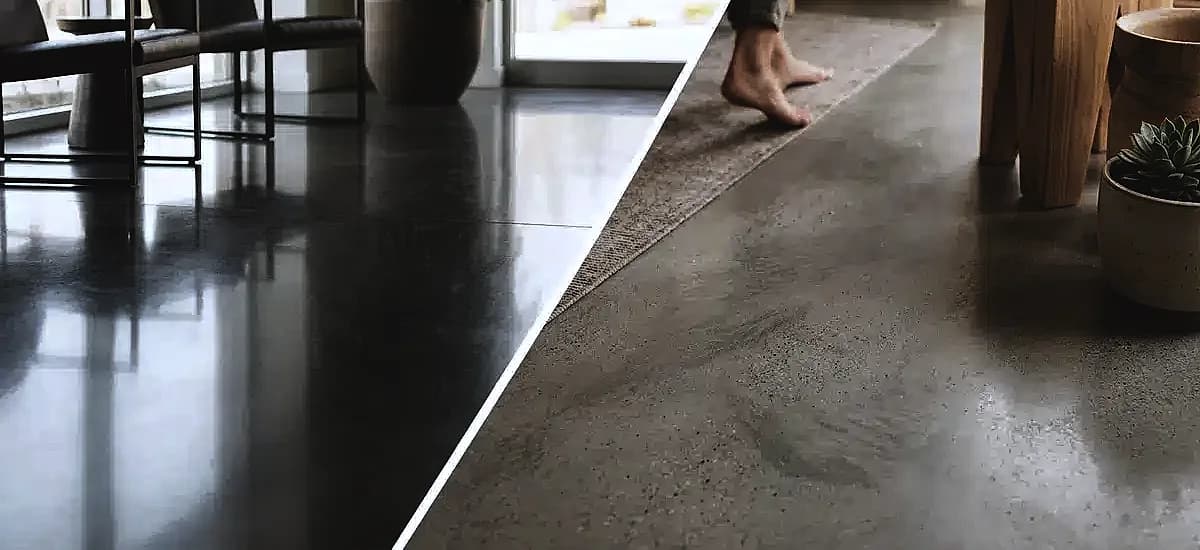
Many homeowners in these regions are moving away from high-gloss finishes that show dust and smudges easily. Instead, they are opting for matte polished concrete floors, which offer a sophisticated, low-maintenance alternative that hides footprints and diffuses harsh natural sunlight.
Residential Versus Commercial Application Standards
The approach to achieving a smooth concrete finish varies significantly depending on the environment. Homeowners typically prioritize aesthetic harmony, custom aggregate exposure, and seamless integration with open-concept living spaces.
Conversely, commercial spaces require surfaces engineered to handle heavy foot traffic, dynamic loads, and strict safety regulations. Slip-resistant treatments become critical in retail environments, healthcare facilities, and public lobbies.
| Factor | Residential Applications | Commercial Applications |
|---|---|---|
| Primary Focus | Aesthetic harmony, custom finishes, easy daily cleaning. | Durability, load-bearing capacity, strict safety compliance. |
| Sheen Level | Often matte or satin to hide pet scratches and footprints. | High-gloss to increase ambient light reflection and reduce energy costs. |
| Maintenance | Standard damp mopping with pH-neutral cleaners. | Daily auto-scrubbing; requires strict protocols for maintaining high-traffic surfaces. |
| Compliance | Standard residential building codes. | Must meet OSHA and ADA dynamic coefficient of friction (DCOF) standards. |
“Proper joint treatment and expansion planning account for up to 80% of a floor’s long-term structural integrity in commercial environments,” states Elena Rostova, a Structural Engineer specializing in commercial flooring. “Ignoring expansion joints will lead to inevitable cracking, regardless of how well the surface is polished.”
Sustainability and Thermal Efficiency
Beyond aesthetics, refined concrete surfaces offer substantial environmental benefits. By utilizing the existing concrete slab, property owners eliminate the need for secondary flooring materials like carpet, vinyl, or tile, significantly reducing the project’s carbon footprint.
Furthermore, polished concrete leverages the building’s thermal mass. According to the U.S. Department of Energy, exposed concrete floors can absorb ambient temperatures, reducing the strain on HVAC systems. The thermal benefits of polished concrete are particularly valuable in warm climates, where the floor remains naturally cool to the touch.
Additionally, high-gloss finishes can increase ambient light reflectivity by up to 35%. This allows commercial facilities to reduce their reliance on artificial overhead lighting, lowering electricity consumption and contributing to LEED certification points.
Conclusion
Mastering surface refinement requires balancing time-honored craftsmanship with modern technological advances. By systematically combining mechanical precision grinding with reactive chemical treatments, professionals create durable, low-maintenance surfaces that elevate any space. These techniques adapt seamlessly to both intimate residential homes and high-traffic commercial facilities.
The progression from traditional topical sealers to advanced digital visualization tools gives architects and property owners unprecedented control over final outcomes. In challenging climates, environmental factors make expert application essential for lasting performance. By integrating scientific knowledge with current innovations, you can transform an ordinary slab into an enduring design statement.
Ready to transform your space with a flawless, seamless surface? Contact our team of experts today to discuss your project requirements and schedule a comprehensive site evaluation.
Written by

Founder and CEO
Chris Lavin is an esteemed leader in concrete polishing and epoxy coatings with a distinguished 20-year career. As founder and CEO of National Concrete Polishing and owner of Xtreme Polishing Systems, he's renowned for polishing and epoxy coating more floors than anyone globally. Chris is recognized for his innovative approach and commitment to enhancing floor durability and aesthetics. His hands-on experience and technical proficiency make him a respected authority and a valuable resource in the field of floor polishing and coatings.
Same topic
Related articles
All stories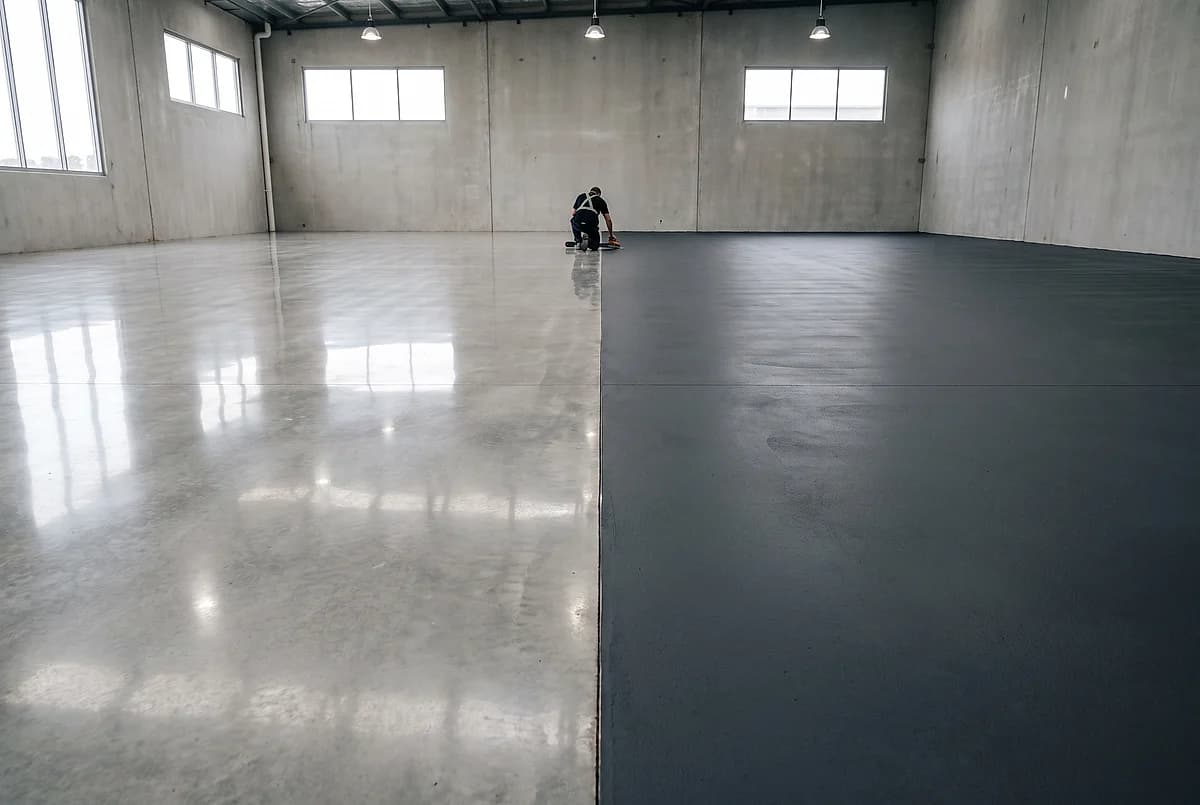
Polished concrete11 min read
Polished Concrete vs Epoxy Coatings: Which Floor Is Right for Your Space?
Two systems, two price curves, one slab. What each one costs to install and to keep, and which spaces each one actually suits.
Read it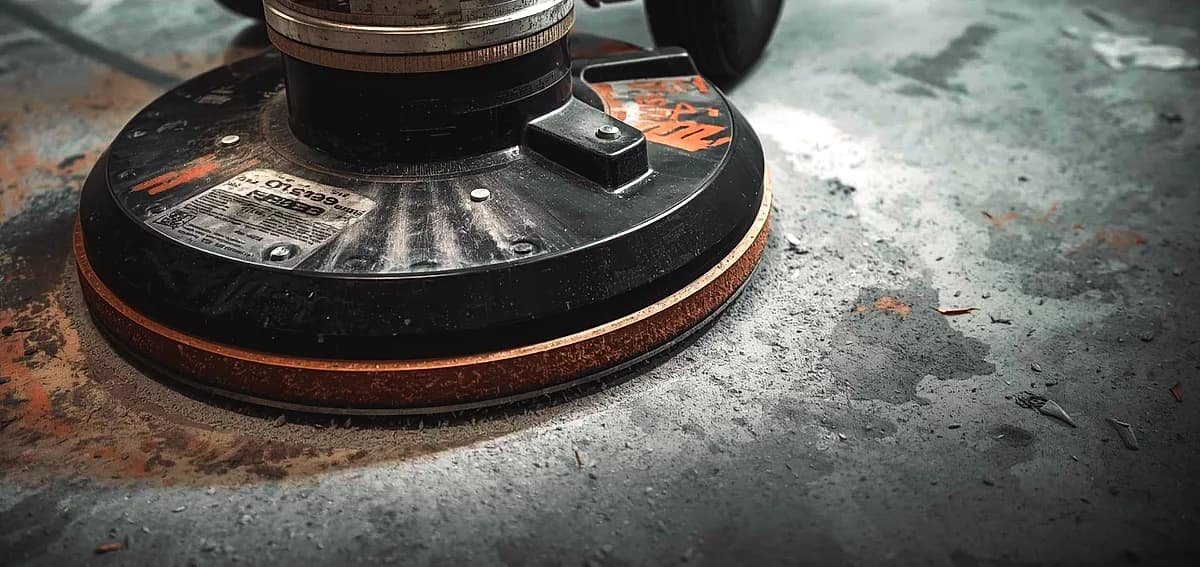
Polished concrete8 min read
What to Know Before Polishing Your Existing Concrete Slab
Before any mechanical refinement can begin, a thorough evaluation of the current foundation is required.
Read it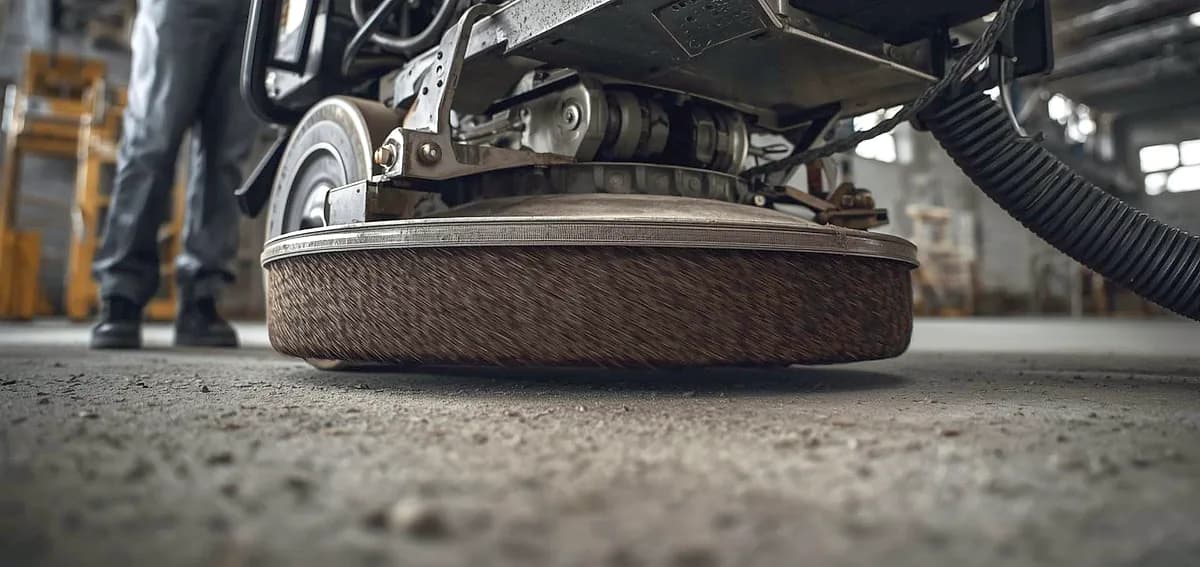
Polished concrete8 min read
Is Polished Concrete Worth the Investment for Miami Properties?
It is essential to distinguish between a simple topical seal and mechanically refined concrete.
Read it
Tell us about the floor
Tell us the space and roughly how big it is.We come back with what it would cost and when we could start.
Prefer to talk? Call +1 844-876-5474
- Leads@
nationalconcretepolishing.net - 2200 NW 32nd St #600,
Pompano Beach, FL 33069 Mon to Fri, 9:00 to 5:30