
The NCP blog
The Art and Science of Polishing Concrete Countertops: A 2026 Design Guide
Polished concreteUpdated 9 min read
What was once relegated to industrial flooring now commands attention as a premium countertop material.
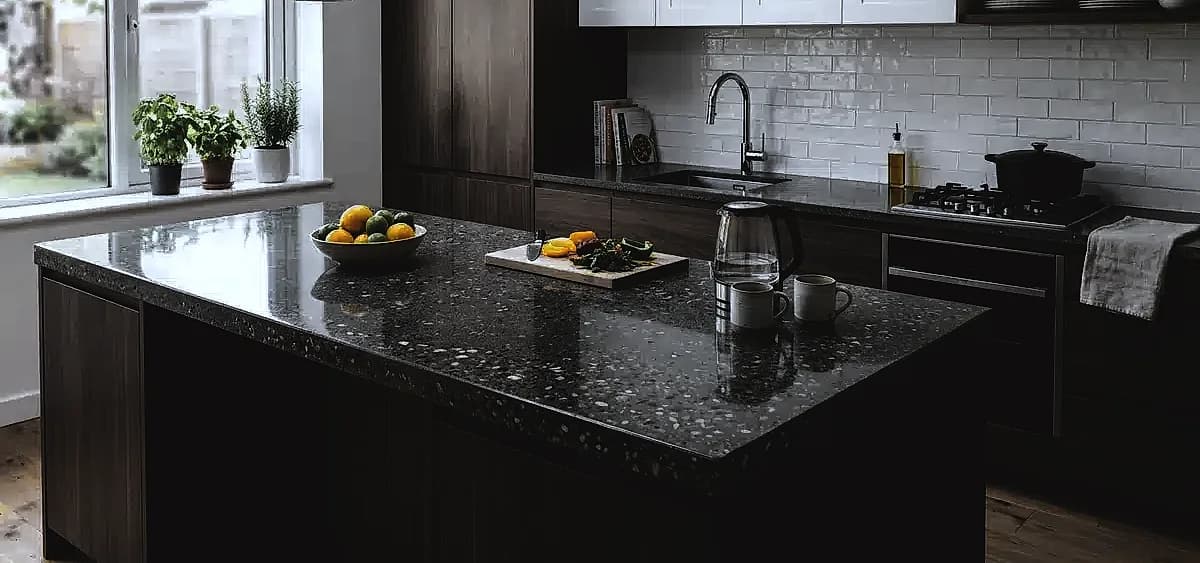
Polishing concrete countertops elevates kitchen and bath design by mechanically refining cementitious surfaces to expose unique geological aggregates, resulting in a highly durable, heat-resistant, and visually distinct architectural feature. This specialized process transforms a basic industrial material into a premium, non-porous surface that rivals luxury stone while offering unparalleled customization in sheen and texture. By utilizing progressive diamond grinding techniques, craftsmen create a permanent, low-maintenance finish that withstands daily culinary demands while showcasing the natural beauty of embedded minerals.
The Resurgence of Cement-Based Surfaces in Modern Kitchens
The landscape of interior architecture has shifted dramatically in 2026. According to the latest National Home Design Survey, 72% of renovators now prioritize surfaces that combine extreme durability with bespoke artistic flair. This paradigm shift explains why transformed cement-based surfaces have become the fastest-growing choice for upscale kitchens and spa-inspired bathrooms.
What was once relegated to industrial flooring now commands attention as a premium countertop material. “Homeowners are moving away from synthetic quartz because polished cementitious surfaces offer a zero-VOC, heat-resistant alternative that actually improves structurally over its first decade,” says Sarah Jenkins, Senior Design Director at the National Kitchen & Bath Association. This structural improvement is due to the ongoing hydration process of the cement matrix.
Furthermore, these surfaces align with modern sustainability goals. They boast low-emission profiles recognized by the Environmental Protection Agency, making them ideal for eco-conscious builds. By utilizing local materials, homeowners reduce their carbon footprint while securing a surface that easily outlasts manufactured alternatives.
Unlocking Geological Beauty: The Role of Aggregates
Your kitchen or bath gains immense character through materials shaped by local geology. The mechanical process of creating polished concrete involves shaving away the top layer of cement paste to reveal the hidden stones, sands, and glass suspended within. This natural fingerprint ensures your space reflects the earth’s artistry.
Regional stone blends create distinct visual personalities that factory-produced slabs simply cannot mimic. For instance, Northern California’s quartz-rich mixtures differ dramatically from the crushed coral aggregates found in coastal Florida. “By controlling the water flow and matching diamond grit to the specific aggregate hardness, we expose the natural geological fingerprint of the slab without micro-fracturing the surface,” explains our polishing crew.
Understanding the stages of concrete polishing is essential for predicting the final aesthetic. Deeper grinding reveals larger, bolder stones, while a delicate surface buff highlights fine sand grains. This level of customization allows designers to tailor the visual weight of the countertop to the room’s overarching aesthetic.
Common Regional Aggregates and Their Properties
| Aggregate Type | Typical Source Region | Polishing Difficulty | Visual Effect |
|---|---|---|---|
| Coral Fragments | Coastal Regions (South Florida) | Moderate | Subtle shimmer, organic shapes |
| Limestone Blends | Midwest & Inland Quarries | High | Muted earth tones, matte potential |
| River Rock | Pacific Northwest | High | Bold, rounded multi-colored stones |
| Recycled Glass | Urban Centers | Low | Vibrant, modern translucent accents |
Essential Tools and Diamond Grit Progression
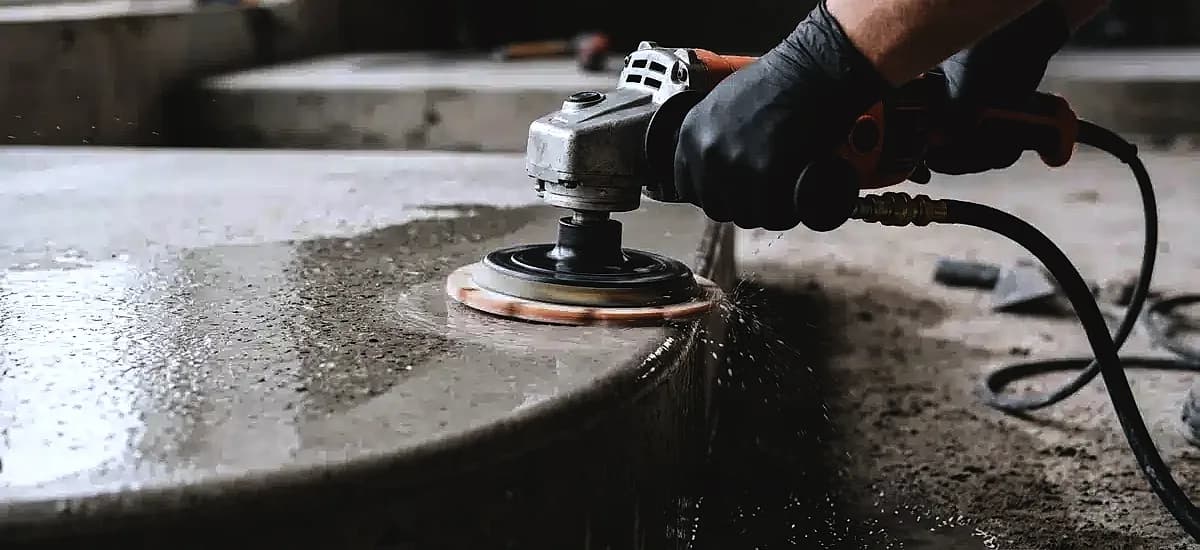
Achieving a flawless, gallery-worthy finish requires three critical elements: precision equipment, methodical execution, and strict safety awareness. Professionals rely on variable-speed wet polishers equipped with diamond-embedded resin pads. These tools utilize controlled water flow to reduce friction, keep the diamond tooling cool, and suppress harmful silica dust.
The progression of diamond grits dictates the smoothness and reflectivity of the final surface. You must start with coarse abrasives to flatten the slab and gradually move to microscopic abrasives to build the shine. “The biggest mistake DIYers make is skipping the 200-grit stage. That transition pad is critical for erasing the aggressive scratches left by the initial leveling phase,” warns David Chen, a structural engineer and flooring consultant.
Operating these tools requires specific parameters. Set your variable speed polisher between 1500 and 2000 RPM for optimal control. Always connect the tool to a GFCI outlet to prevent electrical hazards when working with water, and elevate slabs on closed-cell foam to prevent moisture absorption from damp worktables.
Step-by-Step Guide to Flawless Surface Refinement
Following a strict concrete polishing process ensures consistent, professional-grade results. Begin the refinement process 24 to 72 hours after pouring, ensuring the material has reached a minimum compressive strength of 3000 PSI. Attempting to grind too early will dislodge aggregates, while waiting too long drastically increases the labor required.
- Surface Leveling (50-100 Grit): Use coarse metal-bond or stiff resin diamond pads to remove the top layer of cement paste. This stage dictates how much aggregate is exposed. Maintain consistent, overlapping circular motions.
- Scratch Removal (200-400 Grit): Switch to medium-grit resin pads. This crucial phase erases the visible gouges left by the leveling stage. At the 400-grit level, apply a densifier to harden the surface and fill microscopic pores with a color-matched slurry.
- Gloss Enhancement (800-1500 Grit): As you move into higher grits, the surface will begin to reflect light. Thoroughly clean the slab between each grit change to prevent stray coarse diamonds from scratching the developing finish.
- Final Polish (3000 Grit): For a mirror-like finish, run the 3000-grit pad. However, many designers now prefer matte polished concrete for its understated elegance, which is achieved by stopping at the 400 or 800-grit stage.
- Sealing and Protection: Apply a high-quality penetrating sealer to protect against stains and acid etching. The sealer locks in the sheen while providing a barrier against culinary spills.
Overcoming Regional Climate Challenges
Environmental factors play a massive role in the success of a countertop project. If you are wondering how long the curing and polishing phases take, the answer heavily depends on your local climate. South Florida’s tropical environment, for example, demands highly specialized approaches.
High humidity, sudden rain showers, and coastal salt air drastically influence curing times and material behavior. “In high-humidity environments like Miami, extending the curing window by 24 hours prevents the slurry coat from flash-drying, which is the number one cause of cloudy finishes,” notes Dr. Elena Rostova, Materials Scientist at the American Concrete Institute. Professionals often reduce grinding speeds by 50% during rainy seasons to manage slurry consistency.
Furthermore, dew points in coastal communities can ruin a fresh seal. Experts complete final sealing within 2 hours of slurry application to avoid dew point interference. This level of climate adaptation is crucial for achieving a smooth concrete finish that won’t degrade under atmospheric stress.
Comparing Countertop Materials: Concrete vs. Natural Stone
When evaluating premium surfaces, it is vital to look beyond initial aesthetics. While granite and quartz have dominated the market for decades, refined cementitious surfaces offer distinct advantages in both customization and longevity. Manufactured stones typically feature a 40-60% repeat pattern in their veining, whereas exposed aggregate surfaces are 100% original.
Additionally, you can enjoy the thermal benefits of polished concrete in hot climates. The material’s dense thermal mass naturally absorbs ambient heat, keeping kitchen spaces cooler. Below is a comparison of how these materials stack up against daily wear and tear.
| Feature | Polished Concrete | Traditional Granite | Manufactured Quartz |
|---|---|---|---|
| Heat Resistance | Superior (Up to 500°F) | High | Moderate (Resin burns easily) |
| Scratch Resistance | High (Depends on sealer) | Superior | High |
| Pattern Uniqueness | 100% Original | 100% Original | 40-60% Repeat Pattern |
| Maintenance Needs | Annual Sealing | Annual Sealing | Low Maintenance |
Long-Term Maintenance and Protection Strategies
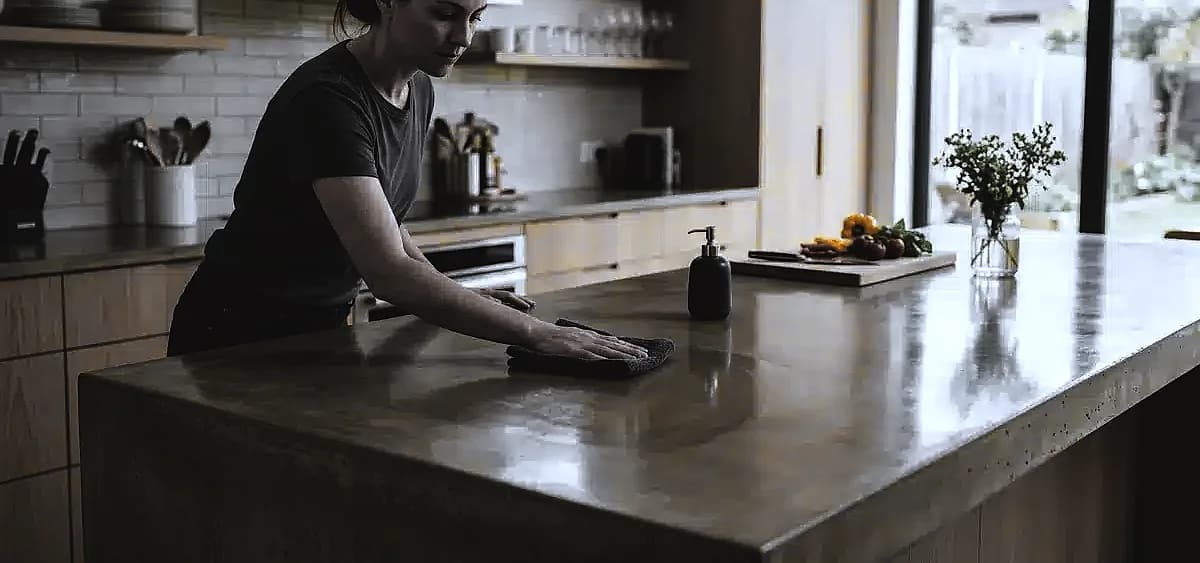
These refined surfaces withstand daily culinary challenges better than most luxury options, provided they are properly maintained. Spills wipe clean without staining, and hot pans leave no scorch marks when the surface is adequately protected. Understanding sealing concrete requirements prevents acidic liquids like lemon juice or wine from etching the calcium carbonate within the slab.
Your maintenance routine should remain simple. Use only pH-neutral soaps and warm water for daily cleaning. Avoid harsh chemical degreasers, bleach, or abrasive scrubbing pads, as these will strip the protective sealer and dull the diamond-polished shine over time.
Unlike synthetic materials that degrade and discolor under UV light, these surfaces mature gracefully. The finish deepens in richness over the years, developing a luminous, leather-like patina. Reapplying a penetrating sealer every 12 to 18 months ensures decades of visual appeal and structural resilience.
Professional vs. DIY: Making the Right Investment
Imagine walking into a kitchen where every surface tells a story of flawless craftsmanship. Achieving this level of refinement requires more than consumer-grade tools; it demands professional expertise. While DIY tutorials make the process look straightforward, the reality of managing heavy machinery, toxic silica dust, and rapid curing times is often overwhelming for amateurs.
Specialists bring an eye for detail and industrial-grade diamond systems that turn functional areas into artistic statements. They possess the aggregate knowledge gained from over 15 years of experience, allowing them to adjust techniques on the fly. In fact, data shows that professionally finished slabs boast an 85% increase in property value retention compared to DIY attempts.
Local conditions significantly impact finishing results. Exploring concrete floor finishes and countertop options with a regional expert ensures your project is adapted for local humidity, salt air, and temperature fluctuations. Because of this high demand for quality, top-tier surface projects are often booked up to 6 weeks out.
Conclusion
Modern surface refinement techniques have unlocked architectural possibilities far beyond traditional materials. By mastering diamond grit progression, aggregate exposure, and climate-specific curing, craftsmen create countertops that perfectly blend industrial resilience with bespoke artistry. Each completed project stands as a unique showcase of geological character, shaped by skilled hands rather than factory molds.
Proper preparation, specialized tooling, and rigorous safety protocols ensure lasting results that protect your investment. Whether you prefer the subtle elegance of a matte finish or the striking drama of high-gloss exposed aggregate, these techniques offer tailored solutions for any upscale interior. Your kitchen and bath deserve surfaces that tell a story worth preserving. Ready to transform your space with unparalleled craftsmanship? Contact our team today to discuss your custom countertop project.
Frequently Asked Questions
What makes polished surfaces a better choice for kitchens and baths?
Polished finishes offer enhanced durability, a sleek modern aesthetic, and simplified upkeep compared to traditional materials. Their superior heat resistance and customizable aggregate exposure make them ideal for high-use culinary areas.
How do diamond pads influence the final look of the countertop?
Diamond pads with varying grit levels determine both texture and shine. Coarse grits (50-200) remove cement paste to expose aggregates, while finer grits (400-3000) smooth the microscopic scratches to create a highly reflective, glass-like finish.
Why is a variable speed wet polisher necessary for this process?
Adjustable speeds allow precise control for different stages, from aggressive leveling at lower RPMs to delicate smoothing at higher speeds. The integrated water feed minimizes friction, prevents the diamond tooling from overheating, and safely suppresses hazardous silica dust.
Are there regional factors to consider when polishing in humid climates?
Yes, high humidity and coastal salt air demand specialized sealers and extended curing times. Moisture in the air can cause slurry coats to flash-dry or trap condensation under sealers, making climate adaptation critical for a clear finish.
How can you extend the lifespan of your polished surface?
Clean spills promptly with pH-neutral solutions and avoid abrasive scrubbers or acidic cleaners. Reapplying a high-quality penetrating sealant every 12 to 18 months preserves both the surface appearance and its structural integrity.
What safety protocols are critical during the grinding stages?
Always wear rubber-soled boots and use GFCI-protected outlets when working with wet tools near electricity. Secure the workspace, wear safety goggles, and utilize proper ventilation or wet vacuums to manage slurry and prevent respiratory hazards.
How do professionals avoid leaving visible scratches during refinement?
Professionals progress through the diamond grits sequentially without skipping any steps, particularly the crucial 200-grit transition phase. They also thoroughly wash the slab between passes to ensure stray coarse diamonds don’t contaminate finer polishing pads.
Written by

Founder and CEO
Chris Lavin is an esteemed leader in concrete polishing and epoxy coatings with a distinguished 20-year career. As founder and CEO of National Concrete Polishing and owner of Xtreme Polishing Systems, he's renowned for polishing and epoxy coating more floors than anyone globally. Chris is recognized for his innovative approach and commitment to enhancing floor durability and aesthetics. His hands-on experience and technical proficiency make him a respected authority and a valuable resource in the field of floor polishing and coatings.
Same topic
Related articles
All stories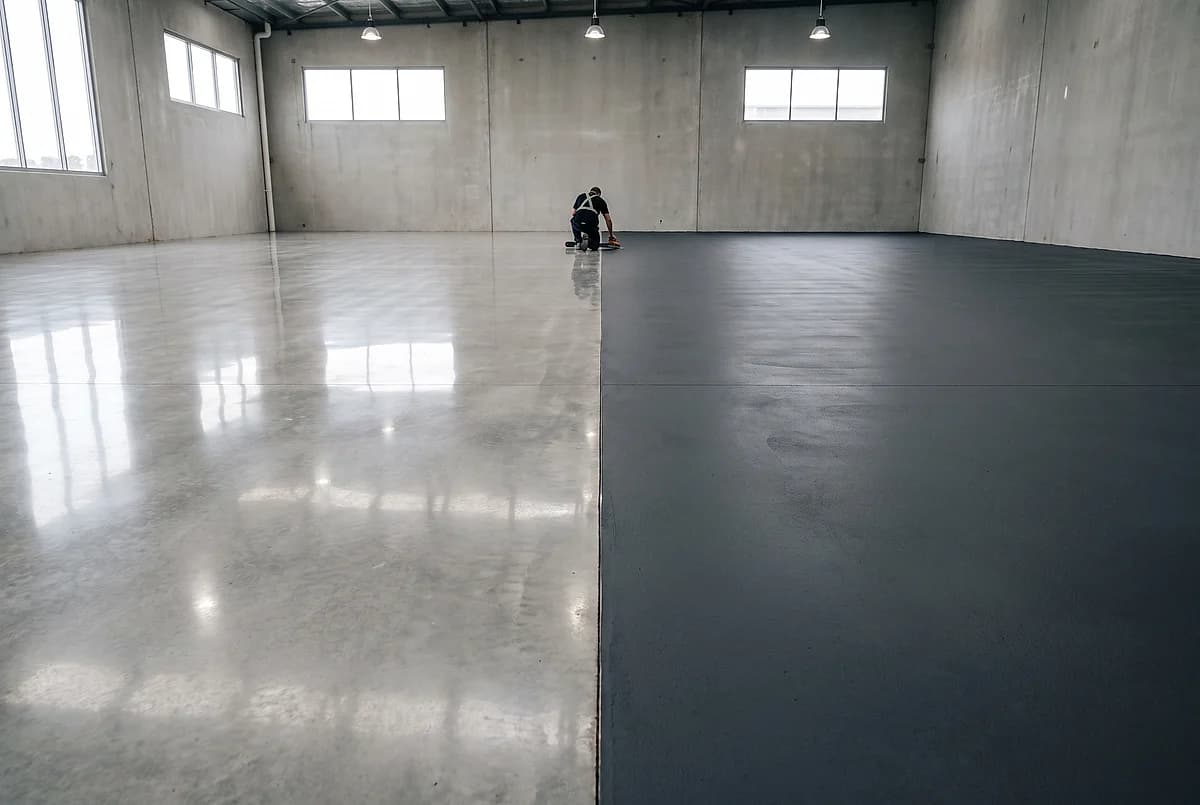
Polished concrete11 min read
Polished Concrete vs Epoxy Coatings: Which Floor Is Right for Your Space?
Two systems, two price curves, one slab. What each one costs to install and to keep, and which spaces each one actually suits.
Read it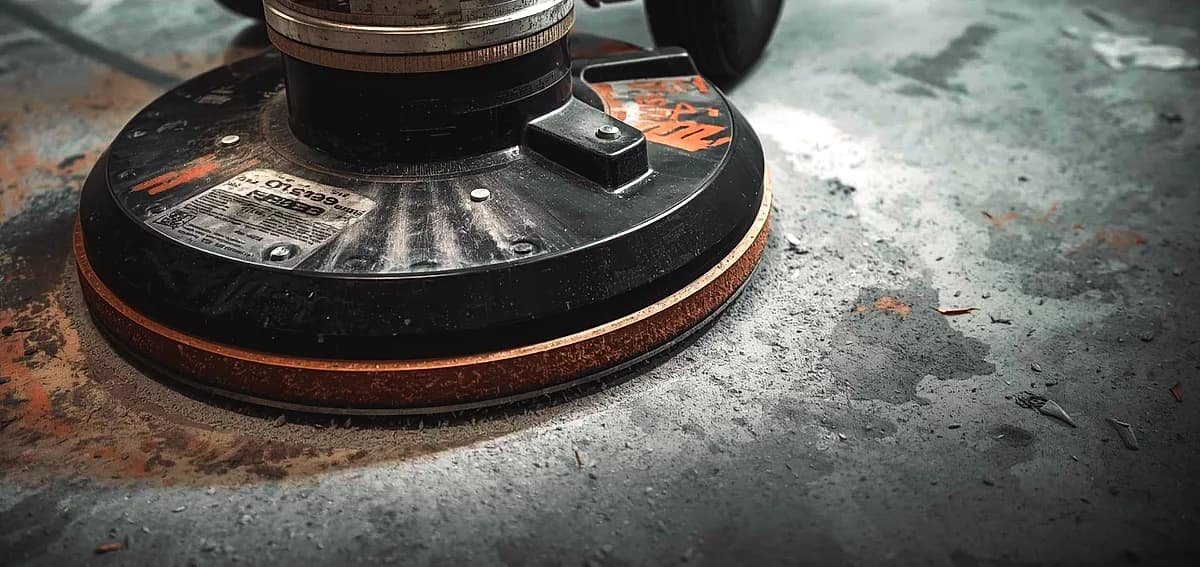
Polished concrete8 min read
What to Know Before Polishing Your Existing Concrete Slab
Before any mechanical refinement can begin, a thorough evaluation of the current foundation is required.
Read it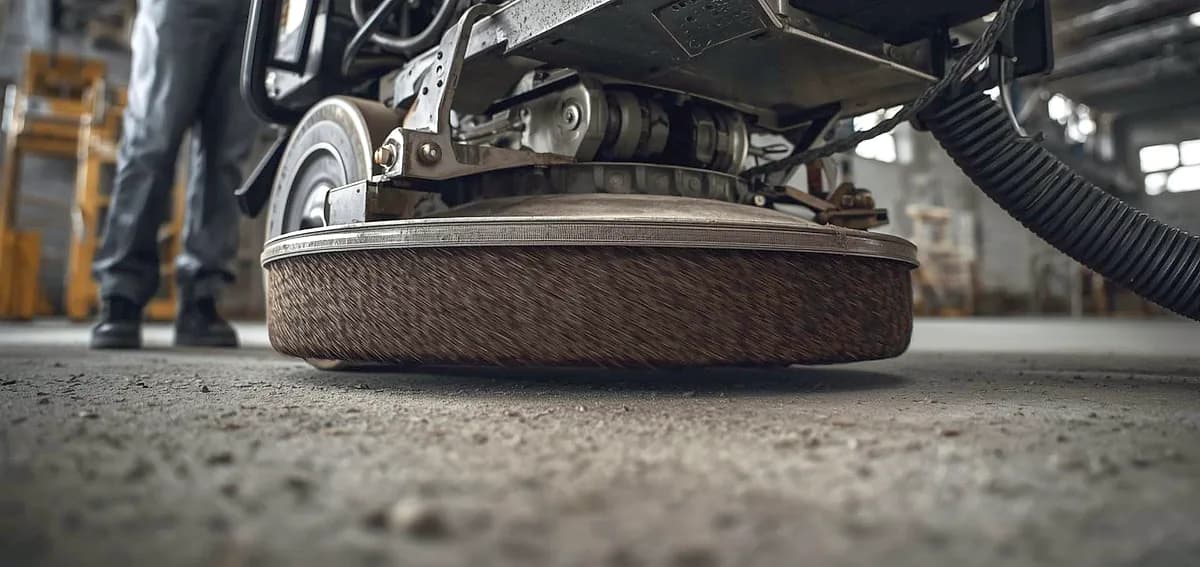
Polished concrete8 min read
Is Polished Concrete Worth the Investment for Miami Properties?
It is essential to distinguish between a simple topical seal and mechanically refined concrete.
Read it
Tell us about the floor
Tell us the space and roughly how big it is.We come back with what it would cost and when we could start.
Prefer to talk? Call +1 844-876-5474
- Leads@
nationalconcretepolishing.net - 2200 NW 32nd St #600,
Pompano Beach, FL 33069 Mon to Fri, 9:00 to 5:30