
The NCP blog
The Complete Guide to Polished Concrete Floors for Pompano Beach Daycares
Polished concrete9 min read
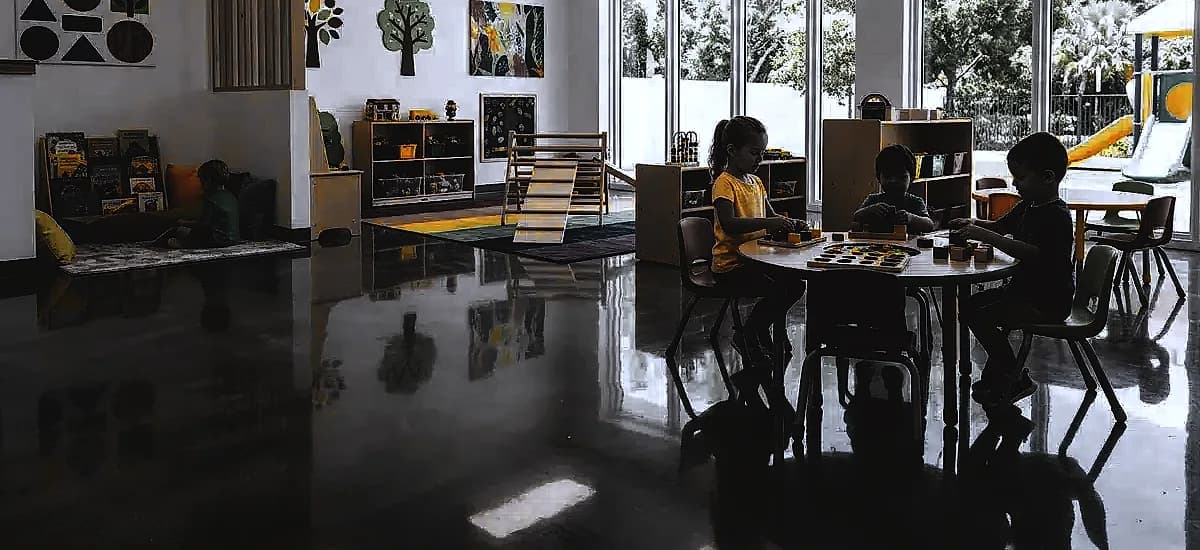
Operating a childcare facility in Pompano Beach presents unique environmental challenges.
Polished concrete is the premier flooring solution for Pompano Beach daycares in 2026 because it combines zero-VOC emissions, hospital-grade sanitization capabilities, and extreme durability against heavy foot traffic. By mechanically grinding the existing slab and applying lithium silicate densifiers, facilities create a seamless, non-porous surface that resists South Florida’s high humidity while protecting children from allergens, bacteria, and slip hazards. Unlike traditional carpets or vinyl tiles that require constant chemical cleaning and frequent replacement, mechanically refined concrete offers a permanent, hygienic foundation that significantly reduces long-term operational costs.
Why Childcare Facilities in South Florida Are Upgrading Their Floors
Operating a childcare facility in Pompano Beach presents unique environmental challenges. The combination of intense heat, relentless humidity, and the rigorous demands of energetic toddlers creates a perfect storm for premature flooring failure. In 2026, early learning centers are rapidly moving away from traditional materials like Vinyl Composition Tile (VCT) and broadloom carpet. These legacy materials trap moisture, harbor pathogens, and degrade rapidly under the stress of daily commercial cleaning protocols.
The primary catalyst for this industry-wide shift is Moisture Vapor Transmission Rate (MVTR). In coastal Florida environments, moisture from the ground constantly pushes up through the concrete slab. When trapped by impermeable glued-down coverings like sheet vinyl or rubber mats, this moisture creates a breeding ground for toxic black mold and causes adhesives to emulsify, leading to bubbling and peeling floors.
As Marcus Chen, Lead Facilities Director for Broward County Early Learning, explains: ‘Transitioning to mechanically refined concrete reduced our annual floor maintenance budget by 65% while completely eliminating the need for harsh chemical strippers. More importantly, we eradicated the mold issues that were previously trapped beneath our old rubberized tiles.’
Core Safety Benefits of Polished Concrete in Daycares
Safety is the foundational metric by which any early childhood environment is measured. The flooring substrate plays a disproportionately large role in facility safety, directly impacting everything from fall severity to the very air the children breathe. Evaluating commercial concrete floor finishes reveals that mechanical polishing offers unparalleled safety metrics.
Eliminating VOCs for Better Indoor Air Quality
According to the U.S. Environmental Protection Agency (EPA), indoor air pollutant levels can be 2 to 5 times higher than outdoor levels, a statistic that is particularly alarming for facilities housing developing children. Traditional flooring installations require synthetic adhesives, chemical leveling compounds, and polyurethane wear layers that off-gas Volatile Organic Compounds (VOCs) for years after installation.
A 2026 study by the Florida Department of Health found that 42% of pediatric asthma triggers in commercial spaces originate from flooring materials and the harsh chemicals required to maintain them. Polished concrete completely bypasses this hazard. The process uses mechanical friction and water-based, zero-VOC densifiers to harden the floor. There is no off-gassing, no chemical curing process, and no degradation of indoor air quality.
As Dr. Elena Rodriguez, Pediatric Pulmonologist at Miami Children’s Health, notes: ‘Eliminating porous surfaces like carpet and VOC-emitting adhesives in early childhood environments is the single most effective environmental change a facility can make to reduce respiratory distress and allergic reactions in toddlers.’
Slip Resistance and Fall Prevention
A common misconception is that a glossy concrete floor is inherently slippery. In reality, the mechanical polishing process creates a microscopic texture that provides excellent traction. When properly refined, polished concrete achieves a dynamic Coefficient of Friction (COF) of 0.60 or higher, easily exceeding the OSHA walking-working surfaces standards for slip resistance.
Unlike waxed VCT, which becomes dangerously slick when wet, or carpet edges that curl and create tripping hazards, a seamless concrete floor provides a stable, predictable surface for children learning to walk and run.
Hygiene and Maintenance: A Facility Manager’s Guide
Childcare centers are ground zero for the transmission of seasonal illnesses. Maintaining strict environmental infection control guidelines requires surfaces that can withstand constant sanitization without degrading. The densification step in the concrete polishing process chemically reacts with the free lime in the concrete, filling the microscopic pores and creating a genuinely impermeable barrier.
This means that spilled milk, bodily fluids, and paint cannot penetrate the surface. They remain on top of the floor where they can be easily wiped away with pH-neutral cleaners. Furthermore, for facilities that prepare food on-site, polished concrete easily meets stringent commercial kitchen floor regulations, ensuring that cafeteria and snack areas remain sanitary and compliant with local health codes.
Comparing Daycare Flooring Options
| Flooring Material | Expected Lifespan | Sanitization Level | VOC Emissions | Annual Maintenance Cost |
|---|---|---|---|---|
| Polished Concrete | 20+ Years | Hospital-Grade (Non-porous) | Zero | Very Low (Damp mop only) |
| Vinyl Composition Tile (VCT) | 5-8 Years | Moderate (Seams trap dirt) | High (Adhesives/Wax) | High (Stripping/Waxing required) |
| Commercial Carpet | 3-5 Years | Poor (Traps allergens/fluids) | Moderate to High | High (Frequent extraction needed) |
The Step-by-Step Polishing Process for Educational Spaces
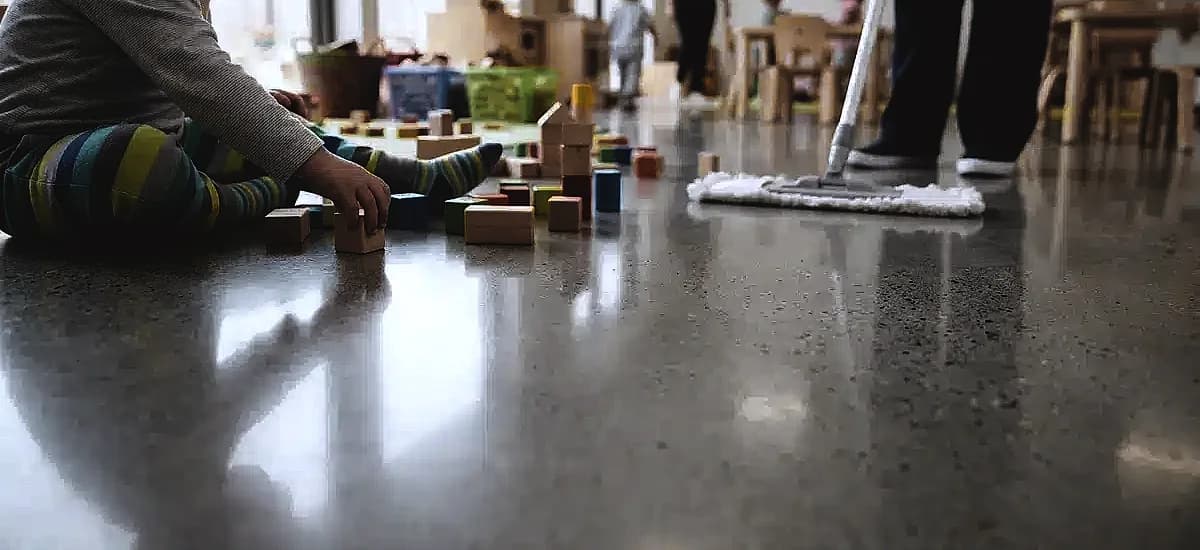
Transforming a raw concrete slab into a high-performance educational floor is a highly technical process. Facility administrators often wonder about the duration of the polishing process and what it entails. The procedure utilizes heavy planetary grinders equipped with industrial diamond abrasives to systematically refine the surface.
Here is the standard 5-step process used for Pompano Beach childcare centers:
- Surface Profiling and Preparation: The existing slab is ground with coarse metal-bonded diamonds (typically 16 to 30 grit) to remove old adhesives, epoxies, or surface imperfections. This step opens the pores of the concrete.
- Damage Mitigation and Repair: All cracks, spalls, and expansion joints are filled with a polyurea joint filler. This creates a completely seamless surface that prevents bacteria accumulation and trip hazards.
- Densification: A lithium silicate densifier is applied to the floor. This chemical penetrates the open pores, reacting with calcium hydroxide to form calcium silicate hydrate (CSH). This hardens the slab, increasing its abrasion resistance by up to 400%. Facility owners often ask about sealing concrete before polishing, but densification is the critical internal hardening step that makes topical sealers unnecessary.
- Progressive Resin Grinding: The floor is honed using progressively finer resin-bonded diamond pads (ranging from 100 to 800 or 1500 grit), depending on the desired sheen. This is the core of the concrete polishing stages, bringing out the natural luster of the stone.
- Stain Guard Application and Burnishing: A micro-penetrating stain guard is applied and burnished into the floor using a high-speed machine. This provides a final window of protection against acidic spills like fruit juice or bodily fluids.
Cost Analysis: Long-Term Value for Pompano Beach Centers
While the initial capital expenditure for mechanical concrete polishing may be slightly higher than installing low-grade VCT, the Return on Investment (ROI) is realized rapidly. Traditional floors in high-traffic daycares require daily chemical mopping, quarterly stripping and waxing, and complete replacement every 5 to 8 years.
Sarah Jenkins, a Certified Industrial Hygienist, notes: ‘The densification process in modern concrete polishing creates a genuinely impermeable barrier, which is critical for infection control in high-density childcare settings. Because it never needs to be replaced, the lifecycle cost is a fraction of traditional materials.’
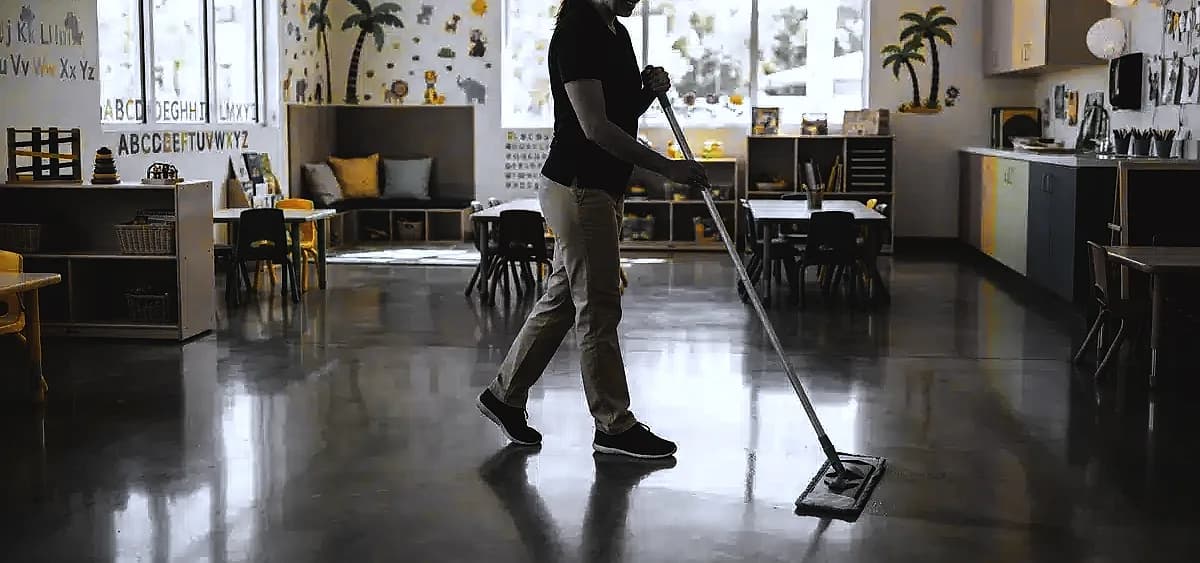
Data from 2026 facility management surveys indicates that polished concrete reduces floor maintenance labor hours by 60%. There is no need to purchase expensive floor waxes, chemical strippers, or carpet extraction chemicals. Daily maintenance requires only a microfiber dust mop and a damp mop with water or a pH-neutral cleaner. Over a 10-year period, a 5,000-square-foot daycare in Pompano Beach can expect to save upwards of $45,000 in maintenance and replacement costs.
Environmental and Thermal Advantages
Beyond hygiene and cost, polished concrete offers significant environmental benefits. By utilizing the existing structural slab as the finished floor, facilities eliminate the massive amount of construction waste generated by tearing out and disposing of old carpets and vinyl tiles in local landfills.
Furthermore, the thermal benefits of polished concrete are highly advantageous in South Florida. The dense thermal mass of the concrete helps regulate indoor temperatures, staying cool to the touch even during peak summer months. Additionally, the high light reflectivity of a polished surface (often increasing ambient light by 30%) reduces the need for artificial overhead lighting, lowering electricity consumption and creating a brighter, more cheerful environment for the children.
Conclusion
Choosing the right flooring for a Pompano Beach daycare center is a critical decision that impacts the health of the children, the safety of the staff, and the financial bottom line of the business. Polished concrete stands out as the definitive solution in 2026, offering an unmatched combination of zero-VOC emissions, hospital-grade hygiene, extreme durability, and long-term cost savings. By investing in mechanically refined floors, facility owners create a safer, brighter, and more sustainable environment for early childhood development.
Ready to upgrade your childcare facility with a floor built to last a lifetime? Contact our team today to schedule a site evaluation and discover how polished concrete can transform your space.
Frequently Asked Questions
Is polished concrete too hard for children to play on?
While concrete is a hard surface, it is no harder than the tile or VCT commonly used in daycares over concrete slabs. Most facilities utilize soft, easily sanitizable area rugs or interlocking foam mats in designated sitting and tumbling areas, while leaving the concrete exposed in high-traffic corridors, cafeterias, and art stations.
How does polished concrete handle South Florida’s humidity?
Polished concrete is exceptionally resilient to humidity. Unlike carpets that absorb moisture and grow mold, or vinyl tiles that peel when moisture vapor rises through the slab, polished concrete is breathable. It allows moisture vapor to pass through harmlessly without damaging the floor’s structural integrity or appearance.
Can polished concrete be customized with colors or patterns?
Yes. During the polishing process, specialized penetrating concrete dyes can be applied to create vibrant colors, geometric patterns, or even educational designs like numbers and letters. These dyes penetrate the surface and are locked in by the densifier, meaning they will never peel, chip, or fade like topical paints.
What happens if a child spills juice or paint on the floor?
Because the concrete has been chemically densified and treated with a penetrating stain guard, liquids cannot easily seep into the pores. Spills from juice, paint, or bodily fluids will bead up on the surface, allowing staff to easily wipe them away with a damp cloth without leaving a permanent stain or odor.
Does the polishing process disrupt daycare operations?
The mechanical polishing process does require the area to be clear of furniture and foot traffic. However, because there are no toxic chemicals, strong odors, or lengthy curing times involved, the floor can be walked on immediately after the process is finished. Many contractors can schedule the work over a weekend or during holiday breaks to minimize operational downtime.
Will the floor lose its shine over time?
In a high-traffic daycare environment, the microscopic surface may experience slight dulling over several years due to micro-scratches from sand and dirt. However, the floor will not peel or flake. Restoring the original high-gloss shine simply requires a quick, inexpensive pass with a high-speed burnisher and a diamond-impregnated pad, bringing the floor back to its original luster in hours.
Written by

Founder and CEO
Chris Lavin is an esteemed leader in concrete polishing and epoxy coatings with a distinguished 20-year career. As founder and CEO of National Concrete Polishing and owner of Xtreme Polishing Systems, he's renowned for polishing and epoxy coating more floors than anyone globally. Chris is recognized for his innovative approach and commitment to enhancing floor durability and aesthetics. His hands-on experience and technical proficiency make him a respected authority and a valuable resource in the field of floor polishing and coatings.
Same topic
Related articles
All stories
Polished concrete11 min read
Polished Concrete vs Epoxy Coatings: Which Floor Is Right for Your Space?
Two systems, two price curves, one slab. What each one costs to install and to keep, and which spaces each one actually suits.
Read it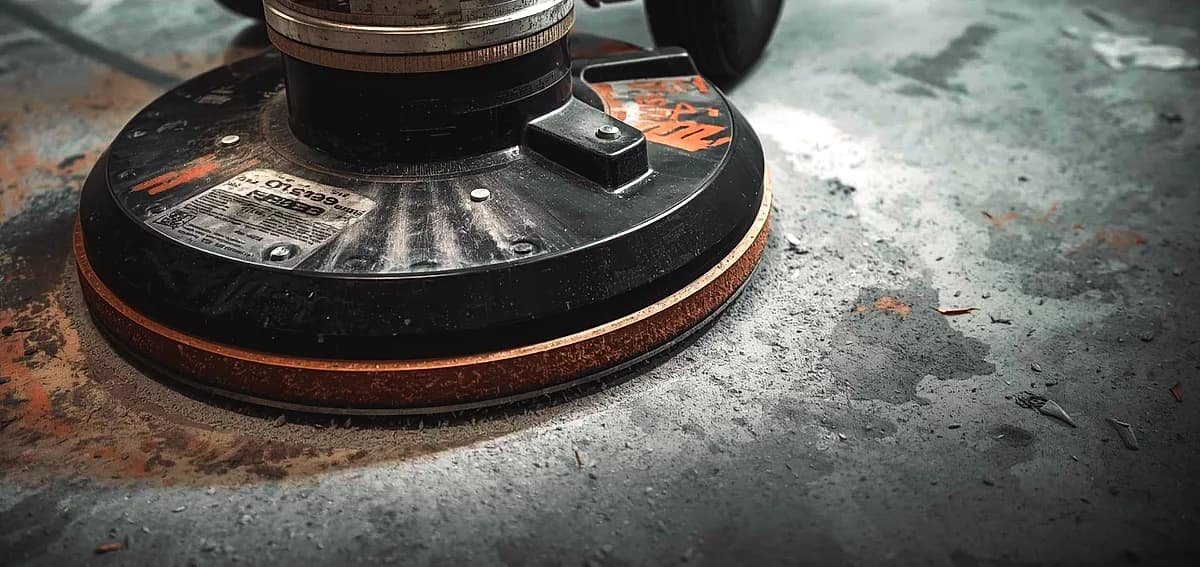
Polished concrete8 min read
What to Know Before Polishing Your Existing Concrete Slab
Before any mechanical refinement can begin, a thorough evaluation of the current foundation is required.
Read it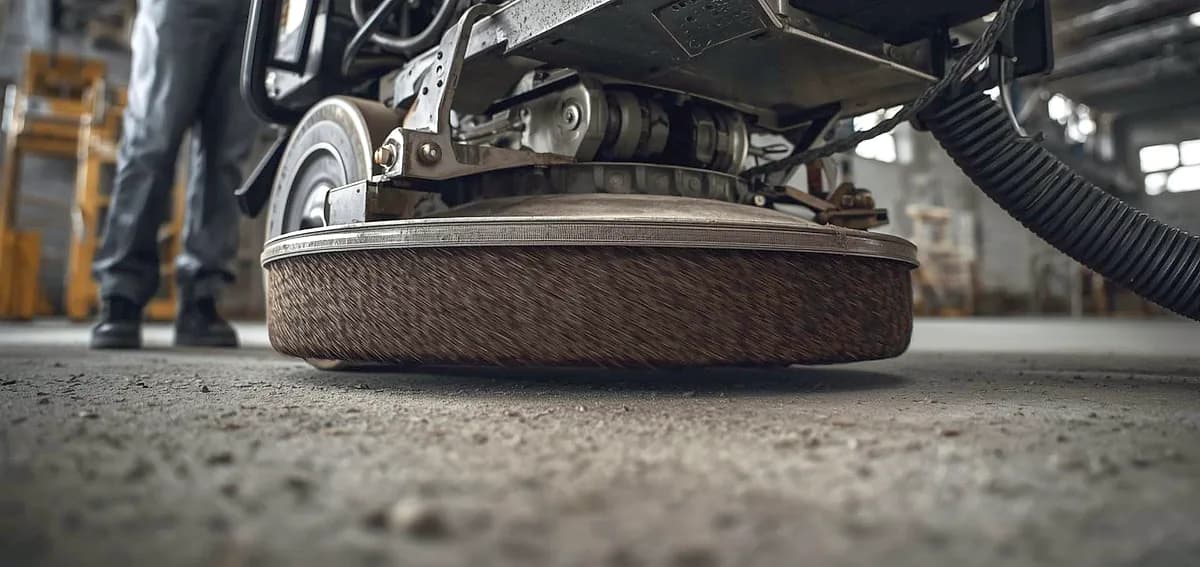
Polished concrete8 min read
Is Polished Concrete Worth the Investment for Miami Properties?
It is essential to distinguish between a simple topical seal and mechanically refined concrete.
Read it
Tell us about the floor
Tell us the space and roughly how big it is.We come back with what it would cost and when we could start.
Prefer to talk? Call +1 844-876-5474
- Leads@
nationalconcretepolishing.net - 2200 NW 32nd St #600,
Pompano Beach, FL 33069 Mon to Fri, 9:00 to 5:30