
The NCP blog
The Complete Guide to Polished Concrete for South Florida Places of Worship
Polished concrete9 min read
Unfortunately, porous materials like commercial broadloom carpet act as massive sponges in humid environments.
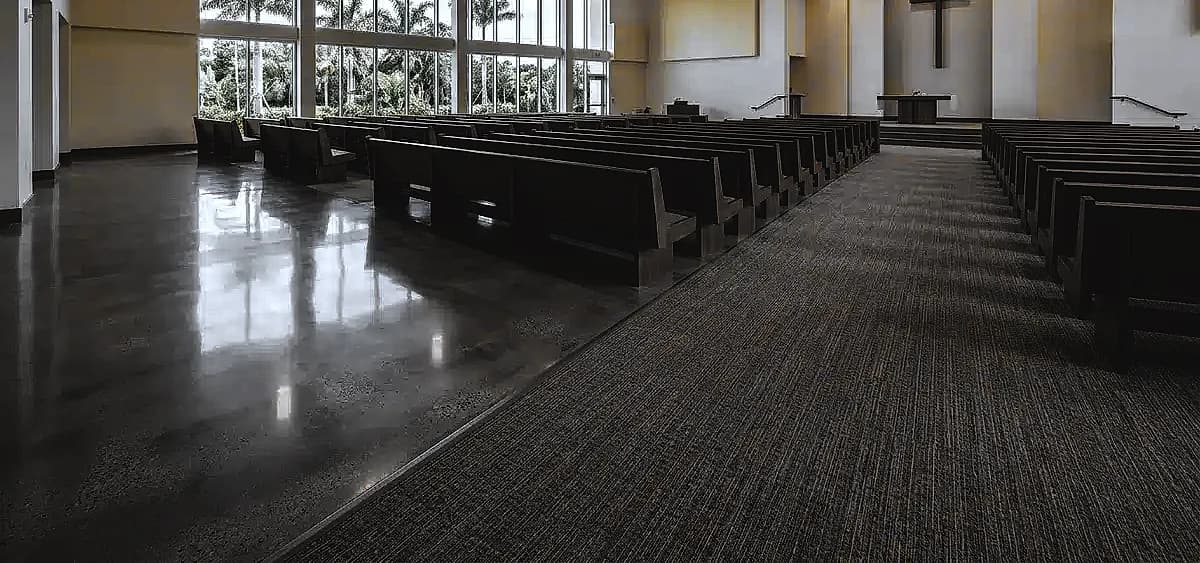
For South Florida places of worship in 2026, polished concrete represents the most durable, cost-effective, and climate-resilient flooring solution available. By mechanically grinding and densifying existing concrete slabs, religious facilities can eliminate the cyclical costs of carpet replacement, eradicate moisture-induced mold issues, and create a stunning, highly reflective surface that withstands decades of heavy congregational foot traffic. This permanent flooring solution perfectly balances the aesthetic reverence required of sacred spaces with the rigorous operational demands of modern facility management.
The Unique Flooring Challenges of South Florida Religious Facilities
Managing a religious facility in South Florida requires navigating a highly specific set of environmental and operational challenges. The region’s subtropical climate subjects buildings to relentless moisture, with year-round relative humidity averaging between 60% and 75%. This constant atmospheric moisture wreaks havoc on traditional flooring materials.
According to Environmental Protection Agency guidelines on indoor mold, controlling moisture is the only effective way to manage biological growth indoors. Unfortunately, porous materials like commercial broadloom carpet act as massive sponges in humid environments. Research indicates that 92% of mold problems in Florida commercial buildings stem from moisture trapped in porous flooring and wall systems.
“By eliminating porous materials like carpet, religious facilities instantly improve their indoor air quality and eliminate the cyclical burden of replacement,” explains Dr. Sarah Jenkins, Director of Environmental Health at the Florida Indoor Air Quality Institute. “In 2026, we are seeing a massive shift toward hard-surface, monolithic floors in public assembly spaces specifically for respiratory health reasons.”
Beyond the climate, places of worship endure concentrated bursts of extreme foot traffic. A sanctuary might sit empty for days, only to process thousands of congregants over a single weekend. This uneven wear pattern quickly destroys the main aisles of carpeted or hardwood floors, forcing premature replacements. Exploring concrete floor finishes in South Florida has become a necessity for facility managers looking to break this expensive cycle.
Why Polished Concrete Outperforms Traditional Materials
When evaluating flooring for sanctuaries, fellowship halls, and entryways, facility committees must look beyond initial aesthetics to calculate total lifecycle costs. The commercial carpet replacement cycle currently sits at a mere 5.5 to 7 years. Over a 50-year building lifespan, a church might replace its carpet eight times, incurring massive material, labor, and disposal costs.
“From a stewardship perspective, allocating funds to a 50-year floor rather than a 5-year carpet allows congregations to redirect hundreds of thousands of dollars back into community outreach,” states David Chen, Senior Financial Analyst for the National Association of Church Facilities. Polished concrete eliminates these replacement cycles entirely.
| Flooring Material | Average Lifespan | Moisture Resistance | 10-Year Maintenance Cost |
|---|---|---|---|
| Commercial Carpet | 5-7 Years | Poor (Traps moisture/mold) | High (Vacuuming, extraction) |
| Hardwood | 15-25 Years | Low (Prone to warping) | High (Refinishing required) |
| Ceramic Tile | 20-30 Years | High | Medium (Grout cleaning) |
| Polished Concrete | 50+ Years | Exceptional | Very Low (Dust mopping) |
The Science of Moisture Resistance in Tropical Climates
To understand why polished concrete thrives in Florida, one must look at the chemistry of the polishing process. Raw concrete is naturally porous, acting like a hard sponge that allows Moisture Vapor Emission Rates (MVER) to travel from the soil into the building. When impermeable floor coverings like vinyl or rubber-backed carpet are placed over this slab, hydrostatic pressure builds, eventually causing the adhesive to fail and the flooring to bubble or peel.
Polished concrete solves this through the application of lithium silicate densifiers. “When we apply lithium silicate densifiers to South Florida slabs, we are fundamentally changing the molecular structure of the concrete,” details Robert Vance, Chief Materials Engineer at the Concrete Science Foundation. “The silicate reacts with free calcium hydroxide in the slab to form calcium silicate hydrate (CSH), filling the microscopic pores and rendering the surface highly resistant to our notorious tropical humidity.”
This chemical reaction increases the surface abrasion resistance by up to 400%. Because the floor remains breathable, moisture vapor can pass through harmlessly without causing efflorescence or structural damage. Before beginning any project, professionals highly recommend testing your concrete hardness to determine the exact densifier requirements for your specific slab.
Customizing Sacred Spaces: Aesthetic Versatility
A common misconception is that concrete floors look overly industrial or cold, making them unsuitable for worship environments. However, modern architectural concrete techniques offer unparalleled design flexibility. In fact, industry data shows that 64% of new religious facilities built in 2026 are opting for hard-surface, decorative concrete flooring in their main sanctuaries.
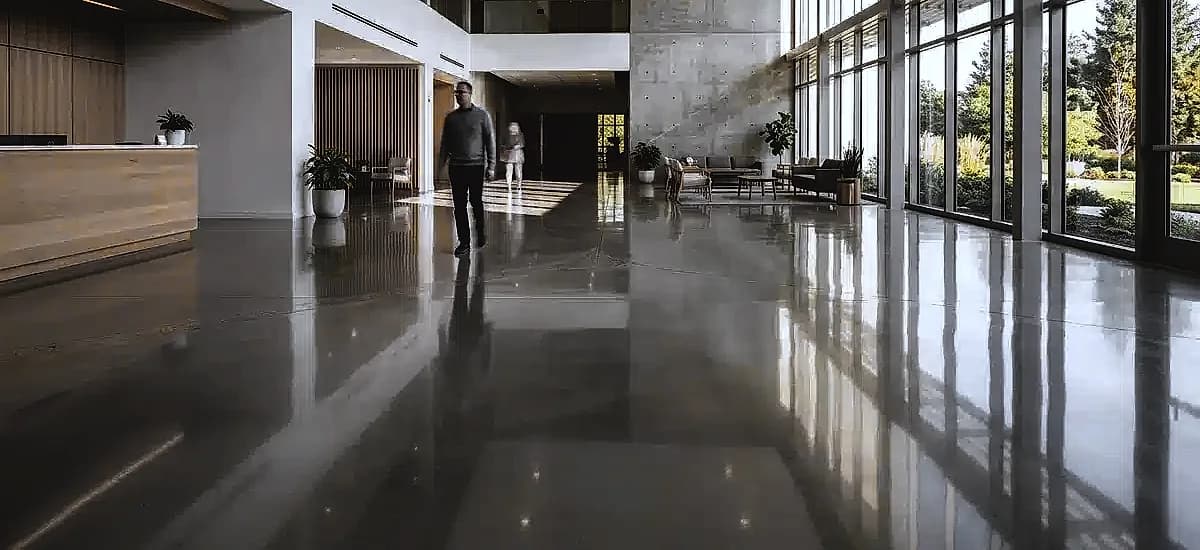
“The architectural trend for 2026 in sacred spaces leans heavily toward authenticity. Polished concrete exposes the natural aggregate, providing a grounding, permanent aesthetic that resonates with congregants,” notes Marcus Thorne, Principal Architect at Sacred Spaces Design Group. Facilities can choose from a cream finish (smooth, solid color), a salt-and-pepper finish (fine sand exposure), or full aggregate exposure (revealing large stones reminiscent of premium terrazzo).
Furthermore, integral dyes and acid stains allow congregations to incorporate liturgical colors, organizational logos, or intricate geometric patterns directly into the floor. For spaces with abundant natural light where glare might be a concern, many designers are specifying matte polished concrete floors, which provide all the durability benefits with a softer, satin visual profile.
Step-by-Step: The Concrete Polishing Process for Occupied Facilities
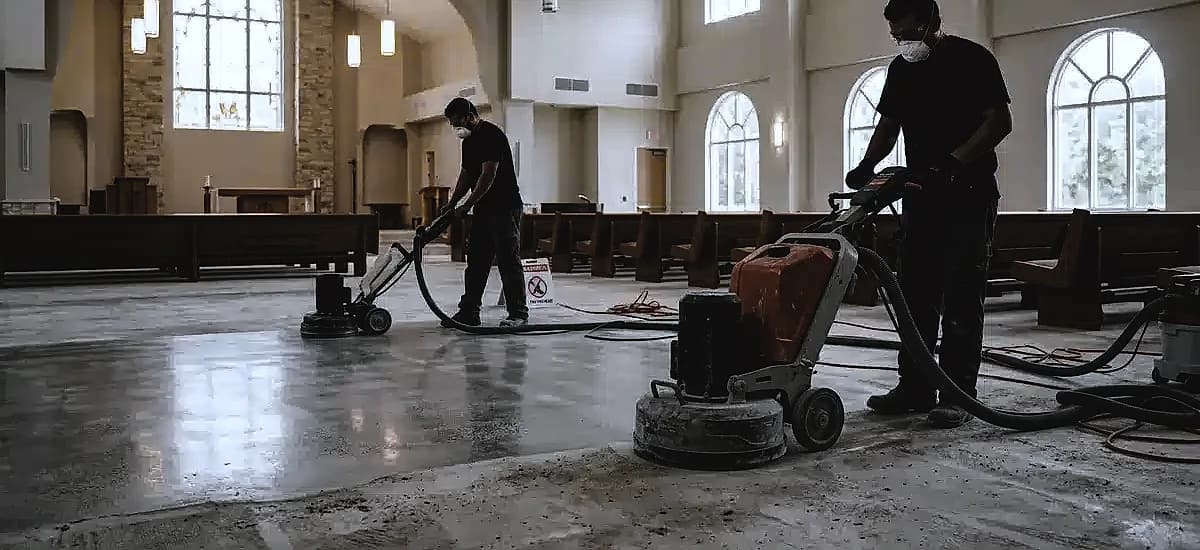
Retrofitting an active place of worship requires careful logistical planning to minimize disruption to weekend services and mid-week community programs. The step-by-step concrete polishing process is highly systematic and can often be phased to keep the facility operational.
- Surface Preparation and Coating Removal: Existing flooring (carpet, tile, VCT) is removed. Heavy-duty planetary grinders equipped with aggressive metal-bonded diamond tooling strip away old mastics, glues, and epoxies.
- Joint Repair and Patching: Cracks, spalls, and expansion joints are cleaned and filled with polyurea or epoxy joint fillers tinted to match the final floor color, ensuring a seamless monolithic surface.
- Coarse Grinding: The slab is ground to the desired level of aggregate exposure. This step levels the floor and removes surface imperfections.
- Densification: A liquid silicate densifier is applied to the porous concrete. It penetrates deeply, hardening the surface and locking out future moisture intrusion.
- Fine Polishing: Using progressively finer resin-bonded diamond pads (ranging from 100 to 3000 grit), the floor is honed and polished to the specified sheen level.
- Stain Protection: A penetrating micro-guard or stain-resistant treatment is burnished into the floor, providing a final layer of defense against accidental spills during fellowship events.
Facility managers often wonder how long concrete polishing takes. A typical 5,000-square-foot sanctuary can usually be completed in 4 to 6 days, depending on the initial condition of the slab and the desired level of aggregate exposure.
Long-Term Financial Stewardship and Maintenance
Responsible financial stewardship is a core tenet for religious organizations. Polished concrete delivers extraordinary value both in initial capital expenditure and long-term operational budgets. According to data from Facility Maintenance Decisions, polished concrete installation costs are typically 35% lower than premium terrazzo and comparable to high-end commercial carpeting.
The true savings, however, are realized in daily maintenance. Traditional floors require expensive chemical strippers, waxes, grout cleaners, and hot-water extraction machines. Polished concrete requires only daily dust mopping and occasional damp mopping with a neutral pH cleaner. This simplicity reduces floor maintenance labor and material costs by an astonishing 85.4% over a decade.
Because of these undeniable financial benefits, commercial flooring contractors are experiencing unprecedented demand. It is not uncommon to find that reputable floor projects are booked weeks out, so facility committees should begin the consultation process well in advance of their desired installation dates.
Environmental and Acoustic Benefits for Congregations
Sustainability is increasingly important to modern congregations. Polished concrete is inherently eco-friendly because it utilizes the building’s existing foundation slab rather than requiring the manufacturing, transportation, and installation of new materials. The US Green Building Council recognizes polished concrete as a sustainable building practice, frequently awarding LEED certification points for its use.
Additionally, the high Light Reflectance Value (LRV) of a high-gloss polished floor maximizes both natural and artificial lighting. Studies show that highly reflective concrete floors can reduce a facility’s lighting energy consumption by up to 22%, lowering utility bills and reducing the building’s carbon footprint.
Acoustics also play a vital role in worship spaces. While hard surfaces reflect sound, achieving a smooth concrete finish works beautifully when paired with proper acoustic wall panels and ceiling baffles. Acoustic engineers note that this combination helps achieve the ideal reverberation time of 1.5 to 2.5 seconds, which is optimal for both spoken sermons and congregational singing.
Frequently Asked Questions
Is polished concrete slippery when wet?
Despite its glass-like appearance, clean polished concrete actually meets or exceeds OSHA standards for slip resistance. The mechanical polishing process flattens the microscopic peaks and valleys of the concrete, creating a surface that provides excellent traction, even when slightly damp from South Florida humidity.
How does polished concrete handle hurricane-related flooding?
Polished concrete is arguably the most flood-resilient flooring available. Because it is non-porous and contains no adhesives or organic materials, a flooded polished concrete floor simply needs to be cleaned, sanitized, and dried after the water recedes, suffering zero structural damage.
Can we polish the concrete if our current slab is cracked or damaged?
Yes, existing damage can be repaired prior to polishing. Professional installers use specialized epoxy and polyurea fillers to repair cracks, spalls, and divots. While these repairs may remain slightly visible, they blend into the industrial-chic aesthetic and ensure the floor is perfectly smooth and safe.
Will the floor require waxing or topical sealers in the future?
No, true mechanically polished concrete never requires waxing, stripping, or topical acrylic sealers. The shine is achieved through physical refinement of the stone itself, meaning there is no topical coating to peel, flake, or yellow over time.
How do we maintain the shine on our polished concrete floors?
Maintaining the shine requires keeping the floor free of abrasive dirt through regular dust mopping. For wet cleaning, use an auto-scrubber with a non-abrasive pad and a neutral pH cleaner. Avoid acidic cleaners like bleach or vinegar, which can etch the surface and dull the finish.
Can polished concrete be installed in older, historic religious buildings?
Absolutely. Polishing the original slab of a historic building often reveals beautiful, decades-old aggregate that cannot be replicated in modern concrete pours. The process preserves the historical integrity of the building while upgrading its functionality for the 21st century.
Conclusion
As we navigate 2026, South Florida places of worship are increasingly recognizing that traditional flooring materials simply cannot withstand the region’s intense humidity and the heavy operational demands of active congregations. Polished concrete offers an elegant, permanent solution that honors the sanctity of worship spaces while demonstrating profound financial and environmental stewardship. By eliminating replacement cycles, eradicating moisture-driven mold, and drastically reducing maintenance overhead, religious facilities can focus their resources where they matter most: on their mission and their community.
If your facility committee is ready to explore a permanent, beautiful flooring solution that will serve your congregation for generations, expert guidance is essential. Contact us today to schedule a comprehensive site evaluation and discover how polished concrete can transform your sacred space.
Written by

Founder and CEO
Chris Lavin is an esteemed leader in concrete polishing and epoxy coatings with a distinguished 20-year career. As founder and CEO of National Concrete Polishing and owner of Xtreme Polishing Systems, he's renowned for polishing and epoxy coating more floors than anyone globally. Chris is recognized for his innovative approach and commitment to enhancing floor durability and aesthetics. His hands-on experience and technical proficiency make him a respected authority and a valuable resource in the field of floor polishing and coatings.
Same topic
Related articles
All stories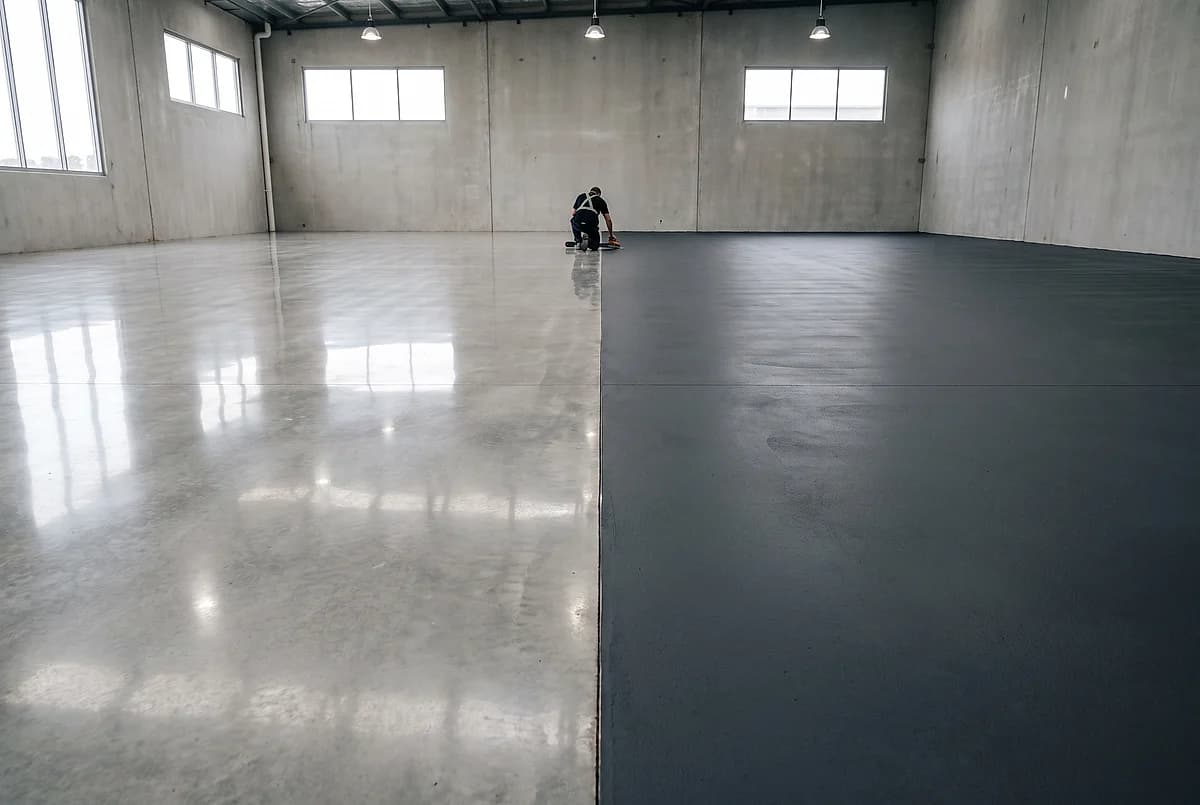
Polished concrete11 min read
Polished Concrete vs Epoxy Coatings: Which Floor Is Right for Your Space?
Two systems, two price curves, one slab. What each one costs to install and to keep, and which spaces each one actually suits.
Read it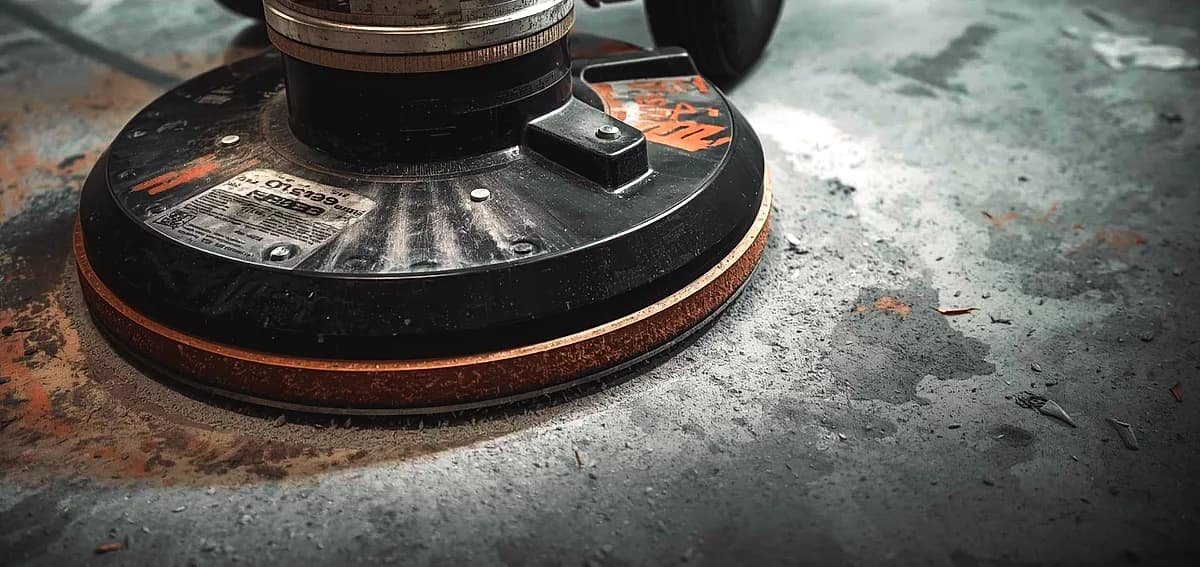
Polished concrete8 min read
What to Know Before Polishing Your Existing Concrete Slab
Before any mechanical refinement can begin, a thorough evaluation of the current foundation is required.
Read it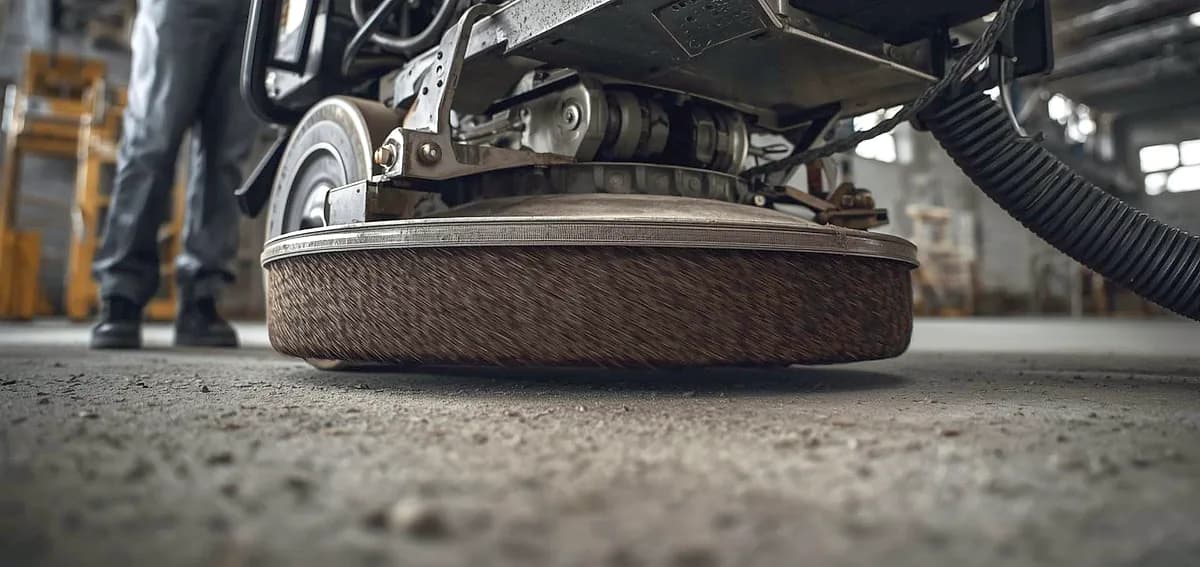
Polished concrete8 min read
Is Polished Concrete Worth the Investment for Miami Properties?
It is essential to distinguish between a simple topical seal and mechanically refined concrete.
Read it
Tell us about the floor
Tell us the space and roughly how big it is.We come back with what it would cost and when we could start.
Prefer to talk? Call +1 844-876-5474
- Leads@
nationalconcretepolishing.net - 2200 NW 32nd St #600,
Pompano Beach, FL 33069 Mon to Fri, 9:00 to 5:30