
The NCP blog
Museum-Grade Polished Concrete: The 2026 Guide for South Florida Galleries
Polished concrete8 min read
In 2026, the architectural paradigm has shifted entirely toward resilient, monolithic surfaces.
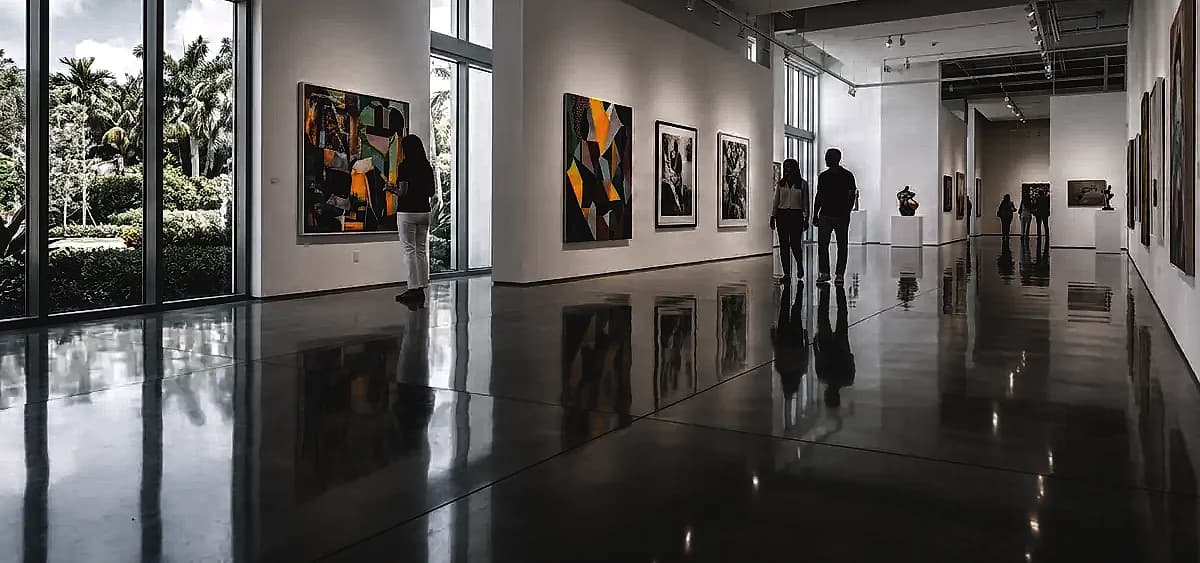
Museum-grade polished concrete has become the definitive flooring standard for South Florida cultural institutions in 2026, offering an unparalleled combination of a Mohs 8 hardness rating, zero-VOC emissions, and high-reflectivity finishes that actively enhance architectural lighting. By transforming existing concrete slabs through a rigorous mechanical grinding process, galleries achieve a monolithic, seamless surface that withstands heavy foot traffic while providing a neutral, distraction-free backdrop for fine art.
The Evolution of Gallery Flooring in South Florida
South Florida’s vibrant art scene demands infrastructure that can withstand both massive crowds and a uniquely punishing climate. Historically, cultural institutions relied on hardwood, terrazzo, or premium tile. However, the region’s intense humidity and fluctuating temperatures often led to warping, grout degradation, and costly repairs. In 2026, the architectural paradigm has shifted entirely toward resilient, monolithic surfaces.
Today, over 85% of new gallery spaces in the Miami and Fort Lauderdale metropolitan areas are opting for advanced commercial concrete floor finishes. The shift is driven by the material’s ability to seamlessly integrate with contemporary, minimalist aesthetics while offering industrial-grade performance. Unlike traditional flooring that sits on top of the foundation, polishing refines the actual structural slab of the building.
As Marcus Thorne, Lead Curator at the Miami Contemporary Arts Coalition, explains: ‘In South Florida’s climate, the monolithic nature of polished concrete eliminates the moisture-trapping joints that plague traditional gallery flooring. It provides us with a pristine, uninterrupted canvas that lets the artwork command the room.’
What Defines “Museum-Grade” Polished Concrete?
Not all polished concrete is created equal. The designation of “museum-grade” refers to a highly specific set of performance criteria and aesthetic standards that exceed typical commercial applications. These floors must meet rigorous metrics for surface hardness, reflectivity, slip resistance, and dimensional stability to protect both visitors and priceless artifacts.
The foundation of a museum-grade finish is structural integrity. Before any grinding begins, professionals often utilize GPR scanning technology to identify subsurface anomalies that could compromise the final polish. Once cleared, the concrete is mechanically refined until it achieves a Mohs hardness rating of 7 to 9. This incredible density prevents dusting—a critical factor for art preservation.
According to guidelines published by the American Society of Concrete Contractors, achieving this level of clarity requires a minimum of six to eight progressive grinding stages. Skipping even a single grit level in the diamond sequence will result in microscopic scratches that refract light poorly and trap dirt over time.
Core Benefits for Cultural Institutions
The decision to install museum-grade polished concrete extends far beyond simple aesthetics. For gallery owners and museum directors, the material offers compounding functional benefits that improve the daily operation of the facility.
Enhanced Architectural Lighting
Lighting is arguably the most critical element of exhibition design. The reflective properties of a highly polished concrete floor act as a secondary light source, bouncing ambient illumination back into the space. Data from the U.S. Department of Energy indicates that optimizing floor reflectivity can reduce a commercial building’s artificial lighting requirements by up to 40%.
“Museum-grade polished concrete isn’t just a floor; it’s an active participant in the gallery’s lighting design,” notes Dr. Elena Rostova of the Architectural Lighting Institute. “The way it diffuses overhead spotlights softens harsh shadows on three-dimensional sculptures.”
Thermal Mass and Climate Control
Large, open gallery spaces require immense energy to keep cool, especially during South Florida summers. Concrete possesses excellent thermal mass, meaning it absorbs and slowly releases ambient temperatures. This property helps stabilize indoor climates, reducing the strain on HVAC systems. Understanding how polished concrete keeps buildings cooler is a major factor for institutions looking to achieve LEED certification.
Indoor Air Quality and Conservation
Protecting sensitive artwork requires strict control over indoor air quality. Traditional flooring adhesives and synthetic carpets release Volatile Organic Compounds (VOCs) that can degrade delicate pigments and textiles over time. Because polished concrete utilizes the existing slab and relies on mechanical refinement rather than topical coatings, it is 100% VOC-free, aligning with the Environmental Protection Agency standards for optimal indoor air quality.
The Technical Installation Process
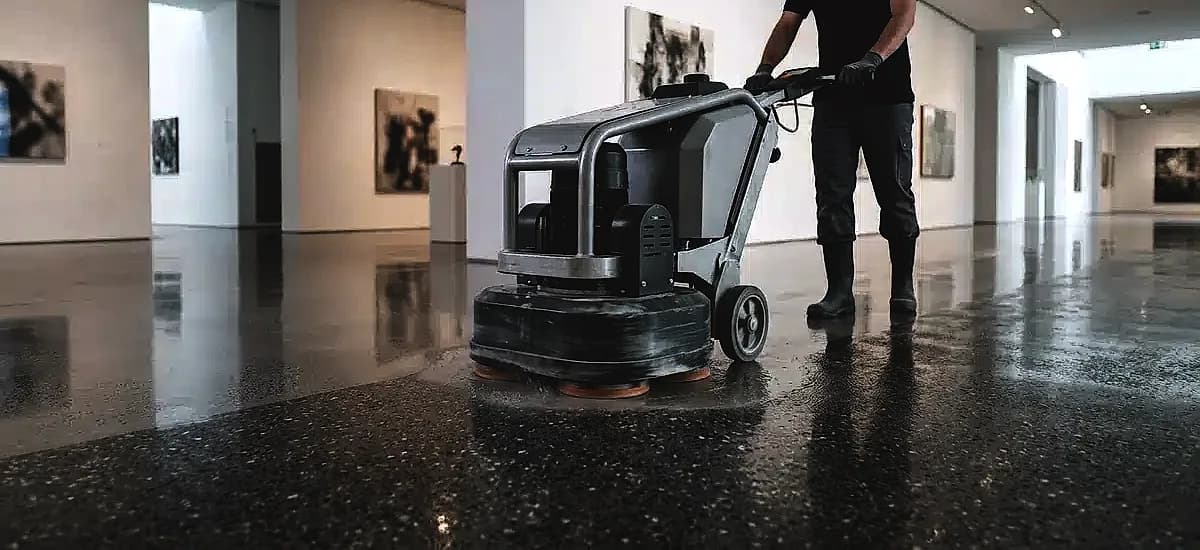
Transforming a raw, porous slab into a glass-like museum surface is a highly technical endeavor. It requires specialized heavy machinery, industrial dust extraction systems, and a deep understanding of concrete chemistry. Here is the standard protocol for a museum-grade installation:
- Substrate Evaluation and Preparation: Technicians assess the slab for moisture vapor transmission and structural flaws. Any necessary repairs are made using color-matched polyurea fillers. At this stage, contractors determine if the concrete requires specialized sealing before the grinding begins.
- Coarse Grinding: Using aggressive metal-bonded diamond abrasives (typically 16 to 40 grit), the top layer of the concrete is removed to erase stains, level the surface, and expose the desired amount of aggregate.
- Densification: A liquid silicate densifier is applied to the porous concrete. This chemical reacts with free calcium hydroxide in the slab to form calcium silicate hydrate gel, permanently hardening the surface and preventing future concrete dusting.
- Fine Polishing: The floor is honed using progressively finer resin-bonded diamonds. Understanding the concrete polishing stages is vital here; the sequence typically moves from 100, to 200, 400, 800, and sometimes up to 3000 grit for a mirror-like finish.
- Stain Guard Application: A micro-topical penetrating sealer is burnished into the floor to provide a window of resistance against accidental spills, such as wine during gallery opening receptions.
“The transition from 400-grit to 800-grit resin diamonds is where the true glass-like clarity emerges, defining the museum-grade standard,” states Sarah Jenkins, Senior Materials Engineer at the Concrete Polishing Association.
Design Flexibility and Aesthetic Customization
While the classic “salt and pepper” gray finish remains the most popular choice for contemporary art spaces, polished concrete offers immense design flexibility. Curators can dictate the exact visual texture of the floor by choosing the level of aggregate exposure. A “cream polish” leaves the surface smooth and uniform, while a “large aggregate exposure” grinds deep into the slab to reveal the stones and gravel beneath, mimicking the look of premium terrazzo.
Sheen levels are equally customizable. While some institutions prefer a high-gloss finish to maximize light reflection, others opt for a satin or matte look to reduce glare. Achieving a perfectly smooth concrete finish requires meticulous attention to detail, ensuring that the floor serves as a subtle, grounding element rather than a visual distraction.
Comparing Premium Gallery Flooring Options
When planning a new exhibition space or renovating an existing one, directors must weigh the long-term ROI of their flooring choices. Here is how museum-grade polished concrete stacks up against other premium materials in 2026:
| Flooring Type | Expected Lifespan | Moisture Resistance | Light Reflectivity | Maintenance Cost |
|---|---|---|---|---|
| Polished Concrete | 50+ Years | Excellent (Breathable) | High (Up to 30% boost) | Very Low |
| Commercial Epoxy | 10-15 Years | High (Impermeable) | High | Moderate |
| Hardwood | 20-30 Years | Poor (Warps in humidity) | Low | High |
| Porcelain Tile | 30+ Years | Excellent | Moderate | Moderate (Grout cleaning) |
Long-Term Maintenance and Cost Efficiency
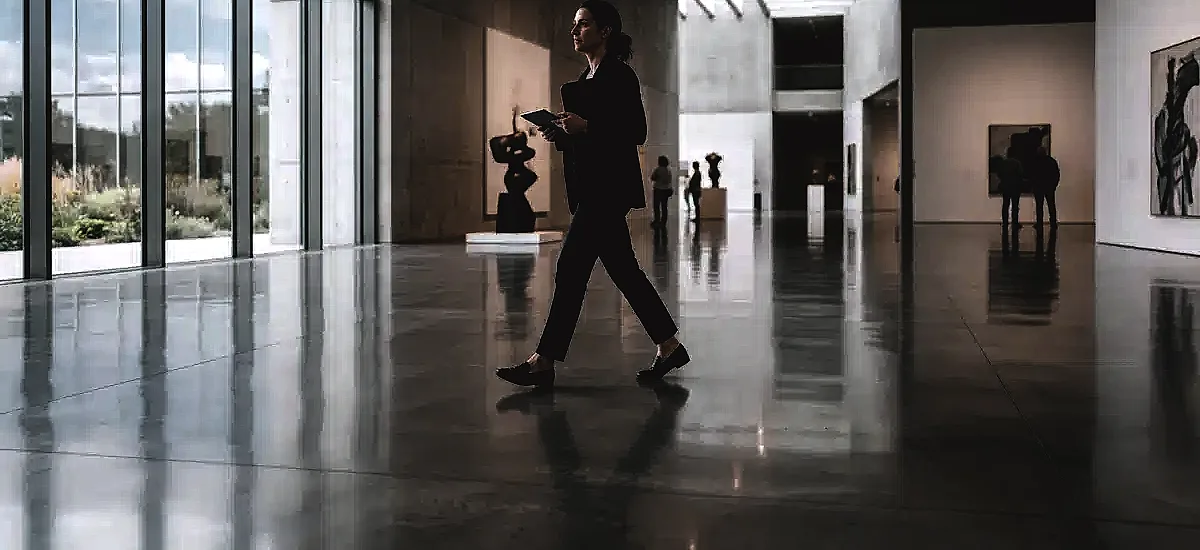
The long-term success of polished concrete art gallery floors depends largely on implementing appropriate maintenance protocols. Unlike traditional flooring materials that require waxing, stripping, or deep grout cleaning, properly installed polished concrete is remarkably self-sustaining. Establishing correct maintenance procedures from day one ensures optimal performance and appearance retention throughout the floor’s 50-to-60-year service life.
Daily maintenance requires only dust mopping with microfiber pads to remove abrasive dirt particles, followed by occasional damp mopping using a neutral pH cleaner. Harsh acidic or alkaline chemicals must be avoided, as they can etch the surface and dull the museum-grade shine. According to conservation guidelines from the Smithsonian Institution, minimizing the use of harsh chemical cleaners also protects airborne artifacts from chemical degradation.
From a financial perspective, the ROI is undeniable. “By utilizing the existing slab, cultural institutions reduce their flooring carbon footprint by up to 75% compared to importing new materials,” says David Chen, Director of Sustainable Architecture at the Florida Design Council. Furthermore, facility managers report a 50% reduction in ongoing floor maintenance costs compared to maintaining VCT or hardwood.
If the floor begins to lose its luster in high-traffic areas—such as main entrances or ticketing corridors—it does not need to be replaced. A professional contractor can simply perform a light repolishing using fine diamond pads to restore the original glass-like finish at a fraction of the cost of a new installation. To properly plan for these projects, facility managers should understand how long concrete polishing takes to minimize gallery downtime.
Conclusion
In 2026, museum-grade polished concrete is no longer just an alternative flooring option for South Florida galleries; it is the architectural standard. By combining unparalleled durability, significant lighting enhancements, and a seamless aesthetic that elevates the viewing experience, polished concrete provides cultural institutions with a foundation built to last for generations. Whether you are designing a new contemporary art space in Miami or renovating a historic gallery in Fort Lauderdale, investing in a mechanically refined slab ensures your facility meets the highest curatorial standards.
Ready to transform your exhibition space with a surface that matches the sophistication of your collection? Contact our team today to schedule a comprehensive site evaluation and discuss your museum-grade flooring options.
Frequently Asked Questions
How long does a museum-grade polished concrete floor last?
When properly maintained, a museum-grade polished concrete floor can last 50 to 60 years or more. Because the process hardens the actual structural slab of the building, there is no topical material to peel, flake, or wear away over time.
Can polished concrete support heavy art installations?
Yes. The densification process increases the concrete’s Mohs hardness rating to between 7 and 9, making it incredibly resistant to crushing and scratching. It easily supports heavy bronze sculptures, large-scale installations, and the machinery required to move them.
Is polished concrete slippery for gallery visitors?
Despite its glass-like appearance, clean and dry polished concrete meets or exceeds OSHA standards for slip resistance. The mechanical grinding process flattens the floor microscopically, providing excellent traction for foot traffic.
How do you clean a polished concrete gallery floor?
Daily maintenance simply requires dry dust mopping with a microfiber pad to remove grit. For wet cleaning, use an auto-scrubber or mop with clean water and a specialized neutral pH concrete cleaner to preserve the floor’s shine.
Will South Florida humidity affect polished concrete?
No. Unlike hardwood that warps or epoxy that can trap rising moisture and blister, polished concrete is a breathable system. It allows moisture vapor from South Florida’s humid environment to pass through the slab naturally without causing surface damage.
Can existing gallery floors be converted to polished concrete?
In most cases, yes. Professional contractors can remove existing tile, carpet, or epoxy, repair the underlying substrate, and polish the structural slab. However, a thorough evaluation is required to ensure the concrete is thick and healthy enough for the grinding process.
Written by

Founder and CEO
Chris Lavin is an esteemed leader in concrete polishing and epoxy coatings with a distinguished 20-year career. As founder and CEO of National Concrete Polishing and owner of Xtreme Polishing Systems, he's renowned for polishing and epoxy coating more floors than anyone globally. Chris is recognized for his innovative approach and commitment to enhancing floor durability and aesthetics. His hands-on experience and technical proficiency make him a respected authority and a valuable resource in the field of floor polishing and coatings.
Same topic
Related articles
All stories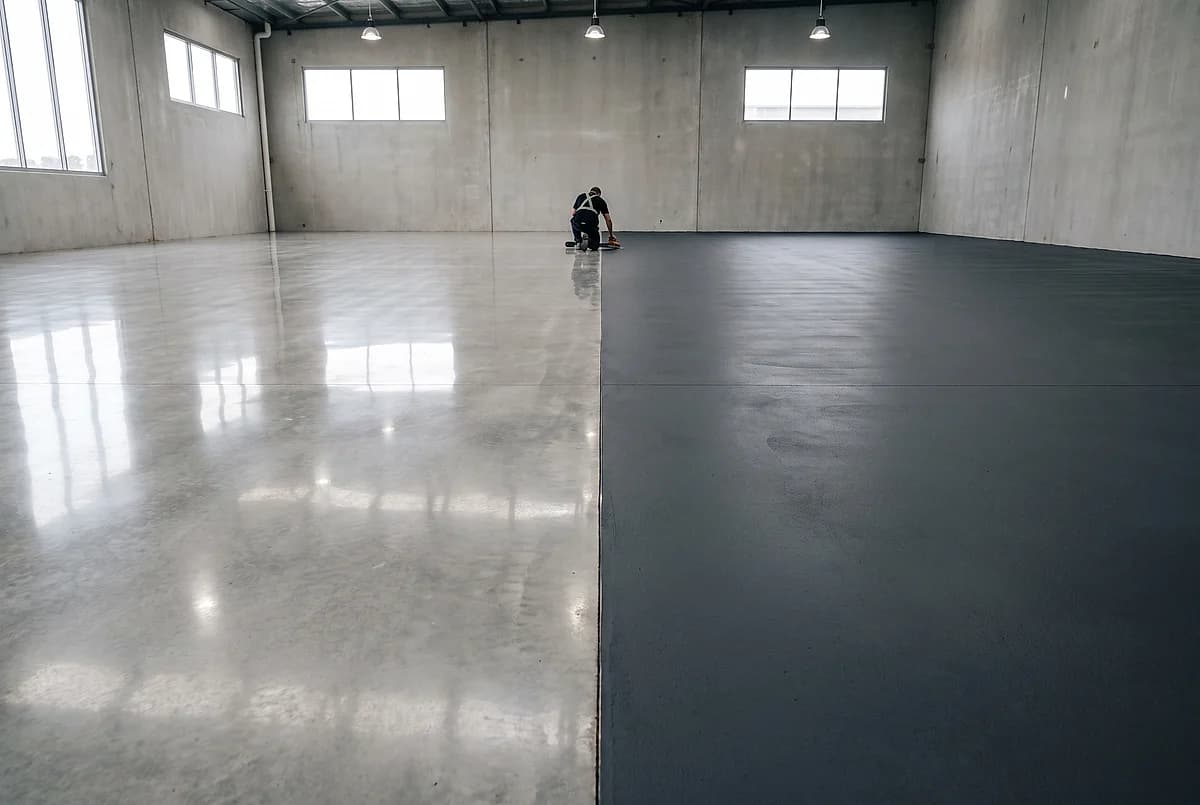
Polished concrete11 min read
Polished Concrete vs Epoxy Coatings: Which Floor Is Right for Your Space?
Two systems, two price curves, one slab. What each one costs to install and to keep, and which spaces each one actually suits.
Read it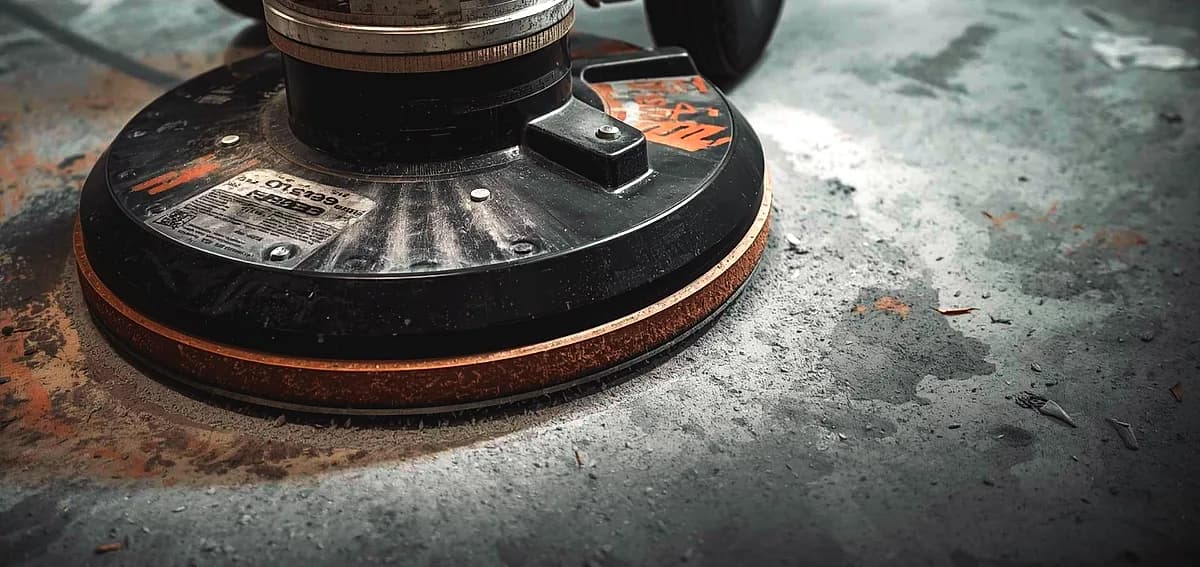
Polished concrete8 min read
What to Know Before Polishing Your Existing Concrete Slab
Before any mechanical refinement can begin, a thorough evaluation of the current foundation is required.
Read it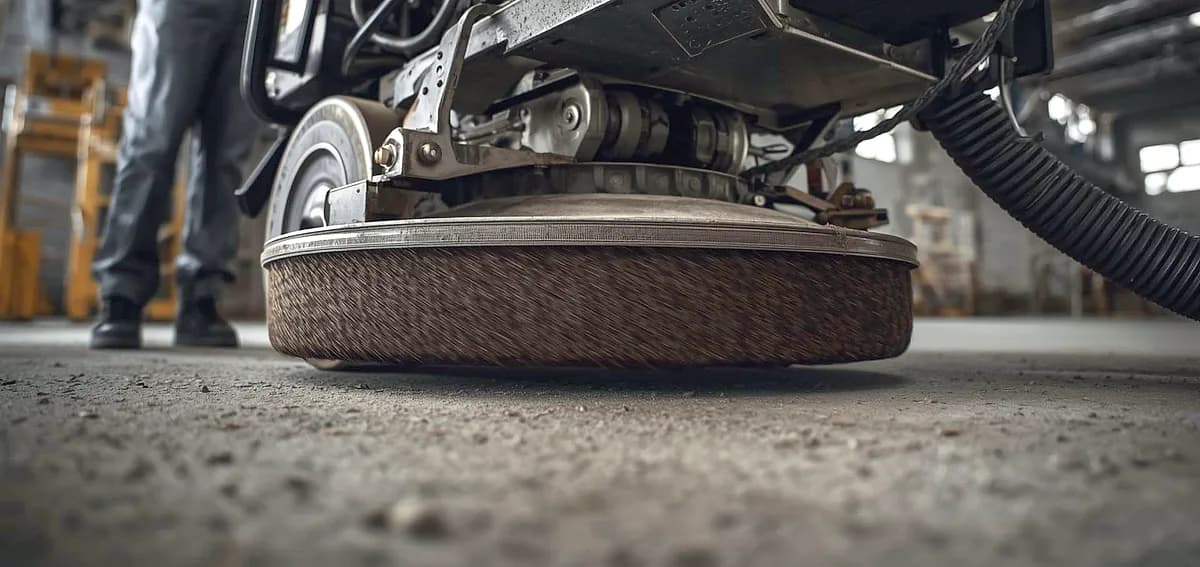
Polished concrete8 min read
Is Polished Concrete Worth the Investment for Miami Properties?
It is essential to distinguish between a simple topical seal and mechanically refined concrete.
Read it
Tell us about the floor
Tell us the space and roughly how big it is.We come back with what it would cost and when we could start.
Prefer to talk? Call +1 844-876-5474
- Leads@
nationalconcretepolishing.net - 2200 NW 32nd St #600,
Pompano Beach, FL 33069 Mon to Fri, 9:00 to 5:30