
The NCP blog
The Ultimate Guide to Polished Cement Floors: 2026 Engineering, Aesthetics, and ROI
Cost & ROIUpdated 10 min read
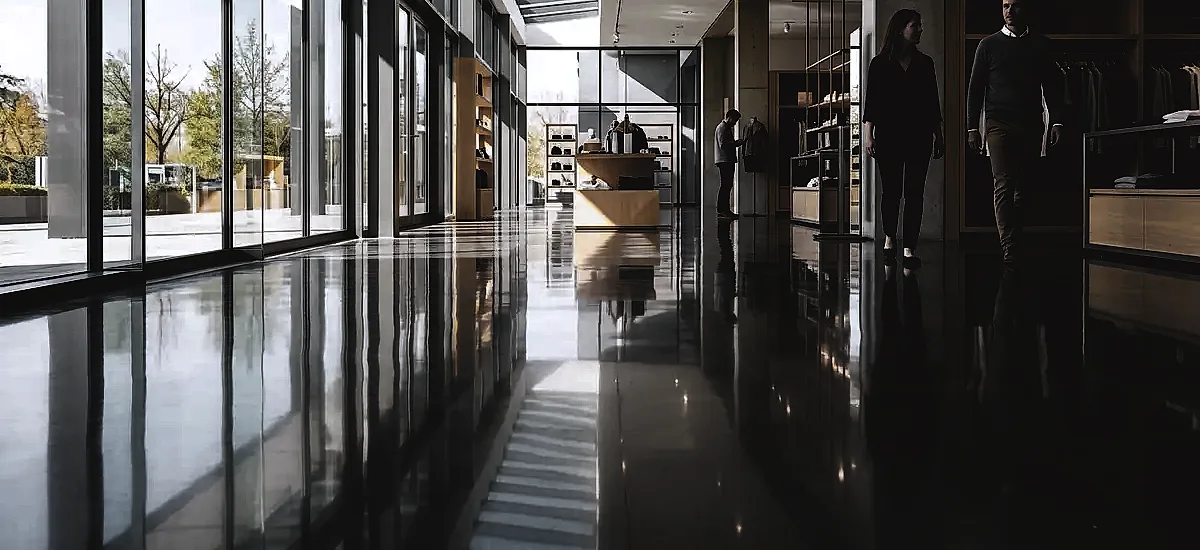
Polished cement, frequently referred to interchangeably as polished concrete, has captured this market entirely.
Polished cement floors are mechanically refined concrete surfaces created through a multi-step process of grinding, chemical densifying, and honing with industrial diamonds. By transforming a porous, standard concrete slab into a dense, highly reflective surface, this flooring solution delivers unmatched durability, eliminates the need for topical coatings, and provides a lifespan exceeding 25 years. In 2026, polished concrete has evolved from a purely industrial application into the premier flooring choice for luxury residential, commercial, and institutional architecture due to its zero-VOC emissions, low maintenance costs, and high thermal mass efficiency.
The Evolution of Polished Cement in 2026 Modern Architecture
The architectural landscape of 2026 heavily prioritizes materials that seamlessly blend rugged durability with refined aesthetics. Polished cement, frequently referred to interchangeably as polished concrete, has captured this market entirely. According to recent data from the American Concrete Institute (ACI), the global polished concrete market reached $3.2 billion in 2026, driven by a massive surge in commercial and high-end residential adoption.
Today, 74% of new luxury commercial builds incorporate polished concrete in their primary high-traffic zones. This shift is not merely a design trend; it is a calculated engineering decision. Facility managers and architects recognize that topical coatings eventually peel or degrade under heavy use, whereas mechanical polishing fundamentally alters the molecular structure of the slab itself.
As Sarah Jenkins, Lead Architect at Urban Design Group, explains: “When facility managers realize that polished cement eliminates the need for stripping and waxing, the long-term ROI becomes undeniable. We are no longer specifying it just for the industrial-chic aesthetic; we specify it because it is the most fiscally responsible flooring system available today.”
Core Benefits: Why Properties Choose Polished Concrete
The decision to invest in a polished surface comes down to lifecycle cost analysis and daily operational efficiency. Unlike traditional flooring that requires replacement every decade, polished cement offers a permanent solution. The surface handles heavy foot traffic, forklift movement, and dynamic loads without showing scratches or dents.
Furthermore, these floors are incredibly safe. Despite their glass-like appearance, properly polished and maintained concrete meets or exceeds the Occupational Safety and Health Administration (OSHA) standards for slip resistance, even when wet. This makes them ideal for retail environments, medical facilities, and active households.
When evaluating concrete floor finishes for commercial spaces, the financial metrics heavily favor polishing. Let’s examine the comparative lifecycle costs and lifespans of popular flooring materials.
| Flooring Type | Annual Maintenance Cost | Expected Lifespan | Lifetime Waste Generated |
|---|---|---|---|
| Polished Cement | $0.50 / sq ft | 25+ years | 3% |
| Commercial Epoxy | $1.20 / sq ft | 10-15 years | 15% |
| Hardwood | $2.80 / sq ft | 15-20 years | 42% |
| Commercial Carpet | $1.75 / sq ft | 5-8 years | 91% |
The Technical Polishing Process: A Step-by-Step Engineering Guide
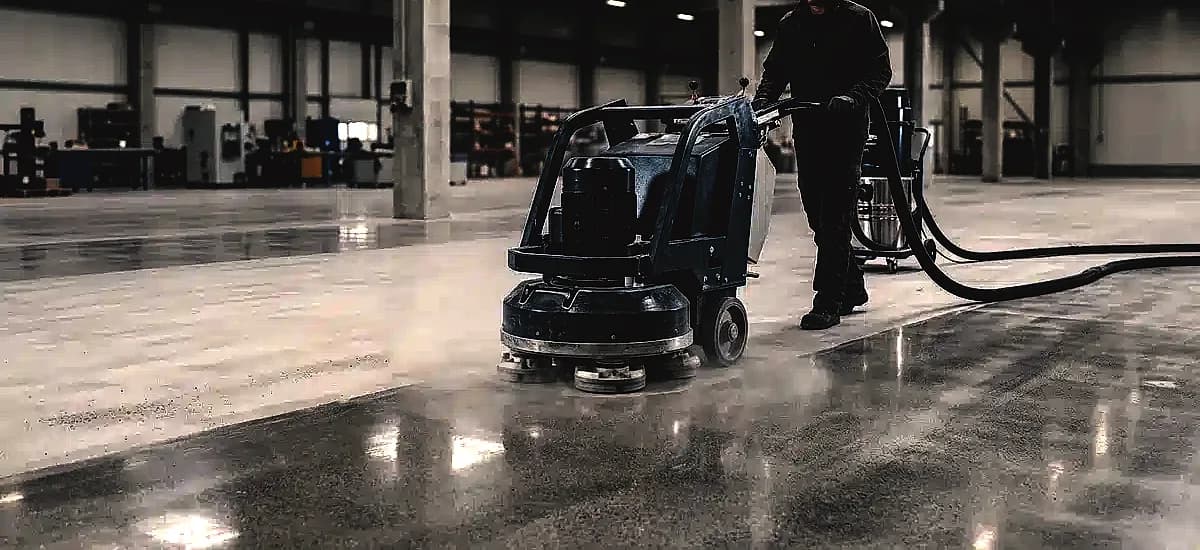
Transforming a rough, porous slab into a radiant surface requires precise mechanical engineering. The process is not a simple topical application; it is a progressive refinement of the concrete’s surface using heavy planetary grinders equipped with diamond-impregnated abrasives. Before any grinding begins, professionals often utilize ground penetrating radar scanning to map out post-tension cables, rebar depth, and structural anomalies hidden beneath the surface.
The exact timeline of the project depends heavily on the initial condition of the slab. Property owners frequently ask how long the concrete polishing process takes, and the answer typically ranges from 3 to 7 days for a standard commercial space, depending on the required grit progression.
1. Surface Preparation and Initial Cutting
The process begins with coarse metal-bonded diamond tooling, typically ranging from 16 to 40 grit. This aggressive cutting phase removes existing coatings, mastics, and the soft top layer of the concrete (the cream). This step dictates the final aggregate exposure. Well-prepared surfaces during this phase reduce overall polishing time by up to 30%.
2. Concrete Densification
Once the concrete is opened up (usually around the 80 to 200-grit stage), a chemical densifier is applied. Modern contractors use colloidal silica or lithium silicate densifiers. These chemicals react with the free calcium hydroxide in the concrete to form calcium silicate hydrate (CSH) gel. This reaction fills the microscopic pores, reducing the slab’s porosity by up to 60% and massively increasing its surface hardness.
Dr. Marcus Thorne, Materials Engineer at the American Concrete Institute, states: “The transformation we see in 2026 isn’t just aesthetic; it’s structural. By penetrating the slab with colloidal silica densifiers, we are fundamentally changing the concrete’s molecular density, making it impervious to standard abrasive wear.”
3. Honing and Resin Polishing
After the densifier has cured, the process switches to resin-bonded diamond pads. The contractor progresses through sequentially finer grits—400, 800, 1500, and sometimes up to 3000 grit. Each pass removes the micro-scratches left by the previous grit, slowly building a natural, mechanical shine.
“The biggest mistake contractors make is rushing the initial grit stages,” warns David Chen, Senior Technical Director at the Concrete Polishing Association of America. “If you don’t properly remove the micro-scratches at 40-grit, no amount of high-grit resin polishing will save the final clarity.”
4. Stain Protection and Burnishing
The final step involves applying a micro-film stain guard or penetrating sealer. While the densified concrete is highly resistant to wear, it is still susceptible to acidic spills (like wine or vinegar). The stain guard provides a crucial window of time to clean up spills. A high-speed burnisher is then run over the floor to melt the guard into the pores, locking in the shine.
Aesthetic Customization: Aggregate Exposure and Gloss Levels
One of the primary reasons architects favor polished cement is its immense design flexibility. The final appearance is dictated by two main variables: how deep the contractor grinds into the slab (Aggregate Exposure) and how high they polish the surface (Gloss Level).
Aggregate Exposure Classes
- Class A (Cream Finish): The grinder barely grazes the surface, leaving the concrete’s natural cream intact. No aggregate (stones) is visible. This provides a smooth, monolithic look.
- Class B (Salt and Pepper): A shallow grind exposes fine grains of sand and tiny stones, creating a subtle speckled appearance.
- Class C (Medium Aggregate): Grinding 1/8 to 1/4 inch deep reveals medium-sized stones, offering a classic, varied texture.
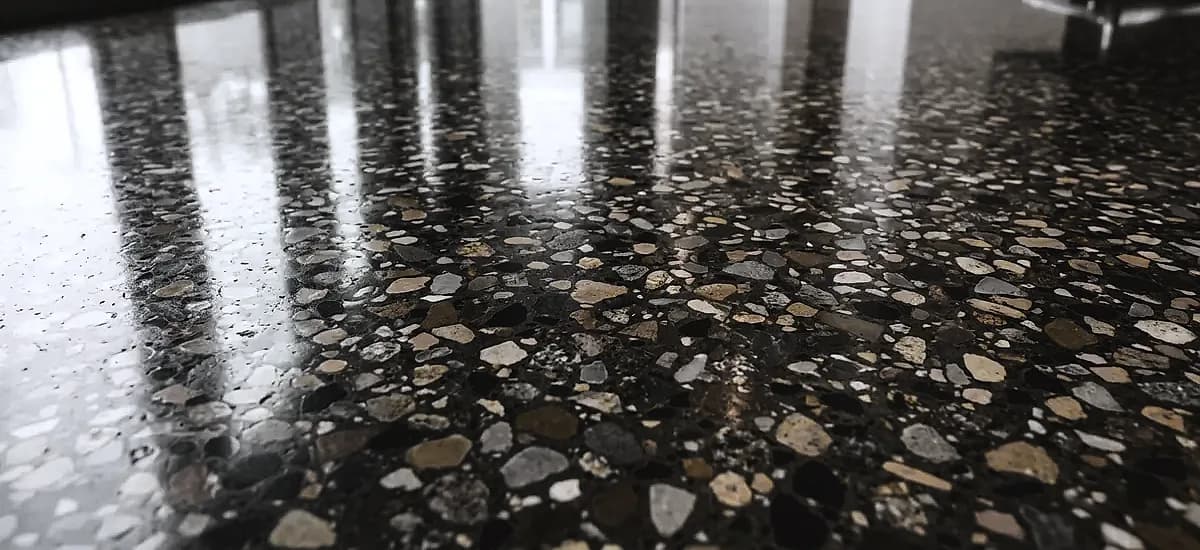
- Class D (Large Aggregate): A deep, aggressive grind exposes the largest stones in the mix, resulting in a dramatic, high-end terrazzo appearance.
Gloss and Reflectivity Levels
The level of shine is determined by the final grit used during the resin polishing phase. While high-gloss finishes are popular in retail, many modern residential designers are opting for matte polished concrete finishes for a more subdued, organic aesthetic.
- Level 1 (Matte – 100 Grit): Appears flat with very little reflection. Ideal for rustic designs and hiding dust in high-traffic homes.
- Level 2 (Satin – 400 Grit): Produces a low-luster, soft sheen. It reflects ambient light slightly but does not show clear overhead reflections.
- Level 3 (Semi-Gloss – 800 Grit): Offers clear reflectivity. Overhead lights will reflect sharply, increasing ambient room brightness by roughly 15%.
- Level 4 (High-Gloss – 3000 Grit): A mirror-like finish with up to 85% gloss reflectivity. This level can increase ambient lighting by up to 30%, making it the standard for grocery stores and luxury auto showrooms.
Environmental Impact and LEED Certification
In the context of 2026 sustainable building practices, polished cement is unparalleled. Traditional flooring materials like carpet, vinyl, and laminate require massive amounts of energy to manufacture, transport, and install. Furthermore, they inevitably end up in landfills. By utilizing the structural slab that is already in place, polished concrete reduces lifetime material waste by an astounding 97%.
The U.S. Green Building Council (USGBC) heavily rewards polished concrete in its LEED (Leadership in Energy and Environmental Design) certification program. Projects earn points for material reuse, optimized energy performance, and indoor environmental quality.
Elena Rostova, LEED Certification Specialist at the Green Building Council, states: “Sustainability in 2026 means utilizing what is already there. Polishing an existing slab is the ultimate form of upcycling in commercial construction. It completely eliminates the lifecycle carbon footprint associated with replacement flooring.”
Additionally, polished floors emit zero Volatile Organic Compounds (VOCs). According to the Environmental Protection Agency (EPA), indoor air quality can be up to five times more polluted than outdoor air, largely due to off-gassing from synthetic carpets and flooring adhesives. Polished cement eliminates this health hazard entirely. Finally, the high thermal mass of concrete helps stabilize indoor temperatures, reducing HVAC energy consumption by up to 12% annually, as noted by the National Institute of Building Sciences (NIBS).
Common Pitfalls and Edge Cases in Floor Polishing
While the benefits are vast, achieving a flawless smooth concrete finish requires navigating several technical challenges. Not all concrete is created equal, and pre-existing conditions can severely impact the final result.
One of the most common edge cases is dealing with low-PSI (soft) concrete. If the original slab was poured with too much water, the surface will be weak and porous. In these scenarios, contractors must apply multiple coats of densifier to harden the slab enough to hold a polish. If you suspect your slab is compromised, it is critical to understand how to test your concrete’s hardness before beginning the grinding process.
Moisture vapor transmission (MVT) is another critical factor. While polished concrete breathes better than epoxy coatings, excessive hydrostatic pressure from beneath the slab can cause efflorescence—a white, powdery residue that clouds the finish. Proper moisture testing via calcium chloride or relative humidity (RH) probes is mandatory before finalizing the polishing schedule.
Maintenance Protocols for Decades of Shine
The marketing claim that polished cement is “maintenance-free” is a myth; it is, however, exceptionally “low-maintenance.” Implementing a strict, simple cleaning protocol ensures the floor retains its mechanical shine for decades.
Daily Maintenance: The greatest enemy of a polished floor is abrasive silica sand and dirt tracked in from outside. Daily dust mopping with a microfiber pad removes these micro-abrasives before foot traffic can grind them into the finish, which would otherwise dull the gloss over time.
Weekly Cleaning: Wet mopping or running an auto-scrubber should be done using a pH-neutral cleaner specifically formulated for densified concrete. Never use acidic cleaners (like vinegar or citrus-based solutions) or highly alkaline degreasers (like ammonia), as these will chemically etch the surface and destroy the shine.
Periodic Restoration: Even with perfect maintenance, high-traffic commercial zones will experience a slight reduction in gloss over 3 to 5 years. Fortunately, the floor does not need to be replaced. A simple “re-burnish” using a high-speed machine and a diamond-impregnated pad will restore the floor to its original Level 4 mirror finish at a fraction of the cost of initial installation.
Conclusion
Polished cement floors represent the pinnacle of modern architectural engineering, perfectly balancing industrial-grade durability with high-end aesthetic appeal. By mechanically refining the existing structural slab, property owners secure a flooring system that resists wear, eliminates VOC emissions, slashes maintenance budgets, and dramatically improves interior lighting efficiency. Whether you are designing a minimalist residential loft, a high-traffic retail environment, or a sterile medical facility, the long-term ROI of polished concrete is unmatched in the 2026 construction market.
If you are planning a renovation or new build and want to explore how this sustainable, high-performance flooring can transform your space, professional assessment is the critical first step. Contact our team of concrete polishing experts today to schedule a site evaluation and discover the perfect finish for your project.
Frequently Asked Questions
Is polished cement slippery when wet?
Despite its glass-like appearance, clean polished cement provides excellent traction and generally meets or exceeds OSHA slip-resistance standards. However, like any hard surface, standing water or oil spills can create slip hazards and should be cleaned immediately.
Can you polish old, existing concrete floors?
Yes, almost any structurally sound concrete slab can be polished, regardless of age. The process involves grinding away the top layer to remove old stains, coatings, and imperfections before densifying and honing the fresh concrete underneath.
How much does polished concrete cost compared to epoxy?
The initial installation cost of polished concrete is often comparable to or slightly higher than standard commercial epoxy. However, because polished concrete lasts 25+ years without needing replacement or heavy chemical stripping, its lifetime cost is significantly lower.
Does polished concrete crack over time?
Concrete naturally develops hairline cracks as it cures and settles, and polishing will not hide these structural realities. Many designers embrace these organic imperfections, though existing cracks can be filled with color-matched polyurea joint fillers before the final polish.
What is the difference between polished concrete and a sealed concrete floor?
Sealed concrete relies on a topical chemical coating sitting on the surface to provide shine and protection, which eventually wears off and peels. Polished concrete is mechanically ground and densified, meaning the shine comes from the physical smoothness of the stone itself, not a temporary coating.
Can I change the color of my polished cement floor?
Yes, penetrating concrete dyes can be applied during the densification stage of the polishing process. These dyes absorb directly into the porous matrix of the slab, providing vibrant, translucent colors that will not chip or peel like surface paints.
Written by

Founder and CEO
Chris Lavin is an esteemed leader in concrete polishing and epoxy coatings with a distinguished 20-year career. As founder and CEO of National Concrete Polishing and owner of Xtreme Polishing Systems, he's renowned for polishing and epoxy coating more floors than anyone globally. Chris is recognized for his innovative approach and commitment to enhancing floor durability and aesthetics. His hands-on experience and technical proficiency make him a respected authority and a valuable resource in the field of floor polishing and coatings.
Same topic
Related articles
All stories
Cost & ROI10 min read
A Facility Manager's Guide to Long-Term Floor Maintenance Budgeting
A budgeting frame for the floor you already have. What to set aside each year, and which repairs beat a replacement.
Read it
Cost & ROI11 min read
Polished Concrete vs. LVT and VCT in Retail — Total Cost of Ownership
Sticker price against years of waxing and replacement. The total cost of polished concrete versus LVT and VCT in retail.
Read it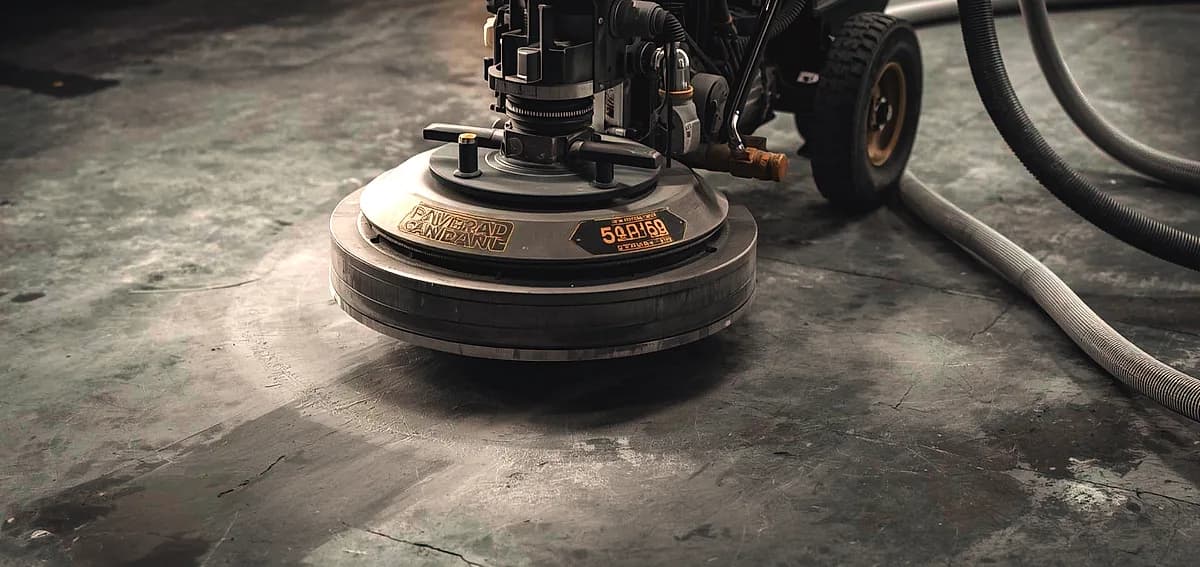
Cost & ROI7 min read
Understanding Polished Concrete Pricing in Fort Lauderdale
The average cost of professional concrete polishing in 2026 generally ranges from $3 to $12 per square foot.
Read it
Tell us about the floor
Tell us the space and roughly how big it is.We come back with what it would cost and when we could start.
Prefer to talk? Call +1 844-876-5474
- Leads@
nationalconcretepolishing.net - 2200 NW 32nd St #600,
Pompano Beach, FL 33069 Mon to Fri, 9:00 to 5:30