
The NCP blog
A Facility Manager's Guide to Long-Term Floor Maintenance Budgeting
Cost & ROI10 min read
A budgeting frame for the floor you already have. What to set aside each year, and which repairs beat a replacement.
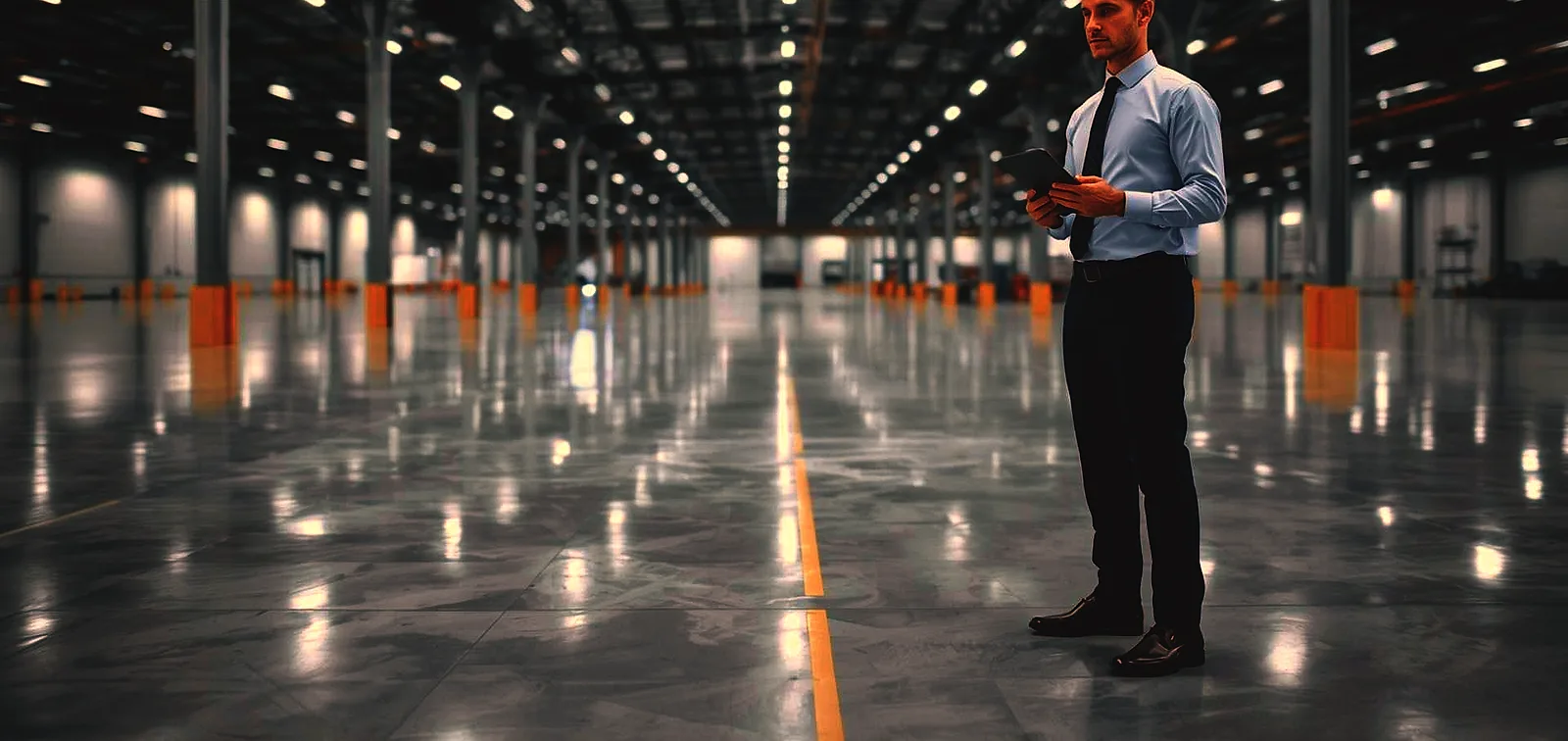
The average commercial facility allocates approximately 12 percent of its total operational spending strictly to surface care in 2026. If you are a facility manager mapping out your annual expenses, you may be wondering how to forecast these costs accurately without compromising safety or aesthetic appeal. We have the right article for you, covering every critical component of a comprehensive commercial floor care strategy, from accurate life-cycle cost analysis to material comparisons.
Understanding The True Cost Of Commercial Surface Care
Facility managers often underestimate the financial impact of maintaining their buildings’ surfaces. It is essential to calculate the total life-cycle cost rather than simply looking at the initial installation price. According to data from the International Facility Management Association, proactive asset management strategies yield significantly lower overall expenses. When you evaluate your facility’s financial requirements, you must account for daily cleaning labor, specialized chemical agents, machinery depreciation, and eventual restoration procedures.
Ignoring these ongoing expenses leads directly to premature asset failure. For example, neglecting routine care can cause spalling, which is the flaking or chipping of a concrete surface due to stress or impact. Repairing localized damage is highly disruptive to commercial operations. As John Davis, a senior operations analyst, explains: ‘Facilities that shift from reactive repairs to predictive maintenance schedules generally reduce their annual surface care expenditures by up to 30 percent.’
Our professionals at NCP have witnessed countless businesses burn through capital by continually patching failing materials. Investing in the right preliminary plan protects your bottom line. It allows you to distribute capital expenses evenly over a decade rather than facing a massive, unexpected replacement bill.
Key Factors Influencing Your Floor Care Expenditures
Creating an accurate financial forecast requires analyzing the specific variables of your commercial space. No two facilities experience the exact same wear patterns. Consider the following key factors when structuring your annual financial plan.
- Foot and Equipment Traffic Density: Industrial spaces utilizing forklifts experience vastly different wear than standard corporate lobbies. High-traffic zones require more frequent deep cleaning to prevent abrasive damage.
- Surface Material Composition: The type of flooring dictates the chemicals and labor required. Vinyl composite tile demands regular stripping and waxing, whereas polished concrete simply requires routine sweeping and auto-scrubbing.
- Environmental Conditions: Facilities exposed to harsh weather face unique challenges. You must account for freeze-thaw cycles, which describe the stress caused when trapped water expands as ice and contracts as water, potentially cracking the substrate.
- Square Footage and Layout: Large, open industrial areas allow for highly efficient ride-on cleaning equipment. Conversely, complex office layouts require manual labor, which significantly increases your hourly maintenance costs.
- Regulatory and Safety Standards: Food processing plants or healthcare facilities must adhere to strict sanitation guidelines. Meeting these compliance standards requires specialized, higher-cost cleaning protocols.
Developing A Proactive Maintenance Strategy
A resilient strategy relies on categorizing your tasks into distinct frequencies. This structure prevents dirt accumulation and mechanical wear from degrading your substrate. The Worldwide Cleaning Industry Association suggests breaking surface care into daily, periodic, and restorative phases.
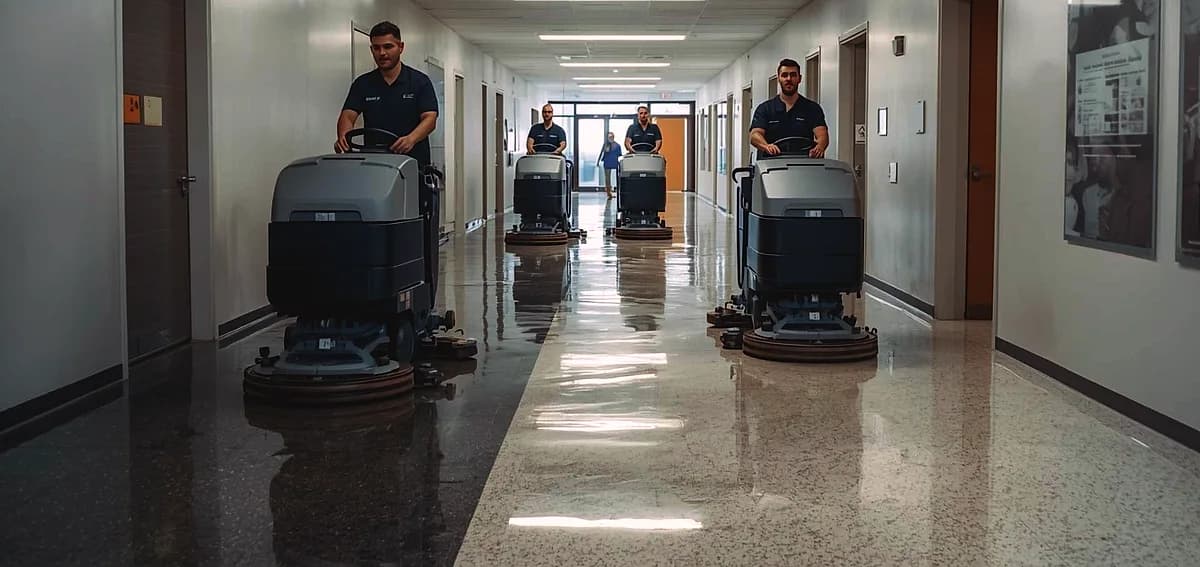
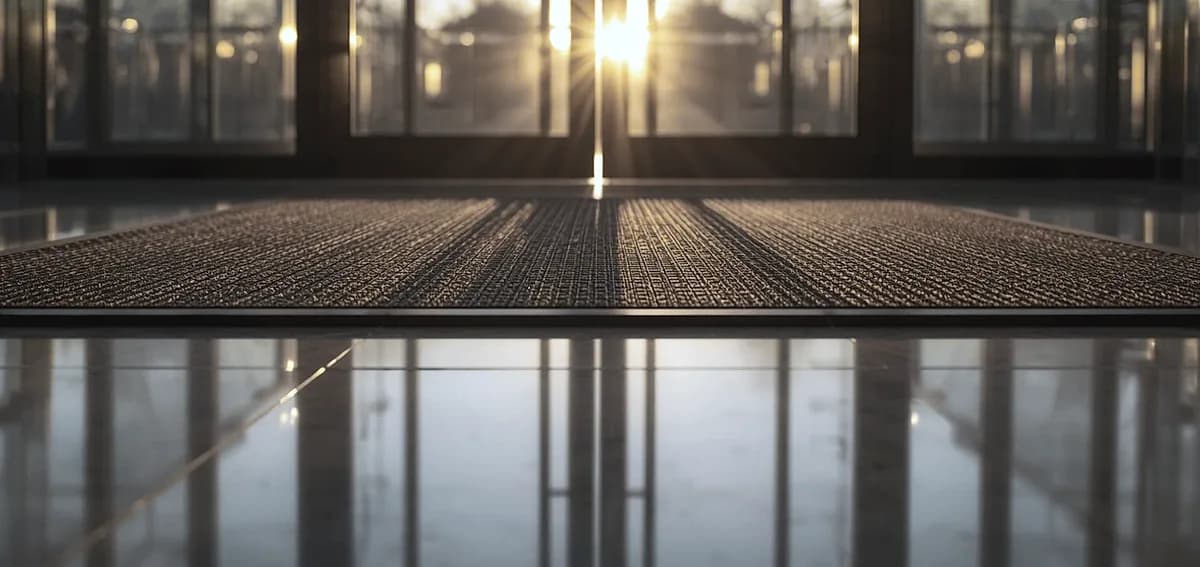
Daily operations focus on removing loose debris and mitigating slip hazards. This typically involves dust mopping and the use of automated scrubbers with neutral pH cleaners. Removing silica dust and abrasive dirt particles daily prevents them from acting like sandpaper under the weight of foot traffic. It is advisable to invest in high-quality walk-off mats at all entryways to trap moisture and dirt before it enters the facility.
Periodic care addresses the embedded soils that standard cleaning leaves behind. Depending on your material, this might involve burnishing, light re-sealing, or deep extraction cleaning. Restorative care is reserved for severe degradation. If a substrate is heavily damaged, you might require polymer-modified overlays, which are cement-based resurfacers mixed with specialized resins to restore structural integrity.
Comparing Material Types And Associated Maintenance Needs
Your choice of surface material plays the largest role in dictating long-term operational costs. It is highly beneficial to compare the financial demands of popular commercial materials over a typical ten-year life cycle. The table below outlines the general characteristics of standard options.
| Surface Material | Routine Labor Intensity | Periodic Chemical Needs | Overall Life-Cycle Value |
|---|---|---|---|
| Polished Concrete | Low | Minimal (Water and neutral cleaner) | Excellent |
| Commercial Epoxy | Low to Moderate | Minimal (Requires occasional topcoat) | Excellent |
| Vinyl Composite Tile (VCT) | High | High (Frequent stripping and waxing) | Poor |
| Commercial Carpet | Moderate | Moderate (Hot water extraction) | Fair |
As illustrated, highly reflective and dense surfaces offer the most cost-effective long-term profile. Traditional materials like VCT require intensive chemical stripping and waxing procedures that monopolize your budget. Transitioning to a harder, denser substrate dramatically lowers your ongoing chemical and labor expenses.
Hidden Costs Facility Managers Often Overlook
When drafting annual budgets, certain secondary costs frequently slip past standard audits. Operational downtime is a primary hidden expense. Closing a section of a retail store or warehouse for intensive surface restoration halts productivity and directly impacts revenue. Choosing systems with rapid curing times minimizes this costly disruption.
Safety and liability represent another massive financial variable. Slips, trips, and falls cost commercial businesses billions of dollars annually. Maintaining a safe coefficient of friction is a legal and ethical requirement. According to the Occupational Safety and Health Administration, inadequate surface maintenance is a leading contributor to workplace injuries. Regular upkeep directly mitigates these expensive liability claims.
Furthermore, relying on outdated or inefficient cleaning machinery drains your budget silently. Older auto-scrubbers often leave excess water behind or fail to remove embedded grime effectively. Upgrading to modern, eco-friendly practices and equipment reduces water consumption and chemical waste. This approach aligns with guidance from the Environmental Protection Agency on sustainable facility management.
Actionable Steps To Optimize Your Care Budget
You can take immediate steps to streamline your operational expenditures and maximize asset longevity. Implementing these practices will help you stretch your annual budget further.
- Conduct a Comprehensive Facility Audit: Walk your entire space and document the condition of all surfaces. Identify high-wear zones that require targeted attention.
- Standardize Your Chemical Inventory: Eliminate redundant cleaning products. Utilize multi-purpose, neutral pH cleaners to reduce purchasing costs and simplify staff training.
- Invest in Preventative Measures: Install heavy-duty matting at all exterior doors. Stopping dirt at the threshold prevents it from damaging your interior surfaces.
- Upgrade Your Substrates: If you are constantly repairing VCT or replacing stained carpet, it is time to evaluate denser, seamless options. The initial cost of upgrading will be quickly offset by lowered maintenance demands.
- Establish a Strict Schedule: Document exact protocols for your janitorial staff. Ensure that daily, weekly, and monthly tasks are tracked and verified.
- Consult a Nationwide Contractor: Have an expert evaluate your facility to identify areas where specialized treatments, like micro-toppings or industrial sealers, can protect vulnerable zones.
Frequently Asked Questions
What is a realistic per-square-foot budget for commercial floor maintenance?
Costs vary widely depending on the material and facility usage. On average in 2026, routine commercial maintenance ranges between $1.50 and $3.00 per square foot annually. Specialized environments like medical facilities generally fall on the higher end of that spectrum.
How often should commercial surfaces be completely resurfaced?
The resurfacing timeline depends entirely on the substrate and traffic levels. High-quality seamless systems can last over a decade with proper routine care. Conversely, softer materials may require extensive restorative work every three to five years.
Are there any flooring types that require zero maintenance?
No surface is entirely maintenance-free. All commercial spaces require routine sweeping and localized spill cleanup to remain safe and sanitary. However, certain dense, seamless options require significantly less intervention than traditional tiles.
How do environmental regulations affect floor care costs?
Compliance with LEED standards and environmental regulations requires using low-VOC chemicals and sustainable disposal methods. While specialized eco-friendly products may carry a slightly higher upfront cost, they improve indoor air quality and prevent regulatory fines.
What is the difference between daily maintenance and restorative care?
Daily maintenance includes sweeping, mopping, and basic spot cleaning to manage surface dirt. Restorative care is intensive work aimed at repairing structural degradation, such as applying self-leveling overlays to fix deep gouges.
Can upgrading to a seamless surface lower my long-term expenses?
Yes, transitioning to a dense, seamless system eliminates the need for expensive, labor-intensive waxing and chemical stripping. Facility managers typically see a dramatic reduction in operational costs within the first two years of an upgrade.
Conclusion
Accurately forecasting your annual operational expenditures is critical for long-term commercial success. By understanding life-cycle costs, implementing proactive cleaning schedules, and identifying hidden liabilities, you can protect your facility’s assets effectively. Upgrading to resilient, seamless materials provides an excellent return on investment by drastically reducing your reliance on intensive chemical treatments. If you are ready to optimize your facility, get in touch with our team to explore high-performance solutions tailored to your unique requirements.
References
Written by

Founder and CEO
Chris Lavin is an esteemed leader in concrete polishing and epoxy coatings with a distinguished 20-year career. As founder and CEO of National Concrete Polishing and owner of Xtreme Polishing Systems, he's renowned for polishing and epoxy coating more floors than anyone globally. Chris is recognized for his innovative approach and commitment to enhancing floor durability and aesthetics. His hands-on experience and technical proficiency make him a respected authority and a valuable resource in the field of floor polishing and coatings.
Same topic
Related articles
All stories
Cost & ROI11 min read
Polished Concrete vs. LVT and VCT in Retail — Total Cost of Ownership
Sticker price against years of waxing and replacement. The total cost of polished concrete versus LVT and VCT in retail.
Read it
Cost & ROI7 min read
Understanding Polished Concrete Pricing in Fort Lauderdale
The average cost of professional concrete polishing in 2026 generally ranges from $3 to $12 per square foot.
Read it
Cost & ROI7 min read
Why Polished Concrete Costs What It Does in South Florida
It is common to assume that refining an existing slab should be inexpensive because the base material is already present.
Read it
Tell us about the floor
Tell us the space and roughly how big it is.We come back with what it would cost and when we could start.
Prefer to talk? Call +1 844-876-5474
- Leads@
nationalconcretepolishing.net - 2200 NW 32nd St #600,
Pompano Beach, FL 33069 Mon to Fri, 9:00 to 5:30