
The NCP blog
Why Polished Concrete Costs What It Does in South Florida
Cost & ROI7 min read
It is common to assume that refining an existing slab should be inexpensive because the base material is already present.
The average cost of a professionally polished concrete floor ranges from $3 to $12 per square foot in 2026, depending heavily on the complexity of the installation. If you are evaluating commercial or residential flooring options, you may be wondering what exactly drives the price of this resilient surface. We have the right article for you, covering the specialized machinery required, the extensive labor involved, and the structural factors that determine your final investment.
UNDERSTANDING THE UPFRONT INVESTMENT
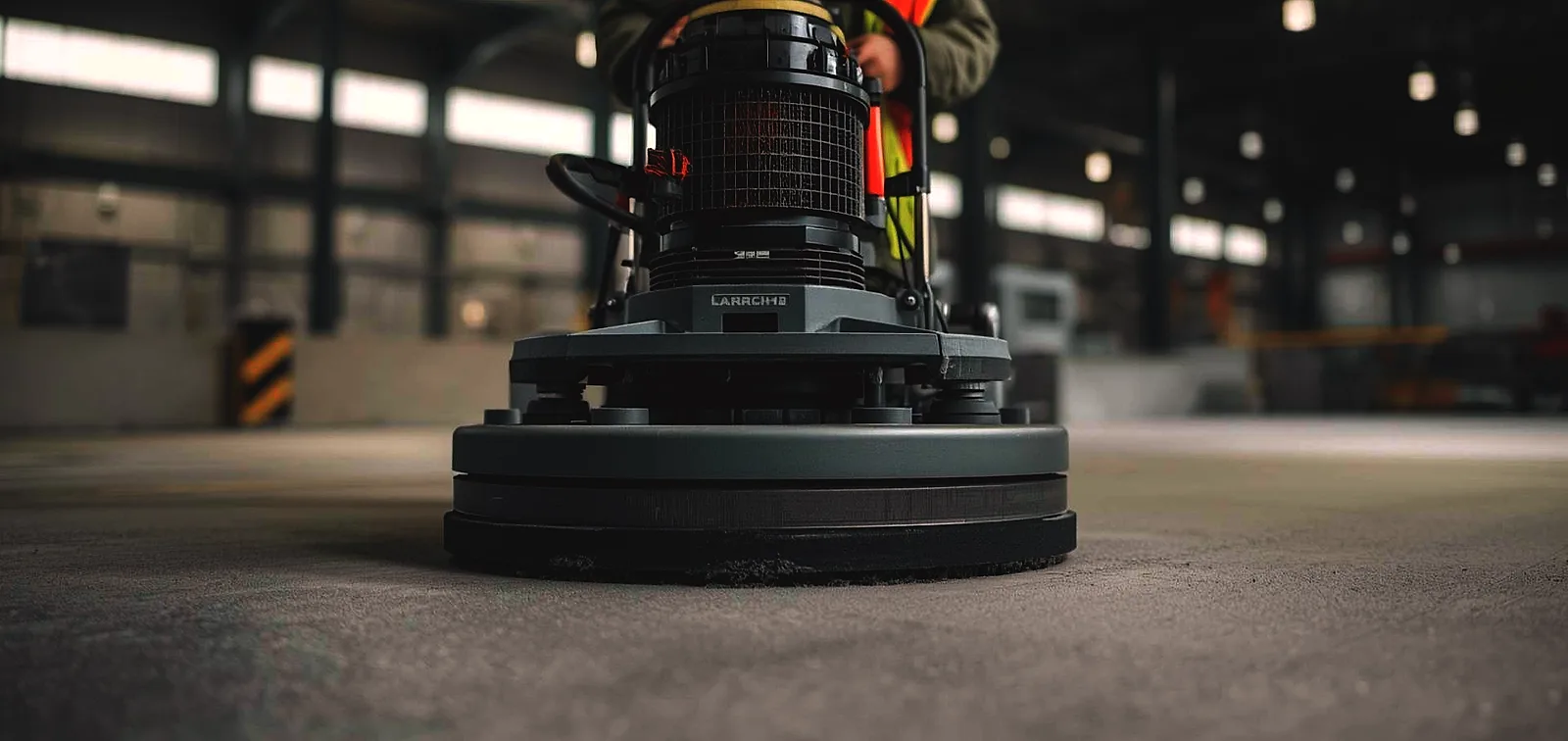
It is common to assume that refining an existing slab should be inexpensive because the base material is already present. However, transforming a raw slab into a highly durable surface requires an intensive mechanical process. Contractors utilize heavy machinery, industrial vacuums, and expensive diamond tooling to achieve the desired finish. The initial investment in this mechanical polishing yields decades of structural integrity and aesthetic appeal.
According to data from the National Association of Home Builders, homeowners frequently offset upfront hard surface costs through decades of minimal maintenance. You can visit the National Association of Home Builders for more insights on building material longevity. When contractors price a project, they factor in equipment wear, labor hours, and the chemical treatments necessary to protect the surface.
FACTORS THAT AFFECT CONCRETE POLISHING PRICING
Several distinct variables determine the final price per square foot for your flooring project. Our professionals at NCP evaluate these factors carefully during your initial consultation. It is essential to understand how these elements impact the overall scope of work.
1. CURRENT CONDITION OF THE CONCRETE SLAB
The state of your existing floor is the most significant factor in pricing. Slabs with extensive spalling, which is flaking or chipping of the surface, require meticulous repair before any grinding begins. Deep cracks, extensive pitting, and previous floor coatings must be addressed to create a uniform canvas.
If your slab requires heavy patching or the application of polymer-modified overlays, the material and labor costs will increase. Removing thick epoxies, glues, or mastic adhesives extends the project timeline by several days. We typically spend up to 60 percent of our total labor hours strictly on surface preparation.
2. LEVEL OF GRINDING AND EXPOSED AGGREGATE
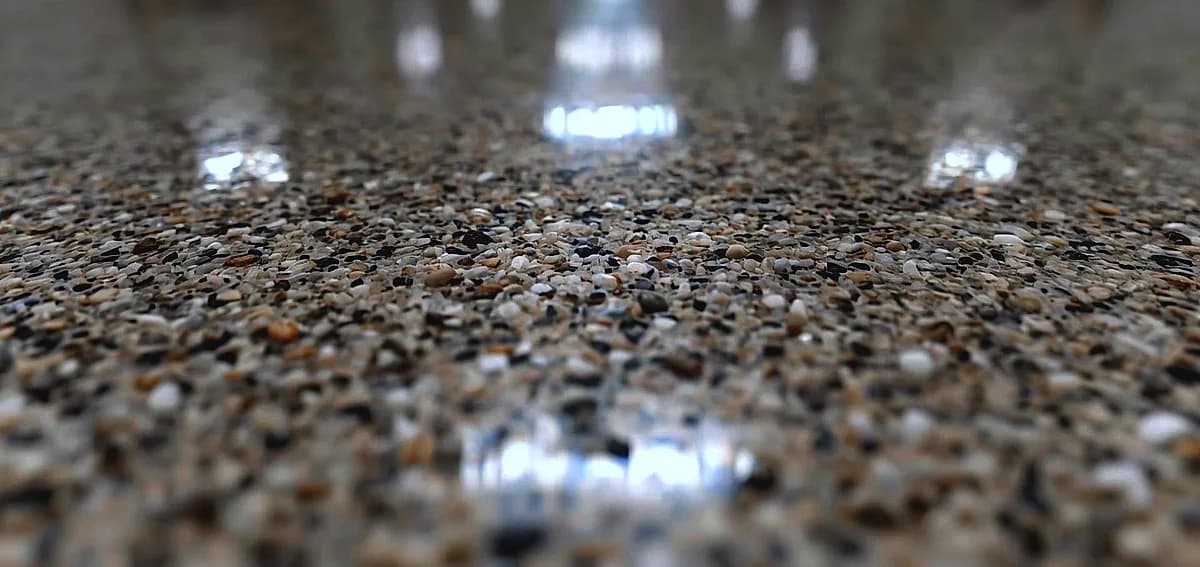
The depth of grinding dictates how much of the internal stone, or aggregate, is visible in the final floor. A basic surface polish, often called a cream finish, requires the least amount of grinding and generally costs less. Achieving a salt-and-pepper finish or fully exposing large aggregate stones requires removing up to a quarter inch of the surface.
Deeper grinding wears down expensive metal-bonded diamond tools much faster. It also requires substantially more passes with heavy planetary grinders, driving up labor and equipment costs. If you desire a highly textured aggregate look, you should expect to be at the higher end of the pricing spectrum.
3. DESIRED GLOSS LEVEL AND FINISH
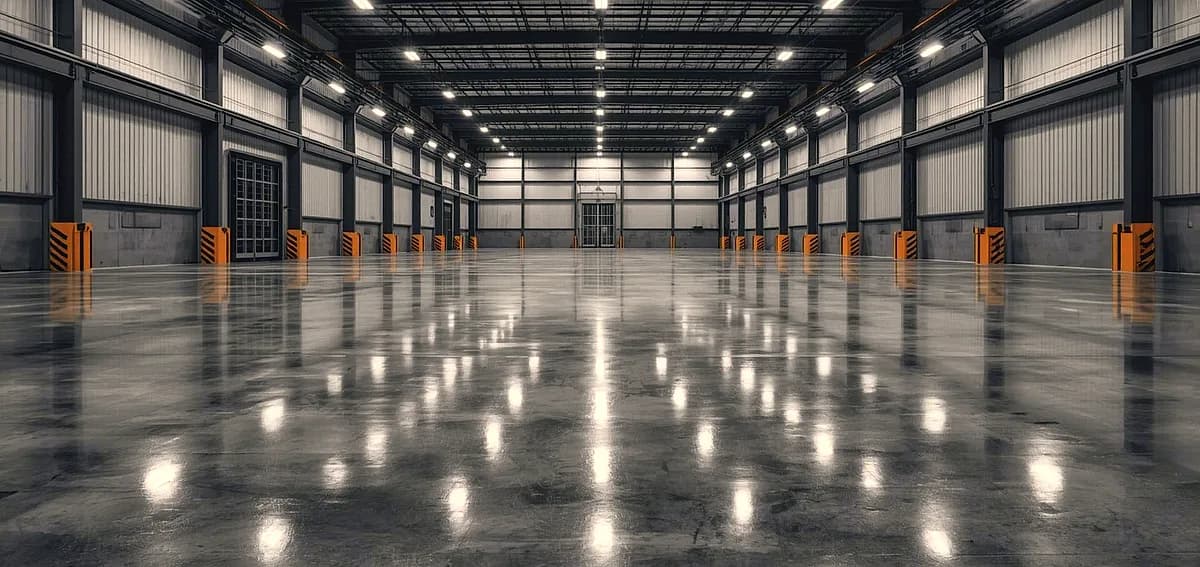
Polished floors are categorized by their final sheen, ranging from a flat matte finish to a highly reflective gloss. A high-gloss floor requires polishing up to a 3,000-grit resin diamond, which involves numerous sequential passes over the entire surface. Each additional pass increases the total labor hours required for the project.
A matte finish might stop at a 400-grit polish, keeping costs closer to the $3 to $5 per square foot range. Conversely, mirror-like finishes require specialized polishing compounds and burnishing techniques. High-gloss finishes can reflect ambient light up to 30 percent more effectively, which is a key benefit for large commercial spaces.
THE STEP-BY-STEP POLISHING PROCESS
Understanding the meticulous steps involved helps clarify the expenses associated with professional floor refinement. This is not a process that can be rushed or bypassed. Each phase is critical to achieving a durable, lasting result.
- Surface Profiling: We begin by stripping away old coatings, sealers, and debris using aggressive 16-grit or 30-grit metal-bonded diamonds.
- Slab Repair: Our team fills cracks, joints, and divots with specialized polyurea or epoxy joint fillers to create a seamless surface.
- Initial Grinding: We make multiple passes with progressively finer metal diamonds to level the floor and expose the desired aggregate.
- Densification: A liquid silicate densifier is applied to penetrate the porous material, reacting chemically to harden the surface matrix.
- Resin Polishing: We transition to resin-bonded diamonds, smoothing the floor from 100-grit up to the specified gloss level.
- Stain Protection: A penetrating stain guard is burnished into the floor to protect against oil, water, and chemical spills.
As Dr. Emily Chen, Materials Scientist at the American Concrete Institute, states: “The densification process fundamentally alters the surface matrix, rendering it impervious to standard abrasive wear.” You can explore more technical standards at the American Concrete Institute.
COMPARING POLISHED CONCRETE TO OTHER FLOORING OPTIONS
When evaluating the initial expense, it is helpful to look at alternative commercial flooring options. While some materials have a lower entry price, their long-term replacement cycles make them more expensive over a 20-year span. Here is a breakdown of common flooring choices.
| Flooring Type | Average Initial Cost (Per Sq. Ft.) | Expected Lifespan | Maintenance Level |
|---|---|---|---|
| Polished Concrete | $3 – $12 | 20+ Years | Very Low |
| Commercial Epoxy | $4 – $9 | 10 – 15 Years | Low |
| Luxury Vinyl Tile (LVT) | $4 – $8 | 10 – 15 Years | Moderate |
| Hardwood | $8 – $15+ | 15 – 30 Years | High |
It is advisable to factor in the cost of business disruption when considering materials like LVT or carpet, which require complete replacement every decade. Polished floors rarely require full resurfacing, saving facility managers significant capital over time. Proper daily maintenance is usually limited to simple dust mopping and neutral pH cleaning.
LONG-TERM VALUE AND RETURN ON INVESTMENT
The true value of a mechanically refined floor becomes apparent in the years following installation. These surfaces are exceptionally dense, making them resistant to tire marks, foot traffic wear, and minor impacts. Facilities with high-gloss floors often see up to a 20 percent reduction in ambient lighting costs due to the high light reflectivity.
According to Sarah Jenkins, Director of Sustainability at the U.S. Green Building Council: “Polished concrete significantly reduces lifecycle material usage while enhancing indoor ambient lighting.” You can review LEED building standards at the U.S. Green Building Council. Furthermore, these floors do not require harsh chemical waxes or strippers, improving indoor air quality and reducing custodial labor.
The initial investment in mechanical polishing yields decades of structural integrity. For more information on cementitious materials, visit the Portland Cement Association. Homeowners and facility managers alike benefit from a flooring solution that naturally resists moisture problems and freeze-thaw cycles.
Frequently Asked Questions
Does polished concrete crack over time?
Concrete naturally develops hairline cracks as it cures and settles over the years. However, the polishing process does not cause cracking, and existing control joints are honored to direct any natural movement safely. We address major structural cracks during the preparation phase using rigid polyurea fillers.
Is polished concrete slippery when wet?
Despite their glossy appearance, clean polished floors offer excellent slip resistance that typically exceeds OSHA standards. However, like any hard surface, they can become slippery if water, oil, or fine dust is allowed to accumulate. Routine cleaning with a neutral cleaner maintains the surface’s natural traction.
How long does the polishing process take?
A standard 1,000-square-foot residential space generally takes three to five days to complete, depending on slab condition. Commercial spaces with heavy damage or thick glue removal requirements will take longer. We always provide a clear timeline during our initial site evaluation.
Can existing damaged concrete always be polished?
Most existing slabs can be polished, but severe structural damage may require alternative solutions. If the concrete is severely degraded or too soft, we may recommend pouring a self-leveling overlay before polishing. Our experts will assess your slab’s Mohs hardness rating to determine viability.
What is a chemical densifier?
A densifier is a penetrating silicate liquid applied during the grinding process. It reacts with the free lime in the slab to create calcium silicate hydrate, which binds the pores together. This chemical reaction significantly increases the surface density and abrasion resistance.
How do I maintain a polished concrete floor?
Maintenance is incredibly simple and cost-effective. It involves daily dust mopping to remove abrasive dirt and weekly damp mopping with a specialized, neutral pH cleaner. You must never use acidic cleaners, bleach, or ammonia, as these will etch the surface and dull the shine.
FINAL THOUGHTS
The initial pricing of mechanical floor refinement reflects the extensive labor, heavy machinery, and technical expertise required to achieve a flawless finish. While the upfront investment may seem substantial compared to temporary floor coverings, the long-term durability and minimal maintenance make it a highly cost-effective choice for 2026 and beyond. By choosing an experienced contractor, you ensure your floors will withstand decades of heavy use while maintaining their aesthetic appeal. Get in touch with our team at National Concrete Polishing to discuss your next project and receive an accurate, detailed estimate.
REFERENCES
- National Association of Home Builders (NAHB) – Building Material Longevity Data (nahb.org)
- American Concrete Institute (ACI) – Surface Matrix and Densification Standards (concrete.org)
- U.S. Green Building Council (USGBC) – LEED Lighting and Lifecycle Material Usage (usgbc.org)
- Portland Cement Association (PCA) – Mechanical Polishing and Structural Integrity Research (cement.org)
Written by

Founder and CEO
Chris Lavin is an esteemed leader in concrete polishing and epoxy coatings with a distinguished 20-year career. As founder and CEO of National Concrete Polishing and owner of Xtreme Polishing Systems, he's renowned for polishing and epoxy coating more floors than anyone globally. Chris is recognized for his innovative approach and commitment to enhancing floor durability and aesthetics. His hands-on experience and technical proficiency make him a respected authority and a valuable resource in the field of floor polishing and coatings.
Same topic
Related articles
All stories
Cost & ROI10 min read
A Facility Manager's Guide to Long-Term Floor Maintenance Budgeting
A budgeting frame for the floor you already have. What to set aside each year, and which repairs beat a replacement.
Read it
Cost & ROI11 min read
Polished Concrete vs. LVT and VCT in Retail — Total Cost of Ownership
Sticker price against years of waxing and replacement. The total cost of polished concrete versus LVT and VCT in retail.
Read it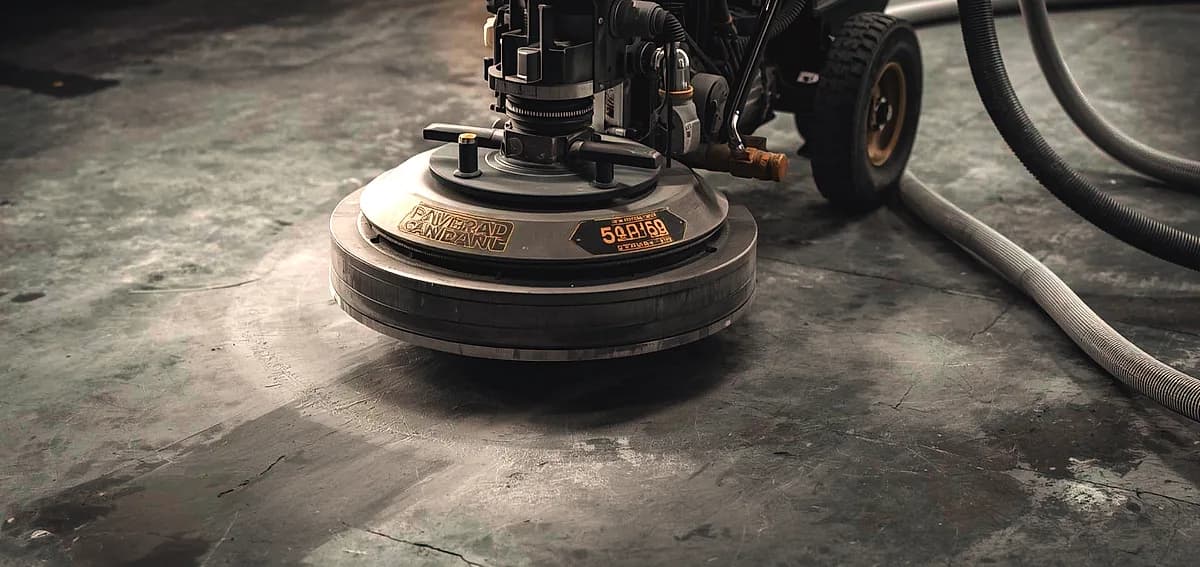
Cost & ROI7 min read
Understanding Polished Concrete Pricing in Fort Lauderdale
The average cost of professional concrete polishing in 2026 generally ranges from $3 to $12 per square foot.
Read it
Tell us about the floor
Tell us the space and roughly how big it is.We come back with what it would cost and when we could start.
Prefer to talk? Call +1 844-876-5474
- Leads@
nationalconcretepolishing.net - 2200 NW 32nd St #600,
Pompano Beach, FL 33069 Mon to Fri, 9:00 to 5:30