
The NCP blog
The Complete Guide to Fixing Peeling Epoxy Floors in Miami
Epoxy & coatings9 min read
Understanding the mechanics of epoxy floor delamination is essential for property owners dealing with coating failures.
Epoxy floors peel in Miami primarily due to high humidity, excessive moisture vapor transmission (MVT) through porous concrete slabs, and inadequate surface preparation. Repairing them requires mechanical grinding to remove the failed coating, conducting ASTM-certified moisture tests, applying a moisture-mitigating primer, and installing a climate-appropriate resinous topcoat. By addressing the root cause of the adhesion failure, property owners can permanently restore their concrete surfaces and prevent future delamination.
The Science Behind Epoxy Floor Delamination in South Florida
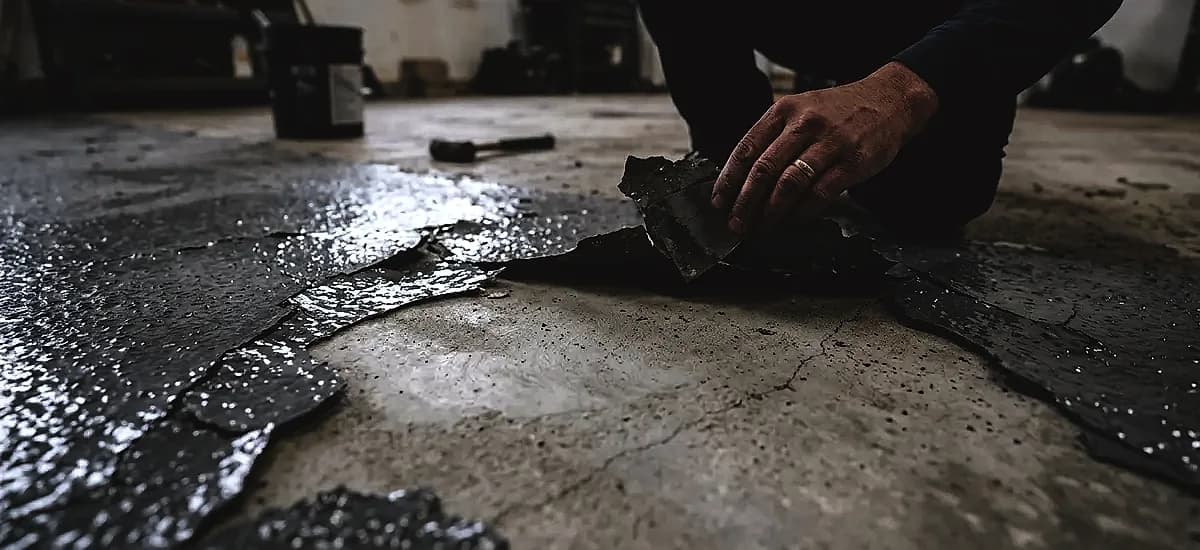
Understanding the mechanics of epoxy floor delamination is essential for property owners dealing with coating failures. When an epoxy coating peels, it indicates a fundamental breakdown in the mechanical or chemical bond between the resin and the concrete substrate. In Miami, several unique environmental factors accelerate this degradation far beyond what is experienced in drier, more temperate climates.
Moisture Vapor Transmission (MVT) Explained
High humidity is the primary catalyst for epoxy failure in South Florida. Concrete acts like a rigid sponge, continuously absorbing ground moisture. Without proper mitigation, this moisture migrates upward through the porous concrete structure—a process known as Moisture Vapor Transmission (MVT). When temperatures rise, this trapped moisture creates hydrostatic pressure that physically pushes the epoxy away from the concrete surface.
“When the moisture vapor emission rate exceeds 4 pounds per 1,000 square feet, standard epoxy systems act like a pressure cooker lid,” explains Dr. Robert Chen, Materials Scientist at the American Concrete Institute. “The resulting hydrostatic pressure will eventually blow the coating right off the slab, regardless of how high-quality the resin is.”
Industry data from 2026 shows that Florida’s relentless humidity causes 72% of all premature coating failures. To combat this, professionals rely on ASTM International standards to measure vapor emission rates, ensuring they stay below the critical threshold of 4 pounds per 1,000 square feet over 24 hours.
Inadequate Concrete Surface Profile (CSP)
Surface preparation failures account for the vast majority of peeling cases that aren’t moisture-related. A common mistake among DIY enthusiasts is relying on chemical acid etching instead of mechanical grinding. Acid etching creates an inconsistent profile and often leaves behind a chemical residue that actively interferes with polymer adhesion.
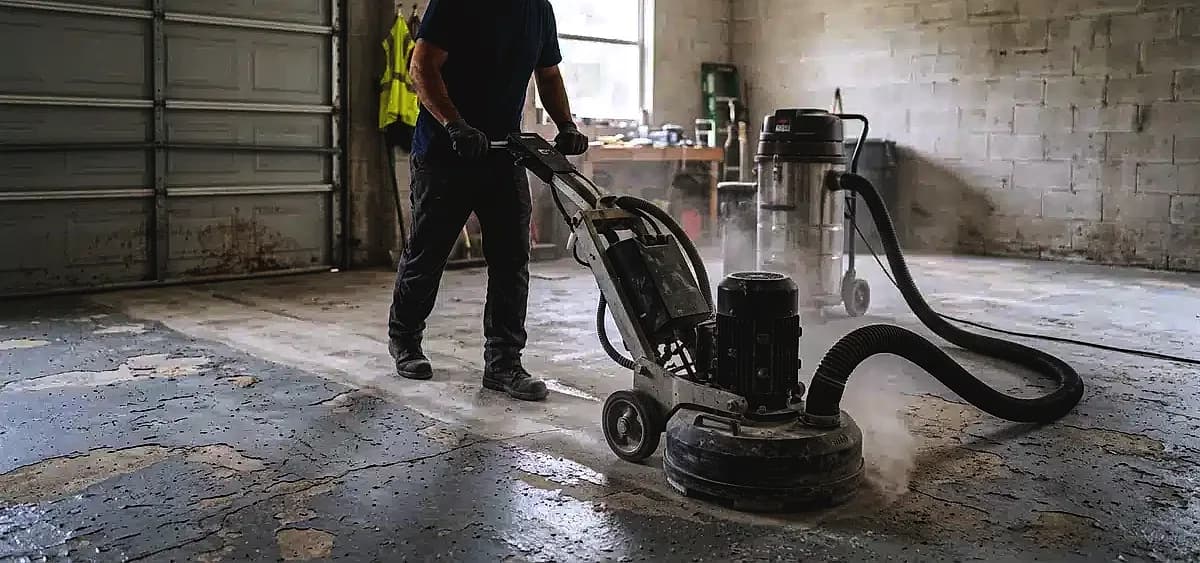
“Acid etching is the leading cause of DIY epoxy failure in South Florida. Without achieving a Concrete Surface Profile of at least 2, mechanical adhesion is virtually impossible,” states Sarah Jenkins, Lead Field Engineer at the International Concrete Repair Institute. Professional installers use heavy-duty planetary diamond grinders to achieve a CSP of 2 to 3, creating a roughened texture that allows the epoxy to grip the concrete mechanically.
Coastal Salt Contamination
Miami’s coastal location exposes concrete surfaces to salt-laden air and saline groundwater. Salt deposits create a microscopic barrier that prevents proper bonding between the epoxy resin and the concrete matrix. Furthermore, salt can draw additional moisture from the air, exacerbating MVT issues. Properties within five miles of the ocean face elevated contamination risks that require thorough surface decontamination before any concrete and epoxy flooring solutions can be successfully applied.
Diagnosing the Severity of Coating Failures
Before initiating any protocol to repair peeling epoxy floors in South Florida, you must accurately assess the extent of the damage. The required repair approach varies significantly based on whether you are dealing with localized cosmetic damage or a widespread systemic failure.
Minor Surface Damage
Small chips, localized scratches, and isolated peeling areas covering less than 10% of the total floor surface qualify as minor damage. These localized failures typically result from heavy impact, surface abrasion, or a small spot of oil contamination that was missed during initial cleaning. Minor damage can often be addressed with targeted spot repairs using specialized epoxy patching compounds, avoiding the need to strip the entire floor.
Moderate to Widespread Delamination
When peeling affects 10% to 30% of the floor, or if large sheets of epoxy are lifting effortlessly from the concrete, you are facing a systemic failure. This widespread delamination almost always indicates severe moisture problems, widespread salt contamination, or a complete failure to achieve the necessary CSP during installation. Simple patches will not solve this problem; the underlying hydrostatic pressure will simply push the new patches off within months.
Step-by-Step Professional Epoxy Floor Repair Process
The repair methodology depends entirely on the severity of the damage and the root cause of the failure. Following strict, standardized procedures is the only way to ensure the repair outlasts the original installation. Smart facility managers always test floor coatings first to verify adhesion before committing to a full-scale application.
Method 1: Spot Repairing Isolated Peeling
For isolated peeling areas under 2 square feet, follow these precise steps to restore the surface integrity:
- Clean and Degrease: Wash the damaged area thoroughly with a pH-neutral industrial detergent and rinse completely. Allow 24 to 48 hours for the concrete to dry completely.
- Mechanical Preparation: Use a handheld angle grinder equipped with a diamond cup wheel to remove all loose epoxy. Feather the edges of the surrounding intact coating to create a smooth transition.
- Dust Extraction: Vacuum all concrete dust using a HEPA-rated extractor. Even microscopic dust particles can compromise the new bond.
- Prime the Substrate: Apply a moisture-tolerant epoxy primer to the exposed concrete and allow it to cure according to the manufacturer’s exact specifications.
- Apply Repair Compound: Mix a two-part 100% solids epoxy repair compound. Apply it with a steel putty knife, pressing firmly to eliminate any trapped air pockets. Level the patch flush with the surrounding floor.
- Topcoat Integration: Once the patch is fully cured, apply a clear aliphatic polyurethane or polyaspartic topcoat to blend the repair with the existing finish.
Method 2: Complete Recoating for Widespread Failure
Extensive delamination requires a complete system overhaul. Professional contractors execute the following steps to ensure a permanent fix:
- Coating Removal: Utilize heavy-duty planetary grinders to aggressively strip the failed epoxy down to the bare concrete substrate.
- Moisture Testing: Perform calcium chloride tests or insert relative humidity probes into the slab. If moisture vapor emission exceeds 4 lbs/1,000 sq ft/24 hours, a moisture mitigation system is mandatory.
- Substrate Profiling: Grind the entire surface to achieve a uniform CSP of 2 or 3. This is also the ideal time to perform GPR scanning for concrete if there are structural concerns beneath the slab.
- Crack and Joint Repair: Route out and fill all static cracks and control joints with a polyurea joint filler. Ensuring proper joint treatment prevents future reflective cracking.
- Moisture Barrier Application: Apply a specialized moisture-mitigating primer designed to withstand high hydrostatic pressure.
- Base and Topcoat Installation: Apply the 100% solids epoxy base coat, broadcast any desired decorative flake, and finish with a UV-stable topcoat.
2026 Cost Analysis: DIY Kits vs. Professional Installation
The decision between attempting a DIY repair and hiring a professional contractor depends on the extent of the damage, your budget, and your long-term durability goals. While DIY kits are tempting due to their low upfront cost, they frequently lack the chemical resilience required for Miami’s extreme climate.
| Feature | DIY Repair Kits | Professional Installation |
|---|---|---|
| Average Cost (2-Car Garage) | $300 – $600 | $2,000 – $5,000 |
| Surface Preparation | Acid etching (Often inadequate) | Diamond grinding (CSP 2-3) |
| Moisture Mitigation | Rarely included | Standard protocol via testing |
| Expected Lifespan | 1 – 3 Years | 10 – 20+ Years |
| Warranty | Limited product only | Comprehensive labor & material |
A recent 2026 survey of Fort Lauderdale auto shops reported 40% fewer floor repairs after switching from DIY water-based epoxies to professional-grade 100% solids resin layers. Furthermore, residential clients’ garage floors show 90% less peeling compared to DIY jobs after a five-year period. It is also worth noting that removing a failed DIY coating adds an average of $1,000 to $1,500 to subsequent professional repair costs.
Advanced Moisture Mitigation and Coating Technologies
If testing reveals severe moisture issues, mitigation is absolutely essential before applying any new coating. The Environmental Protection Agency notes that unmitigated slab moisture can also lead to indoor air quality issues and mold proliferation. Modern advanced polymer membranes can block up to 99.9% of vapor transmission when installed correctly.
Some state-of-the-art moisture mitigation systems in 2026 can tolerate vapor emission rates up to 25 lbs per 1,000 square feet, providing exceptional protection for high-moisture environments. This is a massive leap from older technologies that maxed out at 10 lbs. For property owners looking for alternatives to traditional epoxy, exploring polyaspartic vs epoxy flooring is highly recommended. Polyaspartic systems offer faster cure times, superior UV stability, and excellent adhesion profiles, making them ideal garage floor finishes built for heat and humidity.
Frequently Asked Questions
What causes epoxy floors to peel in Miami?
High humidity, moisture vapor transmission through porous concrete, inadequate surface preparation (like acid etching), and extreme temperature fluctuations during the curing process cause most Miami epoxy failures. Coastal salt contamination also actively interferes with chemical adhesion.
How much does epoxy floor repair cost in South Florida?
DIY spot repairs cost between $50 and $200 for basic materials. Professional repairs range from $300 to $800 for localized fixes, while complete recoating of a standard two-car garage typically costs between $2,000 and $5,000. Required moisture mitigation adds roughly $0.50 to $1.50 per square foot.
Can I apply new epoxy directly over peeling epoxy?
No. Applying a new coating over failed epoxy will result in the new layer peeling off alongside the old one. All loose and compromised coating must be mechanically removed, and the underlying cause addressed before reapplication.
What moisture tests are required before an epoxy repair?
ASTM F1869 calcium chloride testing measures surface vapor emission over a 72-hour period. Alternatively, ASTM F2170 uses relative humidity probes inserted at 40% slab depth for internal moisture readings. Both tests are critical for determining if a vapor barrier is needed.
How do I know if my peeling floor needs professional repair?
You should seek professional help when peeling covers more than 10% of the floor area, multiple locations show failure simultaneously, you suspect underlying moisture problems, or a previous DIY repair has failed. Professionals possess the heavy grinding equipment and moisture testing instruments unavailable to most homeowners.
How soon can I use my floor after a professional epoxy repair?
Light foot traffic is typically safe after 24 hours, while vehicle traffic requires a minimum 72-hour cure time. Full chemical resistance develops over 7 to 14 days. It is crucial to test your surface, verifying your floor coating is fully cured before resuming heavy operations.
Conclusion
Dealing with peeling epoxy floors in Miami requires a thorough understanding of South Florida’s unique environmental challenges. High humidity, aggressive moisture vapor transmission, and coastal salt contamination demand rigorous surface preparation and advanced moisture mitigation strategies. Whether you are dealing with minor cosmetic chips or widespread systemic delamination, addressing the root cause through mechanical grinding and proper testing is the only way to ensure a permanent fix. Don’t let a failing floor compromise the safety and aesthetics of your property. Contact us today to schedule a comprehensive moisture assessment and professional repair consultation.
Written by

Founder and CEO
Chris Lavin is an esteemed leader in concrete polishing and epoxy coatings with a distinguished 20-year career. As founder and CEO of National Concrete Polishing and owner of Xtreme Polishing Systems, he's renowned for polishing and epoxy coating more floors than anyone globally. Chris is recognized for his innovative approach and commitment to enhancing floor durability and aesthetics. His hands-on experience and technical proficiency make him a respected authority and a valuable resource in the field of floor polishing and coatings.
Same topic
Related articles
All stories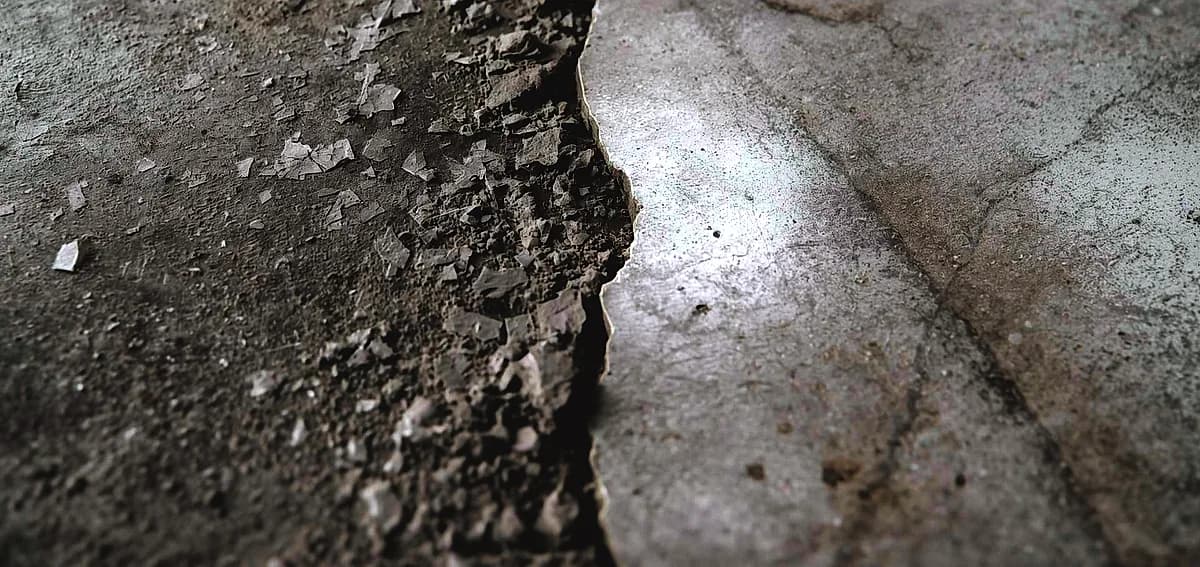
Epoxy & coatings8 min read
DIY vs Professional Epoxy Flooring in Fort Lauderdale
Hardware stores heavily market all-in-one boxes that promise a showroom finish with minimal effort.
Read it
Epoxy & coatings8 min read
Can You DIY Epoxy Flooring in Miami? Pros, Cons, and Tips
Applying a durable floor finish in a tropical or highly humid climate presents unique environmental challenges.
Read it
Epoxy & coatings7 min read
DIY Epoxy Flooring in South Florida: Is It Worth the Risk?
However, these products generally contain high levels of water or solvents to extend their pot life.
Read it
Tell us about the floor
Tell us the space and roughly how big it is.We come back with what it would cost and when we could start.
Prefer to talk? Call +1 844-876-5474
- Leads@
nationalconcretepolishing.net - 2200 NW 32nd St #600,
Pompano Beach, FL 33069 Mon to Fri, 9:00 to 5:30