The NCP blog
Power Washing Epoxy Garage Floors: Do’s, Don’ts, and Best Practices
ResidentialUpdated 7 min read
Epoxy coatings form a seamless shield over concrete, creating a non-porous barrier against stains and moisture.
Epoxy garage flooring has become a top choice for its sleek finish and ability to withstand oil spills, heavy tools, and seasonal temperature swings. But its durability depends on one critical factor: how you clean it.
Epoxy coatings form a seamless shield over concrete, creating a non-porous barrier against stains and moisture. While this makes garage floors easier to maintain than bare concrete, improper cleaning methods can degrade the finish over time. High-pressure washing, for instance, requires specific techniques to avoid damaging the protective layer.
Understanding your flooring’s needs starts with analyzing garage usage. Heavy foot traffic, vehicle leaks, or stored chemicals demand tailored cleaning strategies. Seasonal factors like road salt in winter or pollen buildup in spring also influence maintenance routines. This guide clarifies safe practices for preserving your floor’s glossy appeal while avoiding costly mistakes.
Can I power wash my epoxy garage floor?
Many property owners wonder about using high-pressure cleaning methods on sealed concrete surfaces. While effective for tough stains, this approach requires careful execution to protect your investment.
Benefits and Considerations
Professional-grade equipment removes embedded dirt faster than traditional scrubbing. Key factors for success include:
- Using surface cleaners to control spray patterns
- Checking the coating maker's temperature limit before using hot water
- Keeping the nozzle at the distance the coating maker recommends
| Safe Scenarios | Risky Situations | Recommended pressure |
|---|---|---|
| Oil/grease stains | New installations | Low pressure |
| Mold/mildew growth | Cracked coatings | Low pressure, test patch first |
| Industrial debris | Peeling surfaces | Lowest setting, repair first |
When to Avoid Power Washing
Fresh coatings need gentle cleaning until they are fully cured, which takes about 7 days for NCP's epoxy systems. Damaged areas require patching first, because high-pressure streams can worsen existing flaws. Always check manufacturer warranties before proceeding.
Proper technique preserves the glossy finish while removing contaminants. For persistent stains or uncertainty about surface conditions, consult certified professionals specializing in resin-based floor systems.
Understanding Epoxy Flooring and Its Challenges
Epoxy systems transform ordinary concrete into resilient surfaces through a chemical reaction between resins and hardeners. This fusion creates a permanent bond with your substrate, forming a non-porous shield against daily wear. Unlike traditional options with joints, these seamless installations prevent grime buildup in hidden crevices.
Properties and Durability of Epoxy
The resin-hardener mixture cures into a plastic-like layer that resists automotive fluids, solvents, and abrasions. Industrial-grade formulations withstand impacts from heavy tools without cracking. However, prolonged UV exposure can cause yellowing in uncovered areas over time.
Cured epoxy copes with everyday temperature swings, although how much heat a coating can take varies by product, so check the data sheet for your system. How long a coating keeps its gloss depends on the system and how the floor is used.
Common Stains and Contaminants
Garage environments introduce specific threats to sealed surfaces. Motor oil creates slippery patches if left untreated, while brake fluid can soften the coating. Tire marks from hot rubber require immediate attention to prevent permanent discoloration.
| Contaminant Type | Recommended Cleanup Time | Potential Damage |
|---|---|---|
| Battery acid | As soon as possible | Surface etching |
| Rust particles | Promptly | Discoloration |
| Organic matter | Before drying | Bacterial growth |
| Road salt | Regular removal | Corrosion acceleration |
Hydraulic fluids and paint thinners demand specialized cleaners to avoid chemical reactions. Seasonal elements like de-icing agents increase cleaning frequency during winter months. Regular inspections help identify compromised areas before stains penetrate the protective layer.
Preparing Your Garage Floor for Deep Cleaning
Proper preparation separates successful deep cleans from surface-damaging disasters.
Removing Debris and Pre-Cleaning Steps
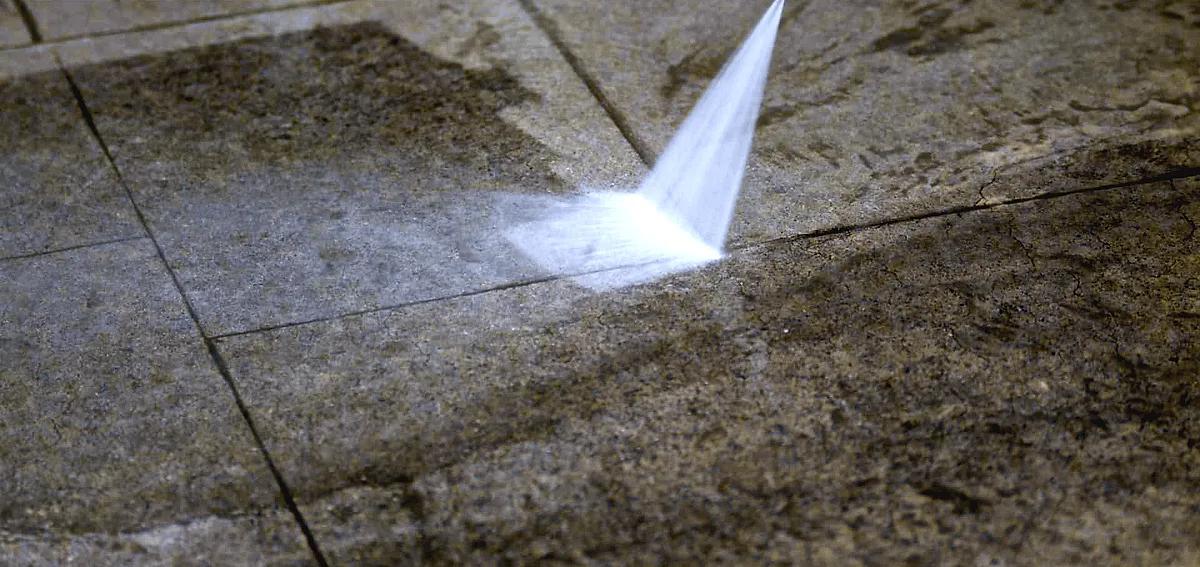
Clear the entire space first. Remove vehicles, storage bins, and movable tools. Sweep thoroughly using stiff-bristle brooms for stuck particles. Follow with a shop vacuum to collect finer materials.
Complete the process with microfiber dust mops. These capture microscopic grit that standard methods miss. Pay extra attention to corners where debris accumulates.
Safety and Equipment Setup
Always wear ANSI-approved safety glasses and rubber-soled shoes. Position your pressure washer on stable ground with these checks:
- Confirm nozzle tip (a wide fan pattern is recommended)
- Verify hose connections for leaks
- Keep the pressure at or below the coating maker's limit
Test settings on a small section near the garage door. Adjust distance until water stream glides without lifting the coating. Protect walls with plastic sheeting and ensure drains can handle runoff.
| Safety Gear | Equipment Checks | Surface Protection |
|---|---|---|
| Impact goggles | Nozzle inspection | Corner masking |
| Waterproof gloves | PSI calibration | Drain covers |
| Knee pads | Hose pressure test | Wall barriers |
Power Washing Techniques and Best Practices
Proper equipment selection transforms routine maintenance into a surface-preserving process. The right tools remove contaminants while protecting your investment’s structural integrity and visual appeal.
Choosing the Right Pressure Washer and Accessories
Electric models work best for residential use. For pressure, one coating manufacturer's maintenance bulletin, for example, recommends not exceeding 1000 psi with a wide spray fan tip for most applications, so check the limit for your own system. Follow these guidelines:
- Wide fan nozzles spread the water and minimize coating stress
- Moderate flow rates balance cleaning power with water conservation
- Surface cleaner attachments prevent streaking and overspray
| Washer Type | Pressure | Best For |
|---|---|---|
| Gas-powered | Often above a coating's limit | Industrial settings only |
| Electric | Strong; use low settings | Home garages |
| Battery | Strong; use low settings | Small areas |
Optimal Methods: Hot Water, Cleaning Solutions, and Brush Use
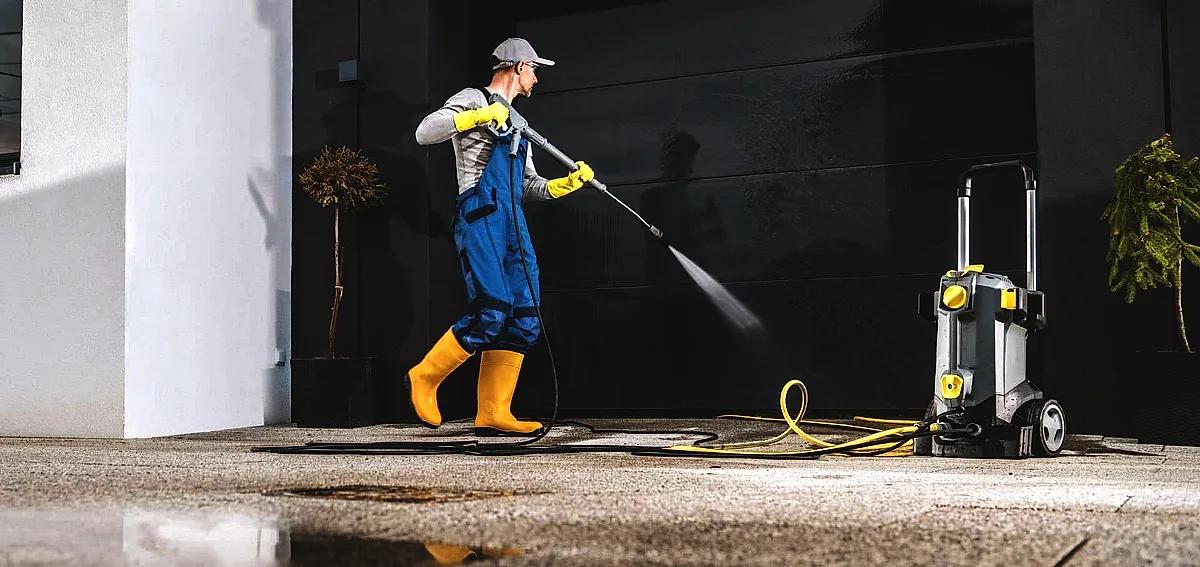
Start with cool water, and use hot water only if the coating maker allows it. Combine these elements for maximum effectiveness:
- A degreaser made for floors, diluted to the maker's directions
- A biological cleaner for organic residues
- Stiff-bristle deck brushes for corners
Work in small sections using overlapping passes. Keep the nozzle at the distance the coating maker recommends and keep the wand moving. Rinse thoroughly after applying solutions to prevent chemical buildup.
Professional Advice and Maintenance Tips
Maintaining pristine surfaces requires strategic planning and proven techniques. Combining daily upkeep with scheduled deep cleans preserves both appearance and durability.
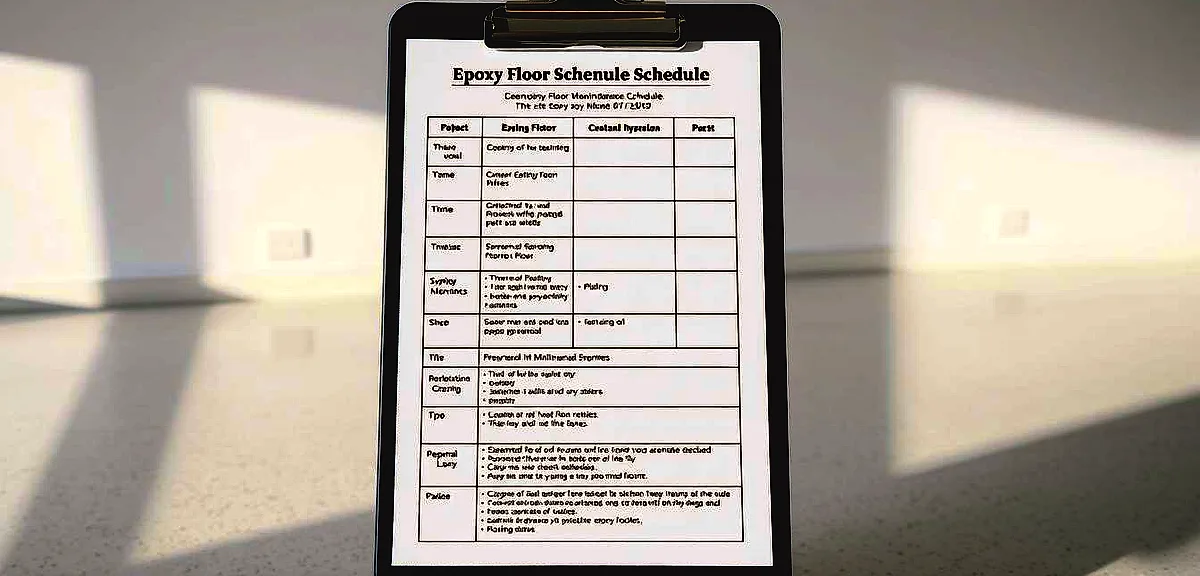
Establishing a Regular Cleaning Schedule
Create a three-tier system for optimal results:
- Daily: Sweep with microfiber mops to remove abrasive particles
- Weekly: Spot-clean spills using pH-neutral solutions
- Monthly: Full-surface rinse with a low-pressure washer
For home use, consider these product guidelines:
| Surface Condition | Recommended Cleaner | Application Method |
|---|---|---|
| Oil stains | Citrus-based degreaser | Spray-and-scrub |
| Dust accumulation | Neutral pH detergent | Damp mop |
| Chemical spills | Non-enzymatic solution | Immediate wipe |
Practical Maintenance Tips
A few habits help in a humid South Florida garage:
- Place absorbent walk-off mats near garage entries during rainy seasons
- Inspect for micro-cracks from time to time, using angled lighting
- Blot spills promptly to prevent chemical reactions
While DIY methods work for routine care, a professional assessment can help identify problems before visible damage occurs.
Conclusion
Your garage’s durable surface protection relies more on maintenance habits than initial installation quality. Armed with these methods, you can care for your floor while keeping its glossy finish. Proper techniques prevent surface degradation from harsh chemicals or abrasive tools.
Regular maintenance preserves the bond between epoxy layers and concrete substrates. Selecting appropriate equipment and cleaning solutions ensures contaminants lift without damaging protective coatings. Strategic scheduling prevents stubborn stains from compromising the surface.
For challenging situations or specialized care, a professional can assess the floor. National Concrete Polishing has worked in South Florida since 2013, with its in-house crews based in South Florida.
Contact National Concrete Polishing at +1 844-876-5474 for personalized guidance on preserving your investment.
Frequently Asked Questions
What are the benefits of using a pressure washer on epoxy floors?
Pressure washing effectively removes dirt, grease, and debris without harsh scrubbing. Hot water models can tackle stubborn stains, while adjustable settings prevent surface damage. Regular cleaning preserves the coating’s shine and longevity.
When should you avoid pressure washing epoxy flooring?
Avoid high-pressure methods if the coating is cracked, peeling, or improperly installed. Delaminated surfaces may worsen under forceful water streams. For older or damaged floors, consult professionals like National Concrete Polishing for repairs first.
How do you prepare a garage floor before deep cleaning?
Sweep loose debris and pretreat oil stains with a degreaser. Cover nearby walls or items to protect them from splashes. Test the pressure washer on a small area to ensure settings won’t harm the epoxy layer.
What type of pressure washer works best for epoxy surfaces?
Choose a unit whose pressure you can keep within the coating maker's limit. Pair it with a wide fan tip nozzle to balance cleaning power and safety. Avoid rotary turbo nozzles, which concentrate pressure and risk chipping.
Can hot water or cleaning solutions improve results?
Hot water softens grease and oil for easier removal, if the coating maker allows it. For heavy stains, apply a pH-neutral cleaner or diluted degreaser. Avoid acidic solutions, which may dull the finish. Rinse thoroughly to prevent residue buildup.
How often should epoxy-coated garage floors be cleaned?
Sweep weekly and mop monthly. Deep clean with a pressure washer as needed, depending on usage. Promptly address spills to prevent permanent discoloration or chemical damage.
What maintenance tips do experts recommend for epoxy floors?
Use microfiber mops and non-abrasive cleaners, and place mats at entrances to reduce grit.
Written by

Founder and CEO
Chris Lavin is an esteemed leader in concrete polishing and epoxy coatings with a distinguished 20-year career. As founder and CEO of National Concrete Polishing and owner of Xtreme Polishing Systems, he's renowned for polishing and epoxy coating more floors than anyone globally. Chris is recognized for his innovative approach and commitment to enhancing floor durability and aesthetics. His hands-on experience and technical proficiency make him a respected authority and a valuable resource in the field of floor polishing and coatings.
Same topic
Related articles
All stories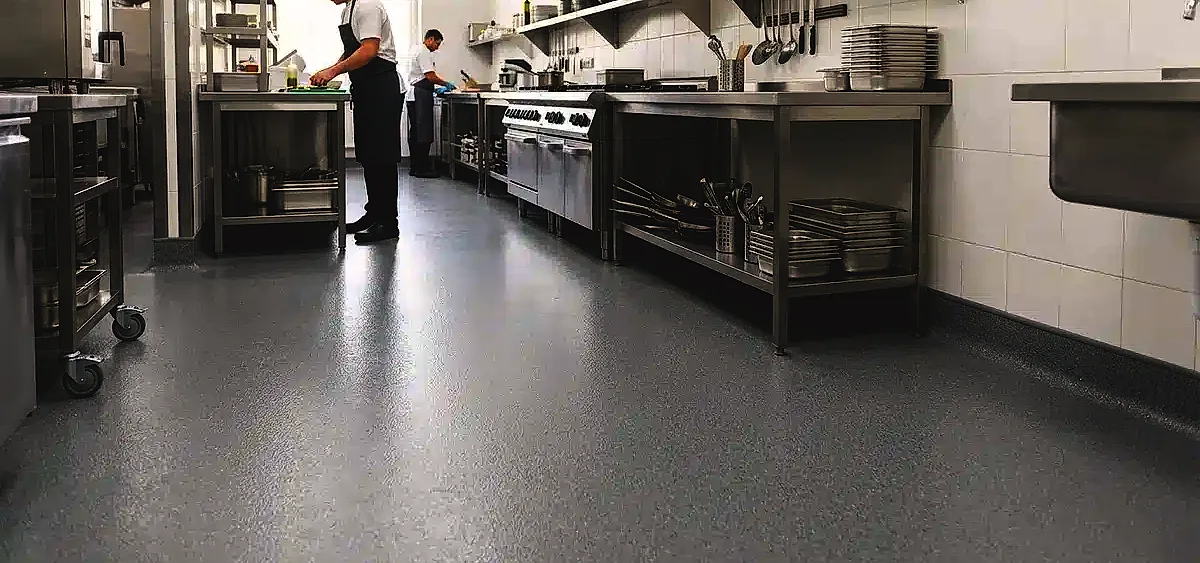
Commercial10 min read
Commercial Kitchen Floor Requirements in Florida
What Florida food code rules (Chapter 61C-4) ask of commercial kitchen floors: smooth, non-absorbent surfaces and coving at the walls.
Read it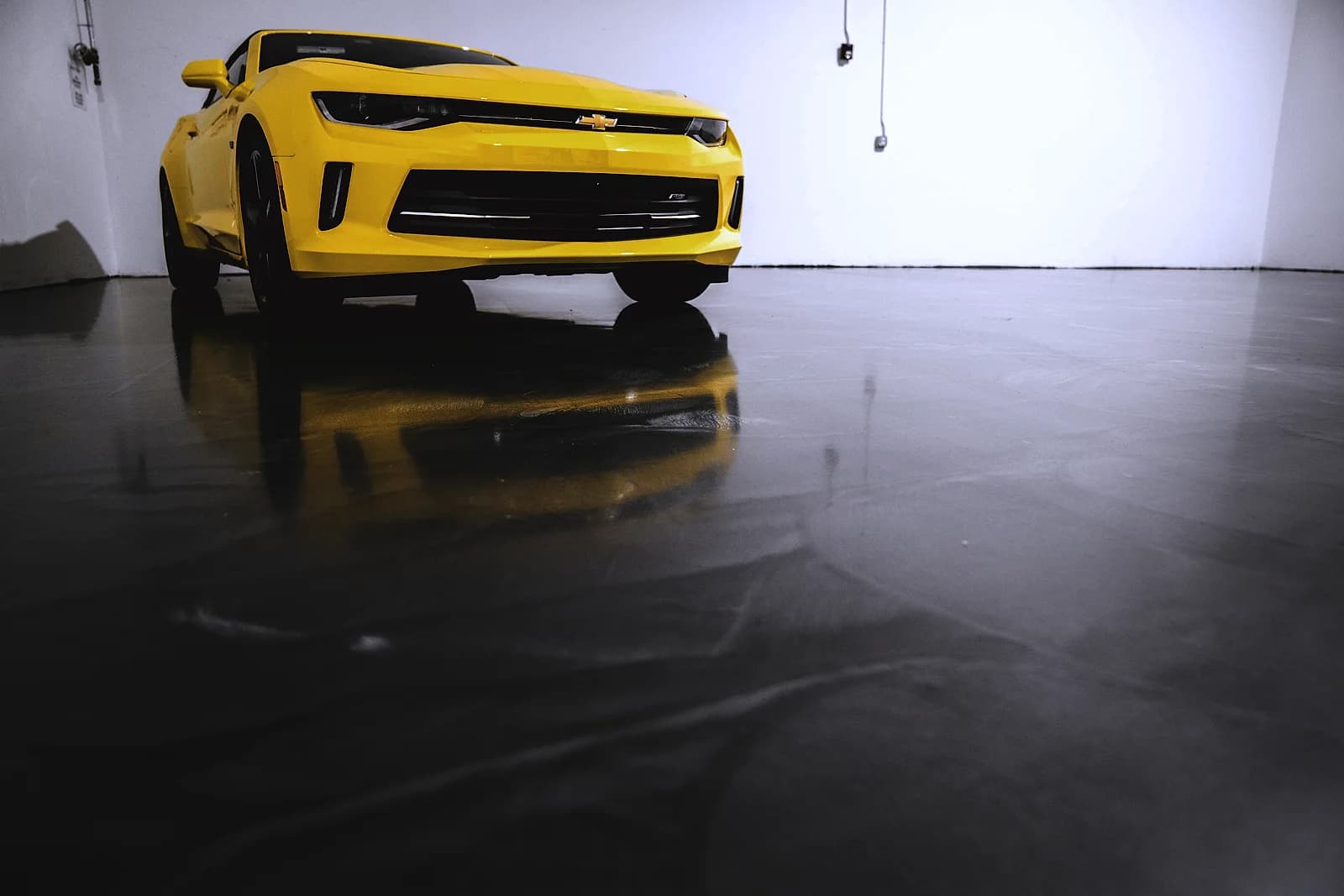
Residential7 min read
Polished Concrete Garage Floor vs Epoxy: Pros and Cons
This process smooths the surface, and a densifier hardens it, so polished concrete is used in high-traffic areas.
Read it
Residential7 min read
Matte Polished Concrete Floors: The Complete Guide for South Florida Homes
A complete guide to matte polished concrete floors for South Florida homes, covering how they look, wear and hide everyday marks.
Read it
Tell us about the floor
Tell us the space and roughly how big it is.We come back with what it would cost and when we could start.
Prefer to talk? Call +1 844-876-5474
- Leads@
nationalconcretepolishing.net - 2200 NW 32nd St #600,
Pompano Beach, FL 33069 Mon to Fri, 9:00 to 5:30