The NCP blog
Can You Vacuum Epoxy Floors? Best Practices
Epoxy & coatings8 min read
While these surfaces are known for their toughness, their long-term shine depends on smart maintenance strategies.
While these surfaces are known for their toughness, their long-term shine depends on smart maintenance strategies. Starting with the right approach keeps the coating looking good longer.
Regular upkeep begins with removing loose dirt, but many worry about scratching the glossy finish. The truth? Proper tools and techniques make all the difference. Gentle suction and soft-bristle attachments are the usual choice for these surfaces.
This guide covers how to vacuum and clean epoxy floors without damaging the coating, from workshop spills to garage dust.
Understanding Epoxy Floors and Their Unique Qualities
Epoxy flooring stands apart from traditional options through its seamless construction. Unlike materials with joints or grout lines, these surfaces form a continuous barrier against contaminants. That leaves fewer places for dirt to collect than a floor with joints or grout lines.
What Makes an Epoxy Coating Easy to Clean
The secret lies in the chemical bonding process. When applied, liquid epoxy hardens into a glass-like surface. This largely non-porous layer keeps spills on top instead of letting them soak in, and many epoxies resist common chemicals, though resistance varies by product and chemical.
| Feature | Epoxy Flooring | Tile Flooring | Plain Concrete |
|---|---|---|---|
| Surface Texture | Seamless | Grout lines | Porous |
| Stain Resistance | Depends on the coating and how it is kept | Depends on the tile, grout and sealer | Depends on the sealer |
| Lifespan | Depends on the system, traffic and upkeep | Depends on the tile, grout and upkeep | Depends on use and finish |
Debunking Maintenance Myths
Many assume these surfaces require special cleaners. In reality, routine sweeping and occasional mopping keep them pristine. The smooth finish allows quick spill cleanup without residue buildup, a common issue with textured alternatives.
Their resistance to many chemical splashes makes them practical for demanding environments. With proper care, the glossy appearance holds up well, though epoxy can yellow in sunlight.
Can you vacuum epoxy floors?
Professional maintenance routines prioritize non-abrasive particle extraction methods. These durable surfaces handle regular suction when using soft roller attachments. In one lab test at the TURI Cleaning Laboratory, run for a vacuum manufacturer, a HEPA vacuum collected more than 96% of a loose soil mix from a vinyl composite tile floor, while a broom collected less than 90%.
Grit is a common cause of dulling on glossy finishes. Microscopic particles act like sandpaper underfoot, creating hairline scratches over time. A quality vacuum with adjustable suction helps prevent this wear while capturing fine particulates.
| Cleaning Method | Debris Removal | Dust Control | Scratch Risk |
|---|---|---|---|
| Vacuuming | More than 96% of loose soil in one lab test | Contained with a HEPA filter | Low |
| Sweeping | Under 90% of loose soil in the same test | Airborne spread | Moderate |
Commercial-grade models work best for large epoxy surfaces. Look for rubberized wheels to protect the coating and HEPA filters to keep fine dust out of the air. Always empty collection bins before they reach capacity to maintain optimal airflow.
Pre-wet cleaning preparation prevents slurry formation during mopping. This step ensures soap solutions lift stains instead of pushing dirt deeper. Vacuum as often as grit builds up; high-traffic zones need it most.
Essential Tools and Cleaning Materials for Epoxy Flooring
Preserving durable surfaces requires specialized equipment that matches their industrial-grade resilience. The right combination of mechanical aids and pH-balanced formulas prevents surface degradation while tackling stubborn grime.
Mechanical Allies for Surface Care
Opt for vacuums with rubberized wheels and soft-bristle attachments to safeguard glossy finishes. A stiff-deck brush with nylon fibers lifts embedded dirt without scratching, while mechanical scrubbers handle heavy traffic areas.
Chemical Partners for Spotless Results
Neutral pH cleaners dissolve grease and are the usual choice for epoxy. Sika's maintenance guidelines for its floor systems, for example, call for regular cleaning with a neutral or mildly alkaline floor cleaner, depending on the soiling. Mix the cleaner at the dilution on its label, and check the coating maker's data sheet for the right water temperature, since some products limit heat.
Always wear nitrile gloves and ensure proper ventilation when using concentrated solutions. Store cleaning materials in labeled containers away from direct sunlight to maintain efficacy.
Step-by-Step Guide to Cleaning Your Epoxy Floor
Industrial-grade surfaces demand methodical care to maintain their polished look. This process removes grime while protecting the coating.
Initial Sweeping and Debris Removal
Clear loose particles using a microfiber dust mop or vacuum with rubber wheels. Target corners where grit collects. Avoid stiff-bristle brooms that might leave micro-scratches.
Effective Scrubbing and Rinsing Techniques
Dilute a pH-neutral cleaner to the concentration on its label in a wheeled bucket, and test it on a small area first. Apply the solution in sections small enough that it never dries on the floor, letting it dwell for the time on the label to break down oils. Scrub using overlapping passes with these tools:
| Tool Type | Best Use | Motion Pattern |
|---|---|---|
| Mechanical brush | Open areas | Circular |
| Angled deck brush | Edges | Back-and-forth |
Rinse each section with clean water and pull it up with a squeegee. Direct runoff toward floor drains to prevent residue buildup. Repeat rinsing until water sheets evenly without soapy trails.
Maintaining a Clean Epoxy Floor Over Time
Proactive care stops contaminants from bonding to the finish, preserving both function and visual appeal through seasonal changes.
Daily Routine and Weekly Deep Clean Strategies
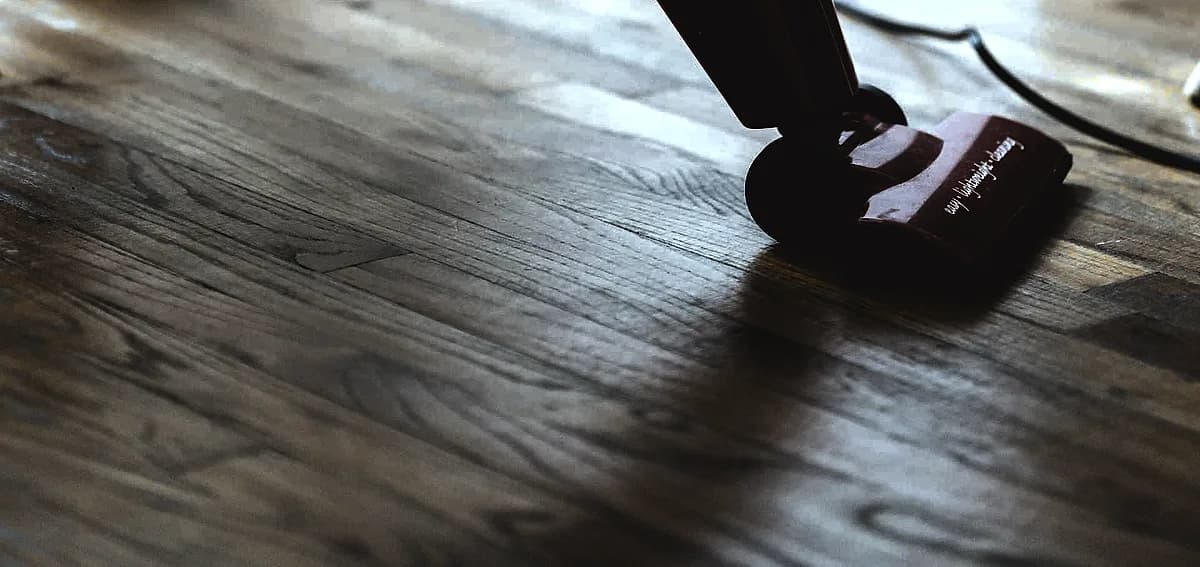
Start with a quick morning sweep using microfiber mops to capture loose particles. High-traffic zones need midday attention with soft-bristle vacuums to prevent abrasive buildup. Essential daily tasks include:
- Wiping spills up as soon as they happen
- Spot-cleaning shoe marks
- Inspecting edges for debris accumulation
Weekly sessions call for a mechanical scrubber with a soft, non-abrasive pad and a neutral cleaner at the label dilution, especially in problem areas such as entryways and workstations.
Preventing Debris, Grime, and Surface Damage
Put walk-off mats at the entrances to keep grit and dirt off the floor. The Carpet and Rug Institute says mats that extend 9 to 15 feet inside the entrance trap 80% of soil and moisture from the first five or six steps. For spaces handling automotive work, degrease on a schedule that matches how much oil reaches the floor.
Adjust your schedule based on these factors:
- Salt exposure (road salt, coastal air): clean more often so salt does not sit on the floor
- Workshop environments: Use daily pH-neutral rinses
- Retail spaces: Keep grit off high-gloss areas with regular dust mopping
Practical Tips for Removing Stains and Residues
Quick action separates temporary mishaps from lasting damage on coated surfaces. Liquids left unattended bond with the finish, creating stubborn marks that degrade appearance. Cleaning up right away keeps stains from setting.
Handling Spills and Preventing Permanent Marks
Blot liquid spills right away using microfiber cloths. For dried residues, scrub gently with a nylon brush and a neutral cleaner. Tackle common contaminants using these methods:
| Stain Type | Tool | Solution |
|---|---|---|
| Oil/Grease | Soft brush or mop | Degreaser approved for the coating |
| Rust | Nylon brush | Check the data sheet first, because acids can harm some coatings |
| Paint | Plastic scraper | Test any solvent on a hidden spot first |
Preventive measures reduce cleaning emergencies. Place absorbent mats near workstations and vehicle parking areas. If a zone sees heavy wear, ask the installer about a tougher top coat.
Built-up grime in corners responds to a soft nylon brush and a neutral cleaner. Work in slow, overlapping strokes to lift entrenched dirt. For scuffs from metal objects, try a non-abrasive pad and the neutral cleaner before anything stronger.
Maintenance in South Florida
Proper care protects a flooring investment. South Florida’s humidity and salt air add moisture and salt to the cleaning routine. National Concrete Polishing’s in-house crews cover Miami-Dade and Broward counties as well as Palm Beach County.

Climate-Smart Maintenance Strategies
Conclusion
Maintaining industrial-grade surfaces demands smart strategies. Regular care preserves both appearance and durability. Gentle suction with soft-bristle tools effectively removes debris without harming the coating. Approved pH-neutral solutions tackle grime safely, while strong chemicals the coating maker has not approved, including ammonia or vinegar, can damage the finish.
Focus on high-traffic zones and corners where particles accumulate. Consistent routines prevent abrasive damage and maintain seamless surfaces. Always follow manufacturer guidelines for optimal results.
Need personalized advice? Consult flooring specialists to develop a maintenance plan tailored to your space. Protect your investment through informed, proactive care.
Frequently Asked Questions
What tools work best for cleaning epoxy surfaces?
A vacuum with a soft-bristle attachment and a deck brush are ideal. Avoid abrasive pads or stiff bristles that could scratch the coating. Pair these with pH-neutral cleaners or mild dish soap for safe, effective results.
How do you prevent scratches during routine maintenance?
Regularly sweep away dirt and debris using microfiber mops or soft brooms. For deeper cleans, use non-abrasive scrubbers and rinse thoroughly with warm water. Avoid dragging heavy machinery or sharp objects across the surface.
Are chemical cleaners safe for these types of floors?
Strong chemicals such as ammonia or vinegar can dull or damage the finish unless the coating maker approves them. Stick to manufacturer-approved solutions, and test a small area first, to preserve the shine.
How often should deep cleaning be done?
Weekly rinsing with a deck brush and mild detergent prevents grime buildup. For high-traffic areas, consider biweekly scrubbing. Immediate spill cleanup stops stains from setting into the material.
Can steam cleaning damage the coating?
Steam is not suitable for every coating system, so check the product data sheet before using it. If the sheet does not allow steam, damp mop with warm water and a gentle neutral cleaner instead.
What’s the best way to handle oil or grease spills?
Blot spills immediately with absorbent cloths, then scrub the area using a degreaser designed for epoxy. Test the degreaser on a small area first.
How does South Florida’s climate affect maintenance routines?
Humidity and salt air accelerate dirt accumulation. Rinse and dry the floor regularly and follow your coating maker's cleaning guidance.
Written by

Founder and CEO
Chris Lavin is an esteemed leader in concrete polishing and epoxy coatings with a distinguished 20-year career. As founder and CEO of National Concrete Polishing and owner of Xtreme Polishing Systems, he's renowned for polishing and epoxy coating more floors than anyone globally. Chris is recognized for his innovative approach and commitment to enhancing floor durability and aesthetics. His hands-on experience and technical proficiency make him a respected authority and a valuable resource in the field of floor polishing and coatings.
Same topic
Related articles
All stories
Residential7 min read
Epoxy Garage Floor DIY vs Professional Installation: What You Need to Know
DIY epoxy flooring involves homeowners applying the coating using pre-packaged kits that include resin, hardener, and tools.
Read it
Epoxy & coatings6 min read
What Happens When Concrete Prep Is Skipped
What happens when concrete prep is skipped? Good contractors will tell you it's a disaster, so don't let your contractor skip the work!
Read it
Epoxy & coatings11 min read
Why Proper Joint Treatment is Critical for Epoxy Floors in Florida
Concrete floors contain three main joint types that serve distinct purposes and require specialized treatment approaches.
Read it
Tell us about the floor
Tell us the space and roughly how big it is.We come back with what it would cost and when we could start.
Prefer to talk? Call +1 844-876-5474
- Leads@
nationalconcretepolishing.net - 2200 NW 32nd St #600,
Pompano Beach, FL 33069 Mon to Fri, 9:00 to 5:30