The NCP blog
How Long Do Polished Concrete and Epoxy Floors Last?
Polished concrete5 min read
How long do polished concrete and epoxy floors last? If you're renovating your space with these solutions, NCP is here for you!
Choosing the right flooring solution for your residential or commercial space is a long-term investment in structural integrity and operational efficiency. When you compare polished concrete with epoxy systems, the difference may be in the margins, but those margins can make the difference. These distinctions affect everything from lifespan and maintenance to the risk of catastrophic failure.
The wrong choice often comes from not understanding your environment's operational requirements. This guide breaks down the key factors, lifespan, maintenance, and distinct disadvantages of epoxy flooring to help your project succeed from day one. National Concrete Polishing (NCP) is here to help you make an informed choice before you call up any contractors!
Polished Concrete & Epoxy Floor Lifespan: What You Need to Know
DIY kits or low-grade retail coatings often fail, peel, or wear through within 1 to 3 years. When you compromise on materials, you are essentially gambling on the floor's survival, which can lead to long-term failure and recurring re-coating costs. No matter which option you go with, don’t let your contractor cut corners!
At NCP, we believe high quality resources bring high quality results. If you want strength, beauty and durability, you need to use the resources that’ll get you there.
Lifespan and Performance: Substrate vs. Coating
The lifespan difference between polished concrete and epoxy stems from their fundamental physical nature. Polished concrete comes from mechanically grinding, densifying, and polishing the structural concrete slab. Because it has no separate layer to delaminate, the finish is exceptionally durable. In high-traffic or vehicle-use environments, polished concrete often lasts 20 to 30+ years with proper care and maintenance, often outliving the building structure itself.
Conversely, epoxy is a surface coating. Its longevity depends on the quality of the resinous system and the integrity of the surface preparation. If installed by a professional team that follows proper preparation procedures, its strength and durability rivals the best. But poor installation, or poor preparation, can mean your floors will degrade and fail quickly.
Maintenance Expectations: Daily Care and Long-Term Upkeep
Both flooring types are marketed as "low maintenance," but they have distinct requirements that owners must understand to avoid damage. Polished concrete maintenance focuses on preventing abrasive dirt from acting like sandpaper. The standard protocol is to dust-mop with a microfiber pad, then damp-mop with a pH-neutral cleaner. Strictly avoid harsh acids or bleach, as they can dull the polish.
Epoxy maintenance is similarly straightforward, but its vulnerabilities differ. Epoxy is inherently non-porous, making it highly resistant to oil, chemicals, and spills - a major asset in garages and workshops. However, the primary threat is physical impact or dragging sharp, heavy metal objects, which can gouge the coating.
While you should avoid leaving harsh solvents on the surface for extended periods, the day-to-day cleaning is minimal. However, in high-traffic commercial spaces, you may need to refresh the topcoat every 10 years to maintain the protective layer before wear exposes the underlying epoxy.
Choosing Your Flooring: Epoxy vs. Polished Concrete
Deciding between epoxy and polished concrete means weighing your aesthetic goals against your space's functional demands. Both options are premium, professional solutions, but they serve different operational priorities.
Advantages of Epoxy Floors
Epoxy is the premier choice for owners seeking a high-impact, customizable look. Its primary advantage is versatility; with metallic pigments, decorative flakes, and endless color options, you can achieve a bespoke look that polished concrete cannot replicate.
Beyond beauty, epoxy is exceptionally non-porous. This provides superior chemical resistance against oils, brake fluids, and harsh cleaners, making it the standard for high-performance garages and workshops. Its seamless surface keeps spills on top, allowing effortless daily cleaning.
The Disadvantages of Epoxy Flooring
While epoxy offers immense value, it is not a universal solution. Understanding epoxy flooring's disadvantages is essential to making the informed decision for your floors.
- Susceptibility to UV Damage: Standard epoxy tends to yellow and discolor over time when exposed to direct sunlight. If your flooring area has large windows or is outdoors, standard epoxy is the wrong choice.
- Installation Complexity: The application process requires precise temperature control and surface preparation. A minor mixing error or a failure to detect moisture vapor emissions can cause the entire floor to bubble or peel.
- Difficult to Repair: Unlike polished concrete, where you can often re-grind a section, damaged epoxy is hard to patch seamlessly. Often, the only way to achieve a uniform look after significant damage is a full recoat.
- Moisture Sensitivity: This is perhaps the most significant disadvantage of epoxy flooring. Epoxy cannot breathe. If you apply it over a slab with high moisture vapor emissions without a proper barrier, trapped moisture will force the coating upward, causing unsightly blisters and total bond failure.
Advantages of Polished Concrete
For those who prefer a modern, minimalist aesthetic, polished concrete offers an industrial elegance that highlights the slab's natural character. Because it mechanically refines the substrate rather than adding a layer, it cannot delaminate, peel, or flake. And all of that while still adding a massive improvement to the safety of your space!
This structural permanence translates to extreme longevity, often lasting decades with minimal intervention. While the initial investment is comparable to high-end epoxy, its status as a "forever floor" with lower long-term maintenance requirements makes it the most cost-effective solution over a building's life.
Compared to epoxy, polished concrete doesn’t carry many disadvantages because it’s essentially just upgrading your base concrete floor with extra protection. That does often mean that you’ll get less aesthetic options and customization, so make the choice that’s best for you and your floors.
Frequently Asked Questions
Which floor lasts longer, polished concrete or epoxy?
Polished concrete generally lasts longer, often 20-25+ years, potentially for the life of the building. High-quality epoxy systems, when professionally installed, can last 10-20 years.
Can I install epoxy myself?
While DIY kits are available, professional installation is strongly recommended. The process requires specialized equipment and expertise in surface preparation. Improper installation is the leading cause of premature failure.
Is polished concrete more expensive than epoxy?
The initial cost of polished concrete can be higher than basic epoxy. However, its longevity and lower maintenance needs make it highly cost-effective over its lifetime.
How do I clean a polished concrete floor?
Use a dust mop for debris and a pH-neutral cleaner for wet mopping. Avoid acidic cleaners, as they will etch the surface.
What are the main disadvantages of epoxy flooring for garages?
The primary disadvantages of epoxy flooring include susceptibility to UV yellowing, sensitivity to moisture vapor, and the complex surface prep required to prevent delamination.
Conclusion
Polished concrete and epoxy floors is a question that’s persisted through flooring for years. And it’s persisted because there’ no universally correct answer! For some projects, you may want the strength and simplicity of polished concrete. Some flooring renovations may call for the durability and versatility of epoxy resinous coatings. Your mileage may vary, so make the informed choice with help from National Concrete Polishing!
For project-specific guidance, our specialists are on call to assist on our contact page.
Written by

Founder and CEO
Chris Lavin is an esteemed leader in concrete polishing and epoxy coatings with a distinguished 20-year career. As founder and CEO of National Concrete Polishing and owner of Xtreme Polishing Systems, he's renowned for polishing and epoxy coating more floors than anyone globally. Chris is recognized for his innovative approach and commitment to enhancing floor durability and aesthetics. His hands-on experience and technical proficiency make him a respected authority and a valuable resource in the field of floor polishing and coatings.
Same topic
Related articles
All stories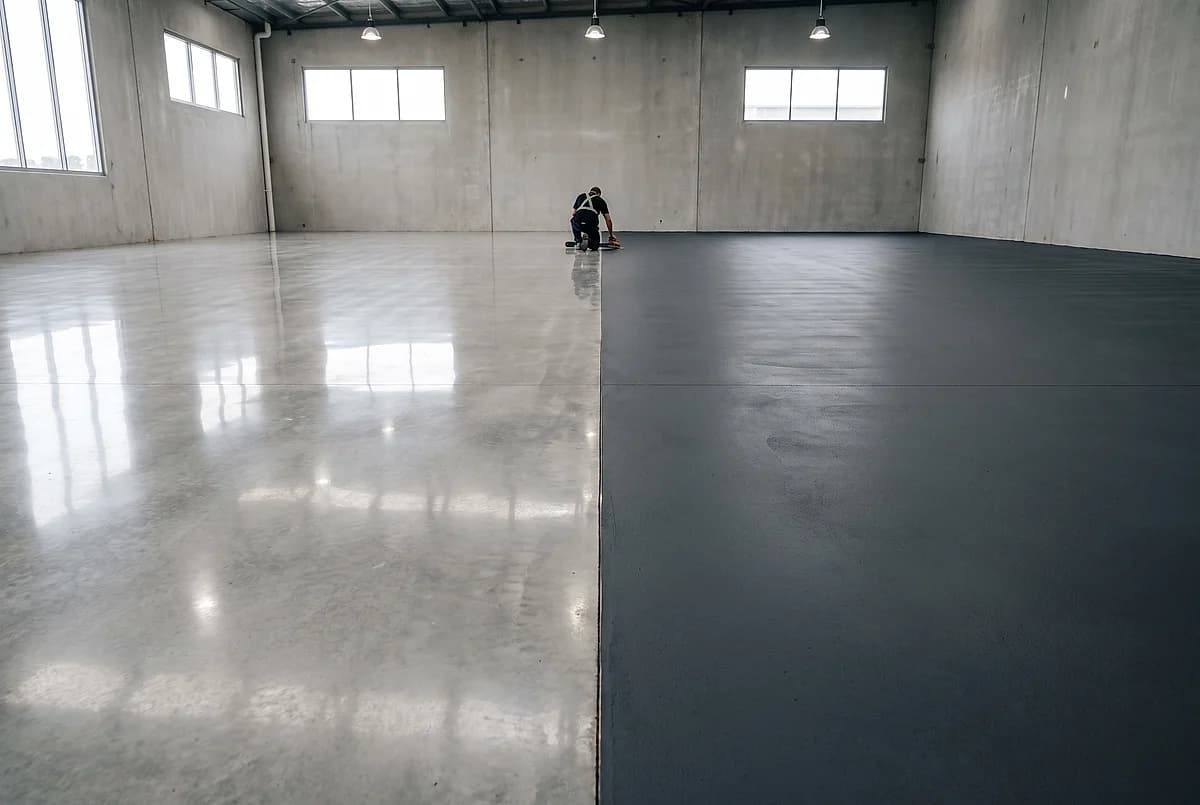
Polished concrete11 min read
Polished Concrete vs Epoxy Coatings: Which Floor Is Right for Your Space?
Two systems, two price curves, one slab. What each one costs to install and to keep, and which spaces each one actually suits.
Read it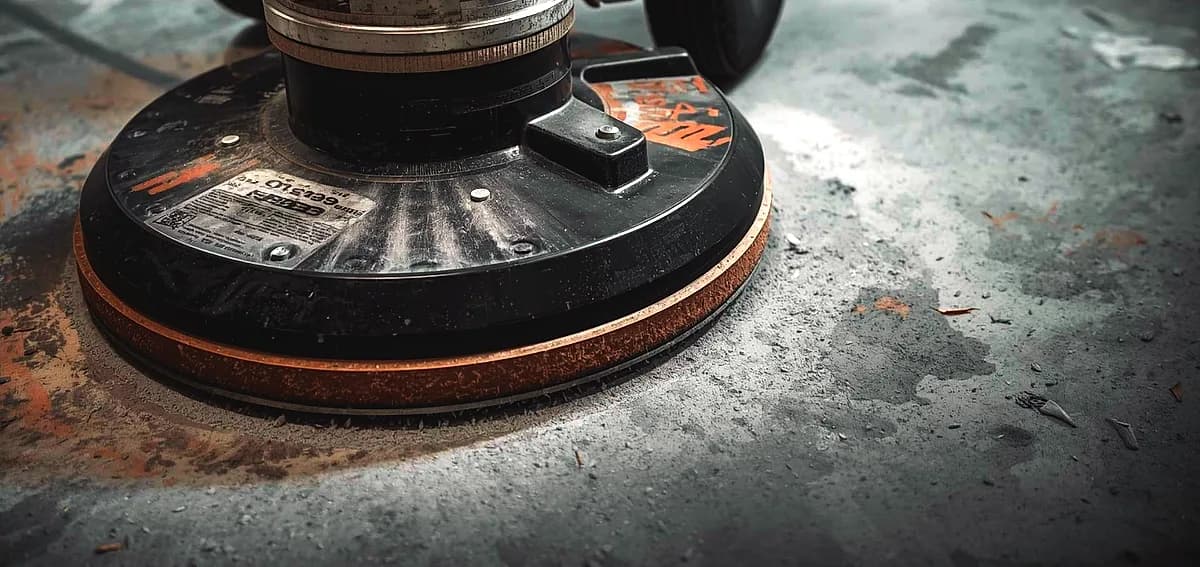
Polished concrete8 min read
What to Know Before Polishing Your Existing Concrete Slab
Before any mechanical refinement can begin, a thorough evaluation of the current foundation is required.
Read it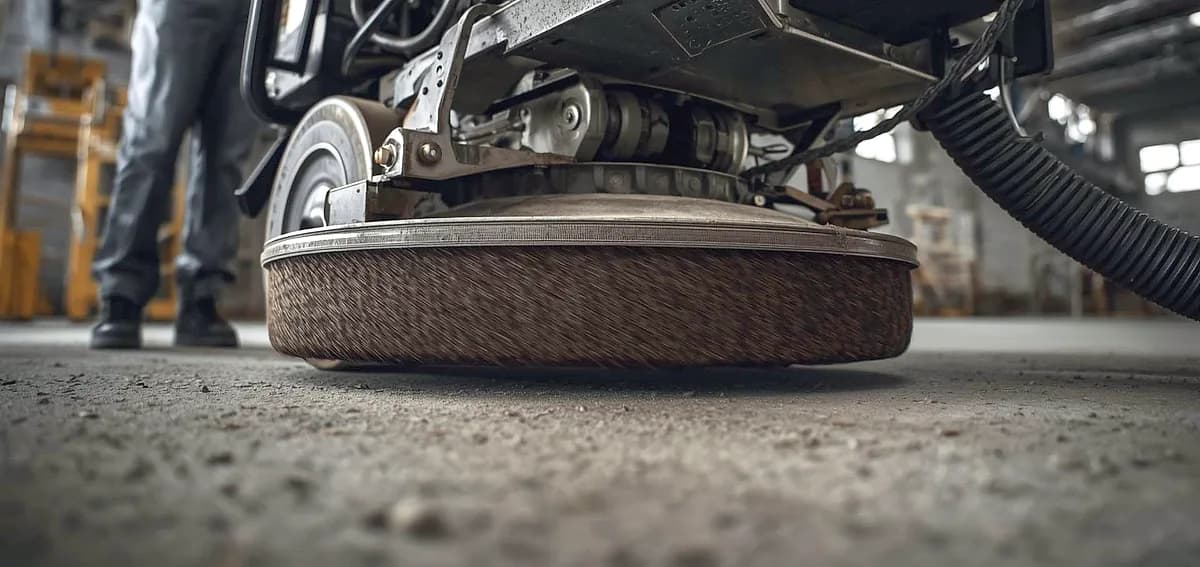
Polished concrete8 min read
Is Polished Concrete Worth the Investment for Miami Properties?
It is essential to distinguish between a simple topical seal and mechanically refined concrete.
Read it
Tell us about the floor
Tell us the space and roughly how big it is.We come back with what it would cost and when we could start.
Prefer to talk? Call +1 844-876-5474
- Leads@
nationalconcretepolishing.net - 2200 NW 32nd St #600,
Pompano Beach, FL 33069 Mon to Fri, 9:00 to 5:30