
The NCP blog
Safe Epoxy Floor Removal and Replacement in Miami
Epoxy & coatings15 min read
Epoxy floor removal and replacement is a challenging but essential service for Miami commercial and residential floors.
When it comes to maintaining and upgrading commercial and residential floors in Miami, epoxy floor removal and replacement represents one of the most challenging yet essential services in the flooring industry. The humid subtropical climate of South Florida, combined with heavy foot traffic, industrial use, and the natural aging process, can cause epoxy floors to deteriorate, chip, or simply become outdated over time. Whether you’re dealing with a warehouse floor that has seen years of forklift traffic, a garage floor with peeling coatings, or a commercial space requiring a fresh aesthetic update, proper epoxy removal requires specialized knowledge, equipment, and safety protocols that only experienced professionals can provide.
The process of epoxy floor removal in Miami involves far more than simply scraping off old material. Professional floor removal services Miami contractors must consider factors such as the original substrate condition, the type of epoxy system previously installed, environmental regulations regarding disposal, and the intended replacement flooring system. Miami’s unique environmental conditions, including high humidity levels that can reach 90% during summer months and temperatures that rarely drop below 60°F, create specific challenges for both the removal process and the installation of new flooring systems.
National Concrete Polishing understands that improper epoxy removal can damage the underlying concrete substrate, create health hazards through dust and chemical exposure, and result in costly delays for businesses and homeowners. The company’s approach to floor removal epoxy Miami projects emphasizes safety, efficiency, and preservation of the existing concrete foundation to ensure optimal results for whatever flooring system follows. From initial assessment through final cleanup, every step of the removal process must be carefully planned and executed to meet both local building codes and industry best practices.
The decision to remove and replace epoxy flooring often stems from various factors including delamination, chemical damage, aesthetic concerns, or the need to upgrade to more advanced flooring systems. Miami’s diverse industrial landscape, from shipping and logistics facilities near the port to high-end retail spaces in downtown areas, means that floor removal services must be adaptable to different environments, schedules, and performance requirements. Understanding these complexities is crucial for property owners and facility managers who want to ensure their flooring investment delivers long-term value and performance.
Key Takeaways
Professional epoxy floor removal in Miami requires specialized equipment, safety protocols, and environmental considerations that go far beyond simple surface preparation. The process typically involves mechanical grinding, chemical stripping, or a combination of both methods, depending on the existing epoxy system and the condition of the underlying concrete. Safety considerations include proper ventilation, dust control, personal protective equipment, and compliance with OSHA regulations and local environmental guidelines.
The cost of floor removal epoxy Miami services varies significantly based on factors such as square footage, epoxy thickness, substrate condition, accessibility, and timeline requirements. Generally, removal costs range from $2 to $6 per square foot, with additional charges for disposal, surface repairs, and specialized treatments. However, investing in professional removal services often saves money in the long term by preserving the concrete substrate and ensuring proper preparation for new flooring systems.
Timing considerations are crucial for Miami projects, as the region’s weather patterns can affect both removal and installation schedules. The dry season from November through April typically provides optimal conditions for flooring projects, while summer months may require additional climate control measures and extended curing times. Professional contractors plan projects around these seasonal variations to ensure consistent results.
Environmental compliance represents a critical aspect of epoxy removal in Miami-Dade County, where strict regulations govern the disposal of construction materials and chemical waste. Licensed contractors must follow specific protocols for containing and disposing of removed epoxy materials, particularly when dealing with older systems that may contain hazardous substances. This includes proper documentation, certified disposal facilities, and adherence to EPA guidelines.
The selection of replacement flooring systems often influences the removal methodology, as different floor types require specific substrate preparation standards. Whether installing new epoxy, polished concrete, or alternative flooring materials, the removal process must create optimal conditions for adhesion, durability, and performance of the new system.
Understanding Epoxy Floor Removal Challenges
Miami’s unique environmental conditions create specific challenges for epoxy floor removal that contractors must address to ensure successful project outcomes. The city’s consistently high humidity levels, ranging from 60% to 90% throughout the year, can affect both the removal process and the condition of existing epoxy systems. Understanding how humidity affects epoxy floors in Miami is essential for proper removal planning. Humidity can cause certain removal chemicals to work less effectively, extend drying times for surface preparation, and create condensation issues that complicate the removal process.
The age and type of existing epoxy systems significantly impact removal complexity and methodology. Older epoxy installations, particularly those installed before modern environmental regulations, may contain materials that require special handling and disposal procedures. Single-component epoxy systems typically prove easier to remove than multi-component systems, while specialty coatings such as chemical-resistant or high-build epoxies may require more aggressive removal techniques.
Substrate conditions beneath existing epoxy floors vary widely across Miami’s diverse building stock. Older concrete slabs may have settlement issues, surface contamination, or structural problems that become apparent only after epoxy removal. Newer construction may feature polished or densified concrete that requires different removal approaches to avoid damage. Professional assessment before beginning removal helps identify potential complications and allows for proper planning and budgeting.
The presence of multiple epoxy layers, common in industrial facilities that have undergone several flooring updates, creates additional complexity. Each layer may have different chemical compositions, adhesion characteristics, and removal requirements. Systematic removal that addresses each layer appropriately ensures complete preparation and prevents adhesion problems with new flooring systems. Learning about why epoxy floors fail in Florida climate helps prevent future issues.
Access and logistics considerations in Miami’s urban environment often influence removal methodology and scheduling. High-rise buildings may require specialized equipment transport, while occupied facilities need careful coordination to minimize disruption. Parking limitations, noise restrictions, and building access hours all factor into project planning and execution strategies.
Safe Removal Techniques and Equipment
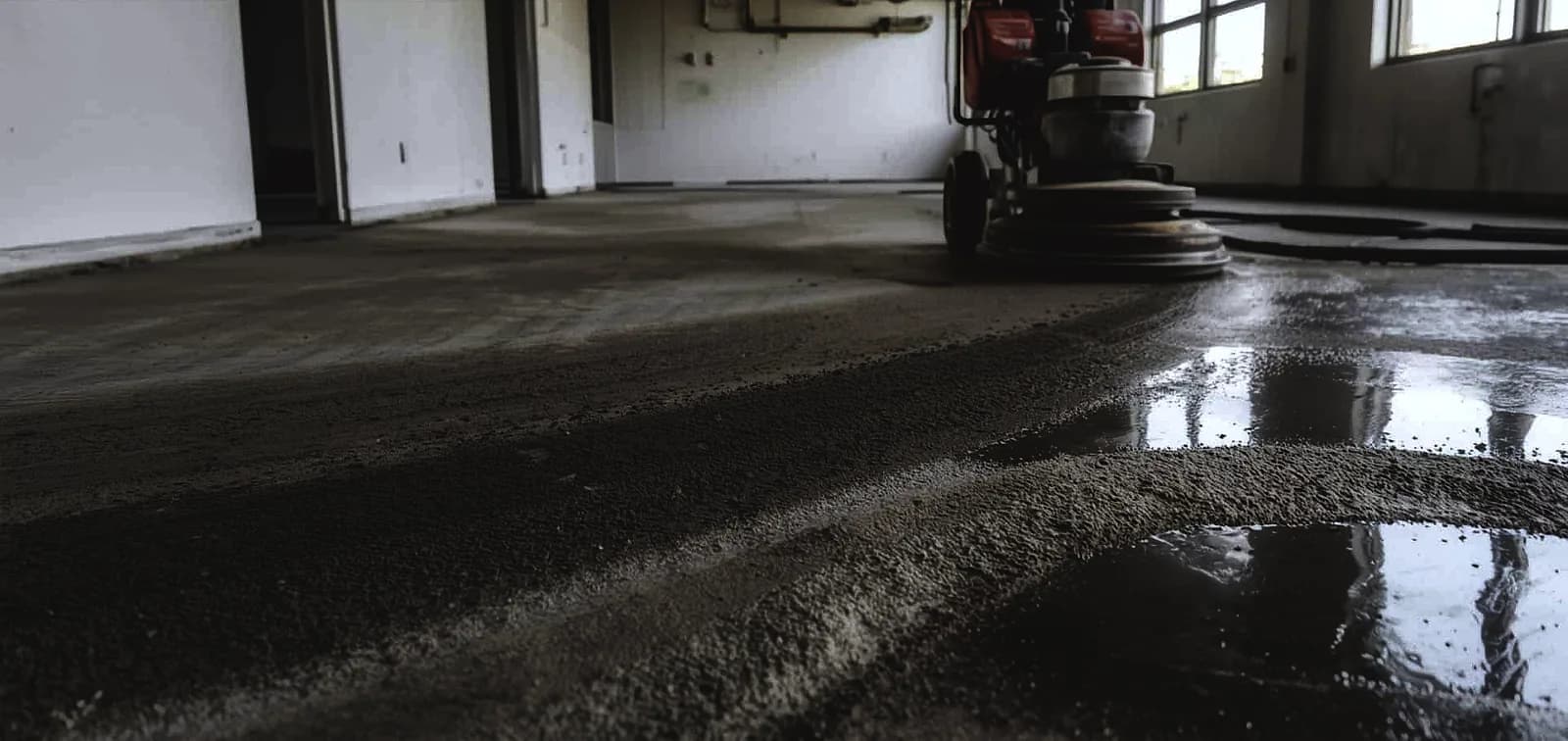
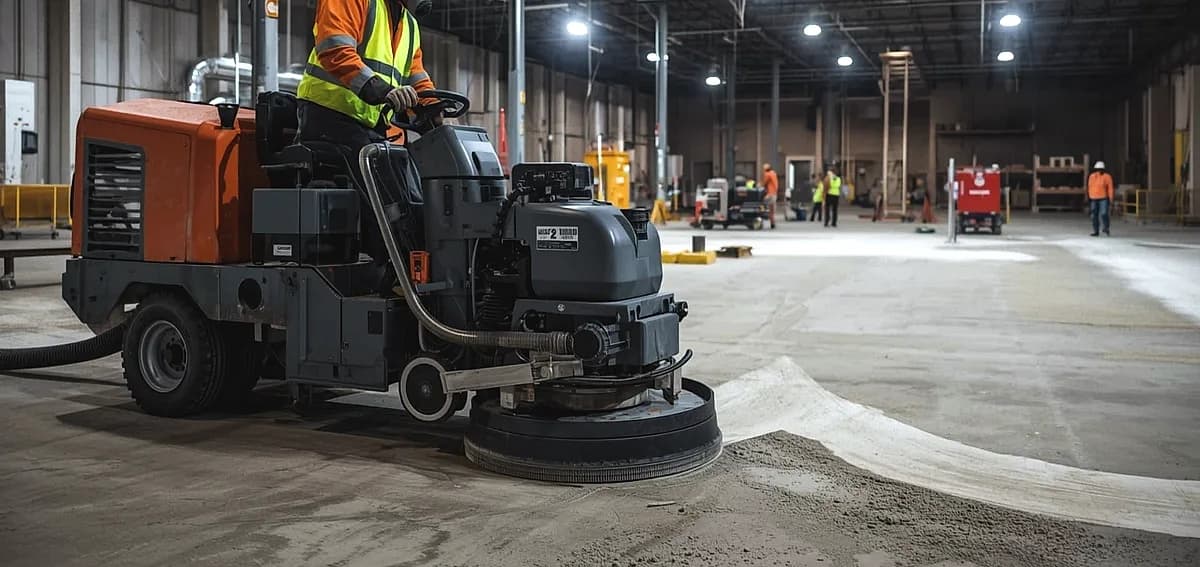
Professional epoxy floor removal relies on several proven techniques, each suited to different situations and epoxy types. Mechanical removal using diamond grinding equipment represents the most common and effective method for most Miami applications. This approach uses specialized grinders equipped with diamond-embedded segments that systematically remove epoxy layers while preserving the underlying concrete substrate. The process generates significant dust, requiring proper containment and filtration systems to protect workers and maintain air quality.
Chemical stripping offers an alternative approach for situations where mechanical removal might damage sensitive substrates or where noise restrictions limit grinding operations. Professional-grade chemical strippers break down epoxy bonds, allowing for easier removal with scraping tools. However, chemical methods require extensive safety protocols, proper ventilation, and careful disposal of both the chemicals and removed materials. Miami’s humidity can affect chemical stripper performance, often requiring climate-controlled environments for optimal results.
Shot blasting provides another mechanical option, particularly effective for large-scale removal projects in industrial settings. This technique uses steel shot propelled at high velocity to remove epoxy and simultaneously profile the concrete surface for optimal adhesion of new coatings. Understanding shot blasting preparation methods ensures proper substrate profiling. Shot blasting equipment includes built-in dust collection systems and can achieve consistent results across large areas quickly.
Scarification equipment offers precision removal capabilities for projects requiring careful substrate preservation. These machines use rotating cutting drums with carbide-tipped tools to remove epoxy layers in controlled depths. Scarification works particularly well for removing thick epoxy systems or addressing localized problem areas without affecting surrounding surfaces.
Safety equipment and protocols form the foundation of professional removal operations. Personal protective equipment includes respiratory protection, eye and hearing protection, and protective clothing to prevent skin contact with dust and chemicals. Dust collection systems, both portable and truck-mounted, capture airborne particles at the source to maintain safe working conditions and prevent contamination of surrounding areas.
Environmental controls become particularly important in Miami’s climate, where high humidity and temperature can affect both worker comfort and removal efficiency. Temporary climate control systems may be necessary for large projects or sensitive environments. Proper ventilation ensures adequate air exchange while maintaining dust containment and worker safety.
Quality control measures throughout the removal process ensure complete epoxy elimination and proper surface preparation. Visual inspection, adhesion testing, and surface profile measurement verify that substrates meet specifications for subsequent flooring installation. Understanding why concrete floor preparation is critical for epoxy ensures success. Documentation of removal procedures and results provides valuable information for warranty purposes and future maintenance planning.
Environmental and Safety Considerations
Environmental compliance represents a critical aspect of epoxy floor removal in Miami, where local, state, and federal regulations govern construction waste disposal and air quality protection. Miami-Dade County enforces strict guidelines for containing and disposing of construction debris, including removed epoxy materials. Professional contractors must obtain proper permits, use certified disposal facilities, and maintain detailed documentation of waste handling procedures.
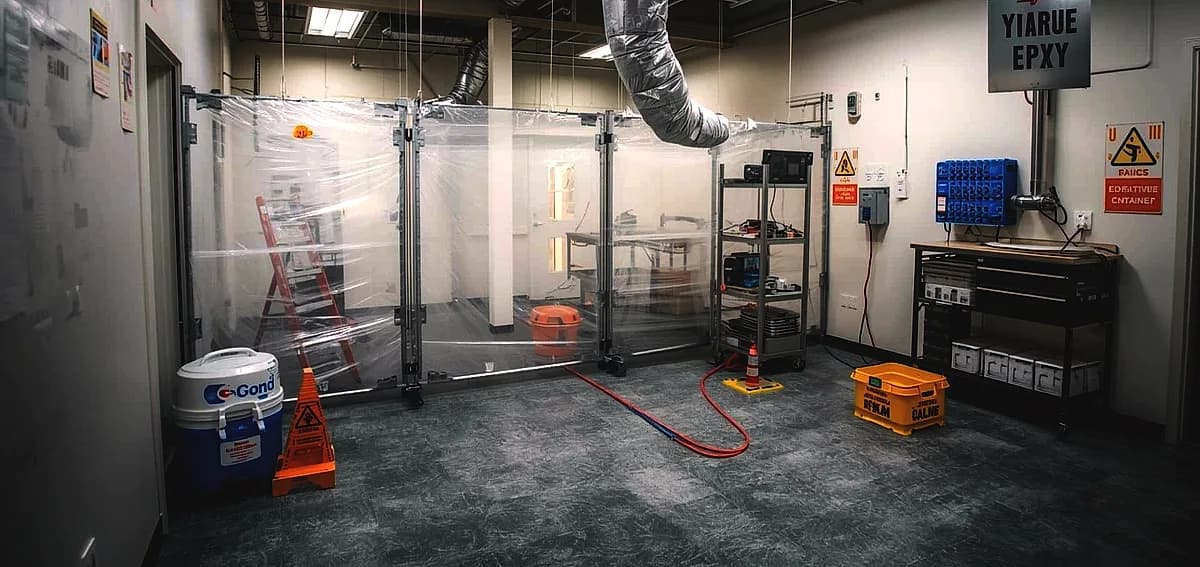
Air quality management becomes particularly important in Miami’s urban environment, where construction activities must comply with Clean Air Act requirements and local ordinances. Dust control measures include HEPA filtration systems, negative air pressure containment, and real-time air quality monitoring. These systems protect not only workers but also building occupants and neighboring properties from airborne contaminants.
Worker safety protocols follow OSHA guidelines for construction activities, with specific emphasis on respiratory protection, fall prevention, and chemical exposure prevention. Training requirements ensure that all personnel understand proper equipment use, emergency procedures, and hazard recognition. Regular safety meetings and equipment inspections maintain high safety standards throughout project duration.
Noise control considerations affect project scheduling and methodology selection in Miami’s dense urban areas. Local noise ordinances typically restrict construction activities during evening and early morning hours, particularly in residential and mixed-use areas. Sound-dampening equipment and alternative removal methods may be necessary for noise-sensitive locations.
Chemical handling and storage requirements apply to projects using chemical stripping methods. Proper storage facilities, spill containment systems, and emergency response procedures protect workers and the environment from accidental releases. Material Safety Data Sheets (MSDS) provide essential information for safe handling and disposal of all chemical products used in removal operations.
Water management and runoff control prevent contamination of Miami’s storm water system and nearby water bodies. Containment systems capture wash water and debris, allowing for proper treatment and disposal. This becomes particularly important given Miami’s proximity to Biscayne Bay and the Atlantic Ocean, where environmental protection requirements are especially stringent.
Indoor air quality considerations extend beyond dust control to include ventilation system protection and building pressurization management. Temporary barriers and filtration systems prevent contamination of HVAC systems and adjacent occupied spaces. Post-removal air quality testing verifies that indoor environments meet acceptable standards before normal occupancy resumes.
Emergency response planning addresses potential incidents including equipment failures, chemical spills, worker injuries, and environmental releases. Established procedures ensure rapid response to minimize impacts and comply with reporting requirements. Coordination with local emergency services and environmental agencies provides additional support when needed.
Replacement Options and Surface Preparation
Once epoxy removal is complete, proper surface preparation becomes crucial for ensuring optimal performance of replacement flooring systems. The preparation requirements vary significantly depending on the chosen replacement option, substrate condition, and intended use of the space. Professional assessment of the cleaned concrete surface identifies any repairs needed before installation of new flooring materials.
Concrete repair and restoration often becomes necessary after epoxy removal, particularly in older buildings or high-traffic areas. Common issues include surface spalling, crack formation, joint deterioration, and uneven wear patterns. Professional repair techniques include crack injection, surface patching, joint sealing, and concrete resurfacing to create a sound foundation for new flooring systems.
Surface profiling requirements depend on the adhesion needs of the replacement flooring system. Mechanical profiling using diamond grinding, shot blasting, or scarification creates the optimal surface texture for maximum adhesion. Different flooring types require specific surface profile ranges, measured using standardized comparison charts and replica tape methods.
Moisture testing and mitigation represent critical steps in Miami’s humid climate, where concrete moisture content can significantly affect flooring performance. Understanding how concrete moisture testing works in Florida is essential for success. Calcium chloride testing, relative humidity testing, and moisture vapor emission rate testing determine whether additional moisture mitigation measures are necessary. Moisture barriers, sealers, or extended drying times may be required before flooring installation.
New epoxy system installation offers improved performance characteristics compared to older systems. Modern epoxy formulations provide enhanced chemical resistance, improved flexibility, faster cure times, and better aesthetic options. Multi-layer systems with primer, base coat, and topcoat layers deliver superior durability and appearance compared to single-component systems. Understanding how epoxy flooring cures in South Florida weather ensures proper installation timing.
Polished concrete represents an increasingly popular alternative to epoxy flooring, particularly in commercial and industrial applications. The polishing process involves progressive diamond grinding and polishing steps that create a durable, low-maintenance surface with excellent light reflectivity. Polished concrete offers superior longevity and eliminates the need for periodic recoating associated with epoxy systems.
Alternative flooring options include polyurethane systems, polyaspartic coatings, and specialty industrial flooring materials. Each option offers specific advantages in terms of chemical resistance, thermal properties, installation speed, and maintenance requirements. Professional consultation helps property owners select the optimal flooring system for their specific needs and budget.
Quality assurance testing throughout the installation process ensures that new flooring systems meet performance specifications. Adhesion testing, thickness measurement, and visual inspection verify proper installation. Documentation of installation procedures and test results provides warranty protection and maintenance guidance for property owners.
Cost Factors and Project Planning
Understanding the cost factors involved in epoxy floor removal and replacement helps property owners make informed decisions and budget appropriately for their projects. The total project cost includes removal expenses, surface preparation, repairs, new flooring materials, labor, and associated services such as disposal and cleanup. Each component varies based on project-specific factors and local market conditions in Miami.
Removal costs typically range from $2 to $6 per square foot, depending on epoxy thickness, removal method, and site conditions. Mechanical removal generally costs less than chemical stripping but may not be suitable for all situations. Additional factors affecting removal costs include accessibility, working height, noise restrictions, and disposal requirements. Complex projects requiring specialized equipment or extended work hours command premium pricing.
Surface preparation costs vary based on the extent of repairs needed and the requirements of the replacement flooring system. Basic cleaning and light profiling may add $1 to $3 per square foot, while extensive repairs, crack injection, and moisture mitigation can significantly increase preparation costs. Accurate assessment of substrate conditions helps predict preparation requirements and associated costs.
New flooring system costs depend on material selection, performance requirements, and aesthetic preferences. Basic epoxy systems start around $3 to $5 per square foot, while high-performance systems with decorative elements can exceed $10 per square foot. Polished concrete typically ranges from $3 to $8 per square foot, depending on the level of polish and decorative treatments desired.
Labor costs in Miami’s competitive construction market reflect the skill level required for professional flooring installation. Experienced contractors command premium rates but deliver superior results and warranty protection. Labor typically represents 40% to 60% of total project costs, making contractor selection a critical factor in overall project value.
Project scheduling affects both direct costs and indirect impacts on business operations. Rush projects requiring overtime work or expedited material delivery increase costs significantly. Conversely, flexible scheduling during contractors’ slower periods may result in cost savings. Weather considerations in Miami can affect project timing and may require climate control measures that add to project costs.
Value engineering opportunities exist in most projects through careful material selection, scope optimization, and scheduling coordination. Professional contractors can identify cost-saving alternatives that maintain performance requirements while reducing overall project expenses. Life-cycle cost analysis helps property owners understand the long-term value proposition of different flooring options.
Financing options and budget planning strategies help property owners manage cash flow impacts of major flooring projects. Many contractors offer payment schedules that align with project milestones, while some provide financing programs for qualified customers. Understanding total project costs early in the planning process allows for proper budgeting and financing arrangements.
National Concrete Polishing provides comprehensive cost estimates that include all project components, allowing property owners to make informed decisions about their flooring investments. The company’s transparent pricing approach eliminates surprises and helps customers understand the value delivered through professional removal and installation services.
Frequently Asked Questions
How long does epoxy floor removal typically take in Miami?
The duration of epoxy floor removal depends on several factors including square footage, epoxy thickness, removal method, and site conditions. Small residential projects may be completed in one to two days, while large commercial or industrial removals can take several weeks. Miami’s humidity and temperature conditions may extend drying and curing times, particularly during summer months when additional climate control measures become necessary.
What safety precautions are necessary during epoxy removal?
Professional epoxy removal requires comprehensive safety protocols including respiratory protection, dust containment, proper ventilation, and personal protective equipment. Workers must use HEPA-filtered respirators, eye protection, and protective clothing to prevent exposure to dust and chemicals. Containment systems prevent contamination of surrounding areas, while air quality monitoring ensures safe working conditions throughout the project.
Can epoxy removal damage the underlying concrete?
When performed by experienced professionals using proper techniques, epoxy removal should not damage the underlying concrete substrate. However, improper removal methods or aggressive techniques can cause surface damage, requiring costly repairs. Professional contractors assess substrate conditions and select appropriate removal methods to preserve concrete integrity while achieving complete epoxy elimination.
What disposal requirements apply to removed epoxy materials in Miami?
Miami-Dade County enforces strict regulations for construction waste disposal, including removed epoxy materials. Professional contractors must use certified disposal facilities and maintain documentation of waste handling procedures. Older epoxy systems may require hazardous waste disposal protocols, particularly if they contain materials that were common before current environmental regulations.
How do Miami’s climate conditions affect epoxy removal and replacement?
Miami’s high humidity and temperature create specific challenges for flooring projects. Humidity can affect chemical stripper performance, extend drying times, and influence the curing of new flooring systems. Professional contractors use climate control measures and adjust procedures to account for local environmental conditions, ensuring optimal results regardless of weather conditions.
What factors determine whether mechanical or chemical removal is better?
The choice between mechanical and chemical removal depends on epoxy type, substrate condition, environmental constraints, and project requirements. Mechanical removal works well for most situations but may be restricted by noise limitations or substrate sensitivity. Chemical removal offers precision control but requires extensive safety measures and proper disposal procedures. Professional assessment determines the optimal approach for each specific project.
How soon can new flooring be installed after epoxy removal?
The timeline for new flooring installation depends on surface preparation requirements, moisture conditions, and the type of replacement system selected. Simple installations may proceed immediately after removal and cleaning, while complex projects requiring repairs or moisture mitigation may need several days or weeks before installation can begin. Miami’s humidity conditions often require extended drying times to ensure optimal adhesion.
What warranty protection is available for removal and replacement services?
Professional contractors typically provide warranties covering both removal work and new flooring installation. Warranty terms vary based on the scope of work, materials used, and intended use of the space. National Concrete Polishing offers comprehensive warranty protection that covers workmanship and materials, providing property owners with confidence in their flooring investment and long-term performance assurance.
Conclusion
Safe and effective epoxy floor removal and replacement in Miami requires the expertise, equipment, and experience that only professional contractors can provide. The unique challenges presented by South Florida’s climate, combined with strict environmental regulations and diverse facility requirements, make professional service essential for achieving optimal results. From initial assessment through final installation, every aspect of the process demands careful planning, proper execution, and adherence to industry best practices.
The investment in professional floor removal epoxy Miami services pays dividends through preserved substrate integrity, compliance with safety and environmental regulations, and optimal preparation for new flooring systems. Property owners who choose experienced contractors like National Concrete Polishing benefit from comprehensive project management, transparent pricing, and warranty protection that ensures long-term satisfaction with their flooring investment.
As Miami continues to grow and evolve, the demand for high-quality flooring services will only increase. Buildings throughout the region will require flooring updates, renovations, and improvements to meet changing needs and standards. Understanding the complexities of epoxy removal and replacement helps property owners make informed decisions that protect their investments and provide safe, attractive, and durable flooring solutions for years to come.
The combination of professional expertise, advanced equipment, and commitment to safety and quality makes the difference between a successful flooring project and a costly problem that requires additional remediation.
Written by

Founder and CEO
Chris Lavin is an esteemed leader in concrete polishing and epoxy coatings with a distinguished 20-year career. As founder and CEO of National Concrete Polishing and owner of Xtreme Polishing Systems, he's renowned for polishing and epoxy coating more floors than anyone globally. Chris is recognized for his innovative approach and commitment to enhancing floor durability and aesthetics. His hands-on experience and technical proficiency make him a respected authority and a valuable resource in the field of floor polishing and coatings.
Same topic
Related articles
All stories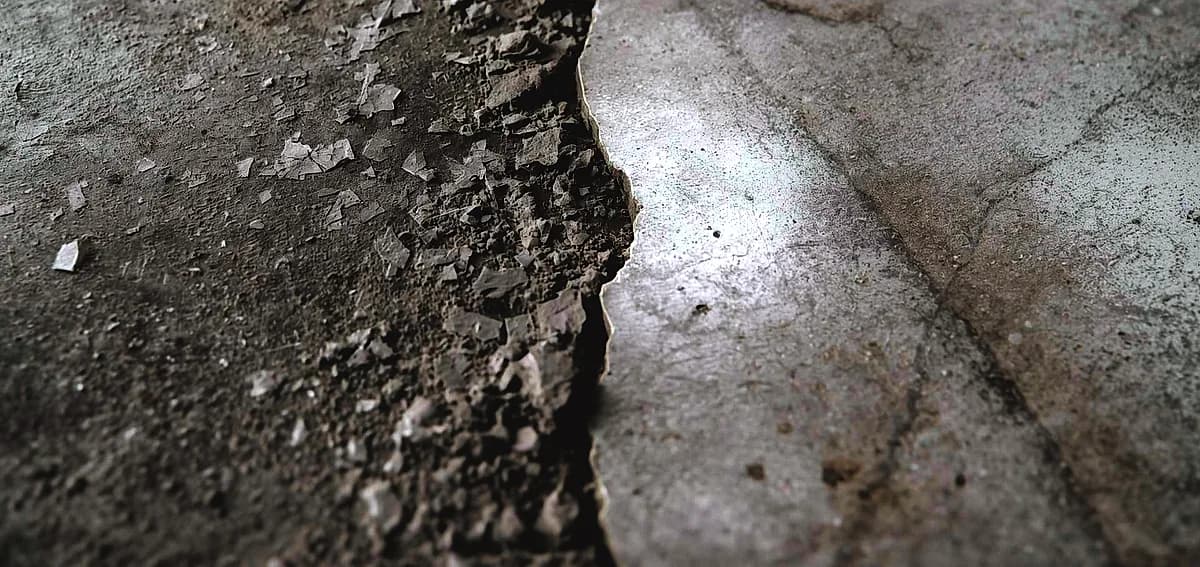
Epoxy & coatings8 min read
DIY vs Professional Epoxy Flooring in Fort Lauderdale
Hardware stores heavily market all-in-one boxes that promise a showroom finish with minimal effort.
Read it
Epoxy & coatings8 min read
Can You DIY Epoxy Flooring in Miami? Pros, Cons, and Tips
Applying a durable floor finish in a tropical or highly humid climate presents unique environmental challenges.
Read it
Epoxy & coatings7 min read
DIY Epoxy Flooring in South Florida: Is It Worth the Risk?
However, these products generally contain high levels of water or solvents to extend their pot life.
Read it
Tell us about the floor
Tell us the space and roughly how big it is.We come back with what it would cost and when we could start.
Prefer to talk? Call +1 844-876-5474
- Leads@
nationalconcretepolishing.net - 2200 NW 32nd St #600,
Pompano Beach, FL 33069 Mon to Fri, 9:00 to 5:30