
The NCP blog
How Thick Should Commercial Epoxy Flooring Be?
Commercial9 min read
When contractors discuss a 10-mil epoxy floor, they mean the dried film measures 0.010 inches thick.
Understanding epoxy floor thickness requirements is critical for commercial and industrial applications in Pompano Beach and throughout South Florida. Commercial epoxy flooring typically ranges from 10-20 mils for standard applications, while heavy-duty industrial environments require 125-375 mils or more. The right epoxy floor thickness requirements depend on traffic patterns, chemical exposure, and operational demands—factors that National Concrete Polishing carefully evaluates for every project. Proper thickness ensures your commercial epoxy flooring delivers decades of reliable performance rather than premature failure.
Overview
This comprehensive guide covers industry-standard epoxy floor thickness requirements for commercial, industrial, and specialty applications. You’ll learn how thickness is measured, what factors determine proper specifications, and why meeting these standards matters for long-term durability. We’ll explore thickness requirements across different industries and explain how South Florida’s climate influences proper application specifications.
Understanding Mil Thickness Measurement
A mil represents one-thousandth of an inch (0.001 inches), serving as the standard measurement unit for epoxy coating thickness. When contractors discuss a 10-mil epoxy floor, they mean the dried film measures 0.010 inches thick. For perspective, a standard sheet of paper measures approximately 4 mils thick.
Epoxy coating thickness is measured in mils rather than inches because coatings are relatively thin compared to other construction materials. Wet film thickness differs significantly from dry film thickness due to solvent evaporation during curing—a critical factor contractors must account for when calculating material quantities. Professional installers use wet film thickness gauges during application and dry film thickness gauges after curing to verify proper specifications.
Standard Thickness Classifications
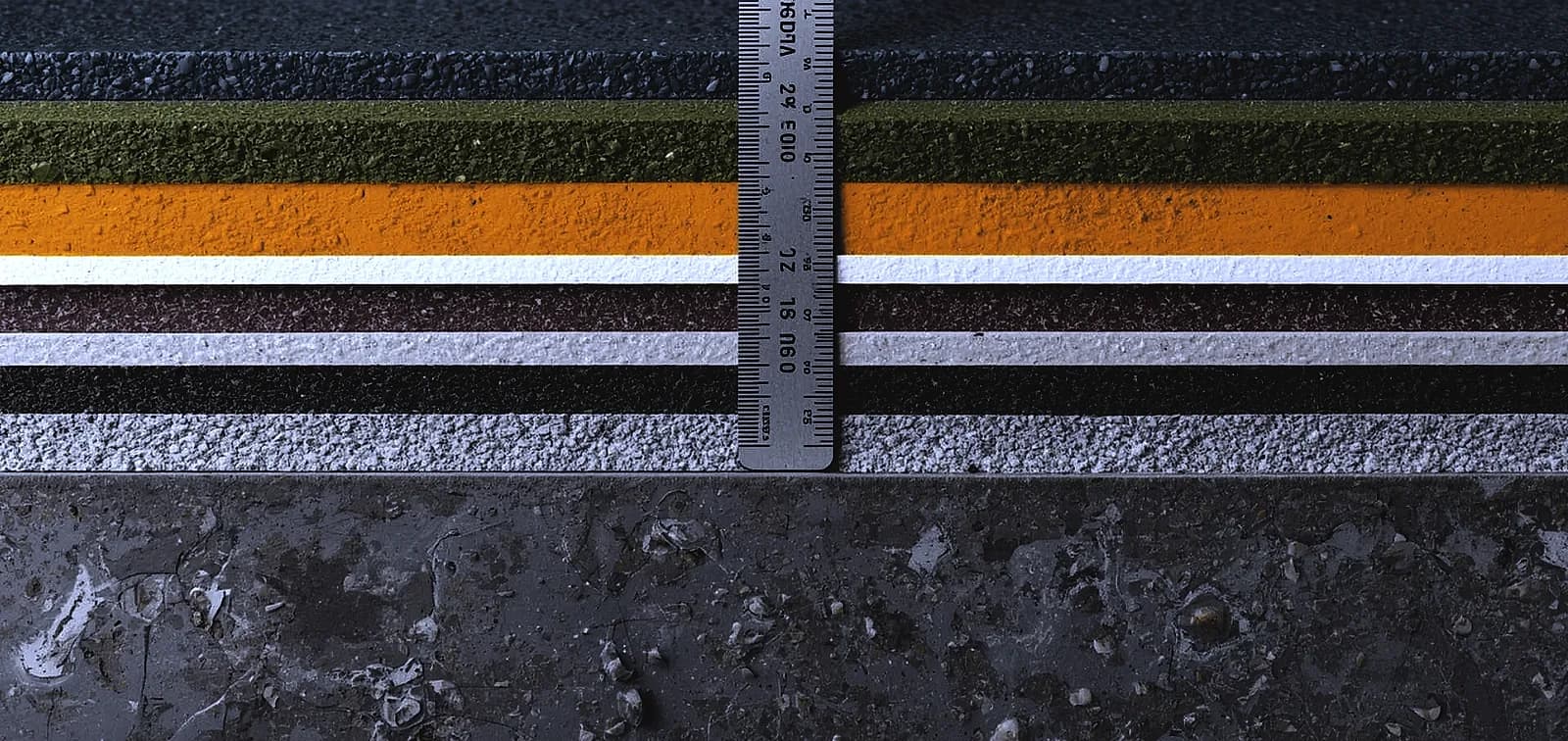
Industry standard thicknesses align with specific duty ratings and expected performance characteristics. Thin film seal coatings measure 100-300 microns (approximately 4-12 mils) and provide basic protection for light foot traffic areas with 2-5 year lifespans. High build coatings span 300 microns to 1mm (12-40 mils) and accommodate light vehicles with 5-8 year service lives.
Self-leveling systems at 2-3mm (78-118 mils) thickness handle medium-duty applications and last 10-15 years. Heavy-duty flooring screeds measuring 4-6mm (157-236 mils) serve heavy industrial environments for 15-20 years. Extra heavy-duty systems exceed 6mm (236+ mils) for extreme conditions requiring 20+ year performance. These commercial epoxy systems must be properly specified based on your facility’s operational demands.
Light-Duty Commercial Applications
Standard office buildings, retail spaces, and showrooms typically use thin-film epoxy systems between 2-10 mils. These applications provide adequate protection for moderate foot traffic and light wheeled loads without the expense of heavy-duty systems. Retail store flooring in this range delivers 5-8 years of reliable service under normal conditions.
Light-duty commercial areas focus on achieving proper adhesion and uniform coverage rather than maximum thickness. These installations often include a primer coat (2-3 mils) and one or two topcoats (3-5 mils each) to reach desired total thickness. For high-traffic commercial areas like shopping centers or car dealerships, specifications increase to 7-10 mils for better durability and longer service life.
Medium-Duty Commercial Requirements
Medium-duty commercial environments including auto repair shops, gyms, and medical facilities require 8-20 mils of epoxy thickness. These spaces experience moderate to heavy foot traffic, wheeled carts, and potential chemical exposure from cleaning agents or automotive fluids. Professional garage flooring systems typically fall within the 30-40 mil range for residential applications.
Restaurant kitchens and food service areas benefit from medium-duty coatings that resist water, detergents, and frequent cleaning cycles. These installations should include anti-slip aggregates for safety compliance while maintaining proper thickness specifications. Medium coats spanning 40-80 mils work well for warehouse floors, shops, and areas with strong wear patterns.
Heavy-Duty Industrial Standards
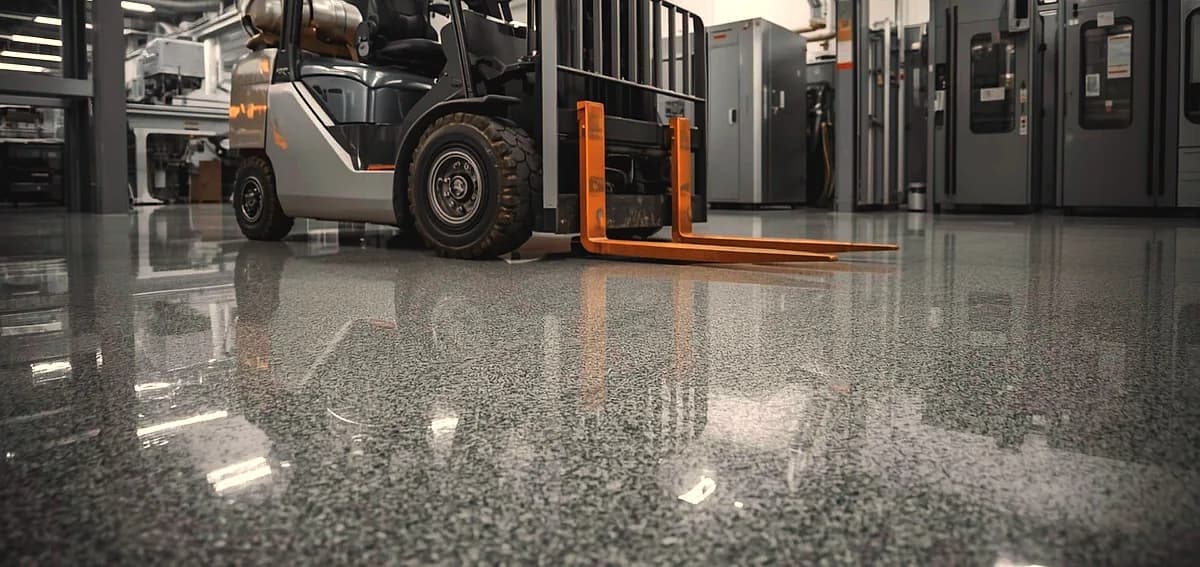
Industrial epoxy floor thickness standards range from 125-375 mils (1/8 inch to 3/8 inch or more) depending on operational demands. Manufacturing plants typically require 125-250 mils for production floors that handle machinery, impact loads, and moderate chemical exposure. Warehouses with constant forklift activity benefit from 188-250 mil applications that resist tire marks and point loading.
Heavy-duty epoxy flooring with thickness of 4-6mm (157-236 mils) endures constant stress from heavy machinery and potential chemical exposure in manufacturing facilities. These thicker systems incorporate various strengthening aggregates or powders, followed by application of select grout coats and topcoats. High-traffic commercial floors require 60-80 mils for excellent abrasion and impact resistance, while maximum-protection industrial applications reach 80-120 mils or more.
Food & Beverage Industry Requirements
Food-grade epoxy flooring thickness must meet USDA and FDA standards, typically requiring 188-375 mils for processing areas. These thicker systems withstand thermal shock from hot water washdowns and resist bacterial growth in porous surfaces. Food processing facilities need seamless, impervious surfaces that prevent contamination and facilitate proper drainage.
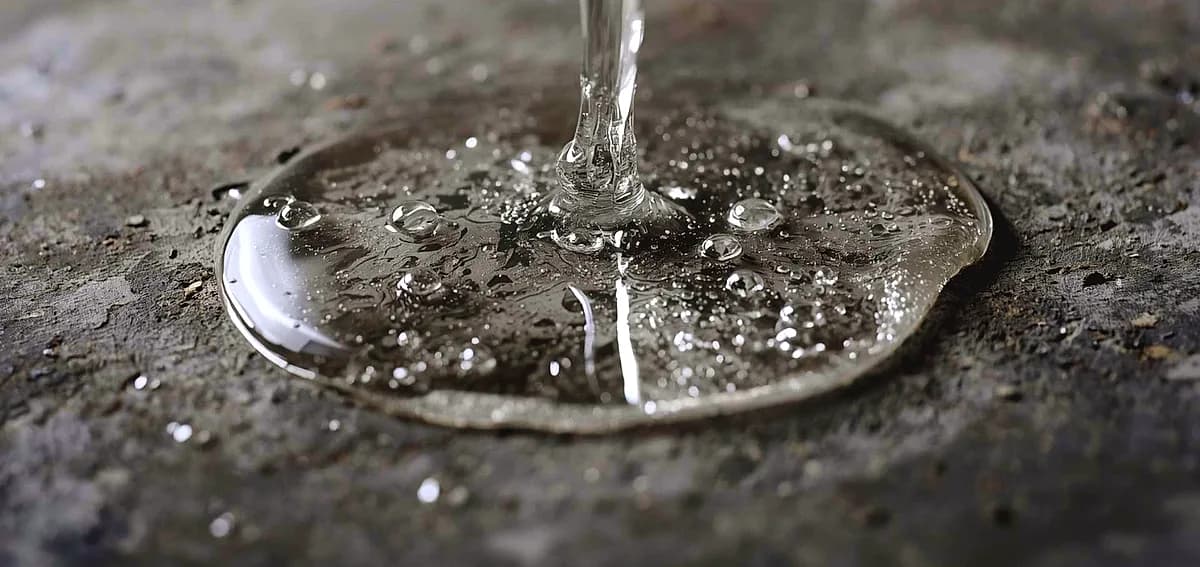
Processing floors require 250-375 mils to handle heavy equipment, repeated cleaning cycles, and chemical sanitizers. Brewery flooring and beverage production areas face similar demands from temperature fluctuations and frequent washdowns. These applications create monolithic surfaces without joints or seams where bacteria could harbor, ensuring health code compliance throughout South Florida facilities.
Chemical Exposure Considerations
Chemical exposure severity shapes thickness specifications significantly across industrial applications. Facilities handling aggressive acids or solvents need thicker applications with 15-30 mils minimum compared to standard warehouse environments. Laboratory flooring requires specialized chemical-resistant formulations at proper thickness to prevent substrate damage.
Heavy coats spanning 125-250 mils provide optimal protection for chemical labs and areas susceptible to heavy spills, especially when corrosive substances are involved. The thickness creates a barrier that prevents chemical penetration to the concrete substrate, which could cause structural damage over time. Chemical-resistant epoxy systems must meet both thickness and formulation requirements for adequate protection.
Factors Influencing Thickness Requirements
Traffic patterns directly determine required epoxy floor coating thickness across all applications. Light foot traffic areas function well with 5-10 mils total system thickness, while heavy forklift traffic demands 20-40 mils or more. Point loading from equipment creates concentrated stress that thinner coatings cannot withstand without cracking or delamination.
Substrate condition affects thickness needs—damaged or porous concrete may require additional material to achieve proper coverage and adhesion. Environmental factors including temperature extremes and moisture exposure influence both thickness specifications and curing requirements. South Florida’s high humidity necessitates proper thickness application to ensure complete curing and optimal performance.
Manufacturer Specifications & Warranties
Epoxy manufacturers provide specific thickness requirements that often exceed industry minimums. These specifications account for the unique chemistry of their products and expected performance characteristics under various conditions. Most manufacturers recommend 10-20 mils for standard coatings and 60-125 mils for high-build systems.
Following manufacturer guidelines maintains warranty coverage and achieves rated durability for your flooring investment. Manufacturer data sheets specify wet film thickness, dry film thickness, and coverage rates per gallon—critical information for calculating material quantities. Professional installers must calculate based on these specifications to ensure proper thickness application across entire floor surfaces while accounting for surface profile requirements.
Measuring & Verifying Thickness
Professional contractors use specialized gauges to measure both wet and dry film thickness during installation. Wet film thickness gauges ensure proper material application before curing begins, while dry film thickness gauges verify final specifications after complete curing. These measurements confirm compliance with project specifications and manufacturer requirements.
Coating adhesion testing complements thickness verification to ensure proper bonding at specified depths. Thickness variations across large floor areas can indicate application problems or substrate irregularities requiring correction. National Concrete Polishing documents thickness measurements throughout every project to verify specifications are met consistently.
Common Thickness-Related Problems
Insufficient thickness ensures premature failure regardless of coating quality or installation technique. Under-applied coatings develop hot tire pickup, wear patterns, and delamination much sooner than properly specified systems. Coating failures from inadequate thickness waste money and require complete removal and reinstallation.
Excessive thickness creates problems including prolonged curing times, trapped solvents, and increased material costs without proportional performance benefits. Orange peel texture and surface irregularities often result from improper thickness application. Thickness variations across floor surfaces cause visual defects and uneven wear patterns that compromise both aesthetics and performance.
Cost Implications of Thickness
Material costs increase proportionally with thickness specifications—a 10-mil difference significantly impacts project budgets. Thicker systems require more epoxy resin, additional labor hours for application, and extended curing times that affect project schedules. However, specifying inadequate thickness to reduce initial costs leads to premature failure and expensive replacement.
Long-term cost analysis favors proper thickness specifications that deliver expected service life rather than minimum applications requiring early replacement. Commercial flooring investments should balance initial costs against lifecycle performance to maximize value. National Concrete Polishing helps clients understand true cost implications of different thickness specifications for informed decision-making.
Florida Climate Considerations
South Florida’s high humidity and heat affect both thickness requirements and curing processes for epoxy floors. Proper thickness becomes even more critical in humid environments where moisture-related failures are common without adequate protective barriers. Thicker applications provide better moisture mitigation in coastal areas.
Temperature fluctuations between air-conditioned interiors and hot outdoor conditions stress epoxy coatings, making adequate thickness essential for dimensional stability. Coastal installations face additional challenges from salt air exposure requiring enhanced protection through proper thickness specifications. Year-round installation in Florida demands understanding how climate impacts curing and final thickness achievement.
Frequently Asked Questions
What is the minimum thickness for commercial epoxy flooring?
Commercial epoxy flooring typically requires minimum 10-20 mils for standard applications, though light-duty areas may use 5-10 mils for basic protection.
How thick should warehouse epoxy floors be?
Warehouse floors with forklift traffic require 125-250 mils (1/8 to 1/4 inch) depending on equipment weight and traffic patterns.
What thickness is needed for restaurant kitchens?
Restaurant kitchens and food service areas need 8-20 mils minimum, with food processing facilities requiring 188-375 mils to meet health codes.
How is epoxy floor thickness measured?
Epoxy thickness is measured in mils (one-thousandth of an inch), with wet film gauges during application and dry film gauges after curing.
Does thicker epoxy last longer?
Yes, thicker epoxy systems generally last longer by providing better impact resistance, chemical protection, and wear resistance under heavy use.
What thickness prevents hot tire pickup?
Professional-grade systems of 30-40 mils or thicker with proper formulations prevent hot tire pickup in garage applications.
Can epoxy be too thick?
Excessive thickness beyond specifications can cause prolonged curing, trapped solvents, and unnecessary material costs without performance benefits.
What thickness do industrial facilities need?
Industrial facilities typically require 125-375 mils depending on chemical exposure, machinery loads, and operational demands.
How does humidity affect epoxy thickness?
High humidity affects curing rates and may require adjusted thickness specifications to ensure proper moisture vapor resistance.
What thickness meets USDA standards?
Food-grade facilities meeting USDA standards typically require 188-375 mils for processing areas with proper seamless installation.
Conclusion
Proper epoxy floor thickness specifications are fundamental to achieving lasting performance in commercial and industrial applications throughout Pompano Beach and South Florida. Understanding that commercial spaces require 10-20 mils while industrial environments need 125-375 mils helps facility managers make informed decisions about commercial concrete floor coatings. Thickness requirements depend on traffic patterns, chemical exposure, and operational demands factors that must be carefully evaluated before installation begins. Insufficient thickness guarantees premature failure regardless of coating quality, while proper specifications deliver decades of reliable service.
National Concrete Polishing combines industry expertise with comprehensive thickness verification to ensure your commercial epoxy flooring meets or exceeds standards for your specific application. Contact us today for a free consultation and discover how proper thickness specifications protect your flooring investment in South Florida’s demanding climate.
Written by

Founder and CEO
Chris Lavin is an esteemed leader in concrete polishing and epoxy coatings with a distinguished 20-year career. As founder and CEO of National Concrete Polishing and owner of Xtreme Polishing Systems, he's renowned for polishing and epoxy coating more floors than anyone globally. Chris is recognized for his innovative approach and commitment to enhancing floor durability and aesthetics. His hands-on experience and technical proficiency make him a respected authority and a valuable resource in the field of floor polishing and coatings.
Same topic
Related articles
All stories
Commercial9 min read
How Polished Concrete Solves Office Acoustic Problems
Hard floors and noise complaints. What polished concrete does to sound in an open office, and how to spec around it.
Read it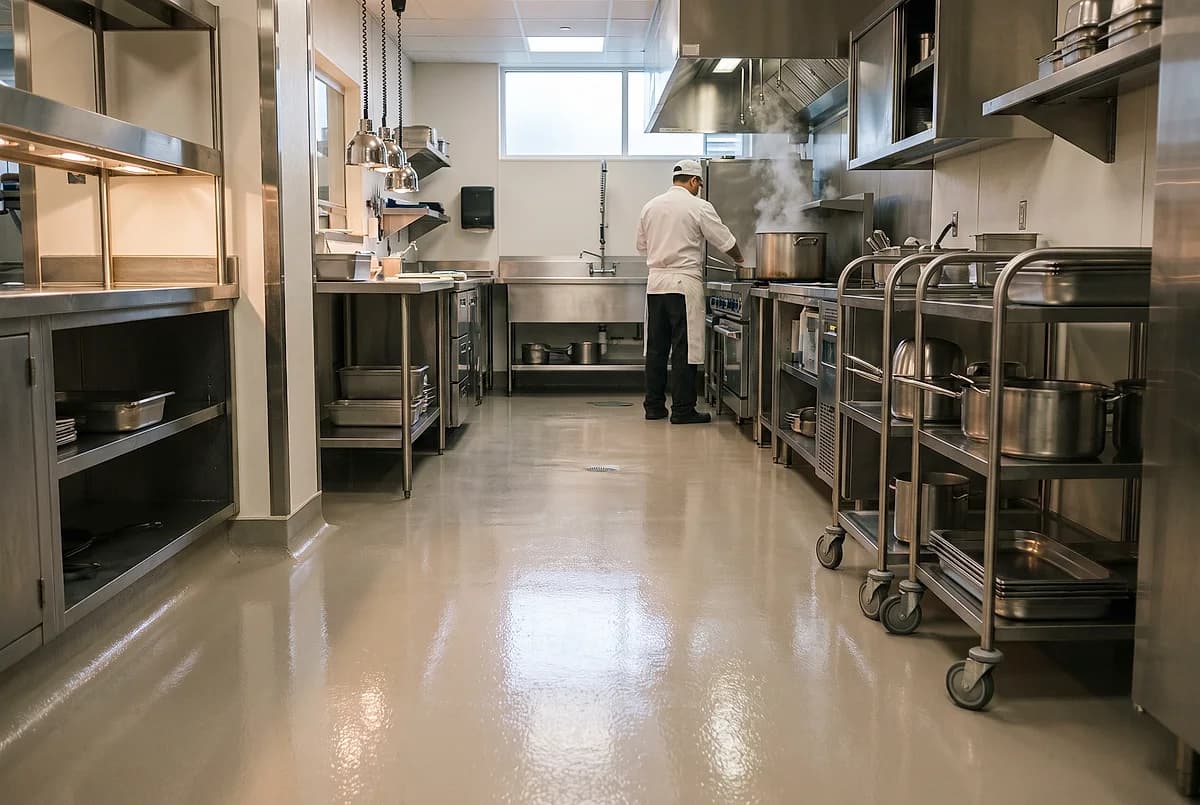
Commercial10 min read
Flooring for Hotel Wet Areas, Kitchens, and Parking Decks
Kitchens, pool decks and parking structures punish a floor daily. Which systems hold up in hotel service areas, and why.
Read it
Commercial11 min read
Specifying Floors for a New Hotel Build
For owners and architects on a new build. What to write into the flooring spec so the hotel opens on a floor that lasts.
Read it
Tell us about the floor
Tell us the space and roughly how big it is.We come back with what it would cost and when we could start.
Prefer to talk? Call +1 844-876-5474
- Leads@
nationalconcretepolishing.net - 2200 NW 32nd St #600,
Pompano Beach, FL 33069 Mon to Fri, 9:00 to 5:30