
The NCP blog
Why Does Epoxy Floors Delaminate in Miami Buildings
Epoxy & coatingsUpdated 9 min read
In South Florida’s unique climate, epoxy floors face particular challenges that can lead to delamination.
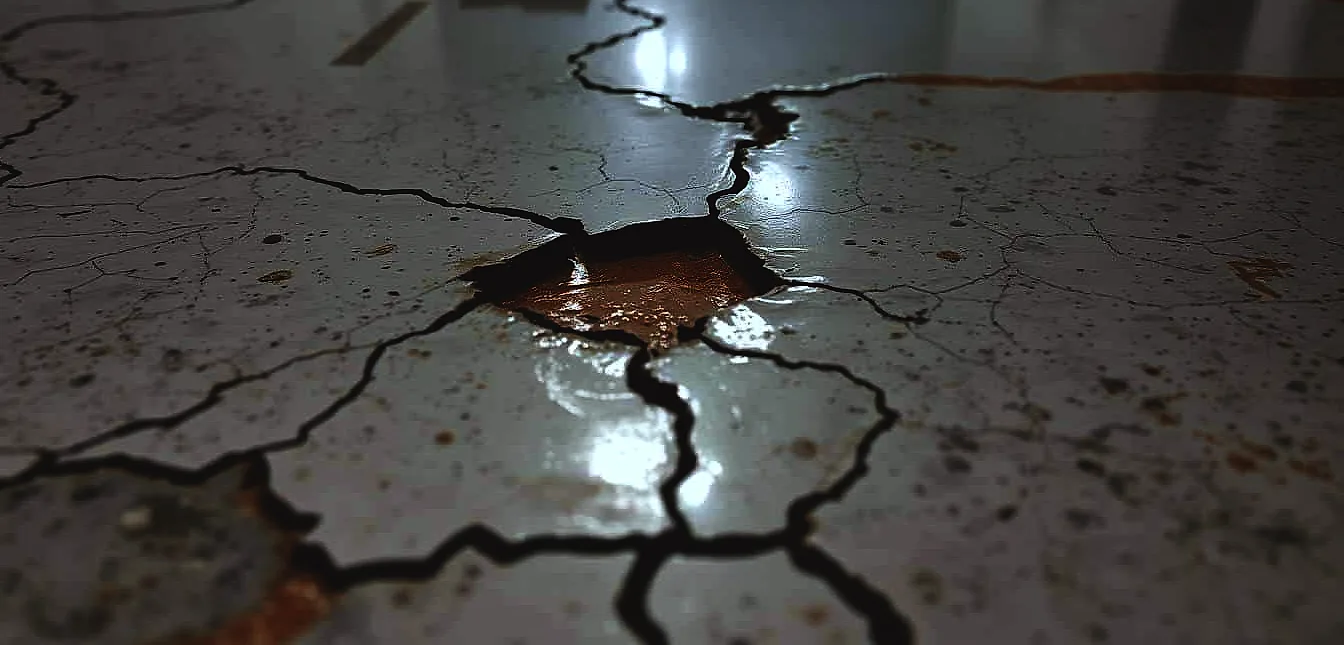
Epoxy floor delamination is a significant concern for commercial and residential buildings throughout Miami and South Florida. It occurs when the epoxy coating separates from the concrete substrate or when multiple layers of epoxy separate from each other, creating unsightly peeling and potential safety hazards.
In South Florida’s unique climate, epoxy floors face particular challenges that can lead to delamination. High humidity, salt air exposure, and temperature fluctuations create specific challenges for epoxy floor installations. Understanding the causes of delamination is crucial for property owners looking to invest in durable, long-lasting flooring solutions.
National Concrete Polishing has installed epoxy floor coatings in South Florida since 2013, with in-house crews.
Understanding Epoxy Floor Delamination in South Florida
Understanding epoxy floor delamination is crucial for building owners in South Florida, where the climate can be particularly harsh on flooring systems. Delamination refers to the separation of the epoxy coating from the concrete surface, a problem that can lead to costly repairs if not addressed promptly.
What Exactly is Delamination?
Delamination occurs when the epoxy coating loses its bond with the concrete surface. This can happen due to various factors, including improper surface preparation, moisture issues, or environmental conditions during the application process. When delamination occurs, it can lead to peeling, bubbling, or complete detachment of the epoxy layer.
The Unique Challenges of Miami’s Climate
Miami’s climate poses several challenges to epoxy flooring. The high humidity and frequent rain can cause moisture to accumulate beneath the epoxy coating, leading to delamination. Temperature changes can also stress the bond, because concrete and epoxy expand and contract at different rates. ASTM C884 exists to test which epoxy formulations are subject to debonding when the temperature changes.
| Climate Factor | Impact on Epoxy Flooring |
|---|---|
| High Humidity | Moisture accumulation beneath epoxy coating |
| Frequent Rain | Increased ground moisture affecting epoxy adhesion |
| Temperature Fluctuations | Thermal stress on epoxy coating |
Why Epoxy Floors Delaminate in Miami Buildings
Epoxy floor delamination is a significant concern in Miami buildings due to the city’s unique climate conditions. The region’s high humidity, temperature changes, and exposure to salt air all play a role in compromising the integrity of epoxy floor coatings.
High Humidity and Moisture Issues
High humidity is a significant factor in epoxy floor delamination. Moisture can interfere with the epoxy curing process, leading to a weakened bond between the epoxy coating and the concrete surface. When the epoxy does not cure properly, it can result in a soft or tacky surface that is prone to delamination.
Temperature Changes
Temperature changes can cause the concrete and epoxy coating to expand and contract at different rates. This differential movement can lead to stress on the bond between the epoxy and concrete, potentially causing delamination. Ensuring that the epoxy coating is compatible with the concrete substrate and can accommodate thermal movement is crucial.
Salt Air Exposure in Coastal Areas
Miami’s coastal location exposes buildings to salt-laden air, which can deposit on concrete surfaces before and during epoxy application. Salt contamination can create a barrier that prevents proper bonding between the epoxy coating and the concrete. The hygroscopic nature of salt also means it can attract and hold moisture, further complicating the curing process.
| Environmental Factor | Impact on Epoxy Floor |
|---|---|
| High Humidity | Interferes with epoxy curing, weakening bond between epoxy and concrete |
| Temperature Changes | Can cause differential expansion and contraction, stressing the epoxy-concrete bond |
| Salt Air Exposure | Creates a barrier to proper bonding and attracts moisture, complicating curing |
Common Installation Mistakes Leading to Delamination
Installing epoxy floors in Miami requires careful consideration to avoid common pitfalls that lead to delamination. When applying epoxy coatings, several factors can contribute to a failed installation if not properly addressed.
Inadequate Surface Preparation
Inadequate surface preparation is a common cause of epoxy floor delamination. A presentation of ICRI Guideline 310.2R puts it plainly: in coating applications, surface prep is intended to maximize adhesion. Ensuring the concrete substrate is clean, dry, and properly profiled is crucial for a successful epoxy coating application. Failure to prepare the surface adequately can lead to poor adhesion and eventual delamination.
Improper Mixing of Epoxy Components
Improper mixing of epoxy components can significantly affect the performance of the epoxy coating. It’s essential to mix the epoxy resin and hardener in the correct ratio and thoroughly, as specified by the manufacturer. Incorrect mixing can lead to incomplete curing, affecting the coating’s durability and adhesion to the floor.
Applying Epoxy During Unfavorable Weather Conditions
Applying epoxy during unfavorable weather conditions is another critical mistake. Miami’s weather conditions fluctuate rapidly, making timing crucial for successful epoxy floor installations. High humidity, temperatures outside the product’s range, and impending rain can all negatively impact the curing process and adhesion of epoxy coatings. You should always check the weather forecast before applying epoxy to ensure optimal conditions.
Signs Your Epoxy Floor is Beginning to Delaminate
Before your epoxy floor completely fails, there are several indicators that signal potential delamination. Recognizing these signs early can help you address the issue before it becomes a major problem.
Visual Indicators of Failing Adhesion
The initial signs of epoxy floor delamination often manifest as small, localized areas of peeling or bubbling on the surface. These visual indicators signal that the epoxy coating is beginning to lose its adhesion to the concrete substrate. You might notice small bubbles or blisters, especially in areas where moisture vapor has created pressure points beneath the epoxy coating.
Progressive Stages of Delamination
Delamination typically progresses through several stages. It begins where the bond is already weak but nothing shows yet. Tapping the floor and listening for a hollow sound can find some of these spots. As it advances, small bubbles or blisters form, often pointing to moisture vapor beneath the coating. Further progression leads to larger sections where the epoxy no longer adheres to the concrete, eventually resulting in peeling sections that can be physically lifted, revealing moisture or contaminants beneath. Research on blistering resin coatings notes that later blisters can form from a few days to possibly years after application or curing.
| Stage | Description | Visible Signs |
|---|---|---|
| Initial | Bond is weak in spots | Often no visible signs, though tapping may sound hollow |
| Early | Small bubbles or blisters form | Small bubbles or blisters |
| Advanced | Larger sections of delamination | Peeling sections, visible moisture or contaminants |
| Final | Complete separation | Large areas of peeling, trip hazards |
Preventing Epoxy Floor Delamination in Miami
Preventing epoxy floor delamination in Miami requires a comprehensive approach tailored to the local environment. This involves several key strategies that address the unique challenges posed by Miami’s climate and environmental conditions.
Proper Concrete Surface Preparation Techniques
Proper concrete surface preparation is fundamental to ensuring a strong bond between the concrete and epoxy coating. This process involves cleaning the surface to remove dirt, oils, and other contaminants, followed by mechanical abrasion to create a suitable profile for bonding. Moisture testing is also essential to determine the concrete’s moisture conditions.
Selecting the Right Epoxy System for Florida’s Climate
Choosing an epoxy system that is compatible with Florida’s humid and warm climate is critical. When testing shows high moisture, a moisture-mitigating primer or membrane rated for the measured conditions goes under the coating. Its data sheet states the limits it was tested to, and manufacturers generally require moisture testing before installation.
Optimal Application Conditions and Timing
The timing and conditions under which epoxy is applied significantly impact its durability. New concrete has to cure and dry before it is coated, and that takes longer than many expect: NRMCA says it can take weeks to months, even in favorable interior conditions, for a slab to dry to a level that flooring manufacturers and industry standards consider acceptable. The coating manufacturer's data sheet states the limit, and moisture testing confirms the slab is ready. Additionally, applying epoxy during favorable weather conditions, avoiding extreme temperatures and humidity, enhances the coating’s adhesion and longevity.
Moisture Mitigation Strategies
Effective moisture mitigation is crucial in Miami’s humid climate. Strategies include using specialized epoxy primers or vapor barriers that limit moisture transmission through the concrete. Addressing external moisture sources through proper drainage, waterproofing, and humidity control also contributes to a comprehensive moisture management strategy.
| Moisture Mitigation Method | Description | Effectiveness |
|---|---|---|
| Specialized Epoxy Primers | Create vapor barriers to limit moisture transmission | Rated per product; check the data sheet |
| Vapor Barriers | Reduce moisture vapor transmission through concrete | Depends on the product and the measured moisture |
| Proper Drainage and Waterproofing | Reduce external moisture sources | Depends on the site |
Fixing a Delaminated Epoxy Floor
Start by finding out how far the damage goes. Press on the coating around the failed spot and tap it: if it lifts, feels soft or sounds hollow, the bond has let go beyond what shows on the surface.
If the failure is limited to one small area, that section can sometimes be cut back to firmly bonded coating, ground, cleaned, primed and recoated. When peeling or bubbling runs across the floor, or the coating lifts easily wherever you press, patching over it only covers the problem. Research on blistering resin coatings notes that in such cases the entire coating system must be replaced.
Whatever the extent, find the cause before recoating. The usual order of work is:
- Remove the failed coating.
- Grind the slab back to sound concrete and the surface profile the new coating needs.
- Test the slab for moisture. ASTM F2170 notes that excessive moisture can cause debonding and deterioration of coatings, and that manufacturers generally require testing before installation.
- If the test shows high moisture, prime with a moisture-mitigating product rated for the readings.
- Apply the new coating system and follow its cure times.
Professional Solutions from National Concrete Polishing
National Concrete Polishing installs epoxy and other resinous floors in South Florida with its own in-house crews.
We test the slab before we price a floor and recommend a coating system. Our crews prepare the surface by diamond grinding to the profile the coating needs.
- Slab testing before a coating system is recommended
- Installation of epoxy, polyaspartic and other resinous systems
- Care advice for your floor after it is installed
For professional consultation on your epoxy flooring needs in South Florida, contact National Concrete Polishing at +1 844-876-5474. We will go through your floor and your options with you.
Conclusion
The unique conditions in Miami make epoxy floor delamination a significant concern. To achieve durable flooring, it’s essential to understand the challenges posed by the local climate. Proper surface preparation, selecting the right epoxy coating systems, and implementing moisture mitigation strategies are crucial. Regular maintenance and early intervention help an epoxy floor coating last and catch problems before they get costly.
Frequently Asked Questions
What causes epoxy floor coatings to fail in Miami’s climate?
Epoxy floor coatings can fail due to high humidity, temperature changes, and salt air exposure, which can compromise the adhesion between the epoxy and the concrete surface.
How can I ensure proper adhesion of epoxy to my concrete floor?
To ensure proper adhesion, the concrete surface must be thoroughly cleaned, dried, and prepared before applying the epoxy coating. This includes removing dirt, oil, and other contaminants that can interfere with the epoxy’s ability to bond with the concrete.
What are the signs that my epoxy floor is delaminating?
Signs of delamination include air bubbles, peeling, and discoloration. You may also notice a change in the color or texture of the epoxy coating, or a hollow sound when tapping on the floor.
Can I apply epoxy floor coatings during unfavorable weather conditions?
No, it’s not recommended to apply epoxy floor coatings during extreme weather conditions, such as high humidity, direct sunlight, or cold temperatures, as this can affect the curing process and compromise the adhesion of the epoxy to the concrete.
How can I prevent moisture issues with my epoxy floor?
To prevent moisture issues, you can use a moisture mitigation strategy, such as applying a waterproofing membrane or using a epoxy coating that is resistant to moisture. Proper concrete surface preparation is also crucial.
What is the best way to maintain my epoxy floor to prevent delamination?
Regular cleaning and maintenance can help prevent delamination. Avoid using harsh chemicals or abrasive cleaners, and instead opt for a mild cleaning solution and a soft-bristled broom or mop.
Can I fix a delaminated epoxy floor myself?
While it’s possible to repair a delaminated epoxy floor, it’s often recommended to hire a professional to ensure a proper and long-lasting fix. A professional can assess the damage and find the cause before recoating.
Written by

Founder and CEO
Chris Lavin is an esteemed leader in concrete polishing and epoxy coatings with a distinguished 20-year career. As founder and CEO of National Concrete Polishing and owner of Xtreme Polishing Systems, he's renowned for polishing and epoxy coating more floors than anyone globally. Chris is recognized for his innovative approach and commitment to enhancing floor durability and aesthetics. His hands-on experience and technical proficiency make him a respected authority and a valuable resource in the field of floor polishing and coatings.
Same topic
Related articles
All stories
Residential7 min read
Epoxy Garage Floor DIY vs Professional Installation: What You Need to Know
DIY epoxy flooring involves homeowners applying the coating using pre-packaged kits that include resin, hardener, and tools.
Read it
Epoxy & coatings6 min read
What Happens When Concrete Prep Is Skipped
What happens when concrete prep is skipped? Good contractors will tell you it's a disaster, so don't let your contractor skip the work!
Read it
Epoxy & coatings11 min read
Why Proper Joint Treatment is Critical for Epoxy Floors in Florida
Concrete floors contain three main joint types that serve distinct purposes and require specialized treatment approaches.
Read it
Tell us about the floor
Tell us the space and roughly how big it is.We come back with what it would cost and when we could start.
Prefer to talk? Call +1 844-876-5474
- Leads@
nationalconcretepolishing.net - 2200 NW 32nd St #600,
Pompano Beach, FL 33069 Mon to Fri, 9:00 to 5:30