The NCP blog
White Metallic Epoxy Floors: The Future of Sleek Interior Design
Polished concrete7 min read
What goes into a white metallic epoxy floor, where it suits commercial spaces, and how it is primed, mixed and cured.
Metallic epoxy blends art with engineering to create floors that impress clients and, with the right build, stand up to daily wear.
Businesses now leverage these high-performance surfaces to reinforce brand identity. Custom color blends and embedded logos turn ordinary floors into branded experiences. The reflective finish doesn’t just dazzle: it visually expands cramped areas, giving smaller venues the grandeur of spacious showrooms.
Metallic epoxy keeps its appearance with regular cleaning, though no floor is immune to scratches and stains. Because it is poured in one piece, there are no grout lines where dirt and germs collect, which suits hospitals and labs. You get hygiene without sacrificing visual impact.
Overview of White Metallic Epoxy Floors
The secret behind long-lasting, eye-catching commercial surfaces lies in three specialized components. Modern installation kits combine science and design to create surfaces that perform as brilliantly as they look. These systems transform ordinary spaces into branded environments through strategic material engineering.
Product Composition and Key Ingredients
Most systems start with a primer. This foundation layer seals porous surfaces, ensuring proper adhesion for subsequent layers. It creates a stable base for the layers above.
The clear epoxy binder acts as the workhorse of the system. Epoxy can yellow over time under UV light, so a UV-stable topcoat is worth discussing where the floor sees natural light. This transparent layer locks in metallic effects while providing scratch resistance.
Specialized pigments create the signature dynamic appearance. These micro-particles reflect light differently depending on viewing angles. The result? Surfaces that appear to shift and glow as you move through the space.
Modern Aesthetic and Versatile Applications
These innovative materials work across various commercial settings. Restaurants benefit from easy-to-clean surfaces that withstand spills and foot traffic. Retail spaces gain dimensional depth that highlights merchandise displays.
Healthcare facilities appreciate the jointless, easy-to-clean finish. The non-porous surface supports sanitation requirements without compromising style. Design flexibility allows custom color matching to reinforce brand identities.
Installation kits simplify the process for professionals. They contain precisely measured components for consistent results. Proper surface preparation ensures optimal performance across concrete, tile, and other substrates.
Key Benefits for Commercial Spaces
Commercial environments demand surfaces that combine resilience with visual appeal. Advanced coating systems address both needs through engineered solutions designed for high-traffic settings. Let’s explore how these innovations deliver practical and aesthetic advantages.
Durability and Maintenance Advantages
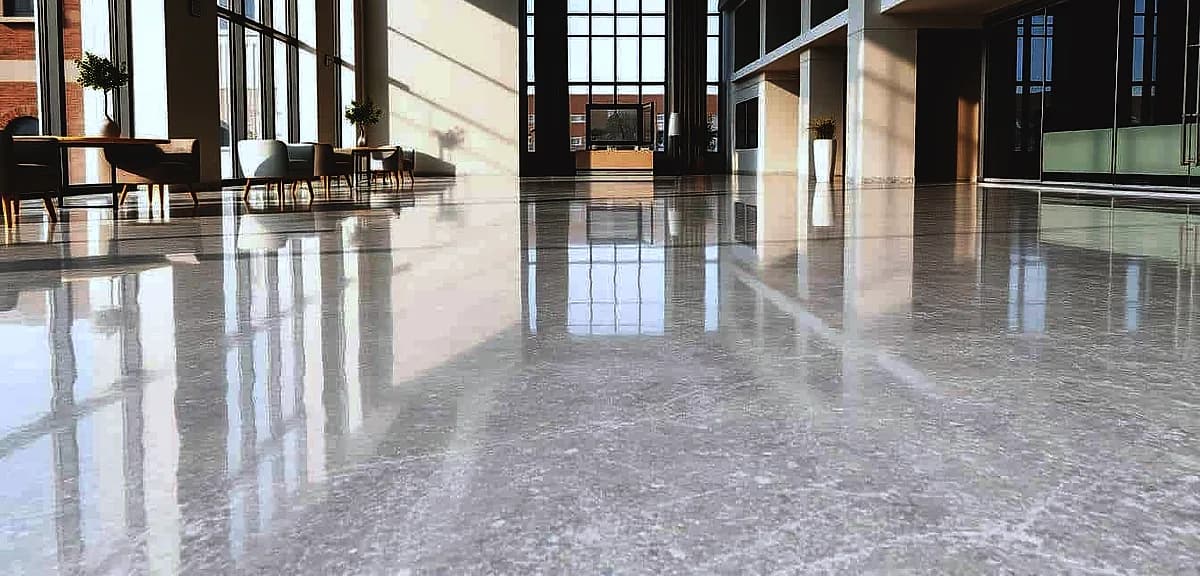
A properly specified and installed system is built for foot traffic and equipment loads, but the right system depends on the loads and chemicals the floor will see. Industrial-grade materials can stand up to pallet jacks and forklifts and resist oil spills and chemical exposure when the system is matched to those loads. Routine mopping removes most stains.
Safety features integrate seamlessly into the design. Anti-slip additives maintain surface traction without compromising the glossy finish. This dual functionality maintains traction while preserving upscale appearances in restaurants or showrooms. OSHA’s rule for walking-working surfaces asks that workroom floors be kept clean and, to the extent feasible, dry, and free of hazards such as spills; it does not set a slip-resistance value.
Enhanced Modern and Sleek Appearance
Light-reflective properties create brighter spaces using existing fixtures. Retail stores leverage this feature to highlight merchandise displays, while offices appear more inviting. Customizable color blends let businesses match their branding precisely, reinforcing identity through flooring design.
The seamless installation eliminates grout lines where dirt accumulates, maintaining a polished look year-round. Clients notice these details.
In-Depth Application Process
Achieving good results demands precision at every stage. Professionals follow the manufacturer’s protocols for lasting performance and appearance. Let’s break down the critical phases.
Surface Preparation and Priming Essentials
Start with mechanical preparation to remove laitance and create the surface profile the system’s data sheet calls for. Always test the slab for moisture before coating. A plastic sheet taped to the slab (ASTM D4263) only indicates the presence of capillary moisture, while relative humidity testing under ASTM F2170 measures it.
Condition and store materials as the manufacturer’s data sheet directs, in a climate-controlled area until application day. One epoxy floor coating's data sheet, for example, says to precondition the material for at least 24 hours between 65°F and 75°F.
Mixing Techniques, Curing Guidelines, and Cleanup
Measure ratios precisely, using the mix ratio on the product’s data sheet. Use slow-speed equipment.
Work efficiently within the pot life stated on the data sheet. Apply primer in continuous strokes, maintaining wet edges. Cure times depend on the product and the conditions. NCP’s planning ranges for metallic epoxy are 10 to 24 hours to foot traffic and 24 to 72 hours to wheeled traffic, and the product’s data sheet sets the final release.
Clean tools immediately with the solvent the data sheet names. Ensure proper ventilation and PPE during cleanup. Follow disposal regulations for chemical residues.
Design Inspirations and Customization Options
Imagine walking into a room where the floor tells your company’s story through color and texture. Modern coating systems transform functional surfaces into branded art installations. Designers achieve this using advanced layering techniques that merge practicality with visual storytelling.
Marble Effect and Radiant Metallic Highlights
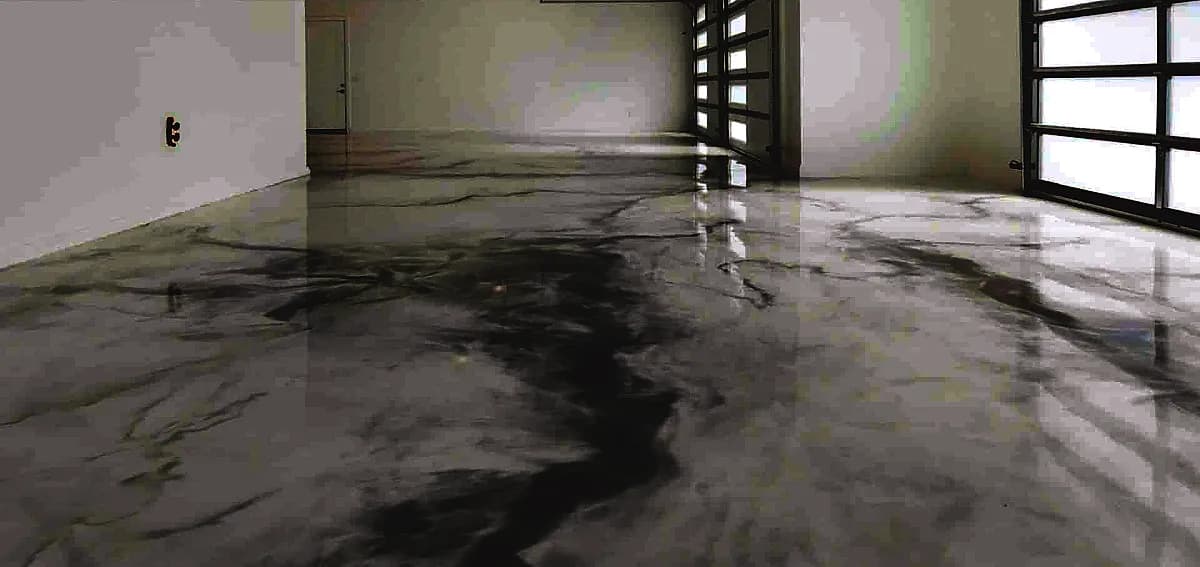
Create luxurious stone patterns without the upkeep of natural marble. A base layer of silver-toned pigments paired with swirling techniques produces realistic veining. Additional highlight kits let you adjust intensity, with a smaller amount for subtle accents or more for bold contrasts.
Light interacts dynamically with metallic particles. Morning sunlight reveals soft shimmer, while evening spotlights create dramatic depth. This chameleon-like quality works well in lobbies, retail spaces, and conference rooms.
Personalizing Your Floor to Match Your Brand
Your flooring becomes a brand ambassador through strategic color choices. Match corporate palettes precisely by blending base tones with accent pigments. Geometric patterns or organic swirls can mirror logos or architectural themes.
| Design Technique | Visual Effect | Best For |
|---|---|---|
| Marble Veining | Luxurious stone texture | Upscale retail |
| Metallic Swirls | Dynamic movement | Creative studios |
| Geometric Patterns | Modern structure | Tech offices |
| Color Layering | 3D depth illusion | Museum spaces |
Professionals often recommend texture variations for high-traffic areas. A slight matte finish reduces glare in showrooms while maintaining sophistication. For restaurants, micro-textures can improve slip resistance without dulling the metallic shine.
Selecting the Ideal Epoxy Kit for Your Commercial Needs
Commercial projects demand precision in material selection. The right coating system balances coverage needs with performance requirements. Start by measuring your space accurately: every square foot impacts your kit choice.
Kit sizes and coverage vary by product, and each kit’s data sheet states its own coverage at a given thickness. Coverage rates change with application thickness: thicker layers enhance durability but reduce spread.
Key Selection Criteria for Professional Results
| Kit Size | Coverage Area | Thickness | Best For |
|---|---|---|---|
| Medium | Check the data sheet | Check the data sheet | Showrooms |
| Large | Check the data sheet | Check the data sheet | Warehouses |
| Custom | Variable | Adjustable | Branded Spaces |
Assess substrate porosity before ordering. Concrete floors often need extra primer compared with non-porous surfaces. Factor in ambient conditions, because the data sheet sets the temperature and humidity range for application. The same epoxy data sheet, for example, allows ambient and substrate temperatures of 50°F to 85°F and a maximum ambient humidity of 85 percent during application and curing.
Quality kits include three components: primer, clear binder, and color pigments. Verify technical support availability and warranty terms before purchasing. Partner with suppliers offering project-specific guidance, so costly mistakes are less likely.
Remember to account for accessory costs. Mixing tools, safety gear, and surface prep materials add 15-20% to your budget. Proper equipment ensures smooth installation and reduces labor time.
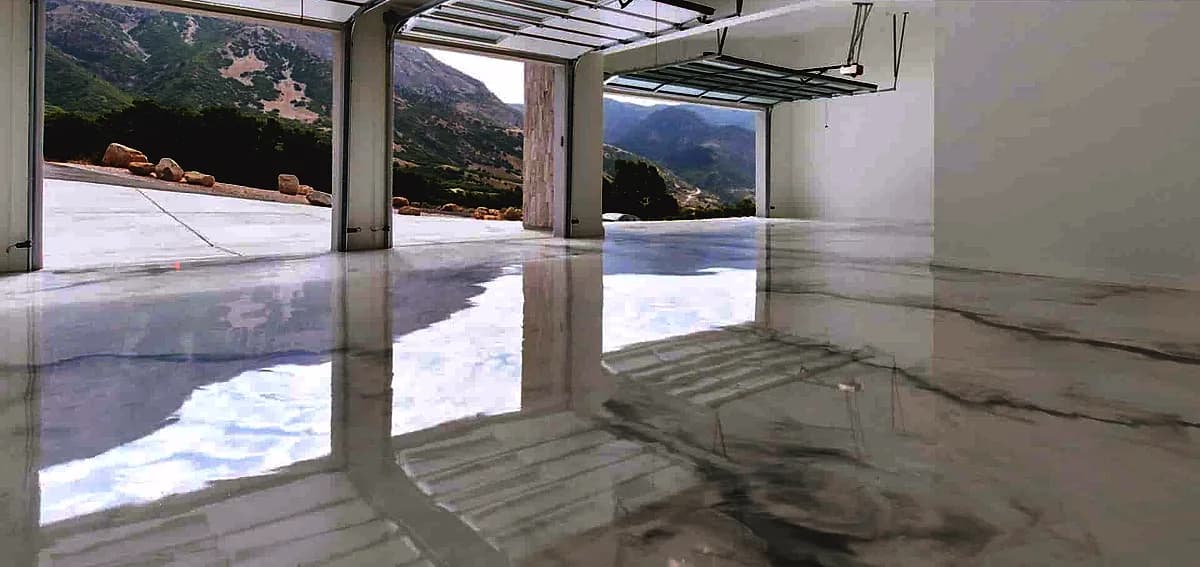
National Concrete Polishing installs metallic epoxy floors, with in-house crews covering South Florida from Miami-Dade County north to Palm Beach County. The slab gets tested before a price is given. After installation, keep foot traffic off until the floor is released and use approved cleaners to maintain color integrity.
Why risk subpar results? Professional contractors avoid common problems like improper curing or surface blush. They use commercial-grade equipment and follow safety protocols during installation. NCP provides a one-year limited workmanship warranty on eligible installations, from substantial completion unless the accepted proposal states a different written term.
Act today: Call +1 844-876-5474 for a consultation. Discuss your project’s unique needs, from kit selection to final inspection. Transform your space with surfaces that perform as brilliantly as they look.
Frequently Asked Questions
What materials are used in white metallic epoxy floor kits?
These kits typically include a two-part resin system, metallic pigments, and a clear topcoat. The base layer bonds to concrete, while the pigments create dynamic visual effects. A UV-resistant topcoat adds protection.
How long do these floors last in high-traffic commercial areas?
When properly installed and cured, they are built for heavy use. How long they last depends on the system and how the floor is used, not one fixed number. The resinous flooring industry's product category rules, which set how environmental declarations are reported, assume a refurbishment of the top layer about every 6 years for thin-mil coatings, every 7 years for self-leveling and slurry systems and every 9 years for mortar systems, and add that actual service life varies considerably with use and environment. Their resistance to stains, chemicals, and abrasion makes them ideal for retail stores, showrooms, and restaurants.
Is surface preparation critical before installation?
Yes. Concrete must be clean and sound, with cracks repaired, and it should be tested for moisture. Acid etching or grinding ensures proper adhesion. Priming is essential to prevent air bubbles and ensure a smooth finish.
Can I walk on the floor immediately after application?
No. NCP plans on 10 to 24 hours before foot traffic and 24 to 72 hours before wheeled traffic for metallic epoxy, with full cure in about 7 days. The product’s data sheet sets the final release, and humidity and temperature affect drying times.
How customizable are these floors for branding purposes?
You can mix pigments to match company colors or add logos. Metallic highlights create depth, while marble-like veining offers a luxury aesthetic. Some kits allow 3D effects.
What factors determine which epoxy kit to choose?
Consider foot traffic levels, square footage, and desired finish. High-traffic zones need thicker coatings. Kits with anti-slip additives work best for restaurants or healthcare facilities.
How do I maintain the floor’s shine over time?
Use pH-neutral cleaners and avoid abrasive tools. A clear topcoat can be reapplied when it wears, depending on traffic and cleaning. Immediate spill cleanup prevents staining.
Are these floors safe to install in food-service areas?
Yes, once fully cured. Ensure proper ventilation during installation to avoid fumes.
Can existing concrete flaws be hidden with this product?
Minor surface imperfections are repaired and leveled during preparation, and the glossy finish can distract from slight unevenness. Cracks and major damage should be repaired before coating.
Do temperature changes affect performance?
Extreme heat or cold during curing can cause problems such as blushing, so keep the space within the temperature range on the product’s data sheet during application. One epoxy data sheet, for example, allows 50°F to 85°F and says the substrate must stay at least 5°F above the dew point, because condensation can cause adhesion failure or blushing. Sudden temperature extremes in service can stress a coating, so check the system’s temperature limits for steam or hot-water exposure.
Written by

Founder and CEO
Chris Lavin is an esteemed leader in concrete polishing and epoxy coatings with a distinguished 20-year career. As founder and CEO of National Concrete Polishing and owner of Xtreme Polishing Systems, he's renowned for polishing and epoxy coating more floors than anyone globally. Chris is recognized for his innovative approach and commitment to enhancing floor durability and aesthetics. His hands-on experience and technical proficiency make him a respected authority and a valuable resource in the field of floor polishing and coatings.
Same topic
Related articles
All stories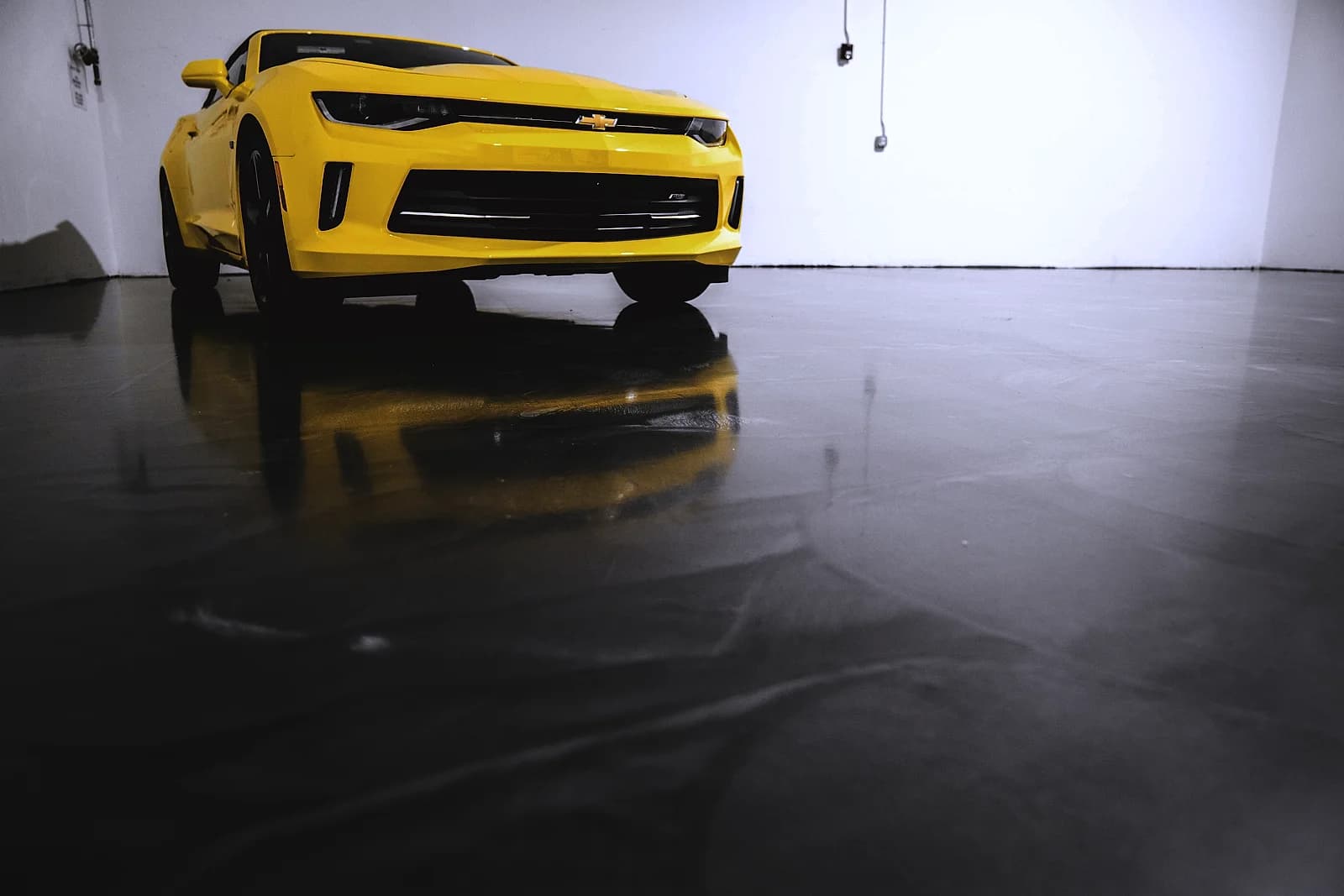
Residential7 min read
Polished Concrete Garage Floor vs Epoxy: Pros and Cons
This process smooths the surface, and a densifier hardens it, so polished concrete is used in high-traffic areas.
Read it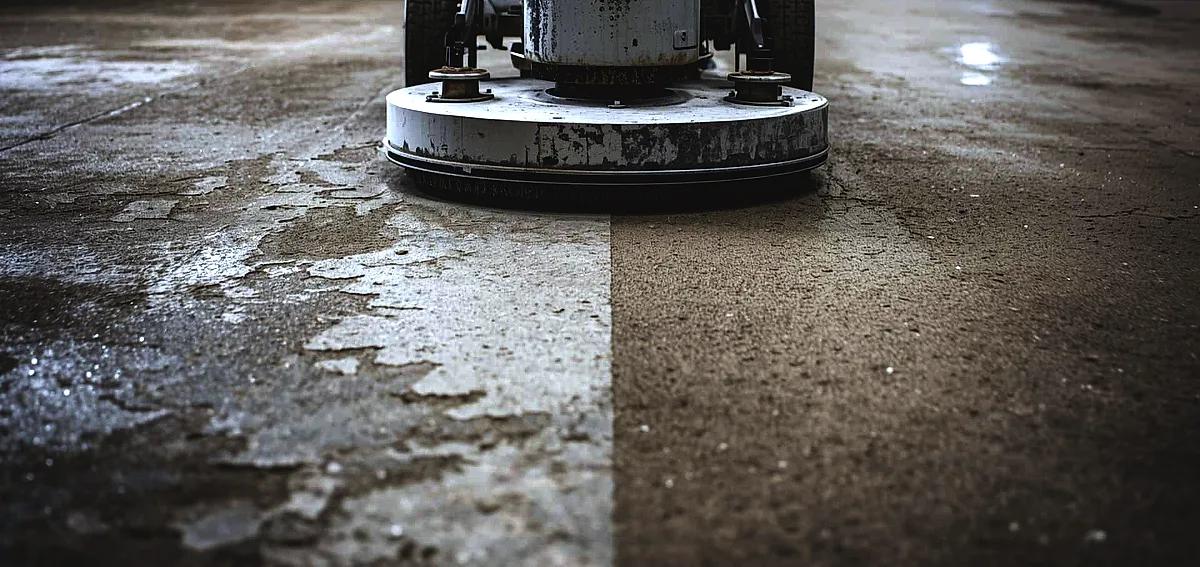
Polished concrete11 min read
Can You Polish Old Concrete? Transform Your Floors Today
Old concrete floors often hide tremendous potential beneath their weathered, dull surfaces.
Read it
Cost & ROI11 min read
How Much Does It Cost To Polish Concrete Floors?
Choosing polished concrete flooring for your residential or commercial space is a no-brainer these days.
Read it
Tell us about the floor
Tell us the space and roughly how big it is.We come back with what it would cost and when we could start.
Prefer to talk? Call +1 844-876-5474
- Leads@
nationalconcretepolishing.net - 2200 NW 32nd St #600,
Pompano Beach, FL 33069 Mon to Fri, 9:00 to 5:30