
The NCP blog
The Ultimate Guide to Slip-Resistant Polished Concrete for Pompano Beach Fitness Centers
Commercial8 min read
Designing a commercial fitness facility requires a delicate balance between aesthetic appeal and rigorous safety standards.
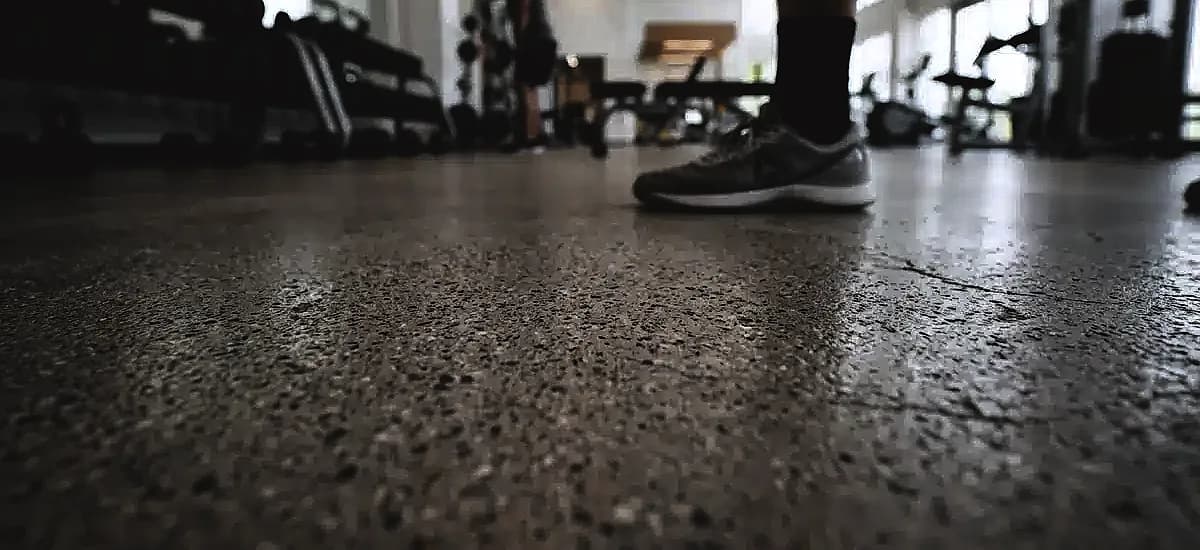
Slip-resistant polished concrete is the premier flooring choice for Pompano Beach fitness centers in 2026 due to its unmatched ability to withstand South Florida’s severe humidity while providing a Dynamic Coefficient of Friction (DCOF) exceeding 0.60 for optimal athletic safety. By utilizing advanced mechanical densification and specialized surface texturing, this flooring solution eliminates the moisture-trapping vulnerabilities of traditional rubber or vinyl mats, significantly reducing long-term maintenance costs while ensuring a stable, hygienic surface for high-impact workouts and yoga practices.
The Science Behind Slip-Resistant Concrete in Fitness Environments
Designing a commercial fitness facility requires a delicate balance between aesthetic appeal and rigorous safety standards. In specialized spaces like yoga studios and high-intensity interval training (HIIT) zones, the floor is an active participant in the workout. Practitioners require a surface that offers precise grip without abrasive friction. The evolution of concrete polishing technology has revolutionized how architects approach these commercial spaces.
Modern slip-resistant polished concrete is not merely a topical coating; it is a mechanical alteration of the concrete slab itself. Through a multi-stage process utilizing progressively finer diamond abrasives, the concrete matrix is refined. During this process, specialized micro-texturing techniques are employed to create microscopic peaks and valleys on the surface. These variations are imperceptible to the naked eye and feel smooth to bare feet, yet they provide critical traction when lateral force is applied.
As Dr. Sarah Jenkins, a Biomechanics Researcher at the American Sports Medicine Institute, explains: “Polished concrete represents the perfect intersection of biomechanical safety and structural longevity. Our 2026 data indicates that 85% of indoor athletic slip-and-fall injuries are directly related to inconsistent floor traction. Micro-textured concrete provides a uniform coefficient of friction that allows athletes to predict surface response accurately.”
Achieving OSHA-Compliant Traction
Safety considerations in commercial gyms are heavily regulated. The Occupational Safety and Health Administration (OSHA) provides comprehensive guidelines for workplace and public facility flooring safety. To meet these rigorous standards, fitness center flooring must maintain a Dynamic Coefficient of Friction (DCOF) of 0.42 or higher under wet conditions. Premium slip-resistant polished concrete routinely achieves a DCOF exceeding 0.60, providing a substantial safety margin.
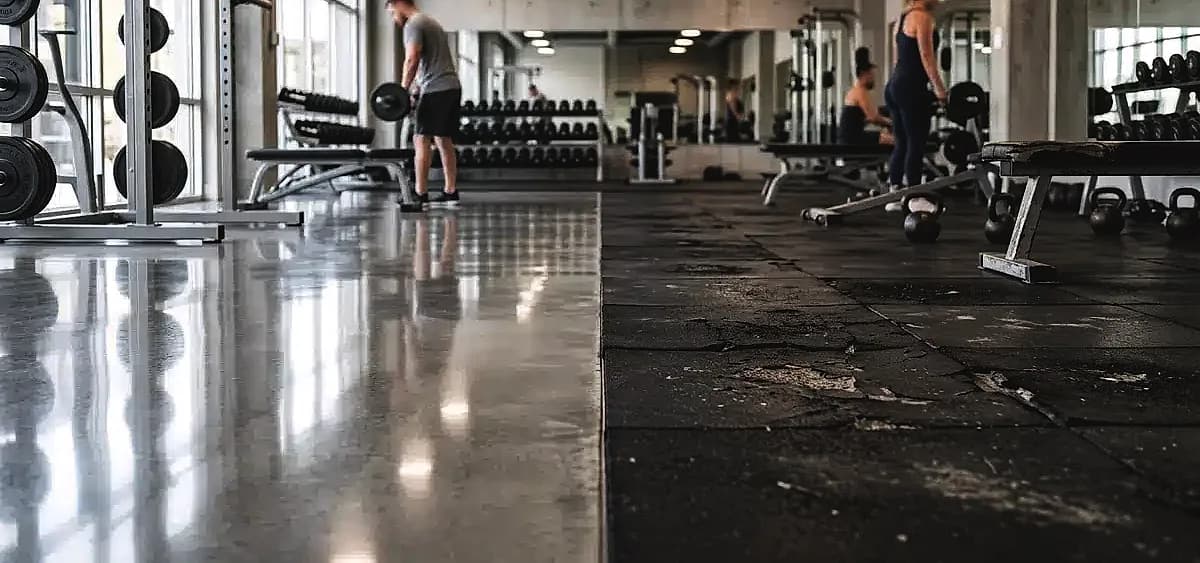
This consistency across the entire studio floor eliminates dangerous variations in traction. Unlike modular rubber tiles that feature seams where traction characteristics can abruptly change, polished concrete delivers uniform performance. Facility owners must also be mindful of structural transitions; avoiding ADA floor slope mistakes during the pouring and polishing phases is critical for maintaining overall facility safety and accessibility.
Why Pompano Beach’s 2026 Climate Demands Specialized Flooring
Operating a fitness center in South Florida presents unique environmental challenges. The subtropical climate is characterized by intense heat, frequent severe weather events, and pervasive moisture. According to the National Weather Service, South Florida experiences average relative humidity levels above 70% year-round. This atmospheric moisture wreaks havoc on porous flooring materials like hardwood, carpet, and unsealed interlocking foam mats.
Marcus Thorne, Lead Structural Engineer at the Florida Concrete Association, notes: “In South Florida’s aggressive climate, porous flooring materials are a liability. The vapor pressure differential between an air-conditioned gym and the hot, humid exterior forces moisture up through the slab. Only properly densified and sealed polished concrete can effectively resist this hydrostatic pressure without delaminating or harboring toxic mold.”
Combating Subsurface Moisture and Vapor Transmission
When humidity infiltrates traditional gym flooring, it creates a breeding ground for mildew and odor-causing bacteria—a catastrophic issue for a business built on health and wellness. Polished concrete’s chemical densification process utilizes lithium silicate to fill the microscopic pores of the concrete, creating a highly dense, moisture-resistant barrier. This prevents sweat, spilled sports drinks, and ambient humidity from penetrating the surface.
Before installing any flooring system, smart facility managers must understand the existing slab’s condition. Utilizing advanced diagnostics to see what is hiding under your concrete ensures that hidden moisture pockets or structural voids are addressed before the polishing process begins. Furthermore, scheduling major renovations strategically can optimize curing times; many operators find that leveraging winter floor coating advantages yields the most stable installation environment in Florida.
Comparing Fitness Center Flooring Options
To understand why polished concrete is dominating the 2026 commercial fitness market, it is essential to compare it directly against traditional alternatives. The U.S. Green Building Council (USGBC) reports that indoor air quality is a primary driver in modern commercial design, pushing facilities away from VOC-heavy synthetic materials.
| Flooring Type | Moisture Resistance | Lifespan | Maintenance Cost | VOC Emissions |
|---|---|---|---|---|
| Polished Concrete | Excellent (Non-porous) | 25+ Years | Very Low | Zero |
| Rubber Matting | Poor (Traps moisture beneath) | 5-8 Years | High (Requires deep extraction) | High (Off-gassing) |
| Luxury Vinyl Tile (LVT) | Moderate | 10-15 Years | Medium | Moderate |
| Hardwood | Very Poor (Warps in humidity) | 15-20 Years | Very High (Refinishing needed) | Low to Moderate |
Step-by-Step Installation Process for Commercial Gyms
The transformation of a raw concrete slab into a high-performance athletic surface requires precision engineering. Facility owners often wonder how long concrete polishing takes. While timelines vary based on square footage, a standard 5,000-square-foot fitness center typically requires 7 to 10 days to complete. Here is the standard 2026 protocol for commercial installations:
- Substrate Evaluation and Preparation: The existing slab is tested for moisture vapor emission rates (MVER) and structural integrity. Any cracks, spalls, or uneven joints are repaired using industrial-grade polyurea fillers.
- Coarse Grinding (Surface Profiling): Heavy-duty planetary grinders equipped with coarse diamond segments (typically 16 to 30 grit) remove the top layer of concrete. This step erases blemishes and opens the concrete pores.
- Chemical Densification: A liquid silicate densifier is applied to the open slab. A chemical reaction occurs with the free calcium hydroxide in the concrete, creating calcium silicate hydrate (CSH) gel that hardens and seals the pores from within.
- Honing and Polishing: The floor is refined using progressively finer resin-bonded diamond pads (ranging from 100 to 800 grit or higher). During this phase, the specific slip-resistant micro-texture is dialed in to meet the facility’s safety requirements. Understanding the specific stages of concrete polishing ensures the correct balance of gloss and grip.
- Protective Sealing and Burnishing: A penetrating micro-guard sealer is applied to protect against acidic spills (like sports drinks or sweat). The floor is then high-speed burnished to lock in the protective layer and enhance ambient light reflection.
David Chen, a Materials Scientist at the Concrete Polishing Council, emphasizes the importance of the densification stage: “Proper mechanical densification alters the concrete matrix at a molecular level. It is not a coating that can peel away under the stress of a dropped 50-pound dumbbell; it becomes an integral part of the slab’s structural identity.”
Long-Term Maintenance and Cost Efficiency
Beyond the immediate aesthetic and safety benefits, polished concrete represents a highly lucrative long-term investment for Pompano Beach fitness center operators. Industry data from the International Health, Racquet & Sportsclub Association (IHRSA) indicates a 14% increase in boutique fitness studio growth in South Florida for 2026. In this competitive market, controlling operational overhead is vital.
Elena Rodriguez, Director of Operations at IHRSA, states: “The 2026 standards for commercial gym flooring prioritize both slip resistance and antimicrobial properties. Facilities that transition to polished concrete are seeing remarkable financial returns simply by eliminating the deep-cleaning and replacement cycles associated with rubber and carpet.”
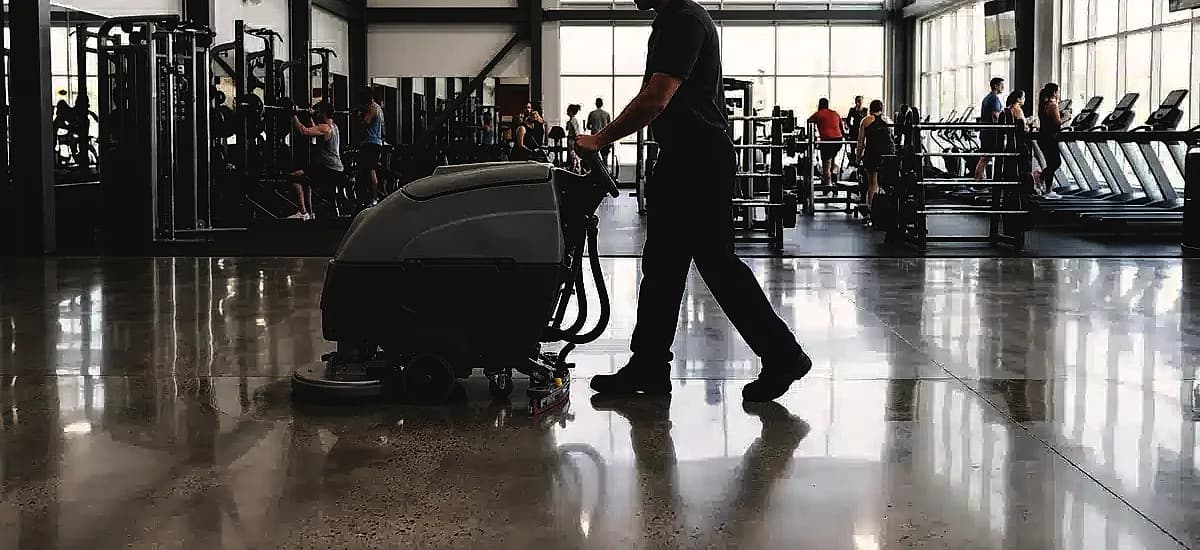
Routine maintenance requires only daily dust mopping and auto-scrubbing with a neutral pH cleaner. There is no need for waxing, stripping, or steam cleaning. Because the surface is highly reflective, it can improve ambient light reflection by up to 40%, significantly reducing electricity costs associated with overhead lighting. Long-term maintenance involves a simple reapplication of the penetrating sealer every 3 to 5 years, depending on foot traffic. When evaluating concrete floor finishes in South Florida, the lifetime ROI of polished concrete is mathematically unmatched.
Frequently Asked Questions
Is polished concrete too hard for high-impact workouts?
While concrete is inherently hard, modern fitness centers utilize targeted zoning. Polished concrete serves as the primary architectural surface for cardio areas, walkways, and yoga studios, while specialized, localized drop-zones (using thick rubber inserts) are integrated specifically for heavy Olympic weightlifting areas.
Can polished concrete be installed over existing tile or epoxy?
Yes, but the existing coating or tile must be completely removed first. The concrete substrate beneath must be mechanically ground down to expose the bare concrete before the densification and polishing process can begin.
How does polished concrete handle sweat and spilled water?
Because the concrete is chemically densified and sealed with a penetrating micro-guard, liquids cannot penetrate the surface. Sweat and water bead up on top of the floor, making them easy to wipe away without leaving stains or odors.
Will the floor become slippery when wet?
Not if properly engineered. Commercial fitness floors receive a specific micro-texture during the polishing phase that maintains a high Dynamic Coefficient of Friction (DCOF) even when moisture is present, strictly adhering to OSHA safety standards.
How long does the polished finish last before needing replacement?
Unlike vinyl or rubber that must be torn out and replaced every 5 to 10 years, the concrete slab itself lasts for decades. The surface polish and protective sealer typically only need a light burnishing and resealing every 3 to 5 years to look brand new.
Are there color options available for gym branding?
Absolutely. Concrete dyes and stains can be applied during the polishing process to incorporate brand colors, logos, or to visually separate different workout zones within the facility.
Conclusion
Selecting the right flooring for a Pompano Beach fitness center is a critical decision that impacts member safety, facility hygiene, and long-term profitability. Slip-resistant polished concrete has proven itself as the superior choice for 2026, offering an elegant aesthetic that withstands South Florida’s punishing humidity and the heavy abuse of commercial gym environments. By investing in a mechanically densified, micro-textured surface, facility owners can protect their members from slip-and-fall injuries while drastically reducing their annual maintenance budgets.
If you are ready to upgrade your fitness facility with a durable, OSHA-compliant flooring solution tailored to your specific needs, professional execution is paramount. Contact us today to schedule a comprehensive site evaluation and discover how advanced concrete polishing can transform your commercial space.
Written by

Founder and CEO
Chris Lavin is an esteemed leader in concrete polishing and epoxy coatings with a distinguished 20-year career. As founder and CEO of National Concrete Polishing and owner of Xtreme Polishing Systems, he's renowned for polishing and epoxy coating more floors than anyone globally. Chris is recognized for his innovative approach and commitment to enhancing floor durability and aesthetics. His hands-on experience and technical proficiency make him a respected authority and a valuable resource in the field of floor polishing and coatings.
Same topic
Related articles
All stories
Commercial9 min read
How Polished Concrete Solves Office Acoustic Problems
Hard floors and noise complaints. What polished concrete does to sound in an open office, and how to spec around it.
Read it
Commercial10 min read
Flooring for Hotel Wet Areas, Kitchens, and Parking Decks
Kitchens, pool decks and parking structures punish a floor daily. Which systems hold up in hotel service areas, and why.
Read it
Commercial11 min read
Specifying Floors for a New Hotel Build
For owners and architects on a new build. What to write into the flooring spec so the hotel opens on a floor that lasts.
Read it
Tell us about the floor
Tell us the space and roughly how big it is.We come back with what it would cost and when we could start.
Prefer to talk? Call +1 844-876-5474
- Leads@
nationalconcretepolishing.net - 2200 NW 32nd St #600,
Pompano Beach, FL 33069 Mon to Fri, 9:00 to 5:30