
The NCP blog
Polished Concrete Countertops vs. Granite and Quartz vs Epoxy: A Comparison
Polished concreteUpdated 6 min read
Durability varies wildly between materials. While granite resists scratches, epoxy offers seamless designs.
Choosing the right kitchen surface isn’t just about looks: it’s about how the material holds up over time. This guide explores how modern engineered options stack up against traditional favorites, giving you clarity in a crowded market.
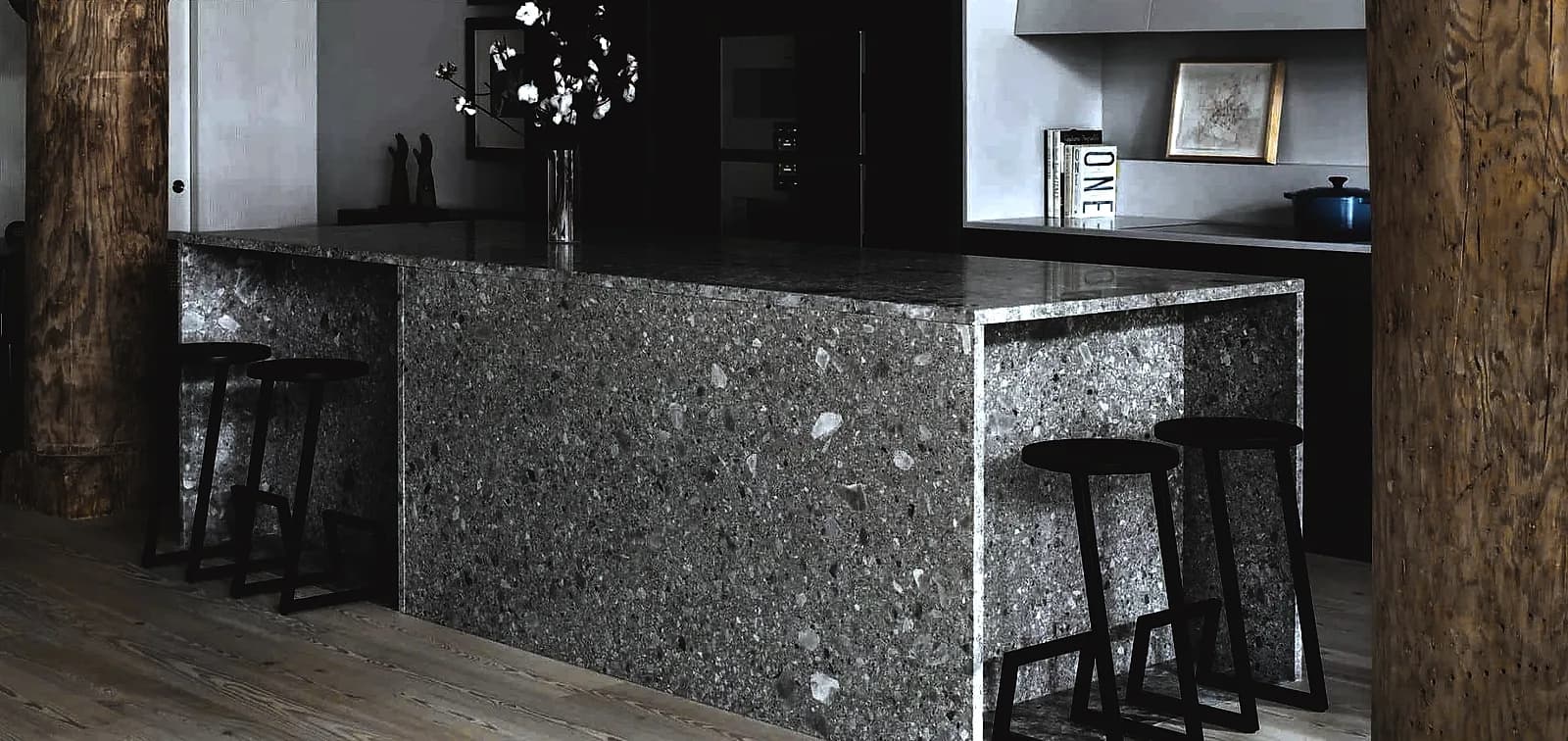
Modern surfaces blend strength and style through smart engineering. For example, professional-grade mixes combine cement with aggregates and sand, creating a matrix stronger than individual parts. Regional stone variations add unique character, making each installation distinct.
Durability varies wildly between materials. While granite resists scratches, epoxy offers seamless designs. Quartz provides consistency, but lacks the organic charm of natural elements. Understanding these trade-offs helps you match features to your lifestyle.
Overview of Popular Countertop Materials
Homeowners today want surfaces that balance practicality with personal style. Let’s break down how leading options differ in construction and visual appeal.
Material Composition and Durability
Engineered surfaces start with specialized formulas. A mix of around 5,000 psi combines cement with locally sourced aggregate, creating dense slabs that gain strength as they cure. In Concrete Decor, Mark Celebuski writes that concrete with standard aggregate needs to be about 5,000 psi to take a very high polish. This contrasts with granite’s natural mineral structure and quartz’s resin-bound design.
Epoxy coatings sit atop existing surfaces as thin decorative layers. While durable, they lack the thermal mass of stone-based materials. Proper sealing helps longevity: natural stones need regular treatment, while engineered options resist stains better.
Aesthetic Differences and Design Options
Your finish choices define the space’s character. Exposed aggregates create textured looks you can’t replicate with manufactured slabs. Integral color pigments produce consistent hues, while polishing depth adjustments reveal different visual layers.
Granite offers earth-toned variations, whereas quartz delivers predictable patterns. Epoxy allows metallic accents but feels less substantial. Regional stone sources mean your surface could showcase local geology through visible mineral deposits.
The Process of Creating Polished Concrete Countertops
Crafting durable surfaces requires precision at every stage. Specialized techniques transform raw materials into functional art, blending technical skill with creative vision.
Preparing the Mix and Casting Techniques
Your project starts with forms built from foam rails or melamine sheets. The mix combines cement, sand, and aggregates in exact ratios, with the strength the mix design calls for. Pour the blend upside-down, as the form’s base becomes your visible surface.
Imperfections in the mold transfer directly to the finished piece. Use templates to ensure precise edges and openings. Let the material cure for the time the mix designer specifies before polishing.
Wet Polishing and Grit Progression Explained
Begin with 50-grit diamond pads on a wet polisher, working through seven stages up to 3000-grit. Each step removes scratches from the previous grit, while the water feed prevents overheating. Maintain circular motions and steady pressure for uniform results.
- Coarse grinding (50-200 grit): Reveals aggregate texture
- Medium refinement (400-800 grit): Smooths scratches
- Fine polishing (1500-3000 grit): Creates mirror-like shine
Essential Safety Measures and Tool Requirements
Your tools must include a variable-speed polisher, diamond pads, and water supply. Wear goggles and gloves, and use a respirator, because workers who inhale respirable crystalline silica are at increased risk of serious diseases such as silicosis and lung cancer. The machine’s 4-5” backer pad ensures proper contact with the surface during each polishing phase.
Seal the finished piece promptly. Proper technique preserves both your safety and the material’s longevity, making every step in the guide non-negotiable.
Polished Concrete Countertops vs. Granite, Quartz, and Epoxy Finishes
Selecting the ideal surface involves balancing aesthetics with practical needs. Each material brings distinct advantages and challenges that impact daily use and long-term satisfaction.
Material Strengths and Limitations
Customization options vary widely across materials. Engineered options let you choose integral color pigments and decorative aggregates for unique patterns. Natural stone offers organic beauty but limited design control.
Heat resistance differs between materials. Some surfaces handle hot pans effortlessly, while others risk permanent marks. Always use trivets for materials prone to thermal damage.
| Feature | Engineered | Granite | Quartz | Epoxy |
|---|---|---|---|---|
| Custom Designs | Wide range | Limited | Moderate | High |
| Sealing | As the sealer wears | As the stone needs | None | As needed |
| Repairability | High | Low | Very Low | Moderate |
Sustaining Your Investment
Proper care extends your surface‘s lifespan. Use a sealer made for concrete countertops and follow the manufacturer's instructions. Penetrating sealers protect without adding a film, while topical sealers add sheen.
Address imperfections early to prevent worsening. Light scratches on some materials can be buffed out, while others may need professional attention. Always follow manufacturer guidelines for cleaning products.
Design, Execution, and Local Considerations in South Florida
South Florida’s tropical climate demands unique strategies for successful installations. High humidity and rapid temperature changes directly impact material behavior, requiring adjustments at every stage of the process.
Insights from Industry Experts and Real-World Applications
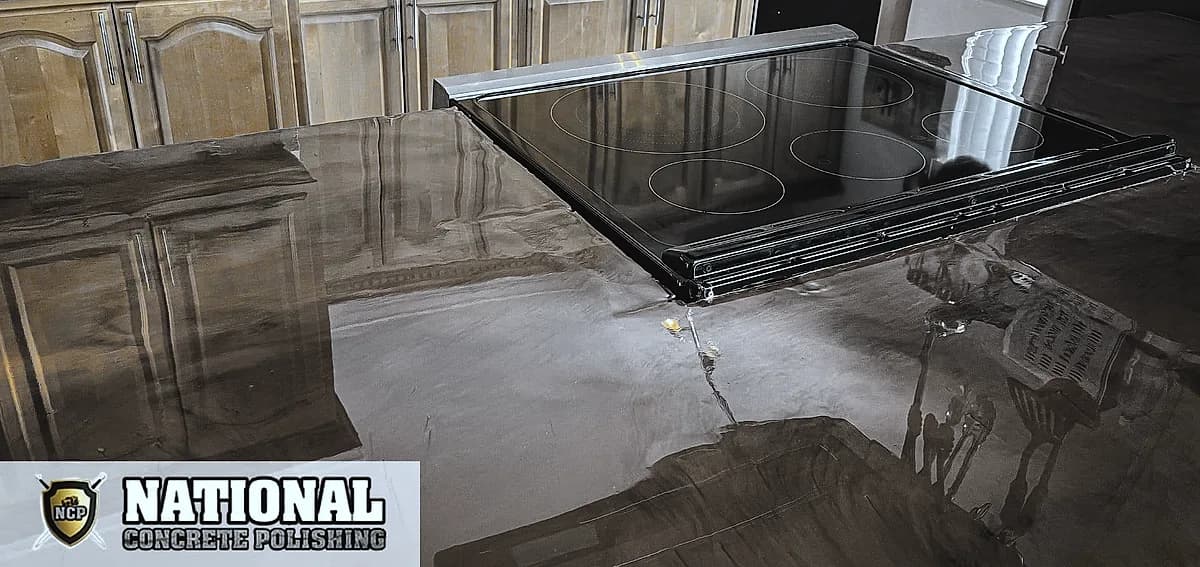
Complex designs, such as waterfall edges, need precise templates to prevent costly rework.
Aggregate choice matters in coastal zones. Local aggregates such as crushed coral or coquina give a coastal look. Always test local sand and aggregate combinations before full-scale projects.
Adapting Techniques for South Florida’s Climate
Follow the mix designer's guidance on slurry ratios, since humidity and heat change how the mix behaves. Apply filler paste during 400-grit polishing to seal pores before final sealing.
- Keep the piece moist during early curing, for example under damp burlap, for as long as the mix design calls for
- Use dehumidifiers in indoor workspaces during rainy seasons
- Plan outdoor work for the drier months when you can
DIY attempts often fail due to slab movement during curing. Professionals use reinforced molds and careful handling to reduce the risk of cracks and flaws. For lasting results, trust specialists who understand regional challenges.
Conclusion
Your journey through material comparisons reveals how specialized techniques shape lasting surfaces. The right finish balances beauty with resilience, whether you prioritize seamless designs or natural textures.
For South Florida residents, climate-smart execution matters. Careful mixing and polishing in a humid climate help the surface turn out right. Professionals like National Concrete Polishing (+1 844-876-5474) refinish and polish existing concrete countertops, typically 1 to 3 working days on site. New cast work is quoted separately.
Quality tools and safety protocols transform raw materials into refined installations. From initial sand-cement blends to final sealer applications, each step demands attention. Proper grit progression removes slurry residue while revealing your chosen aggregates.
Your project’s success hinges on matching process knowledge with realistic timelines. While DIY approaches teach valuable skills, complex pours often benefit from expert hands. Let this guide steer your decisions toward surfaces that reflect both practicality and personality.
Frequently Asked Questions
How do polished surfaces compare to granite or quartz in terms of durability?
While granite and quartz are highly durable, polished options made from specialized mixes can match their strength. However, materials like epoxy may scratch more easily under heavy use. Each choice depends on your lifestyle and maintenance preferences.
What steps are involved in achieving a smooth finish during the polishing process?
A wet polisher with diamond-embedded pads is used, starting with coarse grit (50-100) to remove imperfections. Progressively finer grits (up to 3,000) refine the surface, followed by a densifier and sealer to lock in the shine and protect against stains.
Are there climate-specific challenges when installing these surfaces in South Florida?
High humidity and temperature fluctuations can affect curing times. Experts recommend using additives to slow drying and prevent cracking. Proper sealing is also critical to guard against moisture absorption in coastal environments.
Can you customize the color or texture during the mixing phase?
Yes, pigments or decorative aggregates like glass or stone can be added to the mix. For consistent results, work with a professional to balance aesthetic goals with structural integrity, especially in high-traffic areas.
What safety gear is essential when working with wet polishing tools?
Always wear goggles that meet ANSI/ISEA Z87.1, a respirator mask, and waterproof gloves. A GFCI outlet should power the polisher to prevent electrical hazards, and nonslip footwear is advised to avoid accidents from slurry buildup.
How does long-term maintenance differ between epoxy and other materials?
Epoxy can yellow in sunlight, as laboratory work on cured epoxy resins shows, and a Concrete Decor installer adds that a UV-resistant top coat protects only itself, not the layers under it. Natural stone alternatives need occasional impregnating sealers, while polished concrete benefits from pH-neutral cleaners and topical protectors that are reapplied as they wear.
Written by

Founder and CEO
Chris Lavin is an esteemed leader in concrete polishing and epoxy coatings with a distinguished 20-year career. As founder and CEO of National Concrete Polishing and owner of Xtreme Polishing Systems, he's renowned for polishing and epoxy coating more floors than anyone globally. Chris is recognized for his innovative approach and commitment to enhancing floor durability and aesthetics. His hands-on experience and technical proficiency make him a respected authority and a valuable resource in the field of floor polishing and coatings.
Same topic
Related articles
All stories
Residential7 min read
Polished Concrete Garage Floor vs Epoxy: Pros and Cons
This process smooths the surface, and a densifier hardens it, so polished concrete is used in high-traffic areas.
Read it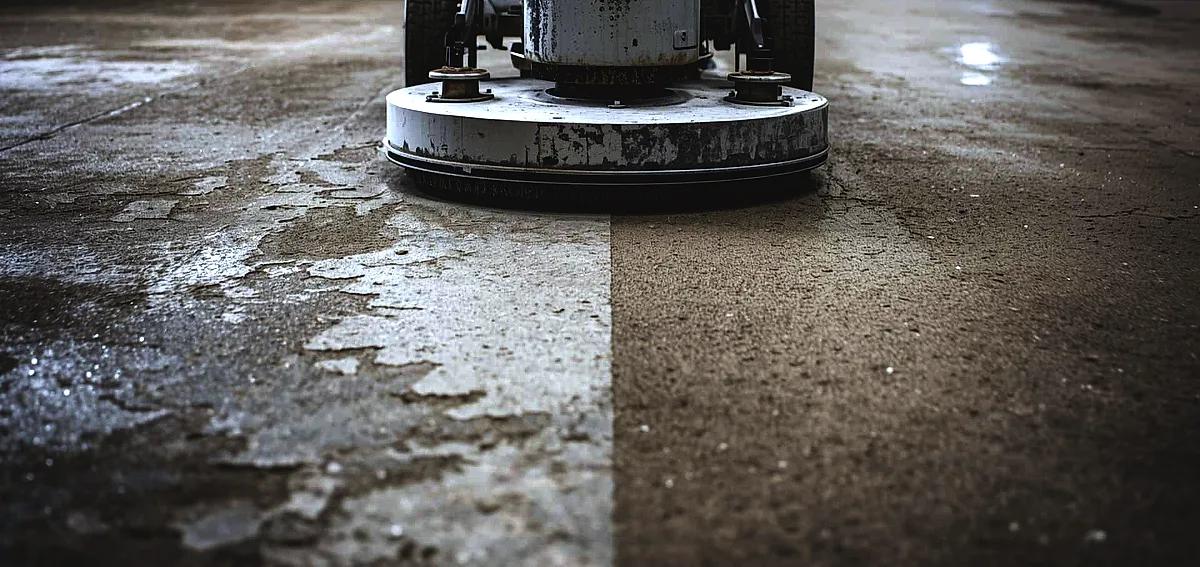
Polished concrete11 min read
Can You Polish Old Concrete? Transform Your Floors Today
Old concrete floors often hide tremendous potential beneath their weathered, dull surfaces.
Read it
Cost & ROI11 min read
How Much Does It Cost To Polish Concrete Floors?
Choosing polished concrete flooring for your residential or commercial space is a no-brainer these days.
Read it
Tell us about the floor
Tell us the space and roughly how big it is.We come back with what it would cost and when we could start.
Prefer to talk? Call +1 844-876-5474
- Leads@
nationalconcretepolishing.net - 2200 NW 32nd St #600,
Pompano Beach, FL 33069 Mon to Fri, 9:00 to 5:30