
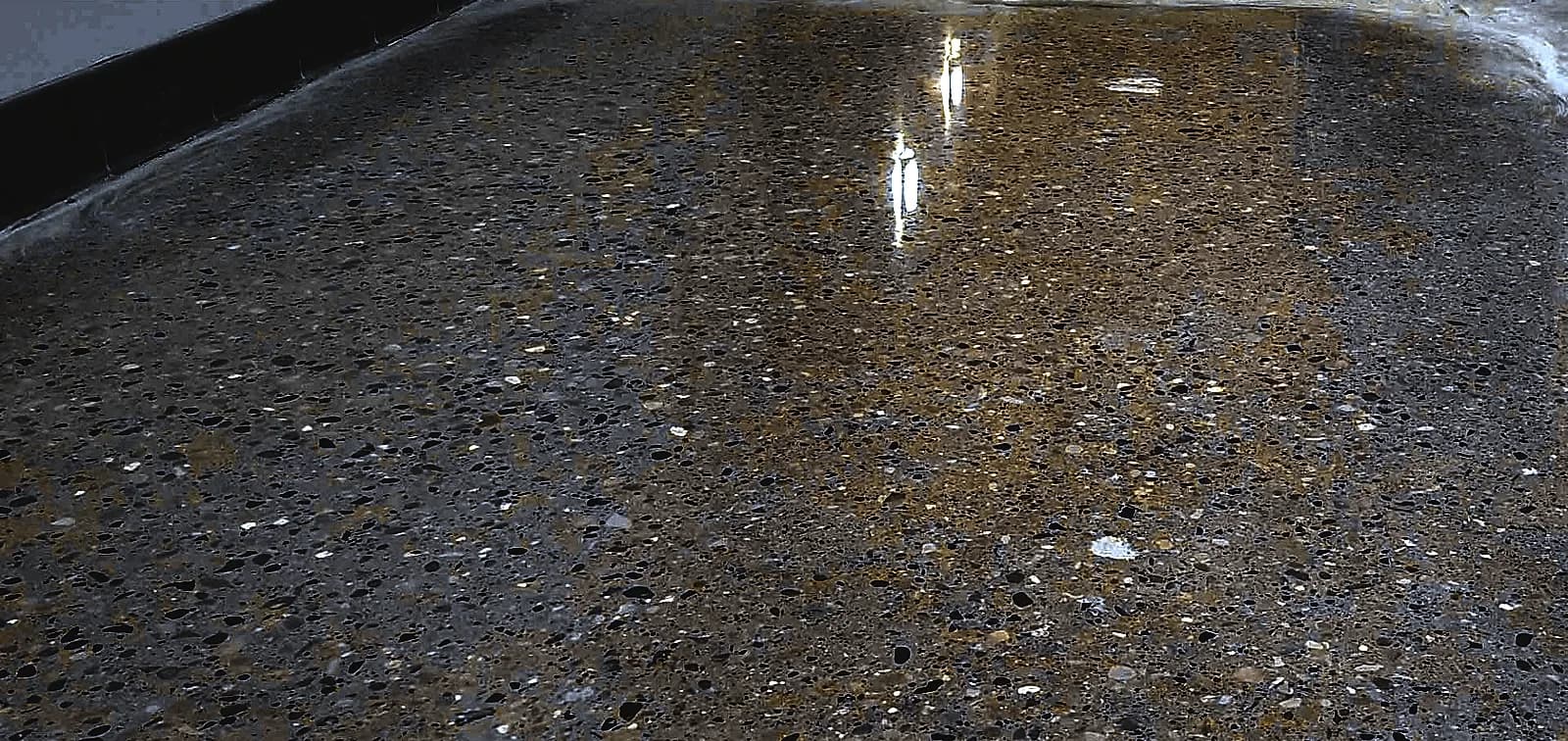
The NCP blog
How to Make Polished Concrete Oil-Resistant: Oil Repellents for Polished Concrete
Polished concrete7 min read
Polished concrete is porous and absorbs oil. How penetrating, semi-penetrating and topical sealers differ, and how to choose one.
While sleek floors add value to any property, their hidden vulnerabilities demand proactive care. Without proper protection, even minor accidents can lead to irreversible stains and costly repairs.
Modern flooring solutions require more than basic maintenance. Porous materials absorb liquids quickly, allowing contaminants to penetrate deep into the structure. This compromises both aesthetics and durability over time.
Choosing the right defense strategy matters. High-quality sealants act as invisible shields, blocking harmful substances before they bond with the material. The right sealer system depends on traffic levels and environmental factors.
Understanding Polished Concrete and Its Vulnerabilities
The shine of polished floors masks a porous reality. Beneath the smooth exterior lies a network of microscopic pathways formed during curing. These channels allow liquids to seep deep into the material, creating long-term risks.
Porosity and Common Issues
Concrete is porous, with tiny pores at the surface. Spills don’t just sit on top: they can travel down into the pores.
How Oil Impacts Integrity
Oil and other hydrocarbons soak into porous concrete and leave stains that are hard to remove. Thinner oils, such as diesel, generally soak in more easily than thicker ones.
Protective treatments work best when applied before exposure to contaminants.
The Importance of Oil Resistance for Polished Concrete
Industrial spills can turn pristine floors into costly repair projects overnight. Surfaces in busy environments face constant threats from liquids that seep into microscopic pores. Without proper safeguards, these intrusions can lead to permanent marks.
A high-quality barrier treatment transforms vulnerable areas into resilient assets. In settings like food processing plants or auto shops, where slick substances are common, these solutions block harmful agents from bonding with the substrate. The result? Surfaces that repel contaminants while maintaining their visual clarity.
| Scenario | Unprotected Surface | Protected Surface |
|---|---|---|
| Chemical Spill | Soaks in quickly | Liquid stays on the surface longer |
| Cleaning Effort | Requires intensive scrubbing | Wipes clean with minimal effort |
| Long-Term Costs | Higher upkeep | Lower upkeep |
Preventing stains is usually cheaper than restoring a floor afterward.
Modern formulations work invisibly to shield surfaces without altering their natural texture. Spills bead up instead of soaking in, simplifying daily maintenance routines. These advanced systems also defend against grease and petroleum-based substances common in manufacturing settings.
Types of Concrete Sealers: Penetrating, Semi-Penetrating, and Topical
Selecting the optimal protective solution requires understanding three core technologies. Each sealer category addresses specific performance needs while maintaining surface integrity.
Characteristics of Penetrating Sealers
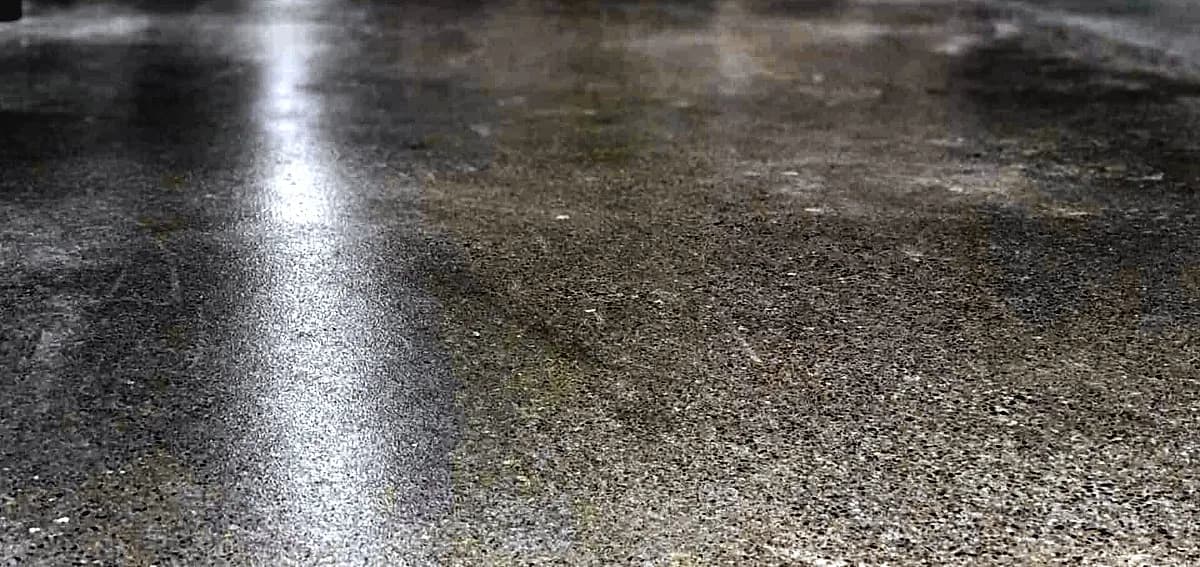
These products work like invisible armor. Silicone-based formulas (silane, siloxane) dive deep into pores, bonding chemically with the substrate. They don’t alter surface texture and they repel water, but the ASCC's sealer chart lists silane and siloxane sealers as having little chemical resistance, so they are not the answer to oil spills.
Ideal for outdoor areas, they permit moisture vapor transmission. This prevents efflorescence while resisting freeze-thaw damage. Parking garages and sidewalks often use these solutions for their durability.
Benefits of Semi-Penetrating and Topical Sealers
Semi-penetrating options combine depth protection with surface enhancements. They add subtle sheen while repelling stains and water. Facilities needing both functionality and visual appeal frequently choose this hybrid approach.
| Sealer Type | Depth of Penetration | Best Use Cases | Maintenance Cycle |
|---|---|---|---|
| Penetrating | Deepest | Outdoor walkways | 2-5 years (ASCC estimate) |
| Semi-Penetrating | Partial | Retail floors | Varies with traffic and exposure |
| Topical | Surface layer | Industrial settings | Solvent-based acrylic sealers: 1-3 years (ASCC estimate) |
Topical sealers form a visible shield. Epoxy and polyurethane varieties create glossy finishes that resist abrasion and chemicals. Though requiring more frequent reapplication, they deliver immediate aesthetic upgrades for high-traffic interiors.
Consider environmental exposure and foot traffic when choosing products. A commercial kitchen might prioritize chemical resistance, while a museum lobby focuses on maintaining matte finishes. Proper selection ensures long-term performance without compromising design goals.
How to Choose the Right Sealer for Your Polished Concrete
Selecting effective protection for high-traffic surfaces demands strategic evaluation of multiple factors. Your decision impacts durability, maintenance costs, and visual appeal. Start by analyzing how your space functions daily.
Assessing Environmental and Traffic Considerations
Map out temperature swings and humidity patterns in your area. Facilities near coastal regions or with frequent chemical spills need specialized formulas. These elements determine how deeply a product penetrates and bonds with the substrate.
Foot traffic intensity dictates sealer resilience. Retail stores with steady customer flow require different solutions than warehouses with forklifts. Topical coatings withstand heavy abrasion, while penetrating types suit moderate-use zones.
| Sealer Type | Best Use | Maintenance Cycle | Key Benefit |
|---|---|---|---|
| Penetrating | Outdoor walkways | Varies with traffic and exposure | Moisture control |
| Semi-Penetrating | Showrooms | Varies with traffic and exposure | Stain resistance |
| Topical | Manufacturing plants | Varies with traffic and exposure | Chemical protection |
Review local air quality regulations before purchasing. Check VOC limits for your space before you choose a product. Budget for both initial application and long-term upkeep. Premium products can cost more upfront.
Match sheen levels to your design goals. Some systems enhance natural textures, while others create glossy finishes. Always test samples under actual conditions before full-scale installation.
Oil Repellant for Polished Concrete
What separates adequate protection from industrial-grade defense in high-risk environments? Oil-repellent systems are made for this job. Before you rely on one, check its data sheet for the oil-resistance test method and result.
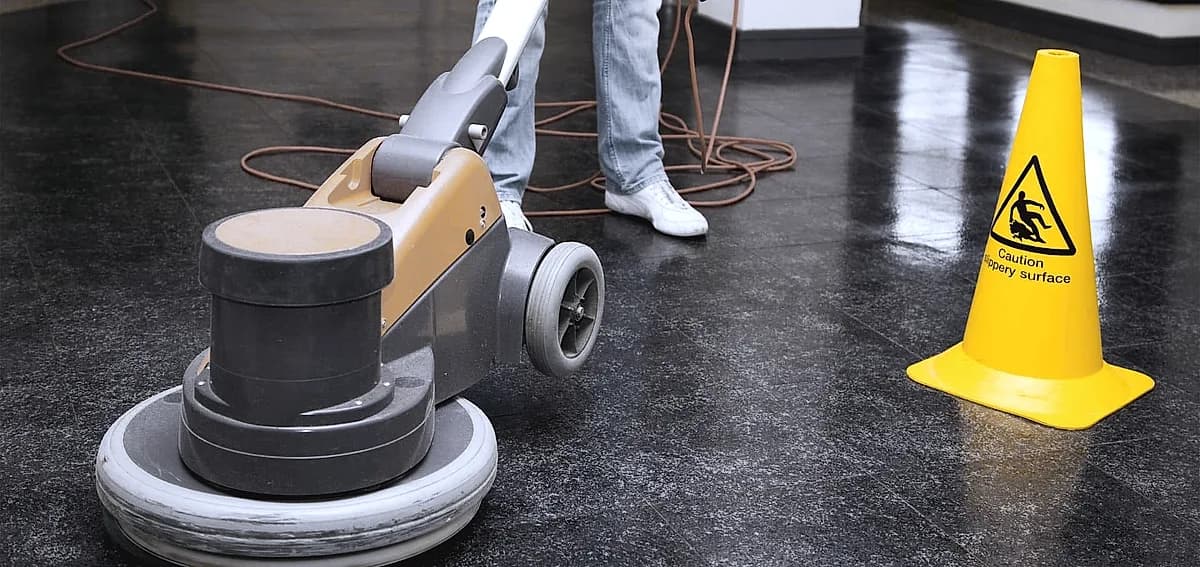
Oil-repellent formulations are designed to make spills bead up so they can be wiped off before they soak in.
| Feature | Benefit | Application Tip |
|---|---|---|
| Coverage per gallon (see the data sheet) | Cost-effective for large areas | Use crosshatch rolling technique |
| Chemical resistance (see the data sheet) | Multi-threat protection | Apply within the temperature range on the data sheet |
| Service life stated by the maker, with its conditions | Reduces maintenance frequency | Reapply after mechanical abrasion |
Installation requires minimal equipment. Professionals often use microfiber applicators for even distribution. Cure time depends on the product, so its data sheet sets when the floor can return to service. For decorative sealers, the ASCC's guide says that at 70°F a sealer will typically be dry to the touch in 1 to 2 hours and accept light foot traffic in 3 to 4 hours, and it recommends keeping cars off a freshly sealed surface for a full 24 hours or more.
A system that repels liquids but lets moisture vapor pass keeps the floor breathable. Regular inspections ensure continued performance without compromising breathability.
Surface Preparation and Application Tips
Proper preparation determines the success of any protective treatment. Skipping essential steps compromises performance and longevity, leading to uneven coverage and reduced effectiveness.
Cleaning and Drying the Surface Properly
Start by removing all contaminants from your substrate. Use pH-neutral cleaners and stiff bristle brushes to eliminate dirt, grease, or existing coatings. Rinse thoroughly with pressurized water, then let the floor dry completely. The ASCC's best-practice sheet on sealing stamped concrete says to allow the slab to dry for 12-24 hours before sealing, and its sealer guide notes that after a wash there may be a significant amount of water left in the concrete even though the surface may appear dry.
Verify moisture levels with a meter before proceeding. Follow the sealer maker's moisture limit, which the data sheet gives. Address efflorescence using specialized removers if crystalline deposits appear.
Tools and Techniques for Effective Application
Select equipment based on product viscosity and area size. Pump sprayers work best for large zones, while 3/8″ nap rollers handle textured surfaces. Maintain consistent overlap patterns to achieve uniform distribution.
Coverage per gallon differs by product. Calculate needs using manufacturer guidelines to avoid under-application. Work in manageable sections, blending edges before the coating sets.
Clean tools immediately with soap and water after use. Conduct post-application inspections under angled lighting to identify missed spots. Allow full curing as specified before reopening the space.
Frequently Asked Questions
Why is oil resistance critical for polished surfaces?
Without protection, spills can seep into pores and cause discoloration. Sealers slow penetration, which helps preserve the appearance of the floor.
How do penetrating sealers differ from topical options?
Penetrating varieties sink deep into pores, creating an invisible barrier that resists moisture and stains. Topical coatings sit on the surface, offering higher abrasion resistance but altering the finish’s natural look.
What factors influence sealer selection for high-traffic areas?
Consider foot traffic volume, exposure to chemicals or moisture, and desired aesthetics. Semi-penetrating products balance durability with minimal sheen, while heavy-duty topical sealants suit industrial settings.
Can you apply a sealer without proper surface preparation?
No. Dirt, grease, or existing coatings prevent adhesion. Always clean thoroughly with a pH-neutral detergent, rinse well, and let the surface dry completely before application.
How long does a quality sealer typically last?
Lifespan varies based on product type and usage. The ASCC's rule of thumb for decorative sealers is a new coat every two to three years in higher-traffic or UV-exposed areas, and four to five years in lighter-traffic interior areas, and the timing varies tremendously with conditions.
What tools work best for applying these products?
Use a microfiber roller or low-pressure sprayer for even coverage. Avoid over-application, which can create sticky residues or uneven drying. Follow manufacturer guidelines for spread rates.
How do you maintain sealed surfaces over time?
Regular sweeping and occasional damp mopping remove debris. Avoid harsh cleaners that degrade the sealer. Reapply when water no longer beads on the surface, indicating diminished protection.
Written by

Founder and CEO
Chris Lavin is an esteemed leader in concrete polishing and epoxy coatings with a distinguished 20-year career. As founder and CEO of National Concrete Polishing and owner of Xtreme Polishing Systems, he's renowned for polishing and epoxy coating more floors than anyone globally. Chris is recognized for his innovative approach and commitment to enhancing floor durability and aesthetics. His hands-on experience and technical proficiency make him a respected authority and a valuable resource in the field of floor polishing and coatings.
Same topic
Related articles
All stories
Residential7 min read
Polished Concrete Garage Floor vs Epoxy: Pros and Cons
This process smooths the surface, and a densifier hardens it, so polished concrete is used in high-traffic areas.
Read it
Polished concrete11 min read
Can You Polish Old Concrete? Transform Your Floors Today
Old concrete floors often hide tremendous potential beneath their weathered, dull surfaces.
Read it
Cost & ROI11 min read
How Much Does It Cost To Polish Concrete Floors?
Choosing polished concrete flooring for your residential or commercial space is a no-brainer these days.
Read it
Tell us about the floor
Tell us the space and roughly how big it is.We come back with what it would cost and when we could start.
Prefer to talk? Call +1 844-876-5474
- Leads@
nationalconcretepolishing.net - 2200 NW 32nd St #600,
Pompano Beach, FL 33069 Mon to Fri, 9:00 to 5:30