
The NCP blog
What Determines Concrete Surface Profile Classification
Polished concrete11 min read
The classification numbers provide precise guidance for achieving optimal surface conditions for specific epoxy applications.
Understanding what determines concrete surface profile classification numbers is essential for anyone involved in concrete flooring projects, whether you’re a contractor, facility manager, or property owner. These classification numbers serve as a standardized system that defines the texture and roughness characteristics of concrete surfaces, directly impacting the performance and longevity of coatings, overlays, and other surface treatments applied to concrete floors.
The concrete surface profile (CSP) classification system was developed to create consistency across the industry, eliminating guesswork and subjective interpretations of surface preparation quality. This standardized approach ensures that contractors, specifiers, and quality control professionals can communicate effectively about surface conditions and requirements, leading to more successful project outcomes and reduced failures.
When concrete surfaces are prepared for coatings or treatments, achieving the correct surface profile is crucial for proper adhesion. Too smooth a surface may result in coating failure due to inadequate mechanical bonding, while an overly aggressive profile can create issues with coating coverage and may lead to premature wear. The classification numbers provide precise guidance for achieving optimal surface conditions for specific epoxy applications.
The International Concrete Repair Institute (ICRI) developed the most widely recognized surface profile classification system, which uses visual and tactile standards to categorize concrete surfaces. This system has become the industry standard for specifying surface preparation requirements and verifying that proper preparation has been achieved before applying protective or decorative treatments.
Professional flooring contractors like National Concrete Polishing rely on these classification numbers to ensure consistent quality and performance across all their projects. By understanding and properly implementing surface profile requirements, contractors can guarantee that their work meets industry standards and client expectations while minimizing the risk of costly failures or callbacks.
Understanding the ICRI Surface Profile Classification System
The International Concrete Repair Institute (ICRI) developed the concrete surface profile classification system to establish uniform standards for evaluating and specifying surface preparation requirements. This system uses a numerical scale from CSP 1 through CSP 9, where each number corresponds to specific surface characteristics and roughness parameters that can be consistently measured and replicated across different projects and locations.
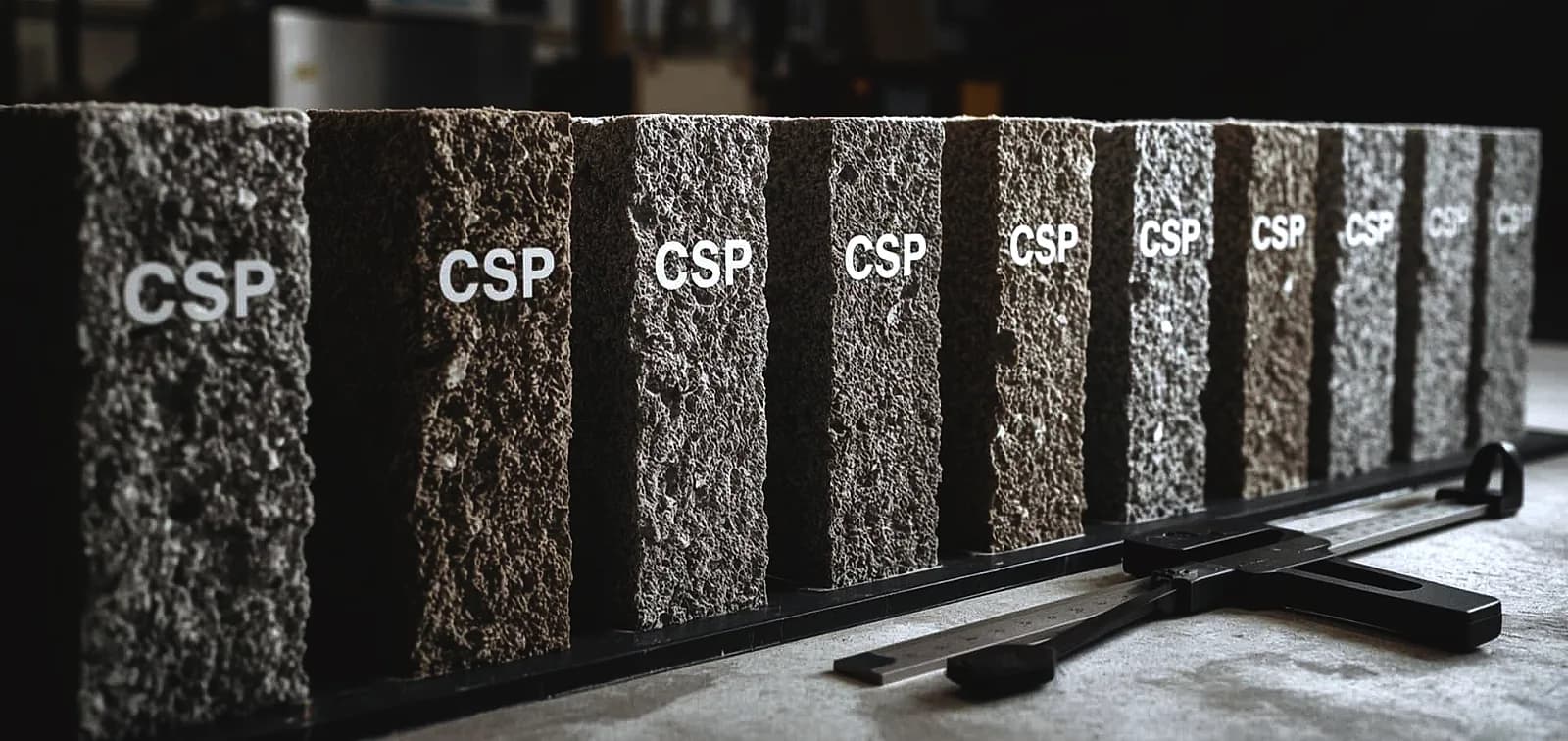
The classification system is based on both visual and tactile standards, utilizing physical reference specimens that represent each profile level. These specimens serve as benchmarks for contractors and quality control personnel to compare against actual prepared surfaces, ensuring accuracy and consistency in evaluation. The system accounts for the depth and density of surface irregularities, providing a comprehensive assessment of surface texture.
Each classification number represents a specific range of surface roughness, measured in mils (thousandths of an inch) or micrometers. Lower numbers indicate smoother surfaces with minimal texture, while higher numbers represent increasingly aggressive profiles with deeper surface irregularities. This progression allows specifiers to select the appropriate profile level based on the specific requirements of their coating or overlay system.
The ICRI system has gained widespread acceptance throughout the concrete industry because it provides objective, measurable criteria for surface evaluation. This standardization eliminates subjective interpretations and regional variations that previously caused inconsistencies in surface preparation specifications and quality control procedures, as recognized by the International Concrete Repair Institute.
Factors That Determine Classification Numbers
Several key factors work together to determine the appropriate concrete surface profile classification number for any given application. The primary consideration is the type of coating or overlay system being applied, as different materials have varying adhesion requirements and performance characteristics. Thin film coatings, such as epoxy sealers or light-duty paints, typically require minimal surface texture (CSP 1-3) to achieve proper adhesion without creating coverage issues or surface irregularities in the finished coating.
The substrate condition and existing surface characteristics significantly influence classification requirements. New concrete surfaces may only need light preparation to achieve the desired profile, while older concrete with existing coatings, contamination, or surface defects may require more aggressive preparation methods. The presence of laitance, curing compounds, or other surface contaminants necessitates removal through appropriate preparation techniques that simultaneously achieve the required surface profile.
Environmental conditions and service requirements play a crucial role in determining classification numbers. Surfaces exposed to heavy traffic, chemical exposure, or extreme temperature variations require more aggressive profiles to ensure adequate coating adhesion and long-term performance. Industrial facilities, food processing plants, and healthcare environments often specify higher profile classifications to accommodate specialized coating systems designed for their specific operational demands.
The preparation method available and practical considerations also influence classification selection. Some preparation techniques are better suited for achieving specific profile ranges, and the choice of method may be limited by factors such as dust control requirements, noise restrictions, or access limitations. Understanding the relationship between concrete floor preparation methods and achievable profiles helps ensure realistic specifications and successful project execution.
Measurement Techniques and Verification Methods
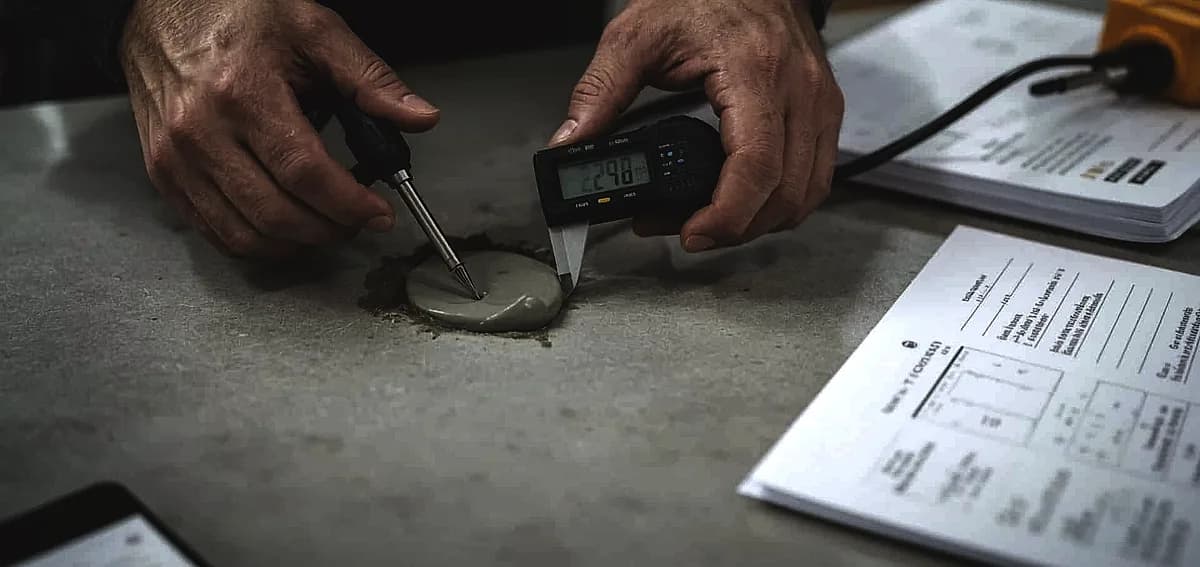
Accurate measurement and verification of concrete surface profiles require specialized techniques and equipment to ensure compliance with specification requirements. The most common method involves using replica putty, a two-part compound that creates an impression of the surface texture when pressed onto the prepared concrete. Once cured, the replica is measured using a micrometer or digital gauge to determine the peak-to-valley height, which corresponds to specific classification numbers.
Digital surface profile gauges provide another reliable measurement option, offering real-time readings and eliminating the waiting time associated with replica putty curing. These instruments use mechanical or electronic sensors to measure surface irregularities directly, providing immediate feedback during the preparation process. Advanced digital systems can store measurements and generate reports for quality control documentation and project records.
Visual comparison with ICRI reference specimens remains an important verification method, particularly for field quality control and initial assessments. Trained personnel can quickly evaluate surface conditions by comparing prepared areas against standard reference specimens, identifying potential issues before detailed measurements are taken. This method is especially valuable for large-scale projects where continuous monitoring is essential.
Sand patch testing offers an alternative measurement approach for specific applications, particularly when dealing with very rough surfaces or when replica putty methods are impractical. This technique involves spreading a known volume of standardized sand across the surface and measuring the covered area to calculate average surface texture depth. While less precise than other methods, sand patch testing provides useful information for preliminary assessments and quality control verification.
Proper documentation and record-keeping are essential components of the verification process. Measurements should be taken at regular intervals across the prepared surface, with results recorded and compared against specification requirements. Digital photography of measurement locations and replica specimens provides additional documentation for quality assurance and potential dispute resolution, following ASTM testing standards.
Common Surface Preparation Methods and Their Profiles
Different surface preparation methods are specifically suited to achieve particular classification numbers, and understanding these relationships is essential for selecting the most appropriate and cost-effective preparation approach. Acid etching represents one of the mildest preparation methods, typically achieving CSP 1 or CSP 2 profiles depending on acid concentration and application technique. This method removes surface laitance and provides light texture suitable for thin coating systems, but it may not be adequate for heavily contaminated surfaces or high-performance applications.
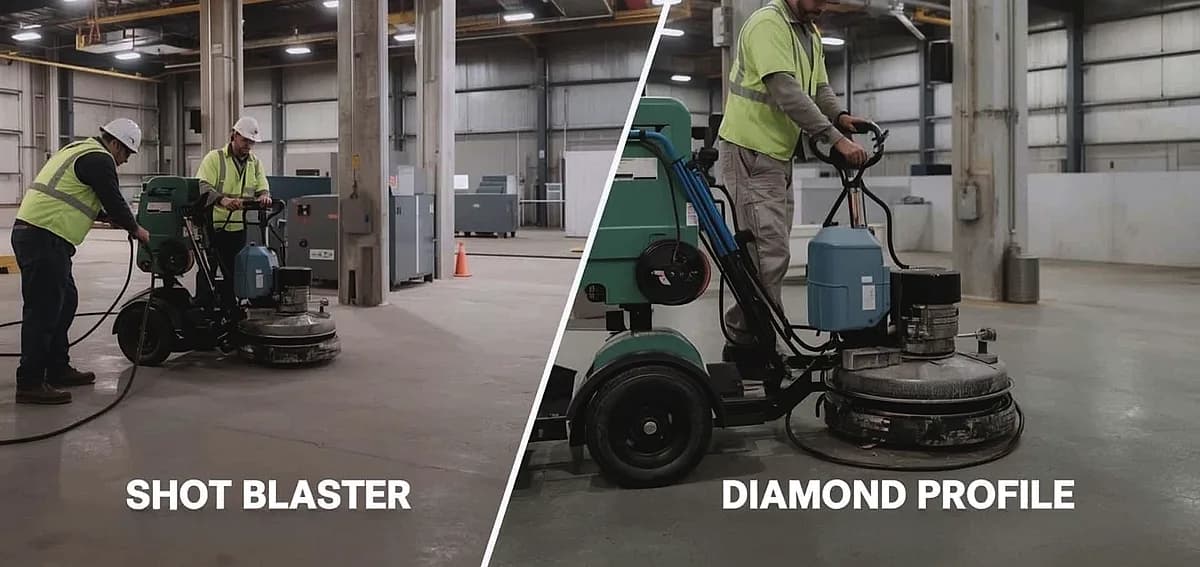
Mechanical grinding using diamond tools offers precise control over surface profile achievement, making it ideal for projects requiring specific classification numbers in the CSP 2-5 range. The aggressiveness of the profile can be adjusted by selecting appropriate diamond grit sizes and grinding parameters. Coarser diamonds create more aggressive profiles, while finer grits produce smoother finishes. This method provides excellent surface cleanliness and uniform texture across large areas, commonly used in concrete polishing applications.
Shot blasting concrete has become increasingly popular for achieving medium to aggressive surface profiles (CSP 3-7) while simultaneously removing surface contaminants and existing coatings. The profile depth can be controlled by adjusting shot size, blast pressure, and equipment travel speed. Shot blasting produces clean, uniform surfaces with excellent coating adhesion characteristics, making it suitable for demanding industrial applications and high-performance coating systems.
Scarification and scabbling represent the most aggressive preparation methods, capable of achieving CSP 6-9 profiles for applications requiring maximum surface texture. These methods remove significant amounts of surface material, creating deep, irregular profiles suitable for thick overlay systems and structural repair applications. While effective for severe surface preparation requirements, these methods require careful control to avoid over-preparation and substrate damage.
National Concrete Polishing utilizes advanced surface preparation equipment and techniques to achieve precise profile classifications for all types of concrete flooring projects. Their experienced technicians understand the relationship between preparation methods and achievable profiles, ensuring optimal surface conditions for each specific application while maintaining cost-effectiveness and project efficiency.
Impact of Profile Classification on Coating Performance
The relationship between concrete surface profile classification and coating performance cannot be overstated, as proper profile selection directly influences adhesion strength, durability, and overall system longevity. Inadequate surface profile typically results in poor mechanical bonding between the coating and substrate, leading to premature failure through delamination, blistering, or wear-through. Conversely, excessive surface profile can create application difficulties, increased material consumption, and potential performance issues in the finished system.
Adhesion strength testing consistently demonstrates the critical importance of matching surface profile to coating requirements. Thin film coatings applied over excessively rough surfaces may not adequately fill surface voids, creating weak points and potential failure initiation sites. These coatings may also exhibit poor appearance characteristics due to surface irregularities telegraphing through the coating film. Proper profile selection ensures complete surface wetting and optimal coating thickness distribution.
Coating coverage rates and material consumption are significantly affected by surface profile classification. Rougher surfaces require more coating material to achieve specified thickness, increasing project costs and potentially affecting coating properties if multiple coats are required to build adequate film thickness. Understanding epoxy floor thickness impact on coverage allows for accurate material estimation and cost control while ensuring proper coating performance.
Long-term durability and maintenance requirements are closely linked to initial surface profile selection and preparation quality. Properly prepared surfaces with appropriate profile classifications typically exhibit superior wear resistance, chemical resistance, and overall service life compared to inadequately prepared surfaces. This relationship becomes particularly important in high-traffic commercial environments where coating failure can result in significant operational disruptions and replacement costs.
Quality control testing and monitoring throughout the coating application process help verify that surface profile requirements are maintained and that coating performance meets expectations. Regular adhesion testing, thickness measurements, and visual inspections provide early indication of potential issues, allowing for corrective action before problems become widespread or costly to address.
Frequently Asked Questions
What is the most common concrete surface profile classification for epoxy coatings?
Most epoxy coating systems perform best with CSP 2-4 surface profiles, providing adequate mechanical bonding without creating application difficulties or excessive material consumption.
How do you measure concrete surface profile in the field?
Field measurement typically involves replica putty pressed onto the surface to create an impression, which is then measured with a micrometer or digital gauge to determine peak-to-valley height.
Can surface profile classification numbers be achieved with multiple preparation methods?
Yes, several different preparation methods can achieve the same classification number, allowing contractors to select the most appropriate technique based on project requirements and constraints.
What happens if the surface profile is too aggressive for the coating system?
Excessive surface profile can lead to increased material consumption, application difficulties, poor appearance, and potential coating performance issues due to inadequate film build in surface valleys.
How often should surface profile measurements be taken during preparation?
Measurements should be taken regularly throughout the preparation process, typically every 500-1000 square feet or as specified in project quality control requirements.
Do different concrete types require different surface profile classifications?
While concrete type can affect preparation methods and achievable profiles, classification requirements are primarily determined by the coating or overlay system being applied rather than concrete composition.
What is the difference between CSP 1 and CSP 9 profiles?
CSP 1 represents a very smooth surface with minimal texture (similar to fine sandpaper), while CSP 9 shows very aggressive texture with deep surface irregularities suitable for thick overlay systems.
Can surface profile classification affect coating warranty coverage?
Yes, most coating manufacturers specify required surface profile ranges in their warranty terms, and failure to achieve proper profile can void warranty coverage for adhesion-related failures.
Conclusion
Understanding what determines concrete surface profile classification numbers is fundamental to successful concrete flooring projects and coating applications. The ICRI classification system provides a standardized, objective method for specifying and verifying surface preparation requirements, ensuring consistent quality and performance across the industry. By properly matching surface profile classifications to specific coating or overlay requirements, contractors and specifiers can optimize adhesion, durability, and overall system performance while controlling costs and minimizing failure risks.
The relationship between preparation methods, achievable profiles, and coating performance requirements creates a complex but manageable framework for project planning and execution. Professional contractors like National Concrete Polishing understand these relationships and utilize appropriate equipment, techniques, and quality control measures to achieve specified profile classifications consistently and efficiently.
Proper measurement and verification techniques ensure that surface preparation meets specification requirements and provides documentation for quality assurance and warranty purposes. Regular testing throughout the preparation process allows for real-time adjustments and corrections, preventing costly delays or failures due to inadequate surface preparation.
As coating technologies continue to evolve and performance requirements become more demanding, the importance of proper surface profile classification will only increase. Staying current with industry standards, measurement techniques, and best practices ensures continued success in concrete flooring and coating applications, protecting investments and delivering long-term value to clients and end users.
Written by

Founder and CEO
Chris Lavin is an esteemed leader in concrete polishing and epoxy coatings with a distinguished 20-year career. As founder and CEO of National Concrete Polishing and owner of Xtreme Polishing Systems, he's renowned for polishing and epoxy coating more floors than anyone globally. Chris is recognized for his innovative approach and commitment to enhancing floor durability and aesthetics. His hands-on experience and technical proficiency make him a respected authority and a valuable resource in the field of floor polishing and coatings.
Same topic
Related articles
All stories
Polished concrete11 min read
Polished Concrete vs Epoxy Coatings: Which Floor Is Right for Your Space?
Two systems, two price curves, one slab. What each one costs to install and to keep, and which spaces each one actually suits.
Read it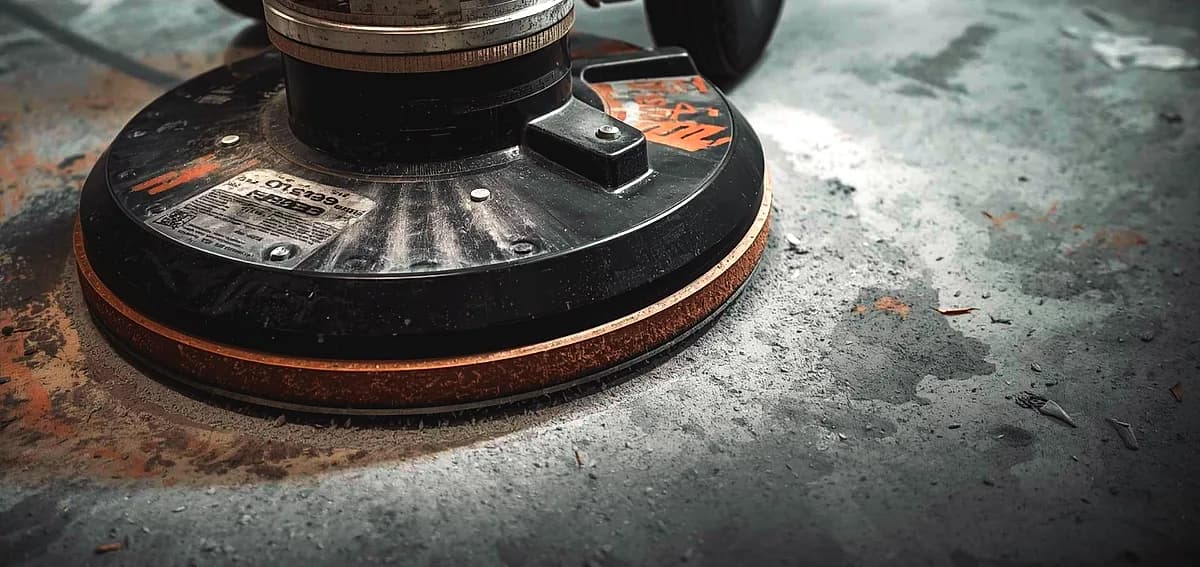
Polished concrete8 min read
What to Know Before Polishing Your Existing Concrete Slab
Before any mechanical refinement can begin, a thorough evaluation of the current foundation is required.
Read it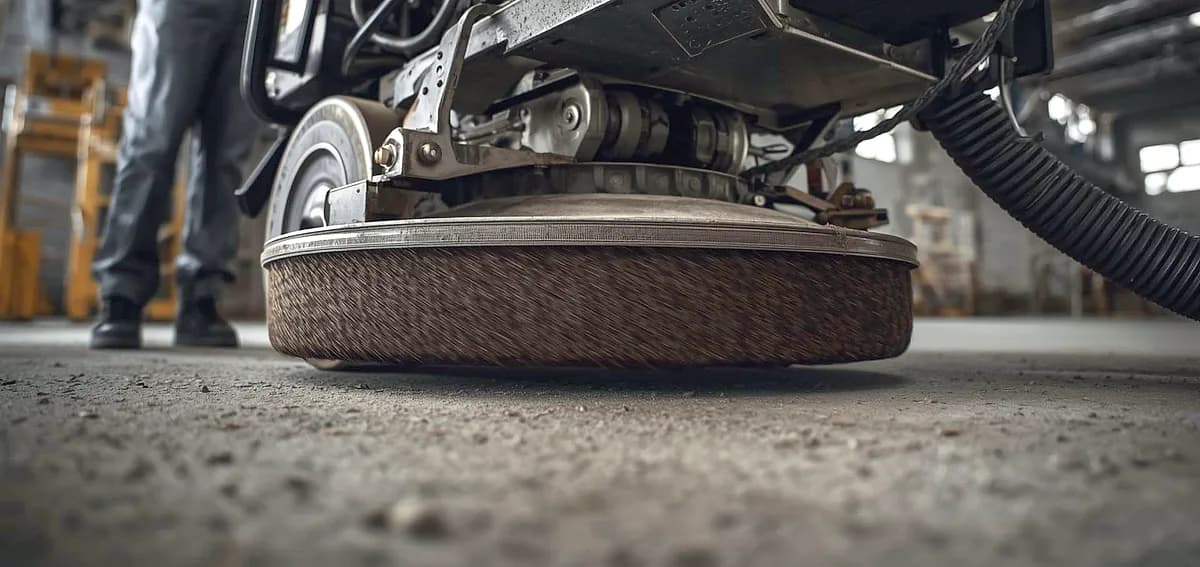
Polished concrete8 min read
Is Polished Concrete Worth the Investment for Miami Properties?
It is essential to distinguish between a simple topical seal and mechanically refined concrete.
Read it
Tell us about the floor
Tell us the space and roughly how big it is.We come back with what it would cost and when we could start.
Prefer to talk? Call +1 844-876-5474
- Leads@
nationalconcretepolishing.net - 2200 NW 32nd St #600,
Pompano Beach, FL 33069 Mon to Fri, 9:00 to 5:30