The NCP blog
Can You Resurface Concrete Stained Pavers?
Polished concrete7 min read
Find out whether stained concrete pavers can be resurfaced, and how cleaning, prep and material choice affect the result.
Over time, weather and wear can leave your patio or driveway looking dull. But tearing everything out isn’t your only option.
Reviving worn surfaces is possible with modern techniques. Specialized treatments can cover discoloration, minor cracks, and uneven textures. This approach saves time and money compared to starting from scratch.
Proper preparation ensures long-lasting results. Experts clean, repair, and prime surfaces before applying new coatings. High-quality materials blend durability with aesthetics, matching your home’s style.
This method isn’t just about looks. It can protect a sound surface from further wear. Many find it transforms their space without the hassle of major construction.
Understanding the Resurfacing Process for Concrete Stained Pavers
Florida’s harsh sun and seasonal rains take a toll on hardscapes. Modern restoration methods offer practical solutions to revive weathered surfaces while maintaining structural stability. Specialized treatments adapt to different needs, from heavy foot traffic areas to decorative focal points.
Modern Restoration Methods
Technicians use multiple approaches based on your space’s requirements:
- Microtopping mixes form thin layers, usually 1/8 to 3/16 inch according to ACI 310R-19 and generally 1/32 to 1/8 inch according to a Concrete Decor article, that hide imperfections
- Polymer-enhanced coatings withstand daily vehicle traffic
- Decorative stamping mimics natural stone or wood textures
- Epoxy-bonded aggregates create slip-resistant finishes
Why Renewal Makes Sense
Updating your outdoor areas delivers multiple advantages:
- Prevents moisture damage and surface erosion
- Increases traction on pool decks and walkways
- Updates visual appeal without demolition waste
- Can extend the useful life of a sound surface
National Concrete Polishing works on patios, pool decks and driveways across South Florida. As a planning guide, a patio takes 2 to 3 working days on site, a pool deck 3 to 4 and a driveway 2 to 4, and the final schedule depends on size, prep, repairs, the system and the weather.
Evaluating Whether Your Pavers Can Be Resurfaced
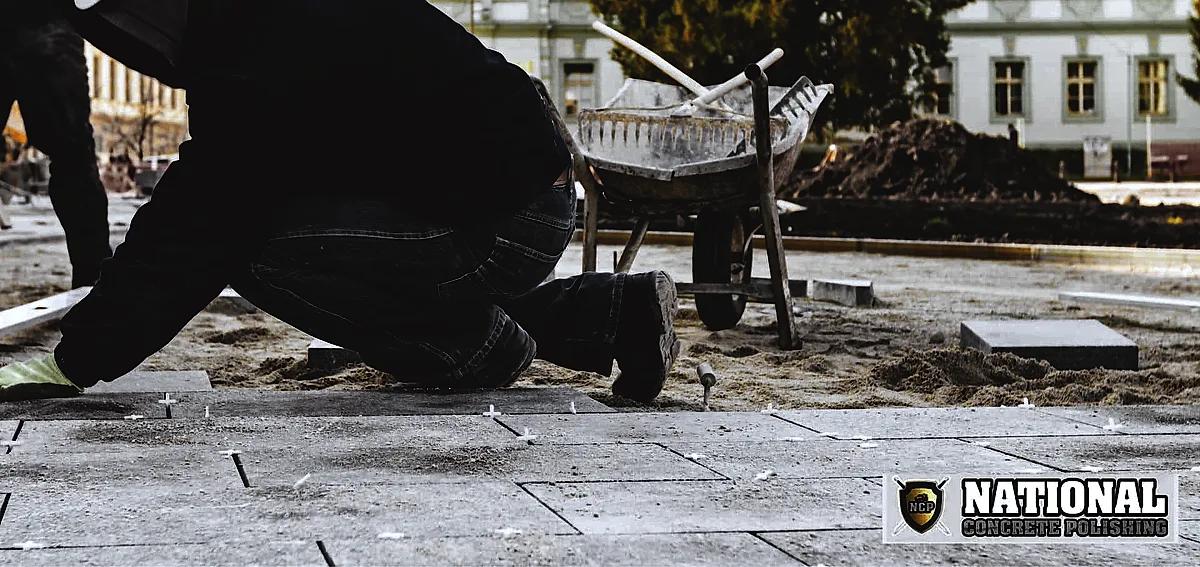
Determining whether to refresh your outdoor flooring begins with careful inspection. Look for visible clues that indicate surface renewal potential versus replacement needs. Proper evaluation prevents unnecessary expenses while ensuring lasting results.
Identifying Signs of Wear and Damage
Start by examining your outdoor areas for these common issues:
- Persistent stains that resist power washing or chemical cleaners
- Color fading from years of sun exposure
- Surface chips caused by repeated freezing and thawing
Materials that have weathered for years often show widespread discoloration despite structural soundness. Hairline and minor cracks typically respond well to repairs. Flaking or scaling textures suggest weakening that requires attention.
Determining Project Feasibility
Consider replacement if you find:
- Wide cracks extending through the entire material
- Uneven sections caused by ground movement
- Multiple broken pieces in concentrated areas
Resurfacing works best when the base remains stable. Professionals measure substrate integrity using specialized tools. They check for proper drainage and verify the absence of ongoing settlement issues before recommending treatments.
Proper Preparation and Cleaning for a Lasting Finish
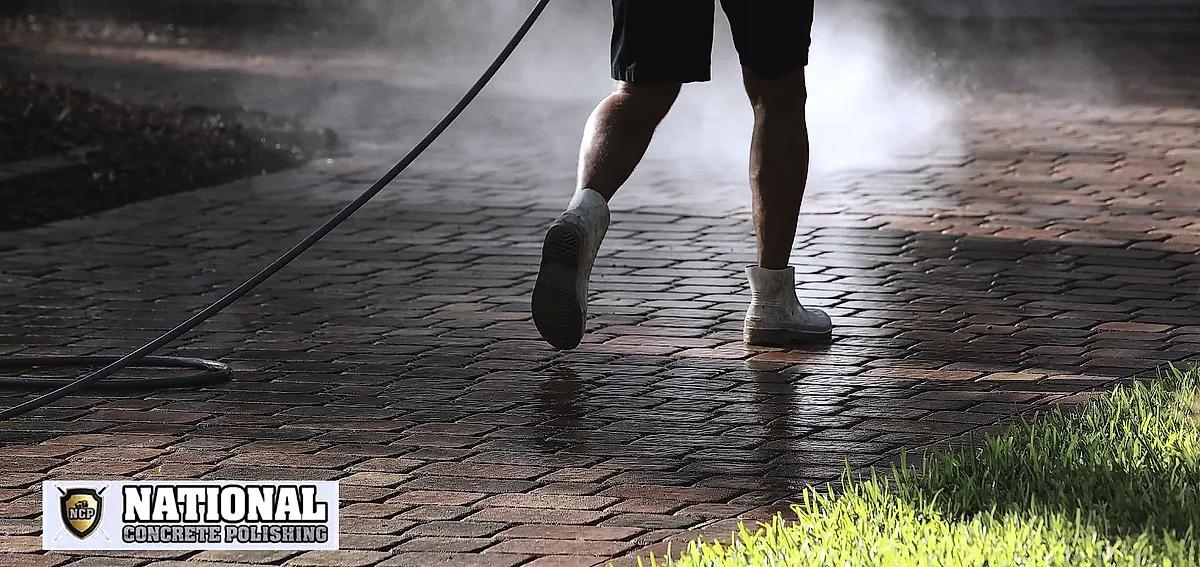
A flawless outdoor renewal project begins with groundwork that professionals never rush. Adhesion failures often trace back to skipped cleaning stages.
Importance of Thorough Cleaning and Debris Removal
Your first task involves clearing all loose materials. Blow away leaves and dirt trapped between pavers. Pressure washing follows: the CMHA describes a high pressure sprayer applying cleaner and water between 1,000 and 4,000 psi for concrete pavers, with the flow adjusted to rinse well.
Stubborn oil spots require enzyme-based cleaners. These break down grease molecules that water alone can’t remove. Cleaners that contain acid remove efflorescence and dirt, but the CMHA warns that strong acids will change the color of concrete pavers slightly, so test a small area first.
Repairing Cracks and Removing Old Sealants
Inspect every inch for hairline fractures. Use wire brushes to clean damaged areas before applying epoxy fillers. Let repairs cure completely, because rushing this stage causes visible flaws later.
Existing sealants demand careful stripping. Citrus-based solvents soften acrylic layers while mechanical grinders tackle polyurethane coatings. Technicians test stripped surfaces with water drops: proper preparation leaves no beading.
This meticulous process creates the ideal foundation for new treatments. Proper maintenance starts long before the first coat gets applied, ensuring your refreshed surfaces withstand years of use.
Selecting Materials and Resurfacing Methods
Choosing the right restoration approach requires understanding how different products perform under real-world conditions. Three primary solutions dominate modern outdoor renewals, each offering unique benefits for specific scenarios.
Comparing Overlays, Microtoppings, and Polymer-Modified Coatings
Concrete overlays adapt to various thickness needs, from micro-toppings (usually 1/8 to 3/16 inch in ACI 310R-19, generally 1/32 to 1/8 inch in Concrete Decor) to polished overlays of 3/8 to 1 inch. Thicker options handle driveways, while thinner versions refresh walkways.
Polymer-enhanced mixtures address climate challenges. Added resins improve flexibility, helping surfaces withstand temperature swings and moisture. This makes them ideal for regions with harsh winters or coastal humidity.
Microtoppings excel in cosmetic upgrades. Their thin profile hides stains without altering elevation. Integral color systems embed pigments throughout the material, so surface wear shows less than it would on a surface coat of color.
Factors to Consider Based on Weather and Usage
Your local climate dictates material performance. Freeze-thaw cycles demand crack-resistant formulas. Sun-drenched areas need UV-stable pigments. Humid zones require coatings that resist mold and moisture penetration.
Usage patterns also guide decisions. Light foot traffic areas benefit from economical microtoppings. Driveways and commercial spaces need polymer-modified options with reinforced compressive strength. Non-slip additives enhance safety around pools, while decorative finishes boost curb appeal.
Masonry paint offers another option for color updates. Its flexible binders move with temperature changes, reducing peeling. Pair it with texture additives for improved traction on smooth surfaces.
Step-by-Step Professional and DIY Resurfacing Techniques
Restoring outdoor surfaces requires precision whether you’re tackling it yourself or hiring experts. Proper execution depends on methodical preparation and understanding material behavior. Let’s break down the essentials for successful renewal projects.
Detailed Process for Applying a New Surface
Begin with a final inspection of cleaned areas. Verify the cracks have been repaired and the surfaces are completely dry. Apply bonding primer using a roller, with coverage that matches the manufacturer's specifications.
| Stage | DIY Approach | Professional Method |
|---|---|---|
| Mixing | Electric drill with paddle | Industrial mortar mixer |
| Application | Notched trowel | Power float |
| Finishing | Hand stamps | Stamps and texturing tools |
| Curing Time | Per the product data sheet | Per the product data sheet |
Work in small sections if doing it yourself. Spread materials evenly using stainless steel tools. Maintain consistent pressure to avoid thickness variations.
Tools and Safety Tips for a Successful Application
Essential equipment varies by project scale:
| Tool | Small Projects | Large Areas |
|---|---|---|
| Surface Prep | Stiff broom | Shot blaster |
| Protection | N95 mask | Respirator |
| Mixing | 5-gallon bucket | Mortar mixer |
Always wear chemical-resistant gloves and closed-toe shoes. Keep children and pets away until surfaces fully cure. Monitor weather forecasts and follow the product data sheet for the minimum application temperature and how long the surface must stay dry. One resurfacer's data sheet, for example, calls for air, mix and substrate temperatures between 50°F and 90°F and no rain in the forecast within 24 hours of application. Postpone if the forecast falls outside the range for your product.
For intricate patterns or larger spaces, consider professional assistance.
Expert Assistance in South Florida: Getting in Touch with National Concrete Polishing
Quality surface restoration requires technical expertise to achieve lasting results. Proper care keeps patios and walkways durable and attractive.
How Professionals Ensure Longevity and Durability
Specialists extend surface life through advanced methods. They select UV-resistant sealers that block moisture while maintaining color vibrancy. Precision application techniques create seamless bonds between existing materials and new coatings.
Regular maintenance preserves your refreshed areas. Experts recommend gentle cleaning with mild detergents and soft brushes to remove stains without damaging finishes. Reapply the protective sealant when it wears or soils; acrylic sealers on pavers generally last for a few years before recoating is required, depending on traffic and the quality of the acrylic.
Contacting National Concrete Polishing for Guidance
National Concrete Polishing works on driveway and patio renewals for homeowners in South Florida. Their team looks at your specific needs before recommending a solution. Call +1 844-876-5474 to schedule an evaluation.
National Concrete Polishing has been in business since 2013.
Frequently Asked Questions
What techniques restore stained pavers without replacement?
Overlays, microtoppings, and polymer-modified coatings are common methods. These products bond to existing surfaces, covering discoloration while enhancing durability. Professionals like National Concrete Polishing tailor solutions based on material type and weather conditions.
How do weather conditions impact the restoration process?
Humidity, temperature, and UV exposure affect curing times and product adhesion. In South Florida’s tropical climate, polymer-based materials often perform best due to their resistance to moisture and heat. Proper sealing post-application further protects against weather-related wear.
Can cracks in pavers compromise resurfacing results?
Yes. Cracks and gaps need epoxy fillers or patching compounds before new coatings go on. One resurfacer's data sheet, for example, says to fill any crack larger than 1/8 inch with the resurfacer mixed to a trowel-grade consistency before application. Ignoring repairs leads to uneven finishes and reduces the lifespan of the restored surface. A thorough inspection ensures minor flaws don’t escalate.
What tools are essential for a DIY project?
Pressure washers, stiff-bristle brushes, and concrete grinders remove debris and old sealants. For application, use trowels or sprayers compatible with your chosen product. Safety gear like gloves, goggles, and respirators is non-negotiable during preparation and coating stages.
How long does a professionally resurfaced patio last?
How long a resurfaced patio lasts depends on the system, the condition of the base, the climate and how the surface is used, not one fixed number. High-traffic areas like driveways may need touch-ups sooner. The sealer wears faster than the surface under it: acrylic sealers on pavers generally last for a few years before recoating is required.
When should homeowners seek expert assistance?
Complex issues like widespread staining, structural instability, or intricate patterns warrant professional help. National Concrete Polishing (+1 844-876-5474) can assess the damage and recommend a solution beyond DIY capabilities.
Written by

Founder and CEO
Chris Lavin is an esteemed leader in concrete polishing and epoxy coatings with a distinguished 20-year career. As founder and CEO of National Concrete Polishing and owner of Xtreme Polishing Systems, he's renowned for polishing and epoxy coating more floors than anyone globally. Chris is recognized for his innovative approach and commitment to enhancing floor durability and aesthetics. His hands-on experience and technical proficiency make him a respected authority and a valuable resource in the field of floor polishing and coatings.
Same topic
Related articles
All stories
Residential7 min read
Polished Concrete Garage Floor vs Epoxy: Pros and Cons
This process smooths the surface, and a densifier hardens it, so polished concrete is used in high-traffic areas.
Read it
Polished concrete11 min read
Can You Polish Old Concrete? Transform Your Floors Today
Old concrete floors often hide tremendous potential beneath their weathered, dull surfaces.
Read it
Cost & ROI11 min read
How Much Does It Cost To Polish Concrete Floors?
Choosing polished concrete flooring for your residential or commercial space is a no-brainer these days.
Read it
Tell us about the floor
Tell us the space and roughly how big it is.We come back with what it would cost and when we could start.
Prefer to talk? Call +1 844-876-5474
- Leads@
nationalconcretepolishing.net - 2200 NW 32nd St #600,
Pompano Beach, FL 33069 Mon to Fri, 9:00 to 5:30