
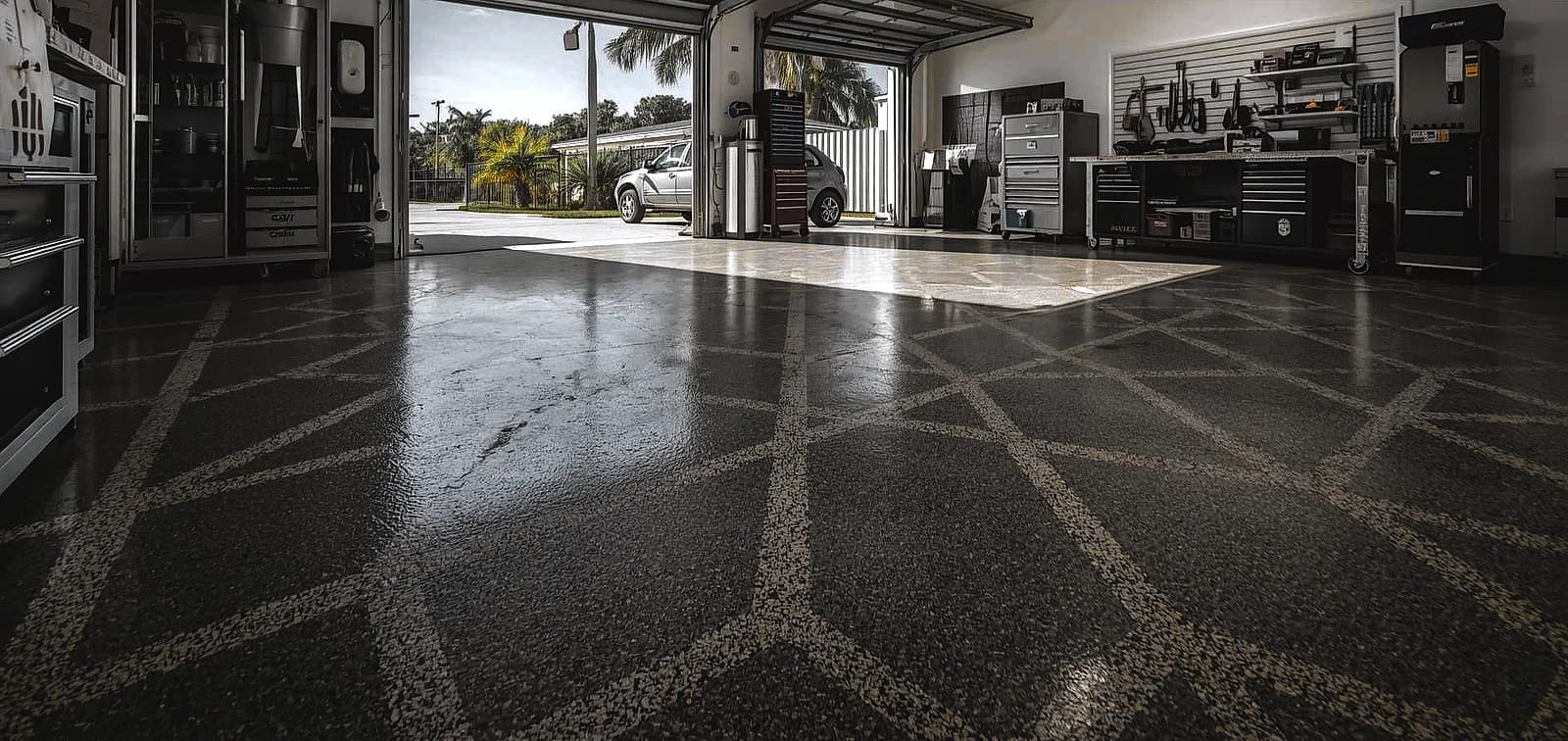
The NCP blog
What Is Concrete Polishing? A South Florida Homeowner’s Guide
Residential11 min read
Key Takeaways: The concrete polishing procedure begins with careful assessment of the existing slab condition.
Concrete polishing is a mechanical floor refinement process that transforms existing concrete slabs into highly durable, aesthetically stunning surfaces through a multi-step grinding and densification technique. Unlike traditional floor coverings that require materials to be manufactured and transported, polished concrete utilizes the slab already beneath your feet, making it one of the most sustainable flooring solutions available to homeowners today. The process involves progressively finer diamond abrasive tooling that mechanically compresses and hardens the concrete surface while achieving varying degrees of reflectivity, from subtle matte finishes to high-gloss mirrors that rival premium stone surfaces.
Key Takeaways:
- Polished concrete achieves its durability through mechanical grinding and chemical densification, not surface coatings
- The process typically requires 4-7 grinding passes with progressively finer diamond tooling
- Finish options range from salt-and-pepper aggregates to exposed aggregate designs
- Lifespan exceeds 20 years with proper maintenance, outperforming most flooring alternatives
- South Florida’s humidity makes proper moisture assessment critical before installation
- Maintenance costs average 60-70% less than hardwood or premium tile over a 10-year period
- The process is dust-free when performed with proper containment equipment
Understanding the Concrete Polishing Process
The concrete polishing procedure begins with careful assessment of the existing slab condition. Professional contractors evaluate surface integrity, crack presence, moisture levels, and existing coatings that may interfere with the bonding process. According to the American Concrete Institute, proper substrate evaluation accounts for approximately 30% of successful installation outcomes in Florida’s unique climate conditions.
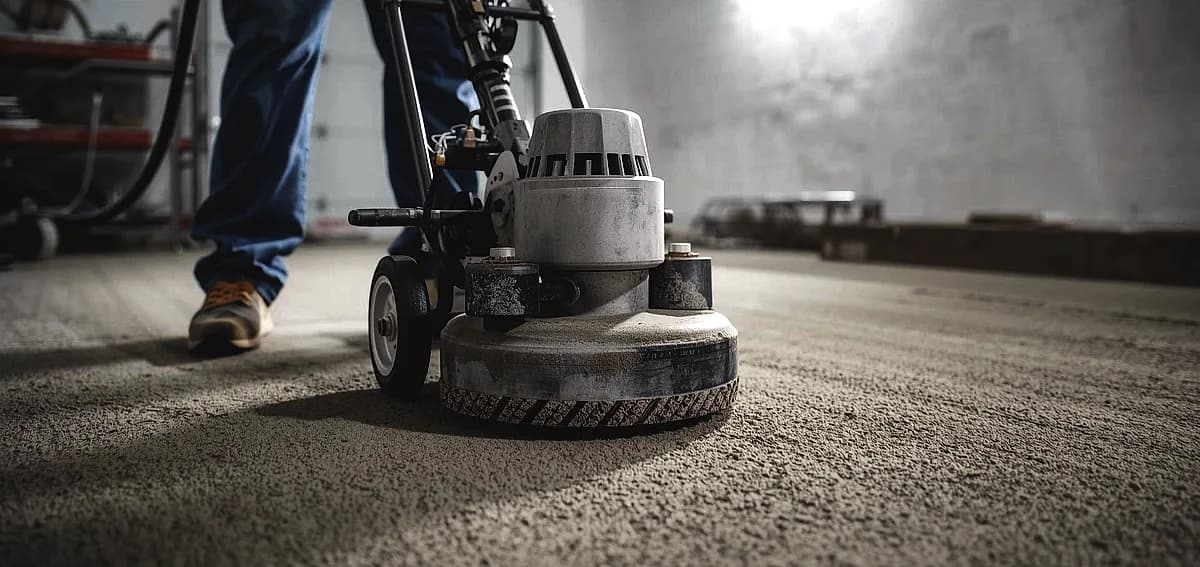
The actual polishing process follows a systematic progression that cannot be rushed without compromising results. Initial grinding passes utilize coarse diamond segments (typically 16-30 grit) to remove surface imperfections, old adhesives, or minor coatings. This stage reveals the concrete’s natural aggregate composition and creates the foundation for subsequent refinement. Each subsequent pass uses progressively finer abrasives—moving through 80, 120, 200, and finally 400 grit levels—until the desired smoothness is achieved.
Chemical densification occurs concurrently with mechanical grinding. Lithium-silicate hardeners are applied during the process, penetrating the concrete matrix to fill pores and create a harder, more resistant surface. Research from the National Ready Mixed Concrete Association indicates that properly densified surfaces demonstrate up to 40% greater resistance to abrasion and staining compared to untreated concrete. This chemical treatment essentially turns the concrete itself into the finished surface, eliminating the delamination risks associated with topical coatings.
Levels of Concrete Polish: From Matte to Mirror
Polished concrete finishes are categorized by their reflective qualities, which correspond directly to the final grit level achieved during processing. Understanding these categories helps homeowners communicate their preferences effectively and set realistic expectations for their project outcomes.
| Finish Level | Grit Range | Reflectivity | Best Application |
|---|---|---|---|
| Flat/Matte | 100-400 grit | Minimal reflection | Garages, utility spaces |
| Satin | 400-800 grit | Soft sheen | Living areas, bedrooms |
| Semi-Polished | 800-1500 grit | Moderate reflection | Kitchens, dining rooms |
| High Gloss | 1500-3000 grit | Mirror-like shine | Foyers, showrooms |
The distinction between these finishes matters significantly for practical applications. As Maria Santos, Regional Director at the International Concrete Repair Institute, explains: “Homeowners often underestimate how dramatically finish level affects both aesthetics and maintenance requirements. A high-gloss finish in a garage environment will show every tire mark and water spot, while a matte finish in a formal living room may appear dull and unfinished.”
Aggregate Exposure: Customizing Your Concrete’s Appearance
Beyond reflectivity levels, concrete polishing offers extensive customization through aggregate exposure. The grinding process can be halted at various depths to reveal different components of the concrete matrix. Light grinding exposes fine sand particles, creating the popular “salt and pepper” appearance with a uniform, contemporary aesthetic. Deeper grinding reveals progressively larger aggregate—river gravel, crushed granite, or decorative stone—creating dramatic visual interest suitable for luxury applications.
Color treatments further expand design possibilities. Integral pigments can be added during pouring for consistent throughout-coloration, while topical dyes and stains offer post-installation customization in virtually any hue. According to industry data from the Concrete Polishing Association, approximately 45% of residential polished concrete installations in coastal regions incorporate some form of color enhancement, compared to 28% in inland markets.
Benefits That Matter to South Florida Homeowners
South Florida presents unique challenges for flooring materials—high humidity, salt air exposure, intense UV radiation, and frequent storm-related moisture intrusion. Polished concrete addresses these challenges with remarkable effectiveness, making it increasingly popular among homeowners from Miami to Fort Lauderdale.
Superior Moisture Resistance
Unlike hardwood, which warps and swells with humidity fluctuations, or laminate, which delaminates when saturated, polished concrete tolerates moisture exposure without damage. The densification process reduces surface porosity to less than 0.5%, creating a surface that beads water rather than absorbing it. This characteristic proves particularly valuable for homes near the coast where humidity levels routinely exceed 80% during summer months.
Exceptional Durability and Lifespan
Polished concrete floors routinely exceed 20-year service lives with minimal maintenance intervention. Industry statistics indicate an average lifespan of 25-30 years for properly installed residential applications, compared to 10-15 years for luxury vinyl plank, 15-20 years for hardwood, and 20-25 years for premium ceramic tile. The surface hardness achieved through mechanical processing and chemical densification resists scratching from pet claws, furniture movement, and everyday foot traffic with remarkable effectiveness.
Cost Efficiency Over Time
Initial installation costs for polished concrete typically range from $4-12 per square foot, depending on existing slab condition and desired finish complexity. While this initial investment may exceed some alternatives, the 10-year cost analysis reveals significant advantages. Maintenance requirements are minimal—regular dust mopping and occasional damp mopping with pH-neutral cleaners—generating annual maintenance costs approximately 60-70% lower than hardwood floor refinishing or tile grout restoration programs.
Thermal Mass Benefits
Concrete’s thermal mass properties offer unexpected comfort benefits in South Florida’s climate. The material absorbs heat during peak afternoon hours and releases it gradually during evening cooling periods, moderating indoor temperature fluctuations. When combined with proper HVAC integration, polished concrete floors can contribute to reduced cooling costs during the region’s extended summer season. Research from the Department of Energy suggests that high-thermal-mass flooring can reduce daily temperature swings by 3-5°F in typical residential applications.
Ideal Applications Within Your Home
Polished concrete suits virtually any room in a South Florida residence, though certain applications showcase its advantages particularly well.
Kitchens and Living Spaces
The kitchen represents an ideal application for polished concrete given its exceptional resistance to staining, ease of cleaning, and seamless transition between indoor and outdoor living areas. Open floor plans common in South Florida construction benefit from the visual continuity that monolithic concrete floors provide. The surface handles dropped cookware without chipping, resists permanent staining from cooking oils and acidic foods, and cleans with simple soap and water.
Garages and Outdoor Living Areas
Garage applications demonstrate polished concrete’s durability against vehicle traffic, oil exposure, and heavy tool storage. The surface resists hot tire pickup that plagues epoxy coatings, maintains appearance despite chemical exposure, and cleans easily when oil or coolant spills occur. Outdoor applications around pools and patios benefit from the material’s slip resistance when properly finished and its resistance to UV-induced degradation that affects many coating systems.
bathrooms and Laundry Rooms
Moisture-rich environments where traditional flooring materials struggle represent another excellent application category. Polished concrete tolerates the humidity fluctuations of bathrooms without the expansion and contraction issues affecting wood-based materials. The seamless installation eliminates grout lines that collect mildew and require aggressive cleaning in tile installations.
The Installation Process: What to Expect
Professional concrete polishing installation typically requires 3-5 days for an average 1,500 square foot residence, though timeline varies based on slab condition and finish complexity. Understanding this process helps homeowners prepare appropriately and set realistic expectations.
- Initial Assessment: A qualified contractor evaluates your existing slab for cracks, moisture levels, existing coatings, and surface regularity. This assessment determines whether repairs or moisture mitigation are necessary before proceeding.
- Repairs and Preparation: Cracks are filled with epoxy or polyurethane compounds, and any severely damaged areas receive targeted concrete replacement. This phase typically requires 24-48 hours for material cure.
- Initial Grinding: Coarse diamond tooling (16-30 grit) removes surface contaminants and levels minor irregularities. This pass generates the most dust, though professional contractors utilize containment systems to minimize disruption.
- Crack Jumping and Detailing: Any remaining cracks or control joints receive treatment to prevent future propagation. Decorative saw cuts or scoring may be added at this stage if specified.
- Progressive Grinding: Successively finer grits refine the surface through 80, 120, and 200 grit levels, progressively smoothing the texture.
- Chemical Densification: Lithium-silicate hardener is applied in multiple coats, allowing penetration and reaction between applications. Each coat requires 2-4 hours of dwell time.
- Final Polishing: Fine grit passes (400-3000 grit depending on desired finish) achieve the final reflectivity level. Additional dye or stain applications occur during this phase if specified.
- Protective Treatment: A final topical treatment may be applied to enhance stain resistance during the initial use period, though this is optional depending on the installation.
Maintenance Requirements: Simpler Than You Think
One of polished concrete’s most appealing characteristics is its minimal maintenance burden compared to the materials it often replaces. Unlike hardwood floors requiring periodic refinishing or tile installations demanding regular grout restoration, polished concrete maintains its appearance through simple, consistent care practices.
Daily maintenance involves dust mopping to remove abrasive particles that could scratch the surface over time. Weekly damp mopping with a pH-neutral cleaner removes accumulated dirt and maintains the floor’s natural luster. High-traffic areas may benefit from occasional auto-scrubbing or professional cleaning every 6-12 months, though this is not strictly necessary for surface preservation.
Unlike topical coatings that require reapplication every 3-5 years, polished concrete’s color and reflectivity are inherent to the substrate itself. Surface scratches that do occur can be repaired through localized re-polishing rather than complete floor restoration. This characteristic contributes significantly to the material’s exceptional lifetime cost profile.
Comparing Alternatives: Why Polished Concrete Wins
When evaluating flooring options for South Florida homes, understanding how polished concrete compares to alternatives helps inform the decision-making process. The National Flooring Institute provides comprehensive comparison data across multiple performance categories.
Against hardwood flooring, polished concrete offers superior moisture resistance, eliminating the humidity-related expansion and contraction that causes gaps, cupping, and eventual failure in wood floors. Against premium tile installations, polished concrete eliminates grout maintenance entirely while providing seamless aesthetic continuity. Against epoxy coatings, polished concrete demonstrates superior scratch resistance and eliminates the hot-tire pickup issues that plague coated garage floors.
The sustainability advantage deserves particular attention. Polished concrete utilizes existing materials rather than requiring new manufacturing, transportation, and installation of floor coverings destined for landfills within 15-20 years. The International Association of Certified Home Inspectors estimates that flooring replacement accounts for approximately 2% of construction waste volume, a figure that polished concrete installations effectively eliminate.
Conclusion
Concrete polishing represents a sophisticated floor refinement technology that transforms utilitarian concrete slabs into beautiful, durable, and economical finished floors. The process combines mechanical grinding with chemical densification to create surfaces that rival premium stone materials while offering superior durability, moisture resistance, and maintenance simplicity. For South Florida homeowners, polished concrete addresses the region’s unique climate challenges while providing aesthetic flexibility suitable for contemporary design preferences.
The investment in professional concrete polishing delivers returns across multiple dimensions: immediate aesthetic transformation, exceptional long-term durability, minimal maintenance requirements, and superior value retention compared to conventional flooring alternatives. Whether you’re renovating a single room or undertaking whole-home improvement, polished concrete deserves serious consideration as a primary flooring option.
Ready to explore whether polished concrete is right for your South Florida home? Our team brings 13+ years of experience in concrete surface refinement throughout the Miami metropolitan area and beyond. Contact us today to schedule a complimentary consultation and receive a detailed assessment of your project’s possibilities.
Frequently Asked Questions
How long does concrete polishing take in a typical South Florida home?
Most residential projects require 3-5 days for completion, depending on square footage and finish complexity. Smaller areas such as single bathrooms or garages may be completed in 1-2 days, while whole-home installations spanning 2,000+ square feet may require a full week. Cure time between densifier applications adds minimal additional time to the overall schedule.
Can polished concrete be installed over existing tile or vinyl flooring?
Technically, yes, but this approach is generally not recommended. Removing existing flooring materials to expose the concrete substrate ensures optimal bonding and prevents potential delamination issues. Additionally, removing old flooring allows assessment and repair of the concrete beneath, which is essential for long-term performance. The cost savings from avoiding removal are typically outweighed by future repair expenses.
Will polished concrete be slippery when wet?
Polished concrete surfaces exhibit similar slip resistance to natural stone tile when properly finished. The coefficient of friction for polished concrete typically ranges from 0.5-0.6 when dry and 0.4-0.5 when wet, meeting or exceeding building code requirements for walking surfaces. For pool deck applications where wet barefoot traffic is common, a matte finish provides additional traction.
How do I prevent etching from citrus juice or wine on polished concrete?
While polished concrete demonstrates significantly better acid resistance than unpolished concrete, prolonged exposure to highly acidic substances can cause surface etching. Wiping spills promptly eliminates this risk entirely. For kitchens and dining areas where occasional spills are inevitable, applying a penetrating sealer provides additional protection without altering the floor’s appearance.
Does polished concrete work well with radiant floor heating systems?
Polished concrete is exceptionally compatible with radiant heating systems. The material’s thermal conductivity allows efficient heat transfer from embedded heating elements, and the thermal mass properties help moderate temperature fluctuations. Concrete’s minimal expansion and contraction with temperature changes also protects heating system integrity over years of use.
What causes polished concrete to develop a hazy or dull appearance over time?
Dullness typically results from accumulated contaminants that weren’t removed through regular cleaning, or from using inappropriate cleaning products that leave residue. Acidic cleaners, wax-based products, and oil-containing soaps all contribute to surface haziness. Restoration involves professional re-polishing with fine diamond tooling, typically required only every 10-15 years in residential applications.
Can cracks in the existing concrete be hidden during the polishing process?
Hairline cracks can often be filled during the grinding process using specialized crack-filling compounds that blend with the surrounding concrete. However, structural cracks or those caused by ongoing substrate movement will eventually reflect through the polished surface. Proper assessment before installation identifies cracks requiring repair and determines whether the substrate is suitable for polishing.
Is polished concrete suitable for homes with pets?
Polished concrete represents an excellent choice for pet-owning households. The surface resists scratching from claws that would damage hardwood or laminate flooring, tolerates accidents without staining or odor absorption, and cleans easily of pet hair and associated allergens. The seamless surface also eliminates the grout lines where pet accidents can cause persistent odor issues in tile installations.
References
- American Concrete Institute – Industry standards for concrete floor evaluation and installation practices
- National Ready Mixed Concrete Association – Research on concrete densification and surface treatment technologies
- International Concrete Repair Institute – Technical guidance on concrete surface preparation and repair methodologies
- Concrete Polishing Association – Industry statistics on residential polished concrete applications and trends
- U.S. Department of Energy – Research on thermal mass properties and energy efficiency in residential flooring
- National Flooring Institute – Comparative analysis of flooring material performance characteristics
Written by

Founder and CEO
Chris Lavin is an esteemed leader in concrete polishing and epoxy coatings with a distinguished 20-year career. As founder and CEO of National Concrete Polishing and owner of Xtreme Polishing Systems, he's renowned for polishing and epoxy coating more floors than anyone globally. Chris is recognized for his innovative approach and commitment to enhancing floor durability and aesthetics. His hands-on experience and technical proficiency make him a respected authority and a valuable resource in the field of floor polishing and coatings.
Same topic
Related articles
All stories
Residential8 min read
What Restaurants Need to Pass a Health Inspection Floor Check
It endures heavy foot traffic, dropped equipment, boiling water spills, and harsh degreasing chemicals daily.
Read it
Residential9 min read
How Restaurants Replace Their Floors Without Closing for Long
The average food service establishment loses approximately $3,500 in daily revenue during unexpected closures in 2026.
Read it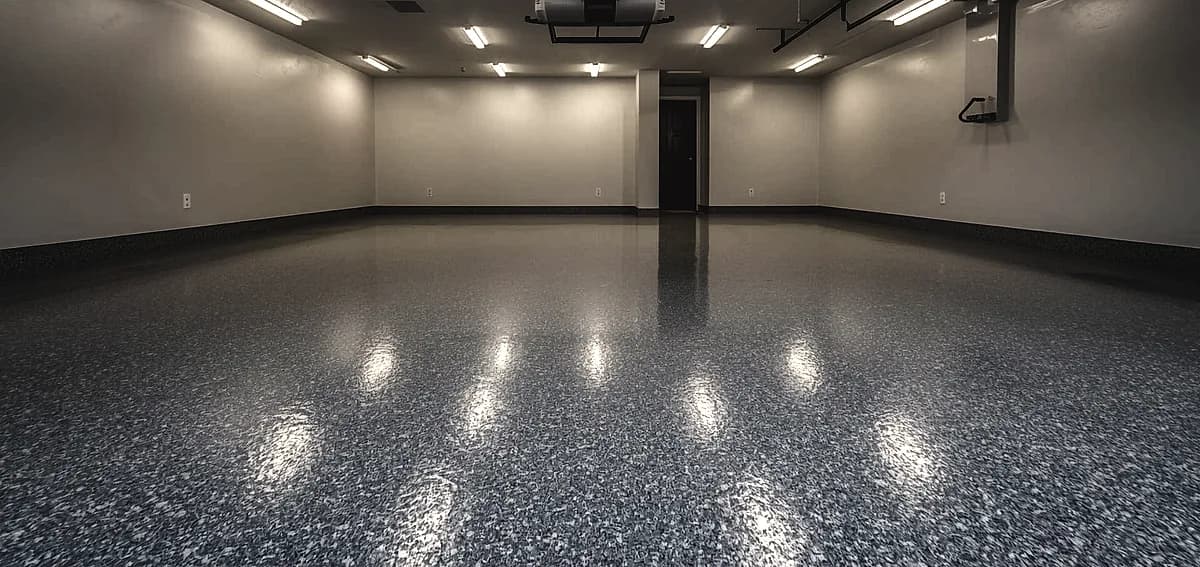
Residential8 min read
Where Polished Concrete Beats Epoxy in a Home (and Where It Doesn’t)
Before evaluating specific rooms, it is essential to understand how these two flooring systems function.
Read it
Tell us about the floor
Tell us the space and roughly how big it is.We come back with what it would cost and when we could start.
Prefer to talk? Call +1 844-876-5474
- Leads@
nationalconcretepolishing.net - 2200 NW 32nd St #600,
Pompano Beach, FL 33069 Mon to Fri, 9:00 to 5:30